
I grew up holding the flashlight for my dad under the sink, which taught me something I still lean on today: most “repairs” are just a handful of simple checks done in the right order. If you are brand new to DIY, the trick is picking jobs that are forgiving, low-risk, and have a clear payoff on your bills.
Below are seven home fixes I recommend to friends who want to start building confidence and saving money without turning their weekend into a demolition derby.
Before you start: a tiny tool kit that covers most fixes
You do not need a garage full of gear. For everything on this list, I reach for the same basics.
- Adjustable wrench or a small set of open-end wrenches
- Slip-joint pliers
- #2 Phillips and flathead screwdrivers
- Utility knife with fresh blades
- Putty knife
- Tape measure
- Painter’s tape and a small tub of spackle
- Caulk gun and a good quality paintable acrylic latex caulk (for trim and gaps)
- Stud finder (helpful, not required)
- Non-contact voltage tester (if you touch outlets or switches)
- Safety glasses (especially for sanding and scraping)
My thrifty tip: buy the best version of the tool you use constantly, and the budget version of the tool you might use once a year.
1) Stop a running toilet (often a $10 to $35 fix)
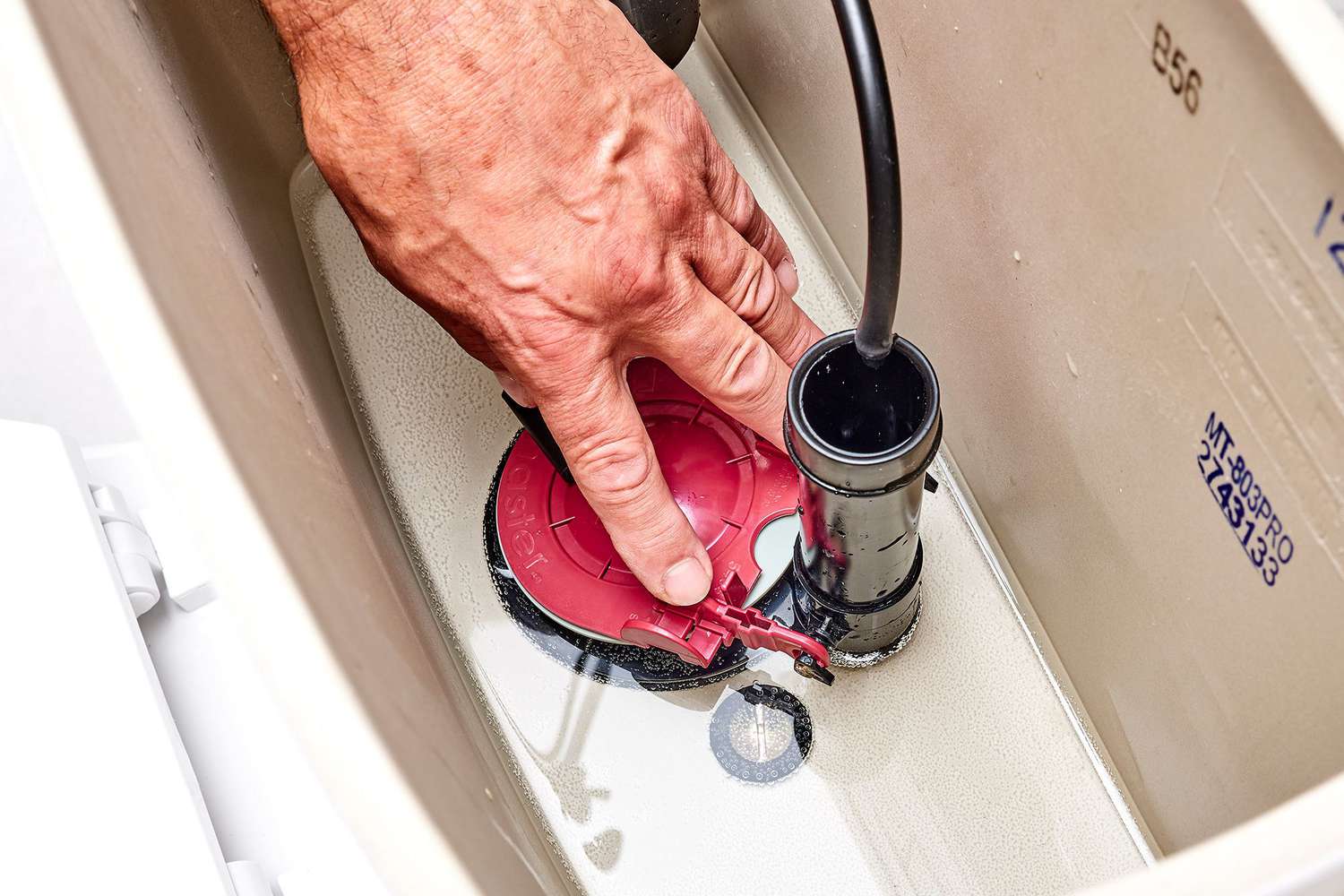
A toilet that runs off and on is basically your house quietly burning money. The good news is the repair is almost always inside the tank and beginner-friendly.
What you will usually replace
- Flapper (most common)
- Fill valve (if it hisses, refills slowly, or never shuts off)
Steps
- Turn off the water at the shutoff valve behind the toilet.
- Flush to empty the tank.
- Check the flapper: if it is warped, slimy, or not sealing, replace it. Match it at the store by bringing the old one.
- Make sure the chain has a little slack. Too tight holds the flapper open. Too loose can get caught under the flapper.
- If the fill valve is the issue, replace it as a unit. Follow the instructions in the box and hand-tighten fittings first, then snug gently with pliers.
- Turn water back on and do a few test flushes.
One habit that saves repeat repairs: skip drop-in in-tank cleaning tablets. They can chew up rubber parts and turn a $10 fix into a recurring chore.
Beginner mistake I made: overtightening the plastic nut under the tank. Snug is enough. Cranking on plastic is how you create a bigger problem.
When to call a pro: if the base of the toilet rocks, you see water at the floor, or the subfloor feels soft.
2) Fix a dripping faucet with washers or a cartridge
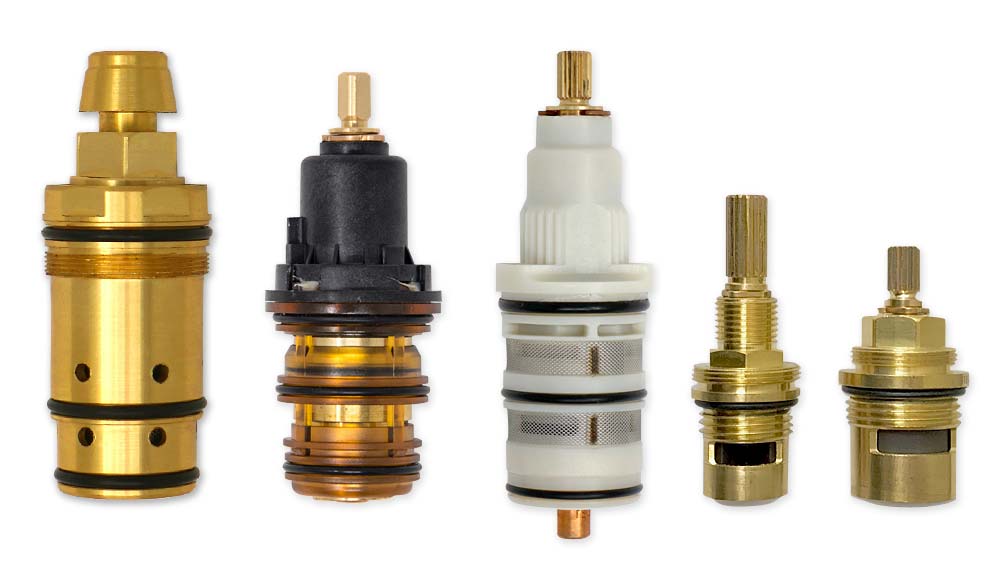
A steady drip is annoying, but it is also wear on your faucet parts. Many modern single-handle faucets use a cartridge or ceramic disc. Older two-handle faucets often use washers and O-rings.
Steps
- Shut off the hot and cold supply valves under the sink.
- Plug the drain so nothing disappears.
- Remove the handle and trim. Take a photo as you go so reassembly is easy.
- Pull the cartridge, disc assembly, or stem and match the replacement. If you cannot match it, bring the old one to the hardware store.
- Reassemble and turn water back on slowly.
What saves money here: you avoid a service call for a problem that is usually a $10 to $30 part.
When to call a pro: if your shutoff valves will not fully stop water, or the supply lines are corroded and feel like they will snap.
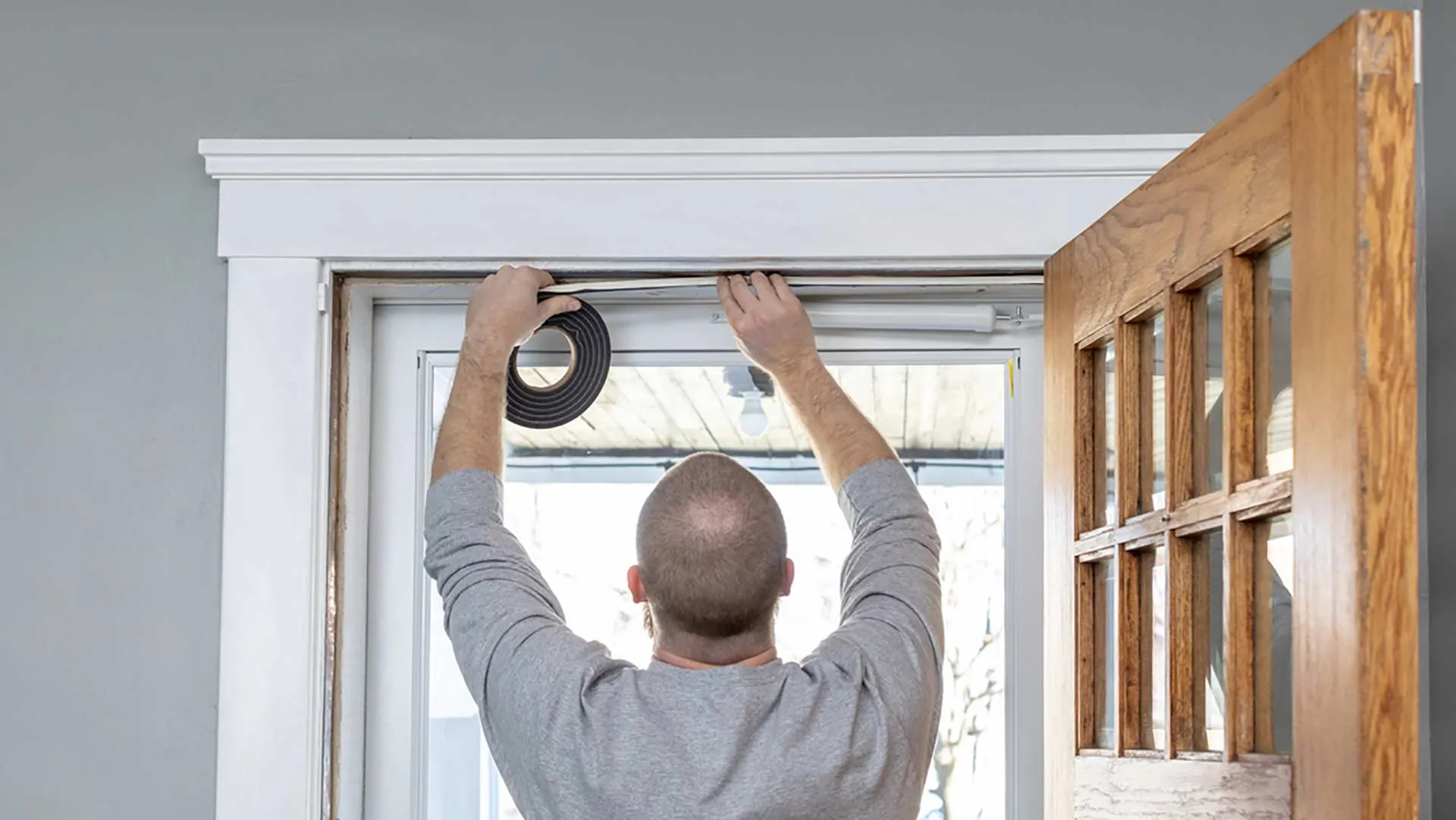
3) Seal drafts around doors with weatherstripping and a sweep
This one pays you back every heating and cooling season. If you can close a door and use scissors plus a drill or screwdriver, you can do this.
Steps
- Find the draft: at night, hold a flashlight inside and look for light from outside. You can also use a strip of tissue and watch it flutter. If you use incense, keep it away from curtains and anything flammable, and never leave it unattended.
- Replace cracked or flattened door jamb weatherstripping. Many types press into a kerf groove. Others are adhesive-backed.
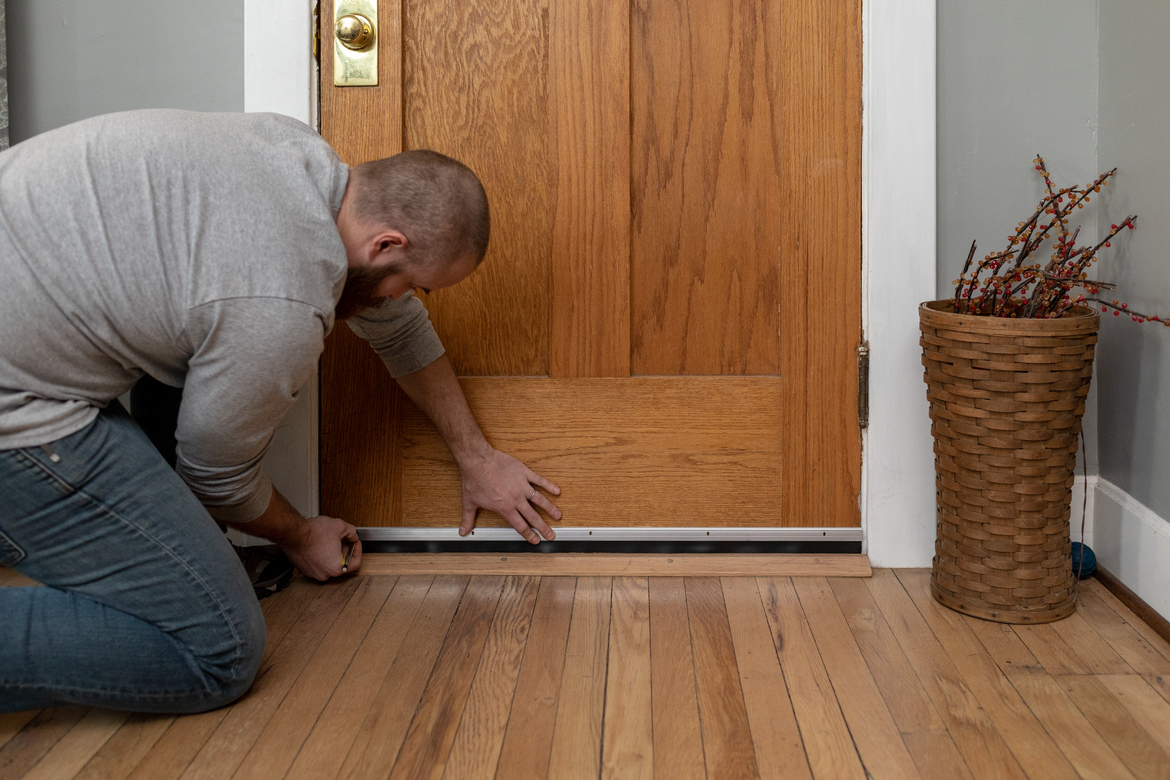
- Add or replace a door sweep at the bottom so it barely brushes the threshold.
- Check the strike plate: if the latch does not pull the door tight, adjust the strike plate position slightly.
Quick guide to weatherstripping types: kerf-in is clean and durable if your door jamb has the groove, foam tape is easy for beginners but wears faster, and V-strip is great for the sides and top when you need a tight seal without a bulky profile.
Beginner mistake to avoid: installing the sweep too tight. It will make the door hard to close and it will wear out fast.
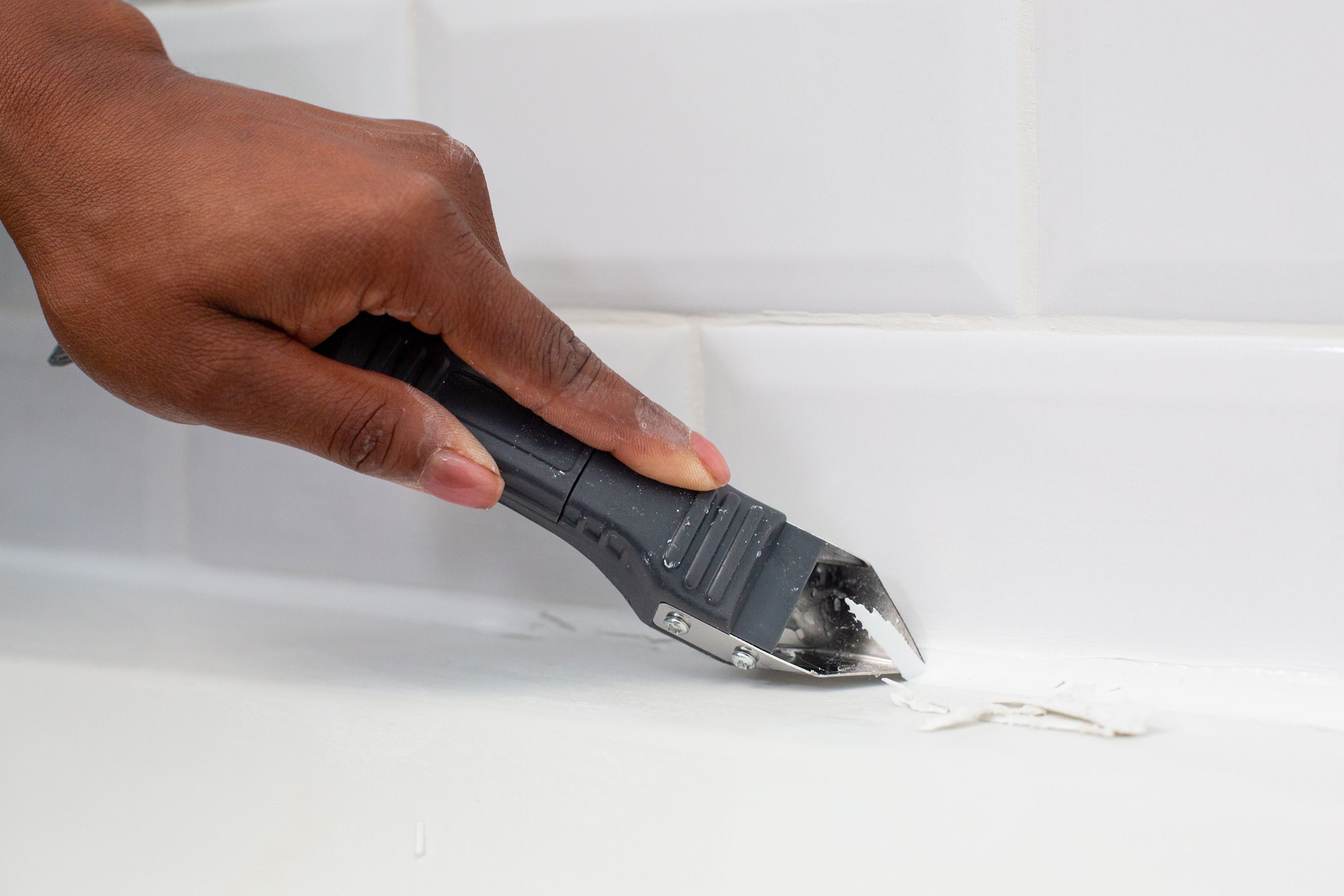
4) Re-caulk a tub or shower edge
Caulk is one of those “small” tasks that prevents big, expensive repairs. If the caulk line is cracked, missing, or moldy, water can slip behind the tub and into the wall or floor.
Steps
- Remove old caulk completely using a plastic scraper and a utility knife. Take your time.
- Clean the joint with a bathroom-safe cleaner and let it dry fully. Ventilate the room while cleaning and caulking.
- Tape both sides of the joint with painter’s tape for a clean line.
- Apply a steady bead of 100% silicone caulk for wet areas, unless the manufacturer specifies otherwise.
- Tool the bead with a damp finger or caulk tool, then remove tape immediately.
- Let it cure the full time on the tube before using water.
My hard-learned lesson: caulking over old caulk is a temporary cover-up, not a repair. New caulk only sticks well to clean surfaces.
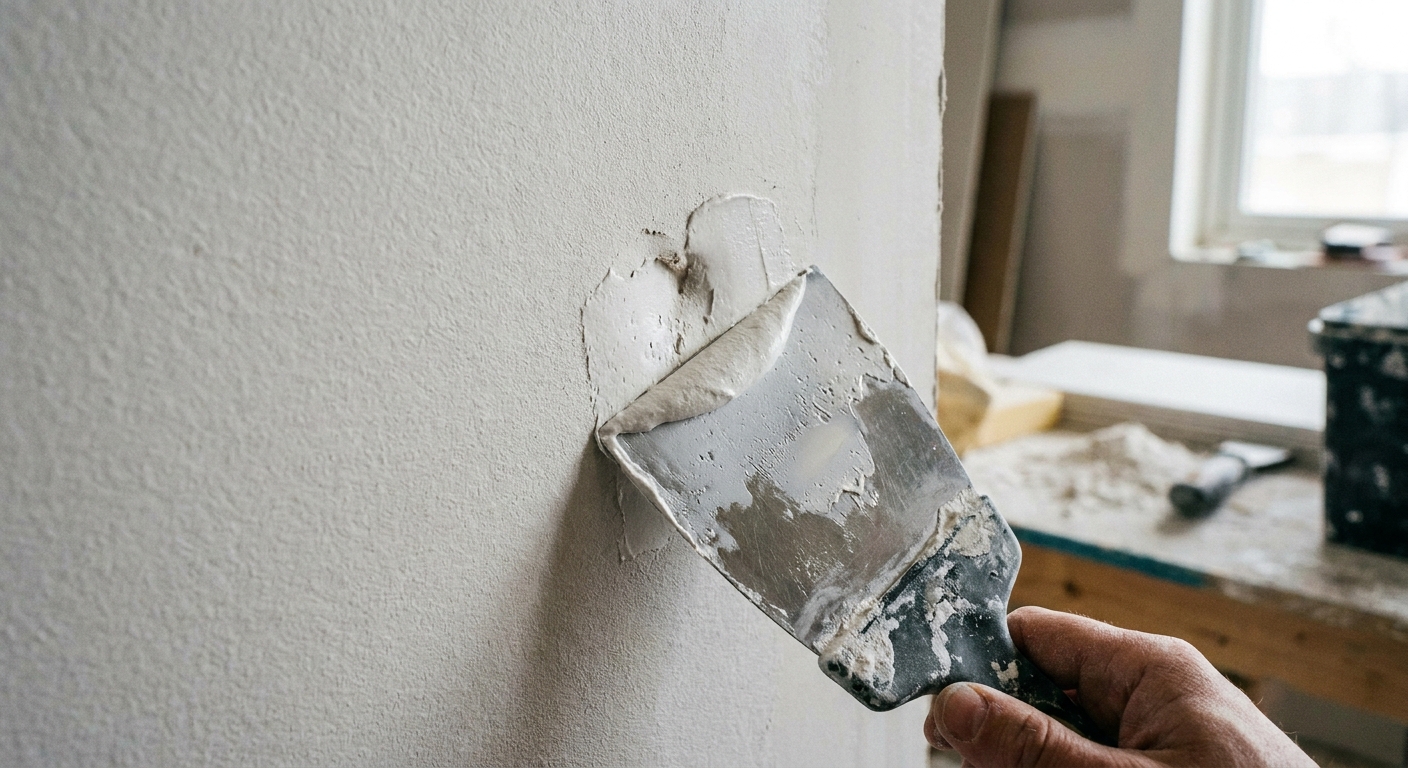
5) Patch small drywall dings
Drywall repair sounds scary until you do it once. For nail pops, picture hanger holes, and small dents, it is basically clean, fill, sand, and paint.
Steps
- Cut away loose paper with a utility knife.
- For small holes, press in lightweight spackle. For deeper dents, do two thin coats instead of one thick one.
- Let it dry completely.
- Sand lightly with 120 to 220 grit until it feels flush. Wear safety glasses, and a dust mask if you are sensitive.
- Prime the patch, then paint. A quick coat of drywall primer or a stain-blocking primer prevents flashing, which is that annoying “you can still see the patch” look.
Beginner mistake to avoid: sanding like you are scrubbing a cast iron pan. Light pressure is the whole game. You are shaping, not grinding.
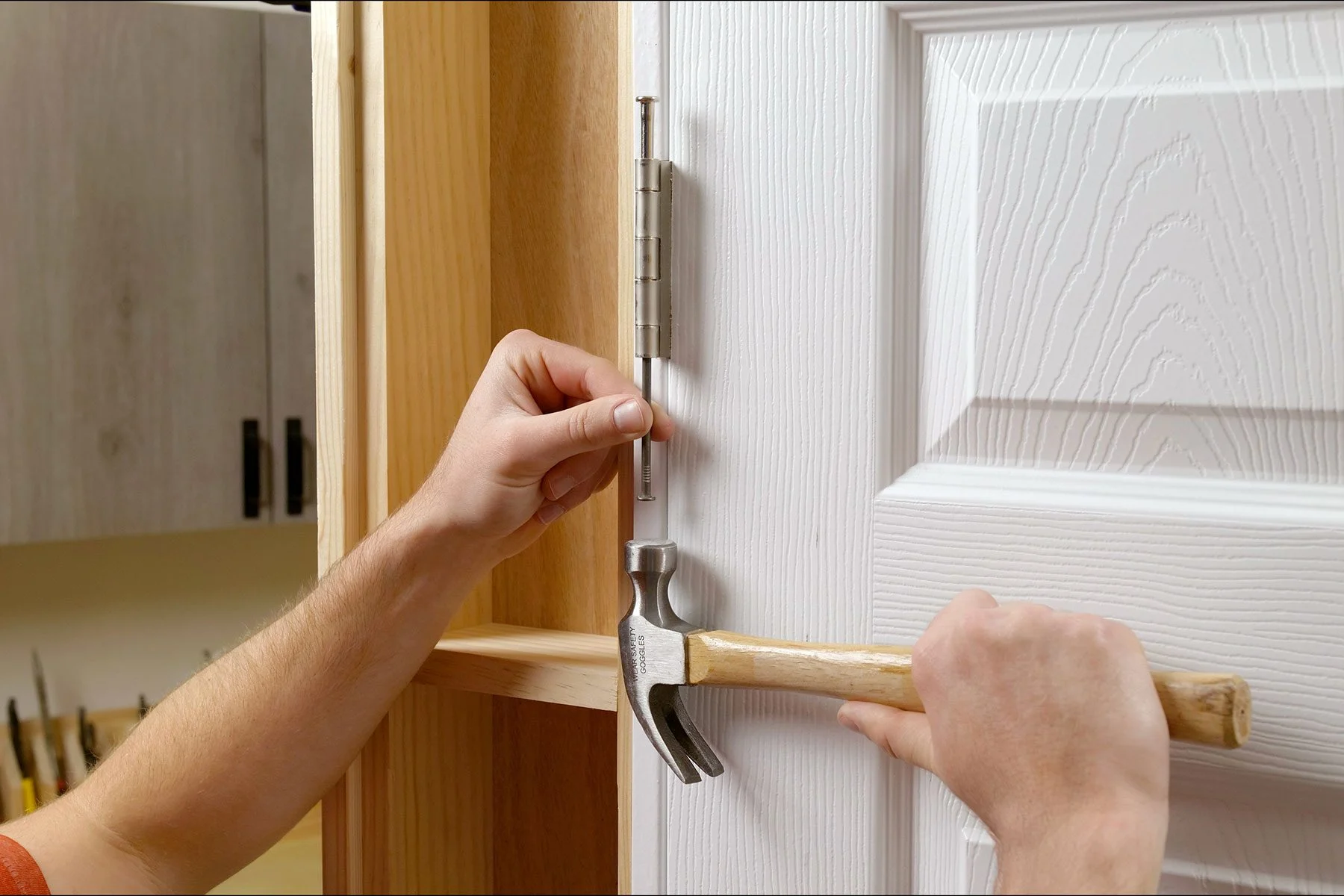
6) Silence a squeaky door
This is the definition of low stakes. If you can work a screwdriver, you can quiet most squeaks in under 10 minutes.
Steps
- Open the door so the hinge is accessible.
- Tap the hinge pin up and out using a screwdriver and a hammer.
- Wipe the pin clean, then apply a light lubricant. A silicone spray or a drop of machine oil works well.
- Reinsert the pin and swing the door a few times.
- If the hinge is loose, snug the screws. If a screw spins, replace it with a longer one that bites into framing.
Thrifty swap: if you are in a pinch, a tiny bit of petroleum jelly can quiet a hinge, but a proper lubricant stays cleaner long-term.
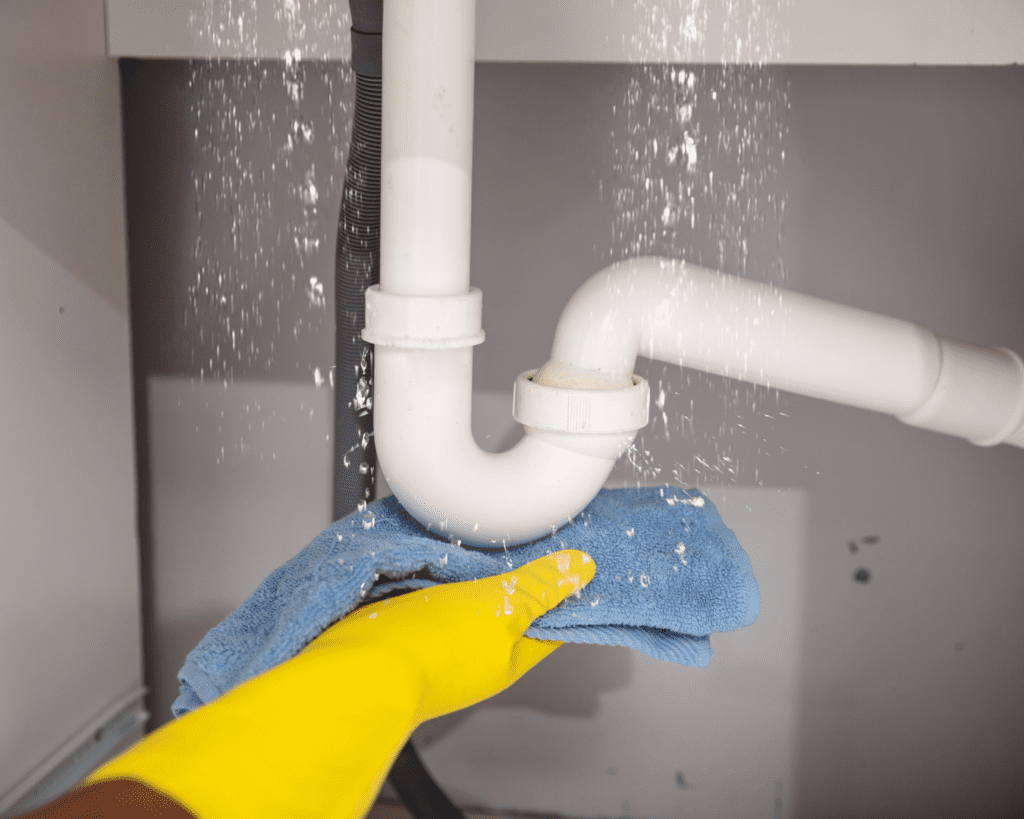
7) Fix common under-sink leaks
Not every leak under a sink means “new pipes.” A lot of the time it is a tired gasket or a loose slip nut.
Steps to diagnose
- Dry everything with a paper towel.
- Run water and watch: is it dripping from the drain flange at the sink, a slip joint, or the disposal connection?
Common fixes
- Slip joint leak: hand-tighten the nut, then give it a small additional snug with pliers. If it still leaks, replace the beveled washer.
- Sink strainer leak (at the top): remove the strainer, scrape old putty, and reinstall with fresh plumber’s putty or a gasket per manufacturer instructions.
- Disposal dishwasher inlet leak: check the clamp and hose, and confirm the knockout plug was removed if you have a dishwasher.
- Disposal mounting leak: if the drip is at the connection between the disposal and the sink flange, you may need to reseat the mounting ring and replace the gasket per the disposal instructions. Unplug the disposal first.
If you are tempted to replace the disposal: it is doable, but it is a bigger step up. Make sure the unit is unplugged (or the breaker is off if it is hardwired), and be ready to disconnect the dishwasher hose and drain lines. If any wiring looks cooked or confusing, that is a good moment to call a pro.
When to call a pro: if you see water damage swelling the cabinet floor, the leak is coming from inside a wall, or you cannot fully stop the water with the shutoffs.
A quick first-project checklist
- Start where you can see the result. Draft sealing and squeaks are instant wins.
- Avoid hidden-water risks at first. If you are nervous, begin with doors, drywall, and hinges.
- Set a time box. Choose something you can finish in two hours so you end the day with a win, not a half-taken-apart sink.
- Shut off power the right way. A non-contact tester is helpful, but if you open an outlet or switch, turn off the breaker first.
FAQ
What is the easiest DIY home repair for a total beginner?
Silencing a squeaky door hinge and replacing door weatherstripping are the easiest because they are low risk, require minimal tools, and you can test the result immediately.
Which DIY fixes save the most money fastest?
Stopping a running toilet and sealing drafts around exterior doors usually pay back quickly. A running toilet can waste a surprising amount of water, and drafts drive up heating and cooling costs.
What should I not DIY as a beginner?
Skip anything involving a main electrical panel, gas lines, roof leaks, or structural changes until you have more experience or a pro on hand. Those mistakes get expensive in a hurry.
Your next step
If you want a simple path, do this: pick one fix from the list that you can complete today, then put the tool you used most into a small “starter kit” box. That little box is how DIY becomes normal, not intimidating.
And if you get stuck mid-project, take a photo, label what you know, and slow down. Most repairs are just a few calm checks in the right order.

About Marcus Vance
Content Creator @ Grit & Home
Marcus Vance is a lifelong DIY enthusiast and self-taught home renovator who has spent the last decade transforming a dilapidated 1970s ranch into his family's dream home. He specializes in budget-friendly carpentry, room-by-room renovations, and demystifying power tools for beginners. Through his writing, Marcus shares practical tutorials and hard-learned lessons to help homeowners tackle their own projects with confidence.