
First, a quick safety check
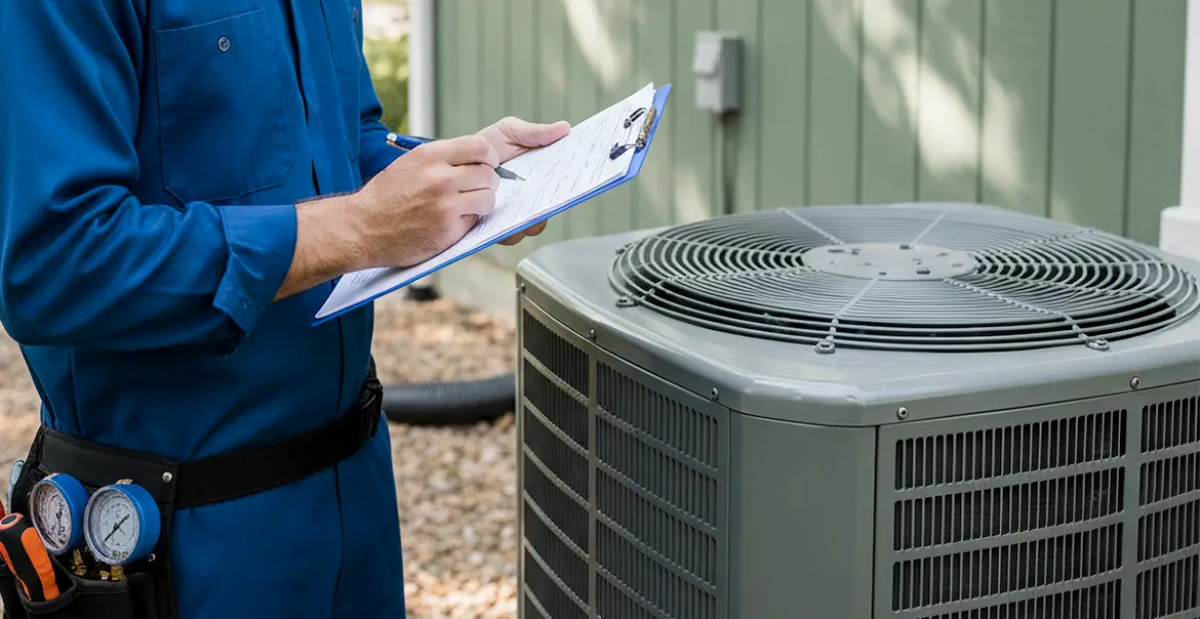
If your AC is suddenly loud, the goal is simple: prevent damage and keep everyone safe while you narrow down the cause. A lot of “noise” issues are minor, but a few are urgent.
Shut it down now if you notice any of these
- Burning smell or visible smoke
- Electrical buzzing that is loud and steady, especially near the outdoor disconnect or breaker panel
- Grinding or metal-on-metal sounds
- Ice on the refrigerant line or coil plus unusual noise
- Hissing that does not stop (possible refrigerant leak)
Safe move: Set the thermostat to OFF. At the outdoor unit, switch the disconnect to OFF if you know where it is. If you are unsure, turn off the AC breaker.
One important rule: Avoid opening the unit’s electrical compartment. Even with power off, some components (like capacitors) can hold a charge. If the next step requires removing more than obvious exterior screws, stop and call a licensed HVAC pro.
Use the noise to diagnose
Before you grab tools, take 60 seconds to collect clues. This saves a lot of guesswork.
- Where is it loudest? Indoor unit (furnace or air handler), outdoor unit (condenser), or in the ducts?
- When does it happen? Only at startup, only at shutdown, only while running, or randomly?
- Constant or intermittent? A steady noise points to a motor or electrical issue. Intermittent often points to something loose or a control trying to start.
- Any performance change? Not cooling, weak airflow, short cycling, or higher humidity are important hints.
Buzzing noise
A buzzing AC can be as small as a loose panel, or as serious as a failing electrical component. If the buzz is loud and electrical-sounding, treat it as a priority.
Common causes
- Loose contactor or failing relay inside the outdoor unit
- Failing capacitor (fan or compressor struggles to start)
- Debris touching the fan or a bent fan blade
- Loose electrical connection or arcing
- Compressor strain (sometimes paired with hard starting)
DIY checks (safe ones)
- Power OFF and gently try to wiggle the outdoor unit’s sheet-metal panels. Tighten obvious loose exterior screws.
- Remove leaves and twigs around the unit. Keep at least 2 feet of clearance around the condenser, or follow your unit’s manual if it specifies more or less.
- If buzzing happens only when the system tries to start, note whether the fan spins and whether cold air actually blows inside.
Call a pro if
- The unit buzzes and will not start, or starts and then shuts off
- You hear buzzing plus breaker trips
- The buzzing seems to be coming from behind an access cover or electrical compartment
Why: Capacitors, contactors, and electrical connections are not beginner-friendly repairs. They can store or carry dangerous voltage even when the thermostat is off.
Rattling noise
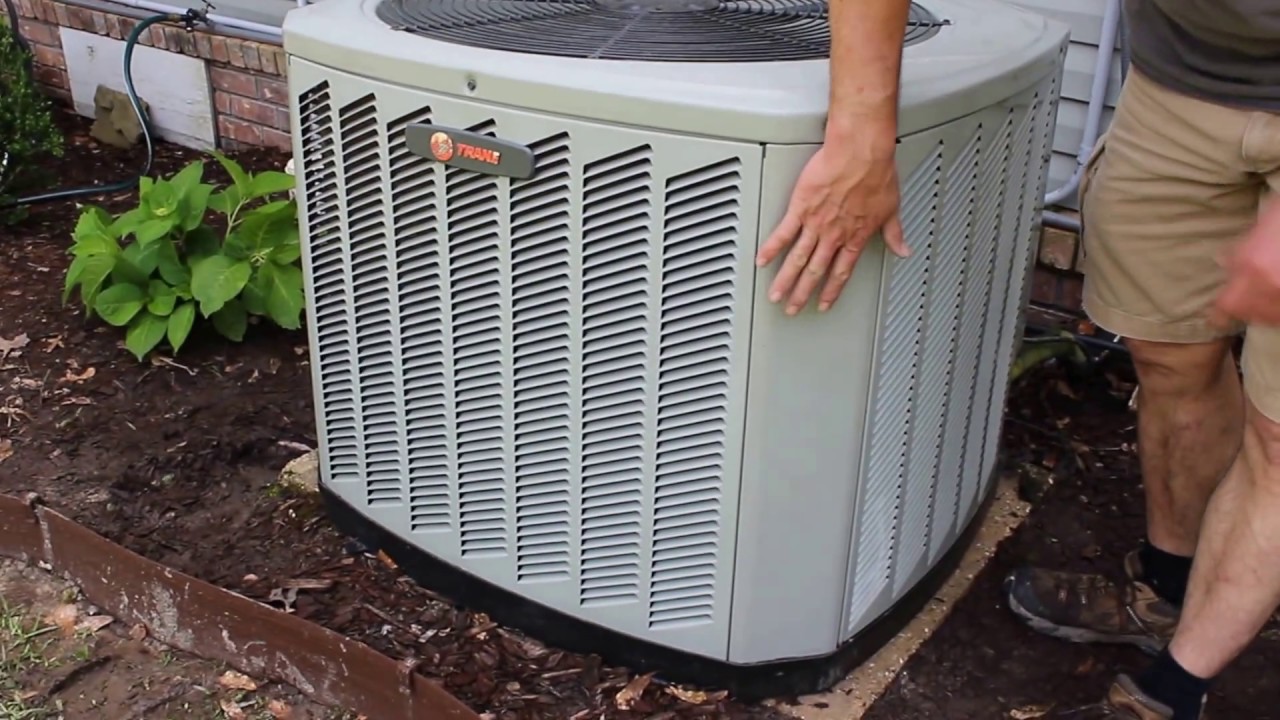
Rattling is the classic “something is loose” sound. The good news is that it is often a simple fix. The bad news is that ignoring it can let a small problem turn into a bigger one.
Common causes
- Loose access panel or screws on the outdoor unit
- Sticks, acorns, gravel, or debris bouncing around inside the condenser
- Fan blade hitting the shroud due to a bent blade or loose motor mount
- Loose ductwork or a vibrating return grille
DIY fixes
- Turn power OFF. Tighten loose exterior condenser screws and panel fasteners.
- Clear debris you can safely reach from the top grille or base area without opening the electrical side. Use gloves and a flashlight.
- Inside, check that supply and return grilles are snug. Add thin foam weatherstripping behind a rattly grille if needed.
- If a duct is tapping a joist, add a simple strap support to reduce vibration.
Call a pro if
- The rattling sounds like it is coming from inside the compressor
- The fan appears wobbly or the blade is visibly damaged
Clicking noise
A single click at startup or shutdown is normal on many systems. Repeated clicking, rapid clicking, or clicking with no cooling is not.
Common causes
- Normal relay or contactor action (one click when the unit starts)
- Thermostat issues (loose wire, low batteries, bad thermostat)
- Failing capacitor or contactor chattering
- Control board or low-voltage wiring problem
DIY checks
- If you have a battery thermostat, replace the batteries and make sure it is firmly mounted.
- Set the thermostat to COOL and drop the setpoint a few degrees. Listen: one click can be normal. multiple clicks suggests a component is struggling to engage.
- Check your air filter. A severely clogged filter can lead to icing and odd cycling behavior that people describe as clicking or tapping.
Call a pro if
- You hear repeated clicking and the outdoor unit does not run
- Clicking is paired with short cycling (on for a minute, off, then back on)
Humming noise
A low hum can be normal background sound, but a new, louder hum usually means something is vibrating, struggling to start, or running under load.
Common causes
- Transformer or contactor hum (outdoor unit)
- Motor hum from a fan that is not spinning freely
- Refrigerant line vibration against the house or framing
DIY checks
- Listen for location: is it the outdoor unit, indoor blower area, or a specific wall where the line set runs?
- With power OFF, look for anything touching the outdoor fan grille or obvious vibration points like a loose panel.
- If the hum happens when the system tries to start but the fan does not spin, shut it down and call a pro.
Call a pro if
- The hum is new and paired with no startup
- You hear humming plus hot electrical smell or breaker trips
Screeching or squealing
Screeching gets my attention because it often points to a motor or belt issue, and motors are expensive if you run them while they are failing.
Common causes
- Blower motor bearings wearing out (indoor unit)
- Condenser fan motor bearings failing (outdoor unit)
- Belt squeal on older belt-driven blower systems
- Fan wheel rubbing due to a loose set screw or shifting housing
DIY checks
- Identify whether the noise is indoor or outdoor. Stand near the indoor return grille, then near the outdoor unit, and compare.
- If you have an older belt-driven blower and can safely access it with power OFF, inspect the belt for glazing or cracking.
- Replace the air filter. Low airflow can make a struggling blower sound worse.
Call a pro if
- The squeal is loud and persistent while running
- The fan is slow to start, stops unexpectedly, or you smell hot electrical odor
Note: Modern systems usually do not have a serviceable belt. Motor bearing and capacitor issues are common culprits and typically require parts and testing.
Banging or clanking
Banging is not a “wait and see” sound. Something is hitting something, and that can get destructive fast.
Common causes
- Loose fan blade or broken blade striking the fan shroud
- Loose compressor mount or internal compressor failure (more rare, more serious)
- Loose blower wheel inside the air handler
- Duct expansion can cause a single bang at startup or shutdown (less serious)
DIY checks
- Turn power OFF. Look through the top grille of the outdoor unit with a flashlight. If you see obvious damage or a blade sitting at an angle, keep it off.
- Listen for ductwork: if the bang happens once as the system starts and then everything runs quietly, it may be duct “oil-canning” (metal flexing). Adding duct insulation or additional strapping can help, but it is not an emergency.
Call a pro if
- The banging repeats while the unit runs
- The outdoor fan is wobbling or you suspect the compressor is involved
Hissing noise
Hissing can be totally normal in one specific situation, and a big deal in another.
When hissing can be normal
- Brief hissing at shutdown as refrigerant pressures equalize
Common concerning causes
- Refrigerant leak in the coil or line set
- Leaky service valve or Schrader core
- Unusual venting or pressure release (uncommon in most homes, but treat any suspected venting as urgent)
What to do (DIY-safe)
- If the hissing is continuous, turn the system OFF and call a pro.
- Stay out of the immediate area around the unit until it is checked, especially if you notice irritation, an odd chemical smell, or frosting on lines.
- Do not try to top off refrigerant. If it is low, it leaked out. The fix is finding and repairing the leak, then properly charging the system.
Gurgling or bubbling
Gurgling and bubbling sounds are common. Sometimes it is harmless. Sometimes it is your AC telling you it is not moving water or refrigerant the way it should.
Common causes
- Condensate drain line issue (partial clog, algae buildup, trap problems) causing dripping, gurgling, or “glug-glug” sounds near the air handler
- Refrigerant movement (a light bubbling can be normal, especially right after shutdown)
- Low refrigerant or a restriction (more likely if bubbling is persistent and cooling is weak)
DIY checks
- Locate the sound. If it is near the indoor unit and you also see water in the drain pan, shut the system off to prevent overflow and water damage.
- Check the condensate drain outlet outside to see if water is dripping while the AC runs. No drip on a humid day can be a clue.
- If your system has a float switch that keeps shutting the AC off, that often points to a drain issue that needs attention.
Call a pro if
- You have persistent bubbling plus weak cooling or icing
- Water is overflowing, the pan is filling, or the system keeps shutting off
Whistling or whooshing
Homeowners often describe airflow noises as “strange,” even if the unit is mechanically fine. These sounds usually come from ducts, filters, or registers.
Common causes
- Clogged air filter creating high air velocity and whistle
- Partially closed registers
- Return grille too small for the airflow
- Duct leaks pulling air through gaps
DIY fixes
- Replace the filter with the correct size and a reasonable MERV rating for your system.
- Open registers fully and see if the noise changes.
- Check that the return grille is not blocked by a rug, furniture, or pet bed.
Heat pump sounds (if you have one)
If your “AC” is a heat pump, a few noises can be normal, especially in heating mode.
- Whoosh during defrost or when the reversing valve shifts can be normal.
- Steam rising from the outdoor unit during defrost can be normal.
If the noise is new, loud, or paired with poor performance, treat it like any other symptom and get it checked.
DIY vs. pro
I am all for sweat equity, but HVAC has a few lines you do not cross without training and the right tools. Here is a practical split.
Usually DIY-friendly
- Replacing the air filter
- Tightening loose exterior panels and screws (with power OFF)
- Clearing debris around the condenser and gently cleaning the exterior fins with a soft brush
- Snugging a rattly grille or adding light vibration padding
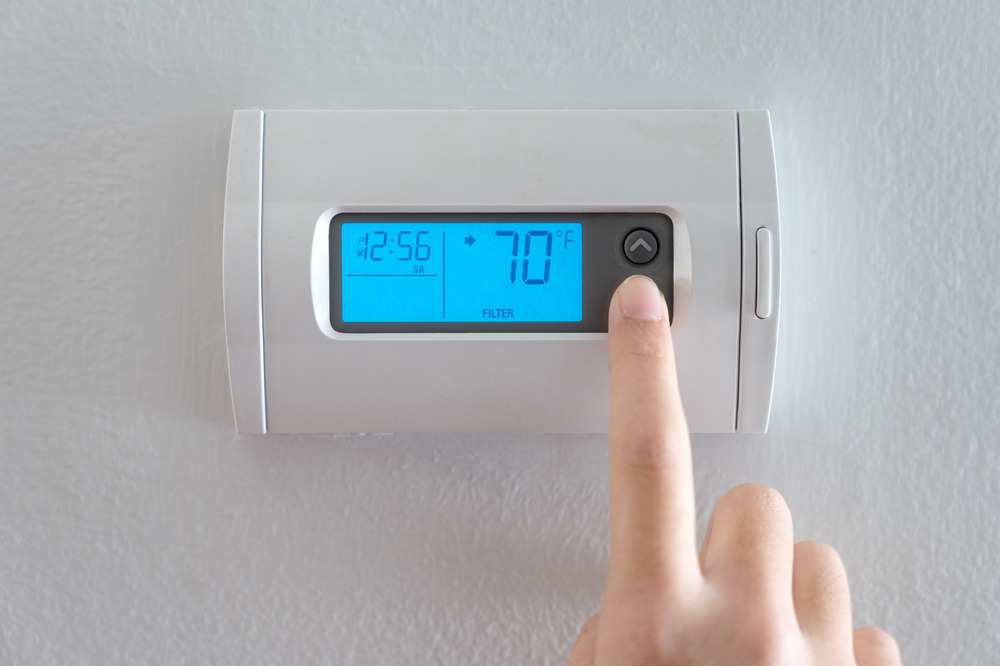
- Replacing thermostat batteries and confirming settings
Best left to a licensed HVAC pro
- Anything involving capacitors, contactors, control boards, or electrical diagnostics
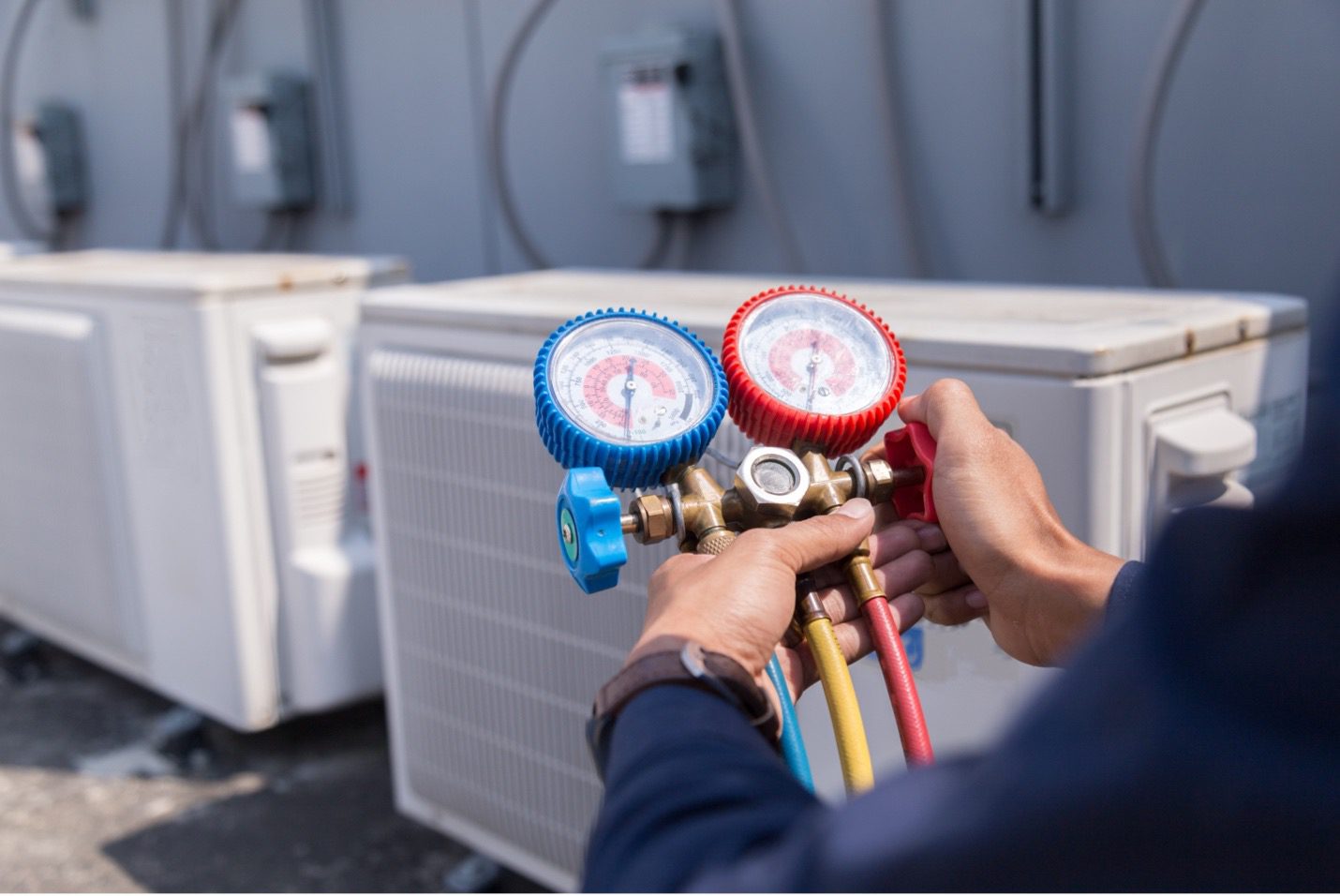
- Refrigerant leaks, charging, or sealed-system repairs
- Compressor or motor replacement
- Repeated breaker trips or signs of arcing
10-minute troubleshooting flow
- Listen and locate. Indoor, outdoor, or duct?
- Check the filter. If it is dirty, replace it before you do anything else.
- Inspect the outdoor unit. Power OFF, then look for loose exterior panels, debris, and obvious fan wobble.
- Restart and observe. If the noise is electrical buzzing, repeated clicking, screeching, banging, or nonstop hissing, turn it back OFF.
- Decide DIY vs. pro. If it is loose hardware or debris, fix it. If it is electrical, motor, compressor, or refrigerant related, call a technician.
Before you call a tech
If you want faster answers and fewer repeat trips, jot down a few details before you pick up the phone.
- What sound (buzz, rattle, click, hum, squeal, bang, hiss, gurgle)
- Where it is loudest (indoor, outdoor, or ducts)
- When it happens (startup, running, shutdown)
- Any performance changes (not cooling, icing, weak airflow, short cycling)
- Your system model if you can grab it, plus any thermostat error messages
- Anything recent like storms, power outages, filter changes, or yard work near the outdoor unit
FAQ
Is a single click when the AC turns on normal?
Often, yes. Many systems click once as a relay or contactor engages. Repeated clicking, clicking with no startup, or clicking plus short cycling is a problem.
Why does my AC make noise only at night?
Two common reasons: the neighborhood is quieter so you notice it more, or cooler nighttime temperatures change metal expansion and refrigerant pressures. If it is a new noise or getting louder, treat it as a real symptom.
Can I keep running my AC if it is making a rattling noise?
If it is a light rattle from a loose panel, you can usually shut it down, tighten it, and resume. If it is a hard rattle, banging, or anything that sounds like the fan is hitting, keep it off until it is inspected.
What does a hissing sound usually mean?
A brief hiss at shutdown can be normal. A constant hiss can indicate a refrigerant leak or valve issue and needs professional service.
My neighbor advice
The moment your AC starts talking in a new way, do not ignore it. Most of the inexpensive fixes happen early: a loose panel, debris, a clogged filter. The expensive repairs happen when a fan or compressor fights through a problem for weeks.
Use the sections above to match the sound to the likely cause, do the safe checks, and call a pro quickly when it points to electrical, refrigerant, or motor trouble. That is how you keep a small problem from turning into a big bill.

About Marcus Vance
Content Creator @ Grit & Home
Marcus Vance is a lifelong DIY enthusiast and self-taught home renovator who has spent the last decade transforming a dilapidated 1970s ranch into his family's dream home. He specializes in budget-friendly carpentry, room-by-room renovations, and demystifying power tools for beginners. Through his writing, Marcus shares practical tutorials and hard-learned lessons to help homeowners tackle their own projects with confidence.