
🚨 In a DIY emergency or rush?
Skip the details and jump straight to our 30-second cheat sheet for the most crucial info.
When an AC starts pumping out a sweet, vinegary, or chemical smell, it is tempting to lump it all into “mold” and hope a new filter fixes it. Sometimes that works. Other times, the smell is your warning label for a much bigger issue, like overheating electrical parts or a possible refrigerant leak.
I have learned this the hard way. Early on in our 1970s ranch reno, I ignored a “hot plastic” smell for one afternoon too long. It was not dramatic, but it was a wake-up call that smells are data.
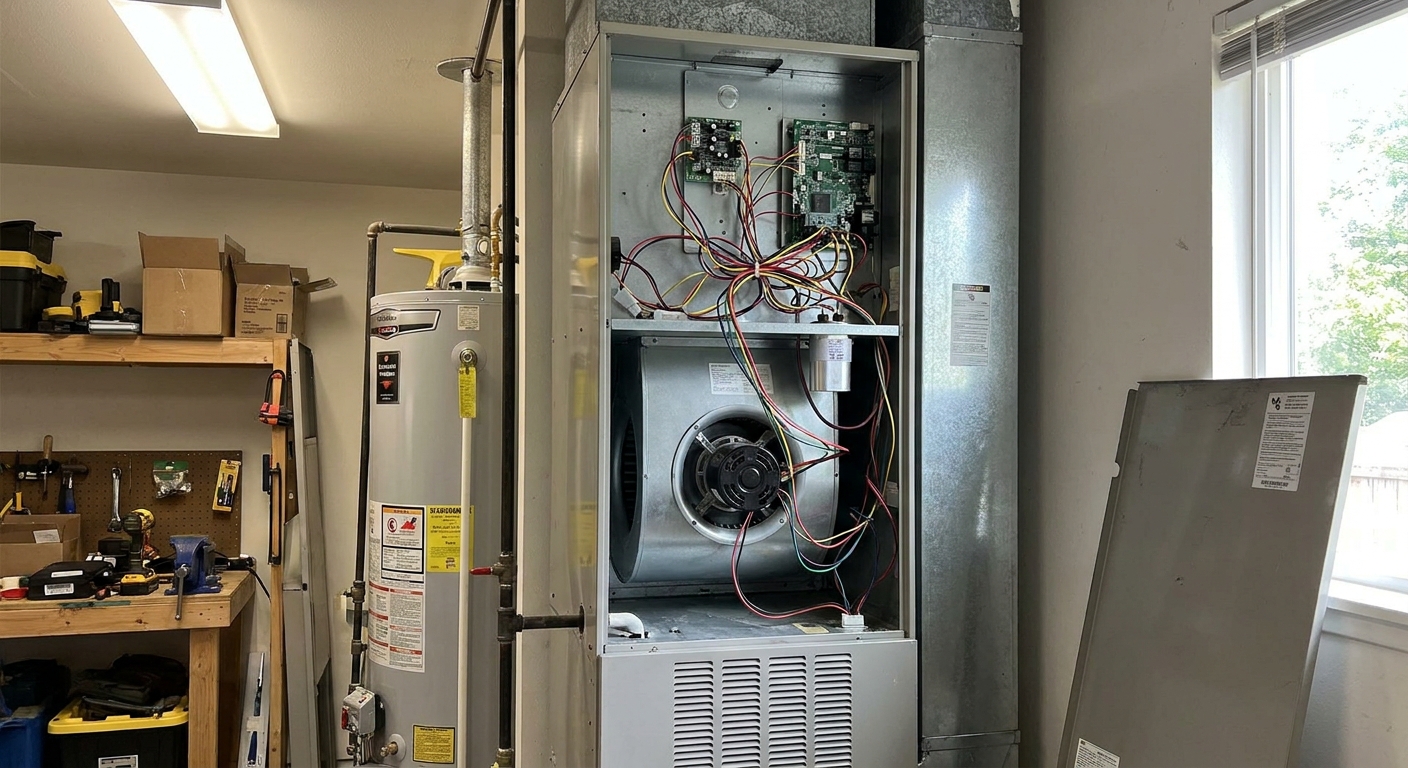
Below is a practical way to match the odor to the most likely cause, then do the safest first checks you can do as a homeowner.
First: decide if you should shut it down
If any of these are true, turn the system off at the thermostat, then switch off the HVAC breaker if you suspect electrical overheating:
- Burning, melting plastic, or “electrical” smell, especially if it gets stronger fast
- Smoke or visible haze near the air handler, furnace, or vents
- Buzzing, popping, or a new loud hum from the indoor unit
- Headache, nausea, dizziness, or irritation that shows up when the AC runs (leave the area and ventilate if symptoms start)
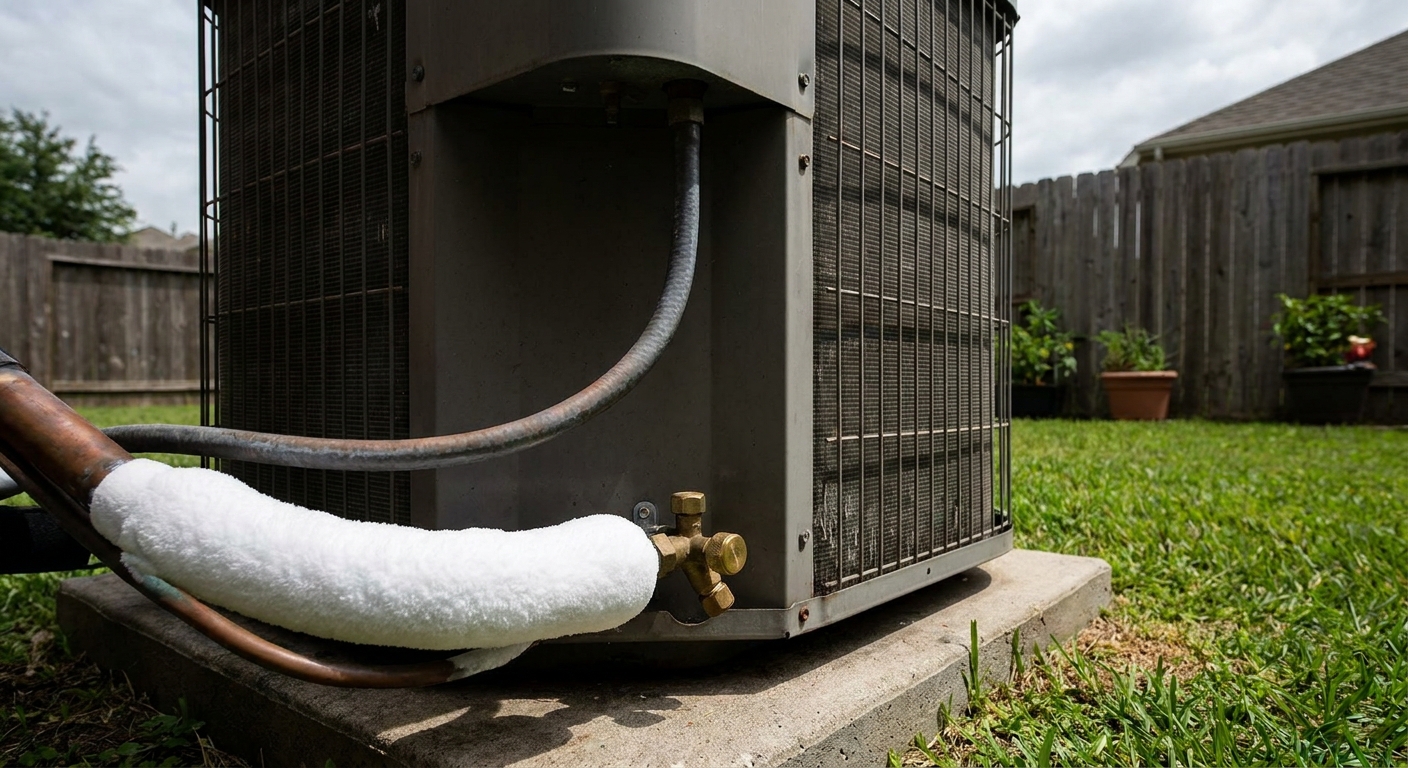
- Sweet smell plus weak cooling, oily residue, hissing, or icing near the coil or refrigerant lines
Special case warning (do not skip this): If you smell natural gas (or a rotten egg sulfur smell) and you have a gas furnace or any gas appliances, treat it like an emergency. Do not troubleshoot. Leave the area if needed, ventilate if safe to do so, and follow your utility or local emergency guidance. Air movement can spread that smell through vents even if the source is elsewhere.
After you shut it down, ventilate the home and move to the “chemical” or “electrical” sections below to decide whether this is a DIY check or a call-now situation.
Use the smell to narrow the cause
Here is a quick odor map that gets you in the right neighborhood. It is a starting point, not a diagnosis:
- Burnt plastic or electrical: most often overheating wiring, motor, capacitor, or a control board
- Vinegar, sour, pickled: most often biofilm in the drain pan, drain line, or on the evaporator coil
- Musty, mildew: most often wet dust, damp insulation, a dirty coil, or a humidity problem
- Sweet, chemical-sweet: sometimes microbial, sometimes off-gassing, sometimes refrigerant-related (possible leak). Many refrigerants are faint or nearly odorless, so smell alone is unreliable.
- Sharp chemical, solvent, nail polish: often household chemicals pulled into return air, overheated plastic, or a refrigerant-related issue. Again, do not rely on smell alone.
Now let us walk through each, starting with the most urgent.
Burning, electrical, or hot plastic smell
What it usually means
- Dust heating up on a motor or electronics (usually mild and often fades within an hour)
- Overheating blower motor or failing motor bearings
- Electrical arcing at a loose connection
- Failing capacitor or control board
- Plastic insulation or wire jacket overheating
First safe checks (DIY)
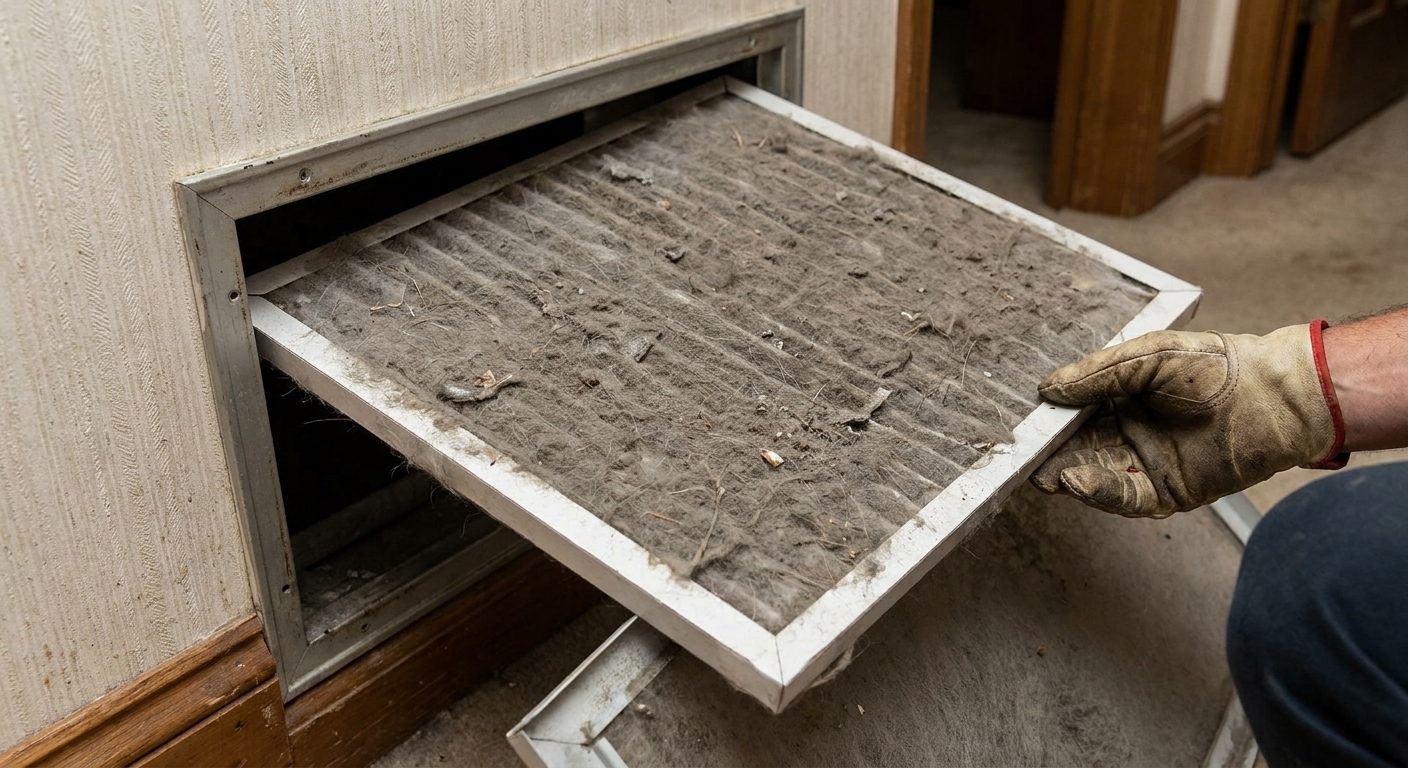
1) Shut it off and inspect the filter. A severely clogged filter can choke airflow and overheat components. Replace it if it is dirty. Make sure the arrow points toward the air handler. (If you want the deeper filter notes, see the filter section below.)
2) Check supply vents are open and returns are not blocked. Starved airflow can create hot spots.
3) Compare where the odor is strongest. Without putting your face in the cabinet, note whether the smell is strongest near the indoor unit, at one specific vent, or throughout the house. Strongest at the unit often points to something inside the cabinet.
4) Look for obvious overheating signs. Without touching wiring, look for discoloration on the access panel area, melted plastic wire nuts, or scorched insulation. If you see any of that, stop.
When to call a pro immediately
- The smell is strong, comes back quickly, or smells like melting plastic
- The blower will not start, starts and stops, or the system trips the breaker
- You see scorching, melted parts, or any sign of arcing
Bottom line: do not keep “testing” an electrical smell. One more run cycle can turn a small repair into a burned motor, damaged board, or worse.
Sweet smell when the AC runs
What it can mean
A sweet odor is tricky because homeowners describe a lot of different things as “sweet.” Here are the most common buckets:
- Refrigerant-related (possible leak): some people describe it as sweet or chemical-sweet. Many modern refrigerants have little to no odor, so a lack of smell does not rule anything out, and a sweet smell does not confirm a leak.
- Microbial growth: certain mold or bacteria smells read “sweetish,” especially when humidity is high.
- Off-gassing: air fresheners, new building materials, cleaners, or stored paint in a return-air closet getting pulled into the system.
Clues that make a leak more likely
- Cooling is weaker than normal or takes much longer (also can happen with a dirty coil or airflow restriction)
- Indoor coil area has oily residue or greasy-looking dust stuck to it
- You hear hissing near the indoor coil or refrigerant line
- Ice forms on the refrigerant line or coil (some systems show frost on the larger copper line)
If those clues line up, shut the system down and call an HVAC technician. Refrigerant is not a DIY top-off situation. Leaks need to be found, repaired, and the system evacuated and recharged properly.
First fixes if it seems non-refrigerant
1) Replace the filter. A filter loaded with cooking odors, pet smells, or construction dust can make the air smell oddly “sweet” once it gets damp.
2) Check for products near the return. I have seen returns pull air from a laundry room and distribute detergent, bleach, and dryer sheet smells like a whole-house diffuser. Move solvents, paints, and cleaners away from return grilles.
3) Consider drain maintenance if humidity has been high. Bio growth down there can throw off surprisingly weird odors. See the vinegar section next.
Vinegar or sour smell from vents
What it usually means
A vinegary, sour, or “pickle jar” smell often points to bacteria or biofilm living in places that stay damp:
- Condensate drain pan
- Condensate drain line
- Evaporator coil (especially in humid climates or systems that run long cycles)
- Dirty filter that has gotten damp and funky
Dirty Sock Syndrome: If the odor has that sour, gym-sock vibe, especially at startup, you may be dealing with what the industry often calls Dirty Sock Syndrome. It is basically a bacterial film on the evaporator coil and nearby surfaces. Drain cleaning helps, but coil cleaning is often the real fix.
First fixes (DIY, safe)
1) Turn off power to the indoor unit. Thermostat off, then the air handler or furnace switch, or breaker if needed.
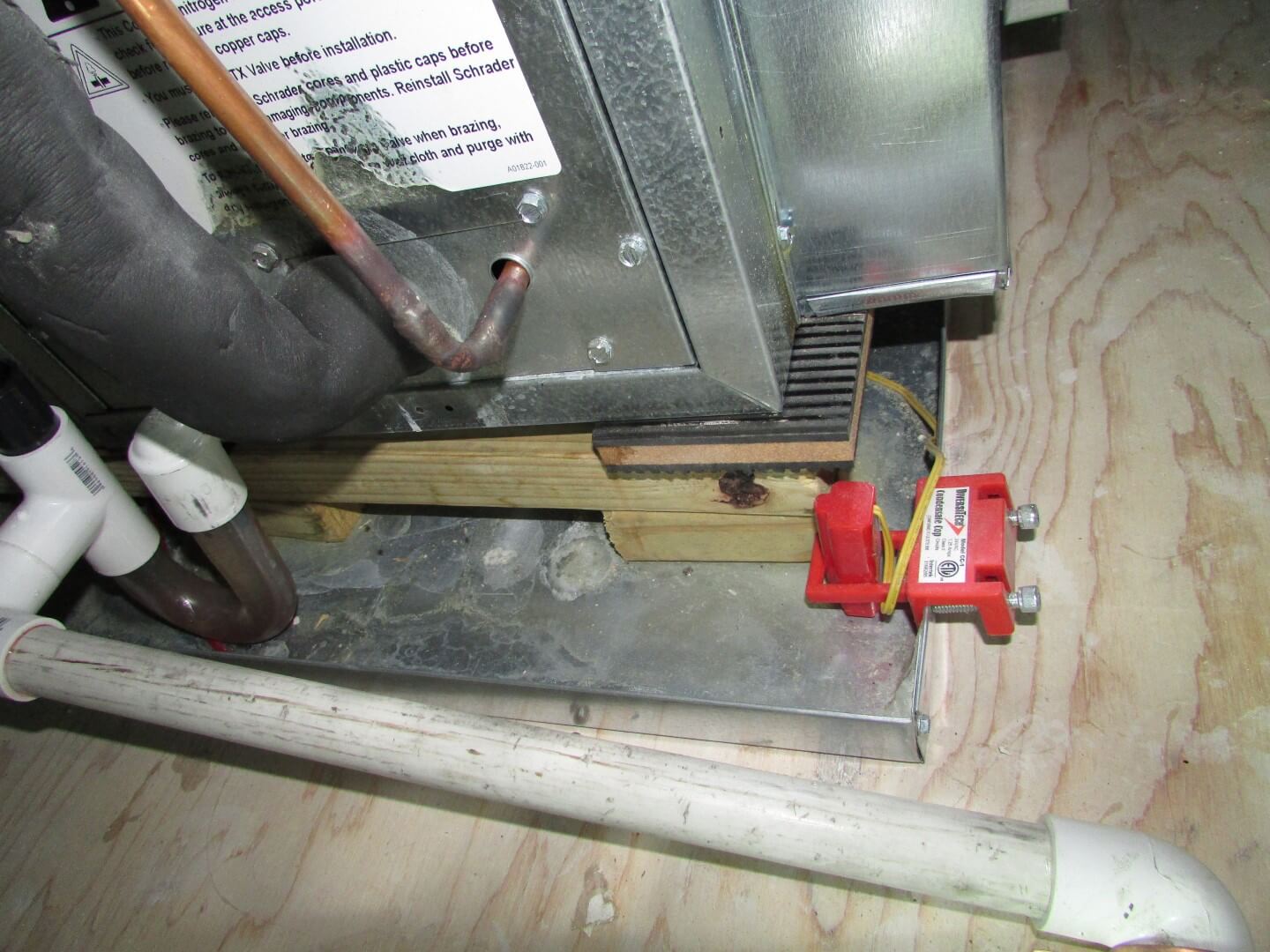
2) Locate the condensate drain line. Typically a white PVC pipe leaving the indoor unit and heading to a floor drain, a condensate pump, or outside.
3) Clear the line.
- If you have access to the line outlet outside, you can use a wet/dry vac to suction the line for 30 to 60 seconds.
- If you have a cleanout tee near the unit, open it and check for sludge.
4) Flush slowly with distilled vinegar or hot water. Many homeowners use distilled white vinegar as a mild cleaner for algae and biofilm. Pour slowly into the cleanout opening to avoid overflowing an already clogged pan. Let it sit briefly, then follow with water. If your manufacturer has specific guidance, follow that.
Do not mix chemicals. Do not combine vinegar with bleach or other cleaners. Also, do not pour bleach into the drain system unless your OEM or a technician specifically recommends it for your setup.
5) Check the drain pan. If you can safely access it, look for standing water, slime, or rust. A pan that does not drain is a smell machine and a water-damage risk.
If the smell returns fast
- The drain line may be partially clogged deeper in.
- The evaporator coil may be dirty and holding moisture (common with Dirty Sock Syndrome).
- You may have a ductwork moisture issue or a disconnected duct pulling in crawlspace or attic air.
At that point, a technician coil cleaning or a duct inspection can be money well spent.
Musty or mildew smell
What it usually means
- Humidity and damp dust in the air handler or ducts
- Dirty evaporator coil holding moisture
- Wet insulation near a return, or duct sweating/condensation
- Drain issues keeping things wetter than they should be
What you can do
- Start with the filter and drain maintenance (those are your cheapest clues).
- Run fan on AUTO most of the time. Constant fan can keep the coil wetter longer in some homes.
- Check obvious moisture sources: a return pulling from a damp basement, a disconnected duct in a humid attic, or a return plenum that is not well sealed.
If musty odors persist, professional coil cleaning and a humidity check can be the turning point.
Sharp chemical, solvent, or “new plastic” smell
Common causes
- Overheated plastic in the air handler (electrical-adjacent)
- Refrigerant-related issue (possible leak) that reads as solvent-like to some noses
- Household chemicals being pulled into the return air (paint, stain, epoxy, bug spray, gasoline, stored pool chemicals)
- New components (new ductwork, new air handler, new filter rack sealant) off-gassing for the first few days
Note: odor is not a reliable refrigerant test. Many refrigerants are faint or nearly odorless. If you are unsure, use performance and visual clues and call a pro.
First checks (DIY)
1) Rule out the simple house-side cause. Walk the path of return air. If your return is in a hallway near a closet, basement stair, or garage door, check for:
- Open paint cans or solvents
- Gas can, mower, or car exhaust infiltration
- Strong cleaners stored near the return
2) If you recently had HVAC work done: a mild “new” smell can be normal briefly. It should fade quickly. If it intensifies or smells like burning, shut down and call the installer.
3) If the chemical smell comes with poor cooling: treat it as a possible refrigerant-related problem and call a pro. Poor cooling can also be airflow or coil related, so a technician can sort the root cause safely.
Filter problems that mimic bigger issues
I am a big believer in starting with the filter, not because it fixes everything, but because it is fast, cheap, and gives you clues.
What to look for
- Musty or sour filter: moisture plus dust equals odor
- Gray, fuzzy filter: restricted airflow can lead to coil icing, odd smells, and overheating
- Filter too restrictive for your system: very high MERV filters can reduce airflow on some setups
First fixes
- Replace with a properly sized filter and ensure a snug fit in the rack.
- If you upgraded to a high-MERV filter and odors and performance got worse, try a step down and see whether airflow improves. If you have allergies or want high filtration, ask an HVAC tech about options that keep airflow healthy.
Microbial odors on the coil or in the air handler
If the smell is strongest at startup, then fades, you might be smelling the evaporator coil waking up. That coil is cold, wet, and dusty. If it gets a film on it, it can stink even if your ducts are fine. (This overlaps with Dirty Sock Syndrome in the vinegar section.)
Homeowner-friendly steps
- Keep the drain system clean as described above.
- Keep filters changed on schedule.
- Run the fan in AUTO most of the time. Constant fan can keep humidity and odors moving around, and in some homes it keeps the coil wetter longer.
When to consider professional cleaning or upgrades
- The smell is persistent despite a clean drain and new filter
- You see visible buildup on the coil (if accessible)
- Your home has high humidity issues
A technician can clean the coil safely and check for airflow issues. Some homeowners also add a UV light setup in the air handler, but it is not a magic wand. Good drainage and good filtration still matter.
Rare but real: dead rodents or pests in ducts
I wish this one was urban legend. It is not. A dead mouse in a duct, return chase, or near the air handler can create a sour, rotten, or chemical-ish odor that gets stronger when air moves.
Clues
- Odor is localized to one room or one vent
- Smell is more decay than vinegar or musty
- You hear scratching in walls or duct chases (especially at night)
First steps
- Check the easiest access points first: basement runs, crawlspace ductwork, attic flex duct connections, and the return plenum area.
- If you find droppings, nesting, or a carcass, consider calling pest control and an HVAC company for cleaning. Disturbing droppings can be a health risk.
Simple troubleshooting flow
Step 1: Identify the smell family
- Burning or electrical = shut down, inspect filter, call if persistent
- Vinegar or sour = drain pan and drain line first (consider Dirty Sock Syndrome)
- Musty = moisture and coil or humidity checks
- Sweet or solvent-like = check cooling performance and leak clues (smell alone is not reliable)
Step 2: Do the cheap and safe checks
- Replace filter
- Open vents, clear returns
- Confirm drain line is flowing (flush slowly)
- Remove chemicals from return air area
Step 3: Decide DIY vs pro
- If it involves wiring, refrigerant, or repeated breaker trips, it is pro territory.
- If it is drain maintenance and filter changes, most homeowners can handle it.
What not to do
- Do not keep resetting a tripping breaker or “testing” an electrical smell.
- Do not open refrigerant lines or try to DIY a recharge.
- Do not spray fragrances, foggers, or essential oils into return grilles.
- Do not use ozone generators in your HVAC system or living space.
- Do not mix drain-cleaning chemicals (especially bleach and vinegar together).
When the smell suggests a health or safety risk
If anyone in the home has asthma, is immunocompromised, or you suspect a refrigerant-related or electrical issue, err on the cautious side. Turn it off and get help.
- Electrical overheating: risk of equipment damage and fire
- Refrigerant leaks: can irritate eyes and lungs, and at high concentrations can displace oxygen. If symptoms are severe, leave the area and seek medical help.
- Microbial growth: can aggravate allergies and respiratory issues
As a thrifty DIYer, I love a homeowner win. But I also love not turning a manageable problem into an emergency because I kept the system running “just to see.”
The 30-Second Cheat Sheet
Essential takeaways for: AC Smells Sweet, Vinegary, or Chemical When It Runs? Causes and First Fixes
Shut it down if it smells like this
- Burning, melting plastic, or electrical: turn AC off at thermostat, then cut power to the indoor unit. Call an HVAC tech if it returns or is strong.
- Sweet + poor cooling (or hissing, oily residue, icing): shut it down and call a pro. Possible refrigerant leak.
- Rotten egg, sewage, or “gas”: treat as urgent. Ventilate and follow your utility or local emergency guidance. Even if you think it is “just the AC,” air movement can spread dangerous odors.
Most common causes by odor
- Vinegar or sour: biofilm in the drain pan or condensate drain line, sometimes a dirty evaporator coil. This can include Dirty Sock Syndrome (bacterial film on the coil).
- Sharp chemical or solvent: household chemicals getting pulled into the return, overheated plastic, or a possible refrigerant-related issue. Smell alone is not a reliable diagnostic.
- Sweet: sometimes refrigerant-related, sometimes microbial growth, sometimes off-gassing from products near returns. Use performance and visual clues too.
First fixes you can do safely
- Replace the air filter (correct size, arrow toward unit).
- Open supply vents and make sure return grilles are not blocked.
- Check the condensate drain: suction with a wet/dry vac at the outlet, then flush via cleanout with distilled vinegar or hot water (if accessible). Pour slowly to avoid overflow if the pan is already backed up.
- Remove chemicals (paint, solvents, bleach, gasoline, bug spray) from areas near return air.
Call a pro when
- The smell is burning/electrical, the breaker trips, or you see scorching or melted parts.
- You suspect refrigerant (sweet or solvent-like plus weak cooling, icing, hissing, oily residue). Many modern refrigerants have little to no odor, so do not rely on smell alone.
- Vinegar or musty odor returns quickly after drain and filter maintenance. Coil cleaning or duct inspection may be needed.
💡 Tip: Scroll up to read the full article for detailed, step-by-step instructions.
⬆️ Back to top
About Marcus Vance
Content Creator @ Grit & Home
Marcus Vance is a lifelong DIY enthusiast and self-taught home renovator who has spent the last decade transforming a dilapidated 1970s ranch into his family's dream home. He specializes in budget-friendly carpentry, room-by-room renovations, and demystifying power tools for beginners. Through his writing, Marcus shares practical tutorials and hard-learned lessons to help homeowners tackle their own projects with confidence.