
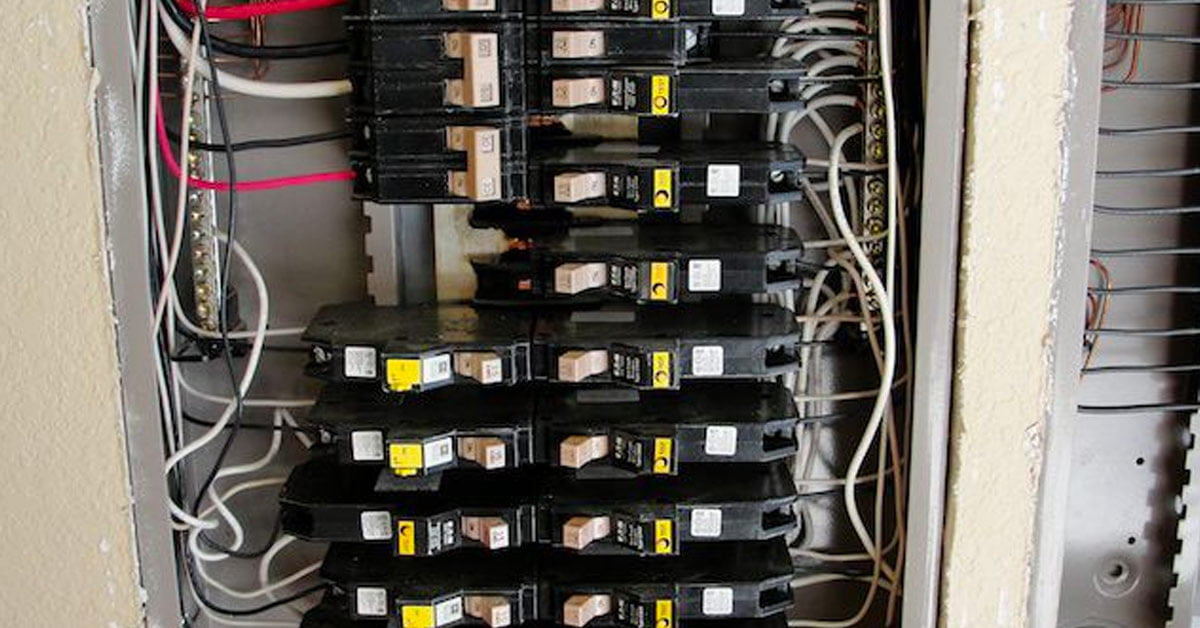
If your AFCI breaker keeps tripping, you are stuck in an annoying loop: flip it on, it clicks off, and you are back in the dark. I have been there. In my 1970s ranch, the first AFCI I installed taught me a humbling lesson: sometimes it is a picky device, and sometimes it is your house trying to warn you about a real problem.
This page walks you through what AFCI breakers do, why they trip, and a safe, methodical way to figure out whether you are dealing with a nuisance trip or a genuine wiring issue.
AFCI vs. GFCI: what is it telling you?
AFCI and GFCI protection sound similar, but they are looking for different dangers.
- AFCI (Arc-Fault Circuit Interrupter): Trips when it detects arcing, which can happen with loose connections, damaged insulation, failing cords, or failing devices. Arcing can create heat and start fires, even without overloading the circuit.
- GFCI (Ground-Fault Circuit Interrupter): Trips when current leaks to ground, like when electricity finds an unintended path through water, a wet surface, or a person. This is about shock protection.
Many homes now use dual-function breakers that provide both AFCI and GFCI protection in one breaker, especially in updated panels or renovated spaces. If your breaker has both protections, it may trip for either kind of hazard.
Quick clue: where is it used?
- Most habitable rooms in many jurisdictions commonly have AFCI protection, but the exact list depends on your local code and the NEC edition your area adopted.
- Kitchens, baths, garages, outdoors commonly have GFCI protection, plus other locations (laundry areas, basements, and more) depending on local code.
Important: The breaker face often has a TEST button and may show a small indicator light or trip code. If yours provides codes, check the label on the breaker or the manufacturer instructions for what the flashes mean.
Before you troubleshoot: safety rules
There are safe steps homeowners can take, and there are steps that cross into “call a pro” territory. Use these guardrails.
- Do not remove the panel cover unless you are trained and comfortable working around energized equipment.
- Do not keep resetting a breaker that trips immediately with a burning smell, heat, crackling, or visible damage. Leave it off.
- Unplug devices first and troubleshoot from the room side whenever possible.
- If you have any doubt, call a licensed electrician. Electrical fires are not a learning experience you want.
Common reasons an AFCI trips
1) Nuisance trips from certain devices
Some electronics and motors create electrical noise that can look like arcing to an AFCI, especially on older AFCI models.
- Vacuum cleaners (especially older ones with worn brushes)
- Treadmills and exercise equipment
- Dehumidifiers and window AC units
- Laser printers, older power supplies, dimmers, and some LED drivers
If the breaker trips only when one specific device runs, you likely found your suspect.
2) Dimmers, lights, and ceiling fans
Hardwired fixtures are easy to forget because there is nothing to unplug. Dimmers, LED bulbs with finicky drivers, and ceiling fan motors can all create signatures an AFCI does not like, especially when something is aging or loosely connected.
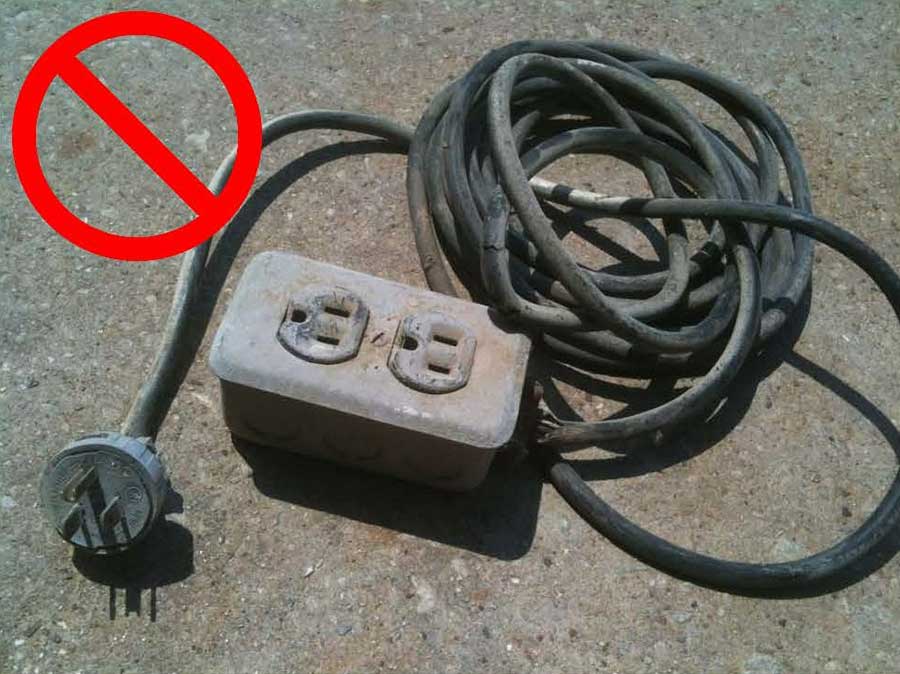
3) Damaged cords, loose plugs, or worn outlets
This is the big one I see in real homes. A loose connection can arc under normal use.
- Extension cords pinched under rugs or furniture
- Cords chewed by pets
- Loose-fitting receptacles that no longer grip plugs tightly
- Back-and-forth wiggling of a plug that causes intermittent contact
4) Shared neutrals (MWBC issues)
In some homes, two circuits share a neutral (a multi-wire branch circuit). If it is not wired correctly, or if the breaker arrangement is wrong, an AFCI can trip. A classic issue is shared neutrals not routed with the correct conductors, or MWBC hots that are not on a proper tied-handle or common-trip setup as required.
This is usually an electrician job because it requires panel and circuit verification.
5) Loose connections in a box, switch, or outlet
A loose neutral or hot conductor can arc under load. Classic places this shows up:
- Backstabbed receptacles (push-in connections) that loosen over time
- Wire nuts in a crowded box
- Switch boxes on heavily used lighting circuits
6) Actual damaged wiring
Sometimes the breaker is doing its job. Watch for clues that point to real wiring damage:
- Tripping started after hanging pictures or driving nails (possible cable puncture)
- Rodent activity in attic, crawlspace, or basement
- Recent water leak near ceiling lights, walls, or outlets
- One area of the wall feels warm, smells “hot,” or outlets discolor
Step-by-step: isolate the cause
The goal is to figure out whether the breaker trips because of something plugged in or because of the fixed wiring or hardwired loads.
Step 1: Unplug everything and turn switches off
Unplug devices in every room that circuit feeds. Do not forget hall outlets, closets, and garages.
Then, turn off all wall switches that control lights, ceiling fans, and any other hardwired fixtures on that circuit. This is a crucial step because dimmers, LED bulbs, and fan motors are frequent AFCI trip culprits, and flipping the switch off helps isolate them during your baseline test.
If you are not sure what is on the circuit, do not keep “testing” by making it trip over and over. Instead, with the breaker off, walk around and map what is currently dead, then label it for later.
Step 2: Reset with everything off and unplugged
- If it holds, you are likely dealing with a device, cord, or a hardwired fixture that you just isolated with the switches.
- If it trips immediately, you may have a wiring problem, a shared neutral issue, a neutral-to-ground issue, or a failing breaker.
Step 3: Add loads back one at a time
Start with basic loads first (like a lamp). Then move to “noisy” devices (vacuum, treadmill, dehumidifier). Finally, turn wall switches back on one at a time, especially dimmers and ceiling fans. Run each item long enough to recreate the trip.
- If one device causes the trip repeatedly, test it on a different circuit. If it trips on multiple AFCI-protected circuits, that device is a strong suspect.
- If the trip happens with multiple unrelated loads, the issue may be a receptacle connection, a fixture/dimmer, or the circuit wiring.
Step 4: Check cords and outlets
With the breaker off, inspect:
- Any cord that gets warm, is kinked, flattened, or repaired with tape
- Outlets where plugs feel loose or fall out
- Scorch marks, discoloration, or a melted plastic smell
Replace damaged cords. If an outlet is loose or heat-damaged, replacement is usually inexpensive, but if you are not comfortable doing receptacle work, hire it out.
Step 5: Rethink the usual suspects
AFCIs do not trip just because something pulls a lot of amps. They trip when they see arcing signatures. The problem is that some loads, especially motors with brushes and devices with certain power supplies, can create noise that looks like arcing. They can also expose weak connections quickly.
If you are using any of these on an AFCI circuit, try relocating them to a more appropriate circuit, if available:
- Space heaters
- Portable AC units
- Large compressors or shop vacs
One caution: do not move a heavy load onto a circuit that is already busy. Some appliances (window AC, dehumidifiers, heaters) are safest on a dedicated circuit, and you may not have one available without an electrical upgrade.
Check the trip code
If your breaker has an indicator light or a flashing pattern, use it. Many AFCI and dual-function breakers can signal whether the trip looked like an arc fault, a ground fault, or a standard overcurrent/short condition. The codes vary by brand, so the right move is to read the label on the breaker or the manufacturer sheet for your exact model.
If you see a code that points to “arc fault” and your device-by-device test points to a dimmer or fan, that is a useful nudge. If the code suggests “ground fault,” look harder for moisture, damaged insulation, or a neutral-to-ground mix-up.
Trip patterns: what they mean
- Trips instantly when you reset: Possible direct arc/short in wiring, shared neutral issue, neutral-to-ground fault, or a bad breaker.
- Trips after a few minutes under load: Loose connection heating up, failing motor, failing power supply, or a marginal connection at an outlet, switch, dimmer, or fixture.
- Trips when you bump a cord or move a plug: Worn cord end, loose outlet, or damaged receptacle contacts.
- Trips during rain or after a leak: Moisture intrusion into a box, fixture, or exterior receptacle on the same circuit.
- Trips only when you run too much at once: Remember that an AFCI breaker is still a regular breaker too. It can trip from a simple overload or short circuit even if there is no arc fault involved.
Fixes you can try
Replace the device or cord that triggers it
If your testing points to one appliance, do not fight it. A failing motor or power supply can create arcing signatures. Retire it, repair it, or have it serviced.
Stop using extension cords as permanent wiring
I get it. We all do the “temporary” cord run that becomes permanent. But long cords, coiled cords, and cords under rugs are both a fire hazard and a common cause of AFCI trips.
Swap a worn outlet (or have it swapped)
A loose receptacle can arc internally. If plugs do not hold tight, that outlet is past its prime. Consider upgrading to a quality spec-grade receptacle.
Update problem dimmers and bulbs
If the trip follows a specific dimmer, LED bulb, or ceiling fan, that is not your imagination. Swapping to an AFCI-friendly dimmer, a different LED brand, or servicing a noisy fan can solve a “mystery” trip.
When to call an electrician
If any of the following are true, bring in a pro. This is where the troubleshooting moves from “unplug and test” to “open boxes, test neutrals, and verify circuit design.”
- The breaker trips immediately with everything unplugged and all wall switches off
- You notice burning smells, heat at outlets, buzzing, or discoloration
- Tripping began after drilling, nailing, or a remodel
- You suspect a shared neutral or multi-wire branch circuit problem
- The breaker will not reset or feels loose in the panel
- You have aluminum wiring or older electrical systems and recurring trips
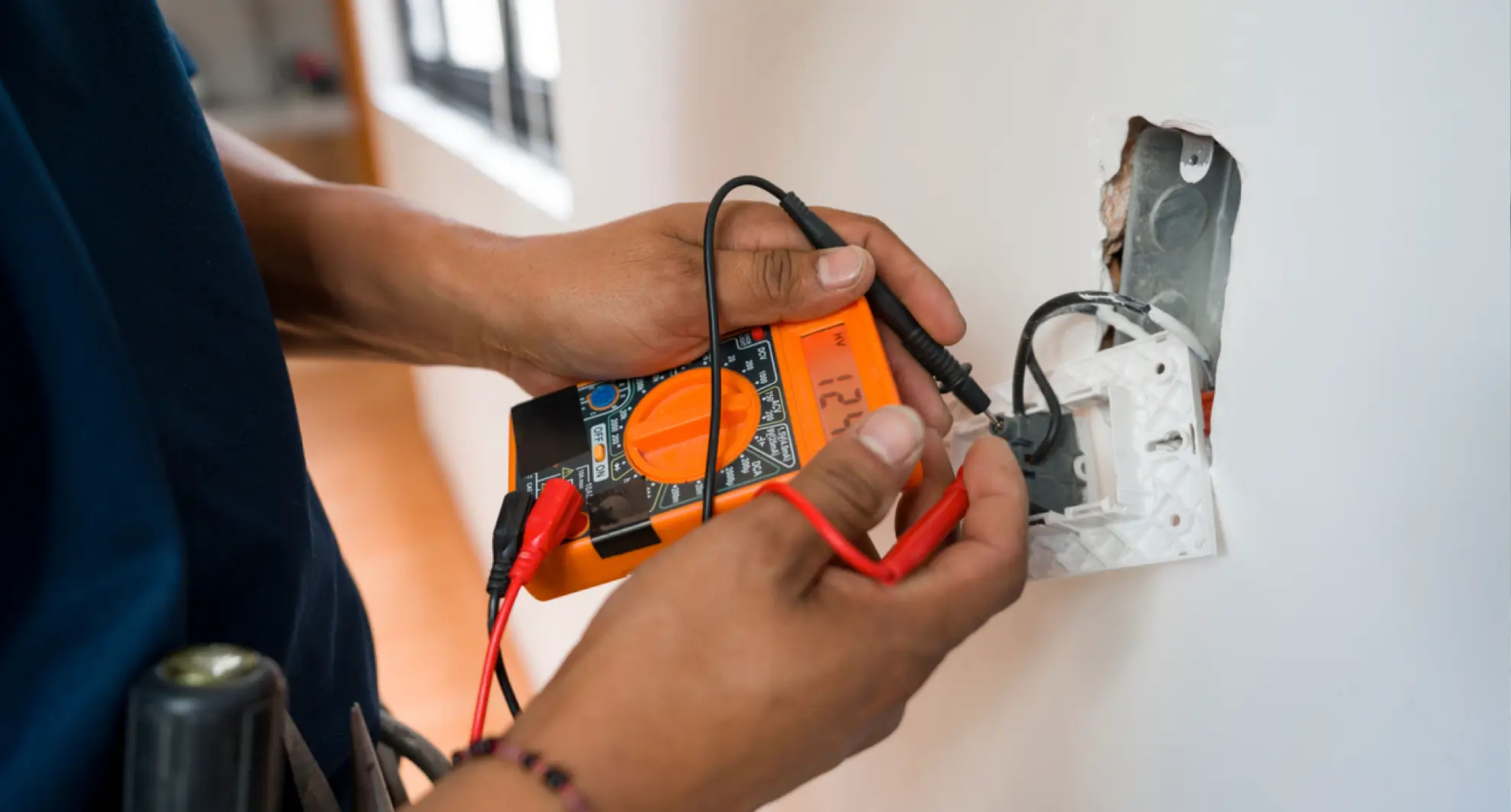
An electrician can do targeted testing, check for loose neutrals, verify the correct breaker type for the panel, and inspect connections in the circuit without guesswork.
FAQ
Is it safe to keep resetting an AFCI breaker?
If it trips once and you know a vacuum or a specific device caused it, resetting is usually fine. If it trips repeatedly or instantly, stop resetting and investigate. Repeated tripping can mean arcing, and arcing can mean fire risk.
Can a bad breaker cause nuisance trips?
Yes. Breakers do fail, and some older AFCI generations were more prone to nuisance trips with certain loads. That said, do not assume the breaker is bad until you isolate devices, switch-controlled fixtures, and rule out obvious wiring issues.
Why did this start happening out of nowhere?
Common triggers are a device aging, a cord getting damaged, a receptacle loosening over time, a dimmer or LED driver acting up, or moisture from a small leak. AFCI protection can feel sudden because it can detect problems before a traditional breaker would.
A simple takeaway
If your AFCI breaker keeps tripping, start by unplugging everything and turning off all wall switches on that circuit. Then add loads back one at a time, including dimmers and ceiling fans. If the breaker still trips with nothing plugged in and all switches off, treat it like a wiring issue and call an electrician. It is the fastest, safest path to getting your power back without gambling with hidden arcing in the walls.

About Marcus Vance
Content Creator @ Grit & Home
Marcus Vance is a lifelong DIY enthusiast and self-taught home renovator who has spent the last decade transforming a dilapidated 1970s ranch into his family's dream home. He specializes in budget-friendly carpentry, room-by-room renovations, and demystifying power tools for beginners. Through his writing, Marcus shares practical tutorials and hard-learned lessons to help homeowners tackle their own projects with confidence.