
🚨 In a DIY emergency or rush?
Skip the details and jump straight to our 30-second cheat sheet for the most crucial info.
What it usually is (and why it matters)
If you suspect an animal is in your chimney, you are not being dramatic. Chimneys are warm, sheltered, and often wide open at the top. Wildlife treats them like prime real estate. The species matters because the risks and the right next move change depending on whether you are dealing with a bird, a squirrel, or a raccoon.
In most homes, chimney visitors fall into a few common buckets:
- Birds (often chimney swifts, starlings, sparrows): may be nesting, may have fallen, may be trapped behind the damper.
- Squirrels: agile climbers that may bring nesting material down from the top.
- Raccoons: strong, persistent, and more likely to be using the chimney like a den, especially in spring.
- Bats (region and season dependent): special legal and health considerations depending on your location.
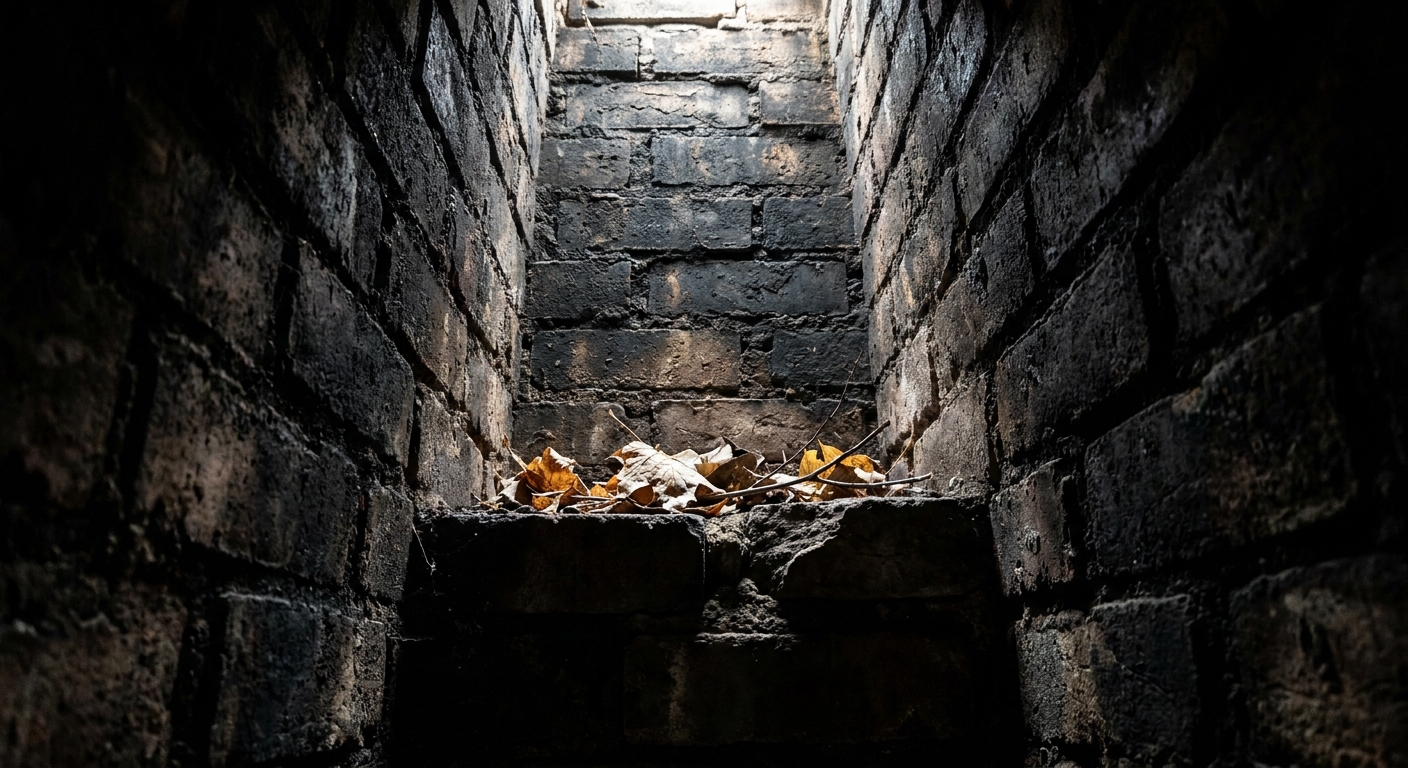
If you take only one thing from this article, let it be this: do not light a fire to “smoke them out.” It can injure the animal, push smoke and odors into your house, and turn a nest into a chimney fire.
Signs an animal is in your chimney
Most homeowners notice one of three clues: noise, odor, or smoke and draft behavior. Here is how to read those signals without turning your living room into a wildlife rescue scene.
1) Sounds
- Light scratching or scampering that comes and goes: often squirrels.
- Heavy thumps, slow footsteps, or “dragging” sounds: more consistent with raccoons.
- Rapid chirping or peeping, especially during daytime: often birds or nestlings.
- Flapping or a frantic fluttering sound: a bird may be trapped lower in the flue or near the damper.
2) Smells
- Musty, animal smell: common with raccoons or squirrels spending time in the chimney.
- Sharp, urine-like odor: can happen when an animal has been there for a while, especially in enclosed spaces.
- Sudden, strong rotten smell: may indicate an animal died in the flue or smoke shelf. This is unpleasant and can attract insects.
3) Smoke and draft changes
Animals and nests can partially block your flue. That changes how your fireplace drafts.
- Smoke spilling into the room when you try to light kindling: possible blockage.
- Smoky odor when it is windy: wind can push odors down if there is a nest or debris up top.
- Sudden soot or debris falling into the firebox: nesting material can break loose and drop.
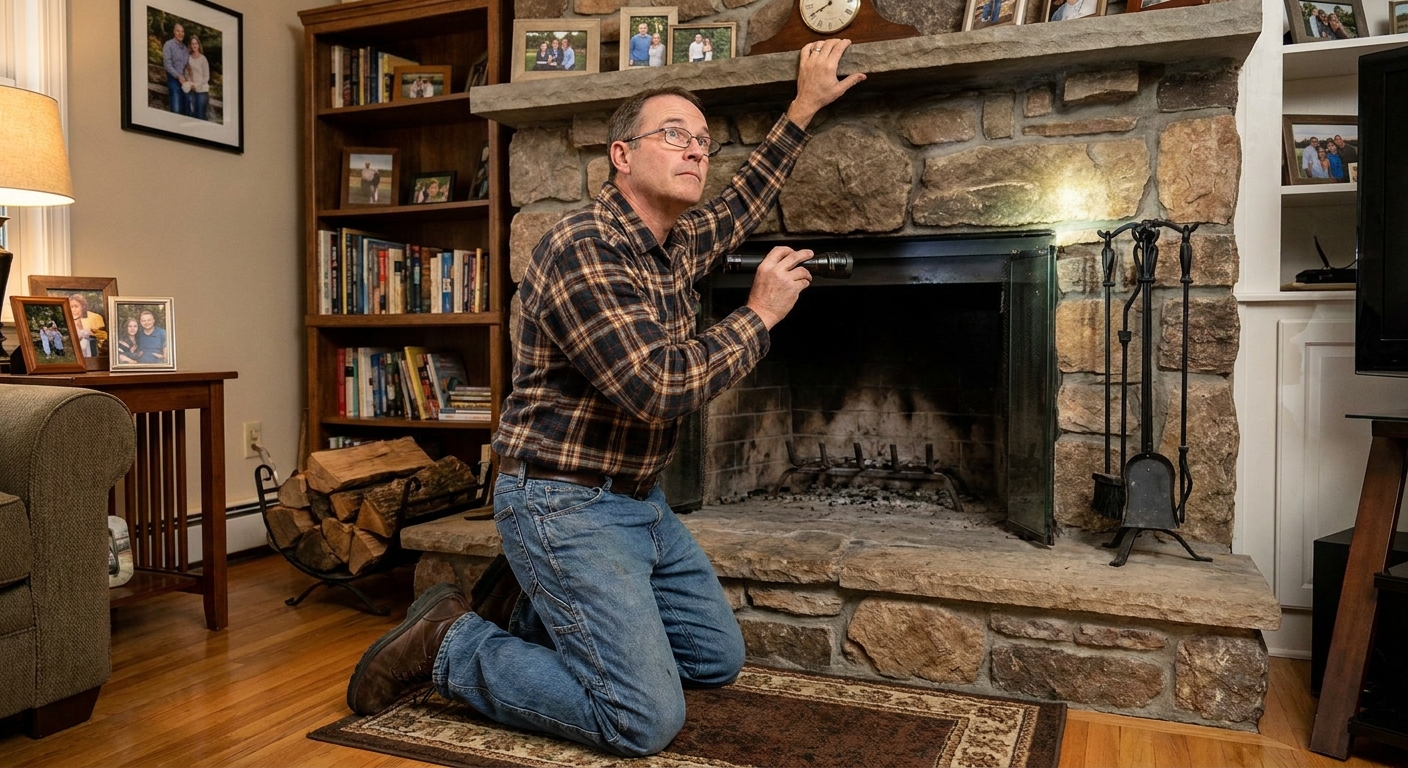
Bird vs. squirrel vs. raccoon
You do not need to be a wildlife biologist to make a decent guess. Listen for timing and “weight,” and look for what falls into the fireplace.
Birds
- When: Often daytime activity. In spring and early summer, you may hear persistent peeping from nestlings.
- Sound: Chirps, fluttering, light tapping.
- Clues: Twigs, grass, or straw. You may also see feathers near the hearth.
- Common scenario: A bird falls down past the smoke shelf and cannot find its way out.
Squirrels
- When: Early morning and late afternoon are common.
- Sound: Quick scratching, scurrying, occasional “chatter.”
- Clues: Leaves, insulation-like nesting material, small bits of bark. Sometimes you will find chew marks on a wood cap or nearby trim.
- Common scenario: Squirrel enters from the top and builds a nest on the smoke shelf.
Raccoons
- When: Nighttime is common, but you can hear them anytime.
- Sound: Heavy thumps, slow movement, sometimes vocal chittering or growls if cornered.
- Clues: Strong musky odor, larger debris, and in denning season you may hear babies.
- Common scenario: A raccoon uses the chimney as a nursery, especially if there is no cap.
If you suspect raccoons: do not reach into the firebox or damper area. Raccoons can bite and may carry parasites. This is a “call a pro” situation in most homes.
Legal note on birds (US)
One quick legal heads-up that saves homeowners a lot of trouble: Chimney Swifts are federally protected under the Migratory Bird Treaty Act in the US. In plain terms, active nests and eggs cannot be removed, and many other native migratory birds have similar protections. If you suspect an active nest, the safest move is usually to stop using the fireplace and call a local wildlife professional or your state wildlife agency for guidance. You often have to wait until the young fledge before the chimney can be cleaned or capped.
Why you should not start a fire
I have heard every version of this advice from neighbors and old-timers: “Just light a small fire and they will leave.” Please do not.
- It can kill or injure the animal, especially nestlings that cannot move fast.
- Nesting material is tinder. Twigs, leaves, and dried grass can ignite and turn into a chimney fire.
- Smoke and carbon monoxide can spill into your home if the flue is blocked.
- You may drive the animal deeper into the smoke shelf or into gaps, making removal harder.
If you have already lit a fire and smoke poured into the room, treat it seriously: extinguish safely, ventilate, and contact a certified chimney professional for guidance. If smoke is heavy, you feel dizzy, or a CO alarm goes off, leave the home and call 911.
Safe first steps
Here is my organized, low-drama sequence for protecting your house and keeping the situation from getting worse.
Step 1: Shut things down
- Do not use the fireplace or any connected appliance (wood stove insert, gas fireplace, anything venting through that flue).
- Close the damper fully if it is open. This reduces the chance the animal drops into the room.
- Turn off exhaust fans that might worsen drafting issues (kitchen hood, powerful bath fans) if you are noticing odors or smoke.
- Keep kids and pets away from the hearth area.
Step 2: Listen and observe
Stand in the room quietly for a few minutes. Note the time of day, the type of sound, and whether it is coming from the flue area or the walls nearby. Squirrels sometimes move from chimney to attic, so this helps you describe the problem accurately if you call a pro.
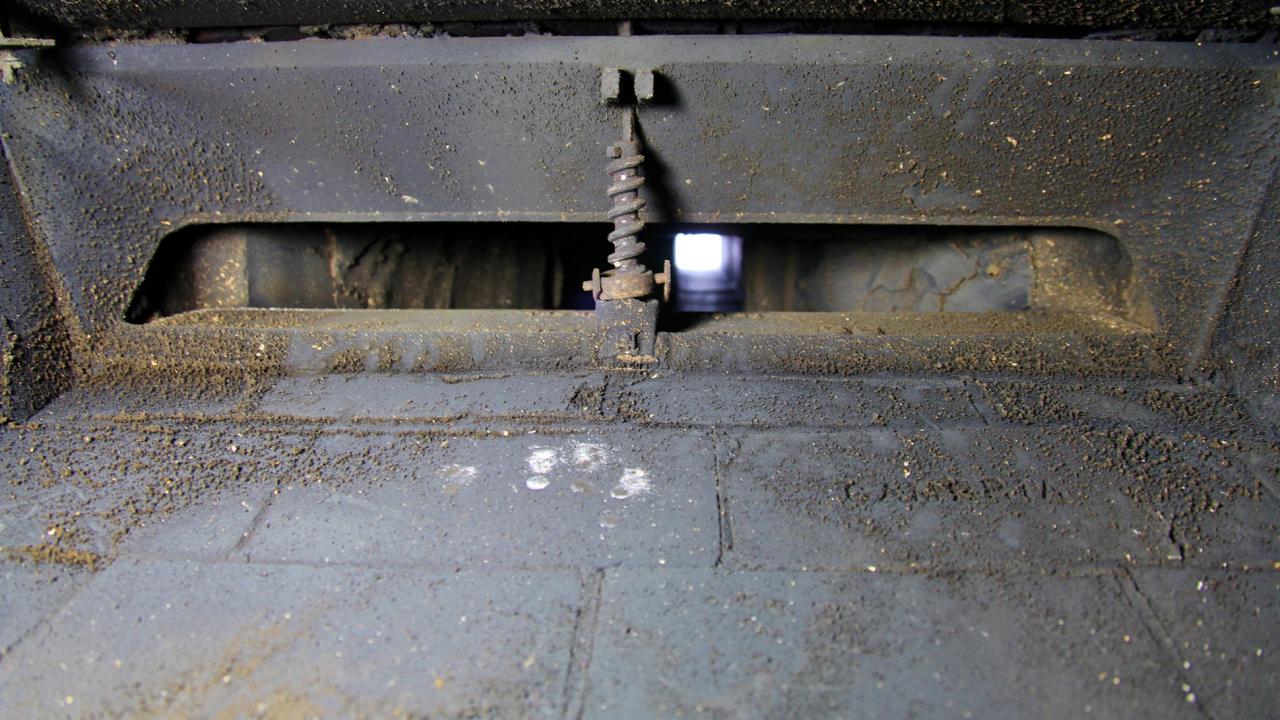
Step 3: Check the damper safely
Only do this if you can do it without putting your face in the opening, and only if you do not suspect raccoons or bats.
- Put on gloves, eye protection, and a dust mask or respirator (soot and dried droppings are not something you want in your lungs).
- Use a flashlight so you can keep your face back and keep better control of what you are doing. It is also harder to drop a flashlight into the firebox than a phone.
- Open the damper slowly. If you see an animal close to the opening, close it back up.
- If there is a strong odor or visible droppings, stop and plan for professional help.
Important: Many fireplaces have a smoke shelf above the damper where animals and nests can sit out of sight. Seeing “nothing” at the damper does not mean the flue is clear.
When to call a pro
There is DIY, and then there is “this can bite you, scratch you, or contaminate your home.” Chimney wildlife falls into the second category more often than people think.
Call wildlife control if:
- You suspect raccoons (especially if you hear babies).
- You suspect bats (guano and legal protections vary by location).
- You cannot see the animal but you have strong odor or signs of a nest.
- The animal seems stuck and is thrashing near the damper.
- Anyone in the home is immunocompromised or you have concerns about droppings.
- You suspect an active bird nest and are not sure what is legal to remove.
Call a certified chimney professional if:
- You have had smoke spillage or draft issues.
- You suspect a blockage in the flue.
- You plan to use the fireplace again soon and want it checked and cleaned after removal.
If there is active smoke in the home, a CO alarm is sounding, or anyone feels lightheaded, leave the home and call 911.
In many areas, the best solution is a team: wildlife control for removal, then a chimney sweep to clean, inspect, and confirm safe operation.
How pros remove them (humane norms)
Removal methods vary by region and species, but reputable pros generally follow a few consistent principles: keep it humane, keep it legal, and keep it from happening again.
Common approaches
- One-way doors at the top of the chimney so animals can exit but cannot re-enter.
- Hands-off capture tools when necessary, used by trained techs with protective equipment.
- Nest removal and sanitation after the animal is out, especially for raccoons.
- Verification that babies are not left behind before sealing the entry point.
If someone proposes poisoning or sealing the chimney immediately without verifying that the animal is out, that is a red flag. Trapped animals can die in the chimney, creating odors and a cleanup problem that lasts for weeks.
Health and home risks
- Chimney fire risk: nests and debris can ignite.
- Carbon monoxide risk: blocked flues can push combustion gases back into your home.
- Parasites and pathogens: droppings and nesting material can harbor parasites. Raccoons in particular can carry roundworm. Birds and bats can leave droppings that should be handled carefully.
- Damage: torn caps, displaced flashing, and scratched liners can lead to leaks and expensive repairs.
If your home has a fireplace and you do not already have them, this is a good moment to add working smoke alarms and CO alarms on each level, especially near sleeping areas.
Prevention
Once you have dealt with chimney wildlife one time, you realize how cheap prevention is compared to removal and cleanup.
Install a proper chimney cap
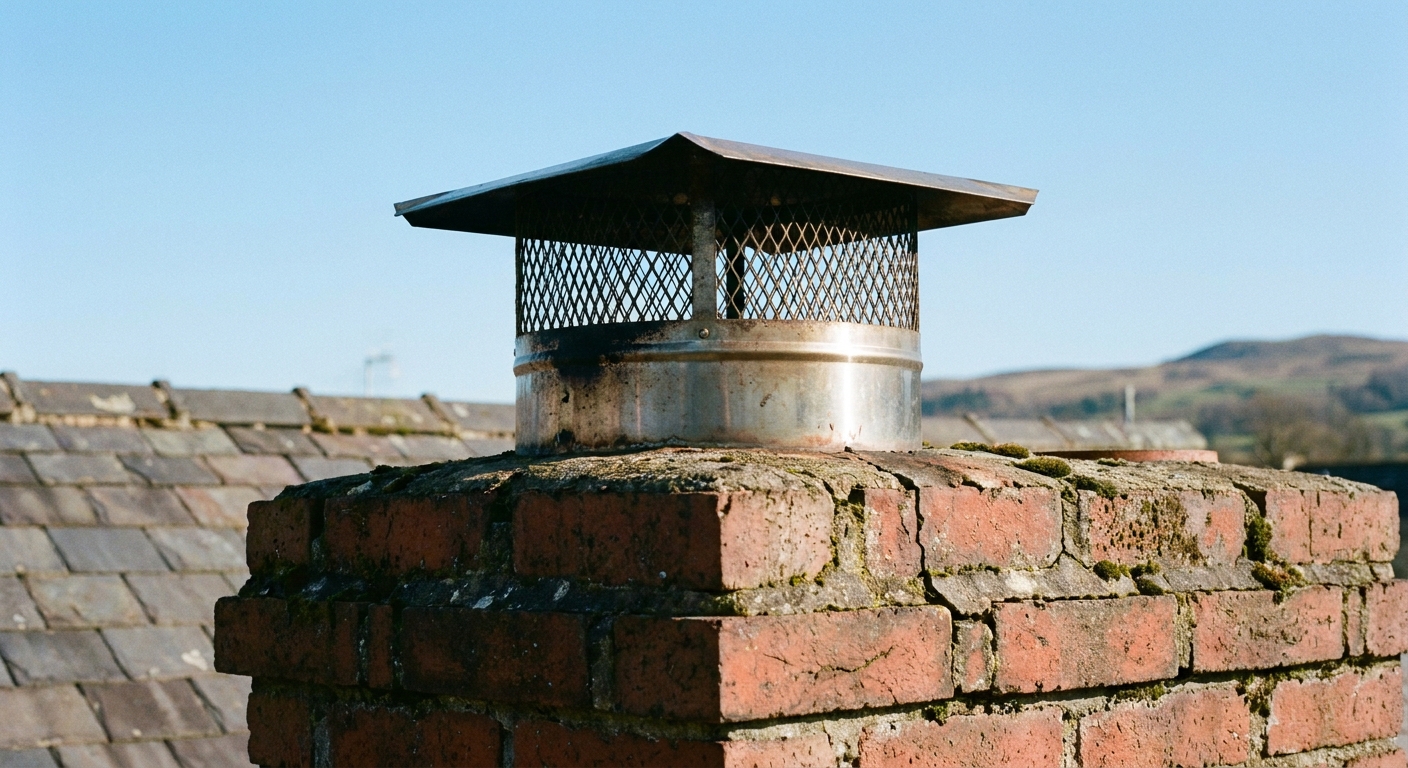
A chimney cap with a mesh screen helps keep out raccoons, squirrels, and many birds while still allowing proper venting. The details matter, though. Use a cap that is appropriate for your appliance and fuel and meets local code. Screens that are too fine can clog with soot or creosote and create drafting problems.
Consider a top-sealing damper
If your existing damper is leaky or hard to close, a top-sealing damper can improve energy efficiency and adds another physical barrier at the top of the flue.
Schedule an annual inspection
Even if you rarely burn wood, NFPA-style guidance is generally: inspect annually, and clean as needed. A yearly look from a certified chimney sweep can catch:
- loose caps or damaged screens
- liner cracks
- creosote buildup
- signs of nesting before it becomes a full blockage
If an animal gets into the house
This happens, especially with birds that make it past the damper. If it does:
- Close interior doors to limit where it can fly or run.
- Open one exterior door or window in the room and dim the lights so the exit is the brightest point.
- Do not chase. Give it a clear path out.
- If it is a bat and there is any chance it was in a room with a sleeping person, child, or someone who cannot reliably report contact, call local health authorities or animal control for guidance.
Once things settle, keep the damper closed and arrange for the chimney to be inspected before you use it again.
My thrifty homeowner takeaway
I love solving home problems with basic tools and patience, but chimneys are one place where I have learned to slow down and respect the risk. If you hear activity, treat it like a blocked vent: stop using the fireplace, keep the damper closed, confirm what you can safely, then bring in the right pro if needed. The goal is simple: protect your family, protect your house, and get the animal out humanely.
The 30-Second Cheat Sheet
Essential takeaways for: Animals in Your Chimney? Signs, Risks, and Safe First Steps
Do this first (safe, fast steps)
- Do not light a fire to “smoke it out.” Nests can ignite and a blocked flue can push smoke and carbon monoxide into your home.
- Stop using the fireplace immediately (wood, gas, insert, anything that vents through that chimney). Keep kids and pets away from the hearth.
- Close the damper fully right away if it is open. This helps prevent a bird or squirrel from dropping into the living room while you figure out the next step.
- Listen and note clues: light scampering often means squirrels; heavy thumps suggest raccoons; chirping and fluttering suggests birds.
- Check the damper cautiously with gloves, eye protection, and a mask. Open slowly with a flashlight, keeping your face back.
Quick ID clues
- Birds: chirps, fluttering, twigs and grass, daytime activity. (Many native birds are protected. Active nests may be illegal to remove.)
- Squirrels: quick scratching and scampering, leaves and nesting material, morning and late afternoon.
- Raccoons: heavy movement, musky odor, often nighttime, may have babies in spring.
When to call a pro
- Call wildlife control for raccoons, bats, stuck animals, strong odors, or when babies might be present.
- Call a chimney pro if you had smoke spillage, suspect a blockage, or need the chimney cleaned and inspected before using it again.
- Call 911 or your local fire department if there is active smoke in the home, a CO alarm, or you cannot safely ventilate and shut things down.
Prevention that works
- Install a proper chimney cap with a code-appropriate mesh screen for your appliance and fuel type. (Too-fine mesh can clog with soot and creosote.)
- Consider a top-sealing damper if yours is leaky.
- Get an annual chimney inspection, and clean as needed, to catch nests and debris early.
Big “do not” list
- Do not start a fire.
- Do not reach into the flue if you suspect raccoons or bats.
- Do not use poisons, sprays, or “repellents” in the fireplace or flue.
- Do not seal the chimney until a pro confirms the animal is fully out.
💡 Tip: Scroll up to read the full article for detailed, step-by-step instructions.
⬆️ Back to top
About Marcus Vance
Content Creator @ Grit & Home
Marcus Vance is a lifelong DIY enthusiast and self-taught home renovator who has spent the last decade transforming a dilapidated 1970s ranch into his family's dream home. He specializes in budget-friendly carpentry, room-by-room renovations, and demystifying power tools for beginners. Through his writing, Marcus shares practical tutorials and hard-learned lessons to help homeowners tackle their own projects with confidence.