
🚨 In a DIY emergency or rush?
Skip the details and jump straight to our 30-second cheat sheet for the most crucial info.
If your yard suddenly looks like someone went after it with a garden trowel at midnight, you are not imagining things. Armadillos can turn a nice lawn into a patchwork of divots fast, especially in warm, grub-rich soil. The good news is you do not have to guess your way through it. Once you know what signs to look for and how they get in, you can make your yard a whole lot less inviting.
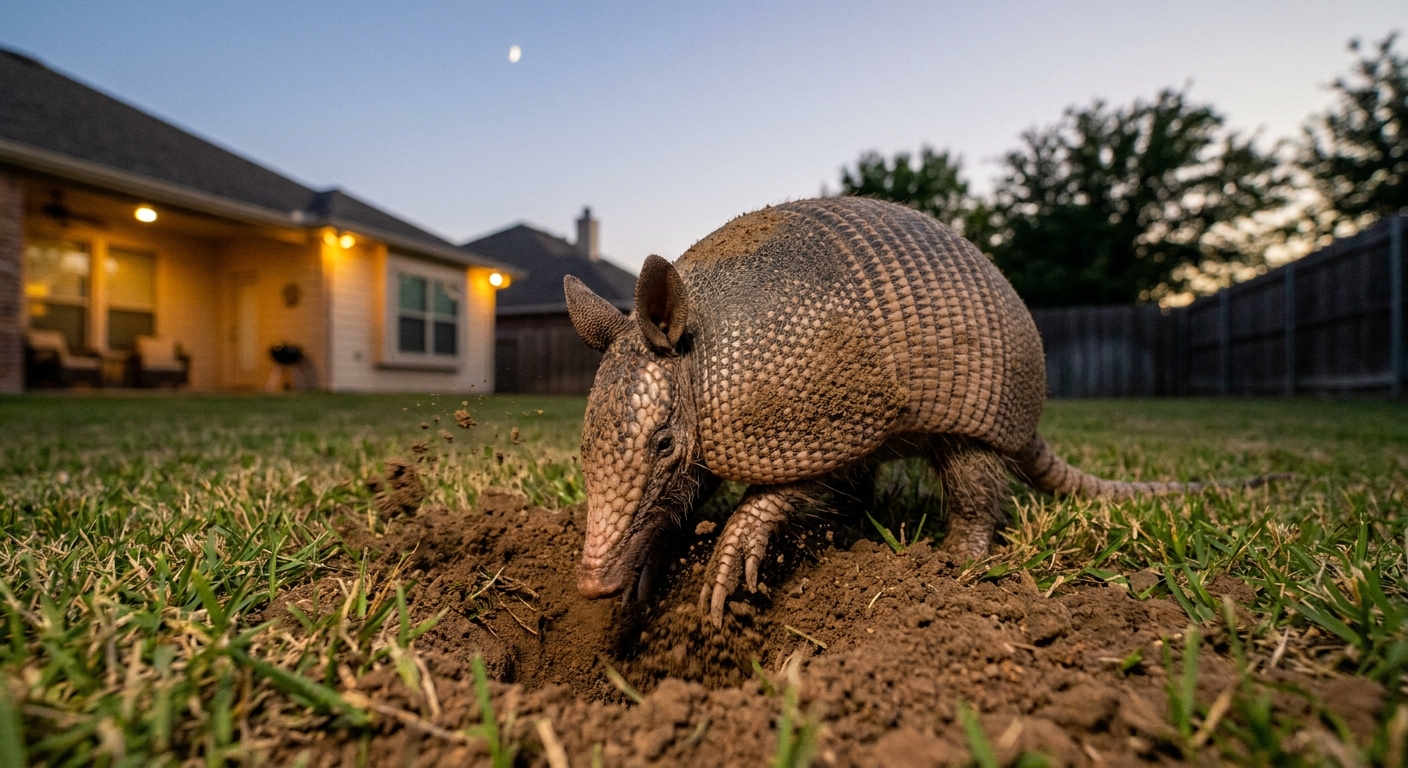
How to tell if it is armadillos (and not moles, skunks, or raccoons)
Armadillo damage is usually surface-level foraging. They are not tunneling through your yard like a mole. Think of them like a hungry rototiller with a snout.
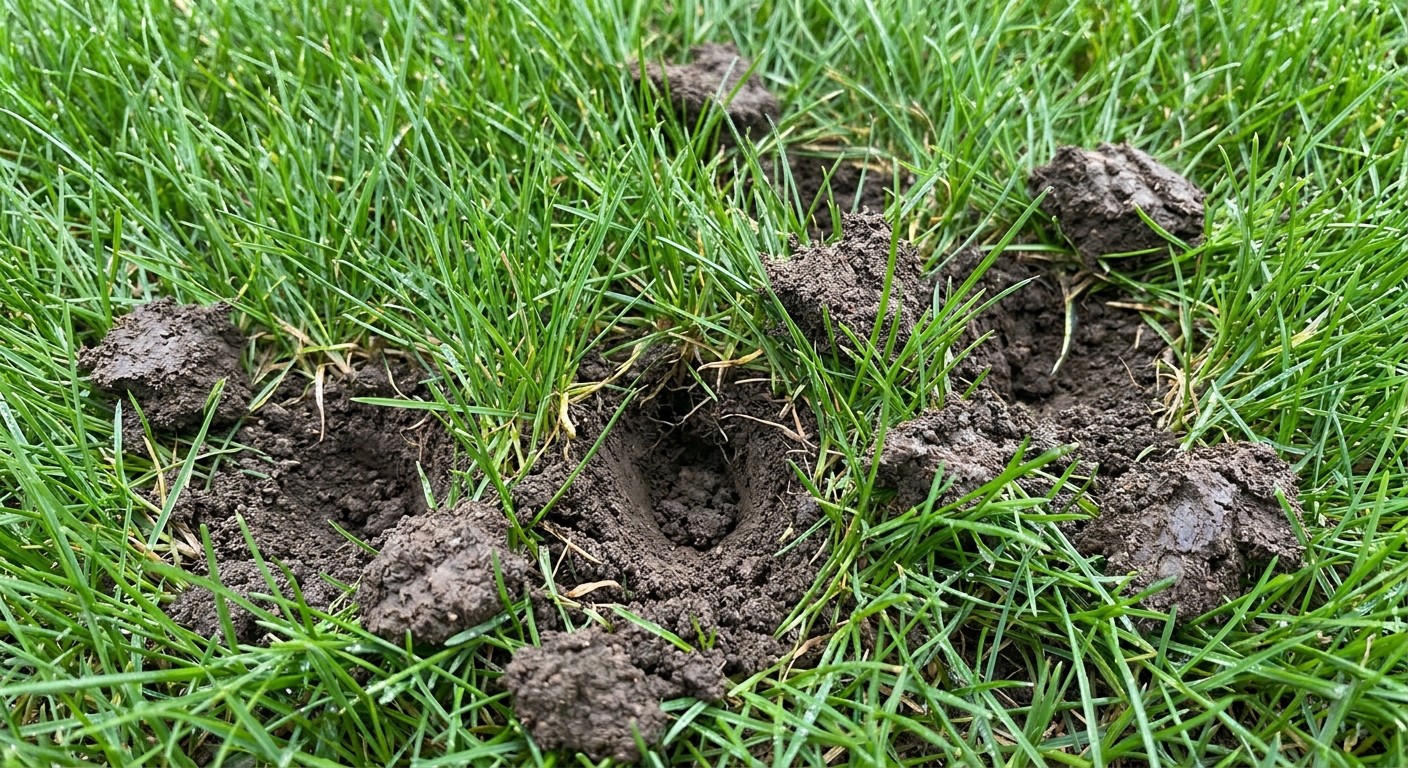
Common armadillo lawn signs
- Small cone-shaped holes about 1 to 3 inches wide, often clustered. They look like little “nose pokes” where they sniffed and dug for bugs.
- Shallow divots and flipped sod in soft areas or along edges of beds, fences, and foundations.
- Damage that appears overnight, especially after rain or irrigation when the soil is easy to dig.
- Tracks with long claw marks. The front feet often show 4 toes, the rear 5, with a dragging tail line sometimes visible in soft dirt.
Burrow signs
Not every armadillo digs a burrow in your yard, but if they do, you will typically see:
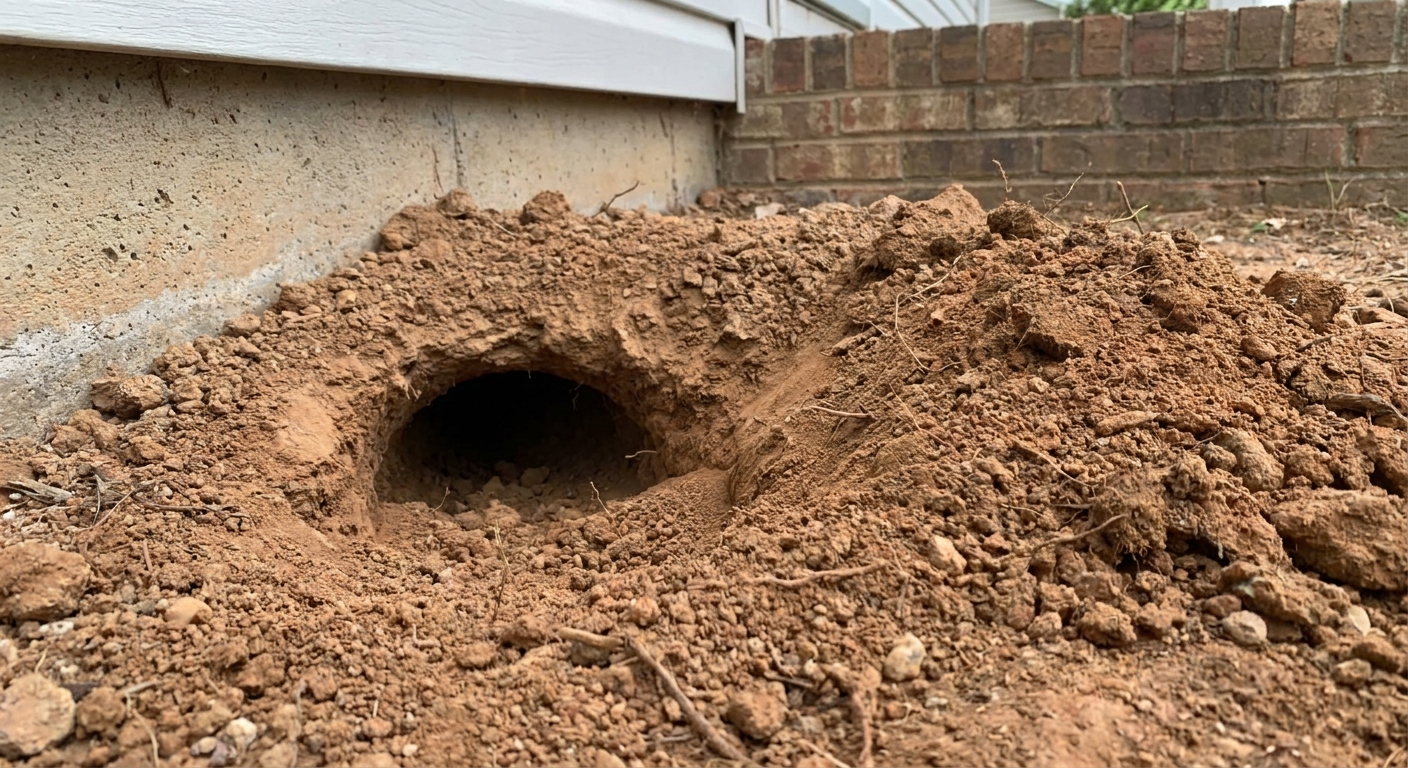
- An oval entrance roughly 7 to 10 inches across.
- A mound of loose soil fanned out from the entrance.
- Location clues: under dense shrubs, near a slab edge, under a porch, or along a fence line where they feel protected.
Quick comparisons
- Moles : raised ridges or volcano-shaped soil mounds from underground tunnels.
- Skunks : small “flipped” patches and shallow holes similar to armadillos, but often with more turf peeled back in chunks.
- Raccoons : larger torn-up sections, rolled sod like a carpet, and trash can shenanigans nearby.
Why armadillos dig
Armadillos are insect-eaters. In most suburban yards, the biggest “neon sign” is soil full of grubs and other critters , including:
- White grubs (often beetle larvae)
- Earthworms
- Ants and termites
- Beetles and other soil insects
They have poor eyesight but an excellent nose. When moisture pushes insects closer to the surface, digging gets easy and rewarding.
What this means for you
If you only chase the armadillo without addressing the food source, you might win the battle and still lose the lawn. A neighbor’s yard can be the “main kitchen,” but if your yard stays loaded with grubs, you will keep getting midnight visitors.
Step 1: Confirm activity
I am all for grabbing tools, but with critters, a little patience saves money. Spend 2 to 4 nights collecting clues so you target the right spot.
- Check at dawn for fresh holes and tracks. Armadillos are often most active at night, but they can be out in early morning or dusk.
- Look for travel routes along fences, hedges, and foundations.
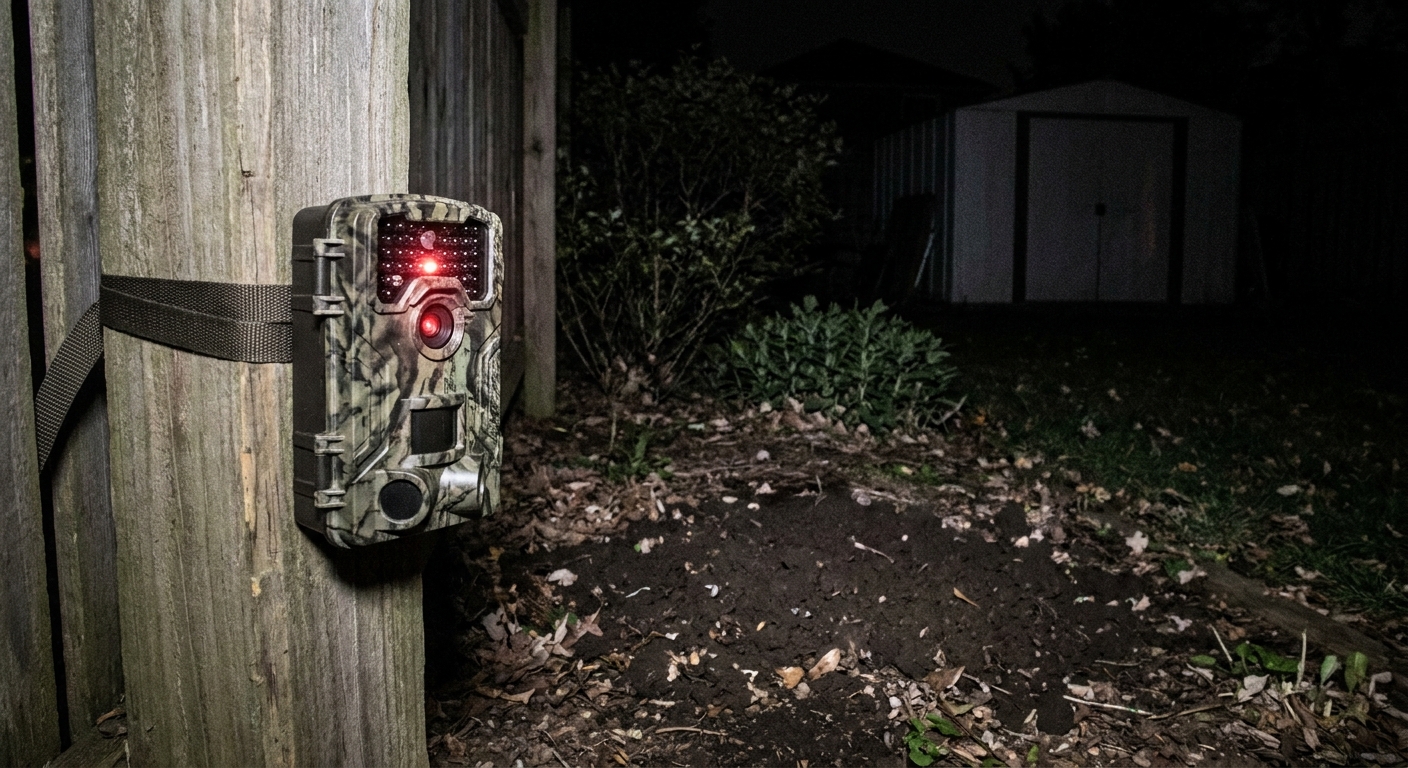
- Use a simple trail camera if you have one. Even a basic model will tell you if it is one animal or a parade.
- Mark new holes with small flags so you can see what is new vs. old.
Step 2: Reduce the food reward
Here is the honest version: grub control can help , but it is not an instant off-switch. Armadillos also eat worms and other insects, and they may keep checking your yard out of habit.
How to see if you likely have grubs
If you can, peel back a small square of turf (about 1 square foot) near the damage. In grub-heavy lawns, you will often see multiple C-shaped larvae in the top few inches of soil. If you see 5+ grubs per square foot, that is commonly considered a high-pressure situation for turf damage.
Timing and product types
- Preventive treatments are typically applied in the season when young grubs are present. These work best when timed right.
- Curative treatments are used when grubs are already established and feeding.
Because timing varies by region and grass type, follow local extension guidance or the label for your area. Watering-in is often crucial, since the product needs to reach the soil zone where grubs feed.
Important limits
- Grub control does not exclude armadillos. It just makes your yard less worth the effort over time.
- Healthy lawns still have insects. The goal is reducing pressure, not sterilizing the soil.
Step 3: Exclusion that works
If you want the most reliable solution, think like a carpenter: block access and remove easy pathways. Armadillos are strong diggers, and they do not respect “cute” little garden borders.
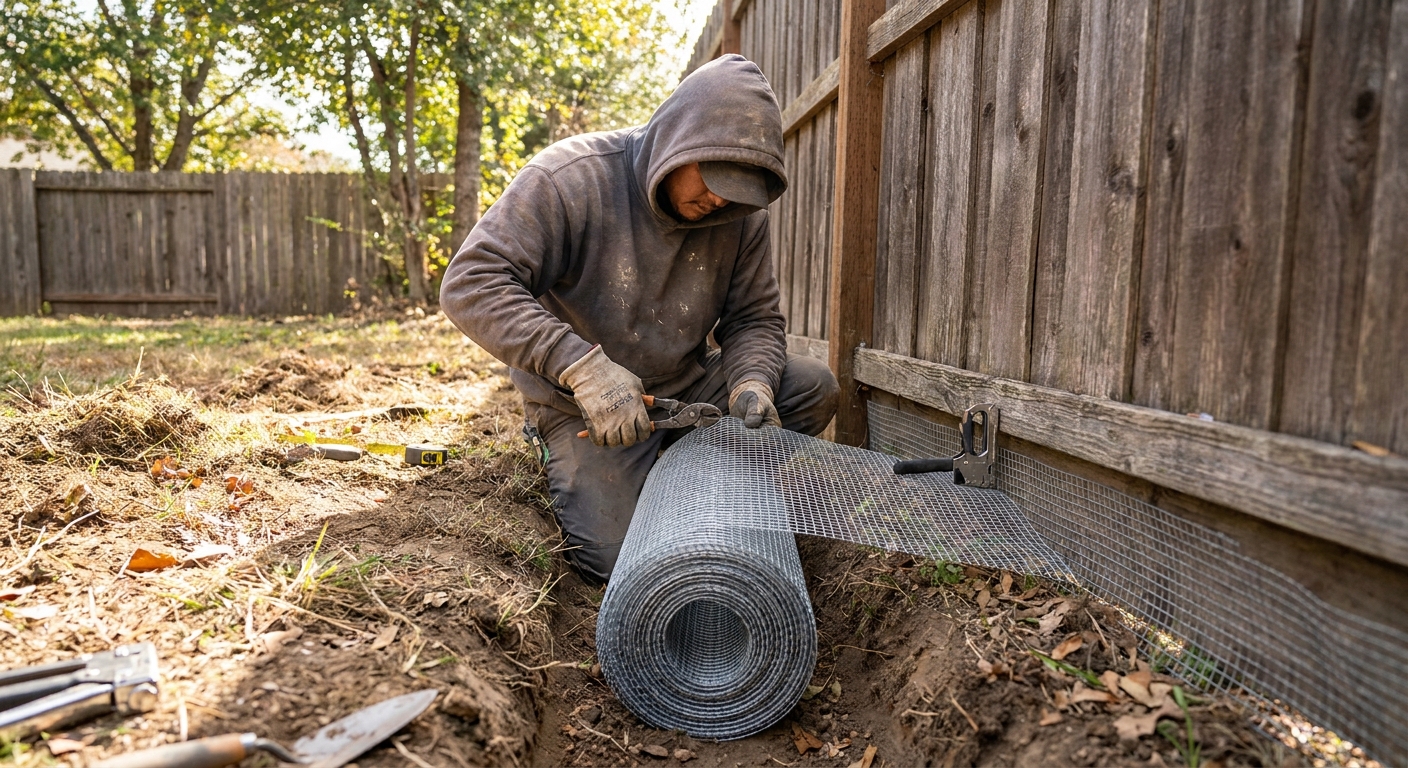
Option A: Dig barrier along a fence
If they are coming under an existing fence, a buried apron is often the highest bang-for-buck fix.
- Material: 1/2-inch hardware cloth (galvanized). Chicken wire is usually too flimsy and too wide.
- Depth: aim for 12 to 18 inches down.
- Return (apron): bend the bottom outward into an L-shape and run it 8 to 12 inches horizontally. This stops digging right at the fence line.
- Fastening: attach to fence posts or the bottom rail with heavy-duty staples or fence ties.
Thrifty tip: You do not always need to do the entire property. Start with the obvious entry corridor where damage clusters, then expand if needed.
Option B: A perimeter fence
If you are fencing a garden, chicken run, or a smaller yard section, the rules are simple:
- Keep it tight to the ground. Gaps are invitations.
- Bury the bottom or use an outward apron like above.
- Height: armadillos are not great jumpers, so you do not need an 8-foot fortress. The real battle is at the bottom.
Option C: Protect a specific spot
When the damage is concentrated, you can do targeted exclusion:
- Garden beds: line the outside with buried hardware cloth.
- Under porches and sheds: close gaps with a framed hardware-cloth barrier anchored into soil.
- AC pads and slab edges: if you see digging there, add a narrow buried strip and fill voids with compacted soil.
Step 4: Live trapping
If you need the animal gone now, live cage trapping is one of the most common DIY approaches where it is legal. The trick is that armadillos are not reliably food-motivated at a trap. Most “bait tips” are wishful thinking. Placement and guiding are what make traps work.
Where traps work best
- Along a fence line or wall where they travel like little tanks on a route.
- Near the damage, but not sitting in the middle of open lawn where they do not naturally walk.
- Near a burrow entrance, but positioned so you can service it safely.
Use wings
To boost your odds, build simple “wings” that funnel the armadillo into the trap. Think two long boards or wire panels that form a V leading into the trap door.
- Materials: 1x10 or 1x12 boards, plywood strips, or rigid wire panels.
- Length: longer is better, because you are guiding a wandering animal into one specific doorway.
- Fit: keep gaps tight so it cannot slip around the side.
About bait
If you want to try bait, keep expectations realistic. Some people use mealworms or grubs, but many armadillos end up caught with no bait at all. If you catch other critters instead, remove bait and focus on the travel corridor and wings.
Check laws first
Rules on trapping and especially relocation vary by state and city. In many places, relocation is restricted or not allowed. If you are unsure, this is where a wildlife pro is worth the call.
Step 5: Make the yard less armadillo-friendly
Exclusion is the main course. These are the side dishes that help it stick.
- Pick up fallen fruit and reduce other food sources.
- Trim dense ground cover near the house and fence lines so they feel exposed.
- Limit nighttime attractants: outdoor pet food and unsecured trash can bring insects and other wildlife, which can indirectly help armadillos.
- Fix irrigation leaks and avoid overwatering. Moist soil is easier to dig and can draw worms upward.
Repellents: what is realistic
Most homeowners try repellents first. I get it. They are easy. The problem is that armadillos are stubborn and food-motivated.
What repellents can do
- Sometimes discourage light, occasional foraging in a small area.
- Buy you time while you plan real exclusion.
What repellents usually cannot do
- Stop a determined animal with a strong food source.
- Hold up after rain and irrigation without constant reapplication.
- Replace buried barriers where they are entering under a fence or structure.
Ultrasonic devices
In the real world, results are inconsistent. If a device truly worked every time, you would see them everywhere in the South, right next to the lawnmowers. I treat these as “maybe” at best.
If you are dealing with repeated damage, put your money into hardware cloth and a weekend of digging. It is not glamorous, but it is the fix you can build once and rely on.
Burrows: what to do first
It is tempting to fill a hole immediately. First, make sure you are not trapping an animal inside, and avoid putting yourself in a scratch-risk situation. Armadillos rarely bite, but they can thrash, scratch with powerful claws, and some will jump straight up when startled.
- Watch for activity at dawn and dusk for a couple days.
- Look for fresh soil at the entrance and new tracks.
- If you confirm it is active, focus on exclusion and professional removal options rather than sealing it with an animal inside.
Safety notes
You do not need to panic, but you do want basic hygiene and common sense when working around burrows or a trapped animal.
- Avoid direct handling of armadillos whenever possible.
- Wear gloves when moving soil, filling holes, or handling a trap.
- Wash hands after yard work in the area and keep kids away from fresh burrow soil.
- Health risk context: nine-banded armadillos are known carriers of bacteria associated with Hansen’s disease, and reptiles and wildlife can also spread salmonella through fecal contamination. The practical takeaway is simple: reduce contact, wear gloves, and clean up properly.
When to call a pro
Some situations are simply beyond the DIY comfort zone, and that is okay. Consider calling a licensed wildlife control operator if:
- The burrow is under a slab, porch, or foundation edge where digging could cause damage.
- You have repeat visitors even after you addressed entry points.
- You cannot legally trap or relocate in your area, or you are unsure of the rules.
- You need a property-wide plan with multiple access points and dense cover.
A good pro will do two things: remove the immediate problem and show you how to prevent the next one with exclusion.
DIY game plan
- Confirm the culprit using hole shape, tracks, and timing.
- Identify the entry path along a fence, hedge, or structure edge.
- Install a buried hardware-cloth barrier at that path (12 to 18 inches down with an apron).
- Use live trapping if needed (where legal), set along a travel route with wings to funnel them in.
- Reduce attractants and tighten up cover near the house.
- Evaluate grub pressure and treat appropriately for your region and season.
If you tackle it in that order, you are building a solution instead of chasing symptoms. That is the difference between “I sprayed something” and “I fixed it.”
The 30-Second Cheat Sheet
Essential takeaways for: Armadillo Damage in Your Yard: Deter and Exclude Them
- Armadillo damage looks like: clusters of small cone-shaped holes (about 1 to 3 inches), shallow divots, and sod disturbed overnight. Burrows are usually oval openings around 7 to 10 inches wide with loose soil nearby.
- Why they are digging: mostly to eat grubs, worms, ants, and other soil insects. Rain and irrigation make soil easier to dig, so damage often spikes after wet nights.
- Best DIY fix: exclusion. Install 1/2-inch hardware cloth along the entry route and bury it 12 to 18 inches. For best results, add an 8 to 12 inch outward L-shaped apron at the bottom.
- DIY trapping option: a live cage trap set along a fence line, ideally with funnel “wings” (boards or wire panels) to guide the armadillo into the trap. Baits often fail, so placement and guiding matter more than food.
- Grub control helps, but is not instant: reducing grubs can lower long-term interest, but it will not physically keep armadillos out and they may still check your yard.
- Repellents are limited: they may help for light, occasional visits, but they often fail with determined animals and wash away with rain. Do not rely on repellents as your main strategy.
- Do not seal an active burrow: confirm whether it is being used first. If the burrow is under a slab, porch, or foundation edge, call a pro.
- Basic safety: avoid handling armadillos. Wear gloves when working near burrows and wash hands after. Nine-banded armadillos can carry Hansen’s disease bacteria and salmonella, so treat contact and contaminated soil as a hygiene issue.
- Call a wildlife pro when: you have repeat damage after exclusion, the burrow threatens structures, or local rules around trapping and relocation are unclear.
💡 Tip: Scroll up to read the full article for detailed, step-by-step instructions.
⬆️ Back to top
About Marcus Vance
Content Creator @ Grit & Home
Marcus Vance is a lifelong DIY enthusiast and self-taught home renovator who has spent the last decade transforming a dilapidated 1970s ranch into his family's dream home. He specializes in budget-friendly carpentry, room-by-room renovations, and demystifying power tools for beginners. Through his writing, Marcus shares practical tutorials and hard-learned lessons to help homeowners tackle their own projects with confidence.