
🚨 In a DIY emergency or rush?
Skip the details and jump straight to our 30-second cheat sheet for the most crucial info.
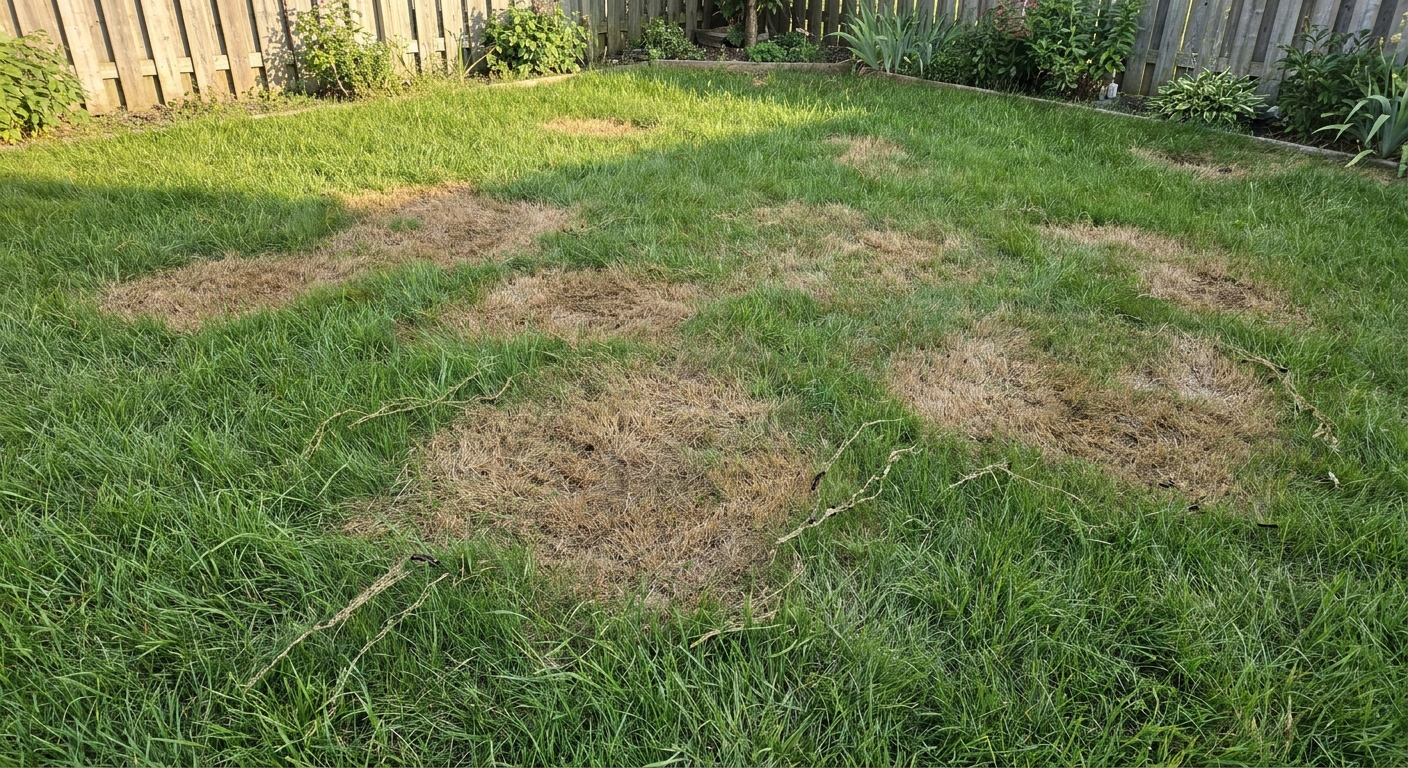
There are lawn problems that creep along slowly, and then there are armyworms. One week your yard looks fine, the next week it looks like someone took a blowtorch to random patches. If you have sudden brown spots that spread fast, especially in the back half of summer, armyworms are high on my suspect list.
Below, I’ll show you what the damage looks like, how to confirm it with a cheap soap flush test, and how to decide between curative treatments (when they are actively feeding) and preventive steps (so you are not playing defense every year).
Quick action checklist: Check the lawn near dusk, do a soap flush on the green-brown edge, treat if you confirm live caterpillars, then recheck in 24 to 48 hours.
What are armyworms?
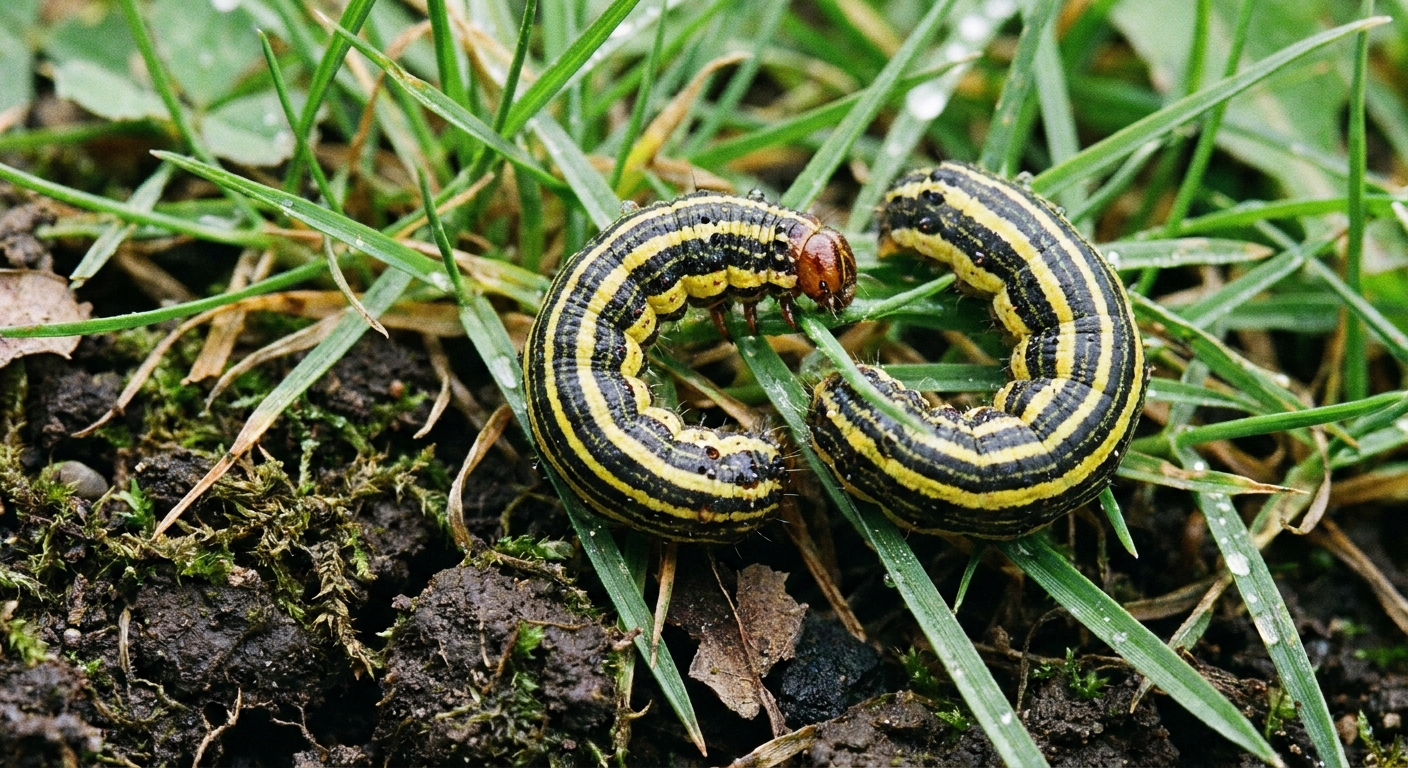
Armyworms are caterpillars, usually the larvae of moths like fall armyworm and true armyworm. They feed on grass blades, often at night or on cloudy days, and they can move in groups, which is where the "army" part comes from.
They are most common during warm periods, and outbreaks often follow moth flights and egg laying. Translation: damage can feel like it came out of nowhere because the "problem" was tiny larvae for a while, then suddenly they are big enough to mow your lawn down.
Region note: Fall armyworms are most common in warmer parts of the U.S. and often migrate north in late summer. Your exact timing depends heavily on weather and location, so local extension alerts can be gold.
Damage signs to look for
1) Sudden brown patches that grow daily
Armyworm damage often shows up as irregular brown areas that expand quickly. It can start small and then join into larger dead-looking sections.
2) "Skeletonized" grass blades
Before the lawn turns fully brown, you may notice blades that look ragged or thin, like the green tissue has been scraped away. That is classic chewing damage.
3) Birds going wild in one spot
If you see birds pecking hard at one section of turf, they may be eating caterpillars. Birds are not always bad news, but they are often a clue.
4) Caterpillars hiding in thatch and at the soil line
During the day, armyworms often tuck down low. If you part the grass near the edge of damaged areas, you may spot them curled up.
5) Damage that looks like drought, but watering does not help
Drought stress usually improves with irrigation and cooler temps. Armyworm damage typically keeps spreading until the feeding stops.
Common lookalikes (fast checks)
- Brown patch disease: often shows "smoke ring" edges and is worse in humid nights. No caterpillars on a soap flush.
- Chinch bugs (especially St. Augustine): damage often starts in sunny areas and spreads, but you will find tiny bugs at the base of stems, not chewing on blades.
- Dog urine: usually round spots with a greener ring, and it does not march across the lawn day by day.
Confirm it: the soap flush test (10 minutes)
This is my favorite DIY diagnostic because it is quick, cheap, and it turns guesswork into proof.
What you need
- A bucket of water (about 1 gallon)
- Liquid dish soap (plain, non-antibacterial if possible)
- A measuring spoon
- A watering can or cup
Mix and apply
- Mix 1 to 2 tablespoons of dish soap into 1 gallon of water. (Some extension sources use lower rates, like teaspoons. If you are worried about grass burn, start lower and increase as needed.)
- Pick a suspicious area right on the border of green and brown turf.
- Slowly pour the soapy water over about 1 square yard of lawn.
Watch for 5 to 10 minutes
If armyworms are present, they will usually wriggle up to the surface within a few minutes. You might see several, especially in an active outbreak.
Rule of thumb: If you flush multiple live caterpillars in a square yard and the damage is actively spreading, that is usually enough reason to treat. Local thresholds vary, so if your extension office publishes one, use theirs.
Rinse afterward
Lightly rinse the area with clean water when you are done. The goal is to irritate pests, not burn your grass.
DIY honesty: The first time I did this, I poured too fast and missed half the square. Go slow so the solution soaks in evenly.
Curative vs preventive: what works
Here is the big decision: are you trying to stop active feeding right now, or are you trying to reduce future risk next season? In an outbreak, you usually need curative control first.
Curative control (when you see damage and worms)
Armyworms are easiest to kill when they are small. Once they are large, they eat more and can be tougher to control, so timing matters.
- Fast-acting options: Many common lawn insecticides labeled for caterpillars can work, often with active ingredients like bifenthrin, lambda-cyhalothrin, or cyfluthrin. Effectiveness depends on larval size and the specific product, so confirm the label lists your pest (often “armyworms,” “sod webworms,” or “lawn caterpillars”).
- Selective option: Products with spinosad can be effective on caterpillars. Not every spinosad product is labeled for residential lawns in every area, so use only products labeled for turf and follow your local rules.
- Biological option: Bt (Bacillus thuringiensis var. kurstaki) works best on small caterpillars and needs to be eaten. It breaks down in sunlight and may require repeat applications, so it is not always the best choice if your infestation is already heavy and the larvae are large.
Application tips that matter:
- Treat late afternoon or early evening when armyworms are more active.
- Let the product reach the hiding zone: They tuck into thatch and the soil line. Apply in a way that gets coverage down into the canopy.
- Mowing note: Only mow beforehand if the label allows, and do not scalp. You want access, not stress.
- Watering note: Some granules need watering-in, while many sprays need to stay on the leaf. This is where people accidentally reduce effectiveness, so follow the label exactly.
- Recheck in 24 to 48 hours with another soap flush. If you still see lots of live caterpillars, you may need a second application as allowed by the label or a different product.
Preventive control (fewer outbreaks, less damage)
It is true that moths can fly in and lay eggs, so nothing is a perfect, permanent shield. But you do have a modern, grub-preventer-style option that can make a big difference in many lawns.
- Season-long preventive option: Products with chlorantraniliprole (for example, Acelepryn and some retail “grub” preventers) are applied like preventives and can provide long residual control of turf caterpillars, including armyworms, when timed correctly. Apply before expected pressure and follow the label for your grass type and region.
- About “preventive” pyrethroid sprays: Some people spray pyrethroids during moth flights, but results can be inconsistent because reinfestation can happen and timing is tricky. I consider these more “short-term suppression” than true season-long prevention.
- Keep turf healthy: Correct mowing height for your grass type, proper watering, and balanced fertilizing help grass recover faster and tolerate some feeding.
- Scout during high-risk windows: Plan a weekly quick check during late summer and early fall, or anytime you notice moth activity and warm, humid nights.
- Reduce thatch if it is heavy: Thatch gives caterpillars a place to hide. If you have a spongy lawn, consider core aeration and dethatching at the right time for your turf type.
Label and local rules: Always follow the product label and local regulations. Lawn pesticides and uses can vary by state and country.
Timing by grass type
Armyworms can show up in both, but timing and recovery look different.
Cool-season lawns (Kentucky bluegrass, fescue, rye)
- Most common surge: Late summer into early fall when nights are still warm.
- Why it feels brutal: Cool-season grass is already stressed by summer heat, so feeding damage shows faster.
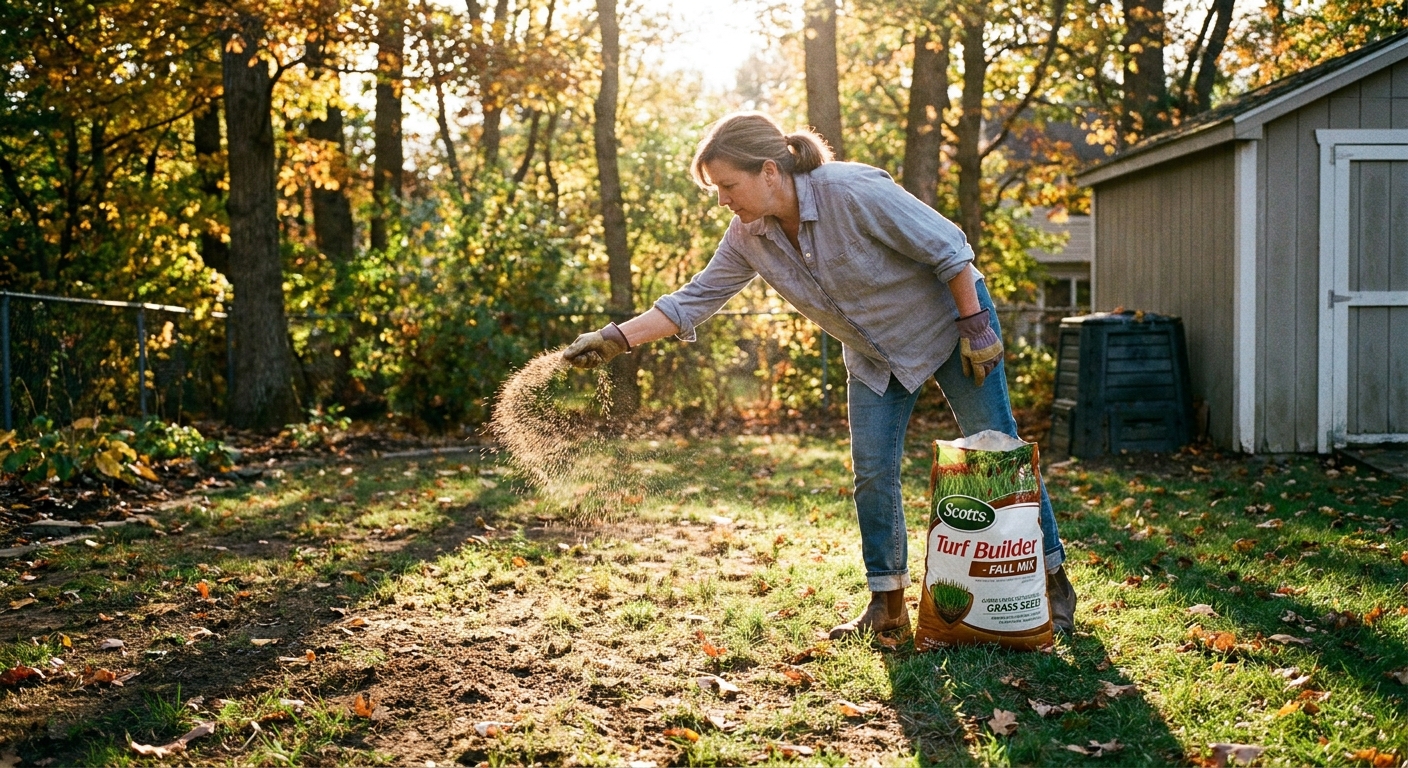
- Recovery move: After you stop active feeding, keep moisture consistent and consider overseeding at the appropriate fall window if areas are thinned.
Warm-season lawns (Bermuda, zoysia, St. Augustine, centipede)
- Most common surge: Mid to late summer and into early fall, depending on region.
- Why it can rebound: Warm-season grasses can recover aggressively while they are actively growing, as long as the crown is not destroyed.
- Recovery move: Stop the feeding first, then return to normal mowing and irrigation. Avoid dumping heavy nitrogen immediately if the lawn is already stressed.
Pet and pollinator cautions
Pets and kids
- Keep pets and children off treated areas until the product label says it is safe, often until the spray is dry or after watering-in for granules.
- Store concentrates locked up. A lot of lawn chemical problems come from sloppy storage, not the application itself.
- If your dog eats grass or digs, be extra conservative with access timing.
Pollinators and beneficial insects
- Do not spray flowering weeds like clover or dandelions. Mow them first, then treat after blooms are gone.
- Apply in the evening when many pollinators are less active.
- Choose more targeted options when appropriate, and always follow label restrictions.
One more real-world note: Even "natural" products can be harmful if misused. The label is not red tape, it is the playbook.
After treatment: help it recover
- Water smart: Keep soil lightly moist for recovery, but do not overwater. Soggy soil invites disease.
- Hold off on aggressive mowing: Let the grass regain some leaf area before cutting it hard.
- Reseed or patch only after feeding stops: Otherwise you are feeding caterpillars fresh salad.
- Watch for secondary problems: Thin turf can invite weeds. Consider a fall plan for cool-season lawns or a spring plan for warm-season lawns.
When to call a pro
I am all for DIY, but there are times when a pro is the cheaper option in the long run, especially if you are about to lose half the yard.
- You have large areas browning quickly and the soap flush test shows multiple caterpillars per square yard.
- You treated once and still see heavy activity after 48 hours.
- You are not sure if it is armyworms vs disease vs drought and you do not want to throw products at the problem.
- You have concerns about pets, pollinators, or nearby vegetable gardens and want a tailored plan.
Ask the company what they are treating with, whether it targets caterpillars, and what re-entry time is for kids and pets. A good operator will answer those questions clearly.
Common questions
Will armyworm-damaged grass grow back?
Sometimes, yes. If the crown and roots are intact, grass can recover. Warm-season lawns often rebound better during their active growth period. If the area looks scalped to bare soil, plan on reseeding (cool-season) or plugging or sodding (warm-season) once the pests are controlled.
Are armyworms the same as grubs?
No. Grubs chew roots underground and turf peels up like a loose carpet. Armyworms chew blades above the soil line and cause that fast, scorched look.
Why did it happen so fast?
The early caterpillars are small and easy to miss. Once they reach later stages, they eat a lot more per day, and the damage becomes obvious almost overnight.
The 30-Second Cheat Sheet
Essential takeaways for: Armyworms in Your Lawn: Signs and How to Stop Them
How to tell it is armyworms
- Fast-moving brown patches that expand day by day
- Ragged or “skeletonized” blades before the lawn fully browns
- Birds pecking hard at one area can be a clue
Confirm in 10 minutes (soap flush test)
- Mix 1 to 2 tbsp dish soap in 1 gallon water. (Some sources use lower rates. If you are cautious, start with 1 to 2 tsp and increase if needed.)
- Pour slowly over 1 sq yd at the edge of damaged turf.
- Wait 5 to 10 minutes. Armyworms will wriggle up if present.
- Rinse the spot with clean water.
Stop active damage (curative)
- Treat when worms are present, ideally while they are small.
- Apply late afternoon or evening.
- Use a product labeled for lawn caterpillars (armyworms, sod webworms). Recheck in 24 to 48 hours with another soap flush.
Prevent the next outbreak
- Scout weekly during late summer to early fall.
- For season-long prevention in many lawns, consider chlorantraniliprole products (often sold like grub preventers). Apply before peak activity and follow the label.
- Keep turf healthy and reduce heavy thatch so pests have fewer hiding spots.
Cool-season vs warm-season timing
- Cool-season: outbreaks often hit late summer to early fall and stress shows fast. Overseed in the proper fall window after control.
- Warm-season: outbreaks often mid to late summer. Grass may recover well if feeding stops quickly.
Pet and pollinator safety
- Follow the label for re-entry time for kids and pets.
- Do not spray flowering weeds. Mow blooms first and treat in the evening.
Call a pro if
- Large areas are browning fast and soap flush shows multiple worms per sq yd
- You treated once and still have heavy activity after 48 hours
- You are unsure if it is insects vs disease vs drought
💡 Tip: Scroll up to read the full article for detailed, step-by-step instructions.
⬆️ Back to top
About Marcus Vance
Content Creator @ Grit & Home
Marcus Vance is a lifelong DIY enthusiast and self-taught home renovator who has spent the last decade transforming a dilapidated 1970s ranch into his family's dream home. He specializes in budget-friendly carpentry, room-by-room renovations, and demystifying power tools for beginners. Through his writing, Marcus shares practical tutorials and hard-learned lessons to help homeowners tackle their own projects with confidence.