
🚨 In a DIY emergency or rush?
Skip the details and jump straight to our 30-second cheat sheet for the most crucial info.
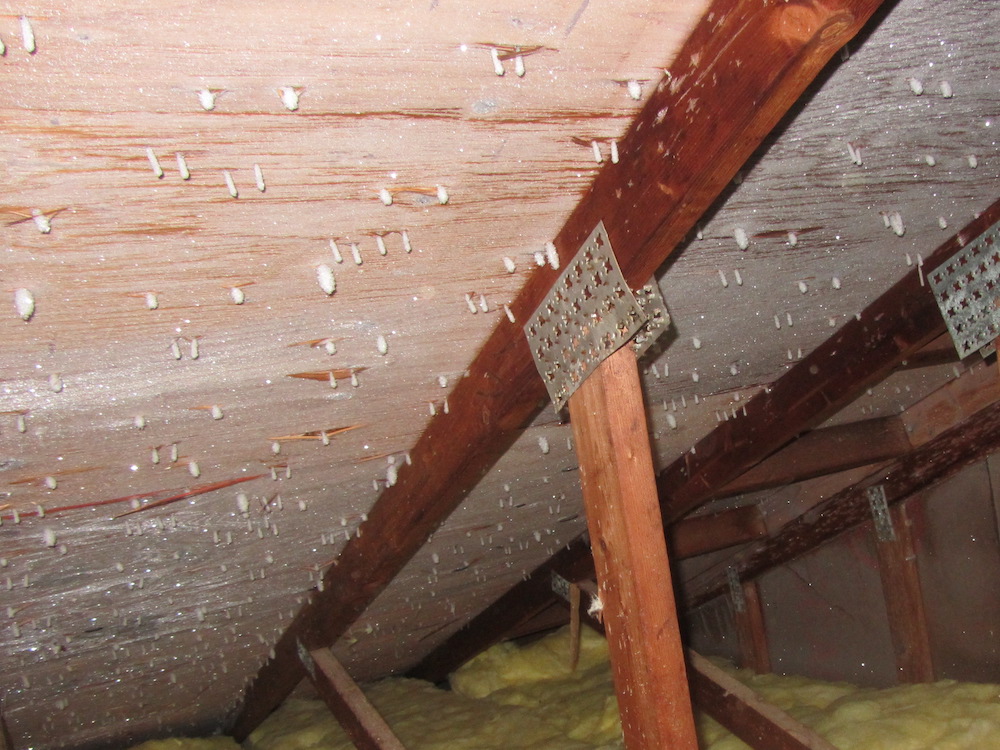
When homeowners tell me they found “snow” in the attic, it is almost never snow. It is frost. And frost is just condensation that froze on the coldest surfaces up there: nail tips, roof sheathing, HVAC ducts, and the backs of bathroom fan housings.
The good news: winter attic condensation is usually a diagnostic problem, not a “tear off your roof” problem. In most cases, you can fix it with a one-two punch: air sealing (stop the moisture from getting up there) and ventilation (flush out what does get through).
Why frost forms
Your house is a moisture generator. Every shower, load of laundry, pot of pasta, and even breathing adds water vapor to the indoor air. In cold weather, that warm air wants to rise and escape. Building science folks call it the stack effect, but the idea is simple: warm air is buoyant, and it will find the easiest path upward.
If that air leaks into an attic that is near outdoor temperature, it hits cold wood and metal and drops below its dew point. The moisture changes state:
- Condensation if the surface is above freezing, which looks like damp wood or water droplets.
- Frost if the surface is below freezing, which looks like white crystals on nails and sheathing.
Then the next sunny day or warm spell rolls through and that frost melts. That is when homeowners notice drips, wet insulation, stained drywall corners, or “mystery” ceiling spots.
Common causes
1) Air leaks from the living space
This is the big one. Attics are supposed to be outside the conditioned envelope, but many homes have dozens of little holes that connect the house to the attic like a network of tiny chimneys.
Typical leak points include:
- Attic hatch or pull-down stairs with no weatherstripping
- Can lights (especially older, non-IC rated fixtures)
- Bathroom fan housings and gaps around the drywall cutout
- Plumbing vent stacks and drain pipes
- Electrical penetrations and top plates under insulation
- Chimney or flue chases (these can be major leakage paths)
2) Bathroom fans that do not vent outdoors
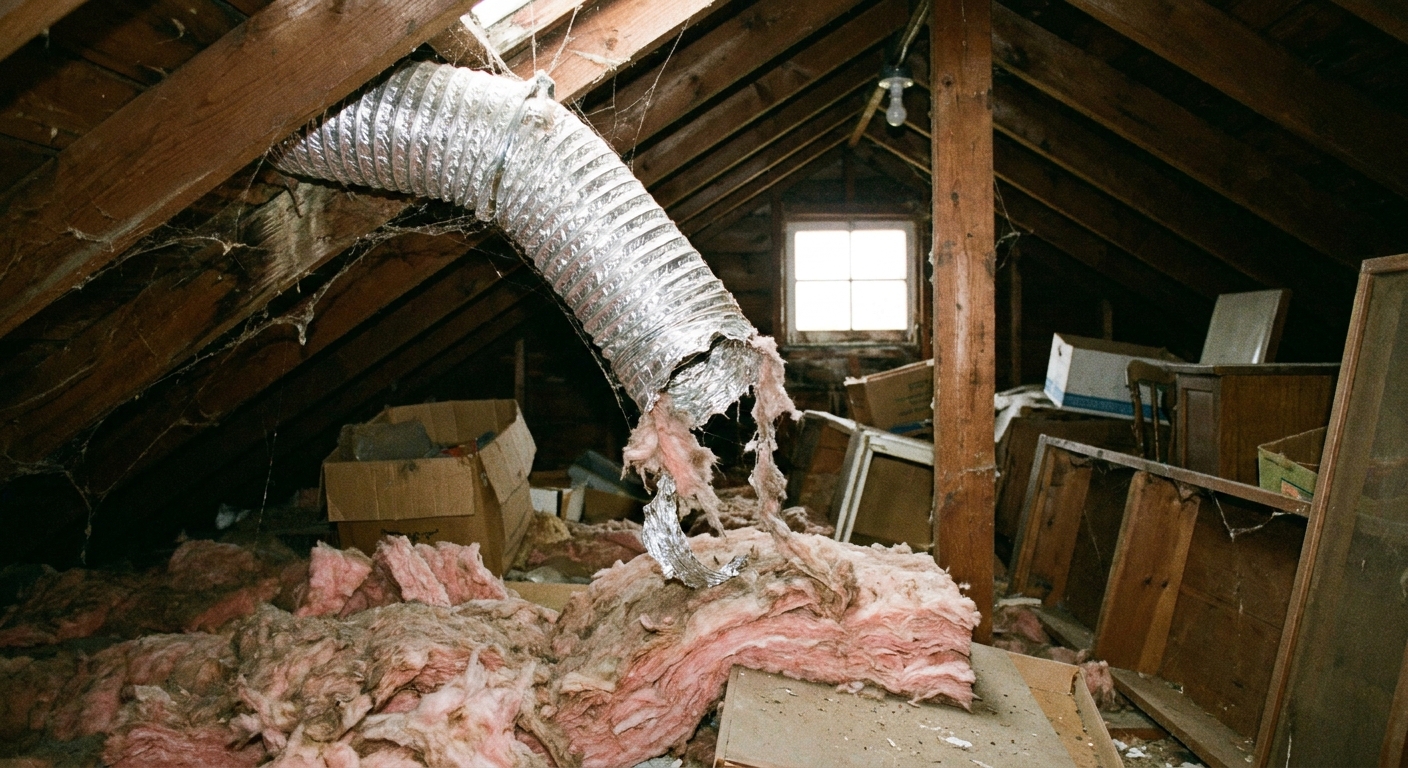
I have seen this more times than I can count: a bath fan “duct” that dumps moist air straight into the attic, or a duct that is disconnected, crushed, or ends near a soffit vent where the moisture gets sucked right back in.
A bathroom fan needs to terminate outside, using a proper roof cap or wall cap with a damper.
3) Ventilation that is out of balance
Attic ventilation is not magic, but it matters. Most homes rely on intake at soffits and exhaust at a ridge vent or roof vents. If intake is blocked by insulation, or exhaust is missing or undersized, moisture can linger long enough to condense and freeze.
One important nuance: ventilation is not a substitute for air sealing. If you have big air leaks, you can vent all day and still grow frost.
Another nuance: powered attic fans can cause trouble if they do not have enough outdoor intake. They can end up pulling conditioned air through ceiling leaks, which feeds the problem you are trying to solve.
4) Ductwork problems in the attic
If you have HVAC ducts running through the attic, leaky joints or uninsulated sections can add heat and moisture to the attic air. A disconnected bathroom fan duct is the worst offender, but supply ducts can contribute too.
5) Indoor humidity that is too high
In cold weather, many homes feel dry, so people run humidifiers. The catch is that higher indoor humidity raises the risk of attic condensation if you have air leaks.
As a rough starting point, many homes do well around 30% to 40% relative humidity. During very cold snaps, you may need to go lower, especially if you see window condensation. Your windows are a practical guide: if they are wet every morning, your indoor humidity is high for your current conditions.
Frost clues
Think of frost like a smoke alarm. It is not the fire, but it is warning you that conditions are right for trouble.
- Frost on nail tips only: often mild but still points to warm, moist air reaching the roof deck.
- Frost on roof sheathing or rafters: moisture is widespread, usually from multiple air leaks or a big one (like a bath fan dumping into the attic).
- Wet insulation: the attic is losing its thermal performance and can start growing mold on wood or on the facing of insulation.
- Drips on the ceiling after a thaw: classic frost-melt symptom. It often gets mistaken for a roof leak.
Roof leak or frost melt?
This is worth sorting out early, because the fix is very different.
- More likely frost melt: drips show up after a warm spell, especially after a long cold stretch. Moisture looks widespread or “dusty” on the sheathing (lots of nail-tip frost, thin white coating).
- More likely a roof issue: wetting is localized and shows up right after rain or wet snow, especially near flashing, chimneys, skylights, valleys, or plumbing vents. You may see a defined stain trail on the roof deck.
- More likely ice dam melt: wetting is near exterior walls and eaves, and it lines up with heavy snow on the roof followed by daytime melting and night refreezing.
If you are not sure, take photos of the pattern and note the timing relative to storms and temperature swings. That information is gold for a roofer or energy auditor.
Safe inspection
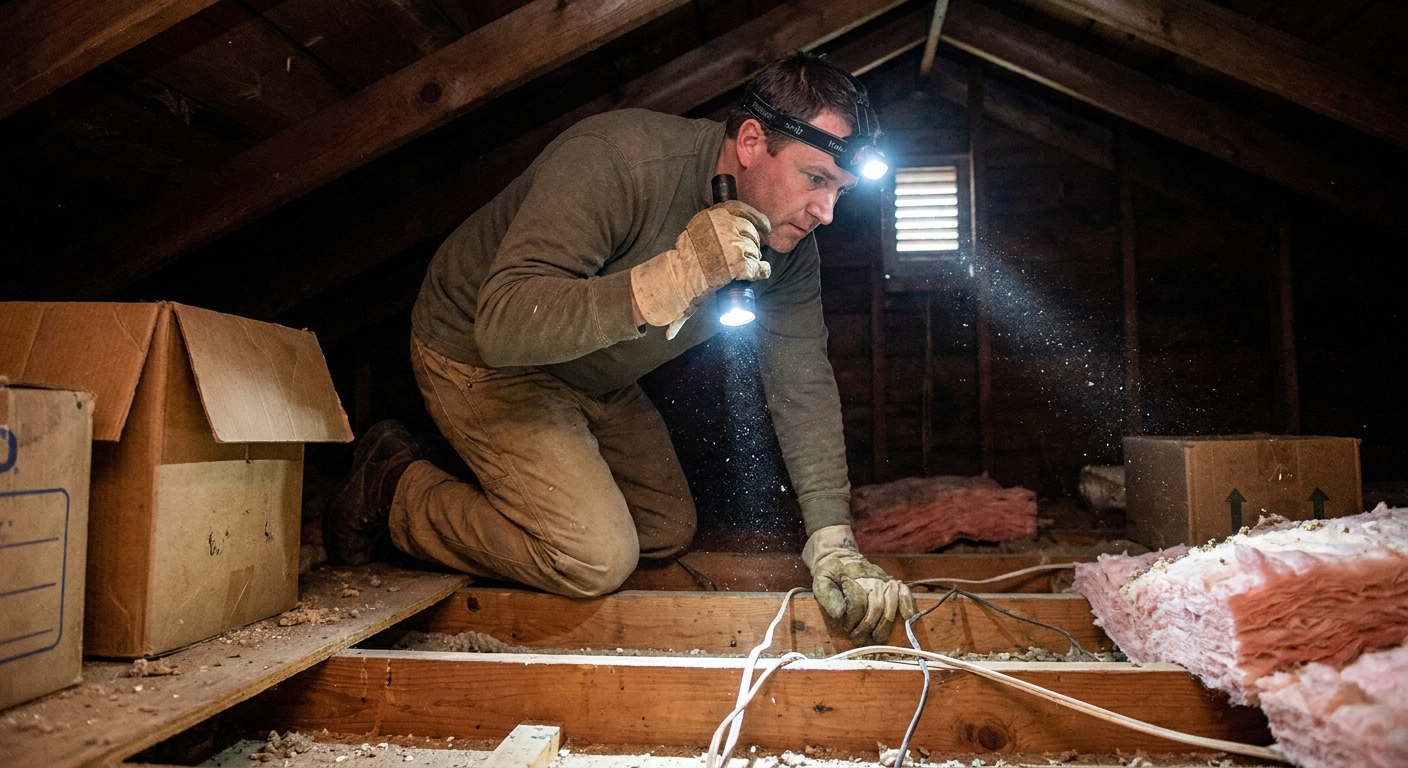
Before you go crawling around, a quick safety talk. Attics are full of fall hazards and sometimes electrical or air quality issues. Keep it simple and cautious.
What to bring
- Headlamp or bright flashlight
- Dust mask or respirator (especially if you suspect mold or old insulation dust)
- Gloves and long sleeves
- A piece of plywood to kneel on if you need to move around
- Your phone to take photos before you disturb anything
How to move safely
- Step only on joists or truss chords, or use a stable walkway. Insulation can hide gaps, wires, and the edges of drywall.
- Do not touch recessed lights or wiring. Some fixtures run hot.
- If you see heavy mold growth, vermiculite insulation (may contain asbestos), or animal droppings, stop and consider calling a pro.
Quick checks
If you want the fastest path to an answer, these checks usually get you there.
Check 1: Follow the pattern
Look for the worst frost or wetness. The biggest clue is often directly below it: a bathroom, kitchen, laundry area, or a chase wall.
Check 2: Bathroom fan ducting
Trace the duct from the fan housing to its termination. Common problems:
- Duct ends in the attic (no exterior termination)
- Duct is disconnected at the fan or at the roof cap
- Flex duct is sagging, creating low spots that trap water
- No insulation on the duct, which encourages condensation inside the duct
- Termination near a soffit vent, which can short-circuit moisture back into the attic
If the duct is dripping or has water inside, that is a giant red flag.
Check 3: Soffit vents and baffles
Look along the eaves. You should see airflow paths from soffits into the attic, often protected by foam or cardboard baffles. If insulation is stuffed tight to the roof deck, intake air is choked off.
Check 4: Attic hatch or pull-down stairs
If you have frost issues and a leaky attic hatch, you are basically leaving a small window open into your attic all season. Feel for drafts on a cold day. Look for dark, dusty “ghosting” lines around the opening, which can indicate air movement.
Check 5: Big bypasses
The biggest air leaks are often around:
- Plumbing stacks
- Open wall cavities at top plates
- Chimney or metal flue chases
- Soffits over cabinets or tubs
If you can see into a wall cavity from the attic, that is a direct pathway for warm air.
Fixes that work
Here is the order I like because it prevents you from doing the same work twice.
Step 1: Stop the moisture source
Bathroom fans: Vent them outdoors, period. Use a smooth-wall duct where possible, keep the run short, and seal joints with foil HVAC tape or mastic. Insulate the duct in cold climates, and support it so it slopes slightly toward the exterior to reduce water pooling.
Dryer vents: Also must terminate outside and should be rigid metal whenever feasible. A disconnected dryer vent can dump a shocking amount of warm, wet air into an attic.
Step 2: Air seal the attic floor
This is the most effective long-term fix for frost. Your goal is to reduce the amount of indoor air that can leak upward.
Common DIY air-sealing materials:
- One-part spray foam for small gaps and penetrations
- High-temperature silicone or fire-rated sealant around certain heat sources (follow local code and manufacturer instructions)
- Rigid foam board plus spray foam for larger openings
- Weatherstripping and rigid foam insulation for attic hatches
My hard-learned lesson: if you add insulation without air sealing first, you can hide the problem while it continues. The attic might look “better” for a season, then you find mold on the sheathing later.
Step 3: Improve ventilation (after air sealing)
Once leaks are reduced, ventilation helps dry the attic and keep roof sheathing temperatures more consistent.
- Clear soffit vents and install baffles where insulation blocks intake.
- Make sure you have a functioning exhaust path like a ridge vent or properly placed roof vents.
- If you have a powered attic fan, confirm it has adequate outdoor intake and is not pulling from the house through ceiling leaks.
Vent sizing is code and roof-design dependent. Many jurisdictions use code-based net free vent area ratios, but the right answer depends on your roof geometry, intake-to-exhaust balance, and climate. If you suspect the ventilation design is off, this is a good place to consult a local insulation contractor or energy audit pro.
Step 4: Fix insulation issues
Wet or compressed insulation does not insulate well. After you address air leaks and venting:
- Let the attic dry thoroughly.
- Replace insulation that stayed wet long enough to mat down, grow mold, or lose loft.
- Keep insulation from blocking soffit intake by using baffles.
Step 5: Control indoor humidity
If you are running humidifiers, turn them down during cold snaps. Use your bath fans during showers and for 20 minutes after. In a tight home, a dehumidifier in a basement can help overall humidity levels.
Vapor barrier vs air sealing
This trips up a lot of homeowners, so here is the clean version.
- Air sealing stops air movement, which is how most moisture gets into attics.
- Vapor control slows vapor diffusion through materials, but it does not stop a leaky ceiling from pumping moist air upward.
Some homes have a polyethylene vapor retarder, kraft-faced batts, or a more “airtight drywall” approach. Those details can help, but if there are gaps around lights, chases, and hatches, air leakage will still win.
What not to do
- Do not scrape frost off the roof deck as your “solution.” Fix the source instead.
- Do not add insulation first and hope it fixes moisture.
- Do not vent bathroom fans into the attic, even temporarily.
- Do not aim space heaters into an attic to speed drying. It can create a fire risk and drive moisture deeper into materials.
When to call a pro
DIY is great, but there are times to bring in help:
- You see widespread mold growth on sheathing or framing
- Insulation looks like vermiculite (may contain asbestos)
- You have knob-and-tube wiring or questionable electrical splices
- Moisture persists after basic air sealing and proper fan venting
- You cannot safely access problem areas due to low headroom or steep framing
An energy audit with blower door testing can be especially helpful. It turns invisible air leaks into a punch list.
Prevent it next time
- Use bath fans every shower, and verify they vent outdoors.
- Air seal attic penetrations before adding more insulation.
- Keep soffit vents clear with baffles and proper insulation depth.
- Check the attic after the first deep freeze each year.
Quick summary
- Frost is usually indoor air leakage meeting a cold roof deck.
- Fix fan venting first, then air seal, then tune ventilation.
- Watch timing and patterns to rule out roof leaks or ice dams.
- Keep winter humidity realistic for your weather and windows.
If you take one thing from this article, let it be this: attic frost is most often indoor air escaping. Stop the air movement, and the moisture problem usually disappears right along with it.
The 30-Second Cheat Sheet
Essential takeaways for: Attic Condensation and Frost in Winter
What attic frost means
- Frost in an attic is frozen condensation, not “normal winter.” It forms when warm, moist indoor air leaks into a cold attic and freezes on nails and roof sheathing.
- When temperatures rise, frost melts and can look like a roof leak.
- Less common: a real roof leak, ice dam melt, or wet building materials can also create attic moisture. Pattern and timing matter.
Top causes (most common first)
- Air leaks from the house into the attic (attic hatch, can lights, plumbing and wiring holes, open wall tops, chimney chases).
- Bathroom fan venting mistakes: duct ends in attic, disconnected duct, sagging flex duct, uninsulated duct, or termination near soffit vents.
- Blocked soffit intake or weak exhaust ventilation (ridge vent or roof vents).
- High indoor humidity plus leaks (humidifiers, long showers without fan, poor kitchen ventilation).
- Other contributors: roof leaks at flashing or valleys, ice dam melt, unvented combustion appliances, or bulk moisture from recent construction work.
Fast, safe inspection checklist
- Wear gloves, mask, and a headlamp. Step only on joists or a solid walkway, not insulation or drywall.
- Find the worst frost and look below it for bathrooms, laundry, kitchens, or chase walls.
- Trace every bathroom fan duct to confirm it terminates outside with a proper cap and damper.
- Check soffits for airflow paths and baffles so insulation is not blocking intake.
- If you see vermiculite, assume it may contain asbestos and do not disturb it.
Fix order that works
- Vent bath fans and dryer outdoors (sealed joints, supported duct, insulated duct in cold climates).
- Air seal the attic floor (spray foam small gaps, rigid foam for big holes, weatherstrip and insulate attic hatch).
- Then correct ventilation issues (clear soffits, ensure exhaust venting is effective).
- Replace insulation only after the moisture source is fixed.
Do not do this
- Do not add insulation first and hope it fixes moisture.
- Do not leave a bath fan dumping into the attic “just for winter.”
- Do not run heaters in the attic to melt frost (fire risk).
- Do not staple up plastic as a “vapor barrier fix” without air sealing. Vapor control is not the same as stopping air leaks.
Call a pro if
- Mold is widespread, insulation is soaked, you suspect asbestos/vermiculite, you have knob-and-tube wiring, or the issue persists after proper air sealing and fan venting.
💡 Tip: Scroll up to read the full article for detailed, step-by-step instructions.
⬆️ Back to top
About Marcus Vance
Content Creator @ Grit & Home
Marcus Vance is a lifelong DIY enthusiast and self-taught home renovator who has spent the last decade transforming a dilapidated 1970s ranch into his family's dream home. He specializes in budget-friendly carpentry, room-by-room renovations, and demystifying power tools for beginners. Through his writing, Marcus shares practical tutorials and hard-learned lessons to help homeowners tackle their own projects with confidence.