
First, don’t panic. Make it safe.
If your basement floor drain is backing up, you are often dealing with one of a few common patterns: a dry trap (usually odor), a restriction in your home’s main drain line, a storm-related municipal surcharge, or water being routed into the drain from a foundation or condensate system. That list is not exhaustive, but it covers most “it’s coming up through the floor” calls.
The first few minutes matter, because a floor drain can turn into a fast, nasty mess.
Quick safety checklist (5 minutes)
- Keep people and pets out of the wet area.
- Assume it may be sewage until proven otherwise. Wear gloves and shoes you can disinfect.
- Cut power risk: if water is near outlets, cords, a furnace, or a sump pump plug, shut off the basement circuit at the panel.
- Stop using water in the house (no toilets, showers, laundry, dishwasher) until you know what’s going on.
- Contain the spread with towels, a squeegee toward the drain, or a wet/dry vac only if you are confident it is not raw sewage.
Do not do this
- Do not keep flushing “to test it.” A single toilet flush can add a lot of water to a system that is already failing.
- Do not open random caps or plugs if you are not 100 percent sure what they are. The wrong one can release sewage under pressure.
- Do not plug the drain unless you understand where the backup will go next. You can trade a floor mess for a toilet or tub overflow.
If the water is dark, has floating solids, or smells like sewage, treat it as a sanitary backup. That is a “stop and reassess” moment, not a “keep tinkering” moment.
What the floor drain connects to
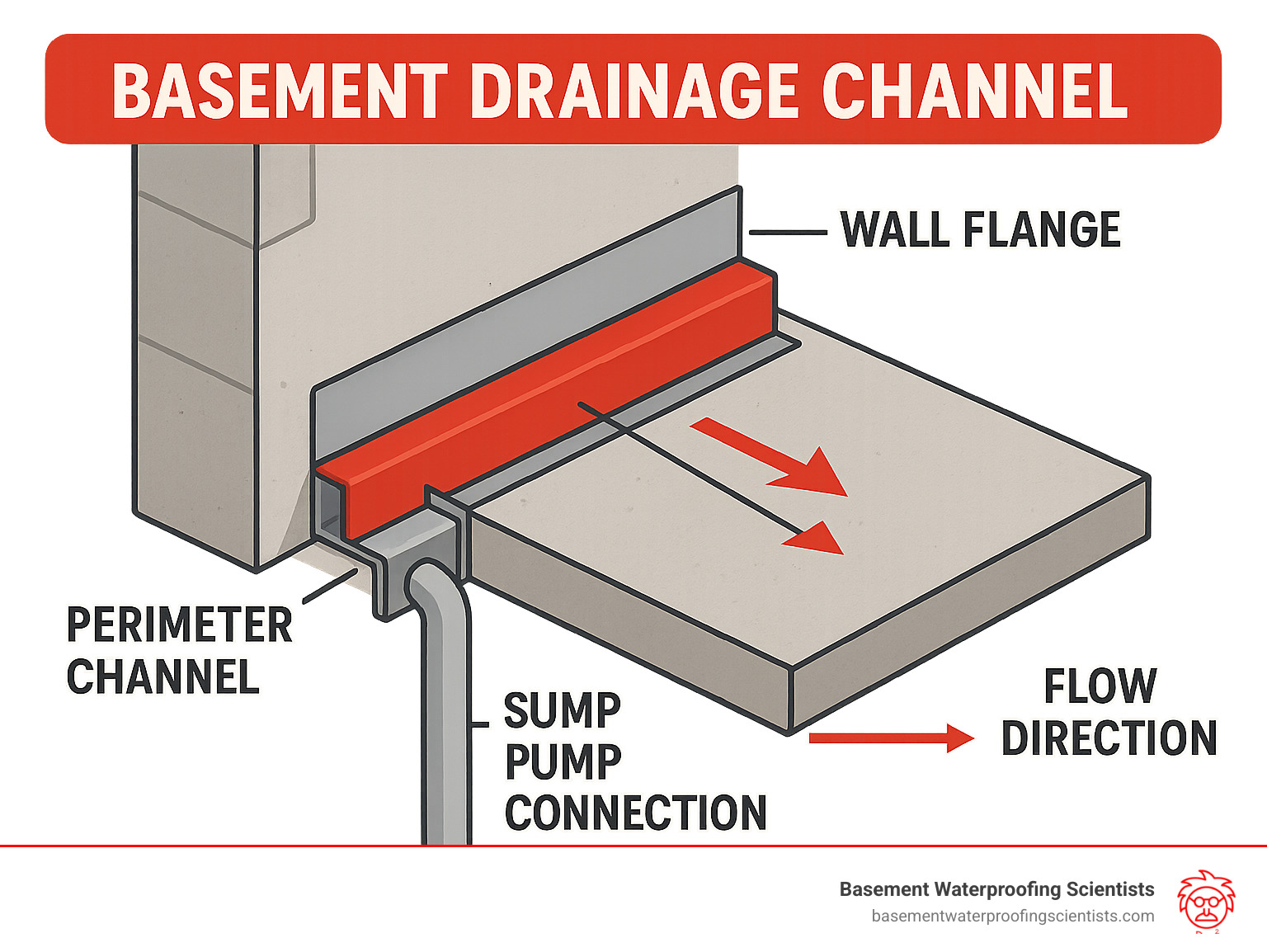
In many homes, the floor drain ties into the same main line that carries waste from toilets, sinks, and tubs to the city sewer or septic system. In other homes, the floor drain may also receive water from a dehumidifier, HVAC condensate, a utility sink, or an older foundation drainage tie-in.
Important nuance: In many areas, footing drains and perimeter foundation drains are supposed to discharge to a sump pump and then to daylight or a storm system, not into the sanitary sewer. If yours is tied into a floor drain, it may be a legacy setup or not code-compliant in your region. It still affects troubleshooting, but it is worth confirming.
That is why the same symptom, water coming up through the floor drain, can mean very different problems. Your goal is to figure out what kind of water it is and what triggers it.
Common causes (and a few extras)
1) Dry trap (mostly odor)
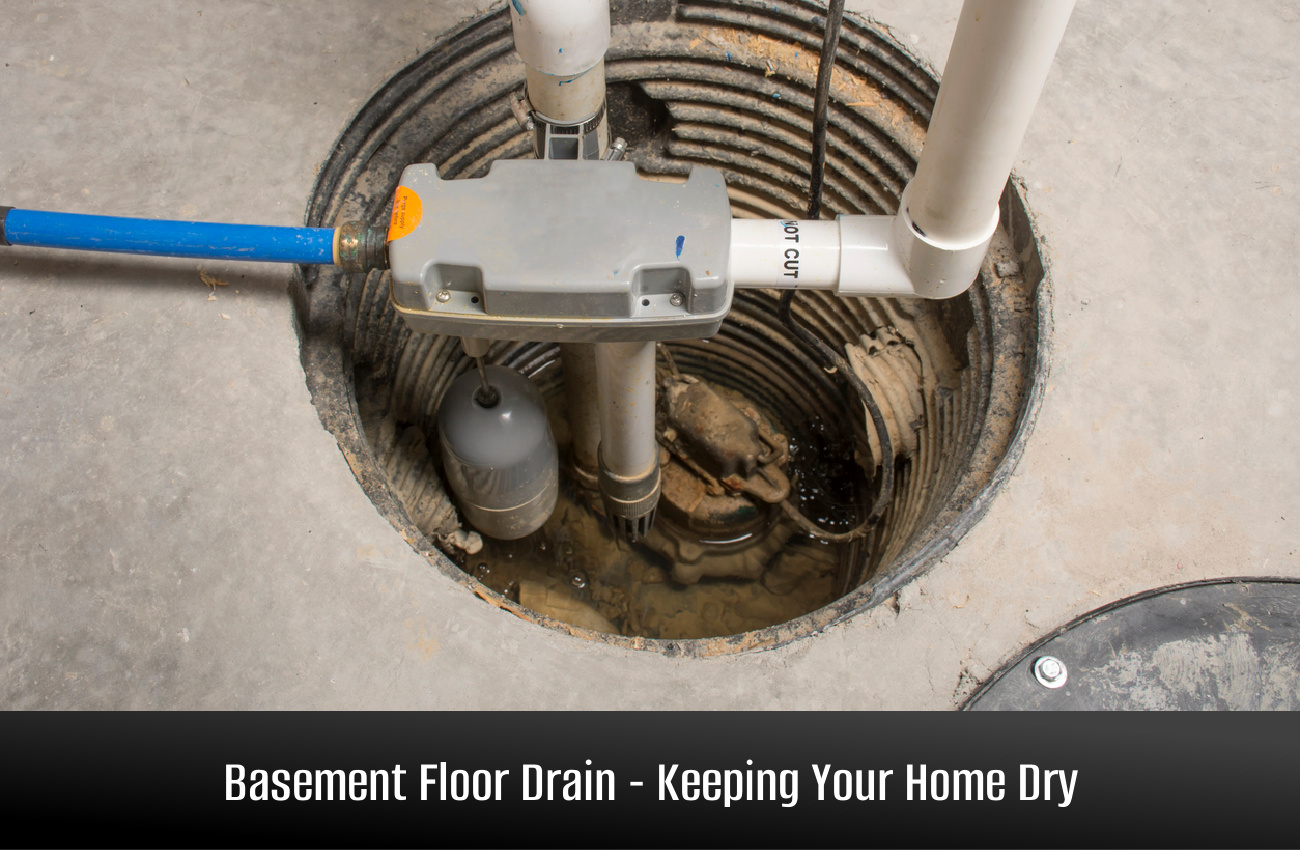
The floor drain should have a U-shaped trap under it that holds water. That water seal blocks sewer gases. If the drain has not seen water in a long time, the trap can dry out. You will notice:
- Sewer smell near the drain, especially in dry weather
- Little to no standing water in the drain
- Usually no overflow unless you dump water directly into it
First step: Slowly pour a quart or two of water into the drain. If the smell improves, you likely had a dry trap.
Optional: To slow evaporation, you can add a small amount (about a tablespoon) of mineral oil after the water. It sits on top and helps the trap last longer. If your drain has a trap primer, or if oil discharge is a concern where you live, skip this and just top the trap off with water periodically.
2) Main line restriction (most common true backup)
If your main drain line is partially blocked, the floor drain is often the lowest opening in the system. When you run a shower or flush, the water cannot pass the restriction fast enough and it shows up at the floor drain.
Clues you are dealing with a main line issue:
- Backup happens when you use plumbing like toilets, showers, or laundry
- Gurgling from nearby drains (can also happen with venting issues, but it is a common companion symptom)
- Water level rises and falls in the floor drain as fixtures run
- More than one fixture is slow in the house
This is where a homeowner snake can sometimes help, but there are limits. I will walk through safe snaking in a minute.
3) Municipal surcharge during storms
During heavy rain, some municipal sewer systems can become overwhelmed. If your home is connected to a combined sewer or an overtaxed main, water can push backward. In that situation, the floor drain is often the lowest opening where backflow shows up. It is not “good,” it is just where the problem becomes visible first.
Clues it is municipal or neighborhood related:
- Backup coincides with heavy rain or rapid snowmelt
- It happens even when you are not using water inside
- Neighbors report similar issues
- Water may be cloudy gray and show up fast
First step: Stop using water and call your local sewer authority to report a possible surcharge. If you have a backwater valve, check whether it is stuck, blocked, or overdue for cleaning (more on that below). If you do not have one and this happens more than once, that is a strong argument for installing one.
4) Foundation or condensate water tied into the drain
Some basements have interior perimeter drains, footing drains, condensate lines, or other groundwater management that ties into a floor drain or sump system. If that connection is restricted, you can see water at the drain after rain. The water is often clearer than sewage backups and may carry sand or silt.
Clues you are dealing with foundation water:
- Backup follows rain but seems more like groundwater than sewage
- Musty smell rather than a strong sewer odor
- Silt or grit in the water
- Sump pump issues may be happening at the same time
First step: Confirm your sump pump is working, the discharge line is not frozen or blocked, and the pit is not overflowing. If the perimeter drain routes to a floor drain, a plumber or waterproofing specialist may need to clean or rework that tie-in.
Other causes worth keeping in mind
- Branch line clog near the floor drain: A localized blockage can cause a smaller, slower backup that does not affect the whole house.
- Collapsed, offset, or bellied lateral: Common in older lines. It can behave like a clog, but it will keep coming back until the pipe is repaired.
- Backwater valve trouble: A stuck or debris-blocked valve can create backups inside the house even without a city surcharge.
- Improper storm to sanitary cross-connection: Not common, but when it exists it causes “mystery” backups during rain.
Your first checks (no tools)
Step 1: Identify the trigger
- Only during rain? Points toward municipal surcharge, a backwater valve issue, or foundation drainage.
- Only when you run water inside? Points toward a main line restriction or a nearby branch line clog.
- Mostly odor, no overflow? Points toward a dry trap.
Step 2: Look at the water
- Brown or black water, toilet paper bits, sewage smell: stop and treat as sanitary backup.
- Clearer water with grit: could be groundwater or foundation drainage.
- Soapy water: sometimes a nearby fixture like laundry is involved.
Step 3: Check the nearest cleanout (if you have one)
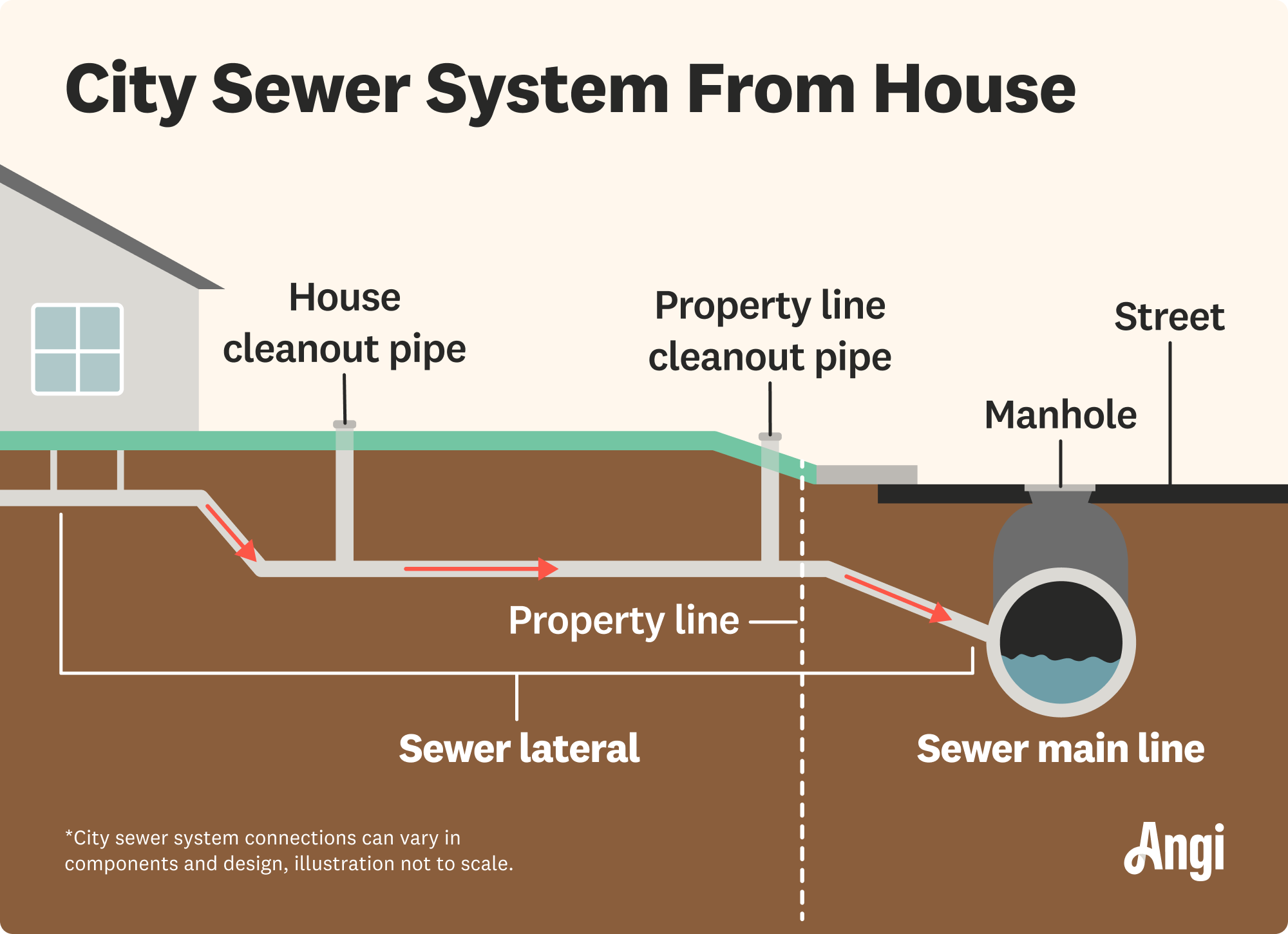
Many homes have a main cleanout plug in the basement floor or wall. If you are comfortable identifying it, you can sometimes learn a lot by seeing whether it is holding water. If you are not 100 percent sure, do not start opening random caps. Opening the wrong plug can release sewage under pressure.
Backwater valves (quick basics)
A backwater valve is a one-way check valve installed on the building sewer line to help prevent sewage from flowing back into your home during a municipal surcharge. It is often located near where the sewer exits the house, sometimes under a small access cover in the basement floor.
- They can help a lot in storm-surcharge neighborhoods.
- They need access and maintenance. Debris can prevent a good seal, and some styles can stick if ignored.
- They do not fix a clog in your own line upstream of the valve.
If you have one and you keep getting backups, ask a plumber to inspect the valve and camera the line. You want to know whether you are fighting the city, your pipe, or the valve itself.
If you have an ejector pump
Some basements have a sewage ejector or grinder pump (common with a below-grade bathroom or basement laundry). If that system fails, you can get backups at basement fixtures, and sometimes at a floor drain depending on how it is piped.
Clues an ejector system may be the issue:
- Basement toilet, shower, or sink is the first thing to act up.
- You hear the pump run but it does not clear the basin, or you hear nothing when it should be cycling.
- You have a sealed pit with a vent and a discharge pipe, and the pit level is high.
First step: Stop using water to that system and check power to the pump (breaker, GFCI, plug). If sewage is involved, or the pit is overflowing, call a plumber. Ejector pits are not a casual DIY project.
Can you snake it yourself?
Sometimes, yes. But here is the honest truth: a small hand snake is great for a sink line and often underpowered for a main line. A larger drum auger can help, but it can also hurt you or damage old piping if you force it.
Safe snaking limits
- Do not use chemical drain cleaners before snaking. If the snake splashes that back, it can burn skin and eyes.
- Wear eye protection and gloves. Basement backups love to surprise you.
- Start gentle. If you hit resistance, work the cable slowly. Do not crank hard like you are starting an old mower.
- Stop if the cable kinks. A kinked cable can snap or whip.
- Stop if the resistance feels wrong, especially in older cast iron. It could indicate heavy scale, a bad joint, or compromised pipe.
- Stop if water rises rapidly while you are working. That can mean the line is surcharging from downstream, and you are in the wrong spot to fight it.
- Do not run a toilet or major fixture while the cleanout or drain is open.
When DIY snaking is reasonable
- The backup is minor and triggered by running a specific fixture.
- You have a straight shot and can access a proper cleanout.
- You can run the cable 25 to 50 feet without fighting tight bends.
When to call a plumber now
- Repeated backups within weeks or months.
- Any sewage or multiple fixtures backing up.
- Tree roots suspected, common with older clay tile or cast iron.
- You cannot find a cleanout or the drain layout is unclear.
- The snake comes back “clean” but the backup continues. That often means the restriction is farther downstream than your tool can reach, or it is a structural defect.
A pro can run a larger machine and, just as important, camera the line to find bellies, breaks, offsets, or root intrusions. That turns guesswork into a plan.
What to do during a storm
Storm-time backups are their own beast. If the municipal line is overwhelmed, snaking your house line might not solve anything, because the restriction is not in your pipe. The water is being forced back from outside your property.
Storm steps
- Stop all water use to avoid adding to the problem.
- Document it with photos and short notes, especially if this is recurring.
- Call the city or sewer district and ask if there is a known surcharge event in your area.
- If you have a backwater valve, make sure the access cover is not buried and that it is maintained. Do not force parts you cannot see.
If storm backups are recurring, talk with a plumber about a backwater valve and a long-term basement water strategy. For some homes, a properly planned interior drainage system and sump setup is the real solution, not repeated emergency cleanups.
If you are on septic
I want to separate these topics clearly because the fixes and warning signs are different.
If you are on municipal sewer: a basement floor drain backup is often about a main line restriction in your house, a city main surcharge, or a backwater valve issue.
If you are on septic: a floor drain backup can still be a house line clog, but it can also be a sign the septic tank is full, the outlet baffle is blocked, or the drain field is struggling to accept effluent.
Signs that point toward septic trouble
- Multiple drains are slow all at once, not just in the basement.
- Gurgling throughout the house.
- Wet, spongy areas or sewage smell in the yard near the drain field.
- Backups happen repeatedly even after snaking the house line.
Septic diagnosis is its own project. A failing field is not solved by aggressive snaking, and repeated backups should be handled carefully to avoid contaminating your basement and yard.
After it stops: cleanup basics
Even a small backup can create mold and odors if you leave moisture sitting in cracks and along the slab edge.
- Remove standing water quickly with towels, a squeegee, or a wet/dry vac if appropriate.
- Ventilate and dehumidify for at least 24 to 48 hours.
- Disinfect hard surfaces if sewage is suspected. Follow product directions and keep the area ventilated.
- Pull up wet cardboard, rugs, and stored items. If it wicked up, it stays nasty.
If sewage is involved: porous materials (carpet pad, drywall, insulation, some stored goods) often cannot be truly sanitized. When in doubt, talk to a water damage or remediation company, especially if the backup spread beyond a small area.

Insurance and documentation
If there is any damage, take photos and a few notes while it is fresh (where it came up, how far it spread, what you were doing when it started, whether it was raining). Then check your homeowner’s policy.
Many standard policies do not cover sewer backups unless you have a water and sewer backup endorsement (wording varies by insurer). If this is a recurring storm issue, also ask your city whether there is a claims process for surcharge events.
When to get help (even if you’re handy)
I am all for DIY, but drain backups are one of those times where the smartest move is often making the call early. Here are my personal “no pride” triggers:
- Sewage present or you are unsure what the water is.
- Electrical risk near outlets, appliances, or your panel.
- Recurring backups that are getting more frequent.
- You suspect roots or an old clay tile line.
- Any backup tied to heavy rain that suggests municipal surcharge, a missing backwater valve, or a failing valve.
Ask for a camera inspection and a clear explanation of where the restriction is. The goal is to fix the cause, not just mop the symptom.
Quick troubleshooting summary
- Smell only, no overflow: add water to the trap. Optional: a small amount of mineral oil if appropriate for your setup.
- Backs up when fixtures run: likely a main line restriction or nearby branch clog. Stop using water and consider snaking from a proper cleanout within safe limits.
- Backs up during storms with no water use: municipal surcharge or backwater valve issue. Call the sewer authority and a plumber.
- Clear water with grit after rain: possible foundation drainage tie-in or sump-related issue. Check sump function and discharge.
If you tell me two things, when it happens and what the water looks and smells like, you can usually narrow this down fast. And that is the difference between a simple Saturday fix and a full-blown basement disaster.

About Marcus Vance
Content Creator @ Grit & Home
Marcus Vance is a lifelong DIY enthusiast and self-taught home renovator who has spent the last decade transforming a dilapidated 1970s ranch into his family's dream home. He specializes in budget-friendly carpentry, room-by-room renovations, and demystifying power tools for beginners. Through his writing, Marcus shares practical tutorials and hard-learned lessons to help homeowners tackle their own projects with confidence.