
First: ejector pump or sump pump?
Before you touch anything, make sure you are troubleshooting the right system. Homeowners mix these two up all the time, and the fix depends on which pump you have.
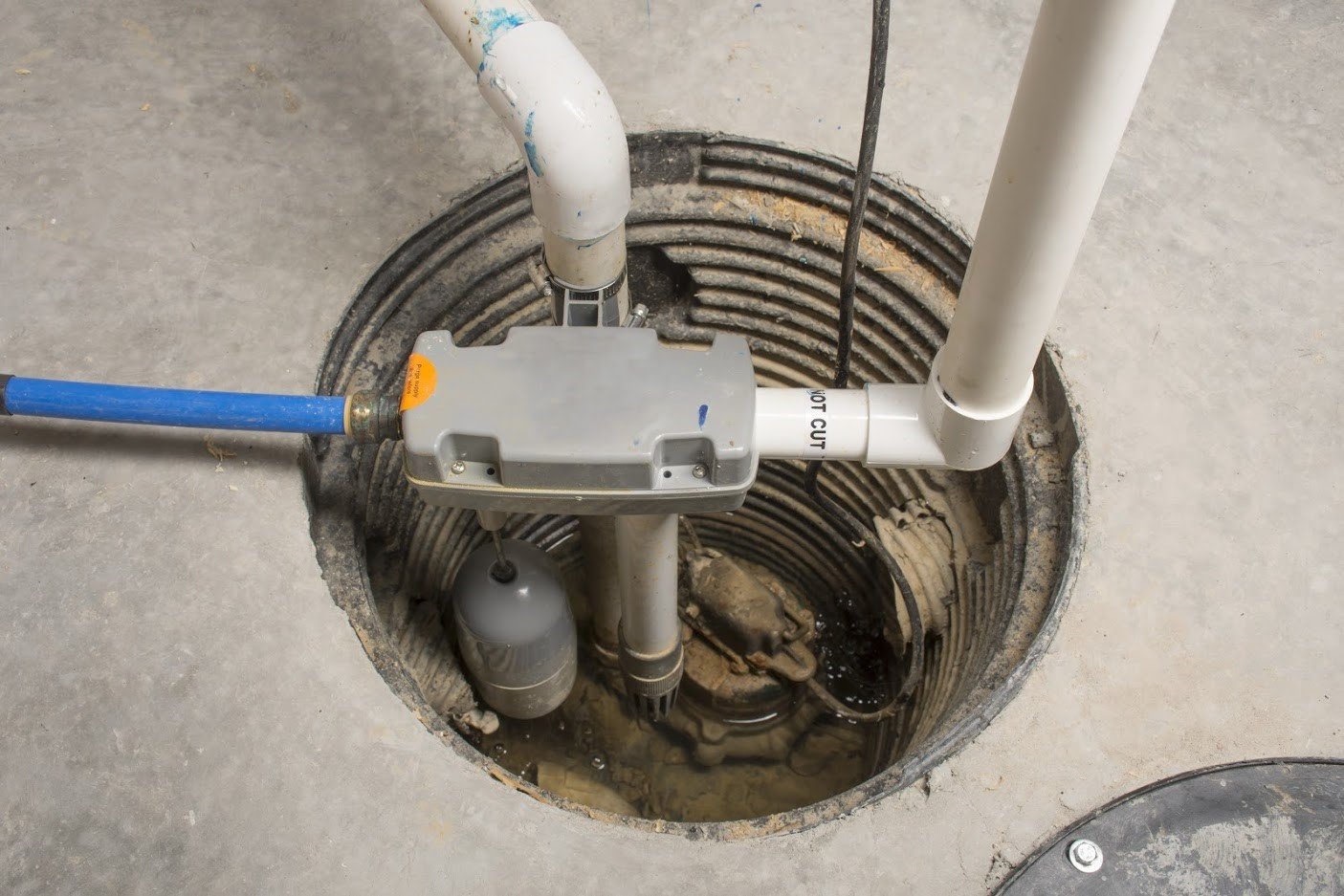
- Sump pump: moves groundwater from a sump pit to keep the basement dry. It handles rainwater and seepage, not toilet waste.
- Sewage ejector pump: moves wastewater and solids from a basement bathroom, laundry, or sink up to the main drain or sewer connection. It lives in a sealed basin with a vent and usually has a gas-tight lid.
If the problem is tied to a basement toilet, shower, or sink, you are often dealing with a sewage ejector. If you are not sure, confirm by locating the basin cover and tracing which fixtures drain into it (or have a plumber confirm).
Quick confirm (without making a mess)
If you want a simple confirmation before you dig in, this is usually enough:
- Listen for a cycle: run water at the basement sink or flush the basement toilet once, then listen near the basin cover for the pump to kick on a short time later.
- Find the right lid: an ejector basin cover is typically sealed with bolts and has a vent pipe and a discharge pipe leaving it.
- Do not open the basin while fixtures are running: if the system is actively filling, you are asking for splashing and odors.
Hygiene and safety rules (do not skip)
I am all for DIY, but sewage is where I get very strict. Treat anything in that basin as contaminated.
- Cut power first: unplug the pump or turn off the breaker feeding the ejector circuit. Confirm it is off.
- Protect yourself: waterproof gloves that go up the forearm, eye protection, long sleeves, and a mask if odors are strong.
- Ventilate: open basement windows if you have them and run a fan exhausting outdoors if possible.
- No open flames: sewer gases can be flammable and can also be toxic or displacing to oxygen. Keep the area ventilated.
- Stop using water upstairs and in the basement bathroom while troubleshooting. One extra toilet flush can overflow the basin.
If you have raw sewage on the floor, a basin overflow, or anyone in the home is immunocompromised, this is a good moment to call a licensed plumber and a remediation company.
Quick triage: what symptom do you have?
Match your situation to the likely cause. This will keep you from chasing your tail.
- Pump is silent: power issue, tripped breaker, bad outlet, tripped GFCI, failed switch, failed motor.
- Pump hums but the basin level does not drop: jammed impeller, clogged inlet, blocked discharge, stuck check valve, airlock (sometimes tied to a clogged weep hole on certain setups).
- Pump runs nonstop: float stuck up, float tether tangled, check valve leaking back, discharge draining back, undersized pump, heavy inflow.
- Alarm is going off: high water in basin, alarm float stuck, pump not keeping up, check valve failure, discharge blockage.
- Gurgling fixtures or sewer smell: venting or sealing problem, loose lid gasket, dried trap, vent blockage, basin pressure issues.
Step-by-step fixes (safe checks first)
1) Check power (yes, the boring stuff)
Many no-run complaints are power-related. It is not glamorous, but it is fast to rule out.
- Look for a tripped breaker labeled bath, basement, or ejector. Reset once. If it trips again, stop and call a pro.
- If the pump plugs into an outlet, confirm the plug is fully seated.
- Check for a GFCI that tripped. It might be on a nearby outlet that feeds the pump. Reset it once.
- If you are comfortable, test the outlet with a simple plug-in tester. No power means it is an electrical issue, not a plumbing issue.
My rule: if water is present and you see any damaged cord, wet junction box, or scorch marks, do not proceed. Call an electrician or plumber.
2) Understand piggyback plugs (and use them to test)
Many ejector pumps use a float switch that plugs into the wall, and then the pump plugs into the float. This is called a piggyback plug. It is the easiest way to separate a bad float from a dead pump.
- Normal setup: wall outlet → float switch (piggyback) → pump.
- Float test: with the basin safe to work on and power controlled, you can temporarily plug the pump directly into the outlet to see if the motor runs. If the pump runs direct but not through the float, the float switch is the likely culprit.
Safety note: only do this if the basin level is controlled and you are ready for the pump to start immediately. If you are unsure, skip this and call a plumber.
3) Look at the float switch (the usual culprit)
Ejector pumps are commonly controlled by a float switch. When the basin fills, the float rises and turns the pump on. When the level drops, it shuts off.
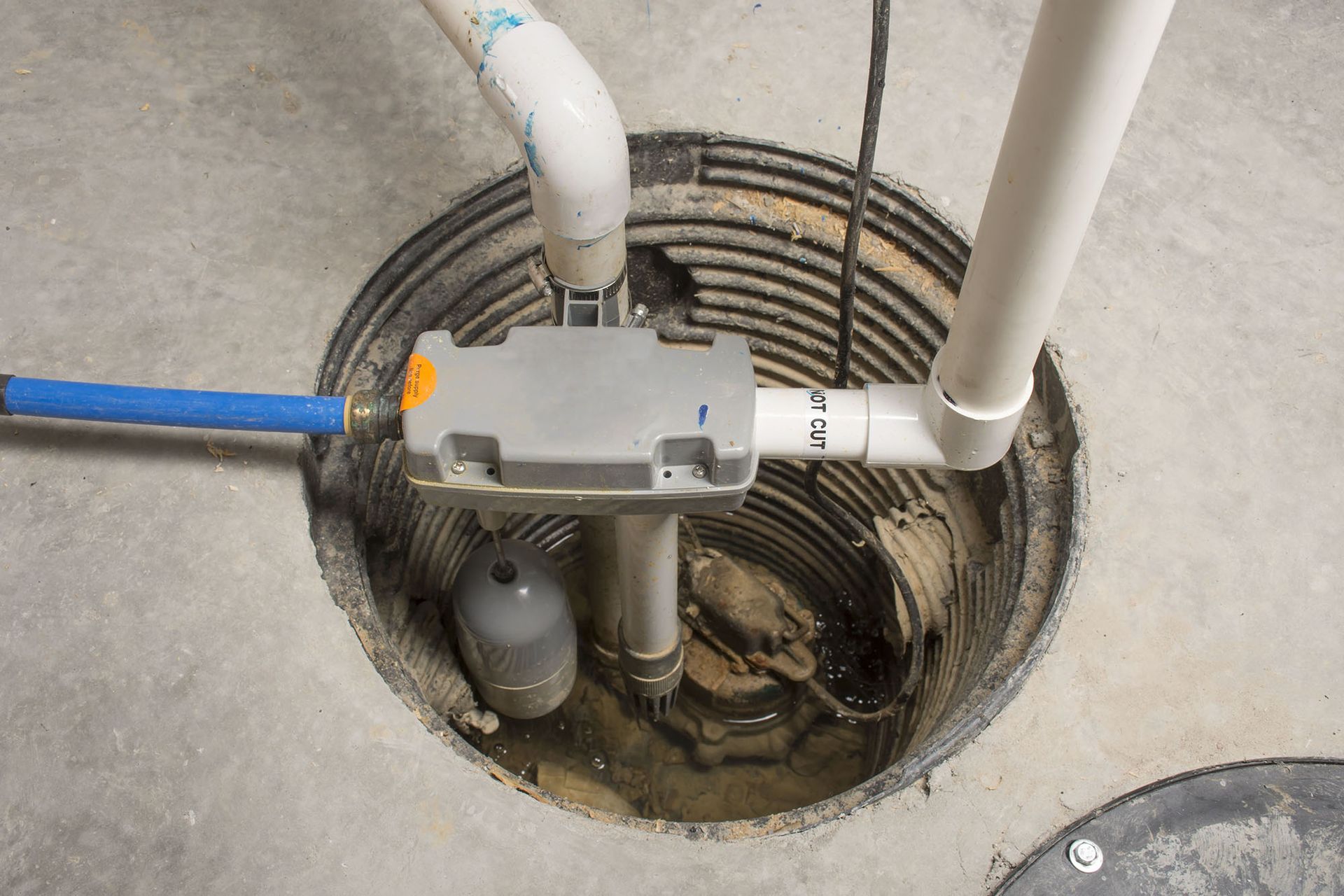
- Stuck down: pump never turns on. Causes include tangled tether, debris buildup, or the float rubbing the basin wall.
- Stuck up: pump runs nonstop. Causes include the float hung up on piping, or the switch failing closed.
What you can do: with power off and the lid removed, gently move the float through its range to see if it moves freely. Clear obstructions. Make sure the tether is not wrapped around the pump or discharge pipe.
What not to do: do not reach in barehanded. Do not force anything that feels brittle. Old floats can crack and fail.
4) Lid seal and vent check (smells and gurgling)
A sewage ejector basin should be sealed and vented. If the lid is leaking or the vent is obstructed, you may get odors, gurgling, slow drainage, or weird pressure behavior in the basin.
- Check that the lid bolts are snug and the gasket is intact.
- Look for signs the basin has been modified over the years, like missing bolts or a cracked lid.
- If you have persistent gurgling, slow fixture draining, or the pump seems to start and stop oddly, the vent line may be obstructed (snow, nests, debris). Clearing roof vents is a job many homeowners outsource for safety.
Important: a sewage ejector should not vent into the basement. It should connect into a proper plumbing vent system that terminates outdoors, typically through the roof.
5) Check the alarm (it is telling you something)
Many ejector systems have a separate high-water alarm float. If the alarm is sounding, the basin water is high for a reason.
- Confirm the alarm has power and is not simply malfunctioning.
- Lift the alarm float gently (power on for the alarm circuit only, if separate) to see if it triggers and resets properly.
- If the alarm works but water stays high, stop running water in the house and move to checking the discharge line and check valve.
6) Check valve issues (backflow makes it short-cycle)
The check valve is installed on the discharge pipe to keep pumped sewage from falling back into the basin when the pump shuts off.
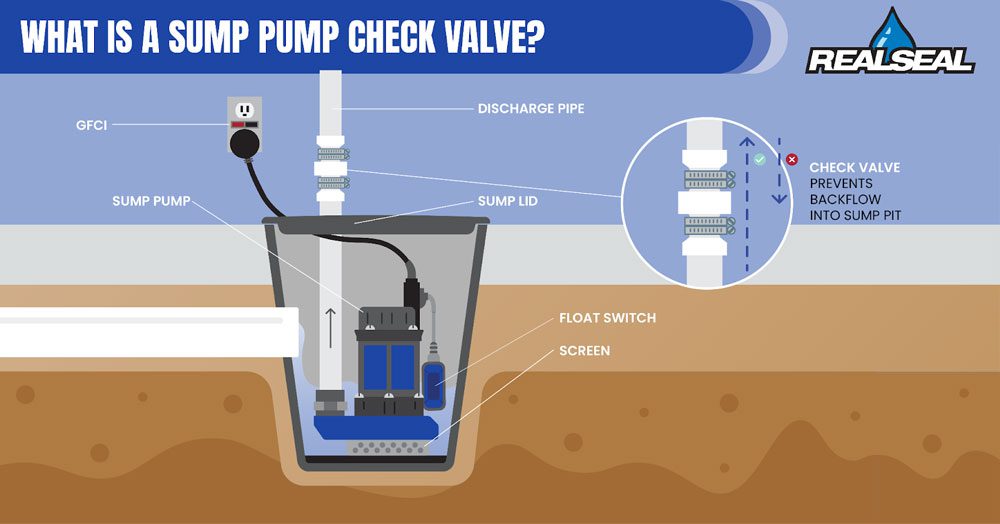
- Failed open or leaking: the basin refills after every cycle, causing frequent on-off cycling and eventually overheating the pump.
- Stuck closed: pump may hum or run but move little to no water.
DIY-friendly check: listen during a normal cycle. A healthy system usually pumps, then stops, then you may hear a brief “thunk” as the check valve closes. Constant refilling sounds or rapid cycling points toward backflow.
Replacing a check valve is doable for experienced DIYers, but it involves sewage-contaminated piping and the discharge line may be under pressure. If that sentence made your stomach tighten, you are not alone. This is a solid “call a plumber” point.
7) Airlock and the weep hole (on some setups)
If the motor runs but the basin level barely drops, one possible cause is an airlock. Some installations use a small weep hole (air relief hole) in the discharge pipe inside the basin to help purge air and prevent airlocking.
- If your system has a weep hole and it is clogged with sludge or debris, the pump can struggle to prime or move water properly.
- Not every pump or setup uses a weep hole, and details vary by manufacturer.
If you suspect airlock or a clogged weep hole and you are not 100 percent confident in what you are looking at, this is a smart time to call a plumber. A small mistake here can turn into a spray you really do not want.
8) Clogged discharge line (sometimes seasonal)
If your pump runs but nothing seems to leave the basin, the discharge may be blocked.
- Soft clog: buildup, wipes, feminine products, grease, or sludge.
- Hard clog: scale, construction debris, or a foreign object that made it past the pump.
- Frozen discharge: mainly a risk if your ejector discharge runs through an unconditioned space or outdoors. Many systems tie into an interior building drain and will not freeze.
My hard-learned lesson: “flushable” wipes are not flushable. They are ejector-pump heartbreak in a fancy package.
9) Jammed impeller or clogged inlet
If the pump hums, trips breakers, or runs weakly, the impeller may be jammed. Sometimes debris blocks the intake screen or inlet.
- With power off, inspect the basin for obvious debris that could tangle the impeller.
- If you can safely lift the pump (some are heavy), set it in a plastic tote for inspection and cleanup.
Reality check: this is where hygiene and containment matter. If you do not have a plan for disinfecting tools and disposing of contaminated rags, bring in a pro.
Know what pump you have (ejector vs grinder)
Most homeowners just call it “the ejector pump,” but there are a couple variations:
- Standard sewage ejector: passes soft solids and toilet paper, but it hates wipes and hygiene products.
- Grinder pump: has cutting components designed to chop waste finer before pumping. It still is not a license to flush wipes.
If you are unsure which you have, check the label on the pump, your home inspection report, or have a plumber confirm. The troubleshooting steps above are similar, but the failure points and tolerances can differ.
What not to put in an ejector system
If you fix the pump and it fails again in six months, the “why” is often what went down the drain.
- Wipes of any kind, including “flushable”
- Paper towels, napkins, or shop towels
- Feminine products, cotton swabs, dental floss
- Grease, fats, and heavy food scraps
- Kitty litter or aquarium gravel
Stick to what the system was built for: human waste, toilet paper, and normal wastewater.
Cleanup basics (if you opened the basin)
High level guidance only, because everyone’s situation is different, but do not skip the basics:
- Bag contaminated waste: rags, gloves, and disposable towels go into a heavy-duty trash bag, then a second bag.
- Disinfect tools: use a disinfectant labeled for sewage contamination, and follow dwell time on the label.
- Wash up like you mean it: soap and water, and do not touch your face during the job.
If sewage contacted porous materials like drywall, carpet, or insulation, call remediation. That is not a place to gamble.
When to call a professional
I love saving money with DIY, but sewage is a place to be smart, not stubborn. Call a licensed plumber if any of these are true:
- There is sewage backing up into the shower, toilet, or floor drain.
- The bowl rises when another fixture drains, or multiple drains are affected (could be a main line issue).
- The breaker keeps tripping after one reset.
- You suspect a blocked vent but cannot safely access the roof.
- The discharge piping needs to be opened and you cannot isolate and contain the mess.
- The basin is old, cracked, or not sealed and odors are persistent.
If you are on a septic system, an ejector still works the same way, but downstream septic problems can show up as recurring backups. If you keep having issues after the ejector checks out, bring in a pro to evaluate the full system.
Maintenance that helps
A sewage ejector is one of those systems you forget exists until it ruins your day. A little upkeep goes a long way.
- Test cycle: once every few months, run water in the basement bathroom long enough to trigger a pump cycle.
- Listen: new rattles, longer run times, or rapid cycling are early warnings.
- Keep the lid sealed: replace gaskets when they look flattened or cracked.
- Mind what goes down: the cheapest maintenance is a trash can next to the toilet.
Quick checklist
- Confirm you have an ejector pump, not a sump pump.
- Stop using water and cut power before opening the basin.
- Check breaker, GFCI, and outlet power.
- Check piggyback plug setup and use it to isolate float vs pump (if safe).
- Free the float switch and verify it moves smoothly.
- Pay attention to the alarm and water level.
- Suspect the check valve if it short-cycles or refills quickly.
- Suspect airlock or a clogged weep hole if it runs but does not move water (on some setups).
- Suspect a blocked discharge if it runs but does not pump out.
- Call a pro for sewage on the floor, repeated breaker trips, or anything you cannot contain safely.

About Marcus Vance
Content Creator @ Grit & Home
Marcus Vance is a lifelong DIY enthusiast and self-taught home renovator who has spent the last decade transforming a dilapidated 1970s ranch into his family's dream home. He specializes in budget-friendly carpentry, room-by-room renovations, and demystifying power tools for beginners. Through his writing, Marcus shares practical tutorials and hard-learned lessons to help homeowners tackle their own projects with confidence.