
🚨 In a DIY emergency or rush?
Skip the details and jump straight to our 30-second cheat sheet for the most crucial info.
Small courier. Big home questions.
If you have bed bugs, you probably want two numbers right away: what it costs, and how fast it ends. Unfortunately, bed bug pricing is a choose-your-own-adventure where your square footage, clutter level, and the bugs’ enthusiasm all change the final total.
Let’s put solid ranges on the most common professional options: heat treatment, chemical treatment, and multi-visit plans, plus what drives the price and how to read a quote without getting steamrolled.
Quick price ranges
Costs vary by region and company. Think of these as national ballparks based on common U.S. provider pricing patterns. They can run materially higher in major metros, for large homes, or when multi-unit coordination is needed.
One more reality check: inspection fees are sometimes separate from treatment, especially if you want a written report.
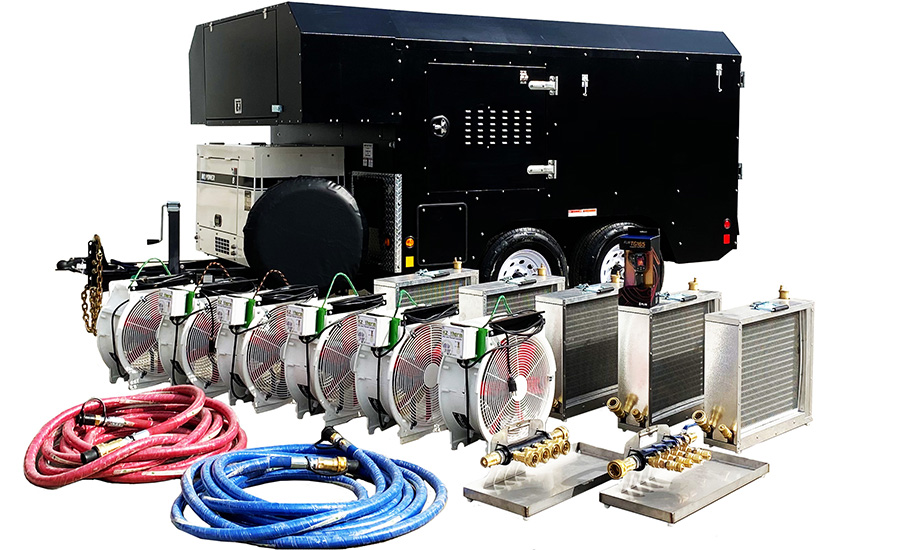
- Professional heat treatment: about $1,500 to $6,000+ (small unit on the low end, larger homes and severe infestations on the high end).
- Chemical treatment (single visit is uncommon): about $300 to $1,500 for an initial service, with total costs often landing $800 to $2,500+ after follow-ups.
- Multi-visit plans (chemical or integrated): about $1,000 to $3,500+, usually packaged as 2 to 4 visits over several weeks.
- Whole-structure fumigation (rare; where offered and appropriate): often $2,000 to $8,000+. This is not widely available and is typically reserved for severe or complex infestations, or for specific regions and companies set up to do it.
Reality check: If someone quotes a surprisingly low flat price sight unseen, expect tight limits (one room only, no warranty, minimal follow-up) or aggressive upselling after they arrive.
Inspection costs
Before anyone treats anything, a good company has to confirm what you’re dealing with and how far it spread. That is why inspections can be their own line item.
- Typical inspection fee: often $0 to $200+, depending on your market and whether the fee is credited toward treatment.
- What it may include: visual inspection of sleeping and lounging areas, checking beds and sofas, looking for spotting, cast skins, live bugs, and sometimes setting monitors.
- K9 inspections: available in some areas and can be helpful, especially in large or cluttered spaces, but you still want a clear plan for confirmation and next steps.
If an inspection ends with nothing but “Yep, bed bugs” and no scope, prep list, or timeline, press for specifics. You are not buying vibes. You are buying a plan.
What drives the cost
Bed bug quotes are usually built from a handful of variables. If you understand these, you can predict where your estimate will land.
1) Home size and treatment area
Many companies price by:
- Square footage (common for heat and fumigation)
- Number of rooms (common for chemical and smaller heat jobs)
- Number of units (for duplexes, multi-family buildings, condos)
A single bedroom infestation is usually cheaper than treating a whole home, but bed bugs travel. If the quote only covers one room, ask what triggers expanding the treatment area and what that would cost.
2) Infestation level
Light infestations (caught early) can sometimes be handled with fewer visits or less extensive prep. Established infestations often mean:
- More labor time (inspection, moving items, detailed application)
- More product and equipment time
- More follow-up visits
- Higher chance that multiple rooms or units are involved
3) Treatment type
Heat tends to cost more upfront because it uses specialized heaters, fans, sensors, and longer on-site time. Chemical programs can look cheaper at first, but the total rises with repeat visits and the time required to re-treat and monitor.
4) Prep and clutter
Bed bug work is part extermination, part logistics. Some companies include prep guidance only, while others offer paid prep help. If your home requires heavy de-cluttering, bagging, laundering, or furniture moving, that can add labor charges or make a company decline the job until prep is done.
5) Building factors
- Apartments and shared walls: coordination, adjacent inspections, and reintroductions can increase scope. Even perfect treatment in your unit can fail if nearby activity is not addressed.
- Older buildings: more cracks and hiding places can increase treatment time.
- Access issues: parking, stairs, long carries, tight schedules.
Heat treatment cost
Heat treatment aims to raise the temperature of the treated area high enough, long enough, to kill bed bugs and their eggs. It is popular because it can be a single-day event, but it is not magic.
Successful heat requires good sensor placement, strong air movement, and attention to cold spots behind furniture, inside piles, and along exterior walls. In other words, the tech is not just “turning up the heat.” They are managing the whole space so there are no cool zones for bugs to hide out in.
Typical cost range
- Small apartment or a few rooms: roughly $1,500 to $3,000
- Average home: roughly $2,500 to $5,000
- Larger home or heavy infestation: $4,000 to $6,000+
How many visits
- Usually 1 main treatment visit lasting much of the day.
- Often 1 follow-up inspection (sometimes included, sometimes extra) within 1 to 3 weeks.
- Some companies add targeted chemical or dust applications as insurance, especially around baseboards, cracks, and bed frames.
Common heat prep
Prep varies by company, but commonly includes:
- Wash and dry bedding and clothing, then seal in clean bags or bins.
- Reduce clutter so heat can circulate.
- Pull furniture a few inches from walls.
- Remove or protect heat-sensitive items (some aerosols, vinyl records, candles, certain cosmetics, medications, plants, pets, and anything that can melt).
Ask for a written prep list. If the company cannot provide one, treat that as a red flag.
Chemical treatment cost
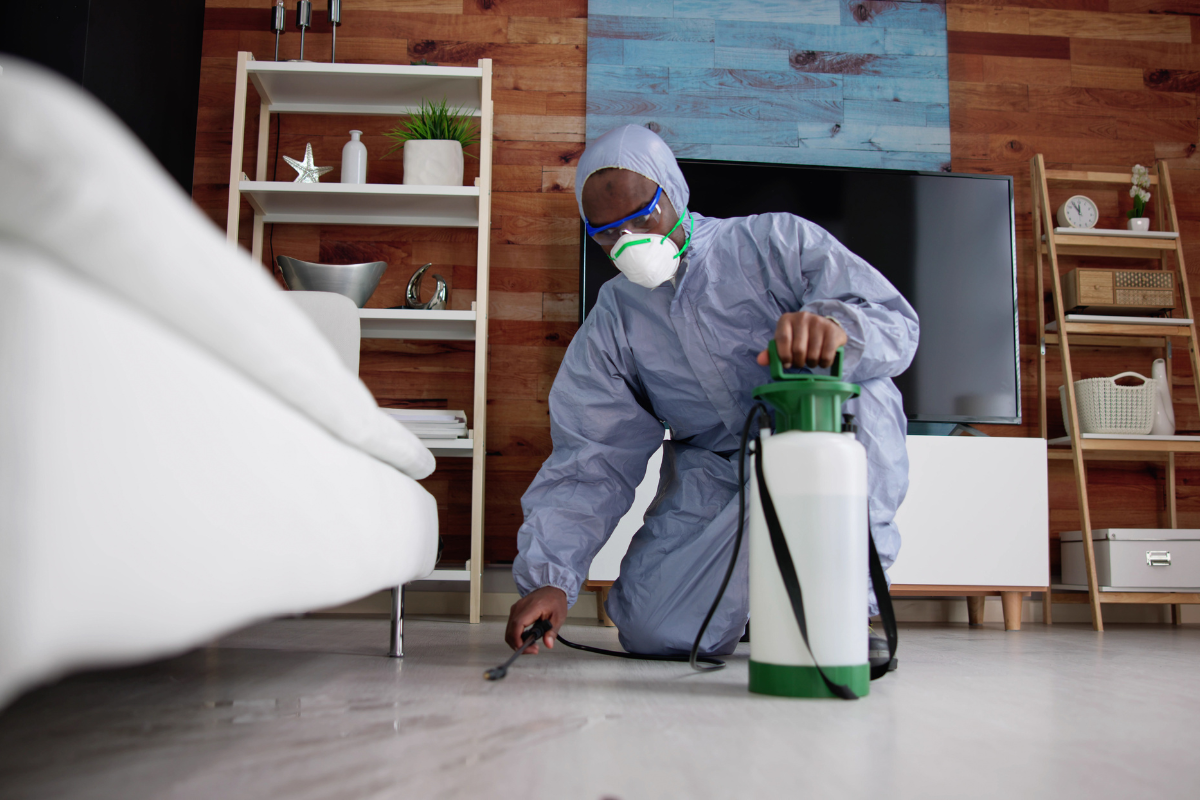
Chemical programs use approved insecticides and often desiccant dusts in cracks and crevices. Bed bugs can be resistant to some products, and eggs are a big reason follow-ups matter. One spray-and-pray visit is rarely enough.
Safety note: professionals follow label directions and use products labeled for the exact location being treated. If you are doing any DIY in parallel, never apply a product anywhere the label does not allow. Mattresses are a common place where people get this wrong.
Typical cost range
- Initial visit: roughly $300 to $1,500 depending on size and scope.
- Common total after follow-ups: roughly $800 to $2,500+
How many visits
- 2 to 4 visits is common.
- Follow-ups are often scheduled about 7 to 21 days apart (timing varies by product strategy, egg hatch timing, and what the tech finds).
- You may also get interceptor monitors under bed legs and re-inspections.
Common chemical prep
- Launder and bag linens and clothing from affected rooms.
- Vacuum thoroughly (mattress seams, bed frame joints, baseboards), then immediately empty the vacuum into a sealed bag.
- Reduce clutter to expose baseboards and cracks.
- Allow access to beds, couches, nightstands, and closets.
- Plan for re-entry timing if products require it (your company should tell you exactly how long to stay out).
Multi-visit plans
Many exterminators will bundle bed bug work into a plan that includes inspection, treatments, and one or more follow-ups. These plans may use chemicals, heat, or a combination.
Typical cost range
- Most multi-visit plans: about $1,000 to $3,500+
How many visits included
- 2 visits: common for light infestations if prep is strong and the scope is limited.
- 3 visits: very common for established problems.
- 4+ visits: more likely in heavy infestations, multi-unit situations, or when reintroduction risk is high.
Ask this directly: “How many visits are included, and what specifically happens on each visit?” A plan should not be a mystery box.
Costs by home size
Every company scopes differently, but these ballparks can help you sanity-check a quote.
| Home size | Heat treatment (common range) | Chemical or multi-visit (common total range) |
|---|---|---|
| Studio or 1 bedroom | $1,500 to $3,000 | $800 to $2,000 |
| 2 to 3 bedrooms | $2,500 to $5,000 | $1,200 to $3,000 |
| 4+ bedrooms | $4,000 to $6,000+ | $2,000 to $4,000+ |
These are not promises. They are guardrails. Your quote can climb if multiple rooms are active, if the company includes a warranty, or if the building situation is complicated.
Prep costs
Even when prep is technically “free” because you do it yourself, it still has a cost in time and supplies. Plan for some combination of:
- Heavy-duty trash bags or clear contractor bags
- Plastic bins with tight lids
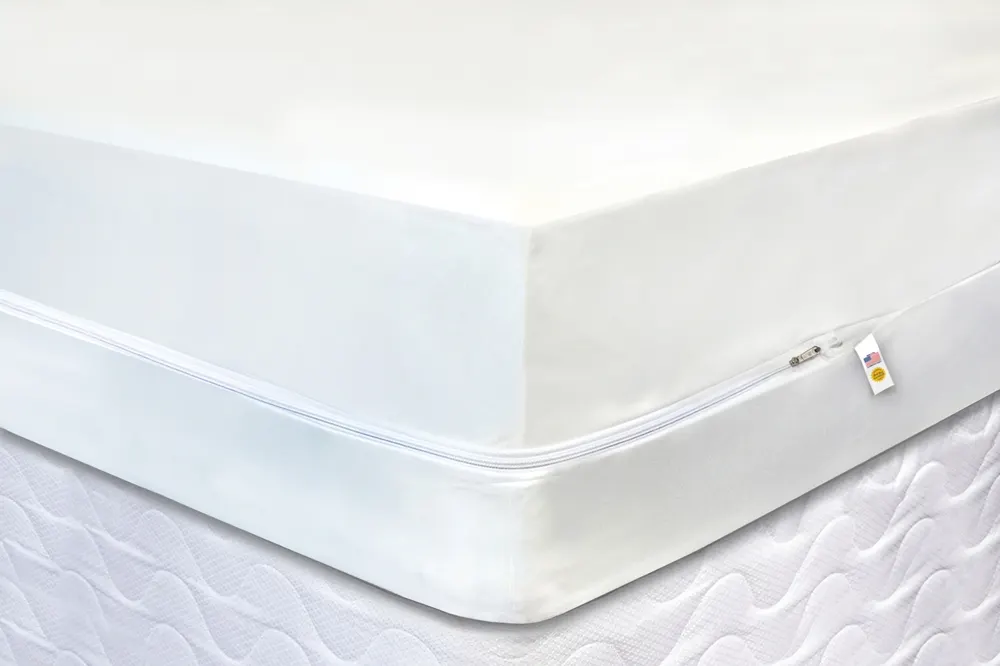
- Mattress and box spring encasements (often recommended)
- Laundry costs and time
- A vacuum and disposable vacuum bags (or careful canister emptying)
Some companies offer paid prep help or junk removal coordination. If you need that, get it in writing, with an hourly rate or flat fee and clear scope.
How to read a quote
A good quote is specific. A bad quote is vibes.
What a solid quote includes
- Exact treatment area: which rooms, which furniture, and whether adjacent rooms are included.
- Treatment method: heat, chemical, dust, steam, monitoring, or an integrated approach.
- Number of visits: scheduled follow-ups and what triggers extra visits.
- Prep requirements: written checklist and what happens if prep is incomplete.
- Re-entry guidance: how long you, kids, and pets must stay out.
- Warranty or guarantee terms: length, what is covered, and what voids it.
- Total cost and payment schedule: deposit, balance timing, and refund policy if they cannot access the home.
Warranty fine print
In bed bug world, a “warranty” often means re-treatment, not refunds, and it usually comes with conditions. Common warranty limits include incomplete prep, untreated adjacent units, continued travel, guests, or bringing in used furniture. That is not automatically shady, but it should be clearly spelled out so you know what you are buying.
Quote traps
- “One visit fixes it” with no follow-up plan. Bed bugs rarely cooperate.
- Very short warranties that exclude most real-life scenarios.
- Room limits that do not match how you live (treating only the bedroom when you nap on the couch is a plot twist you do not need).
- Prep penalties that are not disclosed upfront.
Questions to ask
- “What evidence did you see, and where?”
- “Which rooms are included in this price, specifically?”
- “How many visits are included, and what dates?”
- “If bed bugs show up again in 30 days, what happens and what does it cost?”
- “Do you use monitors or interceptors to confirm success?”
- “What do I need to do the day before and the day of treatment?”
- “If I’m in an apartment, what is the plan for adjacent units?”
Timeline
Heat is often the fastest on the calendar. Chemical and multi-visit programs take longer but may be more accessible on price.
- Heat treatment: commonly one day on-site plus follow-up inspection in 1 to 3 weeks.
- Chemical or integrated multi-visit: commonly 3 to 8 weeks from first visit to final follow-up, depending on visit spacing and findings.
Either way, your job is to prevent reintroduction during the process. Travel, guests, used furniture, and shared laundry areas can all keep the story going longer than it needs to.
DIY: helpful vs harmful
I love a determined DIY spirit, but bed bugs are an expensive opponent if you give them time to spread. If you are doing DIY while you wait for a pro, focus on things that support the plan, not things that scatter the problem.
- Skip foggers: total-release foggers are a frequent mistake. They tend to miss harborages and can push bed bugs deeper into walls and furniture.
- Do use interceptors: they can help confirm activity and reduce bites when used correctly.
- Do consider encasements: they can trap bugs inside and make future inspection easier.
- Vacuum and bag: vacuum seams and cracks, then immediately seal and remove debris.
- Use chemicals only if labeled: follow the label exactly, especially around beds and upholstered furniture.
Ways to keep costs down
- Catch it early: the earlier the infestation, the smaller the scope.
- Do the prep thoroughly: incomplete prep can lead to extra visits or failure, which is the most expensive outcome.
- Ask about adjacent rooms: sometimes adding one room is cheaper than coming back later for a full restart.
- Get at least two quotes: not to chase the lowest number, but to compare scope and strategy.
- Ask for an integrated plan: heat plus targeted residuals, or chemicals plus dust and monitoring, depending on your home.
When to call a pro
Consider professional help quickly if:
- You see bugs in more than one room.
- You live in a multi-unit building (reintroduction risk is higher).
- Someone in the home has significant bite reactions or anxiety that is wrecking sleep.
- You tried DIY treatments and sightings continue after a couple of weeks.
FAQ
Is heat worth the extra cost?
Often, yes, for people who want the fastest path and can handle the prep. The value is mostly in time and thoroughness. The best choice depends on your budget, home layout, and whether the problem is isolated or widespread.
Will my landlord pay?
Rules vary by state and by lease. In many places, landlords have responsibilities related to habitability and multi-unit coordination. If you rent, document everything and notify your landlord promptly in writing. Keep copies of messages and any inspection notes, and check your city or state housing guidance for the fastest next step.
Do I need to throw away my mattress?
Not always. Many situations can be handled with treatment plus a high-quality encasement. Throwing items out can also spread bugs through hallways if not sealed properly. Ask your exterminator before you purge.
Why do companies charge for an inspection?
Bed bug inspections take time, skill, and sometimes tools like monitors. Some companies roll inspection costs into the treatment if you proceed, others keep it separate. What matters is that the inspection leads to a clear scope, a written prep list, and a follow-up plan.
The 30-Second Cheat Sheet
Essential takeaways for: Bed Bug Treatment Cost
Typical cost ranges
- Heat treatment: $1,500 to $6,000+ (often 1 main visit plus a follow-up inspection)
- Chemical treatment total: usually $800 to $2,500+ after follow-ups (rarely one-and-done)
- Multi-visit plans: $1,000 to $3,500+ (commonly 2 to 4 visits over weeks)
What drives the price
- Home size and number of rooms being treated
- Infestation level (light vs established, multiple rooms, multi-unit spread)
- Treatment type (heat costs more upfront, chemical often costs more over time)
- Prep burden (clutter, laundering, access to baseboards and furniture)
How many visits to expect
- Heat: usually 1 long day on-site, plus 1 follow-up inspection in 1 to 3 weeks
- Chemical or integrated plans: usually 2 to 4 visits, spaced about 7 to 21 days apart
Prep basics (most companies require)
- Launder and dry items, then seal them in clean bags or bins
- Reduce clutter so techs can access baseboards, bed frames, closets
- Vacuum seams and cracks, then empty vacuum into a sealed bag
- Remove heat-sensitive items for heat treatments (candles, some aerosols, medications, plants, pets)
How to read a quote fast
- Confirm exact rooms included and what triggers added charges
- Get number of visits in writing and what happens at each visit
- Ask about warranty terms and what voids them
- Beware quotes that promise a fix in one visit with no follow-up plan
💡 Tip: Scroll up to read the full article for detailed, step-by-step instructions.
⬆️ Back to top
About Grit
Content Creator @ Grit & Home
Grit is Grit & Home’s little blue clay courier, delivering big questions about the place you call home. Expect practical ideas, a raised eyebrow, and a satchel full of curiosity.