
🚨 In a DIY emergency or rush?
Skip the details and jump straight to our 30-second cheat sheet for the most crucial info.
When a boiler gets noisy, it is tempting to shrug it off as “old house stuff.” I did that once in my 1970s ranch and it cost me a weekend and a circulator pump I probably could have saved. The good news is that most boiler noises fall into a few categories, and you can usually narrow down the cause with calm, simple checks.
This guide helps you tell kettling from banging and rumbling, explains common culprits like limescale, low flow, pump problems, and air locks, and gives you safe steps to try. I will also flag the noises that should send you straight to a licensed tech.
Quick scope check: This article is mainly for hot-water (hydronic) boilers feeding baseboards or radiators. Steam boilers are a different animal. Steam can hiss, clank, and “hammer” for reasons that do not apply to hydronic systems. If you have a sight glass, steam vents on radiators, or one-pipe/two-pipe steam radiators, use steam-specific guidance and call a steam-savvy pro.
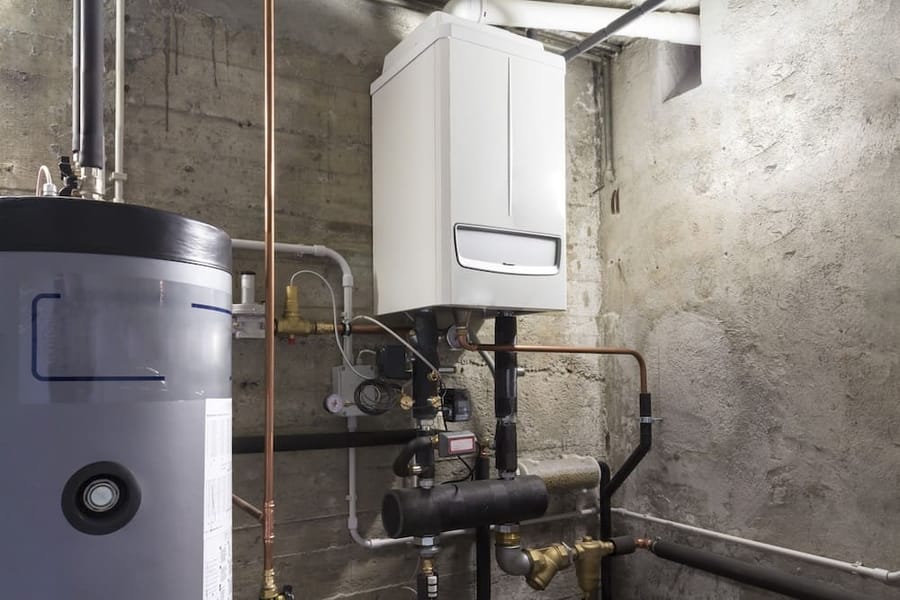
First: match the sound
Boilers communicate in noises. Before you touch anything, listen for when the sound happens and where it seems loudest. That tells you whether you are dealing with heat transfer inside the boiler, water flow in the system, or expansion and pressure changes in the piping.
Kettling
- What it sounds like: whistling, sizzling, bubbling, or a rapid “percolating” sound.
- When it happens: usually when the boiler is firing and heating hard.
- What it often means: hot spots are forming because heat cannot move into the water smoothly. That is commonly from scale or restricted flow, which can cause localized boiling or steam formation inside the heat exchanger.
Banging or knocking
- What it sounds like: sharp bang, thunk, or repeated knocking.
- When it happens: often right when a zone valve closes, a pump starts or stops, or a thermostat satisfies.
- What it often means: a fast change in flow or pressure (hydronic “water hammer” style behavior), or pipes expanding and rubbing. Sometimes it is a zone valve slamming shut.
Rumbling or growling
- What it sounds like: low, rolling rumble, like a distant truck idling.
- When it happens: during burner operation, sometimes after ignition.
- What it often means: combustion or burner issues, delayed ignition, a dirty heat exchanger, or scale and flow problems creating uneven heating. Rumbling gets taken seriously because it can overlap with burner safety issues.
Gurgling or sloshing
- What it sounds like: water moving through pipes, glug-glug sounds, intermittent gurgles.
- When it happens: as pumps run, especially after a refill or recent work.
- What it often means: air in the system or a partial air lock, commonly at a high point like an upstairs baseboard loop.
Normal vs not: Light ticking as pipes warm up can be normal expansion. Loud bangs, persistent kettling, or any new rumbling is not something I would ignore.
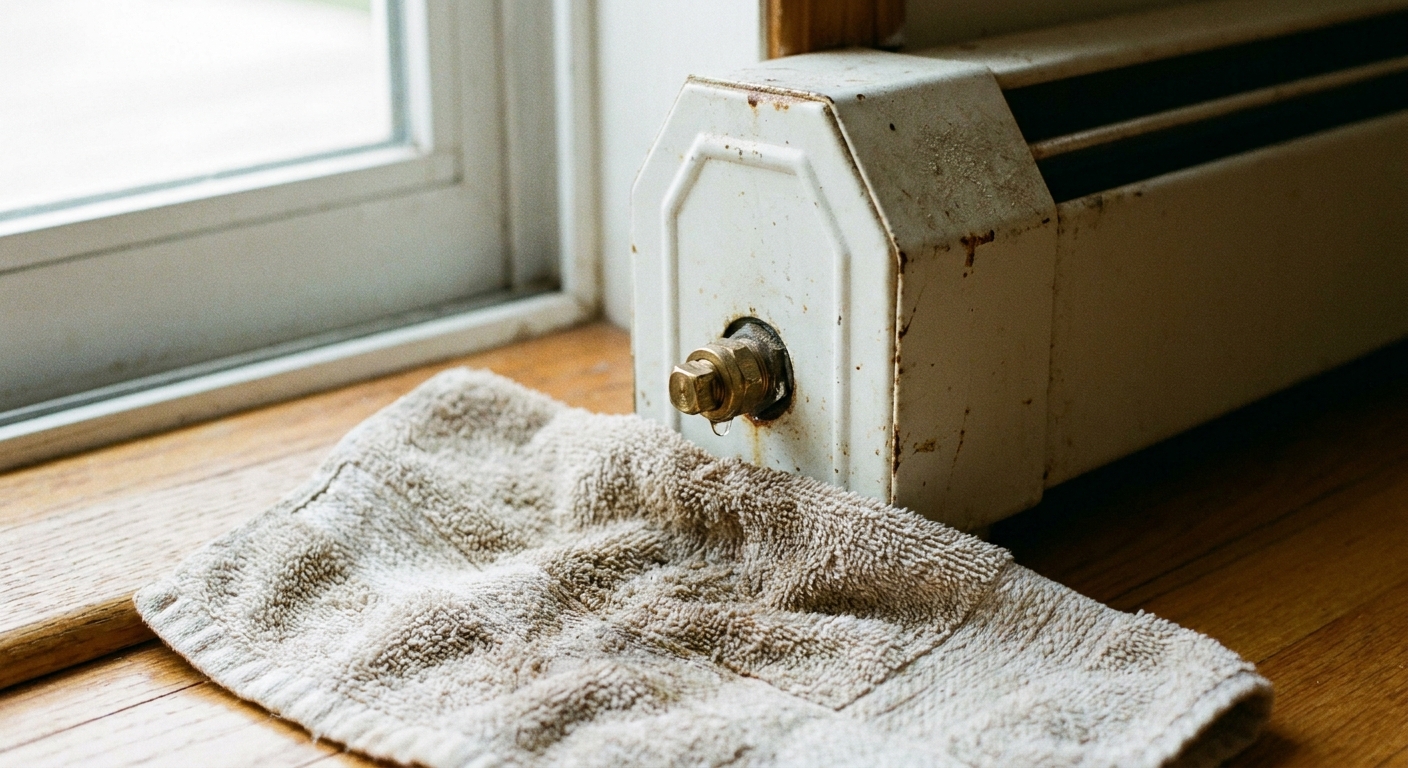
Safety: when to stop
I love DIY. Boilers still deserve a hard line. If any of the following are true, stop troubleshooting and call a licensed heating professional.
- You smell gas (natural gas or propane): leave the area and follow your utility’s emergency steps.
- Carbon monoxide alarm goes off or you feel dizzy or nauseated.
- Water is leaking from the boiler, the boiler pressure relief valve, or around burner components.
- The boiler pressure relief valve is discharging (the discharge pipe is hot or wet). This can indicate overpressure, overheating, a failed expansion tank, or a control problem.
- Boiler is short cycling rapidly with loud rumbling or banging.
- Any safety lockout keeps happening (burner shuts down and needs reset repeatedly).
- Oil boiler rumbling or smoke at startup. Oil burners can have delayed ignition issues that should not be experimented with.
Quick terminology that prevents a lot of confusion: Water heaters have a T&P (temperature and pressure) relief valve. Hydronic boilers typically have a boiler pressure relief valve (often set to 30 psi). Separately, many boiler systems also have a pressure-reducing valve (also commonly called an auto-fill valve) that keeps system pressure up. People shorten both to “PRV” in the wild, which is why I avoid that abbreviation here.
Quick: what system do you have?
If you can answer these in 30 seconds, you will diagnose faster and avoid wrong advice.
- Heat-only boiler + indirect tank, or combi boiler that also makes domestic hot water?
- Baseboards, panel radiators, or cast-iron radiators?
- Zone valves (usually a row of small valve heads on pipes) or multiple circulator pumps (one per zone)?
- Condensing boiler (PVC exhaust, condensate drain) or non-condensing (metal vent/chimney)?
Condensing boiler note: Some light sizzling, dripping, or ticking can be normal as condensate forms and the heat exchanger expands. What is not normal is loud kettling, gurgling from a blocked condensate trap, or rumbling that changes the burner sound. If you suspect a condensate blockage, that is a good service call.
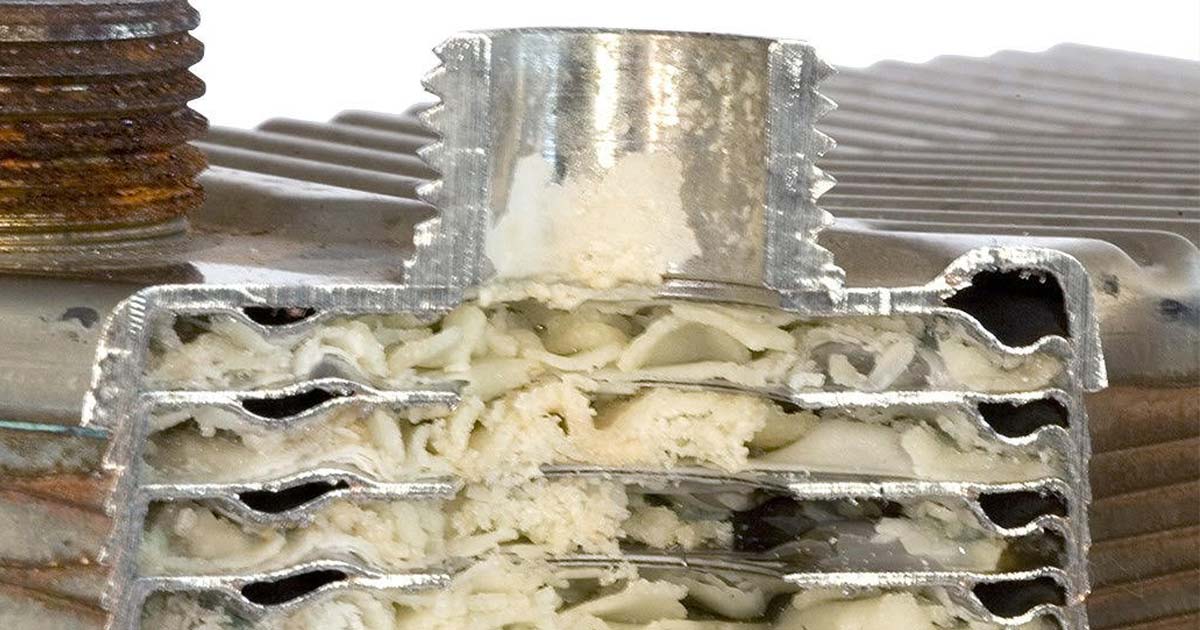
Cause #1: scale buildup
If you have hard water, scale is the number one suspect for kettling. Mineral deposits insulate the heat exchanger surface. The burner heat keeps pouring in, but the water cannot carry that heat away smoothly. Result: hotter spots, steam formation, and that tea-kettle soundtrack.
Clues it is scale
- Kettling is strongest when the boiler first fires or is working hardest.
- You have hard water, a tankless coil, or a combi boiler that makes domestic hot water.
- Efficiency dropped or you need higher temperatures than you used to.
What you can do safely
- Lower the boiler target temperature a little if your system allows and comfort stays good. Less heat intensity can reduce symptoms. Do not go below what your system requires.
- Check and clean the system strainer if your setup has one (often near the circulator or on the return). Shut power off first and isolate valves if present.
- Plan a professional descaling or system flush/chemical clean if kettling persists. Some boilers and coils can be descaled with approved chemicals, but the correct method depends on your heat exchanger material and warranty requirements.
My thrifty homeowner tip: If you live in a hard-water area and you have a combi boiler, ask a tech about a service schedule that includes descaling and checking the domestic plate heat exchanger. That one component can turn a quiet system into a kettling machine.
Cause #2: low flow
Kettling is not always minerals. If water is not moving fast enough through the boiler, it can overheat locally even with clean internals. Low flow can also cause temperature spikes that create ticking, knocking, or whooshing noises.
What causes low flow
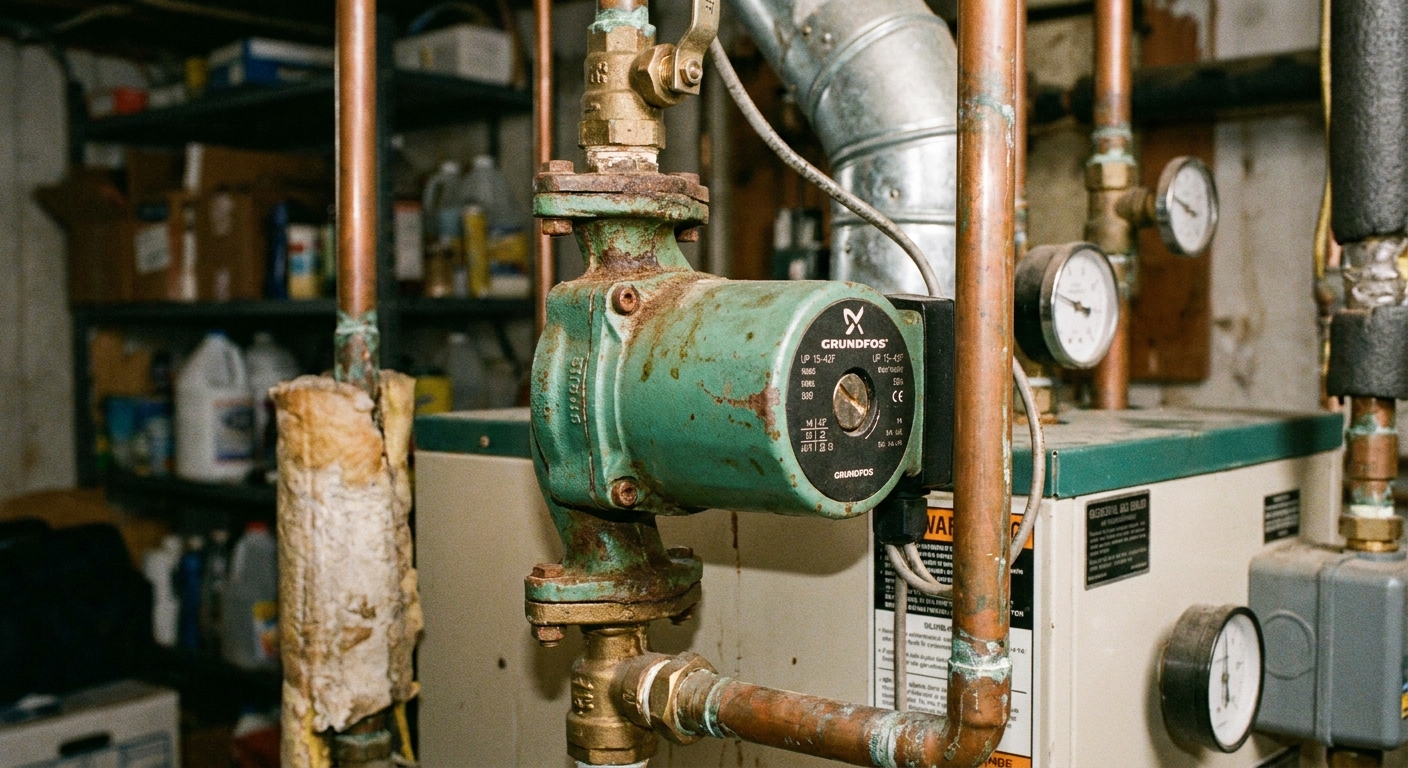
- Failing circulator pump (worn bearings, stuck impeller, weak start capacitor).
- Closed or partially closed valves after a repair or seasonal shutdown.
- Clogged strainers or sludge in older systems.
- Zone valve stuck partially shut.
- Air in the system reducing effective circulation.
Safe checks you can do
- Confirm valves are open: look for any ball valves or gate valves near the boiler and pumps that might be partially closed. A ball valve handle should be parallel with the pipe to be open.
- Listen and feel the pump: with the system calling for heat, a working circulator usually has a steady hum and slight vibration. Grinding, squealing, or intermittent starting is a warning sign.
- Check the boiler pressure gauge: many 1 to 2 story homes are around 12 psi when cold. Taller homes often need a bit more. When hot, pressure commonly rises by roughly 3 to 8 psi, but should stay well below the relief valve setting (often 30 psi). If you are unsure, stop and call a pro rather than overfilling.
Escalation: If you suspect a circulator or zone valve failure, that is usually a pro call. Electrical diagnosis and pump replacement are doable for experienced DIYers, but beginners can get into trouble fast with wiring, hot surfaces, and water leaks.
Cause #3: trapped air
Air loves to collect at high points. In a two-story home, upstairs baseboards and second-floor radiators are classic spots. Trapped air can cause gurgling, cold sections of baseboard, and sometimes a knocking sound as water slugs through.
Signs of air problems
- You hear gurgling in a particular zone or room.
- One loop heats unevenly or stays cool while others are fine.
- Noise shows up after the system was drained, refilled, or serviced.
What you can do safely
1) Bleed air at the highest emitters (if you have bleed points).
- Turn the thermostat down so the system is not actively firing.
- Let things cool enough to avoid scalding risk.
- Use a radiator key or flat screwdriver as appropriate. Hold a cup and rag under the vent.
- Bleed until you get a steady stream of water, then close gently.
2) Check the automatic air vent (if present). Many systems have an air separator and automatic vent near the boiler. Sometimes the cap is tightened down, sometimes it leaks and gets replaced. If you see corrosion or water marks there, it is time for a professional look.
Important: If bleeding helps for a day and then the air returns, do not just keep bleeding forever. Recurring air often points to low system pressure (fill valve issue), a microleak pulling air in, or an expansion tank problem. That is an escalation point.
Banging: flow changes or pipe movement
A sharp bang is often not the boiler itself. It is usually the water in your system reacting to fast changes in flow, or pipes expanding and rubbing against framing.
Fast flow changes
Hydronic systems can bang when zone valves close quickly, when a circulator starts against a closed valve, or when flow is too fast through certain sections. People often call this “water hammer,” even though classic water hammer is most famous in domestic plumbing. The effect can still show up in heating loops.
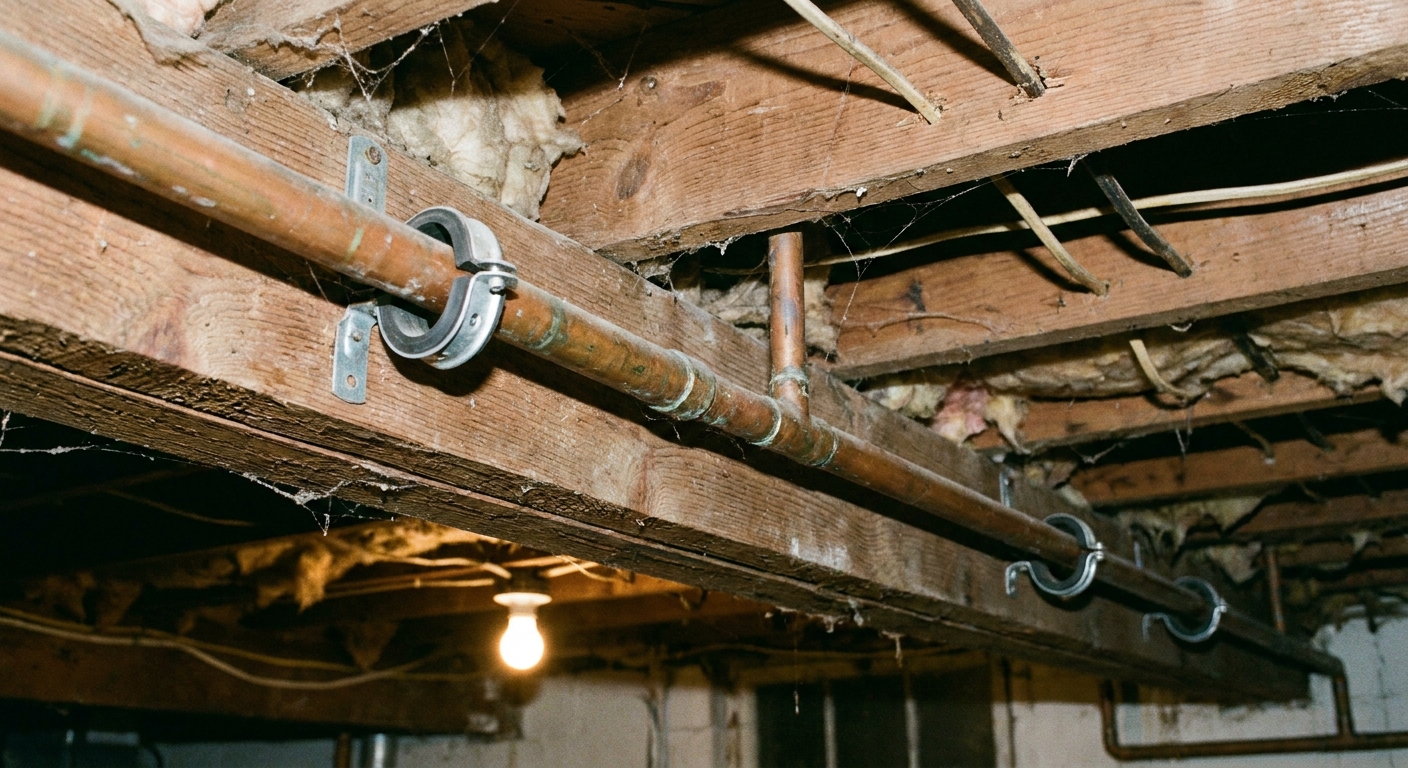
Expansion ticking and knocking
Copper and steel move as they heat. If a pipe is tight in a hole through a stud, or pinned hard by a hanger, it can “pop” as it slides.
What you can do safely
- Find the location: walk the house during a heat call and listen near baseboards, risers, and the boiler piping.
- Look for tight penetrations: where accessible, add a little clearance around wood framing holes. Do not cut structural members aggressively. A small relief can stop a lot of noise.
- Upgrade hangers where you can: if you have exposed basement piping, swap metal-on-metal hangers for cushioned clamps or add pipe isolators.
- Ask a pro about zone valve closing behavior if the bang is exactly when a zone stops. Some valves can be serviced or replaced with models that close more gently.
What not to do: Do not start cranking relief valve settings or swapping random parts to chase a bang. Hydronic systems have pressures and temperatures that deserve respect.
Rumbling: burner context
Rumbling is the one I treat as “yellow flag leaning red.” Sometimes it is scale related, but it can also be combustion quality. Combustion issues can involve soot, delayed ignition, or improper air-fuel mix. That is not a trial-and-error zone.
Gas boiler rumble clues
- Rumble starts at ignition or right after.
- You notice flame rollout signs (scorching, heat marks) near the burner area.
- Any unusual odor or repeated ignition attempts.
Oil boiler rumble clues
- “Bang” or rumble at startup can be delayed ignition from a dirty nozzle, poor draft, or incorrect settings.
- Soot smell or visible smoke is a stop-and-call symptom.
Escalation path
- Turn the system off if the rumble is new, loud, or worsening.
- Call for service and request combustion analysis. A proper tech will check draft, CO, burner setup, and safeties.
- Do not bypass safeties or repeatedly reset a tripping boiler. Lockouts exist for a reason.
Relief valve and expansion tank
A boiler’s expansion tank absorbs water expansion as it heats. If the tank is waterlogged or failed, system pressure can spike. Pressure swings can cause odd noises, air problems, and relief valve discharge.
What you might notice
- Boiler pressure climbs a lot when heating, then drops when cooling.
- Boiler pressure relief valve drips or discharges during heat calls.
- Frequent need to add water to the system.
What you can safely do
- Observe the gauge during a heat cycle and write down cold and hot pressures.
- Check for obvious leaks at fittings, circulators, and valves.
What to leave to a pro: Testing and recharging an expansion tank and evaluating the pressure-reducing (auto-fill) valve are straightforward for a technician, but they involve isolating, depressurizing, and sometimes draining parts of the system. If you are not 100 percent comfortable, this is a smart place to spend service money.
Troubleshooting order
If you want the most efficient path without making things worse, this is the order I use.
- Identify the sound (kettle, bang, rumble, gurgle) and when it happens.
- Check for danger signs (gas smell, CO alarm, leaks, relief valve discharge). Stop if present.
- Verify basics: thermostat calling, valves open, boiler pressure in a normal range for your home.
- Address air if you hear gurgling or have uneven heat: bleed high points, inspect air vent area.
- Consider flow: listen to circulator, check strainer, note whether zones heat normally.
- Consider scale if kettling persists, especially with hard water or combi boilers.
- Escalate for persistent kettling, any rumbling tied to burner behavior, or repeated lockouts.
When to upgrade
Sometimes the best “fix” is a strategic upgrade that prevents the same noise from coming back.
- Hard water area: consider a water softener or treatment strategy appropriate for your home, and keep up with manufacturer-recommended descaling if you have a combi boiler.
- Old, dirty hydronic system: ask about a system clean and magnetic filter. Sludge can wreck pumps and reduce flow.
- Frequent banging from pipe movement: improving hangers and adding isolation is a one-time quality-of-life upgrade.
My rule: if you have already “solved” the same boiler noise twice, it is time to stop patching and fix the root cause properly.
The 30-Second Cheat Sheet
Essential takeaways for: Boiler Kettling, Banging, or Rumbling? Causes and Safe Fixes
Identify the noise fast
- Kettling: whistling, sizzling, bubbling while the boiler fires. Usually scale or low flow.
- Banging/knocking: sharp thunk when zones start or stop. Often fast valve closure, pump start/stop pressure changes, or pipe expansion rubbing.
- Rumbling/growling: low roar during burner operation. Treat as combustion or overheating risk.
- Gurgling: air in lines or an air lock at a high point.
Stop and call a pro if
- You smell gas, a CO alarm sounds, or you see soot or smoke.
- The boiler pressure relief valve is discharging, or any boiler piping is actively leaking.
- Rumbling is new or loud, or the boiler keeps locking out and needing resets.
Safe DIY checks to try
- Confirm thermostats are calling and heating valves are fully open.
- Bleed air at upstairs radiators or baseboards if you have vents.
- Listen to the circulator pump for steady operation. Grinding or intermittent starts suggest failure.
- Check and clean a hydronic strainer if your system has one and you can safely isolate it.
Most common root causes
- Limescale: classic kettling in hard water homes. Often needs professional descaling or a system flush/chemical clean.
- Low flow: failing pump, stuck zone valve, clogged strainer, or air reducing circulation.
- Air locks: gurgling and uneven heat, especially after refills or service.
- Fast flow changes + pipe movement: banging tied to zone valves closing or pumps starting, plus pipe movement at tight penetrations.
Escalation path
- If bleeding air or opening valves does not improve things within a day, schedule service.
- For persistent kettling: ask about scale inspection, magnetic filter, and flow verification.
- For banging tied to zone shutoff: ask about valve replacement, balancing, and pipe isolation.
💡 Tip: Scroll up to read the full article for detailed, step-by-step instructions.
⬆️ Back to top
About Marcus Vance
Content Creator @ Grit & Home
Marcus Vance is a lifelong DIY enthusiast and self-taught home renovator who has spent the last decade transforming a dilapidated 1970s ranch into his family's dream home. He specializes in budget-friendly carpentry, room-by-room renovations, and demystifying power tools for beginners. Through his writing, Marcus shares practical tutorials and hard-learned lessons to help homeowners tackle their own projects with confidence.