
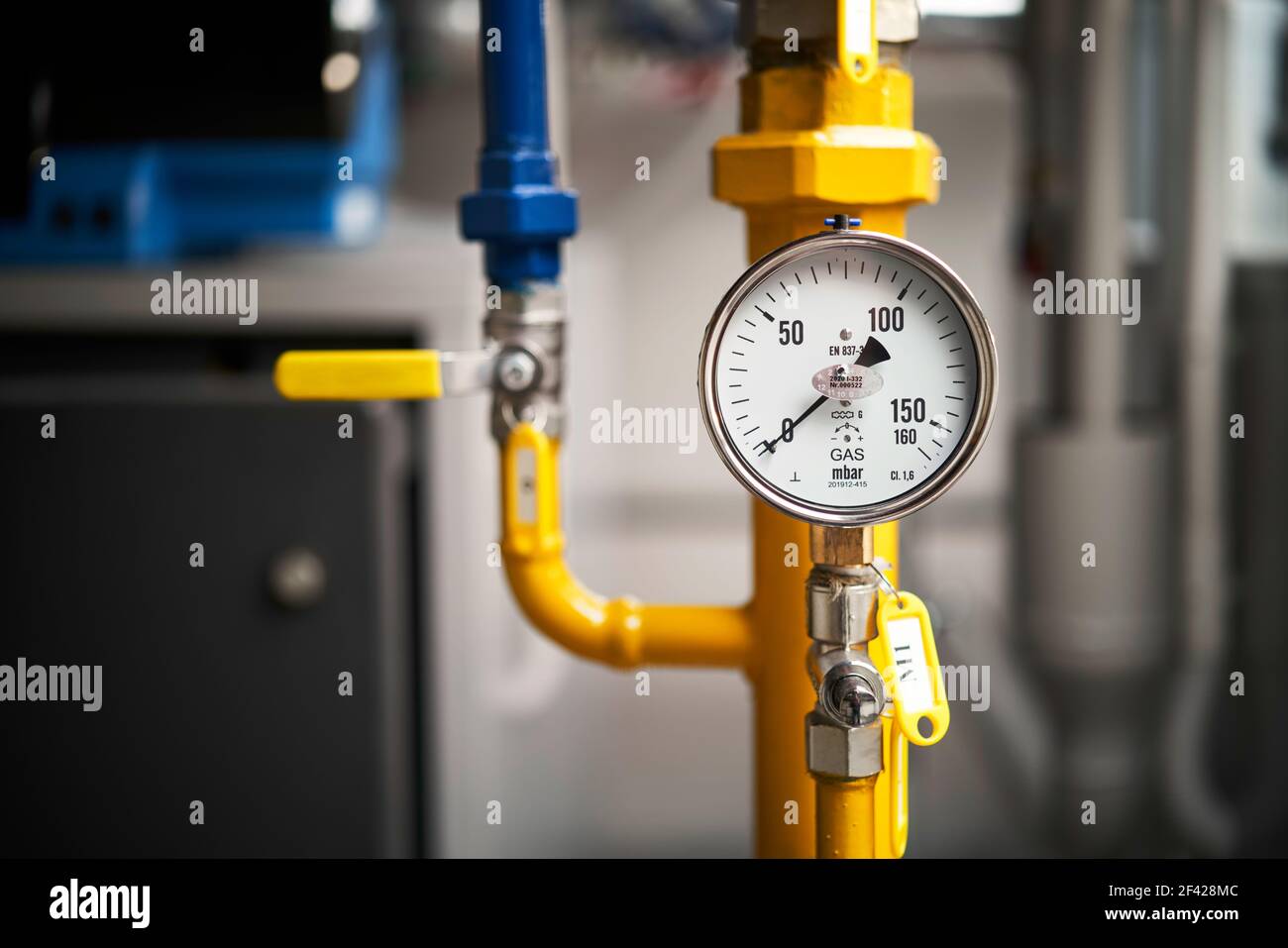
If your boiler is running but the house is still cold, it feels personal. I have been there, standing in a chilly hallway at 6 a.m., staring at a pressure gauge like it is supposed to apologize. The good news is that a lot of “no heat” boiler calls come down to a short list of issues you can check safely before you pay for a service visit.
This guide focuses on common hot-water (hydronic) boilers that feed baseboards, radiators, or in-floor heat. Steam systems are a different animal.
Before you start
Quick self-sort: Do you have baseboards, radiators, or radiant floors? One thermostat or several? And is your boiler a newer high-efficiency condensing unit (PVC venting, has a condensate drain) or an older cast-iron boiler? Those details change the “most likely” suspects.
Also, one phrase you will see a lot: “Call for heat” simply means the thermostat is requesting heat (set to Heat, setpoint above room temperature). That call is what tells zone controls, valves, pumps, and the boiler to do their jobs.
Safety first (especially with gas)
Before you touch anything, take 60 seconds to draw a hard line between homeowner checks and “call a pro.” Boilers mix flame, electricity, hot water, and pressure. Respect that.
Stop and call for help now if you notice any of these
- Gas smell or hissing near a gas line.
- Carbon monoxide alarm sounding, headaches, nausea, or dizziness.
- Sooting around the burner area, scorch marks, or melted wiring.
- Water leaking from the boiler jacket, relief valve discharging constantly, or signs of overheating.
- Error code related to flame, ignition failure, or blocked venting that returns after a reset.
If you smell gas: leave the house, do not flip switches, and contact your gas utility or emergency services.
What you can safely do
- Check thermostat settings and replace batteries.
- Check boiler power switch and breakers.
- Read the pressure gauge and temperature gauge.
- Look for obvious leaks and closed valves.
- Bleed radiators (if you have manual bleeders and are comfortable doing it).
- Read and record error codes.
Quick checklist
If you want the fastest path to a win, run this list in order. Most “no heat” problems show up in the first five minutes.
- Thermostat: set to Heat, raise setpoint 5 degrees, replace batteries, confirm it is calling for heat.
- Power: boiler service switch on, breaker not tripped, control panel lit.
- Pressure: many 1 to 2 story homes target about 12 psi cold. Taller homes often need higher cold pressure (commonly 18 to 20 psi). When hot and running, systems often land around 15 to 25 psi. If you are near zero, that is a major clue.
- Zone pattern: only one area cold points to a zone valve, circulator, or air in that loop. Whole house cold points to power, thermostat, burner, or main circulation.
- Error code: write it down exactly before pressing reset.
1) Thermostat and zone controls
I once chased a “bad pump” for an hour before realizing a smart thermostat had lost Wi-Fi and dropped into an away schedule. Start at the wall before you start at the boiler.
What to check
- Mode and setpoint: Heat mode, temperature set above room temperature.
- Batteries: many thermostats will still display with weak batteries but will not reliably call for heat.
- Schedule: temporarily switch to Hold or Manual.
- Smart thermostat power: if you recently installed a smart thermostat, check for a loose wire or missing C-wire issue. Some units behave oddly when they are not getting steady power.
- Multiple zones: if you have multiple thermostats, note which zones are cold and which still heat.
Zone control panels
If you have a zone control board (common with multiple zones), look for tiny indicator lights that show thermostat call and zone/pump running. A thermostat light on with no corresponding pump or zone light is a strong hint the issue is in the zone control, wiring, or end switch.
2) Boiler pressure: too low
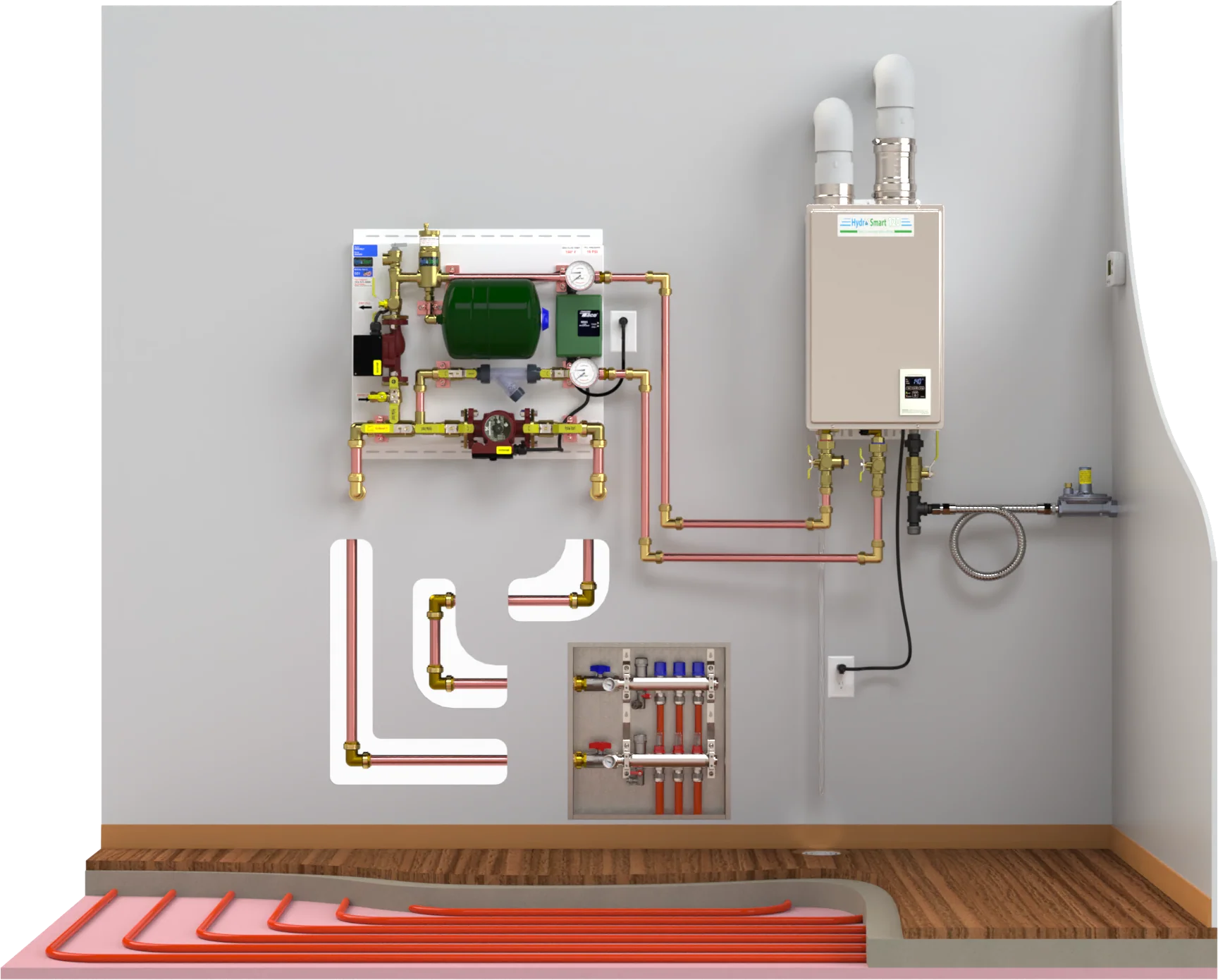
Low system pressure is a big deal in a hot-water boiler. Even if the boiler can fire, low pressure can let air into the system and prevent proper circulation. Some boilers also have a low-pressure cutoff or will lock out depending on the controls and safety devices.
Typical pressure ranges (general guidance)
- Cold system: often around 12 psi in many 1 to 2 story homes. Taller homes often need 18 to 20 psi cold to push water to the top.
- Hot and running: commonly rises to 15 to 25 psi.
Exact numbers vary with your home’s height and your installer’s settings. Also, boiler gauges are not perfect. If a reading looks wrong, cross-check it with symptoms and call for service if anything feels off.
If your gauge reads 0 to 5 psi, that is not “a little low.” That often means poor or no circulation, and it may trigger a safety shutdown depending on your system.
What causes low pressure?
- A small leak somewhere in the system.
- A recently bled radiator without adding makeup water.
- A faulty automatic fill valve (pressure reducing valve).
- An expansion tank problem that leads to relief valve discharge and pressure swings.
What you can do
Check for visible leaks around the boiler, circulators, zone valves, baseboards, and any exposed piping. If you see active leaking, stop and call a pro.
Many systems have a manual fill lever on the pressure reducing valve. If you are experienced and your boiler manufacturer allows it, you can sometimes add water briefly to bring pressure back into a normal range. If you are not sure which valve is which, do not guess. Overfilling can lift the relief valve and create a bigger mess.
3) Ignition and pilot issues
Older boilers may have a standing pilot. Most modern boilers use electronic ignition and flame sensing. Both can fail in ways that look like “the boiler is on, but nothing is happening.”
Standing pilot basics
- If the pilot is out, follow the relighting instructions printed on the boiler panel. Do not improvise.
- If the pilot will not stay lit, the thermocouple or gas valve may be failing. That is usually a service call.
Electronic ignition basics
- If you hear repeated clicking or short attempts to fire, the boiler may be locking out on ignition or flame sensing.
- Dirty flame sensors, ignition electrodes, gas supply issues, or venting problems can all trigger lockouts.
Safety limit: do not repeatedly reset a boiler that is failing to ignite. If it locks out again, stop and call a technician.
4) Circulator pump issues
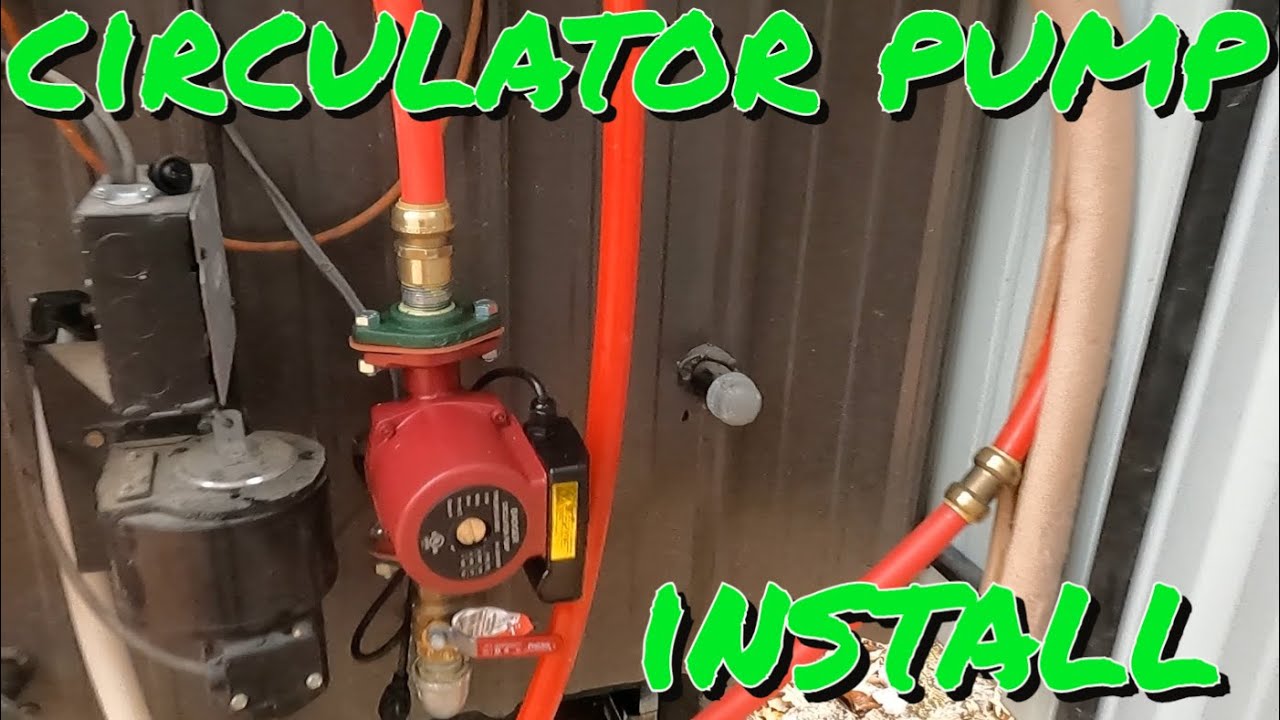
In a hot-water system, the circulator pump is the delivery truck. The boiler can make heat all day long, but if the pump is not moving water through the loops, your rooms will not warm up.
Signs of a circulation problem
- Boiler temperature climbs, but baseboards or radiators stay cool.
- One zone works, another stays cold (on multi-zone systems).
- You do not hear or feel the gentle hum of the circulator when a zone calls.
Homeowner checks
- Feel the pipes: with a call for heat, the supply pipe leaving the boiler should get hot. The return should warm up after a bit. If supply is hot and return stays cold, circulation may be weak.
- Look for a tripped pump relay: some zone control boards have a fuse or indicator for the pump circuit.
- Check isolation valves: if a valve near the pump is closed, the pump cannot move water.
Do not do this: do not open electrical junction boxes or attempt to spin a seized pump unless you know exactly what you are doing and power is off at the breaker. A pro can test voltage, amperage, and determine if the pump is actually failing or simply not being commanded on.
5) Zone valves stuck
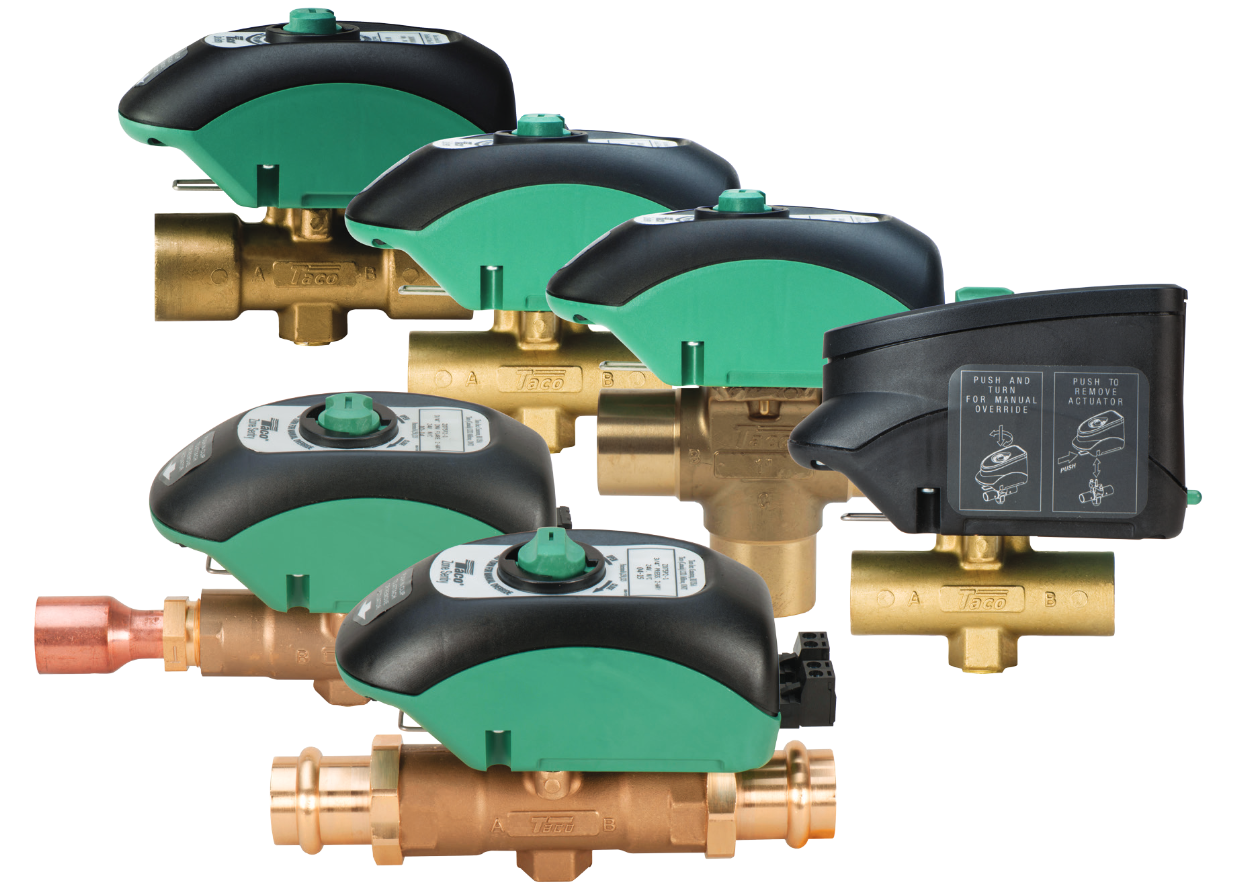
If only part of your house is cold, zone valves jump to the top of my suspect list. These valves open when the thermostat calls for heat, allowing hot water into that loop.
What to look for
- On many zone valves, there is a small lever or indicator that shows open or closed.
- A zone valve motor can fail while the valve itself remains closed.
- Some valves have an end switch that tells the boiler or pump to run once the valve is fully open. If that end switch fails, you can get “no heat” even though the thermostat is calling.
Simple checks
- Compare zones: if one zone works, look at that valve and mimic its settings and lever position on the cold zone.
- Listen: when a thermostat calls, you may hear a soft whir as the valve opens.
If you suspect a bad zone valve, record the brand and model and take a clear photo. That alone can speed up a service visit and sometimes saves you from a “let me go find the part” delay.
6) Air in the system
Air pockets are classic after a drain-down, a plumbing repair, or a slow leak that kept pulling in fresh air. Air blocks flow, and blocked flow means cold rooms.
Common signs of air
- Gurgling or trickling sounds in baseboards or radiators.
- Some radiators hot at the bottom but cold at the top.
- A zone that heats unevenly, especially the farthest rooms.
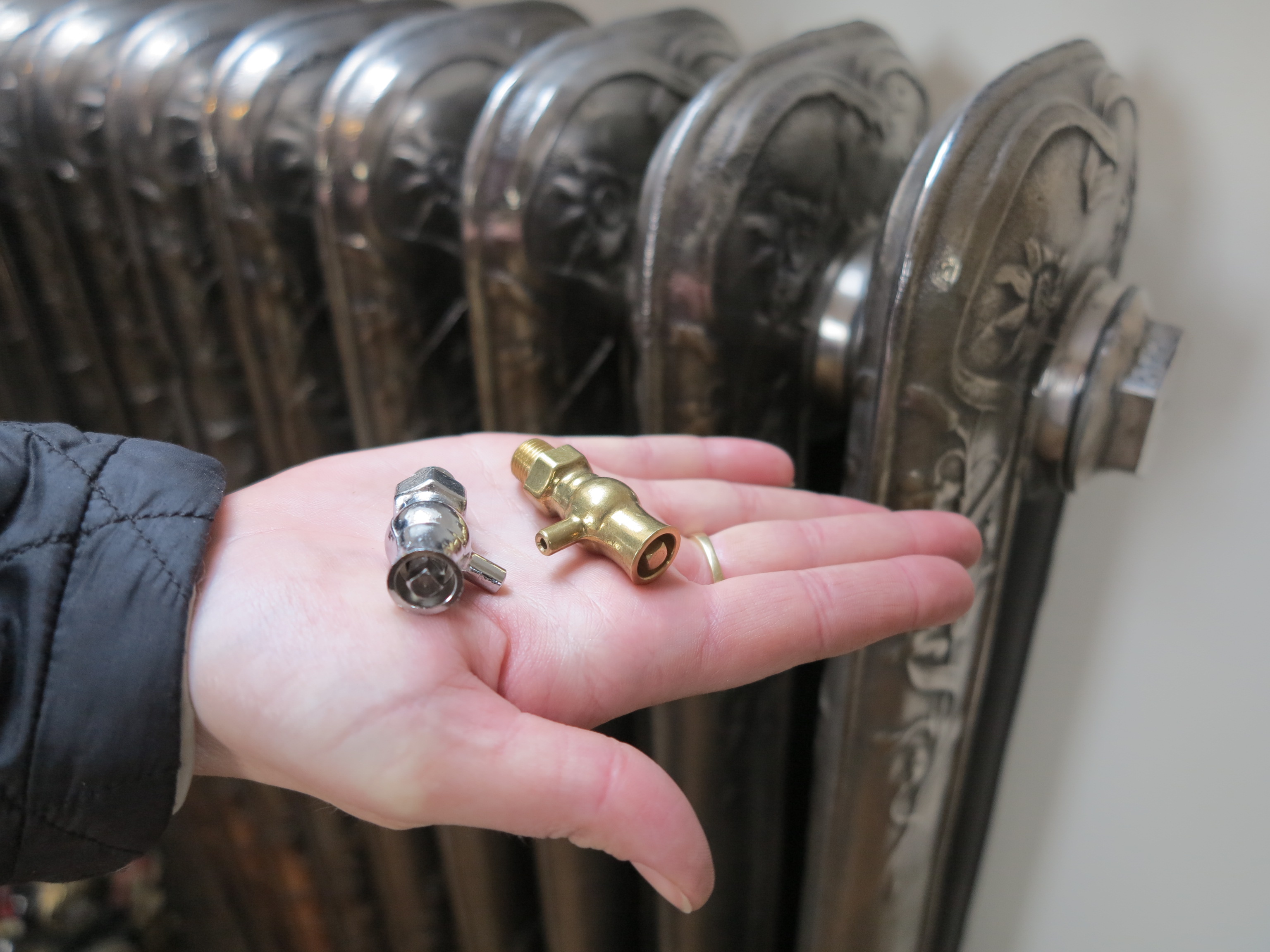
How to bleed a radiator (manual bleeder)
- Confirm the thermostat is calling for heat (if your boiler instructions allow bleeding while warm).
- Place a small cup or towel under the bleeder.
- Use a radiator key or flat screwdriver and open the bleeder slowly.
- Let air hiss out until you get a steady stream of water, then close it gently.
- Order: follow your system’s purge or bleed procedure if you have one. If you are not sure, many people start with the highest radiators or the coldest zone and work from there.
Important: keep an eye on boiler pressure. Bleeding removes air but can also drop system pressure. If pressure falls too low, heat can stop entirely.
7) Error codes and lockouts
Modern boilers are pretty good at telling you what they are unhappy about. Do not ignore the display.
What to do with a code
- Write down the exact code and any blinking light pattern.
- Take a photo of the display and the boiler’s rating plate with model number.
- Look up the code in your manual or on the manufacturer site.
If the manual says “call service,” believe it. Codes related to ignition, flame proving, venting, or high limit are not DIY territory.
8) Sneaky lookalikes
Closed valves
It happens after a plumbing visit or even after a curious kid finds a lever. Check that any valves near the boiler, pumps, and zone manifolds are in their normal operating position.
Condensate line frozen (condensing boilers)
High-efficiency boilers produce condensate that drains through a small pipe. In very cold snaps, that line can freeze and shut the boiler down. A homeowner-safe first step is to look for visible ice at the termination or on an exposed section of pipe. If the pipe is accessible and your manufacturer allows it, you can gently warm the pipe (for example with warm towels). Do not use an open flame. If you are unsure, or the freeze is not obvious, call a technician.
Low-water cutoff or feeder issues
Some systems have low-water protections that stop firing if water level or pressure is unsafe. That is a good thing. If it is tripping repeatedly, do not keep resetting it. Find the underlying cause.
Aquastat and high limit settings
It can be tempting to start turning dials when you are cold. In general, homeowners should not adjust aquastat or high limit settings. Incorrect settings can cause overheating, short-cycling, or unsafe operation. If you suspect a control setting is wrong, that is a service call.
Domestic hot water priority (combi or indirect)
If you have a combi boiler or an indirect water heater, some systems temporarily prioritize domestic hot water over space heat. A sensor or control issue can make it feel like the boiler “never gets back to the house.” If you notice odd domestic hot water behavior along with no space heat, mention it to your technician.
When to call a pro
If you have done the safe checks above and you still have no heat, the fastest way to get back to warm is a focused service call.
Call a pro if
- Boiler pressure will not hold or you see signs of leaking.
- The relief valve is discharging or pressure swings wildly.
- Ignition keeps failing or the unit is in lockout.
- Circulator pump is hot, noisy, seized, or not running when it should.
- You suspect a blocked flue, venting issue, or combustion problem.
Have this info ready
- Boiler make and model (photo of rating plate helps).
- Error code and when it appears.
- Pressure and temperature readings.
- Which zones are affected and whether any zone still heats.
- Any recent work: bleeding, drain-down, new thermostat, plumbing repair.
My thrifty tip
- Once a month in heating season, take a quick glance at the pressure gauge (and remember gauges can be off, so treat it as a clue, not gospel).
- Replace thermostat batteries at the start of winter, even if they “seem fine.”
- Keep the area around the boiler clear so you can spot leaks early.
- Schedule a yearly service for gas boilers to verify safe combustion and venting.
If you want, tell me what type of heat you have (baseboards, radiators, in-floor), whether it is gas or oil, whether it is a condensing boiler, and what your pressure gauge reads when cold. I can help you narrow down the most likely next check.

About Marcus Vance
Content Creator @ Grit & Home
Marcus Vance is a lifelong DIY enthusiast and self-taught home renovator who has spent the last decade transforming a dilapidated 1970s ranch into his family's dream home. He specializes in budget-friendly carpentry, room-by-room renovations, and demystifying power tools for beginners. Through his writing, Marcus shares practical tutorials and hard-learned lessons to help homeowners tackle their own projects with confidence.