
🚨 In a DIY emergency or rush?
Skip the details and jump straight to our 30-second cheat sheet for the most crucial info.
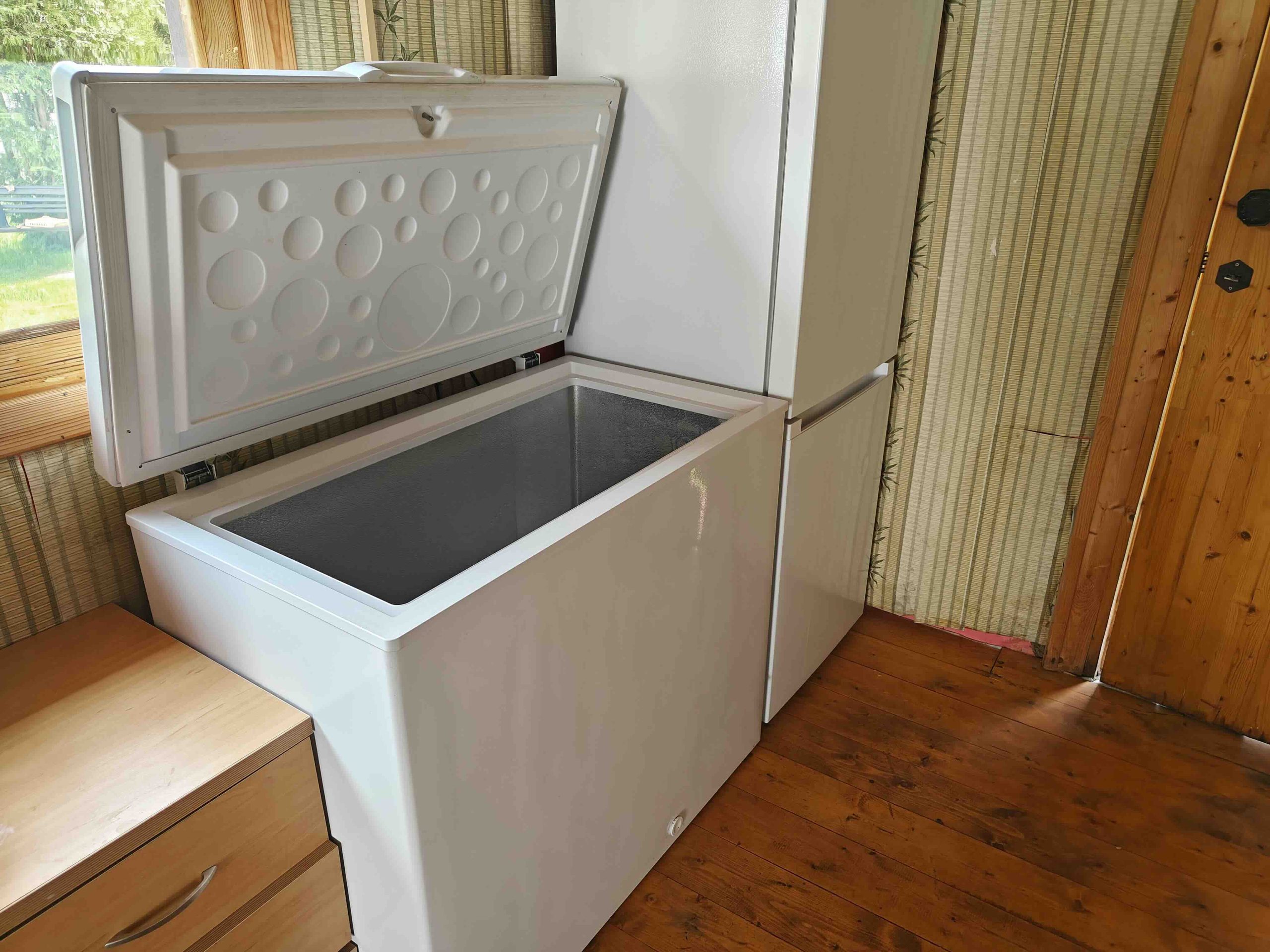
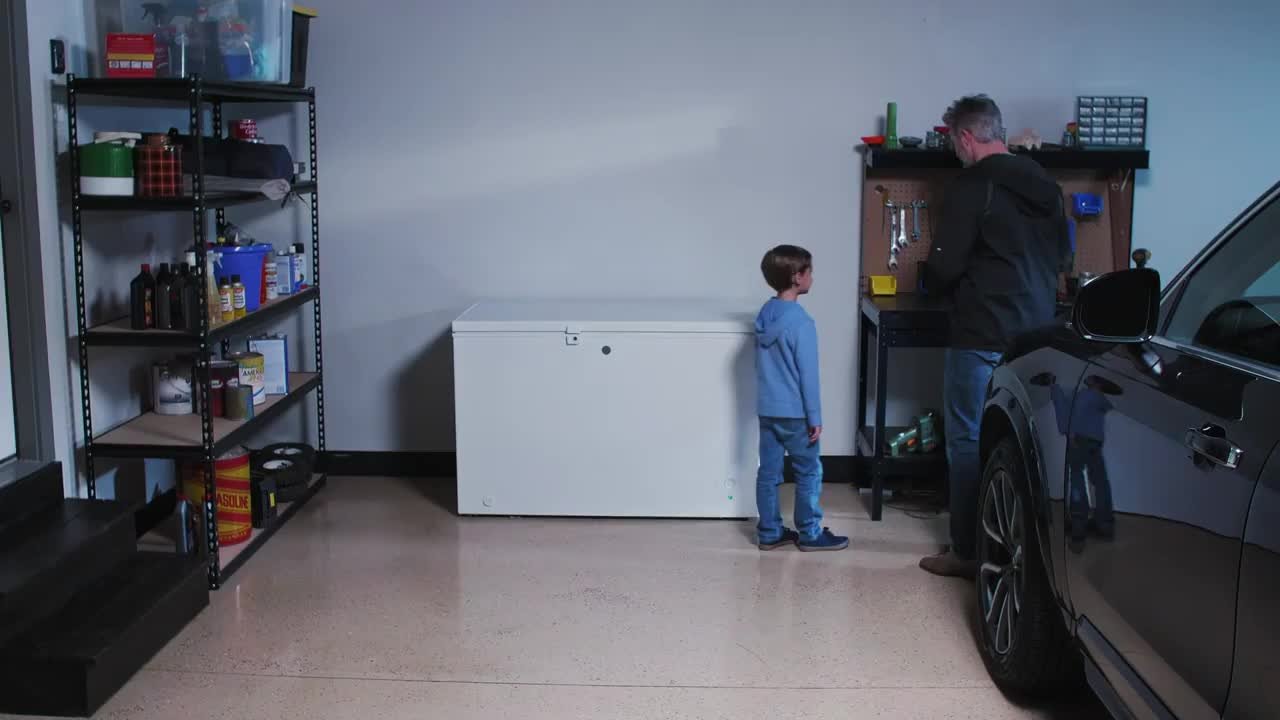
I learned this one the hard way after moving our chest freezer into the garage to free up kitchen space. First cold snap, the ice cream went scoopable and the frozen bread felt oddly limp. The freezer looked “fine”, power was on, no error lights. It just would not run like it should.
When a chest freezer is in an unheated garage, the problem is often not a bad compressor or a mystery electrical issue. It is simple physics plus the way many controls sense temperature. If the room is too cold, some freezers do not run enough to stay reliably frozen. If the room is too hot, the compressor can run nonstop and still struggle.
Quick note from experience: not every standalone chest freezer acts up in cold weather. Some do fine in cool garages because they have different controls and more thermal “buffer.” The point is that garage temperature issues are common, but the exact behavior depends heavily on the model.
Quick check: is the garage the culprit?
Before you assume the freezer “died,” do these fast checks.
First: rule out the simple stuff
- Confirm power. Check that the outlet works and any GFCI is not tripped. Garages love GFCIs, and they love to trip.
- Skip extension cords. Voltage drop can cause hard starts and weird behavior. Plug into a proper grounded outlet, ideally on a dedicated circuit.
- Make sure the lid is sealing. Look for something stuck under the lid, and do a quick dollar-bill test around the gasket. If it slips out easily, you may be leaking air.
Then: look for the temperature pattern
- Did the problem start with a weather swing? First deep freeze of winter or first heat wave of summer is a big clue.
- Is the freezer in a detached garage, shed, or breezeway? Those spaces swing harder than an attached garage.
- Does it seem to work again when the garage warms up or cools down? Another strong sign you are dealing with ambient temperature limits.
- Is it a combo unit (fridge and freezer in one cabinet)? Those are the most likely to stop freezing in cold conditions because the thermostat is usually in the fridge section.
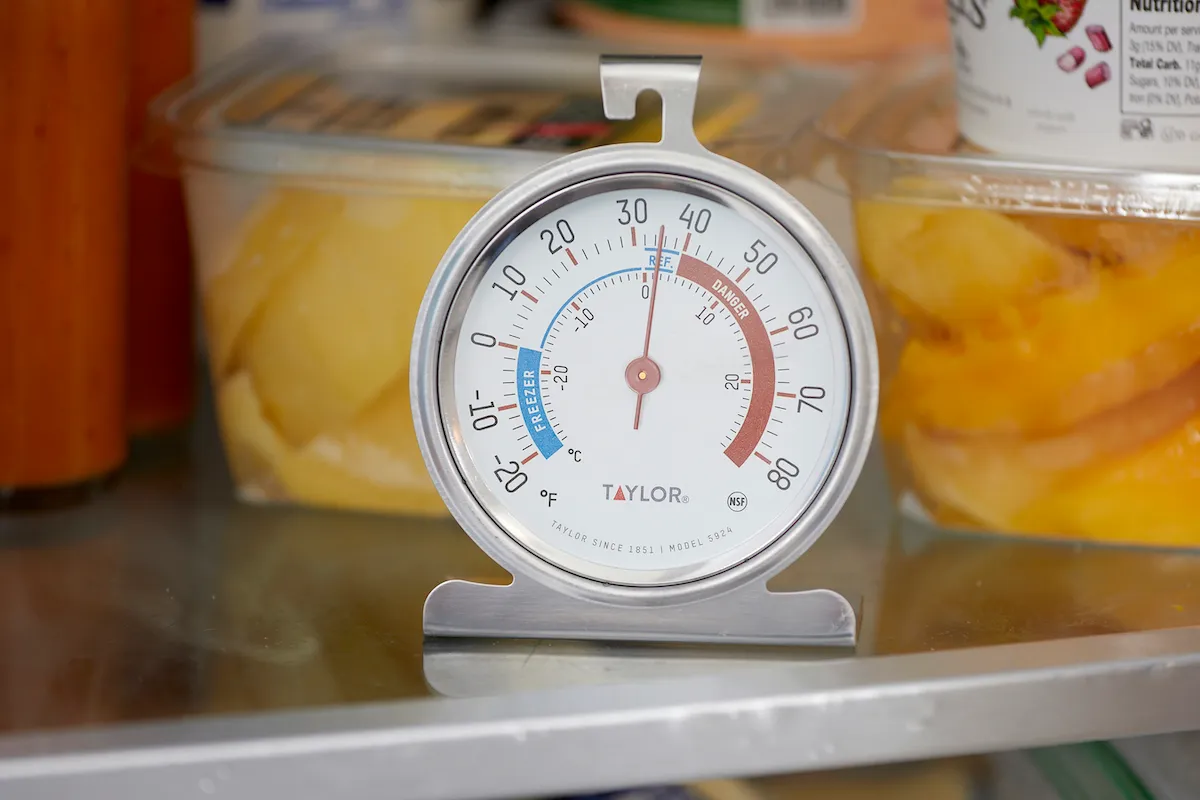
If you want to be methodical, put a cheap indoor thermometer in the garage for a day and a freezer thermometer inside the freezer. When you can see both numbers, the story usually tells itself.
What “not freezing” really means
A lot of people say “not freezing” when they really mean “ice cream is soft.” That is a useful symptom, but it helps to put numbers on it.
- Target temperature: 0°F or colder (minus 18°C) is the common benchmark for proper frozen storage.
- Watch the trend: a brief bump after opening the lid is normal. A slow climb that tracks the weather is a garage clue.
Ambient limits in plain English
Every freezer is designed to run in a certain room temperature range. Manufacturers may list this in the manual or on a spec sheet using “climate classes” or a straightforward ambient range.
As a general reference point, many standard units are often rated somewhere around the mid-50s°F up into the 90s°F or low 100s°F, but there is no universal number. Check your model to be sure.
In normal indoor conditions, the freezer cycles on and off based on what the control senses. In a garage, the control can be fooled in winter, and the compressor can be overwhelmed in summer.
When the garage is too cold
This is the classic “unheated garage not freezing” complaint. In very cold ambient conditions, a freezer may run less because the control sensor area stays cold. If the unit does not run enough, the temperature inside can slowly drift upward over time due to normal heat gain (through insulation, lid openings, and the contents settling), even though the garage itself feels cold.
This is especially common on refrigerator-freezer combo units, but certain standalone designs can do it too depending on sensor placement and control logic.
Two common winter symptoms:
- The compressor barely runs. You might hear nothing for hours or days.
- Food quality changes first. Ice cream gets soft, frozen bread gets bendy, and things that should be rock-hard just are not.
When the garage is too hot
Extreme heat creates the opposite problem. The freezer is fighting hot air around the cabinet, plus any extra heat trapped in a tight corner. The compressor and condenser system have to dump heat into already hot air, which is like trying to cool yourself off while standing in a sauna.
Hot-weather symptoms usually look like this:
- Compressor runs a lot, sometimes nearly nonstop.
- Temperature slowly creeps up. Ice cream goes soft first, then meat starts to thaw at the edges.
- Cabinet sides feel very warm. Warm is normal. Too hot to comfortably keep your hand on is a red flag.
Important: A freezer can be “working” and still not freezing well if it is outside its rated ambient range. It is not necessarily a failed part. It is often a mismatch between appliance design and environment.
Why a cold garage can stop a freezer
Most people assume colder is always better for a freezer. In real life, the control system needs to sense warmth before it kicks the compressor on.
Here is the simple version:
- The control sensor measures temperature at a specific spot (or along a capillary tube, depending on the design).
- When that spot is cold enough, the freezer “thinks” it is done and shuts off.
- If the freezer does not run, it is not actively pulling heat out of the contents. Over time, internal temps can drift up, especially with lid openings or a marginal seal.
Sensor location matters
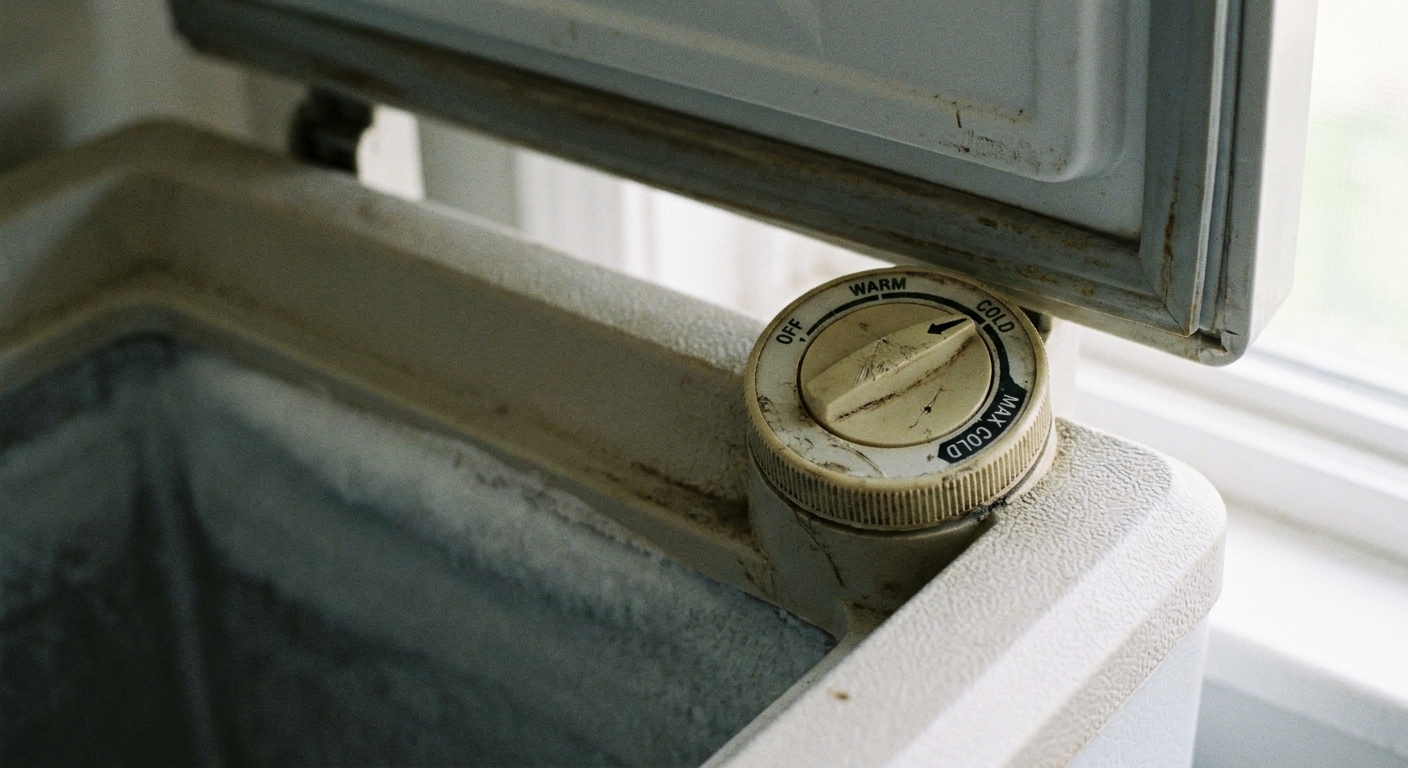
On many chest freezers, the control and sensing area is often up near the rim or in the control housing. That area can be influenced by garage air temperature when the unit is not actively running. Designs vary, but the general idea is the same: where the freezer “reads” temperature matters.
On a refrigerator-freezer combo unit in a garage, it is often worse. The thermostat is commonly in the refrigerator compartment. In a cold garage, the fridge section stays cold, so the system does not run. And because the freezer section relies on that same run cycle, the freezer warms up.
Garage freezer kits: when they help
A “garage freezer kit” is a real thing, but it is also widely misunderstood. In most cases, a kit is designed to solve cold-weather shutdown behavior by warming the control sensing area or influencing the control so the unit runs when the garage is cold.
Good candidates
- Refrigerator-freezer combo units stored in a garage that stop freezing in winter.
- Some older designs where the thermostat is easily affected by ambient garage air.
Not-so-good candidates
- Many modern chest freezers do not offer an approved kit, and some designs do not respond well to add-on heaters.
- Summer heat problems. A garage kit is not an air conditioner for your freezer. If the garage is 100°F plus, the fix is usually ventilation, relocation, or a unit rated for higher ambient conditions.
My rule as a thrifty DIYer
If your manufacturer sells an approved garage kit for your exact model, that is the safest route. If they do not, be careful with generic add-ons. Installation choices can affect warranty coverage, and anything that adds heat near controls or wiring can create a new problem.
Also worth knowing: Some brands market “garage ready” freezers. That label generally means the manufacturer designed and tested the unit to operate across a wider ambient range than a standard indoor-only model.
Are you outside the rated range?
If you can find your model’s ambient operating range, you can make a clean decision instead of guessing.
Where to look
- Owner’s manual under specifications, installation location, or climate class.
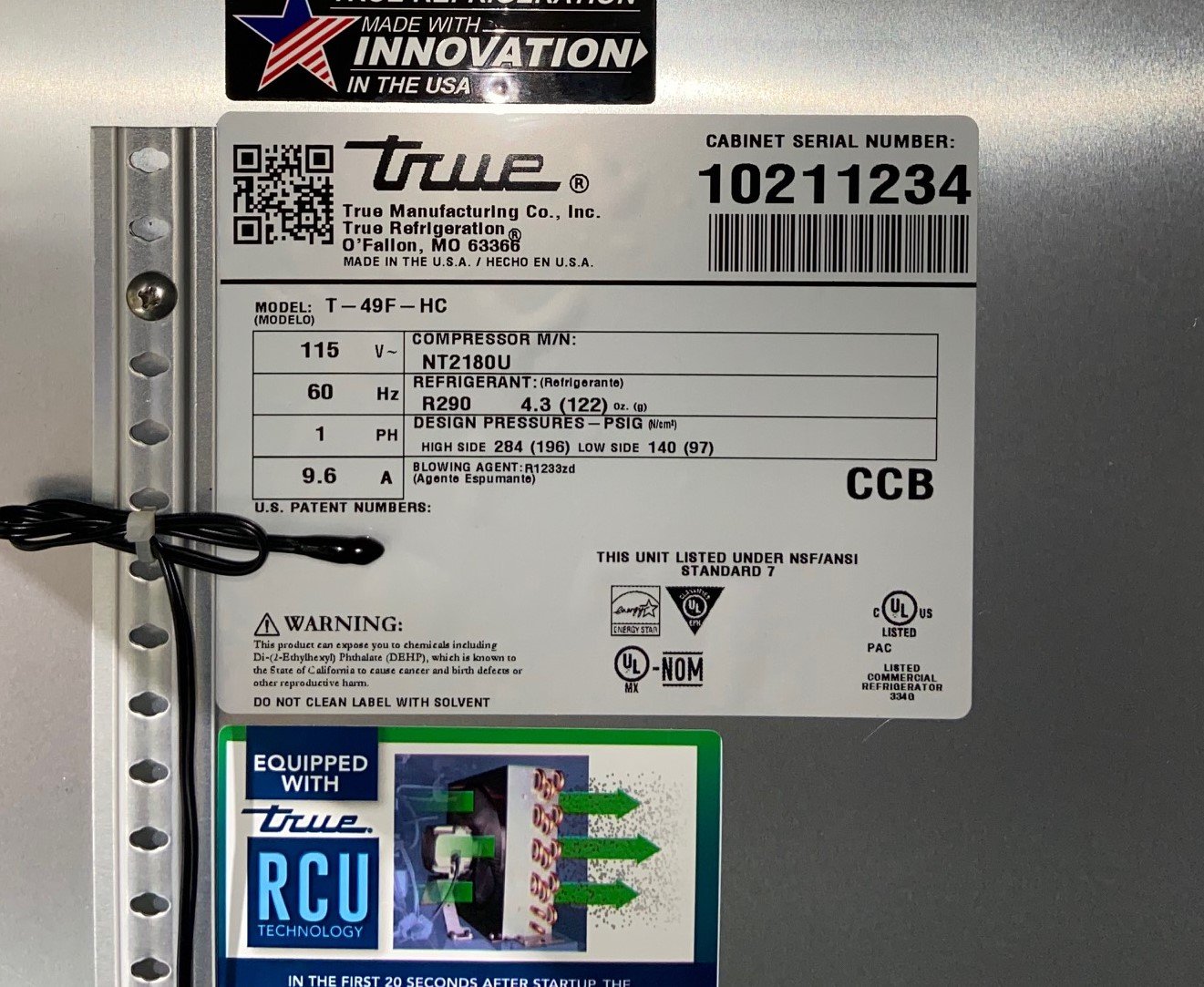
- Model sticker inside the lid area or on the back. Use the model number to search the manufacturer’s spec page.
- Customer support if documentation is thin. Ask for “minimum and maximum ambient operating temperature.”
Signs the environment is the issue
- Freezer works normally indoors but fails in the garage.
- Freezer works in spring and fall but struggles in the coldest and hottest weeks.
- Temperature inside the freezer changes slowly and predictably with weather, not suddenly like a part failure.
Fixes for cold garages
Assuming power is solid, the seal is decent, and the unit is otherwise healthy, these are the most reliable cold-garage moves that do not involve messing with sealed refrigeration parts.
1) Move it to a stable location
I know this is not what anyone wants to hear, but it is the most effective solution. A basement, utility room, or insulated portion of the house keeps ambient temperature in the range the freezer was designed for.
2) Create a microclimate corner
If relocation is not possible, focus on reducing temperature swings around the cabinet:
- Keep it away from the garage door and exterior walls if possible.
- Avoid placing it directly in the path of cold drafts.
- Do not bury it in clutter. It still needs airflow around the cabinet.
3) Consider a garage kit only if it is approved
If your exact model supports it, a garage kit can be a reasonable middle-ground fix for winter shutdown behavior. Follow the manufacturer instructions closely.
4) Use temperature monitoring (removes the guesswork)
A small freezer thermometer inside the freezer takes the emotion out of the situation. If you are storing meat, I also like alarms that beep when temps rise above your chosen threshold.
Fixes for extreme summer heat
Heat is brutal on freezers because the compressor has to reject heat to the surrounding air. When that air is hot, the system loses efficiency and run time spikes.
1) Improve airflow around the freezer
- Leave space around the freezer on all sides per your manual. If you cannot find it, do not jam it tight to the wall.
- Keep the area around it clear so hot air does not get trapped.
2) Reduce radiant heat
Do not park it next to a south-facing metal garage door, a water heater flue, or a sun-baked exterior wall if you can avoid it. Moving it a few feet can matter.
3) Control the garage temperature where it counts
- Simple insulation upgrades and weatherstripping can take the edge off temperature peaks.
- A small fan moving air in the garage can reduce hot pockets, especially in tight corners.
4) Consider a garage-ready unit
If your garage regularly hits temperatures your current freezer cannot handle, the long-term fix is a “garage ready” model. Otherwise you may burn extra electricity and shorten compressor life chasing a losing battle.
What this article is not
This page is specifically about garage temperature problems. If your freezer is in a normal indoor room and not freezing, or if you suspect a mechanical failure, you will want a more general freezer troubleshooting guide that covers things like dirty coils, failed fans, bad door seals, and defrost system issues.
In a garage scenario, start with ambient temperature first. It is the quickest thing to confirm and the easiest thing to rule in or out.
Safety and food notes
- If food has thawed, be cautious. Time and temperature matter. In general, food that stayed at or below 40°F can be refrozen safely, but quality may suffer. If you suspect it was above 40°F for long, follow USDA food safety guidance and do not gamble.
- Avoid extension cords. Freezers pull significant current at startup. Plug into a proper grounded outlet on a dedicated circuit when possible.
- Do not modify wiring unless you are qualified. Adding heaters or bypassing controls can create a shock or fire hazard.
FAQ
Why does my freezer work in the house but not in the garage?
Because garage temperature swings can push the freezer outside its intended ambient range. In winter, it may not run enough. In summer, it may run constantly and still struggle.
What is the minimum temperature a chest freezer can be in?
It depends on the model. Some operate fine in cooler spaces, while others need the room to stay above a certain minimum. The right answer is the ambient range listed for your model, not a universal number.
Will a garage freezer kit fix a chest freezer that is too warm in summer?
Usually no. A garage kit is typically meant to address cold-weather control issues, especially on fridge-freezer combos. For summer overheating, focus on airflow, placement, and lowering the garage temperature or upgrading to a garage-rated unit.
My garage is cold. Why is my freezer not freezing harder?
A freezer does not “get cold” just because the room is cold. It needs compressor run time to actively remove heat from the contents. If the control sensor stays satisfied due to cold ambient air, the compressor may barely run, and internal temps can drift up over time, especially with lid openings or a weak seal.
The 30-Second Cheat Sheet
Essential takeaways for: Chest Freezer in an Unheated Garage Not Freezing?
- If your chest freezer is in an unheated garage and won’t freeze, check the garage temperature first. Many units are designed for a specific ambient range, and behavior varies a lot by model and control design.
- Cold garage symptom: compressor rarely runs, then temps drift up over time (often most noticeable with ice cream). This is most common on fridge-freezer combo units, but some standalone freezers can do it too depending on how the control senses temperature.
- Hot garage symptom: compressor runs constantly but can’t hold temp. The system cannot dump heat effectively into already hot air, especially with poor airflow.
- Thermostat and sensor location matters. Controls are often near the rim area on chest freezers and in the fridge compartment on combo units, making them vulnerable to ambient air.
- Garage freezer kits: only use a kit approved for your exact model. Kits typically help winter shutdown behavior, not summer heat overload, and may affect warranty if you improvise.
- Best fixes: confirm temps with a freezer thermometer, improve placement and airflow, and move the unit indoors if garage temps are outside the rated range.
- If your garage regularly exceeds your unit’s ambient range: the real solution is a “garage ready” freezer or conditioning the space.
💡 Tip: Scroll up to read the full article for detailed, step-by-step instructions.
⬆️ Back to top
About Marcus Vance
Content Creator @ Grit & Home
Marcus Vance is a lifelong DIY enthusiast and self-taught home renovator who has spent the last decade transforming a dilapidated 1970s ranch into his family's dream home. He specializes in budget-friendly carpentry, room-by-room renovations, and demystifying power tools for beginners. Through his writing, Marcus shares practical tutorials and hard-learned lessons to help homeowners tackle their own projects with confidence.