
🚨 In a DIY emergency or rush?
Skip the details and jump straight to our 30-second cheat sheet for the most crucial info.
If your house has started making glug-glug noises, toilets that used to flush fine now hesitate, and more than one fixture is acting up at the same time, your problem might not be in the drain line at all. It might be up on the roof.
Your plumbing system needs air to work. The job of a plumbing vent (often a vent stack that terminates through the roof) is to let air in and sewer gases out so water can flow smoothly through your drains. Some homes also use air admittance valves in specific spots, but most systems still rely on at least one roof-terminating vent. When that vent gets clogged, your drains can start fighting for air and they will tell you about it with gurgles, slow flushes, and trap water levels that rise or fall unexpectedly.
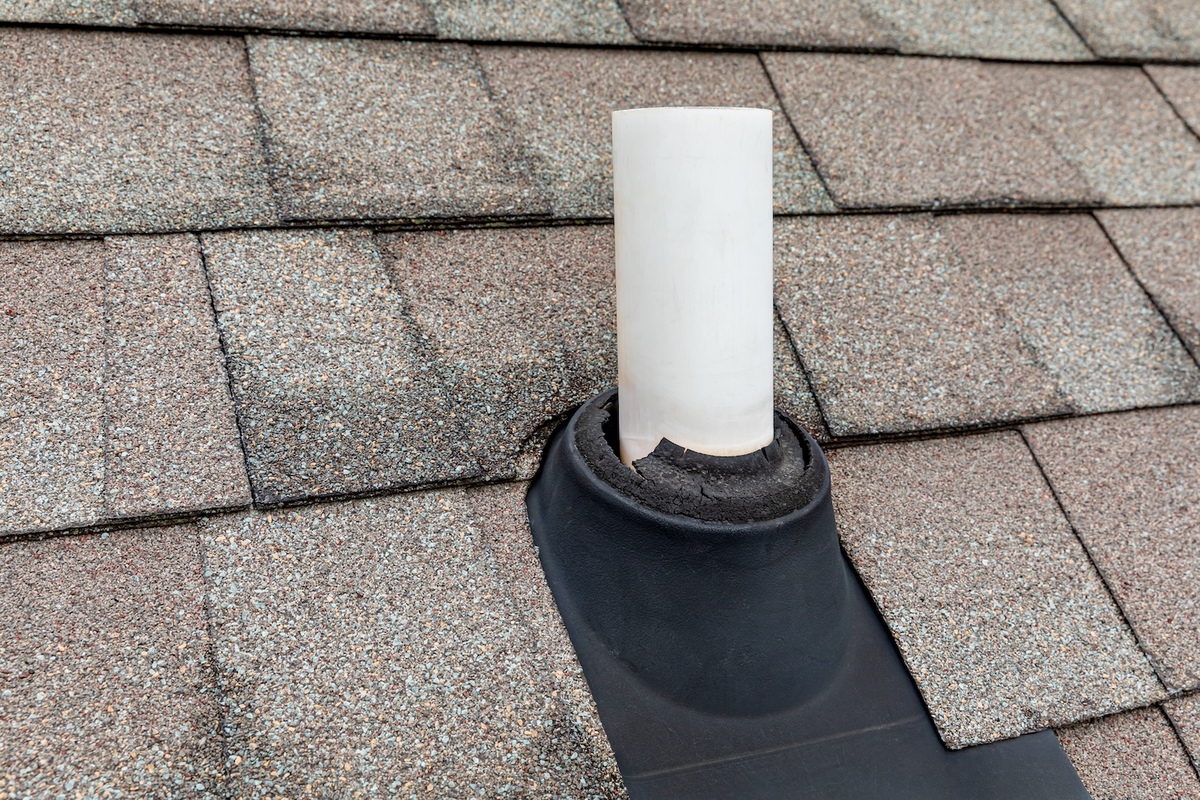
Quick diagnosis
Here are the symptoms that most often point to a clogged roof vent instead of a simple clog in one sink or one toilet. Keep in mind there can be overlap. A partial drain clog and a venting issue can coexist, which is why the overall pattern matters.
1) Multiple fixtures gurgle
A single slow sink is usually a local clog. A vent issue tends to show up across the system, especially on the same floor or in bathrooms that share a wall.
- Sink gurgles when the toilet flushes
- Toilet bubbles when the shower drains
- Tub drains slow and the nearby sink makes noise
2) Toilet flush is weak
A vent that cannot breathe can make it hard for the toilet to pull a clean, fast siphon. You might notice:
- A lazy flush that needs a second try
- Water that swirls longer than usual
- Occasional burps or bubbles in the bowl
3) Trap water levels change
This is a big clue. When the system cannot get air from the roof, it may try to get air by pulling it through nearby traps. That can cause:
- Toilet bowl water level that sits lower than normal
- Gurgling in a sink followed by a slightly lower water line in the P-trap
- Occasional sewer smell if a trap gets pulled low enough
Note: A dry drain can also cause sewer smell and gurgling. And persistent odor can also come from things like a bad wax ring, a cracked vent pipe, or a loose cleanout cap. The key difference here is the multi-fixture pattern and the “it happens when another fixture runs” behavior.
4) Worse after storms
Vents can get blocked by storm debris. After a windy rain, the vent opening can be packed with:
- Leaves and pine needles
- Small twigs
- Roof grit and shingle granules
- Even a stray tennis ball from a neighborhood roof toss
5) Winter makes it show up
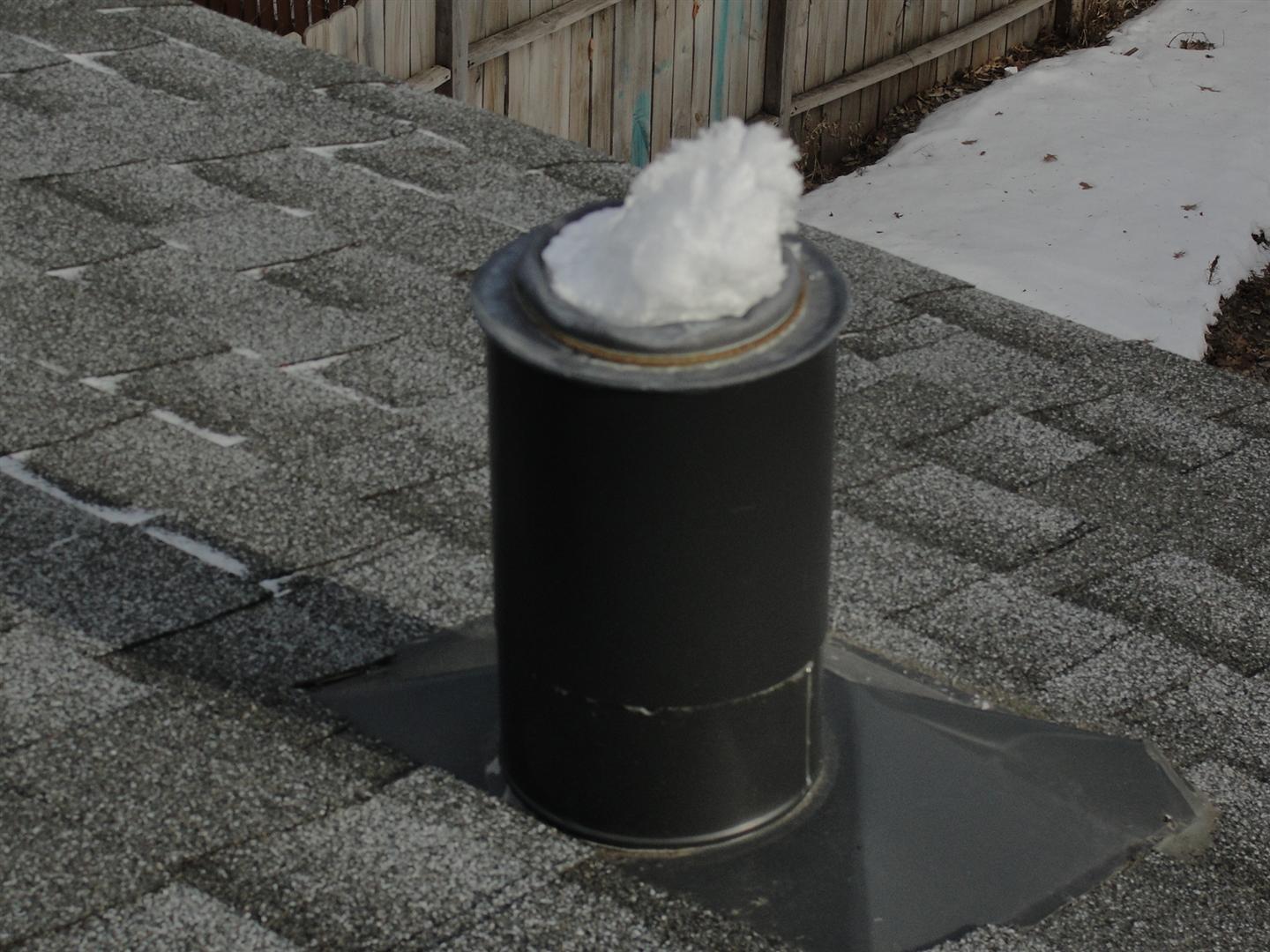
In cold climates, a vent can partially ice over. Warm, moist air from the plumbing system rises and can freeze at the top of the pipe, building an ice cap or frost closure that slowly chokes the opening.
Why this happens
I like to explain venting like this: your drains are trying to pour water out of a bottle. If you do not let air into the bottle, the water glugs and slows down. Plumbing vents are the air path that prevents that glugging.
When the vent is blocked, draining water creates negative pressure. The system tries to equalize that pressure by pulling air from the nearest available spot, which is often through a trap. That is why you hear gurgling and why water levels can shift.
A vent restriction can also contribute to positive pressure in some scenarios, which can push bubbles up through a toilet or sink as the system fights to breathe.
Common causes
- Leaves and roof debris: Most common after storms and in fall.
- Bird nests and small animals: Vents look like safe little chimneys to wildlife.
- Ice cap or frost closure: Common on long cold snaps, especially with smaller diameter vents.
- Construction debris: Shingle granules, sawdust, or even a dropped rag during roof work.
- Improper cap or screen: Some add-on screens clog easily with debris and may increase frost closure risk in winter.
Check indoors first
I am all for DIY, but roof work is where I get very picky about safety. Before you even think about a ladder, you can narrow this down indoors.
Find the trigger fixture
Pick one bathroom. Run the sink and listen at the tub and toilet. Then flush the toilet and listen at the sink. If noises bounce between fixtures, that points away from a single clog.
Look for the house pattern
- One fixture slow: likely local clog
- Whole bathroom slow: possible branch line issue or vent issue
- Multiple bathrooms affected: vent issue or main sewer line issue
Rule out simple stuff
- Remove and clean hair and soap scum from a tub or shower strainer
- Make sure sink stoppers are not packed with sludge
- Confirm the toilet water supply valve is fully open
If those quick checks do nothing and the gurgling remains system-wide, a roof-terminating vent becomes a prime suspect.
Tools you may need
- Flashlight
- Work gloves
- Eye protection
- Garden hose with a spray nozzle you can keep on low flow
- Plastic hand tongs or a small grabber for debris
- Hand auger or drill-driven snake (only if you know how to use it gently)
Roof access rules
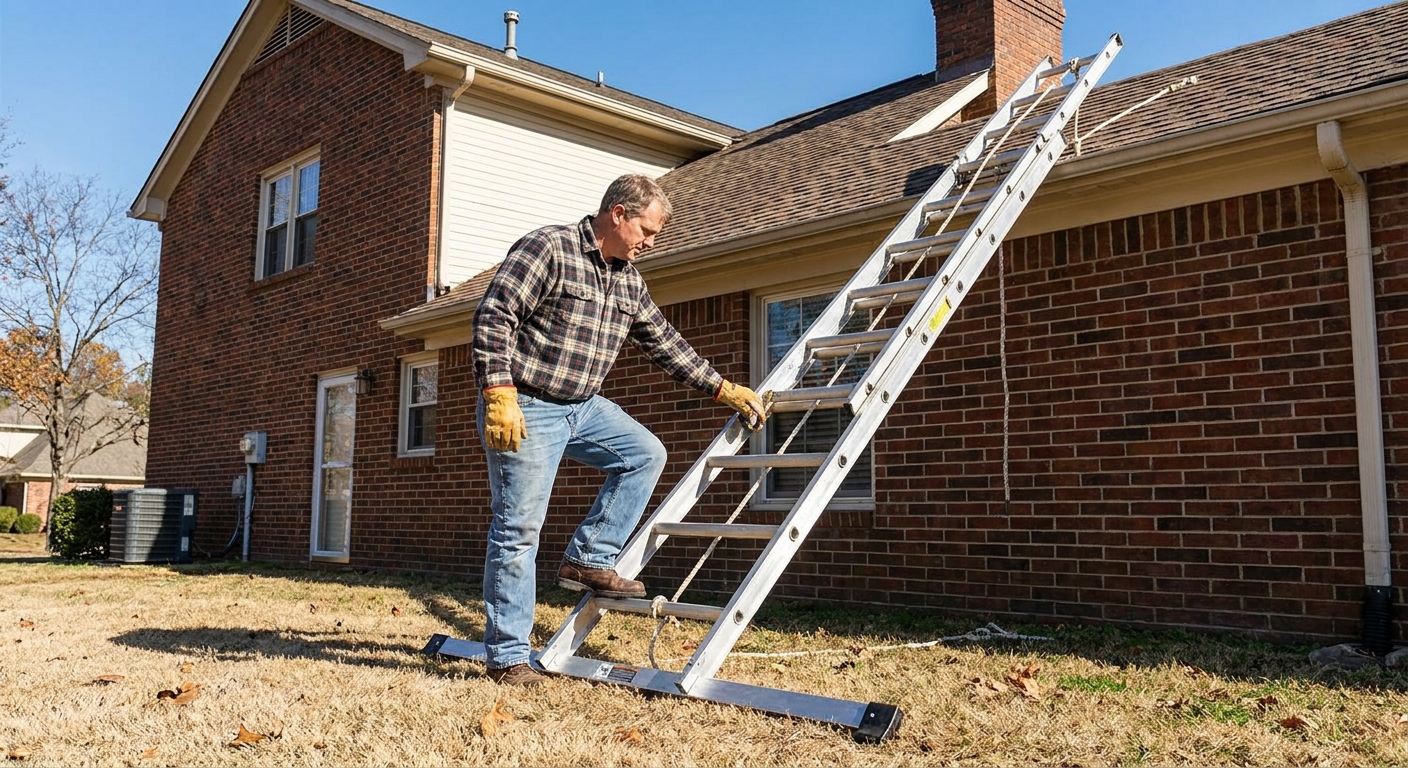
This is the part where I put on my neighbor voice and say: if you do not feel 100 percent stable on a ladder, stop here and call a plumber or a roofing pro. No clogged vent is worth a fall.
- Choose the right day: Dry roof, no wind, good daylight.
- Use a proper ladder: Set it on level ground and extend it at least 3 feet above the roof edge.
- Have a spotter: Someone who can steady the ladder and call for help if needed.
- Wear traction: Clean shoes or boots with good grip.
- Avoid steep roofs: If your pitch feels sketchy, it is a pro job.
- Do not go up alone: Especially if you are doing anything involving water or tools.
Clear a clogged roof vent
If you can safely access the vent opening, here is a practical, low-drama approach.
Step 1: Look at the opening
- Look for leaves, a nest, or obvious debris right at the top.
- Use a flashlight and look down the pipe a short distance.
- If you see moisture or standing water that does not drain, that can be a sign of a blockage lower down.
Tip from my own mistakes: Do not jam a stick down there. It is easy to compact a soft clog and make it harder to remove.
Step 2: Pull loose debris
Pull out what you can reach. If it is a nest, remove it completely and check again for airflow.
Step 3: Rinse with a hose (low flow)
This step is for light obstructions and “crust” near the top. Keep it gentle.
- Use low flow, not full blast.
- Have a helper inside the house monitor the bathrooms while you run water into the vent. They should watch and listen for any unexpected backup or rising water levels.
- If water backs up in the vent, stop. Do not keep feeding water.
One caution: if the blockage is deeper, a strong stream can push debris farther down and make your day worse. Slow and steady wins here.
Step 4: Snake only if you are comfortable
A hand auger or a drill-driven snake can work, but this is where DIY can turn into expensive damage if you get aggressive.
- Feed the snake slowly and do not force it.
- If you hit a hard stop that will not budge, do not keep cranking.
- Pull the snake out and rinse it before another pass.
If you are not comfortable with a snake, stop and call a plumber. They can run the vent properly and confirm you are not actually dealing with a drain or main line issue.
Step 5: Re-test inside
After clearing the vent, flush toilets and run the tub and sinks again. In many cases, you will notice a difference right away.
What not to do
- Do not climb on a wet or icy roof.
- Do not chip ice with tools. PVC can crack in cold and you can damage the flashing.
- Do not pour harsh drain chemicals down a vent. They can splash back and they do not solve most vent obstructions.
- Do not use a pressure washer or high-pressure jetting from the roof.
- Do not keep running water if you see sewage backing up anywhere.
Vent clog or sewer line issue?
Vent clogs cause air problems. Sewer line issues cause waste and water to have nowhere to go. Here is when to shift your suspicion.
Red flag 1: Lowest drain backs up
If a basement floor drain, shower, or first-floor tub backs up when you flush upstairs, that can indicate a main line issue.
Red flag 2: Water comes up
Gurgling and slow draining fit venting problems. Actual backup or overflow, especially with dirty water, points to a drainage obstruction and is a “call now” situation.
When in doubt: If you see sewage, stop using water and call a pro.
Winter notes
If your symptoms show up only during deep cold and then vanish on warmer days, an ice cap or frost closure is a strong possibility.
- First safety: An icy roof is a no-go. If conditions are slippery, call a pro.
- Do not chip: It is easy to crack PVC in cold weather.
- Warm water can help: A small amount of warm (not boiling) water poured carefully can open the top, but only if you can do it safely.
- Long-term fix: Repeated freezing is often solved with code-compliant changes, like increasing the vent size near the roof, adjusting routing, or addressing attic heat loss and insulation issues that contribute to frost buildup.
Caps and screens
I get asked this a lot. A cap or screen can keep critters out, but it can also catch debris and may increase frost closure risk in cold climates depending on the design.
- Good idea: If you have repeated bird nest issues and mild winters.
- Use caution: If you are in a freeze-prone area or surrounded by heavy leaf drop.
- Best practice: Use code-approved products intended for plumbing vents, and consider models designed for snow or frost regions if that applies where you live.
When to call a plumber
Call a pro if:
- You cannot safely access the roof
- The vent appears clear at the top but symptoms persist
- You have any sewage backup
- You have repeated clogs, which can signal an undersized vent, poor vent routing, or a bigger drainage issue
A good plumber can confirm the diagnosis quickly and save you from guessing your way into a bigger mess.
My simple takeaway
If one drain is slow, start local. If multiple fixtures gurgle and toilets flush weak, especially after storms or in freezing weather, look up. A clogged roof-terminating vent is one of those hidden problems that makes the whole house feel “off,” and once it is cleared, everything tends to calm down fast.
The 30-Second Cheat Sheet
Essential takeaways for: Clogged Roof Vent Symptoms: Gurgling Drains and Slow Flushes
Most telling signs of a clogged roof vent
- Multiple fixtures gurgle (sink gurgles when toilet flushes, tub gurgles when sink drains).
- Slow or weak toilet flush , often with bubbling in the bowl.
- Trap water levels change (toilet bowl level lower than normal, occasional sewer smell).
- Worse after heavy rain or wind (debris gets pushed into the vent).
- Shows up in deep winter (ice or frost restricting the vent opening).
Fast checks
- If only one drain is slow, suspect a local clog, not the vent.
- If several drains act up together, suspect venting or a branch or main line issue.
- If the lowest drain in the house backs up, suspect a main sewer line problem and stop using water.
DIY if it is safe
- Inspect the vent top for leaves, nests, debris.
- Remove what you can reach (gloves and eye protection).
- Rinse with a garden hose on low flow. Have someone inside watch fixtures. Stop if anything backs up.
- Use a plumbing snake only if you are comfortable. Do not force it.
Do not do this
- Do not climb on a wet, icy, or steep roof.
- Do not chip ice with tools (PVC can crack in cold).
- Do not run high pressure water down the vent.
- Do not keep running water if you see sewage backing up.
When to call a pro
- You cannot safely access the roof.
- The vent looks clear but gurgling and slow flushing continue.
- You have any sewage backup or repeated system-wide symptoms.
💡 Tip: Scroll up to read the full article for detailed, step-by-step instructions.
⬆️ Back to top
About Marcus Vance
Content Creator @ Grit & Home
Marcus Vance is a lifelong DIY enthusiast and self-taught home renovator who has spent the last decade transforming a dilapidated 1970s ranch into his family's dream home. He specializes in budget-friendly carpentry, room-by-room renovations, and demystifying power tools for beginners. Through his writing, Marcus shares practical tutorials and hard-learned lessons to help homeowners tackle their own projects with confidence.