
🚨 In a DIY emergency or rush?
Skip the details and jump straight to our 30-second cheat sheet for the most crucial info.
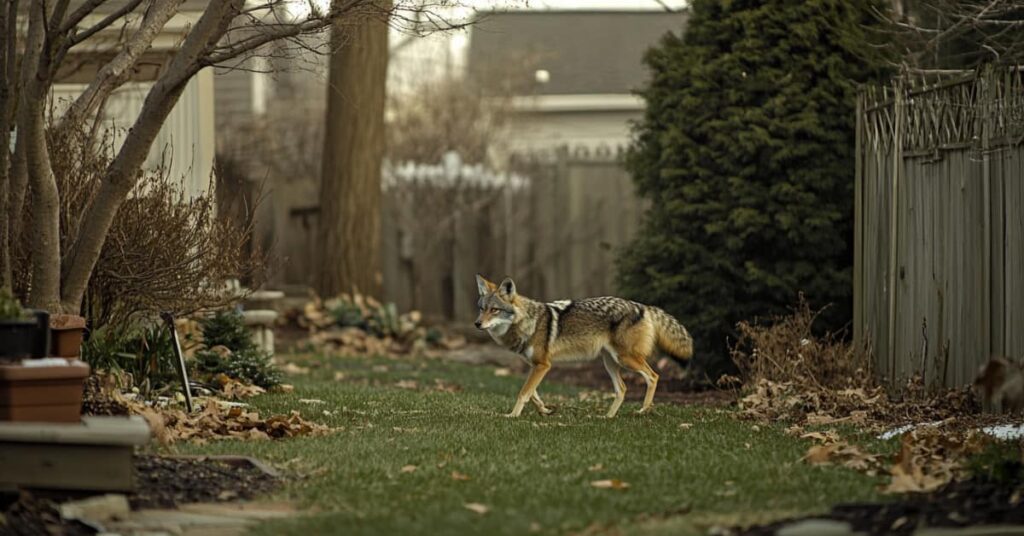
If you have spotted a coyote trotting along your fence line, cutting through the greenbelt, or pausing in the streetlight glow like it owns the place, you are not alone. Suburban coyote sightings have become common in many parts of North America. The good news is this: most coyotes want to avoid people, and most yard visits can often be reduced or stopped with a few practical changes.
My goal here is to keep you calm and give you a plan. We will cover what coyotes are doing in suburban neighborhoods, how to keep pets and small kids safe, what deterrents actually work, where fencing helps, and when it is time to involve local authorities.
Why coyotes show up in suburbs
Coyotes are opportunists. Suburbs can be a buffet and a safe travel corridor all at once, especially where there are creek lines, parks, railroad easements, or open lots.
Common reasons coyotes visit yards
- Easy food: unsecured trash, pet food left outside, fallen fruit, compost with meat scraps, bird seed, or outdoor grills with drippings.
- Prey animals: rabbits, squirrels, rats, mice, and even outdoor cats. If your neighborhood has lots of these, coyotes follow.
- Water sources: pet water bowls, ponds, leaky irrigation, and low spots that hold water.
- Seasonal behavior: timing varies by region, but winter is often breeding season and spring into early summer is denning and pup-rearing. Adults may seem bolder while protecting a den area.
- Habituation: coyotes that are regularly fed, intentionally or accidentally, learn that people and yards are not a threat.
One important point: seeing a coyote in daylight does not automatically mean it is sick. Coyotes can be active day or night, especially during breeding season and when feeding pups.
What normal looks like
Most yard sightings are a coyote passing through. A healthy, wary animal usually keeps moving and increases distance when it notices you.
Typical, low-concern behaviors
- Trotting through the yard without stopping
- Pausing briefly to look, then moving on
- Hunting rodents along a fence line or drainage area
Behaviors to take seriously
- Approaching you or following you
- Loitering in the yard repeatedly
- Acting bold around people on sidewalks or near playgrounds
- Checking porches or open garages where pets or food smells are present
- Unusual symptoms like stumbling, disorientation, excessive drooling, or signs of illness such as severe mange
If you are seeing the same coyote repeatedly at close range, treat it as a “problem behavior” situation. You do not have to wait for something bad to happen before you respond.
Kid safety
I have kids, and I get the gut-level worry. The practical reality is that serious incidents involving people are rare, but your safety plan should still be boring and consistent.
Backyard rules for small children
- Supervise outside play if coyotes have been seen nearby, especially at dawn and dusk.
- Do not let kids run toward a coyote or try to scare it alone.
- Make “come to the door” a habit when you call them. You want reliable recall before you need it.
- Lift small children if a coyote is within sight and too close for comfort.
If a coyote is in your yard and your child is outside, the move is: get the child inside first, then haze the coyote from a safe position.

Pet safety
In most neighborhoods, pets are the most common conflict point. Coyotes are drawn to small animals and to pet-related food sources.
Do this starting today
- Keep cats indoors. Outdoor cats are at real risk, and they also attract coyotes into the yard.
- Walk dogs on a short leash in known coyote areas. Avoid long retractable leashes at dawn and dusk.
- Do not leave dogs unattended in the yard, even in a fenced yard, if coyotes are active in the area.
- Feed pets indoors. Pick up bowls immediately if you must feed outside.
- Remove attractants like spilled bird seed and fallen fruit.
What not to do
- Do not let dogs chase coyotes. It can trigger a defensive response and it teaches risky habits.
- Avoid known den areas and don’t linger if a coyote is escorting you away. That is a territorial warning.
- Skip off-leash routines at dawn and dusk in areas with frequent sightings, especially in denning season.
If you see a coyote while walking your dog
- Stay calm and do not run.
- Pick up small dogs if you can do so safely.
- Put your body between the coyote and your dog.
- Back away slowly while being loud and assertive.
One nuance: during breeding season, coyotes may treat a dog as a territorial threat. Keeping your dog close and moving away steadily reduces the chance of escalation.
Hazing
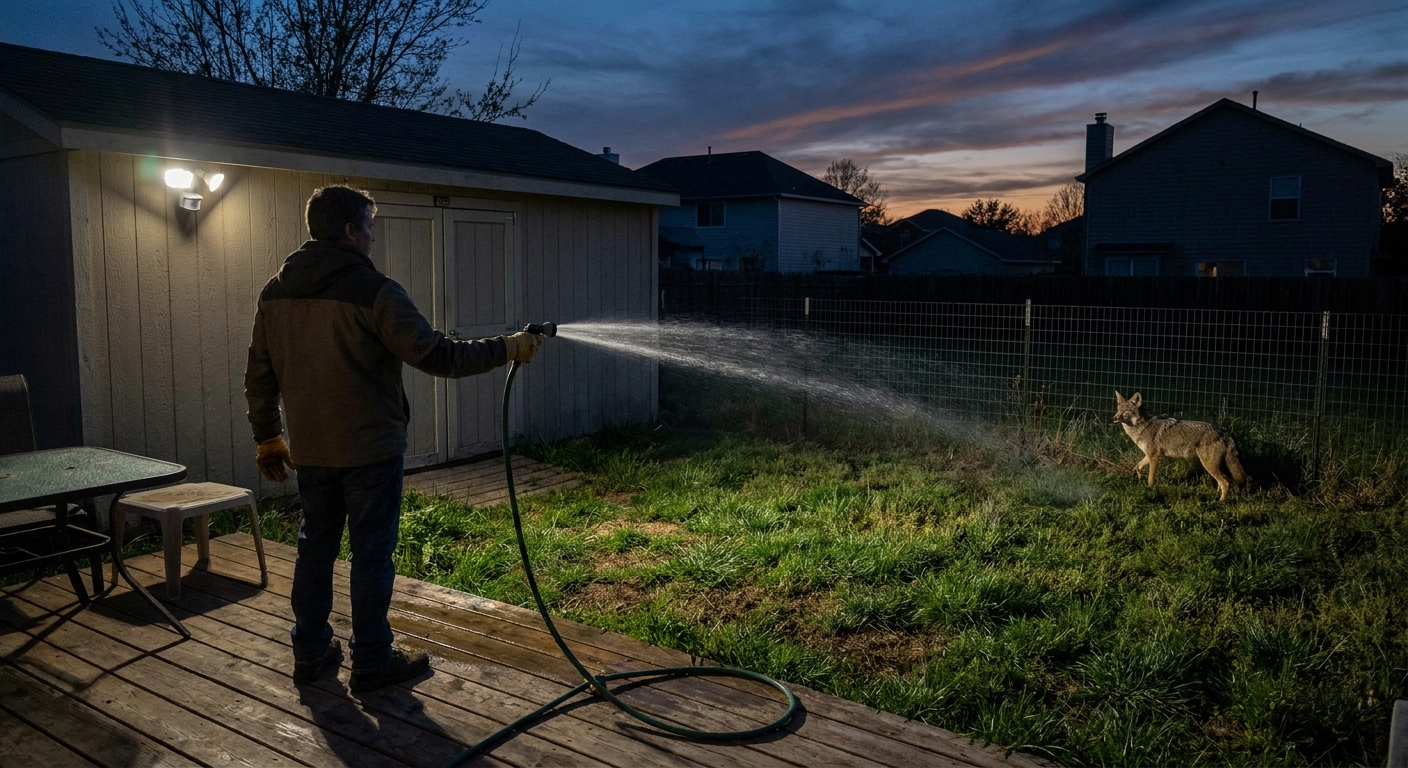
Hazing is simply teaching coyotes that people mean trouble and that your yard is an uncomfortable place to hang out. It is most effective when the coyote is not already highly habituated and when neighbors do it consistently.
Effective hazing techniques
- Be big and loud: clap, shout, wave your arms, stomp.
- Use tools: bang two pot lids, use an air horn, or shake a can with coins.
- Use a hose: a strong spray is often very effective if you have a safe angle.
- Projectiles, only where allowed: some local agencies discourage throwing objects or it may violate local rules. If your area permits it and it is safe, you can toss a tennis ball toward the ground near the coyote to startle it and push it away. Do not try to hit the animal.
What to avoid
- Do not feed coyotes. Not even once, and not “to keep them away from pets.” Feeding is the fastest path to bold behavior.
- Do not corner or chase into tight spaces. Give the animal an exit route.
- Do not rely on ultrasonic devices as your only solution. Results are mixed and coyotes can habituate.
My personal rule is simple: if a coyote is in my yard, I want it to leave promptly each time. If it learns it can loiter, it will.
Secure trash and food
If you do one category of work, make it this one. Coyotes may be hunting rabbits, but garbage and outdoor food are what keep them coming back and turning your yard into part of their route.
Trash and recycling
- Use tight-lid bins and replace cracked lids.
- Put trash out the morning of pickup, not the night before, if possible.
- Rinse food containers and bag strong-smelling waste.
- Keep bins in a garage or shed if you have repeat visits.
Compost
- Do not compost meat, fish, grease, or dairy in an open pile.
- Use a latching compost tumbler or enclosed bin if you want to compost kitchen scraps in coyote areas.
- Bury fresh scraps deep in the pile if you are using a traditional bin, and keep it covered.
Bird feeders and fallen fruit
- Clean up spilled seed because it attracts rodents, which attracts coyotes.
- Pick up fallen apples, pears, or berries regularly.
Think like a coyote for a minute: if dinner is predictable at your house, your house becomes a regular stop.
Fencing
As a DIYer, I wish I could tell you a fence is a silver bullet. It is not. Coyotes can climb, squeeze, and in some cases jump surprisingly well. That said, the right fencing details can reduce visits and buy you time.
Fence limits
- Standard 4 to 6 foot fences are not a guarantee. Some coyotes can clear them or climb them.
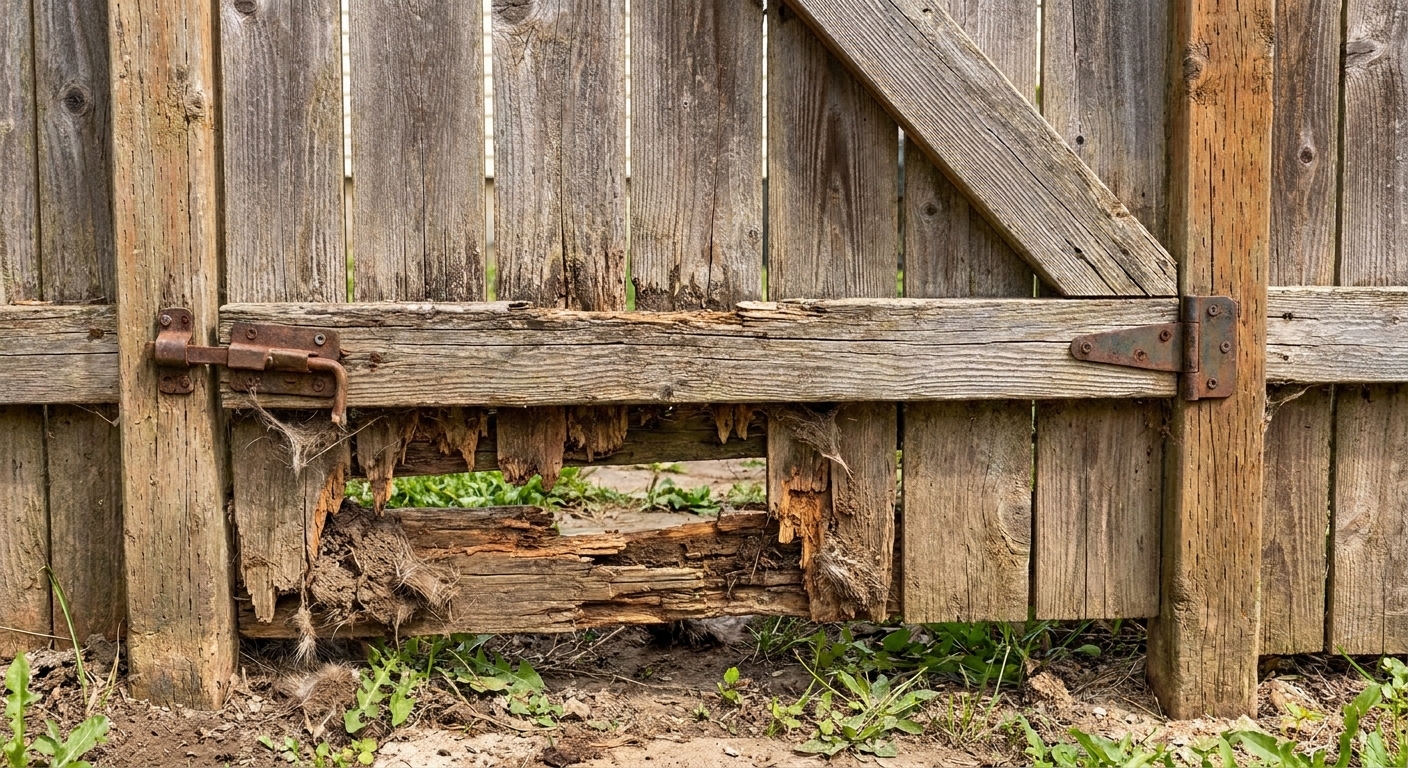
- Gaps under gates are common entry points.
- Loose boards or eroded soil can become an easy squeeze-through path.
Upgrades that help
- Fix gaps: close openings under fences and gates with hardware cloth or a pressure-treated kick board.
- Stop digging: add a ground apron of hardware cloth extending outward along the bottom edge and pinned down, then cover with soil or mulch.
- Add height where allowed: many coyote deterrence designs aim for 6 feet or taller, often paired with a roller or angled extender.
- Consider a coyote roller on top of a fence in high-activity areas, where legal and practical.
If you are building new, prioritize tight clearances and sturdy gates. Gates are where most “secure yards” quietly fail.
Visibility
Coyotes like cover. You do not need to turn your yard into a parking lot, but a few maintenance steps make your space less appealing.
- Trim dense shrubs near play areas and pet runs.
- Keep grass shorter to reduce rodents and make coyotes feel exposed.
- Store lumber and brush piles neatly or off the ground to reduce small-animal nesting.
- Use motion-activated lights in side yards and near trash storage.
Lights and sprinklers are best as “bonus annoyance.” Your long-term win comes from removing food and reinforcing hazing.
If it won’t leave
This is the moment to shift from “deterrence” to “safety protocol.” A coyote that will not leave can be guarding a den, defending food, or it may be habituated and testing boundaries.
What to do in the moment
- Bring kids and pets inside immediately.
- Do not turn your back. Face the coyote.
- Make noise and haze from a safe distance.
- Get behind a barrier like a fence, car, or closed door if the animal is close.
- Call local animal control or non-emergency police if the coyote is threatening, cornered near people, or attempting to attack.
If a person is attacked
- Fight back and protect your head, face, and neck.
- Get to safety and call for help.
- Seek medical care immediately for any bite or scratch and report it, since rabies protocol is time-sensitive.
When to seek urgent help
- A coyote that approaches people repeatedly in the same area
- A coyote that attacks or bites a person or pet
- A coyote showing signs consistent with rabies or severe illness
- A coyote that appears to be being fed by someone nearby and is now bold
Reporting is not “overreacting.” Wildlife agencies rely on patterns. A single report may not trigger action, but multiple consistent reports often do.
Reporting
Each city and county handles coyotes differently. Start with your local animal control, municipal wildlife office, or state wildlife agency website. Use the non-emergency police line only when the situation is immediate and animal control is not reachable.
What to share
- Date and time of the sighting
- Exact location and direction of travel
- Behavior details like approaching, following, lunging, or refusing to leave
- Photos or video taken from a safe distance
- Whether pets or children were present
If you suspect someone is intentionally feeding coyotes, report that too. It is a major driver of habituation and neighborhood conflict.
Neighbor plan
One yard can be buttoned up tight, but if three houses down there is a nightly buffet, coyotes will keep passing through.
Keep it simple
- Share a short message: do not feed, secure trash, supervise pets.
- Agree on consistent hazing when coyotes are seen.
- Identify attractants like outdoor pet food, open compost, or overflowing bins.
- Report bold behavior so agencies see a pattern.
Consistency is what changes coyote behavior. Random, occasional deterrents usually do not.
Bottom line
In most neighborhoods, the goal is not to “eliminate coyotes.” It is to reduce conflict and prevent habituation. The routine is straightforward: remove food attractants, supervise pets and young kids, haze confidently when you see one, and tighten up the easy access points like trash, gates, and gaps.
Two final notes worth saying out loud: regulations vary, so follow your local wildlife agency guidance, and do not attempt DIY trapping or poisoning. If a coyote is bold, loitering, or approaching people, document it and report it promptly.
You do not need to live in fear of your yard. You just need to make it a place where coyotes do not get rewarded for stopping by.
The 30-Second Cheat Sheet
Essential takeaways for: Coyotes in Your Yard: Safety Steps and Deterrents
What to do today (fast)
- Bring pets inside at night and supervise small dogs outdoors. Keep cats indoors.
- Remove food: feed pets indoors, pick up fallen fruit, clean spilled bird seed.
- Lock down trash: tight lids, no curbside trash overnight if you can avoid it.
- Haze every time: shout, clap, wave arms, use an air horn or hose. Aim to make the coyote leave promptly each time.
If you see a coyote right now
- Get kids and pets inside first.
- Do not run. Face it, be loud, back away slowly.
- Give it an exit route. Do not corner it.
Fence reality check
- Most 4 to 6 foot fences are not coyote-proof.
- Fix gaps under gates and add a ground apron to reduce digging.
When to report
- Coyote approaches people, follows, or won’t leave.
- Repeated daytime loitering with bold behavior.
- Any attack or bite, or signs of severe illness.
What to tell animal control
- Date, time, exact location, behavior, direction of travel, and any photos taken from a safe distance.
💡 Tip: Scroll up to read the full article for detailed, step-by-step instructions.
⬆️ Back to top
About Marcus Vance
Content Creator @ Grit & Home
Marcus Vance is a lifelong DIY enthusiast and self-taught home renovator who has spent the last decade transforming a dilapidated 1970s ranch into his family's dream home. He specializes in budget-friendly carpentry, room-by-room renovations, and demystifying power tools for beginners. Through his writing, Marcus shares practical tutorials and hard-learned lessons to help homeowners tackle their own projects with confidence.