
🚨 In a DIY emergency or rush?
Skip the details and jump straight to our 30-second cheat sheet for the most crucial info.
Small courier. Big home questions.
If your dehumidifier is faithfully pulling water out of the air but also pumping out a musty or sour smell, you have not discovered a new “humidity scent.” You have discovered something growing, something stagnant, or something overheating.
Most of the time it is fixable with a focused clean. A few specific smells, though, are your cue to unplug first and troubleshoot second.
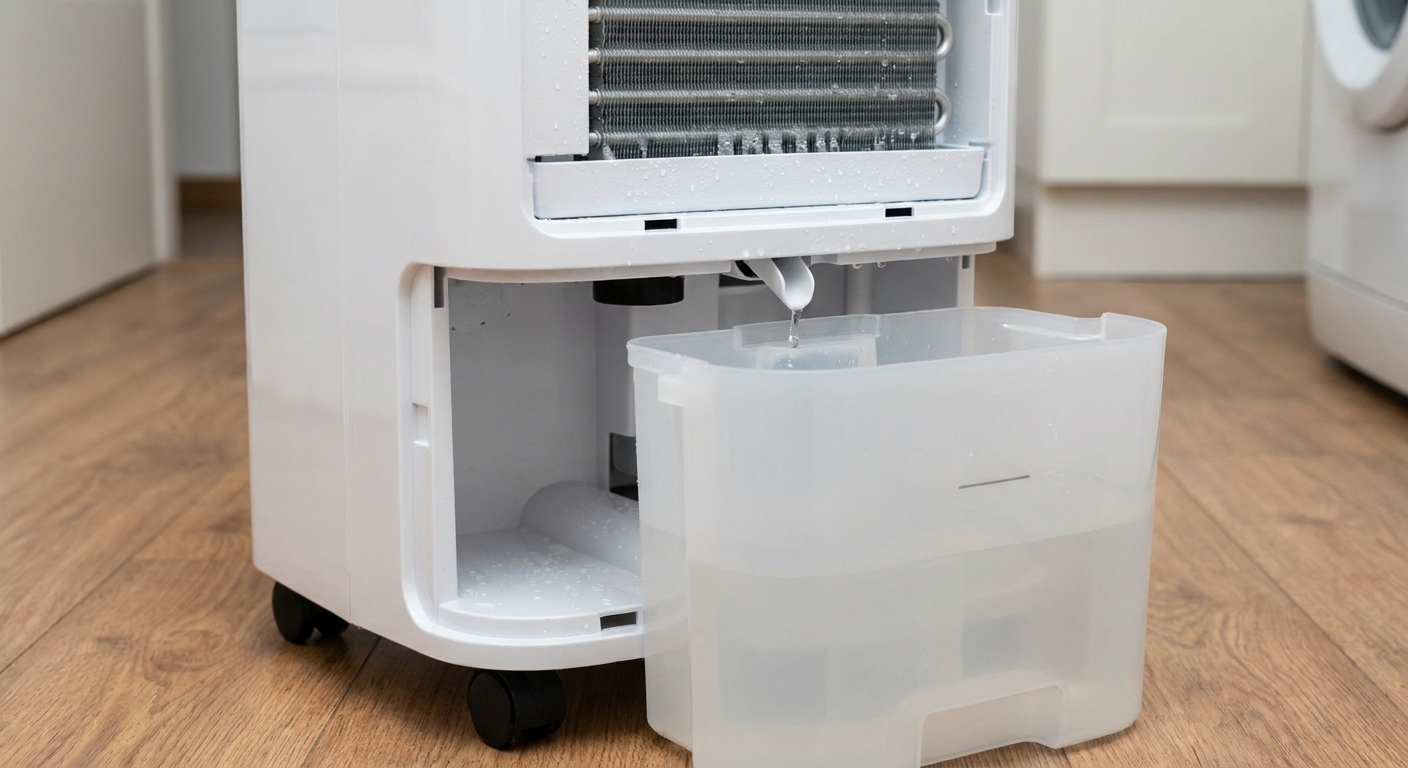
Unplug immediately if it smells like this
Odor is usually a cleaning issue, but do not ignore these red flags:
- Burning smell, hot plastic, or electrical odor
- Smoke, sparking, or crackling sounds
- Strong “motor overheating” smell that ramps up quickly
- Fishy or sharp chemical smell (often associated with overheating electrical components or wiring insulation)
What to do: Turn the unit off, unplug it, and do not leave it running unattended “to see if it goes away.” Let it cool. Check the cord and plug for heat damage and the intake and exhaust for blockage. If the smell returns when you restart, or you see any melting or discoloration, stop using it and contact the manufacturer or a qualified appliance tech.
One exception worth knowing: A brand-new unit can have a mild “new appliance” or new plastic smell for a short time. It should fade quickly. If it smells hot, sharp, or gets stronger over time, treat it as a stop-use issue.
What that musty or sour smell usually is
Most “basement funk” from a dehumidifier is biology plus moisture. The usual suspects:
- Dirty bucket or bucket lid (film, slime, mildew, or standing water sitting too long)
- Biofilm in the drain hose (a sour, swampy smell is common)
- Mold or mildew on the air filter (especially if the filter has been rinsed and put back damp)
- Mildew on evaporator coils or inside surfaces (dust on cold coils becomes a buffet)
- Stagnant floor drain, condensate pump, or drain line if you run continuous drain
Less common but worth noting: if you recently deep-cleaned with strong products, the dehumidifier can temporarily amplify odors already in the room by moving lots of air. If the smell is strongest right at the dehumidifier, though, assume the source is inside the unit until proven otherwise.
Find the source in 3 quick sniff tests
1) Bucket test (most common)
Turn the unit off and pull the bucket out. Smell the bucket itself and the bucket cavity.
- If the bucket smells sour or musty, start there.
- If the bucket is fine but the cavity smells, look for slime on the drip area above the bucket opening.
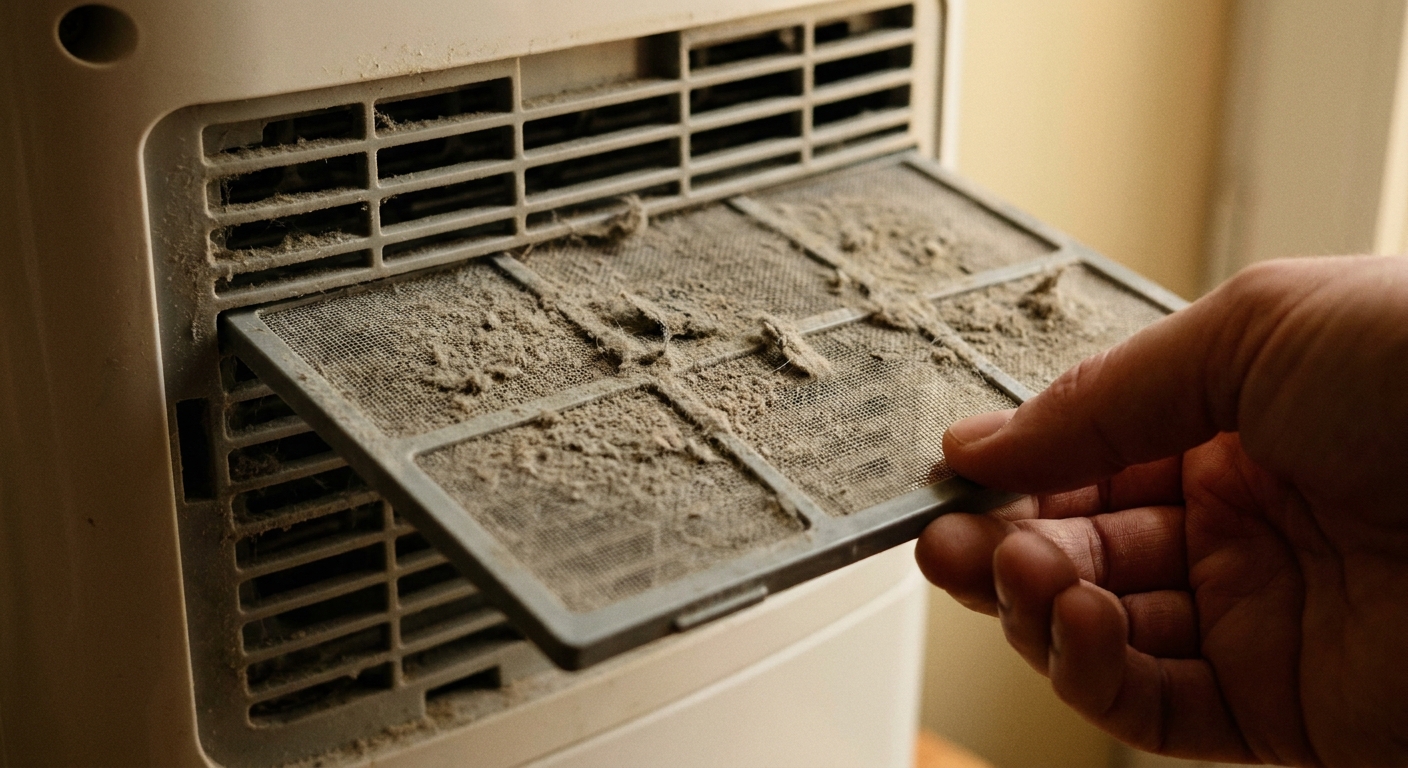
2) Filter test (fastest to check)
Remove the air filter and smell it. If it smells like a damp towel left in a gym bag, it is time to wash or replace it.
3) Drain and hose test (for continuous drain setups)
If you use a hose, disconnect it at the unit and smell the end. A sour smell often points to biofilm inside the hose or stagnant water in the drain path.
Cleaning sequence
This is the order that tends to fix odors fastest, without turning your cleaning day into a full appliance disassembly.
Step 0: Gather supplies
- Dish soap
- Soft brush or old toothbrush
- Microfiber cloths or paper towels
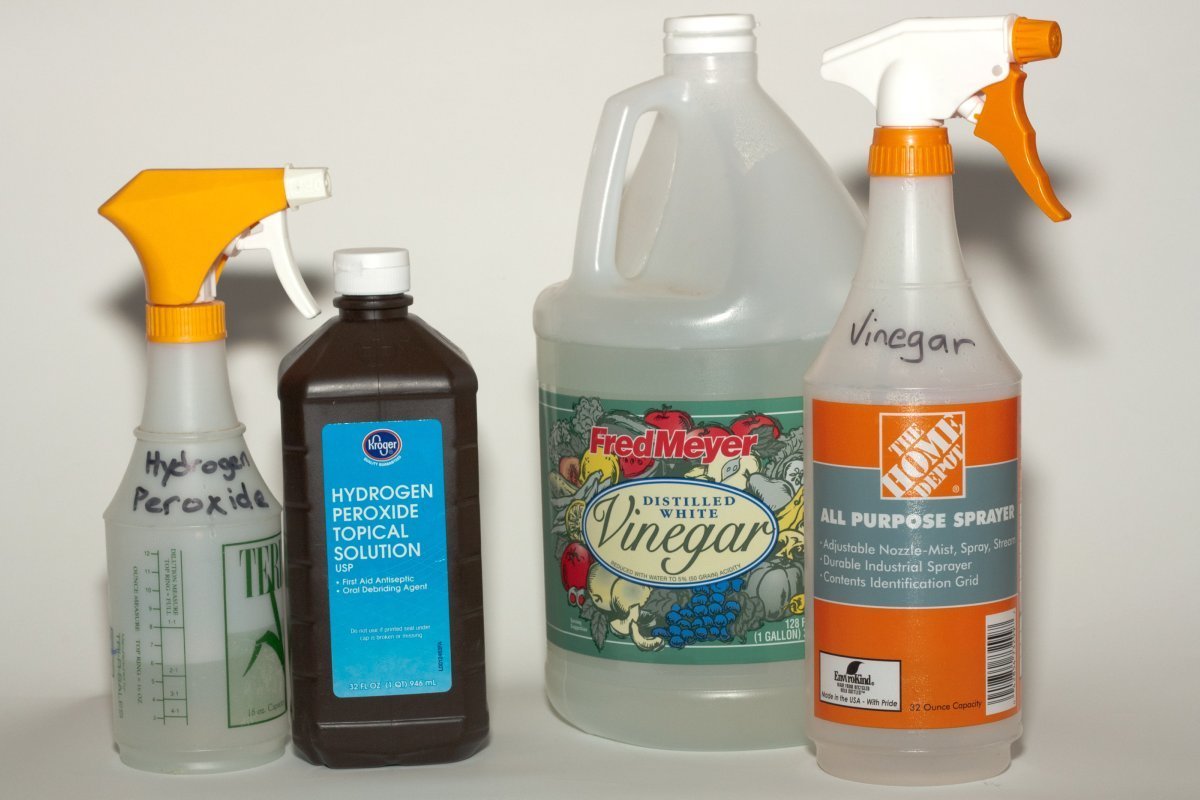
- White vinegar or 3% hydrogen peroxide (choose one, do not mix)
- Optional: pipe cleaners for hose fittings
- Optional: a shop vacuum with a brush attachment for lint and dust
Step 1: Clean the bucket like you mean it
Even if you empty it regularly, a thin film can hold odor.
- Wash the bucket with hot water and dish soap.
- Scrub seams, corners, and under the handle and float mechanism area.
- Rinse well.
- Deodorize and sanitize: swish in a solution of equal parts vinegar and warm water, or spray with 3% hydrogen peroxide and let it sit 10 minutes.
- Rinse again and dry completely.
Note: Vinegar is great for odor and buildup, but it is not the same as a registered mold disinfectant. If you suspect heavy mold, follow your manufacturer’s cleaning directions and consider professional service.
Why dry matters: Putting a wet bucket back into a warm, dark interior is basically an RSVP for mildew.
Step 2: Clean the bucket cavity and drip area
Turn the unit off and unplug it. With the bucket removed, wipe the cavity where the bucket sits and any surfaces above it that get splashed. If you see dark specks or slime, use vinegar or hydrogen peroxide on a cloth and wipe until clean. Keep liquids away from wiring and control areas.
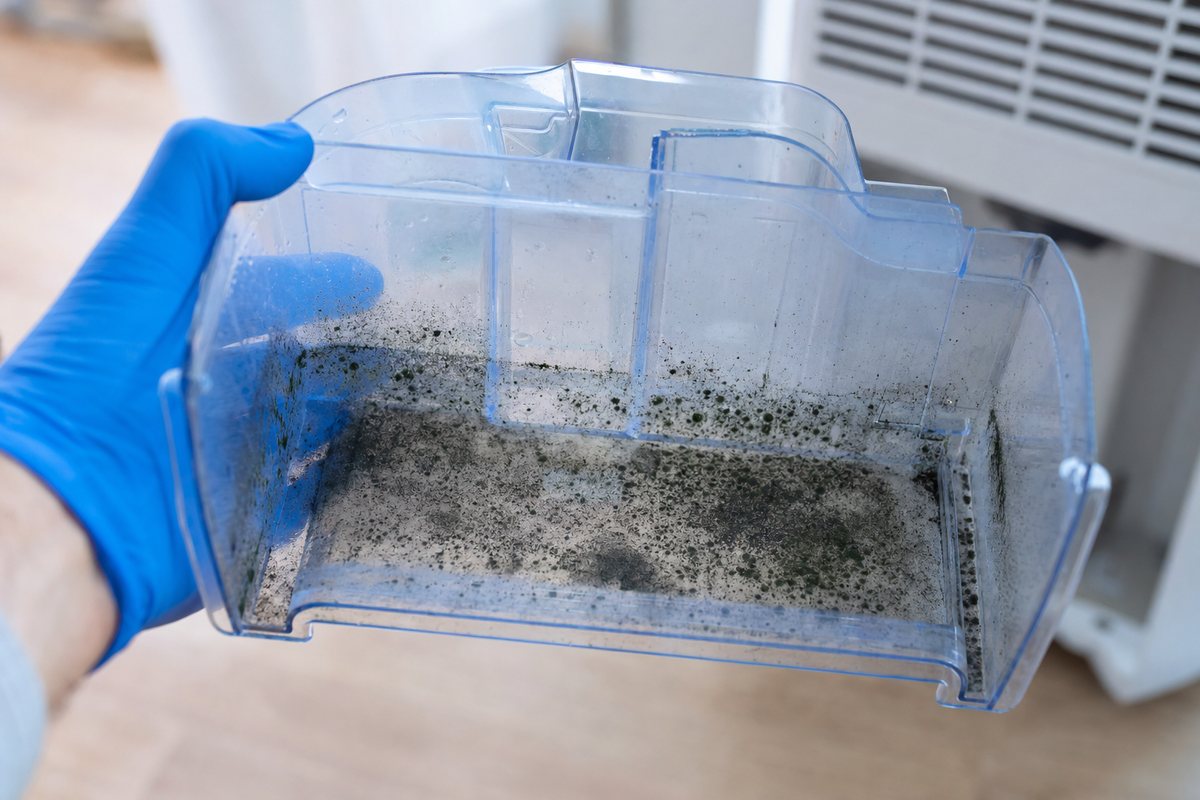
Step 3: Wash or replace the air filter
Check your manual for your model’s filter type, but many dehumidifier filters are washable mesh.
- Vacuum dust off first if it is fuzzy.
- Rinse with lukewarm water. A drop of dish soap is fine.
- Shake off excess water.
- Air-dry fully before reinstalling. Fully means no cool dampness when you touch it.
If the filter is a replaceable type and it still smells after drying, replace it.
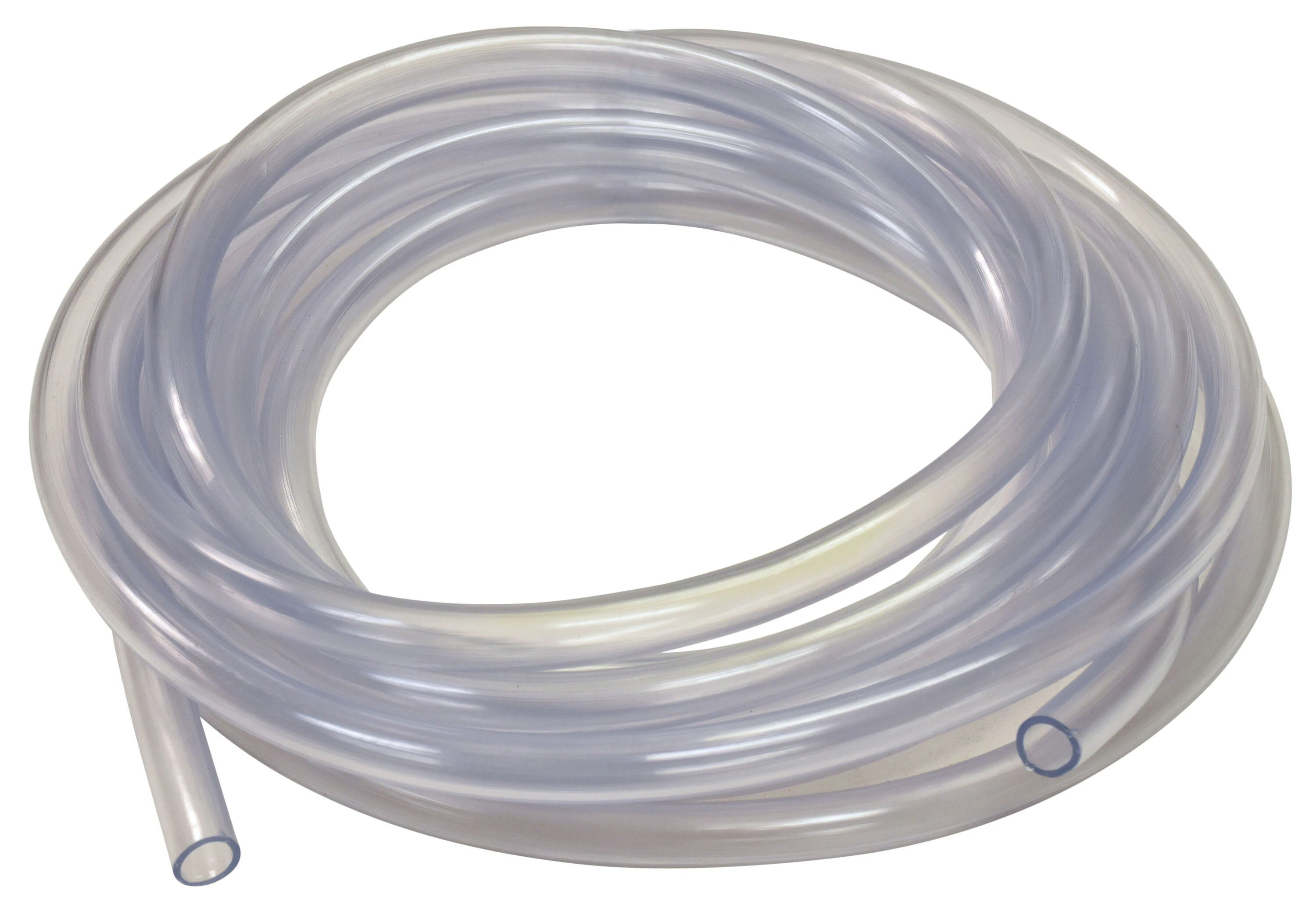
Step 4: Flush the drain hose (if you use one)
Biofilm in the hose can create a sour, fermenty odor.
- Disconnect the hose and take it to a sink, tub, or outside.
- Flush with hot water.
- Then flush with vinegar solution (about 1:1 vinegar and warm water).
- Let it sit 10 to 20 minutes if the smell is strong.
- Flush again with clean water and hang to drain and dry.
Quick routing check: When you reconnect, aim for a steady downhill slope, avoid loops, and clean the little outlet fitting at the dehumidifier if it has gunk around it.
If the hose is cloudy, slimy, or permanently smelly, replacing the hose is often easier than fighting it forever.
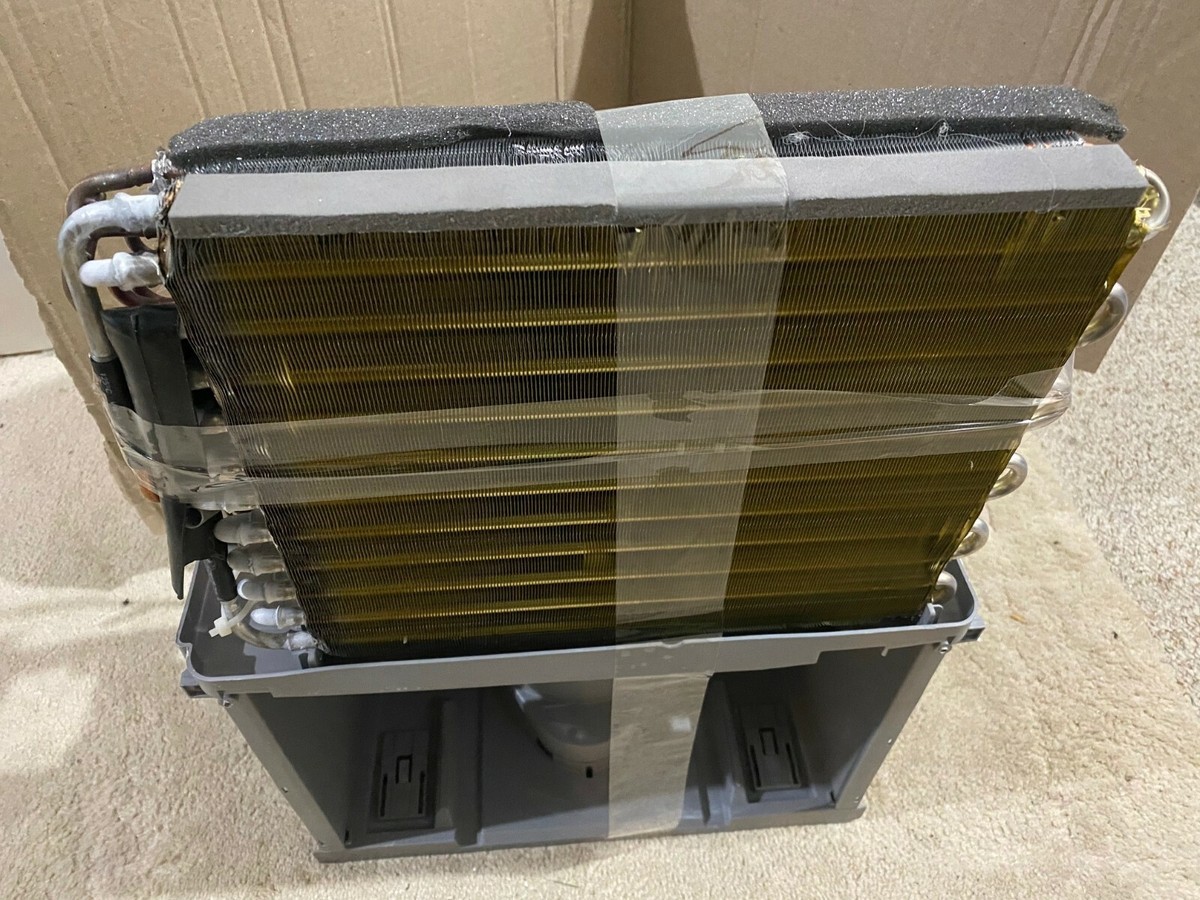
Step 5: Gently clean the coils and interior dust
Dust stuck to cold coils stays damp and can smell like mildew. If you can see the coil area behind the filter, you can usually do light cleaning without taking the unit apart.
- Turn the unit off and unplug it.
- Vacuum gently with a soft brush attachment, using low suction, so you do not flatten the fins.
- If accessible, wipe nearby plastic surfaces with a barely damp cloth. Do not saturate.
Avoid: bending coil fins, blasting water into the unit, or spraying cleaner into electrical compartments. Use coil-cleaning sprays only if your manual says they are allowed.
Step 6: Dry-out run
Once everything is clean and reassembled, run the dehumidifier in a well-ventilated area for 30 to 60 minutes. You are trying to dry any lingering moisture on internal surfaces so you do not restart the smell cycle immediately.
If you use a floor drain or condensate pump
Sometimes the dehumidifier is innocent and the smell is coming from the drain system it is connected to.
Floor drain basics
- If the drain has a trap that dries out, sewer gases can come up and get pulled into the dehumidifier’s airflow.
- Pouring a bit of water into the drain restores the trap seal. If it dries out often, you may need a more permanent solution such as a trap primer. If sewer smells persist, call a plumber.
Condensate pump basics
- Unplug the pump before cleaning.
- Clean the reservoir if accessible and flush the pump lines per the pump maker’s directions.
- Slime in the pump tank can smell sour quickly.
Why the smell comes back
- You are emptying the bucket, but not cleaning it. A weekly rinse and a monthly scrub helps.
- The filter goes back in damp. Dry it fully, every time.
- The hose always holds water. Reduce dips and low spots so it drains completely.
- The room is too humid for too long. If your target humidity is set very high, the unit may cycle in a way that keeps surfaces damp. Many homes do well around about 40% to 50% relative humidity, and some humid basements do better closer to 35% to 45% if comfortable.
- Airflow is blocked. A dehumidifier stuffed into a tight corner can stay damp inside. Give it breathing room and keep intake grills clear.
Odor guide
- Musty, basement smell: mildew on bucket, filter, coils, or internal plastics
- Sour, swampy smell: biofilm in bucket, hose, pump reservoir, or stagnant water somewhere in the drain path
- Fishy or sharp chemical smell: often linked to overheating electrical components or wiring insulation. Treat it as a stop-use signal. Unplug and inspect.
- Burning smell: unplug immediately and do not run again until the cause is found
When to stop DIY
- You still have strong odor after cleaning the bucket, filter, hose, and accessible coil area.
- You see visible mold in sealed or hard-to-reach internal sections you cannot clean without disassembly.
- You get any electrical, hot plastic, fishy, smoking, or sparking symptoms.
FAQ
Is it safe to run a dehumidifier that smells musty?
It is not ideal. A musty smell usually means microbial growth somewhere in the wet parts of the unit. Clean it before continued use, especially if anyone in the home has allergies, asthma, or mold sensitivity.
Can I use bleach in my dehumidifier bucket?
Many people do, but it is not always necessary and the fumes can be irritating. If you choose bleach, use a very dilute solution, rinse thoroughly, and let the bucket dry completely. Never mix bleach with vinegar or other cleaners.
Why does my dehumidifier smell worse right after I turn it on?
When the fan starts, it blows air over damp internal surfaces and the odor becomes noticeable fast. That pattern often points to the filter, coils, bucket cavity, or drain hose.
How often should I clean it to prevent smells?
- Weekly: empty and quick-rinse bucket, wipe lid and float area
- Monthly: scrub and deodorize the bucket, wash or replace filter
- Seasonally: vacuum coil area and do a hose flush if you run continuous drain
The 30-Second Cheat Sheet
Essential takeaways for: Dehumidifier Smells Musty or Sour? Causes and Fixes
First, do a smell safety check
- Burning, hot plastic, electrical, or fishy smell: turn off, unplug immediately, and do not run it again until you have inspected it. Let it cool, check the cord and plug for heat damage, and make sure the intake and exhaust are not blocked. If the smell returns, stop using it and get service.
- Musty or sour smell: usually bucket, filter, hose, or mildew on coils. Clean in this order.
Fast fix order (most success, least effort)
- Bucket: hot soapy wash, scrub corners and float area, then deodorize and sanitize with vinegar solution or 3% hydrogen peroxide. Dry fully.
- Bucket cavity: wipe the compartment and drip area above the bucket with a cloth dampened with vinegar or peroxide. Do not soak electrical parts.
- Filter: vacuum, rinse, and air-dry completely before reinstalling. Replace if it still smells.
- Drain hose: disconnect, flush with hot water, then vinegar solution, then clean water. Hang to drain and dry. Replace if permanently smelly.
- Coils area: unplug and gently vacuum dust off accessible coil fins using low suction and a soft brush. Avoid bending fins or spraying liquids into the unit.
What the odor usually means
- Musty: mildew on bucket, filter, coils, or internal plastics
- Sour or swampy: biofilm in hose or stagnant water in drain path or pump
Keep it from coming back
- Do not reinstall a damp filter.
- Make sure the hose slopes downward with no low dips holding water.
- Give the unit airflow clearance so it can dry out between cycles.
- Monthly bucket scrub beats mystery smells later.
💡 Tip: Scroll up to read the full article for detailed, step-by-step instructions.
⬆️ Back to top
About Grit
Content Creator @ Grit & Home
Grit is Grit & Home’s little blue clay courier, delivering big questions about the place you call home. Expect practical ideas, a raised eyebrow, and a satchel full of curiosity.