
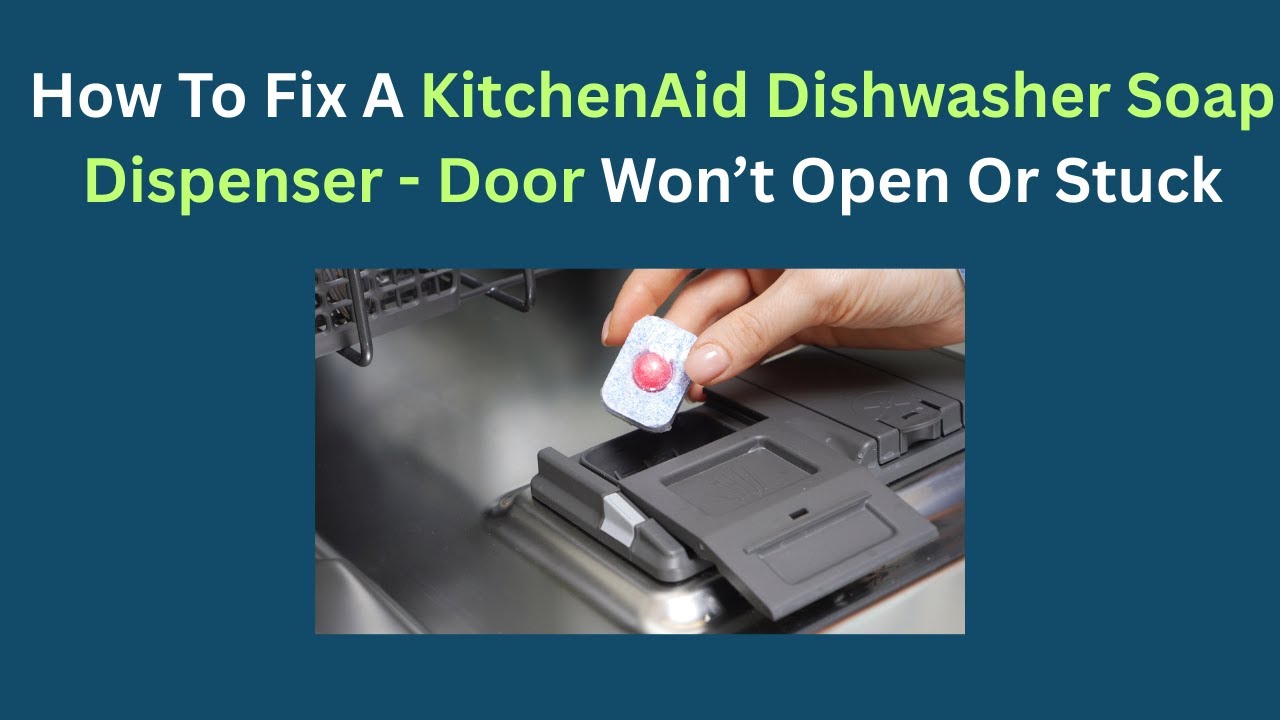
When the detergent dispenser won’t open, your dishwasher can run a full cycle and still leave you with greasy plates, gritty glasses, and that nagging feeling that you just wasted a long cycle and a lot of hot water. The good news is this problem is often fixable, and you can diagnose it with basic tools and a little patience.
In most machines, the dispenser is not “smart.” It is a simple door held shut by a latch. At the right moment, the dishwasher’s control sends power to a release mechanism, the door pops open, and detergent is released into the circulating wash water.
Below, I’ll walk you through a quick symptom split first (so you do not chase the wrong problem), then the most common causes, then a practical troubleshooting path that avoids replacing parts you do not need.
Start here: what exactly is happening?
- A) The dispenser door never opens: Think blockage, sticky latch, broken hinge or spring, failed actuator, or no control signal.
- B) The dispenser door opens, but detergent is still in the cup: Think pod sticking, damp dispenser cup, weak spray or poor water flow, low water temperature, or early water intrusion that turns powder into paste.
This split saves time because a door that stays latched shut is a different diagnosis than a door that opens but does not actually deliver detergent into the wash.
How the detergent door should work
Different brands package it differently, but most dispensers are built around three ideas: a spring-loaded door, a latch, and a timed release.
Bi-metal actuator (common on many older and mid-range units)
A bi-metal is a small metal strip made of two metals bonded together. When it heats up, it bends. The control sends power to a tiny heater near that strip. As it warms, it flexes and moves a lever that releases the latch. Once released, the spring flips the door open.
- Typical failure mode: The strip gets weak, the heater circuit fails, or the linkage binds with detergent residue.
- Clue: Door stays shut consistently, even when nothing is blocking it.
Wax motor or solenoid style release (common on many models)
Many dishwashers use a wax motor. It uses a small heater to warm a sealed wax pellet. As the wax expands, it pushes out a pin that releases the latch. When it cools, the pin retracts. Other designs use a solenoid or a small motorized actuator inside an integrated dispenser assembly. The end result is the same: the latch releases and the spring opens the door.
- Typical failure mode: The actuator burns out, sticks, or the control signal never arrives.
- Clue: You may hear a faint click or hum when it tries, or nothing at all.
Pods and tablets (why they can be picky)
Pods and tablets rely on the door opening fully and at the right point in the cycle so water circulation can dissolve them. If the door only cracks open, or if a wet pod sticks to the inside of the cup, you can end the cycle with a half-melted brick and mediocre cleaning.
- Typical failure mode: Pod swells, sticks to the cup, or gets pinned by poor water flow.
- Clue: You find a mushy pod in the dispenser, even if the door is open.
Fast checks before tools
These are the no-cost checks that solve a surprising number of “dispenser won’t open” calls.
- Check the rack and big items: A tall cutting board, sheet pan, or cookie tray can physically block the dispenser door from swinging open.
- Try the door by hand: With the dishwasher off, open the dispenser door and close it. It should snap shut and pop open with a firm press of the release (if your model allows manual release). If it feels gummy or slow, residue is likely involved.
- Look for caked detergent: Powder and gel can cake around the latch area and act like glue.
- Make sure the dispenser cup is dry (pods): If the cup is damp, a pod can stick and partially dissolve in place.
- Confirm hot water: If the water entering is lukewarm, tablets dissolve poorly and powder can paste up. Run the kitchen faucet hot before starting a cycle.
- Confirm the cycle: Some cycles (rinse-only, quick cycles, or certain eco modes) may handle dispensing differently, and many models delay the main dispense until after an initial prewash. If you are testing, pick a normal cycle and give it time to reach the main wash.
Most common causes and fixes
1) Spray arm obstruction or weak spray
Even if the dispenser opens, detergent still needs good circulation to get pulled into the wash. If a spray arm is jammed, clogged, or blocked by a pan, detergent can sit there and clump. Sometimes it looks like the door never opened because the detergent is still in the cup.
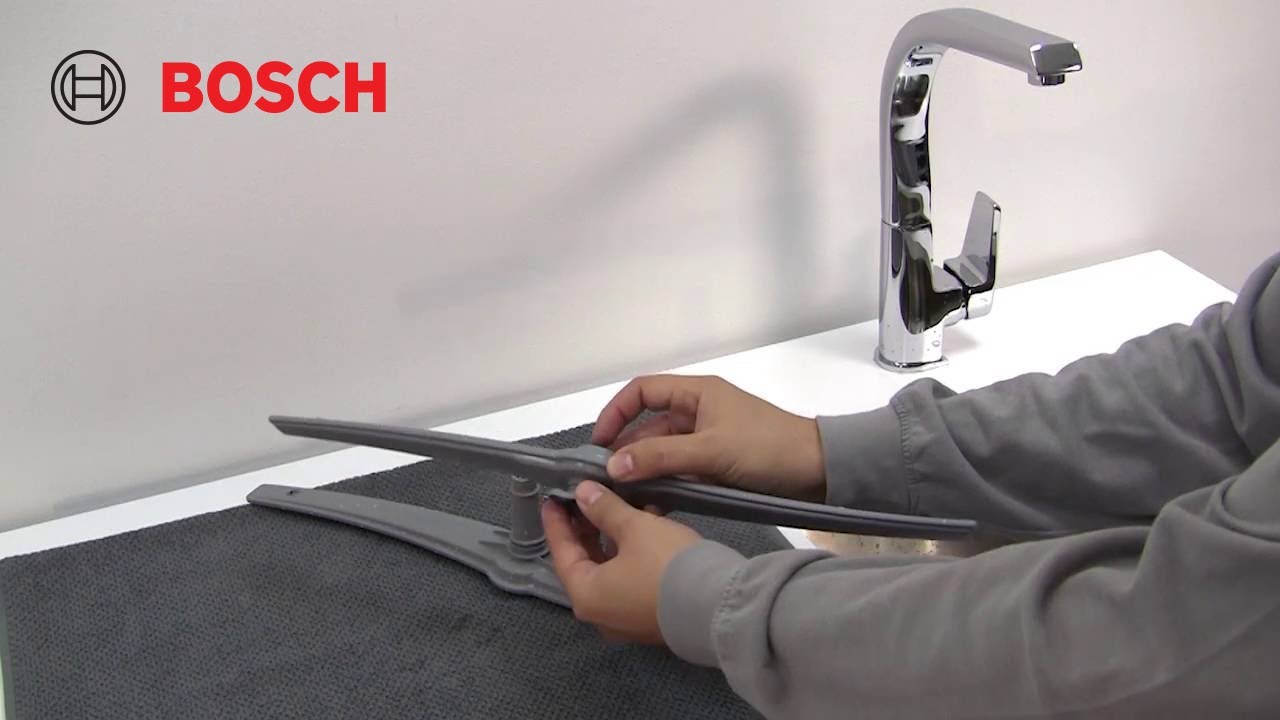
- Check: Spin the spray arms by hand. They should rotate freely without hitting dishes.
- Clean: Rinse spray arm holes under a faucet. Use a toothpick for stubborn mineral plugs. If your model allows easy removal, pull the arm off and flush it from both ends.
- Also check: If spray seems weak, clean the filter and look for debris around the sump intake (food bits, labels, broken glass). Poor flow can cause detergent to sit in the cup.
- Load smarter: Keep tall items away from the detergent door and keep the spray arms clear.
2) Detergent issues (type, age, storage)
Detergent that is old, clumpy, or exposed to humidity can cake up and wedge the dispenser door. Pods can stick if the dispenser cup is damp when you load it.
- Powder: Great performance, but it hates moisture. If it clumps, toss it.
- Gel: Can contribute to sticky buildup over time, especially with overdosing, cooler washes, or hard water.
- Pods/tablets: Keep hands dry and the dispenser cup dry. If your kitchen is humid, store pods in an airtight container.
Fix: Clean the dispenser thoroughly (steps below), switch to fresh detergent, and do a test cycle.
3) Residue or rinse aid leaks gumming the latch
Rinse aid is not supposed to stop a dispenser from opening, but leaks and residue can contribute to a sticky latch area. If the rinse aid cap is loose, overfilled, or the dispenser is crusted up, the door may not release cleanly.
- Check: Is there oily residue or wetness around the dispenser assembly on the inside of the door?
- Fix: Wipe up spills, tighten the rinse aid cap, and clean the latch pocket where detergent dust collects.
4) Water getting into the cup too early (powder turns into paste)
If water sneaks into the detergent cup before the release moment, powder can turn into a hard, glue-like lump that jams the mechanism or simply refuses to wash out. This can happen if the dispenser door seal is warped, the cup is cracked, or the door does not close firmly.
- Clue: You open the dispenser after a cycle and find a solid chunk or a smeared paste, sometimes with the door only partly open.
- Check: Inspect the dispenser door gasket or sealing lip for damage and make sure the door latches closed crisply.
- Fix: Clean thoroughly and replace the dispenser door/seal or the full dispenser assembly if the sealing surface is damaged.
5) Hinge or spring problem (door does not snap open)
The dispenser door needs spring force to pop open. If the hinge is cracked, the spring is off its post, or the door is warped, the latch may release but the door only creeps open.
- Check: With the dishwasher off, open and close the dispenser door several times. It should feel crisp, not sluggish.
- Fix: If the hinge or spring is damaged, the dispenser assembly usually needs replacement. Some models sell hinge kits, but most are sold as a complete dispenser.
6) Failed actuator (bi-metal, wax motor, solenoid)
If nothing is physically blocking the door and it still never opens, the release actuator is a prime suspect. This is where you decide whether you want to test with a meter or call for service.
- Clue: Door stays latched shut every cycle, detergent is untouched, and the latch area is clean.
- Fix path: Confirm your model’s actuator type, then compare resistance to the tech sheet specs and verify the control is actually commanding a dispense (details below).
7) Control board or timer never sends the dispense signal
On older dishwashers, a mechanical timer cam triggers the dispenser. On newer ones, a control board fires the actuator at a specific time. If that dispense command never happens, the mechanism can be fine and still never open.
- Clue: Other timed functions act strange too, like cycles ending early, skipping heat dry, or inconsistent run times.
- Fix: This is usually a diagnosis-and-replace situation. Verify wiring and actuator function first so you do not replace a board unnecessarily.
Clean and free a sticky dispenser
If I’m troubleshooting in my own kitchen, I do this cleaning routine before I order any parts. It is cheap, safe, and it fixes a lot of “mystery” dispenser problems.
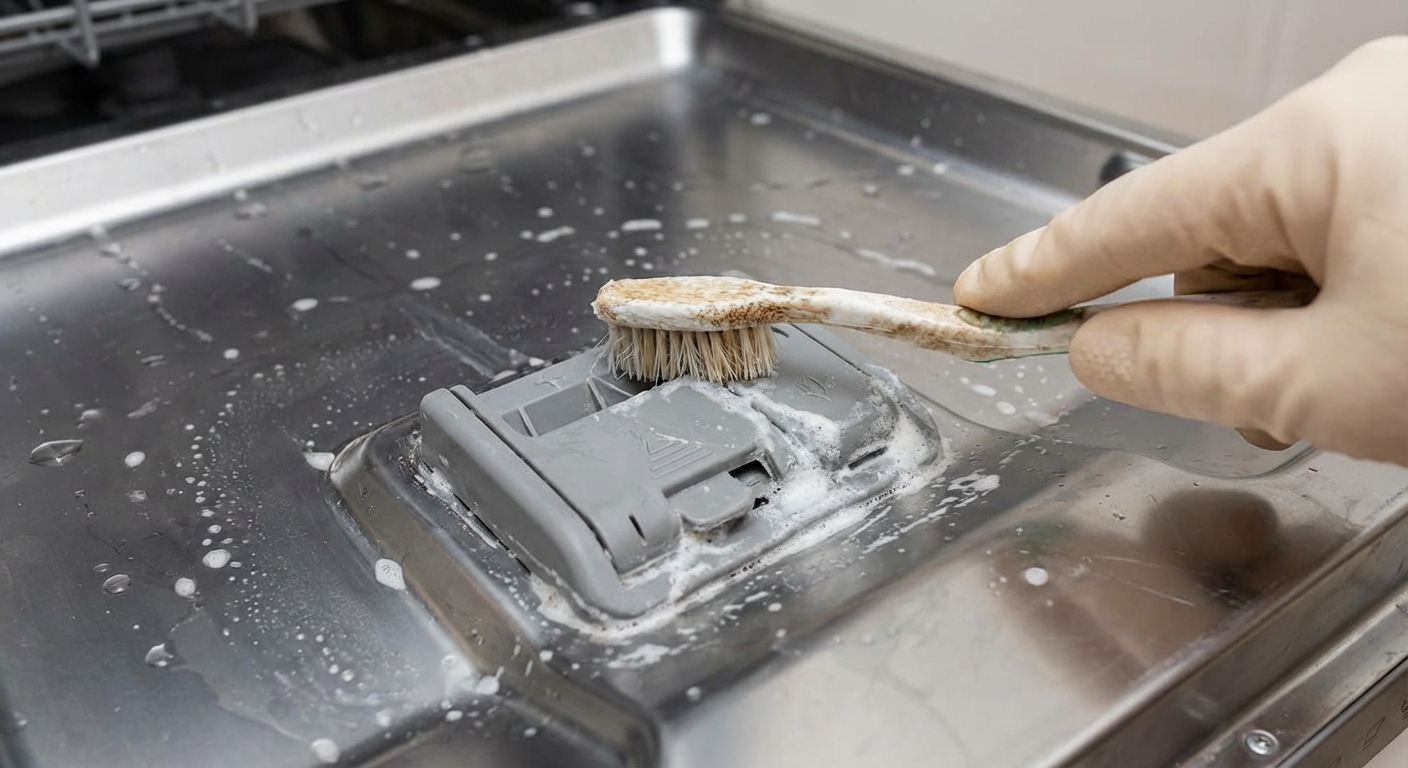
What you need
- Warm water
- Dish soap
- Old toothbrush or small nylon brush
- Wooden toothpick or plastic pick
- Microfiber cloth
- Optional: white vinegar for mineral buildup
Steps
- Cut power. Turn the dishwasher off at the breaker if you will be poking around the dispenser with tools.
- Open the dispenser and remove residue. Scoop out any clumps. Wipe the cup and door.
- Scrub the latch pocket. This is the little nook where detergent dust likes to pack in. Use soapy warm water and the toothbrush.
- Pick out hardened chunks. Use a toothpick gently. Avoid metal picks that can scar plastic and create future sticking points.
- Rinse and dry. Dry the cup and latch area. This matters if you use pods.
- Test the action. Close the door and release it a few times. You want a clean, snappy pop.
Check spray arms, filter, and loading
This is the other big one. A perfectly good dispenser cannot perform if it is blocked or if water circulation is weak.
- Spin both spray arms by hand with racks loaded and unloaded. If it hits something when loaded, adjust your loading pattern.
- Inspect for clogs: Hold the spray arm under a faucet. If holes squirt unevenly, clean them. If removal is easy on your model, remove the arm and flush it.
- Clean the filter: A dirty filter can reduce flow and leave detergent sitting in the cup.
- Re-check the detergent door swing: With the bottom rack pushed in, confirm nothing is in front of the dispenser door path.
If your dishwasher has a third rack, make sure it is seated correctly. I have seen a slightly misaligned top rack cause tall items to shift and block the dispenser door mid-cycle.
When to test parts
If the dispenser is clean and unblocked and the door still stays shut, it is time to think electrically. If you are comfortable using a multimeter, you can often narrow it down to the actuator or the control.
Safety note: Dishwashers involve household voltage. If you are not comfortable testing live voltage, stop at resistance checks or call an appliance tech.
1) Find the model and tech sheet
Look for the model number on the door frame. Many dishwashers have a folded tech sheet behind the toe kick or taped inside the front panel. That sheet tells you the actuator type, expected resistance range, and wire colors.
2) Resistance check the actuator (power off)
- Turn off the breaker.
- Access the dispenser wiring connection (varies by model, often behind the inner door panel).
- Disconnect the actuator leads and measure resistance across the actuator.
- Interpretation: Compare your reading to the tech sheet spec. If it reads open (infinite resistance) or far outside the specified range, the actuator is likely failed.
3) Verify a dispense command (advanced)
If the actuator tests good, the next question is whether the control board or timer is sending power during the dispense portion of the cycle. This typically requires live voltage testing at the right time, which is where many DIYers decide it is time to bring in a pro.
Why it shows up as bad cleaning
A dishwasher can still move hot water around without detergent, so the cycle looks normal. But without detergent release at the right time, you often get:
- Greasy film that feels like it never fully cuts
- Food specks redeposited on glasses
- Starchy residue on bowls
- A clean-looking top rack and dirty bottom rack, or the reverse, depending on where the water flow is strongest
This is why I like to troubleshoot the dispenser directly instead of chasing general cleaning tips. If detergent never enters the main wash when it should, no amount of extra heat will fully make up for it.
Fix or replace?
- If the door is blocked by dishes: Fix loading. Free.
- If the latch is sticky with residue: Clean and dry. Free to cheap.
- If pods are melting in the cup: Dry the cup, confirm water is hot, and confirm spray arm flow. Cheap.
- If water is getting into the cup early: Inspect the dispenser door seal and closure. Replace damaged parts as needed.
- If the door never releases and the actuator tests out of spec: Replace the actuator or the full dispenser assembly, depending on your model.
- If the actuator tests good but never receives power: Suspect wiring, timer, or control board. Diagnose carefully before replacing a board.
FAQ
Can I toss a pod into the bottom of the dishwasher?
As a one-time diagnostic test, yes. If a pod in the bottom cleans noticeably better than a pod in the dispenser, your problem is very likely the dispenser not opening or not releasing at the right time. Do not use this as your normal method, because on many cycles detergent in the tub dissolves too early (often during the prewash) instead of the main wash.
Why does the dispenser work sometimes but not others?
Intermittent issues are often loading-related (a pan shifts and blocks the door), a sticking latch that depends on humidity, a damp dispenser cup that makes a pod stick, or a weak actuator that fails when it is cooler or when voltage dips.
Is rinse aid causing my dispenser door to stick?
Rinse aid usually is not the direct cause, but leaks and residue can make the latch area grimy. Cleaning and addressing spills is a good move either way.
What water temperature should I aim for?
Many detergents perform best when the dishwasher is getting properly hot water, often around 120°F (49°C) at the faucet. Run the kitchen faucet hot before you start a cycle. Do not raise your water heater above the dishwasher manufacturer’s recommendations.
What if my dispenser has a prewash cup?
If your dispenser has a small prewash cup, you can use it as a troubleshooting workaround: put a little detergent there and see if overall cleaning improves. It does not fix a broken main dispenser, but it can confirm that detergent timing is the problem.
My go-to test cycle
After any fix, I run a simple test:
- Start with an empty dishwasher.
- Use fresh detergent.
- Run the hot water at the sink until it is hot, then start a normal cycle.
- Check the dispenser after 20 to 30 minutes (pause and open the door carefully). The cup should be empty and the door should be open, keeping in mind some models dispense later depending on cycle settings.
If it passes this test empty but fails when loaded, you have a loading or water-flow issue, not a bad dispenser.

About Marcus Vance
Content Creator @ Grit & Home
Marcus Vance is a lifelong DIY enthusiast and self-taught home renovator who has spent the last decade transforming a dilapidated 1970s ranch into his family's dream home. He specializes in budget-friendly carpentry, room-by-room renovations, and demystifying power tools for beginners. Through his writing, Marcus shares practical tutorials and hard-learned lessons to help homeowners tackle their own projects with confidence.