
A dishwasher that won’t fill is one of those problems that feels mysterious until you break it into a simple question: Is water able to reach the dishwasher, and is the dishwasher allowing it in?
In most homes, the culprit is one of six things: a kinked supply line, a shutoff valve that is closed or partially clogged, a clogged inlet screen, a faulty water inlet valve, a float switch stuck in the up position, or low water pressure. I’ll walk you through each one like I would with a neighbor over the fence, with the safest, cheapest checks first.
Before you start: quick safety and a 60-second check
Tools you might need
- Flashlight
- Phillips or Torx screwdriver (dishwasher toe-kick screws vary)
- Small bowl or towel
- Adjustable wrench (supply fittings vary, but 3/8 inch compression and 3/4 inch hose thread are common)
- Needle-nose pliers (helpful for clamps)
- Multimeter (optional but useful for valve and switch testing)
Safety first
- Turn off power at the breaker before opening panels or touching wiring.
- Shut off water at the dishwasher supply valve if you plan to disconnect hoses.
- Keep towels ready. Even a “dry” dishwasher line can spill a surprising amount.
The 60-second check
- Start a normal cycle and listen: do you hear a short drain or pump-out at the beginning? Many units do this first.
- If your dishwasher has a display, check whether it flashes a fill or inlet error while it is trying to start. That is a useful clue for later.
- After 1 to 3 minutes, open the door and look in the bottom. Many models keep a little water in the sump, so you are looking for new water coming in during the fill. If it stays at the same low level, or looks unusually dry for your machine, it is likely not filling.
- Check your sink faucet nearby. If flow is unusually weak, jump to the low water pressure section.
How filling works
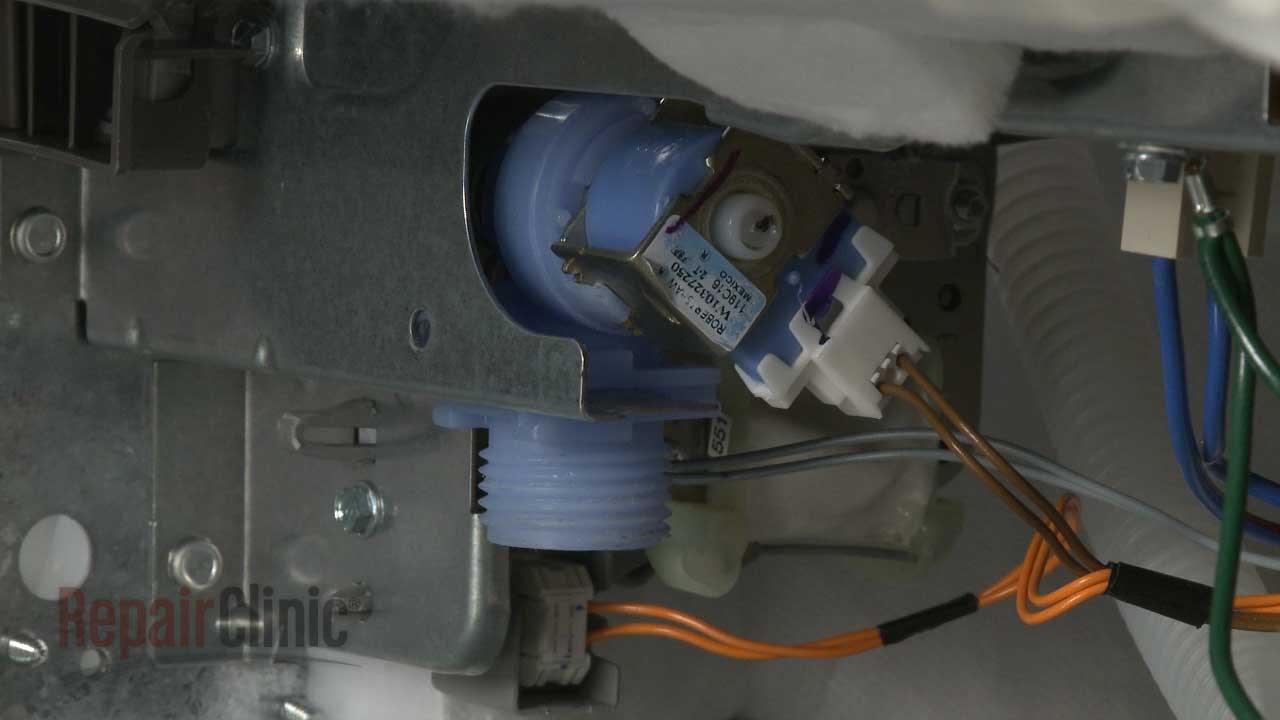
Your dishwasher fills through a water inlet valve near the bottom front. Water travels from the shutoff valve under your sink (or nearby) through a supply line to the dishwasher’s inlet valve. A small filter screen protects the valve from grit. Inside the tub, a float and float switch tell the dishwasher when to stop filling. If any one of those steps fails, you get a no-fill situation.
1) Kinked or blocked water supply line
This is the easiest win, and it happens a lot after someone pushes the dishwasher back in after cleaning or another repair. A braided line is tougher to kink than soft copper or plastic, but it can still get bent sharply or twisted into a flow-reducing shape.
What you’ll notice
- Dishwasher ran fine before, then suddenly stopped filling after being moved
- You hear the machine “trying” to fill but no water enters
- Fill issue is intermittent when the machine shifts
Diagnosis
- Turn off the breaker.
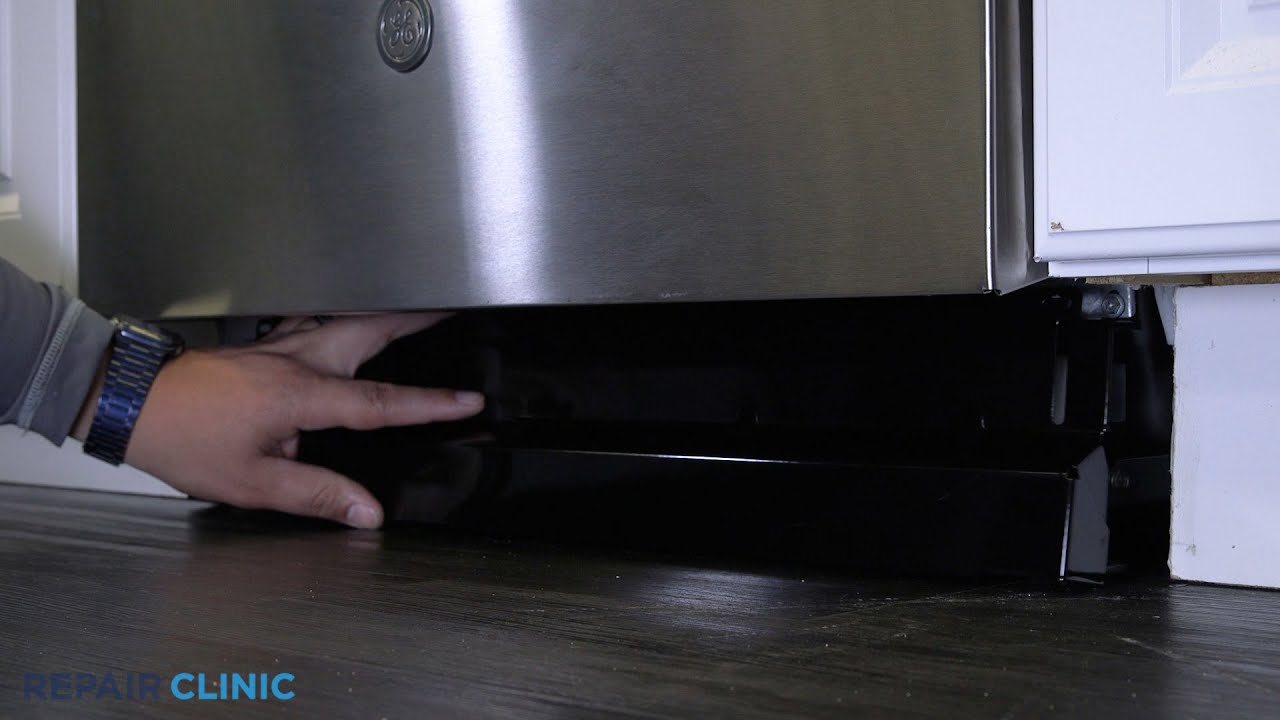
- Remove the toe-kick panel (usually 2 to 4 screws).
- Use a flashlight to follow the supply line from the cabinet opening to the inlet valve.
- Look for sharp bends, pinches against the frame, or a line twisted like a phone cord.
DIY fix
- Gently pull the dishwasher forward a few inches.
- Re-route the line so it has a smooth curve, not a tight bend.
- If the line is old plastic or visibly damaged, replace it with a braided stainless supply line sized for dishwashers.
- Push the dishwasher back slowly while watching the line. This is where I used to mess up: I’d shove the unit in and recreate the kink I was trying to eliminate.
2) Shutoff valve not fully open (or partially clogged)
Under-sink shutoff valves get bumped. They also clog internally, especially older multi-turn valves that have not been operated in years.
Diagnosis
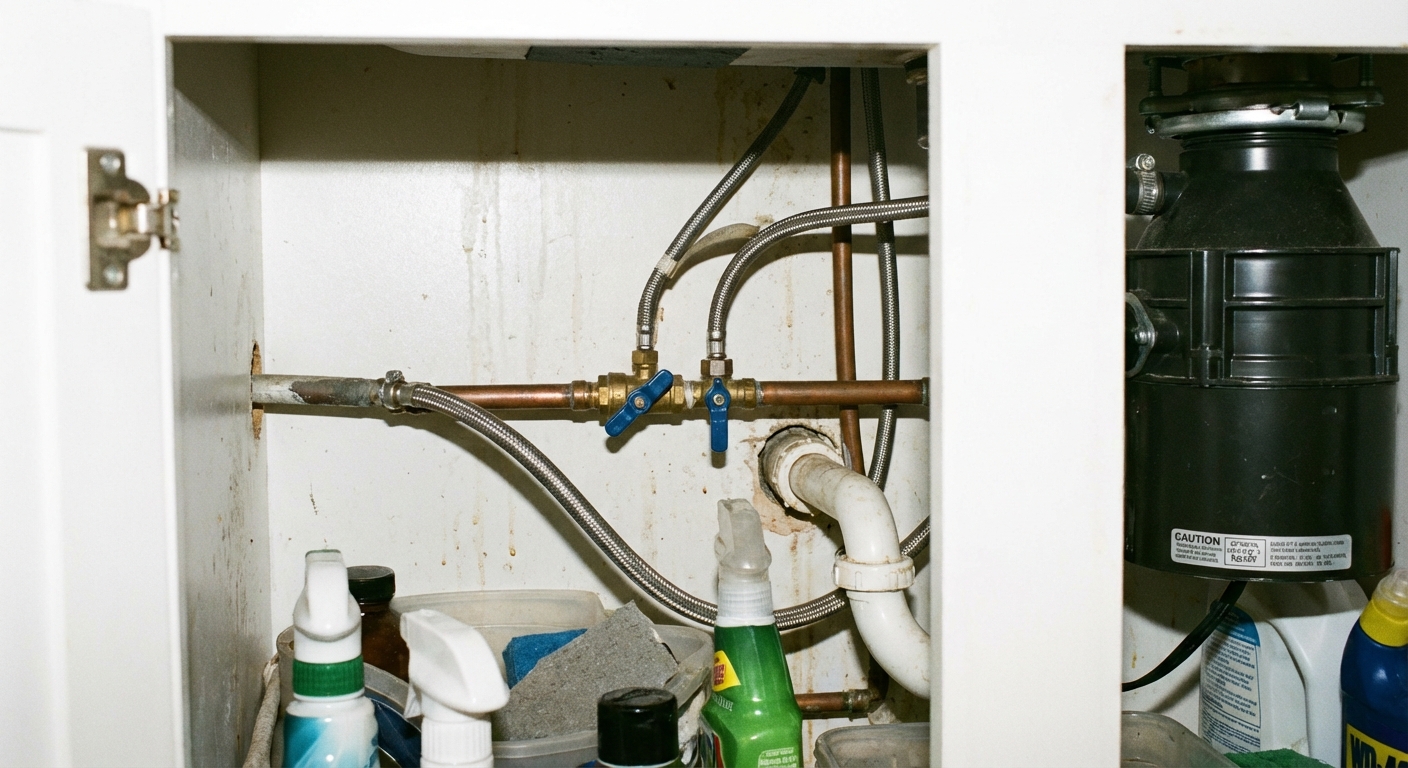
- Find the dishwasher shutoff valve under the sink or in the adjacent cabinet.
- Make sure it is fully open. For a lever-style valve, the handle should be parallel to the pipe. For a round knob, turn it counterclockwise until it stops.
- If it feels stuck, do not force it hard. Old valves can snap.
DIY fix
- Open the valve fully.
- If the valve is a multi-turn knob and the dishwasher still will not fill, try turning it closed and open again a couple times to break loose minor buildup.
- If water flow is still weak, plan on replacing that shutoff valve soon. A sticky valve is a leak waiting to happen.
3) Clogged water inlet valve filter screen
Inside the inlet valve is usually a small mesh screen that catches sand and sediment. When it plugs up, the dishwasher can’t pull in enough water to start a proper wash.
What you’ll notice
- Slow fill, short fill, or no fill
- Problem shows up after plumbing work, city water work, or a well system disturbance
Diagnosis and cleaning steps
- Turn off power at the breaker.
- Shut off the dishwasher water supply valve.
- Remove the toe-kick panel.
- Place a towel and a small bowl under the inlet connection.
- Disconnect the supply line from the inlet valve (often a 3/8 inch compression fitting, but setups vary).
- Look into the inlet valve port and find the mesh screen.
- Carefully pull the screen out with needle-nose pliers if it is removable. Some are not meant to be removed. If it does not come out with gentle effort, stop and clean it in place.
- Rinse the screen under running water and brush gently with an old toothbrush.
- Reinstall the screen, reconnect the line, and turn the water back on slowly while checking for leaks.
Thrifty tip: If you clean a nasty screen, you can flush some water from the shutoff valve into a bucket before reconnecting. Go slow and stay in control of the spray, and do not stress an old valve by cranking it hard. The goal is just to clear loose grit so the screen does not plug right back up.

4) Faulty water inlet valve
If water is available at the supply line and the screen is clear, the inlet valve itself may be stuck closed or electrically failed. This is a common replacement part and usually a manageable DIY job.
What you’ll notice
- No water enters, even though the supply valve is open and line is not kinked
- You may hear a quiet hum or click during the fill portion of the cycle
- Sometimes filling works occasionally, then stops again
Confirm water is reaching the dishwasher
- Turn off power.
- Shut off the supply valve.
- Disconnect the supply line at the dishwasher inlet valve and point it into a bucket.
- Open the supply valve briefly. You should get a strong stream.
- Shut the valve back off immediately.
Test the valve coil (optional but helpful)
- With power off, pull the two wire connectors from the inlet valve terminals.
- Set a multimeter to resistance (ohms) and measure across the terminals.
- A reading that is clearly open (OL) usually means a failed coil. Exact resistance varies by model, so compare to your service manual if you have it.
DIY replacement steps
- Turn off power and water.
- Remove toe-kick panel.
- Take a photo of wiring and hose routing before you disconnect anything.
- Disconnect the supply line.
- Loosen the clamp and remove the outlet hose from the valve (expect a little water).
- Remove mounting screws holding the valve to the frame.
- Install the new valve in the same orientation.
- Reconnect hose, clamp, wiring, then supply line.
- Turn water on and check for leaks before restoring power.
Part-matching tip: Use your dishwasher model number from the door jamb. Inlet valves look similar across brands but are not always interchangeable.
5) Float stuck or float switch stuck
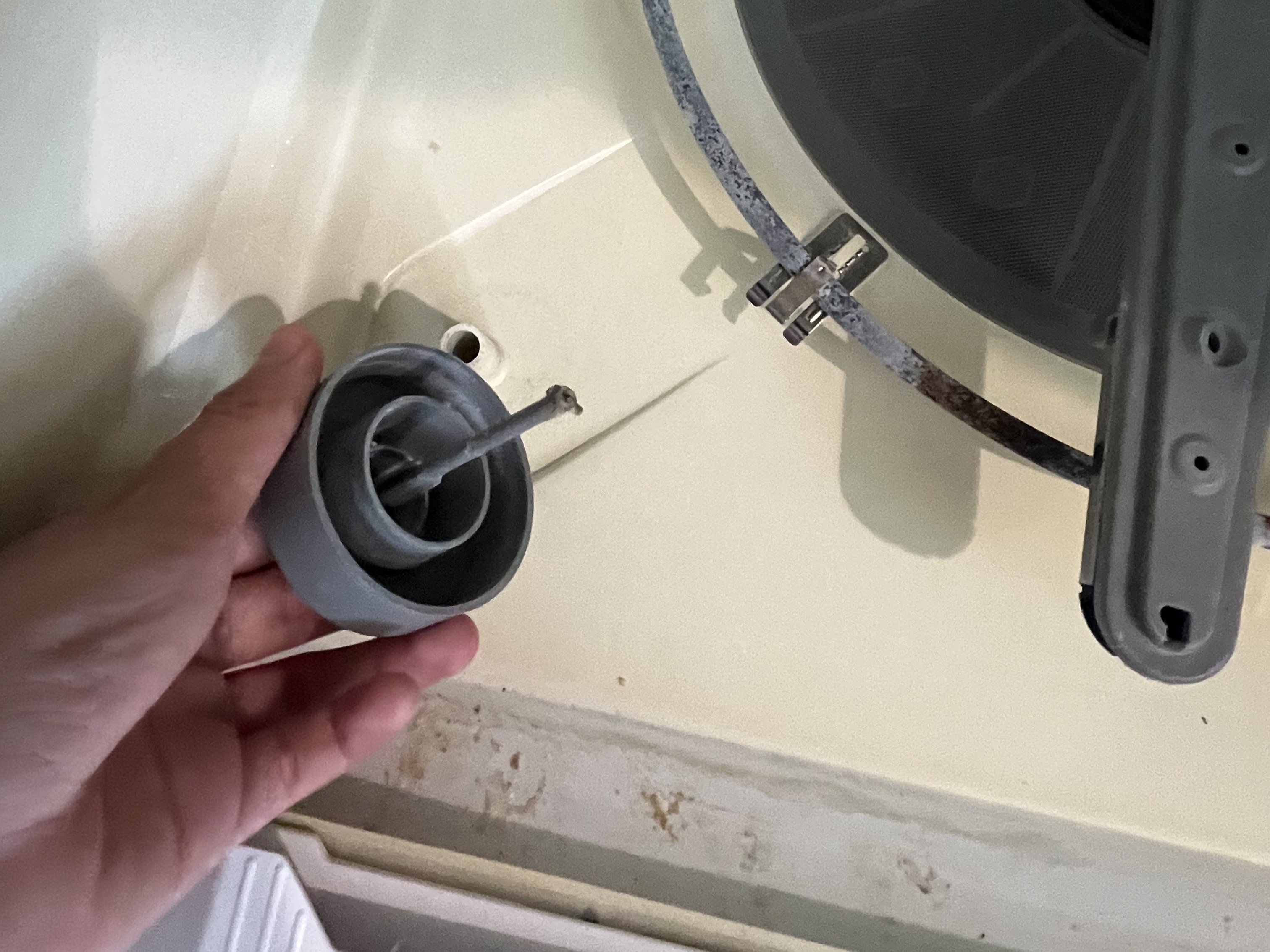
Most dishwashers have a small float inside the tub, usually near the front corner. If something blocks it, or if the switch underneath is stuck, the dishwasher will refuse to fill to prevent overflows.
What you’ll notice
- Dishwasher starts, drains briefly, then does not fill
- Float feels stuck in the up position or gritty
- Recent loading of tall items or utensils near the float area
Diagnosis
- Open the dishwasher and locate the float.
- Lift it gently and let it drop. It should move freely and you may hear a soft click as the switch changes state.
- Check for debris, a stray spoon handle, or hardened detergent gunk around the float.
DIY fix
- Clean around the float with warm water and a soft brush.
- If the float moves but you never hear a click, remove the toe-kick and locate the float switch underneath.
- Make sure wiring connectors are snug.
- If you have a multimeter, test continuity on the switch while raising and lowering the float. Replace the switch if it does not change state.
6) Low water pressure
Dishwashers need adequate pressure and flow to fill within a set time. If pressure is low, the dishwasher may time out and stop the fill, sometimes throwing an error code depending on the brand.
Common causes
- Partially closed shutoff valve
- Clogged faucet aerator or whole-house sediment issue
- Kinked supply line (even a mild one can reduce flow a lot)
- Failing pressure regulator (PRV) on the home
- Well system problems (low pressure tank charge, clogged filters)
Quick checks
- Compare cold water flow at the kitchen faucet to other faucets.
- If only the kitchen is weak, clean the faucet aerator and check the shutoff valves.
- If the whole house is weak, the issue is upstream. Consider checking the PRV or calling a plumber.
Real talk: If you suspect whole-house low pressure, focus there first. Replacing dishwasher parts will not fix a supply problem.
Two more common no-fill causes
Door not latching
Many dishwashers will not fill unless the door latch switch confirms the door is fully closed. If the door is slightly open, or the latch is failing, the cycle may start and then just sit there.
- Press the door closed firmly and start the cycle again.
- Check for a rack or tall item preventing the door from closing.
- If you have to slam the door to get it to run, the latch may be worn and worth replacing.
Leak protection triggered (water in the base pan)
Some models have a leak sensor or float in the bottom pan. If water collects there, the dishwasher may refuse to fill or may run the drain pump instead.
- Turn off power at the breaker.
- Remove the toe-kick and use a flashlight to look for water in the base area.
- If you see water, do not ignore it. Drying the pan may get you running again, but you still need to find the leak.
What about error codes?
Some dishwashers show a code for a fill fault, overflow, or inlet problem. Codes vary by brand and even by model line, so use your model number to look up the exact meaning. In general:
- Fill error: often points to inlet valve, supply, door latch, flow issues, or low pressure
- Overflow error: can point to float switch stuck, or water in the base pan (leak protection)
A few models also use a flow meter to confirm water is moving. If it fails, you can get a fill error even when the valve and supply are fine.
If you share the brand and model, you can usually narrow the suspect list fast.
When to call a pro
- You find damaged wiring, burnt connectors, or signs of overheating
- The shutoff valve will not turn or looks corroded and ready to leak
- You see standing water in the base pan and cannot identify the leak source
- You confirm good water flow to the dishwasher but the machine still will not fill and you are not comfortable testing electrical components
- You suspect a control board, timer, wiring harness issue, or a model-specific part like a flow meter
My troubleshooting order
- Confirm the door is latching and the shutoff valve is open
- Confirm the sink has normal pressure
- Check for a kinked or pinched supply line
- Clean the inlet valve filter screen
- Make sure the float moves freely and the switch clicks
- Check for water in the base pan (leak protection)
- Test or replace the water inlet valve
If you work down that list, you will solve the vast majority of “won’t fill” dishwashers without tossing money at random parts.
Quick FAQ
Should there always be water in the bottom of my dishwasher?
Often yes, a small amount of water in the sump area is normal. “Not filling” usually means there is no new water entering during the fill phase, not that the tub is perfectly dry at all times.
Can a clogged dishwasher filter cause no fill?
A dirty internal filter more commonly causes poor cleaning or draining issues. For no-fill problems, the bigger targets are the supply line, shutoff valve, inlet screen, float switch, door latch, and inlet valve.
Is it safe to run a dishwasher if it is not filling?
I would not. Running with little or no water can stress the pump and heater, and many units will eventually abort with a fill error anyway. Fix the fill issue first.

About Marcus Vance
Content Creator @ Grit & Home
Marcus Vance is a lifelong DIY enthusiast and self-taught home renovator who has spent the last decade transforming a dilapidated 1970s ranch into his family's dream home. He specializes in budget-friendly carpentry, room-by-room renovations, and demystifying power tools for beginners. Through his writing, Marcus shares practical tutorials and hard-learned lessons to help homeowners tackle their own projects with confidence.