
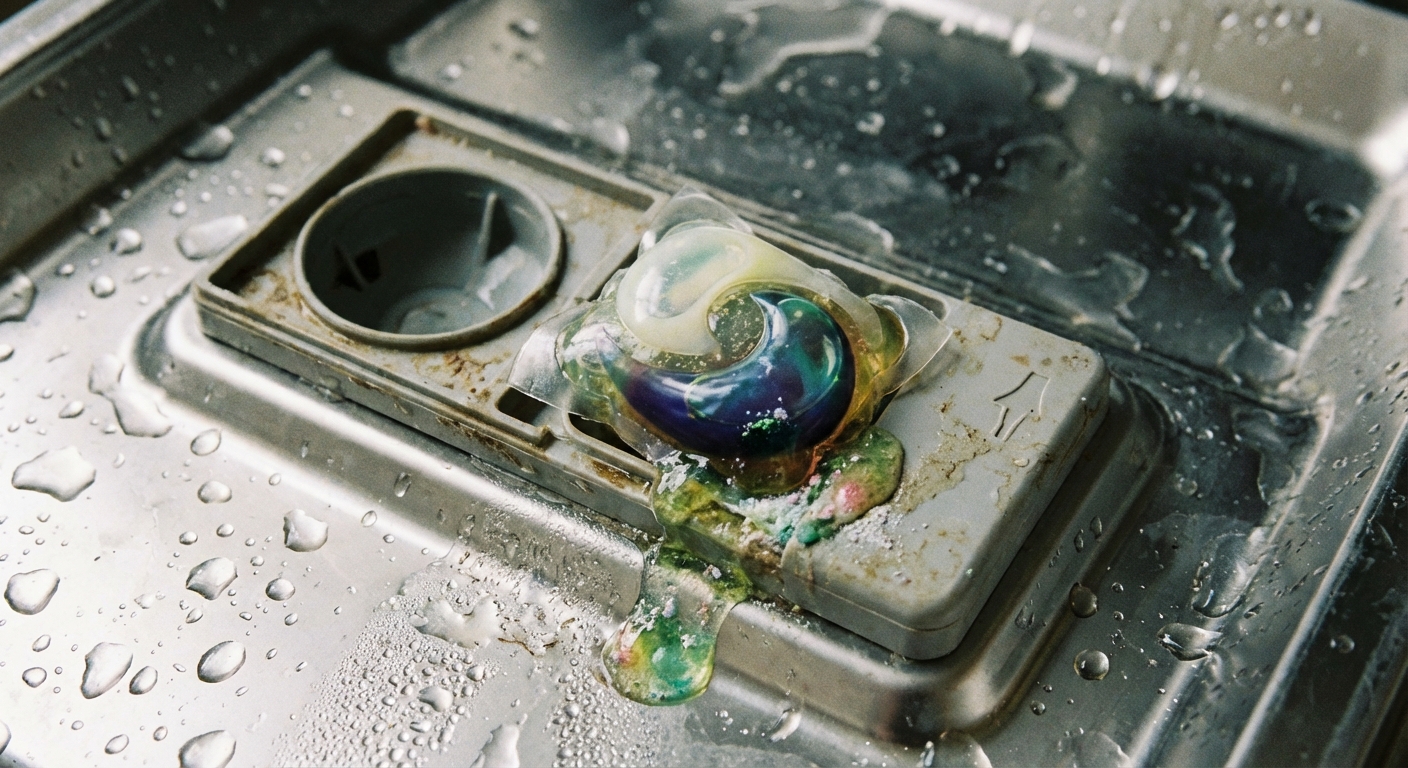
What “not dissolving” usually means
When detergent does not dissolve, the dishwasher usually has a delivery problem, not a soap problem. Pods and powders are designed to dissolve fast in hot, moving water. If detergent is still sitting there at the end of the cycle, one of these things typically happened:
- Water never reached it (blocked spray, bad loading, or the dispenser did not open).
- Water reached it but did not move enough (circulation or wash motor issue).
- Water reached it but was not hot enough (temperature or cycle selection).
There are also a couple of simple “not the dishwasher’s fault” causes, like moisture (a damp cup or wet hands) or old/clumped detergent. The good news: most fixes are simple and cheap. The trick is checking the most common causes first, in order.
Quick checks first (5 minutes)
0) Make sure the pod and cup are bone-dry
This is one of the most common reasons pods stick in the dispenser. If you grab a pod with wet hands or drop it into a damp dispenser cup, the outer film can start dissolving immediately and glue itself to the plastic.
- Dry your hands before handling pods.
- Wipe the dispenser cup dry if it has any moisture or leftover droplets.
- Store pods and detergent dry with the container sealed. If pods look tacky or powder is clumpy, replace it.
1) Look for a “pod puddle” and note where it is
At the end of a cycle, open the door and check:
- Pod or clumped powder inside the dispenser cup: likely dispenser door issue, blocked cup, wet pod or cup, or loading issue.
- Pod goo on the bottom of the tub: dispenser opened, but water circulation was weak or water was cool.
- Dry detergent anywhere: dishwasher may not be filling properly, or the cycle ended early.
2) Confirm the dishwasher actually filled with water
Start a normal cycle and let it run a few minutes after the fill phase begins. Carefully open the door (watch for steam and hot water). You should generally see some water in the bottom covering the sump or filter area. If it is bone-dry, you have a fill issue (water supply valve, inlet valve, float switch), which can also leave detergent undissolved.
3) Do one “cup test” for spray action
Use a heavy mug or sturdy glass (light cups can get flipped by the spray and give you a false result). Place it upright on the top rack and start the cycle. Wait until it is clearly in the wash phase (you should hear active spraying, not just filling or draining). After 2 to 3 minutes of washing, open the door and check immediately. If the mug is still dry inside, your spray arms are blocked, not spinning, or you have a circulation problem.
Blocked spray arms (a very common culprit)
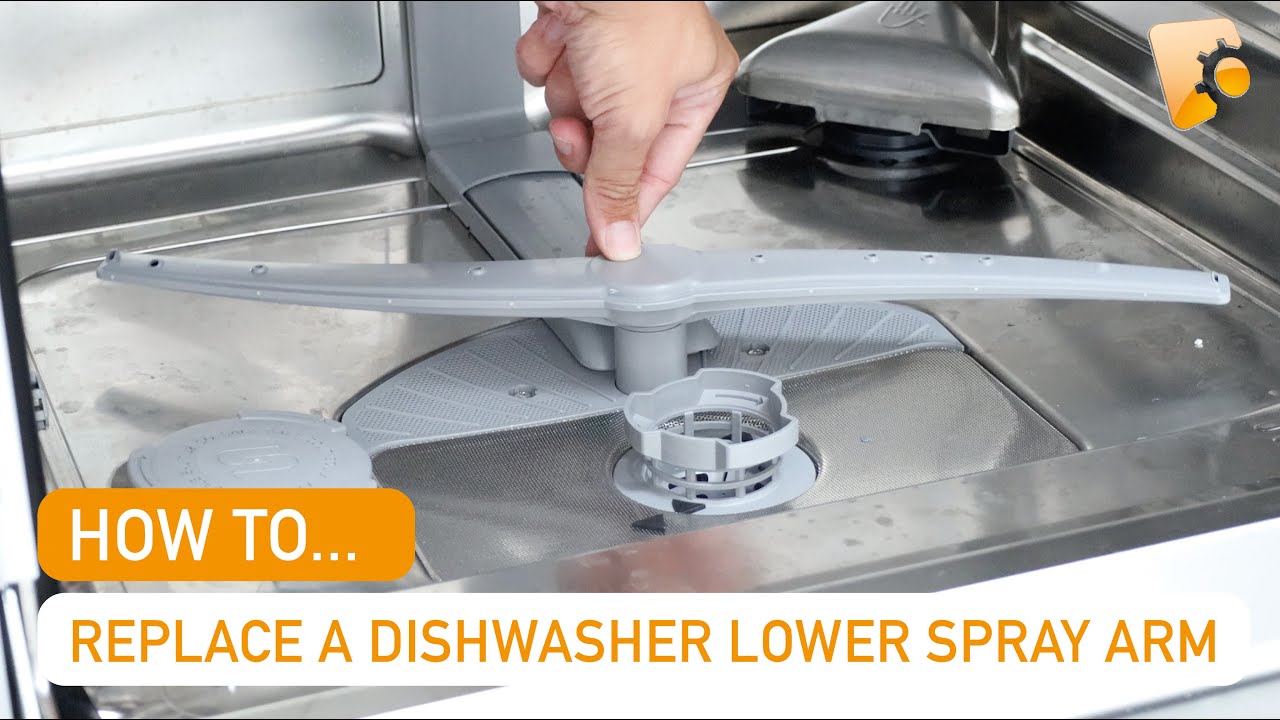
If spray arms cannot shoot water with force, detergent does not get blasted out of the cup or dissolved into the wash water. This is especially common after a few months of hard water, a broken glass incident, or a food-heavy load.
Signs this is your problem
- Pods dissolve halfway and turn into sticky gel.
- Dishes on the top rack come out dirty, even when the bottom looks somewhat better.
- You hear the dishwasher running, but it sounds a little “soft,” like water is not really whipping around.
Fix: clean the spray arms
- Remove the spray arms (usually a twist-off nut or a snap-in connection).
- Rinse under hot water and spin them by hand to feel for grit.
- Clear the holes with a toothpick, bamboo skewer, or a soft brush. Avoid metal that can enlarge holes.
- Flush the inside: run water through the spray arm body to push out sand-like debris.
- Reinstall and test: make sure they spin freely and do not hit tall items.
Pro tip from my own mistake
I once “fixed” a detergent issue by buying a different brand of pods. The real problem was a single popcorn kernel wedged in one spray arm. Ten minutes with a skewer would have saved me a lot of money and frustration.
Wash motor or circulation problems
If the dishwasher fills but the water is not moving with force, detergent tends to sit and smear instead of dissolving and mixing into the wash.
Signs of weak circulation
- You open mid-cycle and the water looks calm, not turbulent.
- You hear a humming sound but not a strong “whoosh” of spraying.
- Detergent collects as gritty sludge in the bottom after the cycle.
Fixes to try before calling for service
- Clean the filter thoroughly (details below). A clogged filter can starve the pump.
- Check the sump area: turn power off at the breaker (or unplug, if accessible), remove the filter, and look for labels, twist ties, glass, or bone fragments that can jam the impeller.
- Listen during wash: if it fills and then goes quiet or only hums, the circulation pump may be failing.
If you suspect a failing circulation pump or wash motor, it is often a repairable part, but the economics vary by dishwasher age. If the unit is older and you are also seeing leaks, rust, or repeated drain issues, replacement can be the smarter move.
Water temperature and cycle choice
Pods and modern detergents dissolve best in hot water. If the dishwasher starts with lukewarm water, a pod can soften into gel and stick to the dispenser or drop as a gooey lump. Many dishwashers also have internal heaters that boost temperature during the cycle, but they still tend to perform better when they start with hot water.
Targets to aim for
- Incoming hot water: about 120 to 140°F (49 to 60°C) is a common household range. Many homes target around 120°F for safety, and the dishwasher may heat from there.
- Cycle choice: heavy, auto, or normal typically uses more heat and time than quick or eco.
Fix: make sure the dishwasher starts hot
- Run the hot water at the kitchen sink until it is fully hot, then start the dishwasher. This helps a lot in winter or in homes with long pipe runs.
- Avoid quick cycles for stuck-on loads. Quick washes often use cooler water and shorter wash phases.
- Use heated dry or sanitize occasionally if your machine supports it, especially for greasy loads.
If your water heater is set very low
Very low settings can cause ongoing dissolving and cleaning issues. If you adjust temperature, do it safely and consider household needs, scald risk, and local guidance. When in doubt, ask a pro.
Dispenser door problems
If the dispenser does not open at the right time, the detergent cannot mix into the wash. This can show up as a perfectly intact pod sitting in the cup like it never had a chance.
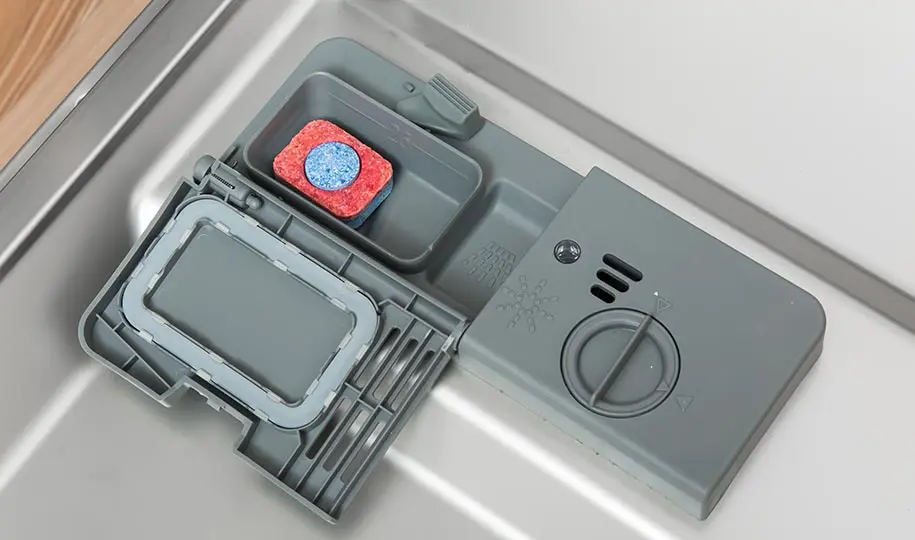
Common dispenser issues
- Door blocked by a dish: a large cutting board or pan can pin the dispenser shut.
- Sticky latch: detergent residue can glue the latch just enough to delay opening.
- Broken spring or actuator: the door opens weakly or not at all.
- Moisture in the cup: a damp cup can make a pod stick before the cycle even gets going.
Fix: clean and test the dispenser
- Clean and dry the cup and latch with warm water and a soft brush, then wipe dry. Clear any crusty detergent buildup.
- Test the door by hand: it should click shut firmly and spring open when released.
- Check the gasket around the dispenser cup for warping that could cause binding.
If the door works by hand but fails during cycles, the issue can be the dispenser actuator (electrical) or control timing. That is usually a part replacement job.
Hard water and buildup
Hard water does two annoying things: it leaves minerals behind, and it can reduce detergent performance. While hard water more commonly causes filming and spots, it can also contribute to partial dissolving when combined with low heat, weak circulation, or clogged spray arms.
What to look for
- White crust on spray arm holes or around the tub seams.
- Gritty residue in the filter area.
- Pods that turn into a thick gel rather than fully dissolving.
Fixes that help in hard water
- Keep the rinse aid full. It does not “dissolve” detergent, but it improves sheeting and helps reduce residue and mineral buildup over time.
- Run a dishwasher cleaner monthly, or run an empty hot cycle with a dishwasher-safe descaling product when buildup is obvious.
- Try powder or gel detergent for a couple weeks. This is less about “better” and more about troubleshooting. It can be easier to dose and observe than pods.
- Consider a water softener if you are fighting hard water across the whole house. It is the “fix it once” option.
Loading mistakes
This is the sneaky one, because your dishwasher can be working perfectly, but the detergent gets trapped behind a dinner plate like it is hiding in a closet.
Loading problems that stop detergent release
- Big pan, cutting board, or baking sheet placed in front of the dispenser.
- Utensils dangling in a way that catches the dispenser door as it flips open.
- Overloaded racks where items are packed tightly and block spray patterns.
- Tall items that stop spray arm rotation (you might not notice until you see undissolved detergent).
- Pod placed in the wrong spot: many manufacturers want pods in the dispenser. Tossing a pod into the bottom can dissolve it too early during a prewash, or leave it stranded in a corner on some cycles.
Fix: the “line of sight” rule
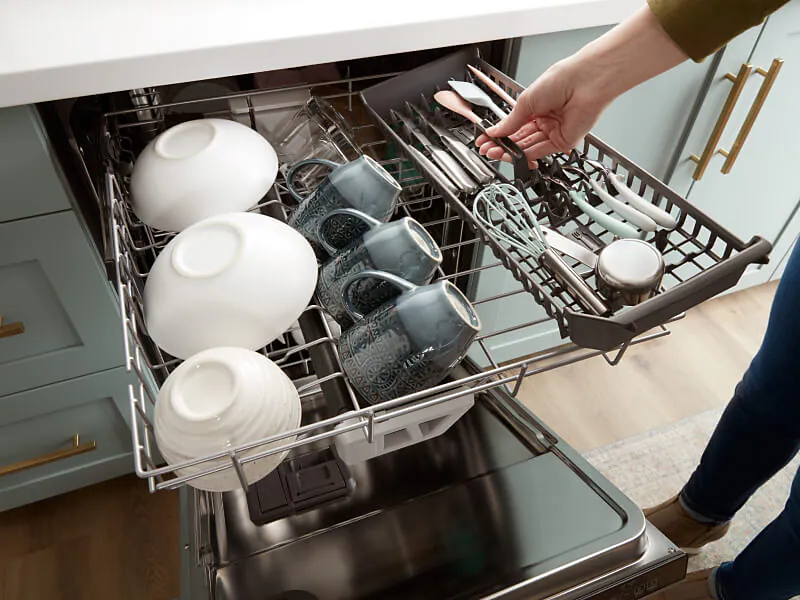
Before you start the cycle, crouch down and look at the detergent cup. If you cannot see open space in front of it, rearrange. You want the dispenser door to open into clear air, and you want spray to be able to hit that area. Then give the spray arms a quick spin by hand to confirm nothing is blocking them.
Do not skip the filter
If you have a modern dishwasher with a twist-out filter, clean it. A clogged filter reduces flow, stresses the pump, and leaves gunk that can redeposit and interfere with detergent dissolving.
How to clean it
- Remove the bottom rack.
- Twist out the filter assembly (most are tool-free).
- Rinse under hot water and scrub with a soft brush and a drop of dish soap.
- Check the sump area for debris before reinstalling.
Pods vs powder for troubleshooting
I like pods for convenience, but when a dishwasher is acting up, powder or gel can be my go-to for diagnosis because you can control the amount and see how it behaves in the cycle.
- If pods keep half-melting, try powder or gel for a week on normal or auto cycles.
- If powder is still gritty, focus on water temperature, spray arms, and circulation.
- If everything improves with powder, your dishwasher may be borderline on heat, spray strength, or dispenser behavior, and pods can be less forgiving in those conditions.
Quick storage note
Powder and pods both hate humidity. Keep detergent sealed, dry, and fresh. If powder is hard and clumpy or pods are tacky, you are already starting the cycle at a disadvantage.
When to call a pro
If you have cleaned spray arms and filter, confirmed hot water, corrected loading, and you are still seeing undissolved detergent, the remaining suspects are usually mechanical or electrical.
- Circulation pump or wash motor failure
- Dispenser actuator failure
- Heating element or temperature sensor issues
- Control board problems
My rule of thumb: if the dishwasher is 10+ years old and needs a major part plus labor, compare the repair quote to a new unit with a warranty. If it is younger and otherwise solid, a targeted repair can make sense.
Simple checklist
- Load pods with dry hands and a dry dispenser cup.
- Run the kitchen hot water before starting the dishwasher.
- Keep the spray arms and filter clean.
- Do not block the dispenser door or stop spray arm rotation with tall items.
- Use normal or auto for everyday loads, not quick, when you want reliable dissolving.
- In hard water, use rinse aid and descale periodically.
If you want to take one action today, make it this: pull the filter and clean it. It is the least glamorous job in the kitchen, but it fixes a surprising number of “my pod didn’t dissolve” headaches.

About Marcus Vance
Content Creator @ Grit & Home
Marcus Vance is a lifelong DIY enthusiast and self-taught home renovator who has spent the last decade transforming a dilapidated 1970s ranch into his family's dream home. He specializes in budget-friendly carpentry, room-by-room renovations, and demystifying power tools for beginners. Through his writing, Marcus shares practical tutorials and hard-learned lessons to help homeowners tackle their own projects with confidence.