
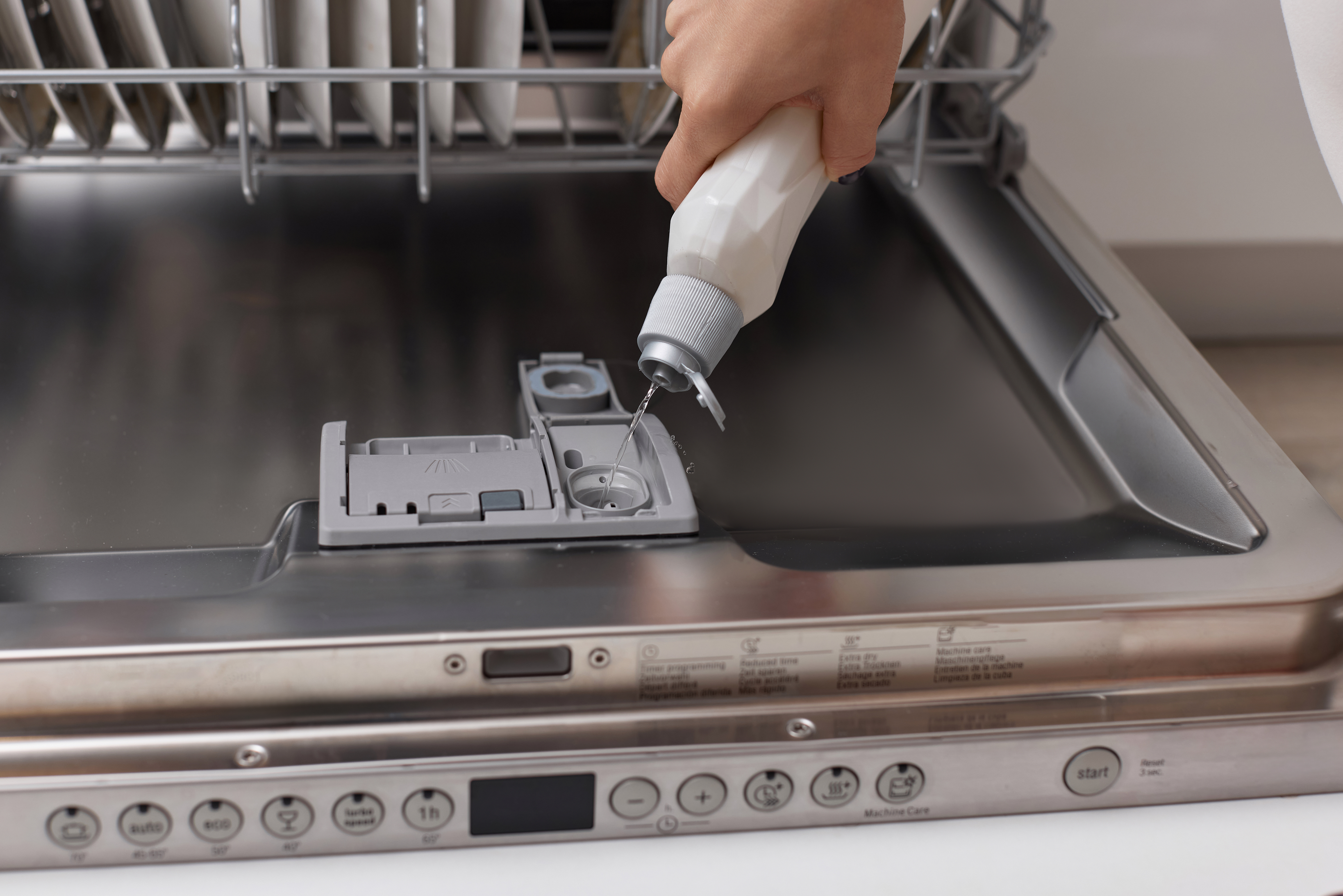
When rinse aid stops dispensing, the symptoms are usually subtle: spotty glasses, a cloudy film, water hanging on plastic, or that stubborn “everything looks clean but not dry” feeling. The good news is that most rinse aid problems are small, fixable issues in the cap, the dispenser channel, or the setting dial.
This guide focuses only on rinse aid dispensing. It is a separate system from “my detergent pod didn’t dissolve” or “the detergent door didn’t open.”
Quick check: Is it really not dispensing?
Before you start taking things apart, confirm you have a rinse aid problem and not a loading, detergent, or hard-water issue.
- Rinse aid reservoir level never drops after many cycles.
- Excess spotting on glassware even when wash performance is otherwise fine.
- Plastic stays wet and drying is noticeably worse than before.
- No difference after you refill rinse aid and run 5 to 10 loads.
If your rinse aid level drops a little over time, the dispenser is likely working, and your problem may be water hardness, detergent choice, water temperature, cycle choice, or loading.
How rinse aid works (plain English)
Rinse aid helps water sheet off dishes during and for the final rinse and dry. Most dishwashers use one of these setups:
- Mechanical dial that opens a small port more or less.
- Cap and reservoir with a metering chamber that feeds a small amount each cycle.
- Electronically controlled dispenser in newer models, sometimes tied to Auto cycles.
If the cap leaks, the port clogs, the dial is set too low, or the internal valve is stuck, your rinse aid either does not dispense or does not dispense consistently. If your manual describes a specific timing or design for your model, follow that first.
Cause 1: Cap and minor clogs
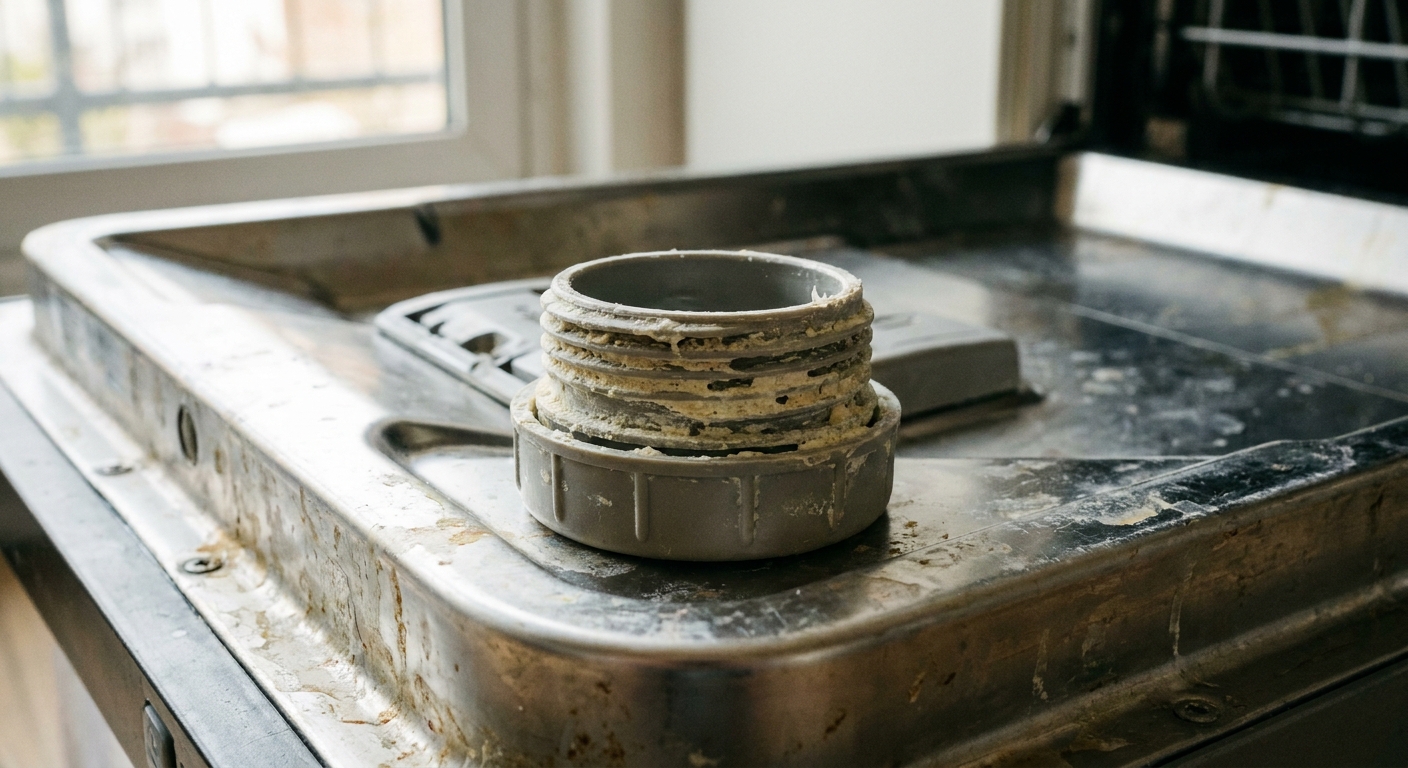
The rinse aid cap does more than keep liquid in. It seals the reservoir so the dispenser can meter correctly. A tiny bit of gunk on the seal or threads can cause inconsistent metering.
What to look for
- Sticky residue around the cap, threads, or gasket
- Cracked cap, flattened gasket, or damaged O-ring
- A cap that will not tighten to the stop or sit snug
- Crusty buildup around the dispenser opening
Fix it
- Remove the cap and wipe the threads and gasket with a warm, damp cloth.
- Use a soft toothbrush to scrub dried residue. Avoid metal picks that can nick the seal.
- Flush the opening with a small amount of warm water. A turkey baster works great for controlled squirts.
- Inspect the gasket. If it is cracked or missing, replace the cap or gasket (model-dependent).
- Reinstall snug. Tighten to the stop or until it is firmly seated, then stop. Do not force it and strip the plastic.
Marcus note: I once chased “bad rinse aid” for weeks when the real culprit was a tiny grainy buildup on the cap seal. It disrupted the seal so the dispenser could not meter consistently. Ten minutes of cleaning solved it.
Safety note: Rinse aid is slippery. Wipe spills immediately, especially on the door lip and the floor in front of the machine.
Cause 2: Dial set too low
Many dishwashers have a small dial near the rinse aid cap with settings like 1 to 6, Low to High, or Min to Max. If it is set too low, you may not notice the level dropping.
Fix it
- Set the dial to a middle value (often 3 or 4).
- Run 5 to 10 cycles and watch for improvement in spotting and drying.
- If you have hard water, you may need to bump it up one step.
Tip: If you suddenly get streaks or a slippery feeling on glasses, you may be dispensing too much. Turn the dial down one notch.
Cause 3: Water temp too low
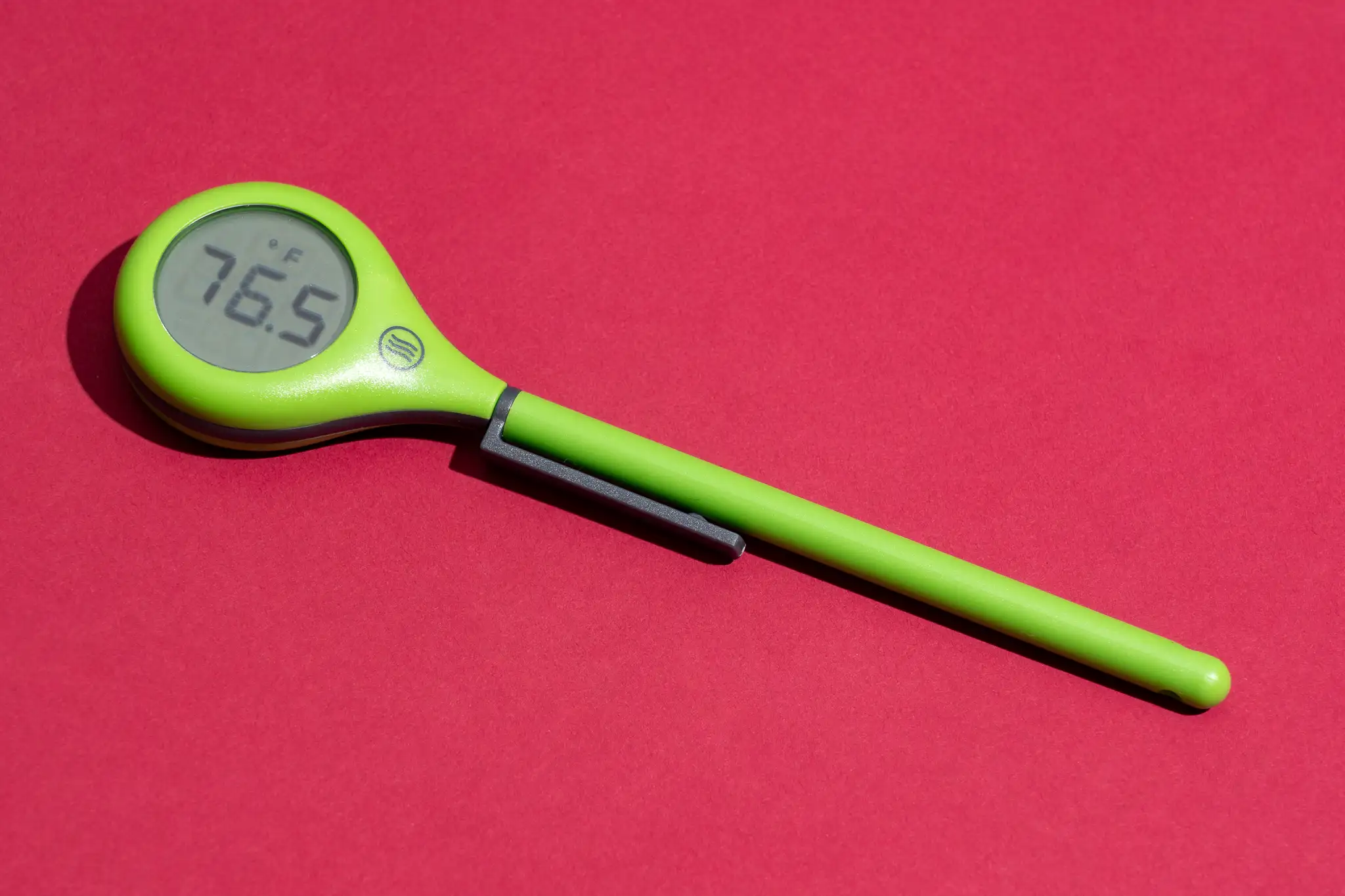
Rinse aid helps most when the final rinse is hot enough for good sheeting and drying. If your incoming water is consistently lukewarm, results can suffer and it can look like rinse aid is not working even when it is dispensing.
What to check
- Run the hot water at the kitchen sink for 30 to 60 seconds before starting the dishwasher.
- A common target is around 120°F (49°C) or a bit higher at the tap, but check your manual since some brands specify a range (often 120°F to 140°F).
- If your dishwasher has a heated dry or sanitize option, try one cycle to compare drying results.
Safety note: Do not crank your water heater to unsafe temperatures just for dishes. Use dishwasher options and the “run hot water first” habit instead.
Cause 4: Detergent and suds
Detergent and rinse aid work together. But certain combinations can create symptoms that mimic a rinse aid dispenser failure.
Common issues
- All-in-one tablets plus separate rinse aid set to High can cause streaking or filming.
- Overdosing detergent can leave residue that rinse aid cannot overcome, especially in hard water.
- Suds (from too much detergent, the wrong product, or accidental hand-dish soap contamination) can interfere with rinsing and water sheeting. In some machines, certain gels can also contribute if you are overdosing.
Fix it
- If you use all-in-one tablets, set your rinse aid dial to Low or Mid and test for a week.
- Try a name-brand powder or tablet for 10 loads as a controlled test.
- Use the minimum effective detergent amount for your water hardness and soil level.
Bottom line: if you change detergent and your results change fast, your rinse aid dispenser is probably fine.
Cause 5: Not actually filled
This sounds obvious, but it gets people all the time: the reservoir “looks full” because you poured some in, but it did not truly refill the reservoir area on some models, especially if you poured quickly or the level indicator did not update.
Fix it
- Open the cap and fill slowly until your indicator shows full (window changes, float rises, or the “add” light turns off, depending on model).
- Pause for a few seconds, then top off to the full mark again if the level drops.
- Wipe any spilled rinse aid off the door to avoid a slippery mess.
- Run a normal cycle and recheck the level window after a few loads.
Cause 6: Clogged channel
If you have cleaned the cap area and confirmed settings, the next suspect is a clog inside the rinse aid path. This can happen from hardened rinse aid, mineral scale, or old detergent residue migrating where it should not.
Try first (no disassembly)
- Run a hot cycle with a dishwasher cleaner designed to remove grease and mineral buildup.
- If you have hard water, follow up with a second cleaning cycle a week later.
Light DIY option
On some models, you can access the dispenser body by removing the inner door panel. If you do this:
- Kill power at the breaker first. Dishwashers are hardwired in many homes.
- Take a photo of screw locations and any wire connectors before disconnecting anything.
- Look for white scale or sticky buildup around the rinse aid dispenser housing.
If you see heavy scale or the housing looks warped or cracked, you are likely moving toward replacement rather than cleaning.
Drying reality check
Even with perfect rinse aid dispensing, some dishwashers use condensation drying (common on many newer and European-style models). Those machines can leave plastics wet because plastic does not hold heat the way glass and ceramic do. Rinse aid helps, but it cannot change physics.
- If your glasses and plates dry well but plastics stay wet, your dispenser may be working normally.
- Try cracking the door open after the cycle, or use any “extra dry” option if your model has it.
Hard water and salt systems
If you have hard water, rinse aid helps, but it is not a water softener. Some dishwashers have a built-in softener that requires dishwasher salt. If your model has a salt reservoir and it is empty, you can get spots and poor drying that look like a rinse aid failure.
If you are not sure, check your manual for “salt” or “water softener” and fill it with dishwasher salt if applicable. Do not put table salt in it.
When to replace the dispenser
Sometimes the problem is not a clog or setting. The rinse aid dispenser can fail internally, especially on older machines.
Signs it is failing
- Rinse aid level never drops even after cleaning and raising the setting.
- The cap and gasket are fine, but you see leaks inside the door or around the dispenser body.
- The dial spins but feels loose, does not index, or will not stay set.
- You find a cracked reservoir or damaged plastic around the metering port.
- On electronic units: you get a rinse aid or dispenser error (varies by brand), and the basics check out.
Replacement basics
- Look up parts by the dishwasher model number (usually on the door frame).
- Most dispensers replace as an entire assembly, not as small internal pieces.
- Expect a moderate DIY job: remove inner door panel, disconnect a harness, swap the unit, and reinstall.
Thrifty note: If your dishwasher is near the end of its life and the dispenser is pricey, weigh the part cost against the age of the machine. I am all for repairing, but I am also for not throwing good money after bad.
Not a detergent door issue
It is easy to mix these up, so here is the quick separation:
- Detergent door: Pods or powder are still sitting in the cup after the cycle, or the door never opened. Causes are usually loading blocking the door, weak spring, latch issues, or cycle timing.
- Rinse aid dispenser: Dishes are clean but spotty, cloudy, or not drying well, and the rinse aid level never changes. Causes are usually cap seal issues, dial settings, clogs, water temperature, detergent and suds issues, or a failing dispenser assembly.
Checklist (in order)
- Confirm the reservoir is actually full and the indicator behaves normally.
- Clean the cap, gasket, and threads. Re-seat the cap snug.
- Set rinse aid dial to Mid, then test 5 to 10 cycles.
- Run hot water at the sink before starting the dishwasher for a week.
- Try a different detergent type for 10 loads and avoid overdosing. If you see suds, stop and correct the detergent issue.
- Run a dishwasher cleaner cycle to reduce grease and mineral buildup.
- If the level never drops and symptoms persist, plan for dispenser assembly replacement.
When to call a pro
If your dishwasher is hardwired and you are not comfortable working around electrical connections, or if you find water leaking inside the door, it is reasonable to call an appliance tech. Door leaks can lead to corrosion and bigger failures if ignored.
My quick win
If you do only one thing today: run the kitchen hot water first and set your rinse aid to a middle setting. It costs nothing, takes 30 seconds, and it fixes a surprising number of “rinse aid isn’t working” complaints because it improves final rinse and drying conditions.

About Marcus Vance
Content Creator @ Grit & Home
Marcus Vance is a lifelong DIY enthusiast and self-taught home renovator who has spent the last decade transforming a dilapidated 1970s ranch into his family's dream home. He specializes in budget-friendly carpentry, room-by-room renovations, and demystifying power tools for beginners. Through his writing, Marcus shares practical tutorials and hard-learned lessons to help homeowners tackle their own projects with confidence.