
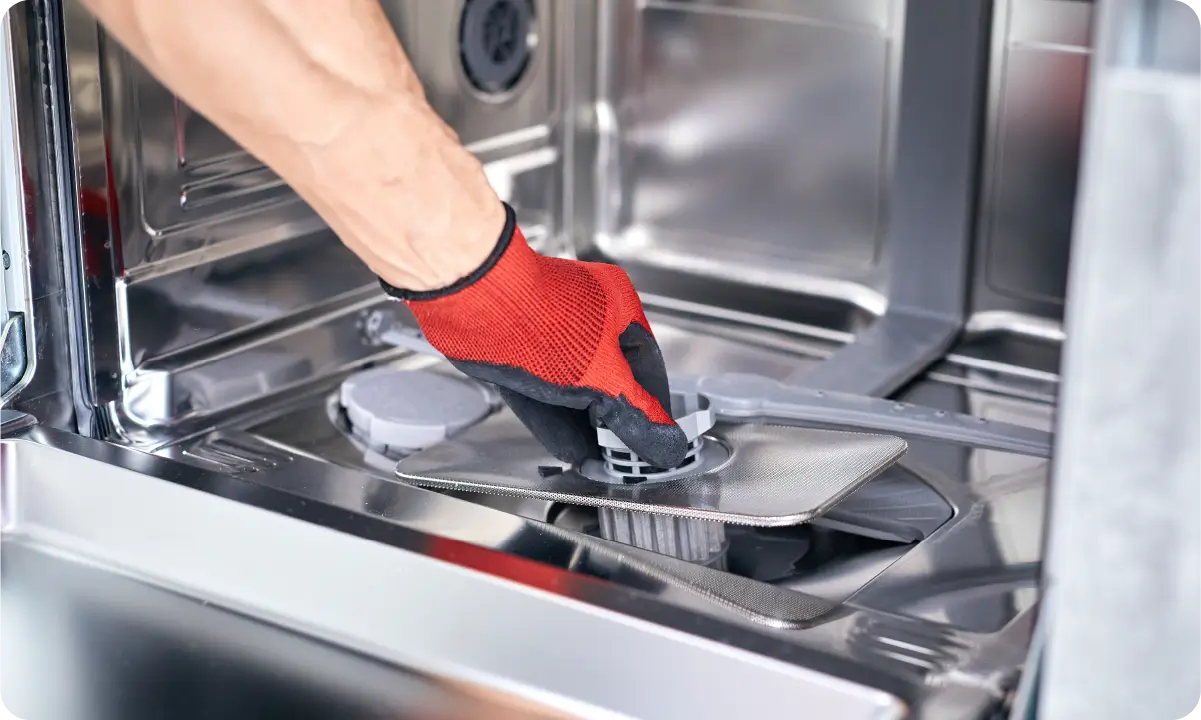
What a mid-cycle stop usually means
When a dishwasher starts normally but quits partway through, it is usually reacting to a safety switch, a sensor reading it does not like, or a control that got confused. The good news is that a lot of these are simple checks you can do without special tools.
The most common buckets are:
- Door latch or door switch: the machine thinks the door opened.
- Float and overfill protection: the machine thinks it is overfilling.
- Drain or pump trouble: it cannot move water when it expects to.
- Heating problem: it cannot raise water temp fast enough or a safety thermostat trips.
- Water supply issue: it cannot fill correctly, so it pauses, errors, or stops.
- Control or electronics: a glitchy keypad, loose connection, or failing board.
Safety first (two things I do every time)
- Kill power before touching wiring: Switch the breaker off or unplug the dishwasher if it is on a cord.
- Watch for hot water: Mid-cycle water can be very hot. Let it cool a bit before you reach into the tub or disconnect hoses.
If you smell burning plastic, see smoke, or the breaker keeps tripping, skip the DIY steps and jump to the call a pro section.
Quick triage: what did it do when it “stopped”?
Before you reset anything, take 30 seconds and note what you are seeing. This helps you pick the right branch of the troubleshooting tree.
- Dead silent, no lights: could be power, thermal fuse (on some models), or control board.
- Lights on, but cycle paused: often door latch, water heating timeout, or a control glitch.
- Standing water in the bottom: often drain path, filter, air gap, garbage disposal plug, or drain pump issue.
- Stopped during wash, then beeps: many models beep when they lose the “door closed” signal.
- Stopped during heating/drying: heating circuit, thermostat/thermistor, or control sensing problem.
- Drain pump runs nonstop, won’t start a new cycle: common flood protection behavior on units with a base pan leak sensor.
Fixes to try first (in order)
1) Do a proper reset (the non-fancy kind)
This solves more mid-cycle weirdness than I want to admit. Especially after a power flicker.
- Cancel or turn the dishwasher off at the control if it responds.
- Flip the dishwasher breaker off for 1 to 5 minutes (or “a few minutes”), and make sure the panel goes dark.
- Turn breaker back on.
- Start a short cycle and listen for normal fill and wash.
Note: some brands also have a button-based reset or cancel/drain sequence. If your control panel has a specific reset procedure, follow the manual.
If it runs normally after this, you likely had a one-off control glitch. If it stops again at the same point, keep going.
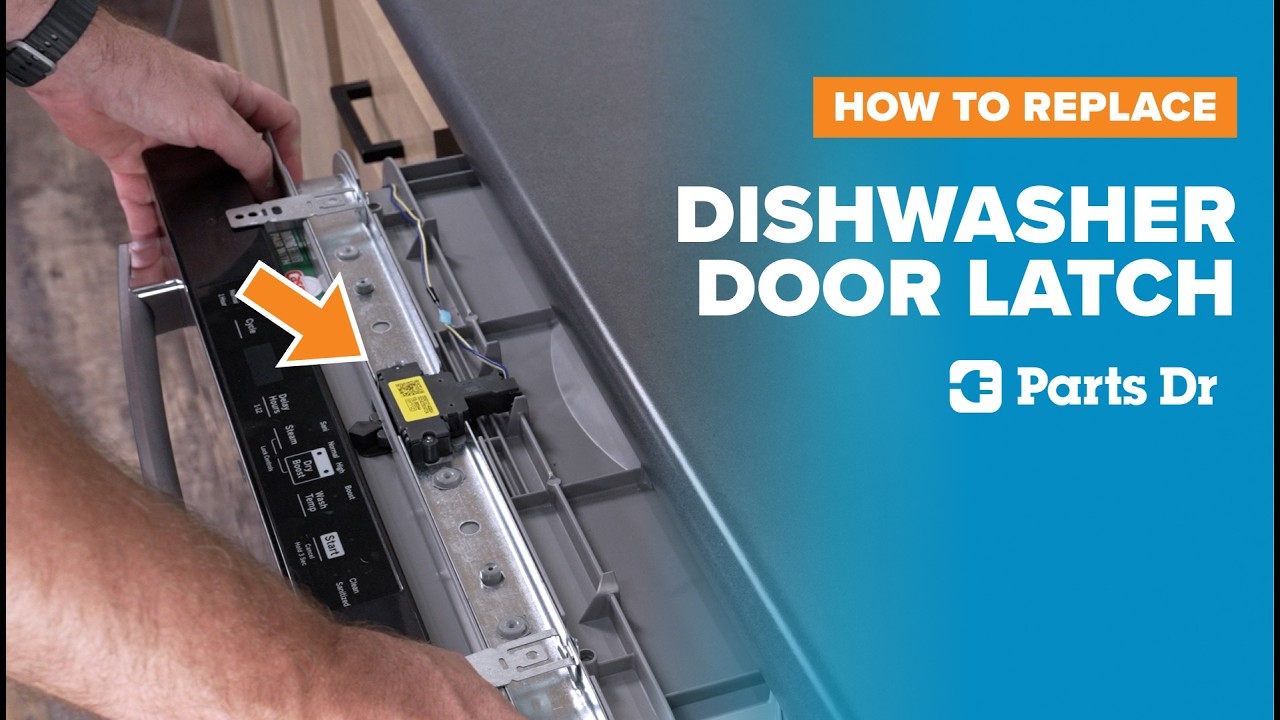
2) Check the door latch, strike, and alignment
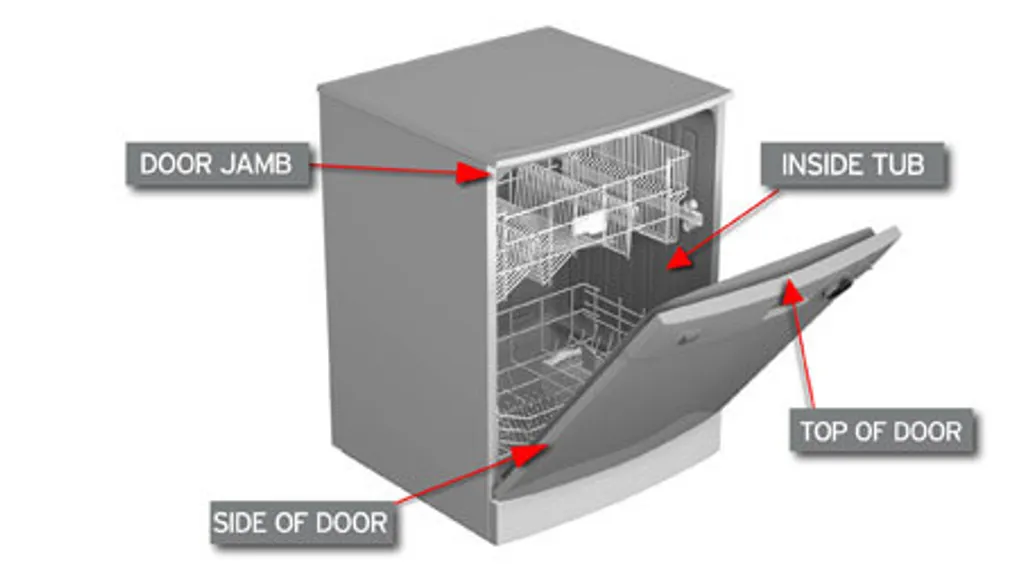
If the dishwasher thinks the door opened mid-wash, it will stop for safety. On many models it will pause and beep, or it will simply stop and sit there.
- Open and close the door firmly. You should feel a confident click.
- Inspect the latch strike (the metal or plastic piece the latch grabs) for looseness.
- Look for a rack, tall cutting board, or utensil sticking out that could press the door outward mid-cycle.
- Check the gasket for debris that keeps the door from fully seating.
My own mistake: I once loaded a tall baking sheet on the lower rack that looked fine when I closed the door. Mid-cycle, the spray arm nudged it just enough to bow the door and the latch “let go” electrically. The fix was simply loading smarter.
3) Make sure it is not in “pause” or “control lock” mode
Some models may pause if the controls get bumped while wiping the front, or if the door switch signal gets momentarily interrupted. Others have a control lock that looks like a failure if you are not expecting it.
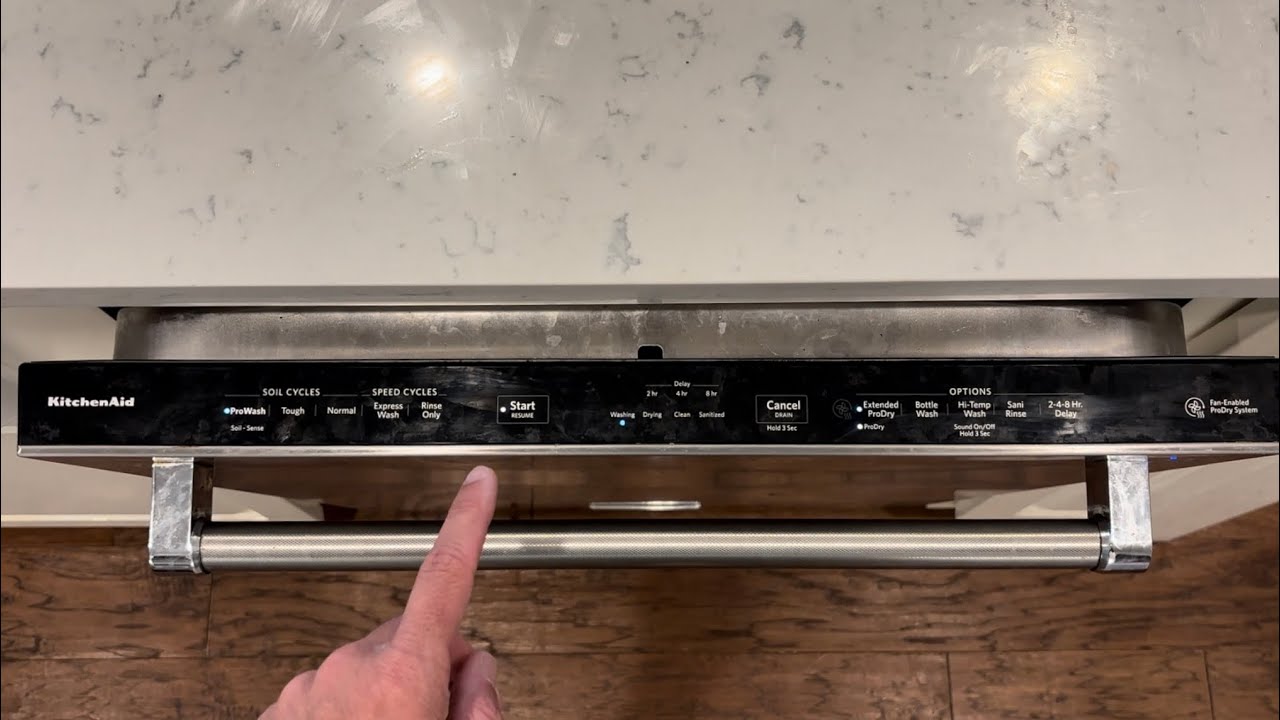
- Look for a lock icon on the panel.
- Press and hold the lock button (often 3 seconds) to toggle it.
- If your model has a “resume” function, close the door and press Start/Resume.
4) Check the float and the float switch (overfill protection)
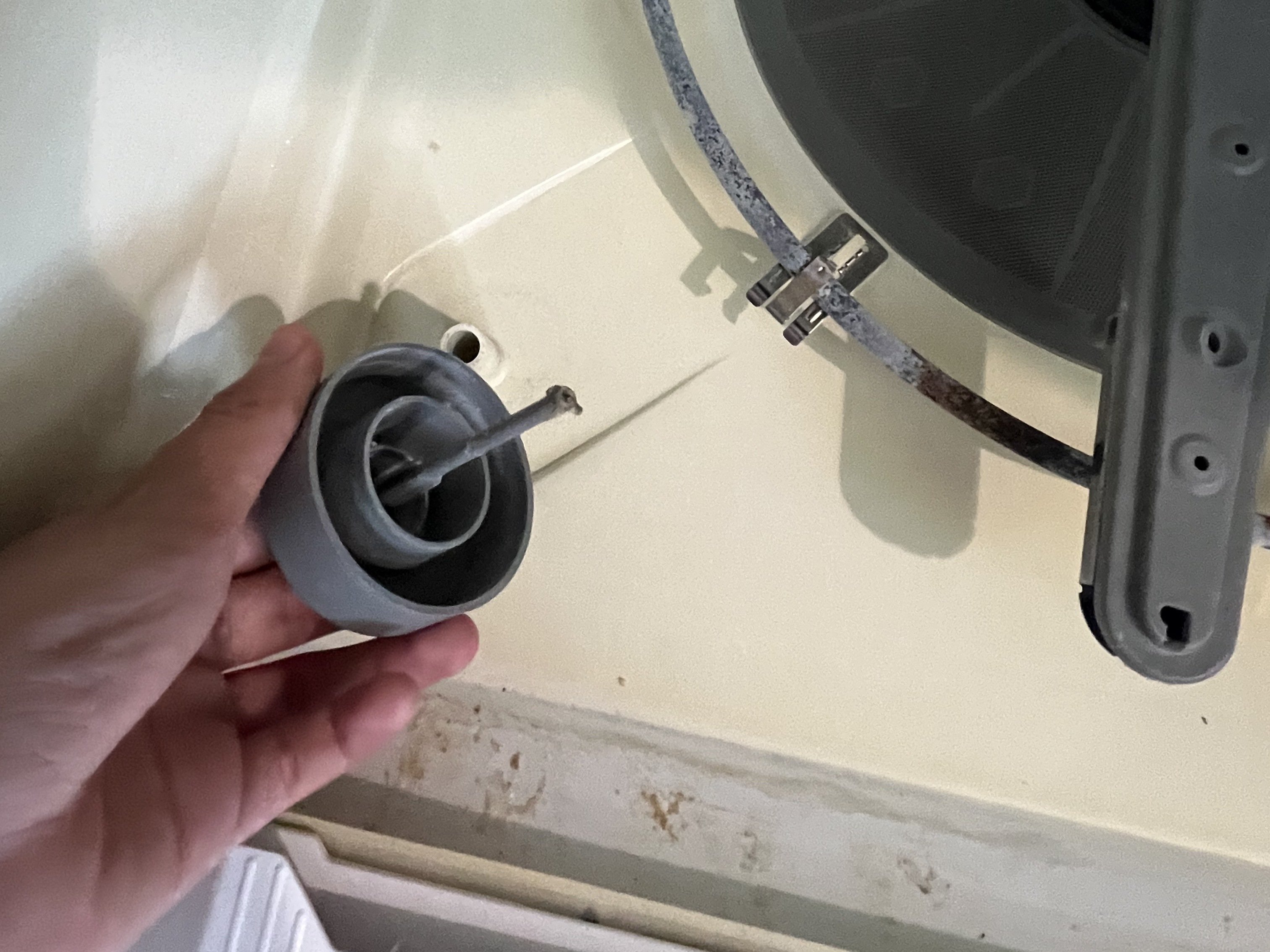
Inside the tub, there is usually a small plastic “float” dome or cylinder. It is often near the front corner, but on some models it can be closer to the side or center. If it is stuck up, the dishwasher may think it is overfilled and stop filling or pause the cycle.
- Find the float and lift it gently, then let it drop. It should move freely.
- Clean around it if you see gunk, broken glass, or food bits.
- If there is standing water, remove it first (a cup and a towel works) so you can see what is going on.
If the float keeps popping up because there is water in the base pan underneath (common on some designs with a leak tray sensor), that is a different problem: you have a leak or an over-sudsing event that triggered flood protection.
5) Rule out over-sudsing (it can stop a cycle)
If someone used dish soap instead of dishwasher detergent, or you have a rinse aid spill, foam can trick sensors and cause odd mid-cycle behavior.
- If you see lots of foam, stop the cycle and let it sit.
- Scoop out suds and run a rinse/drain cycle.
- A small bowl of white vinegar on the top rack can help knock down suds on the next rinse. Do not make it a habit, and if your manual warns against vinegar, follow the manual.
6) If it stops with water in the bottom: do a fast drain-path check
Mid-cycle shutdowns often happen right when the dishwasher tries to drain. If it cannot, it may pause, show a code, or just sit.
- Clean the filter in the bottom of the tub (most twist out). Rinse under hot water.
- Check the sump area for labels, broken glass, popcorn kernels, or a bone fragment.
- Look under the sink: confirm the drain hose has a high loop or is connected to an air gap where required. Check local code and the installation instructions for your setup.
- If it drains into a garbage disposal and the disposal is new or recently replaced, make sure the dishwasher knockout plug was removed from the disposal inlet.
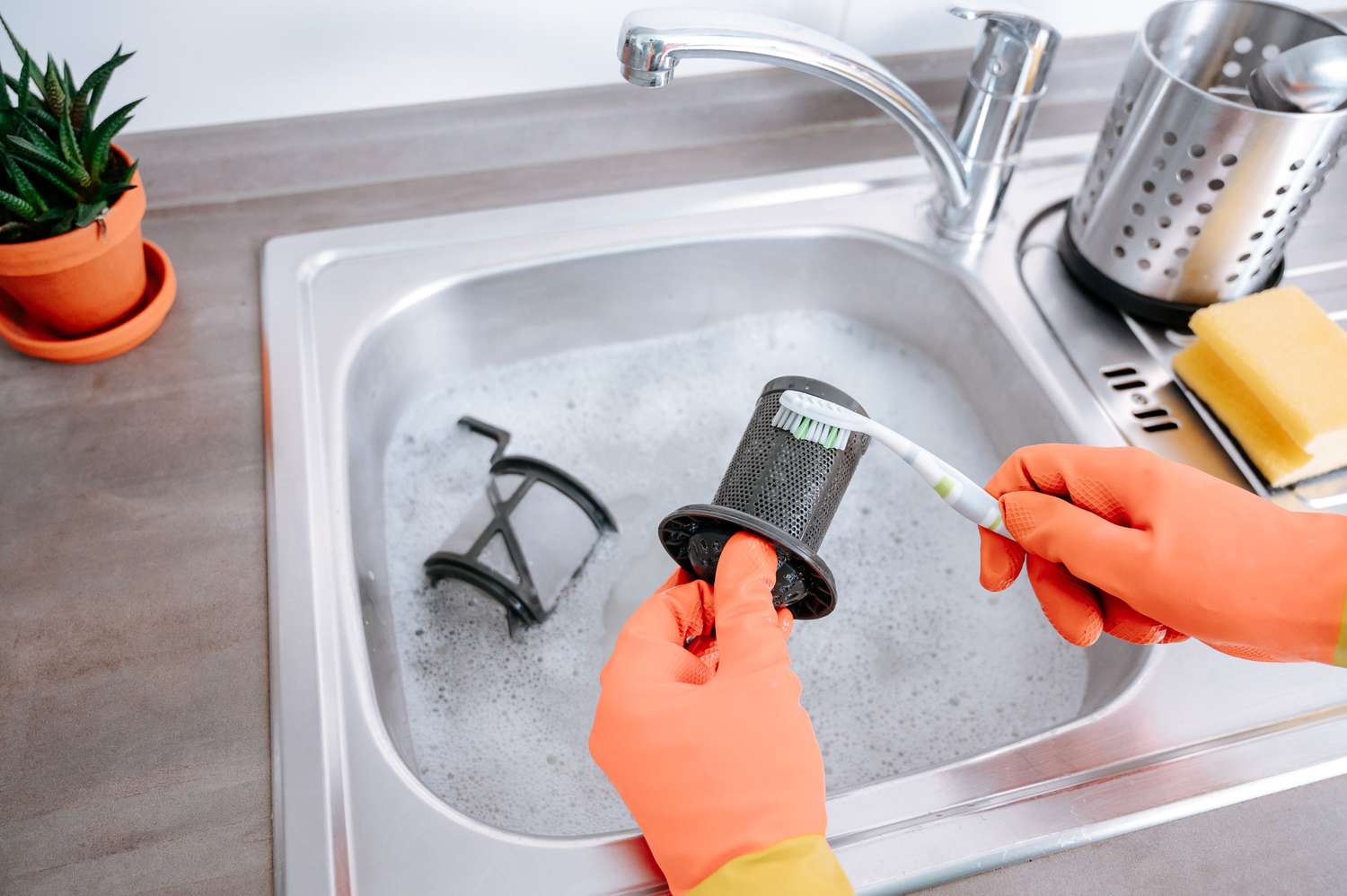
If the dishwasher hums during drain but water does not move, the drain pump may be jammed or failing. That is often still DIY-able, but it can require pulling the unit depending on the model.
7) Check the water supply if it seems to stop early or never fills right
If the cycle starts, then stalls, or you hear it trying to fill but the tub stays mostly dry, look at the water supply side.
- Confirm the shutoff valve under the sink is fully open.
- Check the inlet line for kinks (especially if the dishwasher was recently moved).
- If your model throws a fill error, a clogged inlet screen or low water pressure can be the culprit.
- Make sure the hot water to the sink is working normally, since some homes share the same supply path.
If you are not comfortable disconnecting the water line to inspect screens, stop here and call a pro. Small leaks under a sink are no fun.
8) If it stops during heating or drying: suspect the heating circuit
Many modern dishwashers expect the water to reach a target temperature within a certain time. If it does not, behavior varies by brand: some units extend the cycle, some pause, and others will end early or show a heat-related error code. Signs point to heating when:
- It consistently stops around the same time, often later in the cycle.
- Dishes are cold and wet at the end.
- The unit seems to run, then pauses for long stretches.
First, do the simple stuff:
- Run hot water at the kitchen faucet for 30 to 60 seconds before starting the dishwasher, so it fills with hot water right away.
- Check your water heater temp. Many homes are set around 120°F. Some dishwashers heat beyond that, but starting too cold can cause long heat-up times.
- Make sure you are not always using an “eco” cycle that intentionally reduces heat and can take much longer.
If the dishwasher still stops or errors during the heating portion, you may be looking at a failed heating element, thermostat, thermistor, or control relay. That is a good time to decide whether you want to test with a multimeter or call in help.
9) If it goes totally dead: check power and the thermal fuse
If the panel goes dark mid-cycle, treat it like a power problem first.
- Confirm the breaker did not trip. If it did trip once, reset it. If it trips again, stop and call a pro.
- If it plugs into an outlet under the sink, verify the plug is fully seated and the outlet works.
- Look for a tripped GFCI outlet on the counter or nearby that might feed the dishwasher circuit.
Some dishwashers have a thermal fuse in or near the control panel area that will kill power if things get too hot. Replacing it often involves removing the inner door panel and checking wiring. If you see heat damage or melted connectors, do not keep running the machine.
10) Control board and keypad issues (when everything else checks out)
If the dishwasher stops mid-cycle and you have already ruled out the door latch, float, drain path, and obvious power issues, the control system becomes more likely.
- A failing keypad can send random inputs (pause, cancel) mid-cycle.
- A control board can drop loads (heater, motor) and end the cycle early.
- Loose connectors in the door can cause intermittent shutoffs when the door warms up and flexes.
At this stage, the most efficient next step is often to look up your model-specific error code behavior. Many dishwashers will show a blinking pattern or display code that points directly to heating, draining, or door switch faults.
Tip: on many units, a tech sheet is tucked behind the kick plate or inside the door area. Error codes vary a lot by brand, so lean on the manual when you can.
Symptom-first cheat sheet
- Stops and beeps when you bump the door: door latch or door switch, door alignment, rack interference.
- Stops right when it should drain: filter clog, drain hose issue, disposal plug, drain pump jam.
- Stops late in the cycle: heating circuit, water temperature not rising fast enough, thermostat/thermistor (or the unit extends the cycle and then throws a heat code).
- Stops and goes completely dark: breaker/GFCI, loose power connection, thermal fuse (some models), control board.
- Starts, then seems to stall with little or no water: shutoff valve, kinked line, inlet screen, water pressure issue.
- Won’t start and runs the drain pump continuously: flood protection triggered by water in the base pan (leak or over-suds).
- Stops after adding too much soap: over-sudsing and sensor confusion.
When to call a pro (no shame, just smart)
I love DIY, but I love safe kitchens more. Call an appliance tech if any of these are true:
- The breaker trips repeatedly or you smell burning.
- You see melted wiring, scorched terminals, or signs of overheating in the door panel or junction box.
- There is water in the base pan and you cannot identify the leak source, or you see active leaking under the unit.
- Your model shows a heating-related code and you are not comfortable doing electrical tests.
- The dishwasher is under warranty. Opening panels can complicate coverage.
What to note before you troubleshoot (or call)
A little info makes troubleshooting much faster.
- Brand and model number (usually on the inner door edge).
- About how many minutes into the cycle it stops.
- Whether there is standing water and whether it is hot.
- Any blinking lights or error codes.
- Whether the stop happens only on certain cycles (eco vs heavy).
My “do this first” order if you are standing in the kitchen right now
- Reset at the breaker for a few minutes.
- Re-close the door firmly and check for anything blocking it.
- Check and clean the float area.
- Clean the filter and confirm the drain hose and disposal connection.
- If it seems like a fill problem, confirm the shutoff valve is open and the inlet line is not kinked.
- If it stops during heat or goes dead, stop and evaluate whether you are comfortable testing the heating circuit or thermal fuse.
If you work through those steps in order, you will catch the most common mid-cycle shutdown causes without tearing your kitchen apart.

About Marcus Vance
Content Creator @ Grit & Home
Marcus Vance is a lifelong DIY enthusiast and self-taught home renovator who has spent the last decade transforming a dilapidated 1970s ranch into his family's dream home. He specializes in budget-friendly carpentry, room-by-room renovations, and demystifying power tools for beginners. Through his writing, Marcus shares practical tutorials and hard-learned lessons to help homeowners tackle their own projects with confidence.