
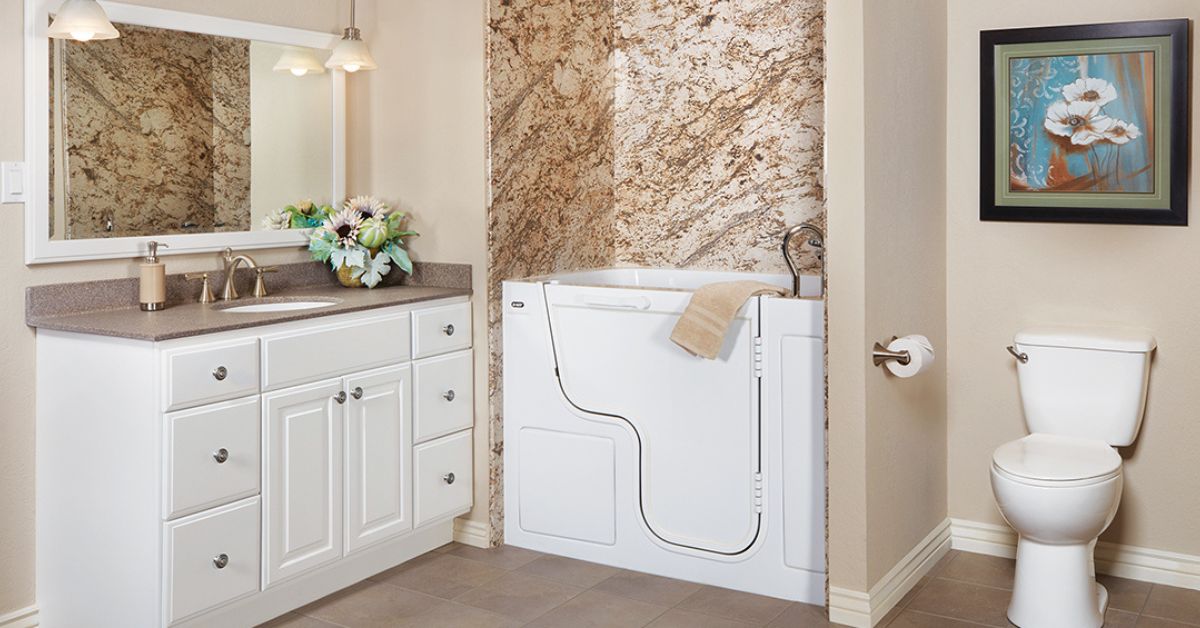
Bathrooms are where a lot of scary, life-changing falls happen. Walk-in tubs are designed to make bathing easier and safer by reducing the risk of falling, mainly because they feature a door with a very low threshold instead of a higher tub wall you have to step over.
The big question is simple: Does Medicare cover a walk-in tub?
In most cases, no. But there are a few exceptions and alternate paths worth understanding before paying $4,000 to $20,000 out of pocket.
The short answer
Original Medicare (Part A and Part B) generally does not cover walk-in tubs. Not because walk-in tubs are a bad idea, but because Medicare usually treats them as a bathroom repair, upgrade, or retrofit rather than medically necessary equipment.
Medicare typically draws a hard line between:
- Durable medical equipment (DME) covered under Part B, and
- Home improvements that increase safety and accessibility
Walk-in tubs generally land in the home-improvement category. Stair lifts are also not covered for a similar reason.
Why Medicare says no
Medicare Part B covers many reusable DME items. Examples include:
- Home oxygen equipment
- Hospital beds
- Walkers
- Wheelchairs
Walk-in tubs typically do not qualify because Medicare doesn’t deem them medically necessary for most people and they are not considered DME. Even if a tub improves safety, Medicare usually still classifies it as a remodeling-type change to the home.
The exception to know
There is a narrow scenario that may open the door to coverage: whirlpool bath equipment.
With original Medicare or Medicare Advantage, you may be covered for whirlpool bath equipment if you are homebound and the tub provides considerable therapeutic relief for certain diagnosed conditions.
This is not the same as broad coverage for walk-in tubs, but it is the closest exception most people will find. If hydrotherapy is medically necessary for a specific diagnosis, ask the plan what documentation is required and whether any portion of the equipment qualifies.
Medicare Advantage
If you have a Medicare Advantage (Part C) plan, you are more likely to receive an exception. Medicare Advantage plans must meet or exceed what original Medicare covers, and most plans offer extra perks such as vision, dental, and hearing benefits.
A Medicare Advantage plan is not likely to cover a walk-in tub, but it may. If it does, you will probably need:
- Prior authorization before you buy anything
- A letter of medical necessity from your doctor
A letter of medical necessity explains your medical condition and how the tub will improve your health. Even with a strong letter, a plan may still deny the claim. The practical takeaway is simple: do not purchase the tub or sign an installation contract until you have the decision in writing.
The form you might be asked to sign
If you have original Medicare and want your insurance to consider covering a walk-in tub, a supplier may require you to sign an Advance Beneficiary Notice of Noncoverage (ABN).
This form states that you expect Medicare to deny the claim but want the item anyway and will be responsible for the cost if you are denied coverage. Treat it as a real financial decision, not routine paperwork.
Walk-in tub features
Walk-in tubs can include features that make bathing easier to manage for people with mobility challenges. Common features include:
- A seat
- Depth beyond a traditional tub
- Handheld showerheads known as hand showers
- Handrails
- Jets
- Slip resistance on the floor
Therapeutic benefits and conditions
A walk-in tub can be more than a convenience. If you have arthritis, diabetes, fibromyalgia, or another condition, a walk-in tub can lead to reduced chronic pain and inflammation. This is one reason some people pursue medical-necessity documentation, especially when hydrotherapy is part of the recommendation.
Cost in 2026
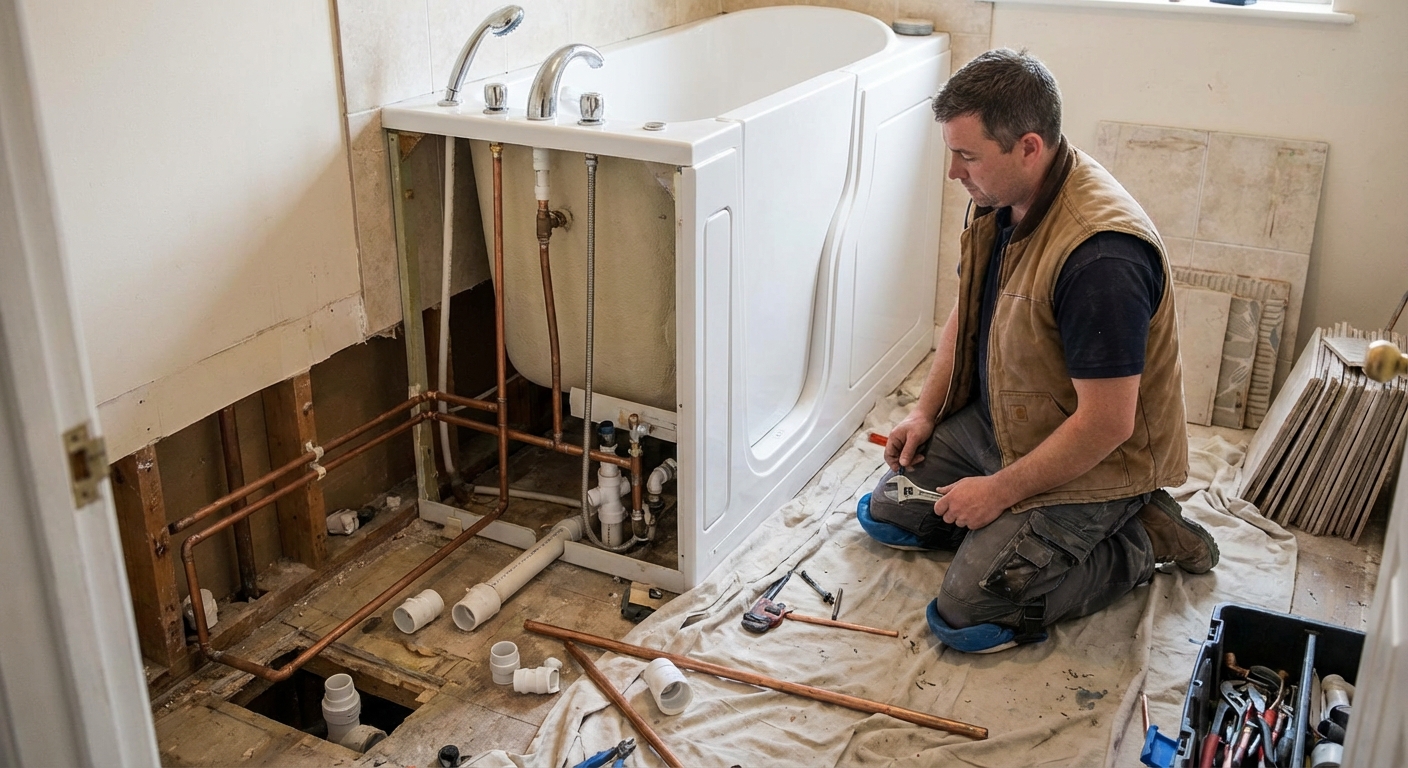
Total costs for an installed walk-in tub commonly range from $4,000 to $20,000. Lower-cost options tend to have basic features, while hydrotherapy jets and larger tubs cost more.
Your price typically includes the tub unit and installation. Installation costs vary depending on the construction, electrical, and plumbing work required. A walk-in tub may also require a water heater upgrade.
Walk-in tub vs. walk-in shower
Choosing between a walk-in tub and a walk-in shower often comes down to safety needs, bathing preferences, budget, and how the change affects the home.
Walk-in tub
- Pros: Safer for people with mobility challenges; therapeutic options such as soaking and hydrotherapy jets; can increase home resale value
- Cons: Longer fill and drain time; higher potential cost for unit and installation; may require a water heater upgrade
Walk-in shower
- Pros: Lower threshold for entry and exit; easier to clean; can cost less than a walk-in tub; optimal for wheelchair users
- Cons: User cannot submerge in water; more slip hazards; replacing the only bathtub in the home could reduce the house’s resale value
If Medicare will not cover it
If Medicare won’t cover a walk-in tub, there may still be ways to lower the cost. You could use another insurance plan, explore financing, or look into financial assistance programs that help pay for home modifications tied to accessibility and safety.
- Medicaid (state programs): Some state Medicaid programs may cover home accessibility modifications and a walk-in tub for eligible individuals. Some Medicaid programs have Home and Community-Based Services waivers that pay for in-home modifications if you qualify.
- USDA Rural Development: Single Family Housing Repair Loans & Grants (previously known as the Section 504 Home Repair Program) can help low-income homeowners in rural areas fund accessibility modifications. Combined assistance can be up to $50,000 or $55,000 with loans and grants.
- VA housing grants: The U.S. Department of Veterans Affairs offers several housing grants to help veterans upgrade homes to accommodate service-connected disabilities.
- Financing: You may be able to receive financing from the tub’s manufacturer or retailers, which typically offers installation. Other credit options include a personal loan or a home equity line of credit.
Coverage checklist
To explore coverage through original Medicare or Medicare Advantage, it helps to be methodical:
- Call your plan first and ask how they classify walk-in tubs and whether any exceptions apply.
- Ask whether prior authorization is required.
- Request a letter of medical necessity from your doctor that explains your condition and how the tub will improve your health.
- Ask what additional documentation is required, especially if homebound status or therapeutic relief is relevant.
- Do not purchase the tub or sign an installation contract until you have the plan’s decision in writing.
Bottom line
Medicare doesn’t cover walk-in tubs in most cases. They are usually treated as a bathroom upgrade and are not considered durable medical equipment. There can be exceptions, and Medicare Advantage plans are more likely to offer one, but approval typically requires prior authorization and a letter of medical necessity, and denial is still possible.
If Medicare will not help, you may still have options through Medicaid waivers, USDA loans and grants, VA programs, or financing through a manufacturer, retailer, or other credit source.

About Marcus Vance
Content Creator @ Grit & Home
Marcus Vance is a lifelong DIY enthusiast and self-taught home renovator who has spent the last decade transforming a dilapidated 1970s ranch into his family's dream home. He specializes in budget-friendly carpentry, room-by-room renovations, and demystifying power tools for beginners. Through his writing, Marcus shares practical tutorials and hard-learned lessons to help homeowners tackle their own projects with confidence.