
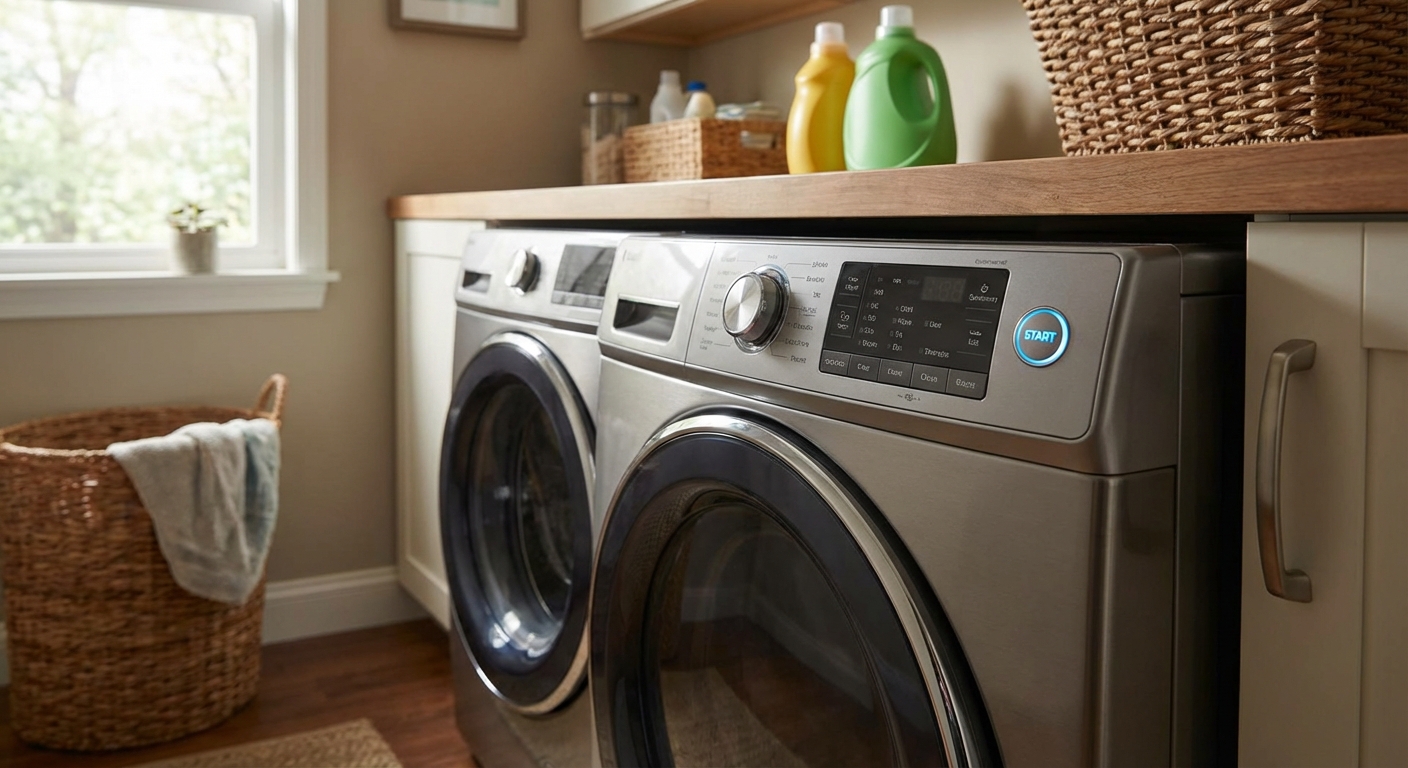
If your dryer does absolutely nothing when you press Start, no hum, no click, no beeps, no lights, nothing changes, it is a different problem than a dryer that runs but will not tumble. On Grit & Home we have a separate guide for won’t spin issues (often belt, idler, or motor related). This page is for the dead-silent, dead-still dryer that will not begin a cycle at all.
The good news: the most common causes are basic power problems, settings that block starting, or safety switches doing their job. Let’s walk through the checks I would do in my own laundry room before I even thought about calling for service.
Safety first (60 seconds)
- If you’re opening panels or testing parts: unplug the dryer first.
- If it’s gas: shut off the gas valve if you’ll be moving the dryer.
- Use a meter if you have one: a basic multimeter takes the guesswork out.
If you smell burning, see scorch marks, or the outlet is hot to the touch, stop and call a pro. That is not a keep-troubleshooting moment.
Quick split: won’t start vs. won’t spin
You’re in the right place if:
- You press Start and nothing happens.
- The dryer might have lights, but the cycle never begins.
- You hear no motor sound at all.
You may need a different fix if:
- You hear the motor run but the drum does not turn.
- You hear a hum or a click, then it stops, or it tries for a second and quits. (Often a motor-start issue, a stuck drum, a blower obstruction, or a broken-belt safety switch on some models.)
Fix 0: Check the settings that block starting
Before tools or panels, make sure the dryer is not being told to wait.
- Pick a real cycle: some models will not start if the dial is between selections or a cycle is not fully chosen.
- Cancel Delay Start: if Delay Start is on, it can look like the dryer is dead when it is just waiting.
- Turn off Control Lock: child lock can prevent Start from responding. Look for a lock icon or “Control Lock” button and hold it for 3 to 5 seconds (varies by model).
- Close the door firmly: yes, I know. Still worth the one-second check.
Fix #1: Confirm the power supply
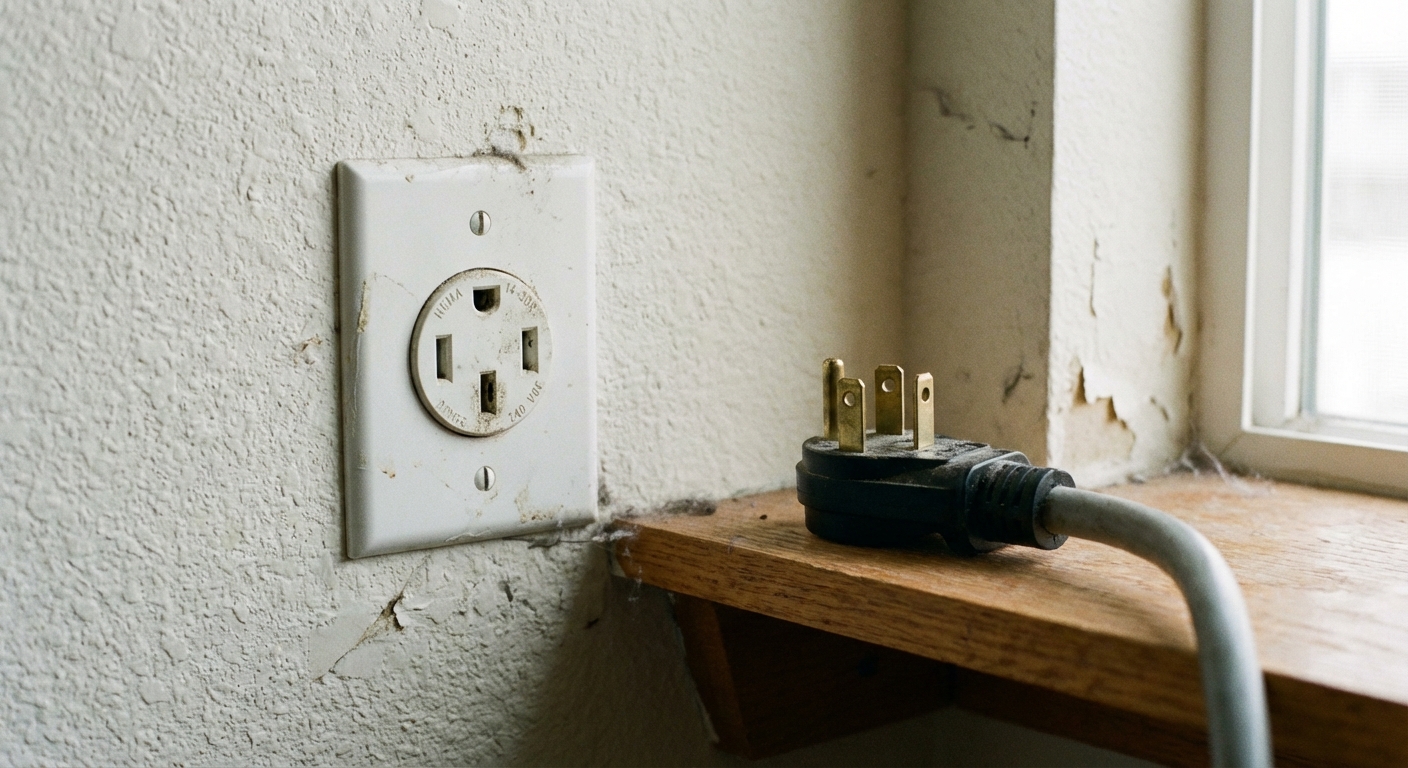
Dryers are sneaky because a 240V electric dryer can lose one leg of power (120V) and still look kind of alive. Depending on the model, you might get lights or beeps, but the motor will not start. Gas dryers also need 120V power for the motor and controls, so this step matters either way.
What to check
- Is it plugged in firmly? (Worth checking after someone vacuumed or shifted the machine.)
- Is the breaker tripped? Most electric dryers use a double-pole breaker. One side can trip and the handle might not look fully flipped.
- Reset the breaker properly: flip it fully OFF, then back ON.
- Check the outlet voltage (best test): with a multimeter, many North American electric dryers should read about 240V across the two hot slots and about 120V from each hot to neutral (on a 4-prong setup) or to a known ground reference. Outlet layouts vary between 3-prong and 4-prong receptacles, and it is easy to probe the wrong points if you are not used to it. If you are not comfortable testing live voltage, skip this and call an electrician.
Thrifty tip: If your breaker trips again right away, do not keep resetting it. That is how small problems turn into melted cords or damaged outlets.
One more quick power check
- Look at the dryer’s terminal block and cord connection: a loose connection or burnt terminal block can mimic a power problem even when the breaker looks fine. If you see melting, black marks, or a crispy smell, stop and call a pro.
Fix #2: Test the door switch
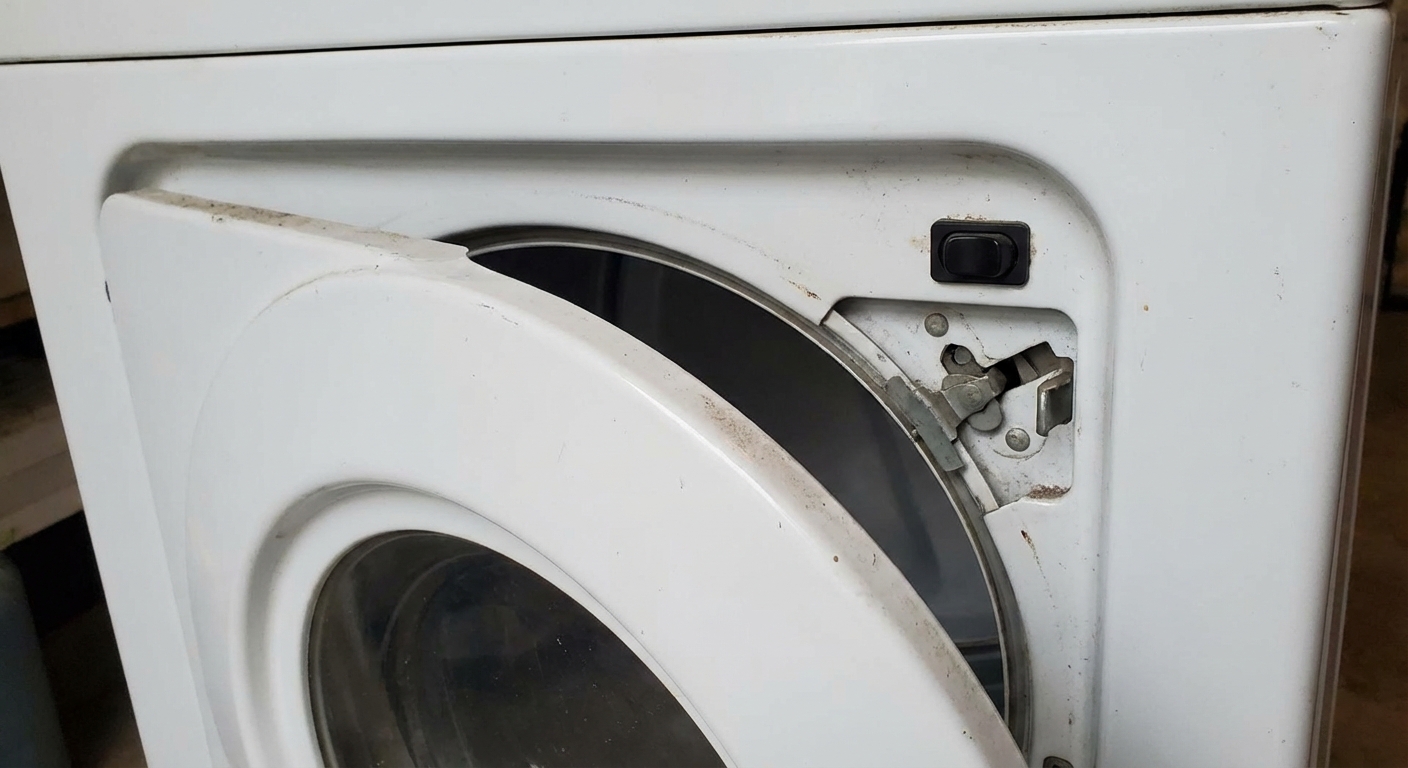
Your dryer is designed not to start unless it knows the door is shut. A bad door switch is one of the most common reasons a dryer acts totally dead.
Easy checks first
- Listen for a click when you open and close the door. No click can mean a broken switch or misaligned latch.
- Inspect the latch for cracks, missing pieces, or lint buildup keeping it from seating.
- Try pushing the door in with your hip while hitting Start (my very scientific farm test). If it starts only when you push, you likely have a latch alignment issue.
Multimeter check (unplugged)
- Unplug the dryer.
- Access the door switch (often behind the front panel near the door opening).
- Test for continuity when the switch is pressed and no continuity when released (some models are wired opposite). Compare to your dryer’s tech sheet if available.
If the switch tests bad, it is usually an inexpensive part and a very doable DIY replacement.
Fix #3: Check the start switch (or start relay)
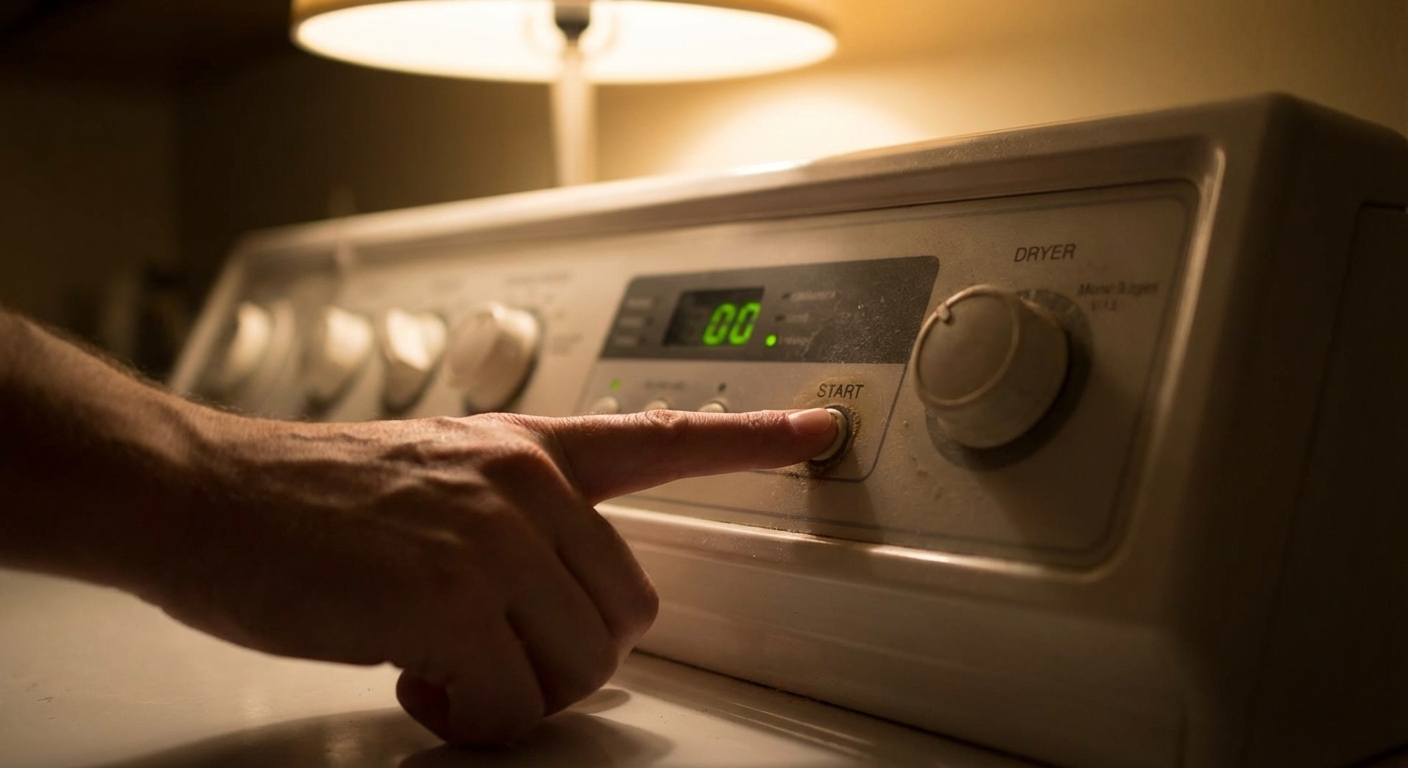
If the door switch is fine and you have solid power, the next suspect is the start switch (push-to-start button) or a start relay depending on your model. If this fails, the dryer may not send the go signal into the motor circuit.
Signs it might be the start switch
- The button feels mushy, sticks, or does not spring back.
- You have normal lights and selections, but pressing Start does nothing at all.
- You sometimes need to press it multiple times to get a response (classic failure pattern).
Basic continuity test (unplugged)
- Unplug the dryer.
- Access the back of the control panel (usually a few screws on the rear of the top panel or control housing).
- Remove the wires from the start switch terminals (take a quick photo first).
- Test the switch for continuity only while pressed (many are normally open).
If the switch does not change state when pressed, replace it. If your model uses a board-mounted relay instead, you may end up in Fix #5 territory.
Fix #4: Inspect the thermal fuse
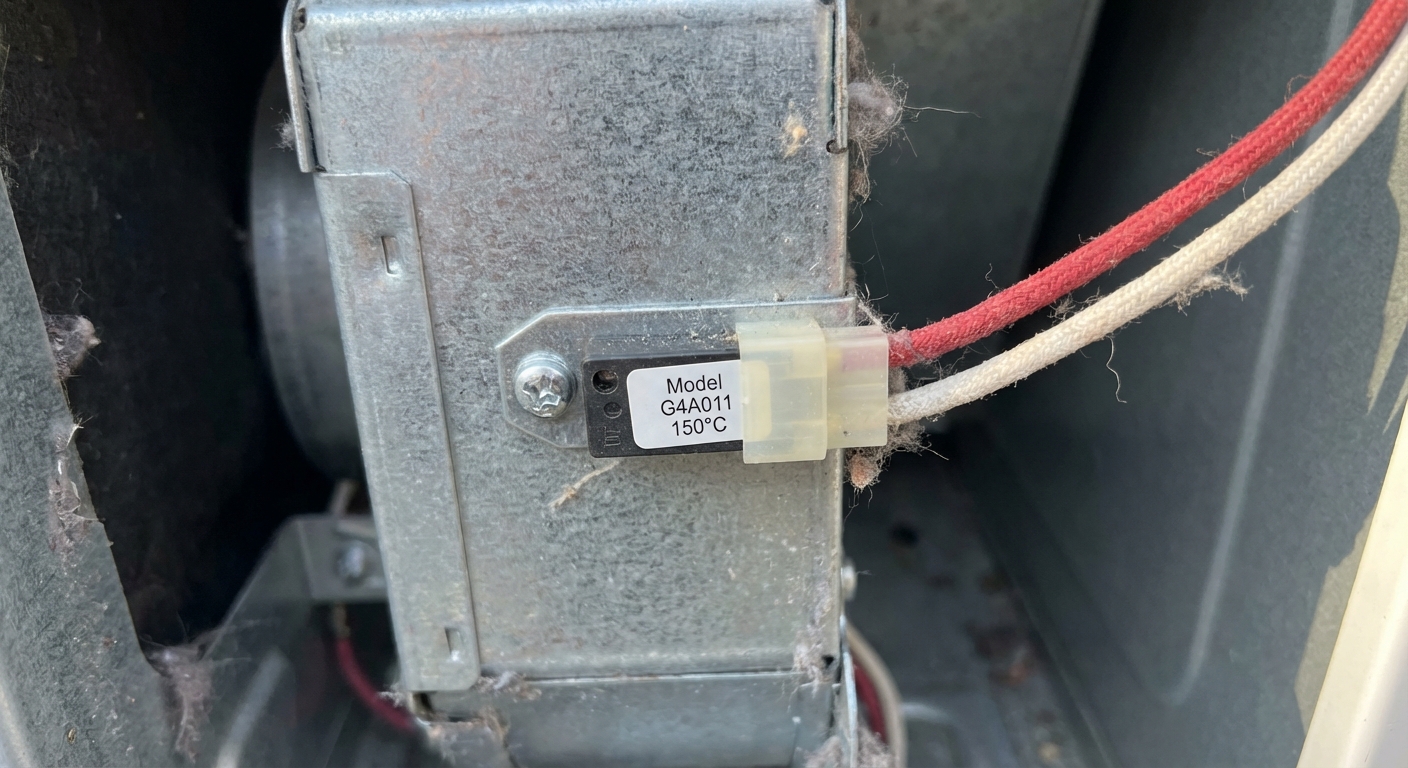
The thermal fuse is a one-time safety device meant to shut the dryer down if it overheats. On many models, when it blows, the dryer will not run at all. On some dryers, the drum will still run but you will get no heat.
Before you replace anything, ask why it blew
A blown thermal fuse is often a symptom of poor airflow. If you replace it without fixing the airflow problem, you are basically buying the same fuse twice.
- Clean the lint screen thoroughly (wash with warm water and a little dish soap if it has dryer sheet residue).
- Check the vent hose for kinks or crushing behind the dryer.
- Make sure the exterior vent flap opens freely.
How to test it (unplugged)
- Unplug the dryer.
- Locate the thermal fuse (commonly on the blower housing or exhaust duct inside the rear panel).
- Pull off the two wires and test continuity across the fuse.
- No continuity usually means it is blown and must be replaced.
Important: Do not bypass a thermal fuse as a temporary fix. That safety device is there to reduce overheating and fire risk.
Fix #5: Consider the control board (or timer)
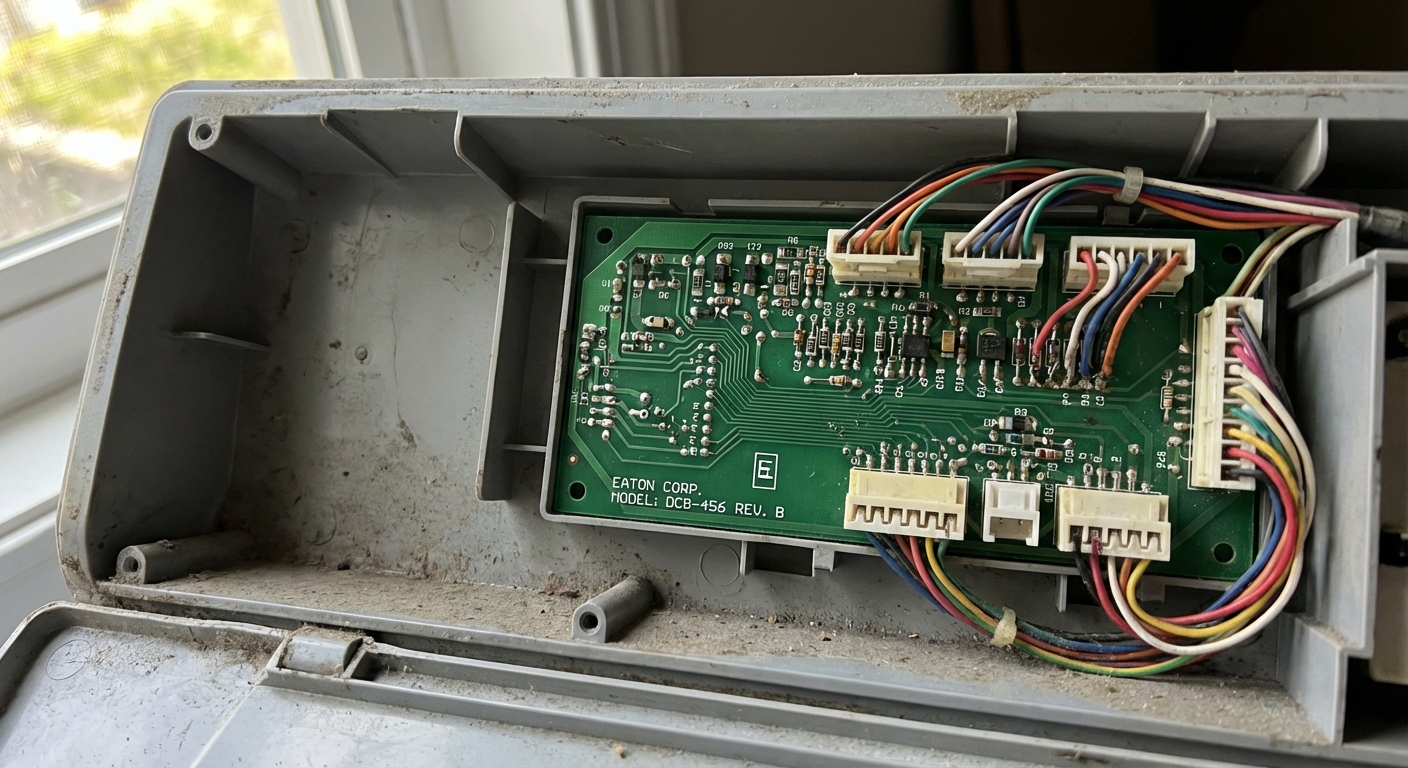
If you have confirmed proper power, the door switch works, the start switch works, and the thermal fuse is good, you are down to the more expensive brains of the operation: the control board (or a mechanical timer on older models).
Common clues of a failing board
- Random behavior: lights flicker, cycles will not select, beeping with no pattern.
- Burnt-electronics smell near the control panel.
- Visible damage: dark spots, swollen components, or a scorched connector.
What I’d do before buying a board
- Power reset: unplug for 5 minutes, then try again.
- Check harness connections: unplug, open the console, and reseat any wiring plugs that look loose (a surprising number of bad board calls are just a bad connection).
- Look for the tech sheet: many dryers hide a wiring diagram and diagnostics sheet behind the control panel or lower kickplate. It can point you to specific test points.
Control boards can be pricey, so if you are not 100 percent sure, this is a good handoff point to a reputable appliance tech. You can still save money by telling them what you already tested.
If it hums or clicks but won’t run
This is a slightly different lane than a totally dead dryer, but it comes up a lot. If you get a hum, a click, or a brief attempt to start, check these before you assume it is the control board.
- Drum jam: with the dryer unplugged, try turning the drum by hand. If it is hard to turn, something may be seized (drum rollers, idler, blower wheel, or a foreign object).
- Broken belt switch (some models): some dryers will not start if the belt is broken. If the drum turns very freely and you suspect a snapped belt, this could be why it will not run.
- Motor overload: if the motor overheats it can trip an internal protector. Let it cool, then retest. If it repeats, the motor or a mechanical drag issue may be the real problem.
My troubleshooting order
If you want the quickest path with the least disassembly, here is the order I recommend:
- Check settings (Control Lock, Delay Start, cycle selection).
- Confirm the breaker and outlet power.
- Check the door latch and door switch click.
- Test the thermal fuse (and address airflow).
- Test the start switch.
- Then suspect the control board or timer.
When to stop DIY and call in help
- You are not comfortable testing live voltage at the outlet.
- The breaker trips repeatedly or you see heat damage on the cord, receptacle, or terminal block.
- You find burnt wiring, melted connectors, or signs of arcing.
- You replace a thermal fuse and it blows again quickly (airflow or heater issues need deeper diagnosis).
There is no shame in calling it. I am all for sweat equity, but safety comes first, especially with 240V circuits and high-heat appliances.
Quick FAQ
My dryer has lights but won’t start. Is that still a power problem?
It can be. Electric dryers can lose one leg of power and still show lights or respond to buttons. A proper 240V check at the outlet or confirming the double breaker is fully reset is the fastest way to rule that out.
If the thermal fuse is blown, can I just replace it and move on?
You can replace it, but you should also fix the cause. Most often that is restricted venting or lint buildup. Better airflow prevents repeat failures and helps your clothes dry faster.
What if the dryer runs only while I hold Start?
That often points to the motor start circuit not taking over after the initial push, which can involve a motor centrifugal switch, a relay on the control board, or a related control circuit. Start by checking the door switch and start switch, but if those test good, this is a strong sign you are into motor or control diagnosis.

About Marcus Vance
Content Creator @ Grit & Home
Marcus Vance is a lifelong DIY enthusiast and self-taught home renovator who has spent the last decade transforming a dilapidated 1970s ranch into his family's dream home. He specializes in budget-friendly carpentry, room-by-room renovations, and demystifying power tools for beginners. Through his writing, Marcus shares practical tutorials and hard-learned lessons to help homeowners tackle their own projects with confidence.