
🚨 In a DIY emergency or rush?
Skip the details and jump straight to our 30-second cheat sheet for the most crucial info.
If you've ever walked out to your patio, chimney, retaining wall, or basement and noticed a ghostly white, powdery haze on the brick or concrete, you're in good company. I saw it the first spring after we bought our 1970s ranch, and I'll admit I panicked for a minute. It looked like the wall was growing something.
Most of the time it's not mold at all. It's efflorescence, and it's one of those masonry issues that looks scarier than it is. That said, it's also a clue. Efflorescence usually means water is moving through the wall or slab, and water always has a reason.
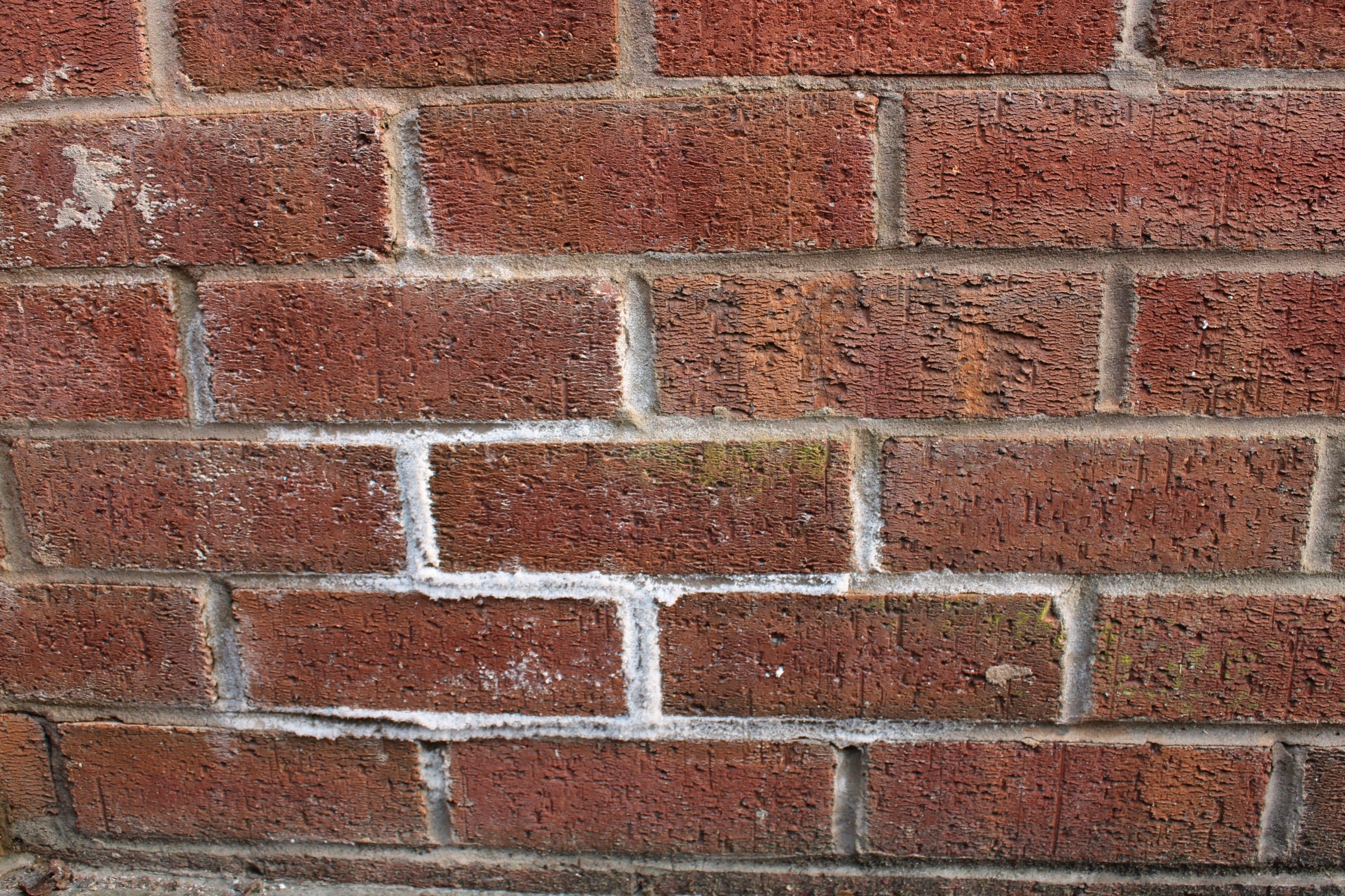
Let's break down what efflorescence is, how to tell it apart from mold and a couple of common look-alikes, the safe ways to remove it, and the practical fixes that keep it from returning.
What it is
Efflorescence is a deposit of water-soluble salts that ends up on the surface of brick, block, concrete, mortar, or grout.
Here's the simple chain of events:
- Moisture gets into porous masonry.
- The water dissolves salts found naturally in cement, mortar, soil, or masonry units.
- As the water moves and eventually evaporates at the surface, it leaves the salts behind.
That's why efflorescence often shows up after rain, snow melt, heavy watering, or a damp season, and why it can come and go.
Where you'll see it
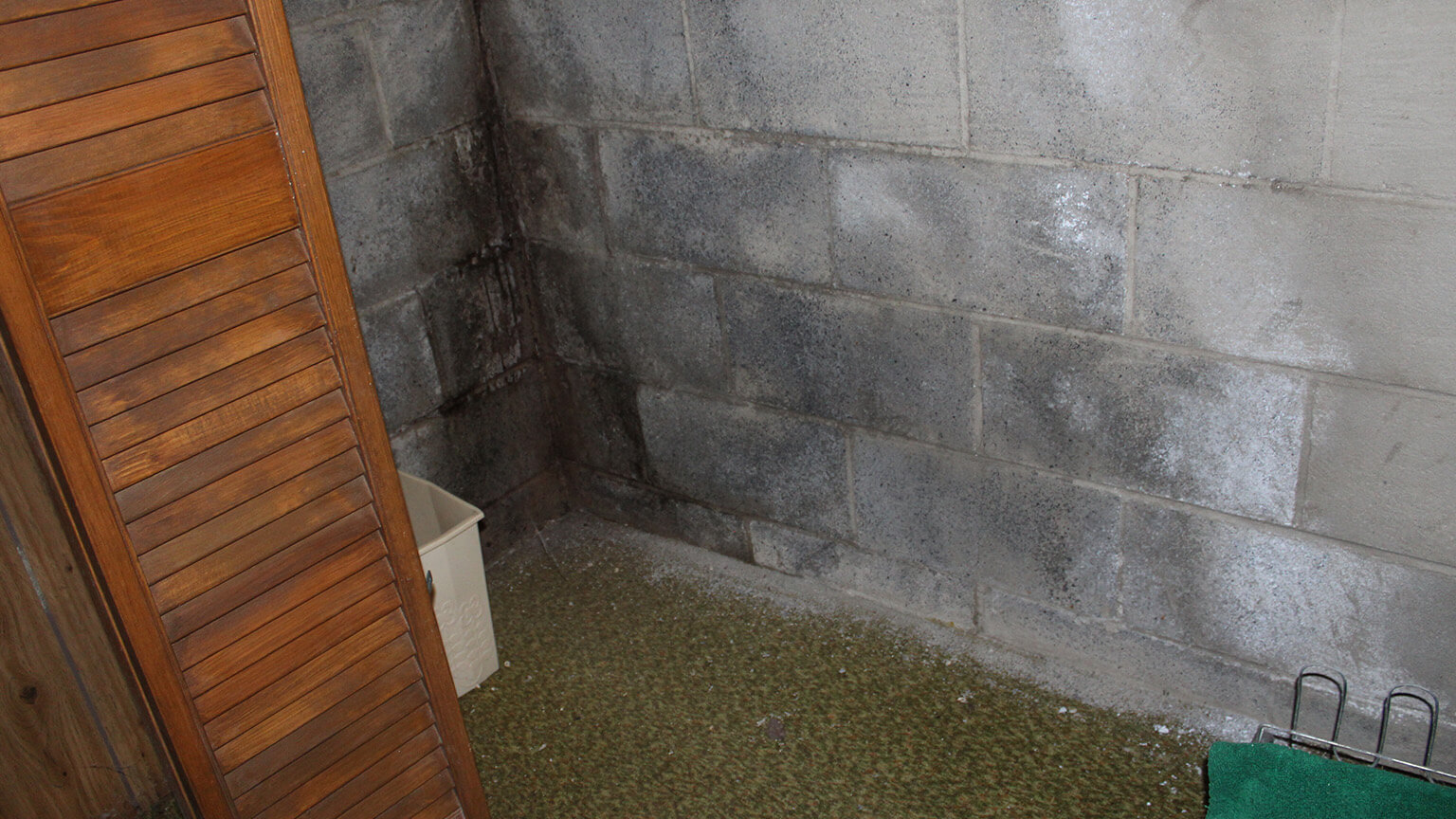
- Basement block walls and slab edges
- Exterior brick walls after rain
- Chimneys, especially near the top or on the wind-driven rain side
- Retaining walls
- Concrete patios, walkways, and garage slabs
- Masonry around downspouts or splash zones
Efflorescence vs mold
This is the part most homeowners care about first, because the two can look similar from across the room.
Quick checklist
- Efflorescence is usually white or light gray and looks powdery or crystalline.
- Mold is often black, green, brown, or fuzzy. It can look spotty or patchy.
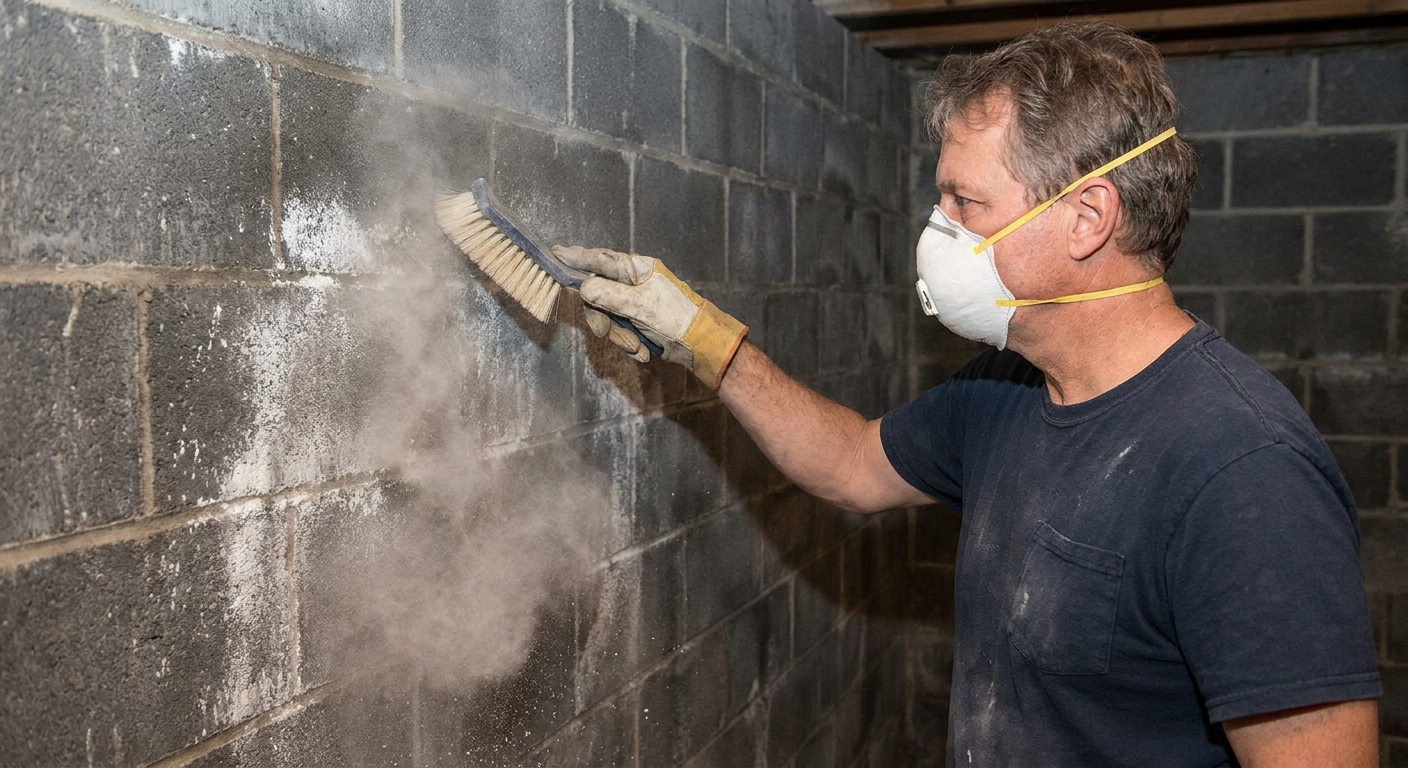
- Efflorescence will often brush off as powder (dry) and may feel gritty.
- Mold tends to smear and can stain, especially on paint, wood, drywall, or fabrics.
The simple water test
If you lightly mist a small area with clean water:
- Efflorescence often temporarily disappears because the salts dissolve again, then reappears as it dries.
- Mold typically stays visible, though it may darken when wet.
Note: This isn't a lab test. If you have health concerns, allergies, or widespread growth on non-masonry materials, treat it as a possible mold issue and consider professional advice.
Other white stains to rule out
Not every white mark on masonry is efflorescence. Two common look-alikes:
- Lime run (calcium carbonate): often shows up as white streaks below cracks, joints, or ledges where water repeatedly runs. It can look harder and more “stuck on” than fluffy efflorescence.
- Hard-water mineral deposits: common near sprinklers, hose bibs, or irrigation overspray. The pattern usually follows where water sprays or drips, not necessarily where moisture is wicking through the wall.
The good news is that the same first steps still apply: fix the water source, start with dry brushing, and only move up to cleaners if you need to.
Why it happens
Brick, block, mortar, and concrete are all porous. They can soak up moisture, especially if they're unsealed or if water is pushed against them frequently.
Two big drivers
Understanding which one you're dealing with saves a lot of wasted effort. Below-grade moisture is often a mix of capillary wicking, bulk water intrusion, and sometimes true hydrostatic pressure.
1) Soil moisture and pressure (below-grade)
This is common on basement walls, retaining walls, and slabs. When soil outside stays wet, moisture can be pulled in by capillary action and, in some situations, pushed in by water pressure. Either way, it migrates through tiny pores and cracks.
Clues you're dealing with a below-grade moisture issue:
- Efflorescence is worse after heavy rain or snow melt
- Deposits appear low on the wall or along the slab edge
- Damp spots, peeling paint, or a musty smell in the same area
- You see water pooling near the foundation outside
2) Condensation (warm air, cold wall)
This is common in basements, garages, and utility rooms. Humid indoor air hits a cooler masonry wall, moisture condenses, and that surface moisture can dissolve salts and redeposit them.
Clues it's condensation:
- Efflorescence shows up in warm humid months
- It's on interior surfaces with no obvious water source outside
- You also see condensation on pipes, windows, or metal surfaces
- Running a dehumidifier improves the problem
Other common causes outside
- No drip edge or missing chimney cap letting water saturate masonry
- Failed mortar joints allowing water in and encouraging movement through the wall
- Sprinklers hitting brick day after day
- Downspouts dumping near the house
- New masonry as it cures. Fresh mortar and concrete can effloresce as they dry.
Is it dangerous?
Efflorescence itself is usually more of a cosmetic issue than a structural one. The real concern is the moisture problem behind it.
When salts turn into damage
If moisture and salts keep cycling through masonry, especially in freezing climates, you can eventually get spalling, where the face of brick or concrete flakes or pops off. If you see crumbling, scaling, or chunks breaking loose, treat that as a bigger durability issue, not just a cleaning project.
How to remove it safely
My rule of thumb is: remove the deposit with the least aggressive method first. The more aggressive the chemical, the easier it is to damage mortar, etch concrete, or create a bigger mess.
Step 0: Fix the water source (if you can)
If water's actively moving through the wall, you can clean today and you'll be cleaning again next month. Even one simple change like extending downspouts can make your cleaning “stick.”
Step 1: Dry brush and vacuum
This is the safest first pass.
- Wait for the surface to be fully dry.
- Use a stiff nylon brush (or a masonry brush). Avoid wire brushes on softer or historic brick because they can scar the face.
- Brush from top to bottom.
- Vacuum the powder with a shop vac using a fine dust bag or filter.
Safety: Wear eye protection and a dust mask or respirator. You don't want to breathe masonry dust or salts.
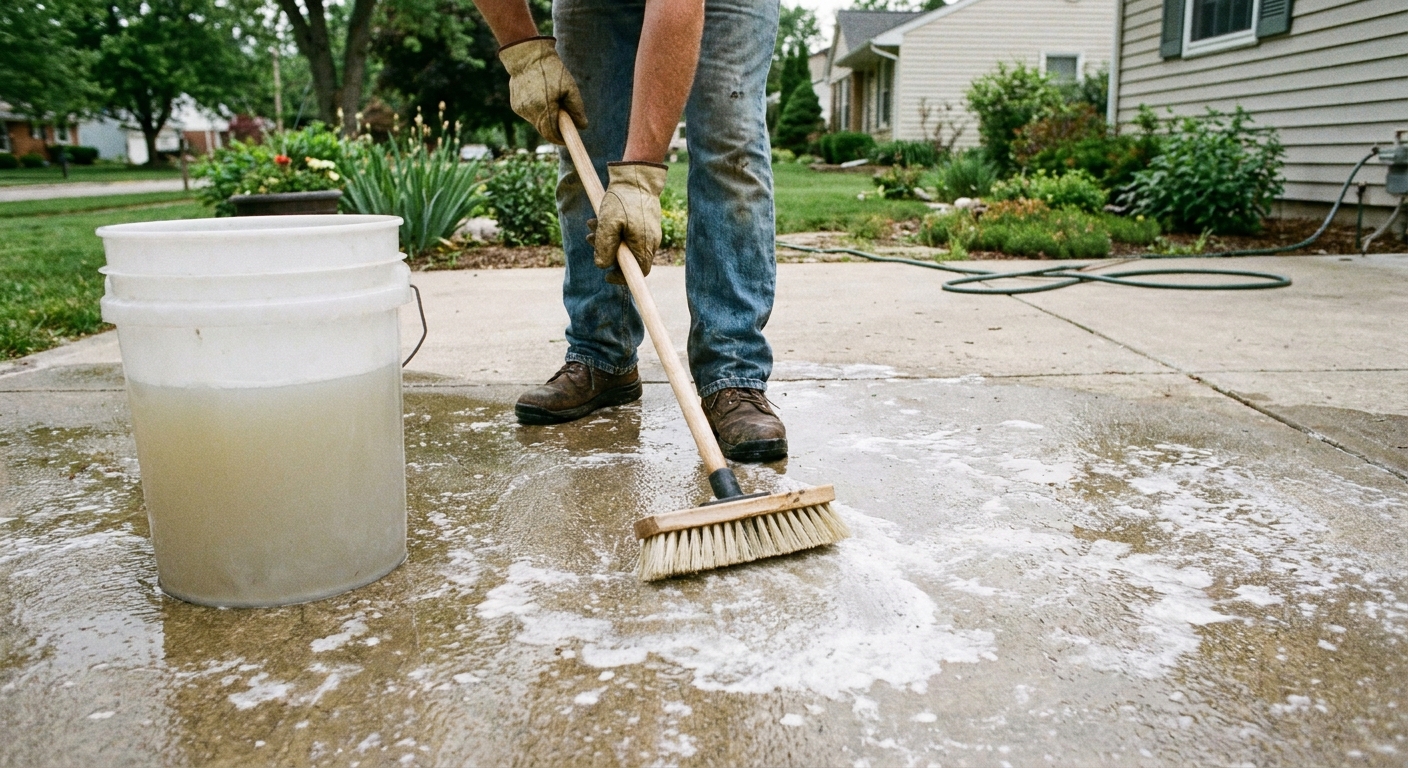
Step 2: Mild soap and water
If dry brushing leaves a shadow, try a gentle wash:
- Mix warm water with a small amount of dish soap.
- Scrub with a nylon brush.
- Rinse lightly and don't soak the wall. Too much water can drive salts deeper and restart the cycle.
Step 3: Masonry efflorescence cleaner (preferred) or diluted vinegar (cautiously)
If the deposits are stubborn, step up carefully. Many commercial efflorescence removers are mild acids designed for masonry and are usually a safer bet than improvising.
Some homeowners use white vinegar (acetic acid) for light deposits, but it can still etch concrete, dull certain finishes, and isn't appropriate for acid-sensitive stone. If you try it, start diluted, test first, and rinse well.
Before you use any acidic cleaner:
- Test a small hidden area first. Brick, mortar, and especially colored or tinted mortar can change color.
- Don't use on limestone, marble, or other acid-sensitive stone.
- Pre-wet the surface with clean water to help fill the pores, so the cleaner is less likely to soak in unevenly and cause deeper etching. It can still penetrate, so keep dwell times short.
- Protect nearby plants and metal. Rinse them before and after.
- Never mix cleaners (especially with bleach or ammonia).
Typical process: apply, short dwell time, scrub, then rinse thoroughly. Follow the label.
Step 4: Strong acids (why I usually avoid them)
You'll see advice online to use muriatic acid on concrete or brick. It can work, but it's also very easy to:
- etch concrete and leave a permanently rough or blotchy finish
- weaken or discolor mortar joints
- create hazardous fumes and burn risk
If you're at the point where you think you need a strong acid, consider hiring a masonry pro or at least using a purpose-made product with clear dilution and neutralization instructions.
What not to do
- Don't pressure wash aggressively. It can drive water into the wall and damage mortar joints.
- Don't seal over active efflorescence or wet masonry. Avoid film-forming, non-breathable coatings that can trap moisture. If you do seal later, choose a breathable, penetrating masonry water repellent appropriate for your surface.
- Don't paint over it without addressing moisture. Paint will blister and fail.
Keep it from coming back
Removal is the easy part. Prevention is where you actually win the battle.
Exterior fixes
- Extend downspouts away from the foundation. Many pros recommend at least 6 feet where practical, more if your yard and local rules allow, or tie into a proper drain line.
- Clean gutters so overflow isn't saturating walls.
- Regrade soil so it slopes away from the house (a common target is about 6 inches of fall over 10 feet).
- Add splash blocks at downspouts and redirect runoff away from patios and retaining walls.
- Fix sprinklers that constantly soak masonry.
- Repair mortar joints (repointing) where water can enter.
- Chimney cap and crown repair to stop saturation from above.
Interior moisture control
- Run a dehumidifier and aim for roughly 40 to 50 percent RH in many basements
- Improve air circulation and keep furniture slightly off cold masonry walls
- Insulate cold surfaces when appropriate (rim joists are a big one)
- Seal obvious air leaks that dump humid air onto cold walls
Should you seal brick, block, or concrete?
Sometimes, but only after you get moisture under control and the masonry has dried thoroughly.
In general, look for a breathable penetrating masonry sealer (often silane, siloxane, or silicate based) intended for your specific material and location. Breathable matters because masonry needs to let water vapor escape. A non-breathable coating can trap moisture and turn a minor efflorescence issue into a bigger durability issue.
Always clean and let the masonry dry thoroughly before sealing, and follow the manufacturer's cure time and weather requirements.
Quick decision guide
- Exterior wall, after rain: look at gutters, downspouts, grading, sprinklers, and mortar joints.
- Basement wall, low on the wall: think soil moisture, drainage, wicking, and sometimes pressure. Start outside with water management.
- Interior wall, humid months: think condensation. Dehumidify and improve airflow.
- New concrete or mortar: some efflorescence can be part of curing. It often fades as it dries out, as long as it's not being re-wetted constantly.
- It keeps coming back fast: stop cleaning and start hunting for the water path.
When it signals a bigger leak
Here's the honest homeowner version: efflorescence is often the first “early warning” you get before a wall starts leaking visibly.
Consider it a sign to investigate if you notice any of the following:
- Efflorescence is heavy, thick, or returns quickly after cleaning
- Damp or wet interior walls, especially after rain
- Peeling paint, bubbling coatings, or crumbling mortar
- Musty odor plus visible moisture
- Cracks that grow or stair-step cracking in block or brick
- Spalling (flaking or breaking masonry surfaces)
Who to call
- Drainage or waterproofing contractor for persistent basement moisture
- Masonry contractor for failing mortar joints, chimney issues, or spalling brick
- Foundation specialist or structural engineer if you have significant cracking, movement, or bowing walls
FAQ
Will it go away on its own?
Sometimes. On new concrete or mortar, it can lessen as the material finishes curing and drying out. If the moisture source remains, it usually comes back.
Is it a mold risk?
Efflorescence itself isn't mold, but the moisture causing it can create conditions where mold grows on nearby organic materials like drywall, wood framing, or carpets.
Can I use bleach?
Bleach is for biological growth. Efflorescence is salt. Bleach usually doesn't solve it and can create unnecessary chemical exposure.
Is it safe to scrub indoors?
Yes, if you control dust. Use a dry brush, vacuum with good filtration, and wear eye protection and a dust mask or respirator. If you're using any cleaner indoors, ventilate well.
The takeaway
Efflorescence is the white, chalky evidence of one thing: water is moving through porous masonry and leaving salts behind. You can usually remove it safely with dry brushing and mild cleaning, but the lasting fix is almost always about controlling moisture with better drainage, better water-shedding details, or better humidity control indoors.
If it keeps coming back fast, or you see spalling, crumbling, or true wetness, treat it as a sign to track down the water problem sooner rather than later. It's one of those boring homeowner chores that saves you a pile of money down the road.
The 30-Second Cheat Sheet
Essential takeaways for: Efflorescence on Brick, Block, or Concrete
Efflorescence, decoded
- What it is: White, powdery or crystalline salt deposits left when moisture evaporates from brick, block, mortar, or concrete.
- What it means: Water is moving through porous masonry. The stain is usually cosmetic, but the moisture source matters.
Efflorescence vs mold (fast test)
- Efflorescence: usually white and dusty, brushes off dry, often disappears when misted with water then returns as it dries.
- Mold: often darker (black, green, brown), can look fuzzy or spotty, tends to smear or stain.
Safest removal steps
- Dry brush when the surface is fully dry, then shop-vac the powder. Wear eye protection and a dust mask or respirator.
- Gentle wash with mild soap and water, scrub with a nylon brush, rinse lightly.
- Only if needed: use a masonry efflorescence cleaner. If you try diluted vinegar, test first and use it cautiously. Protect plants and metals. Rinse well.
Avoid these mistakes
- Don't pressure wash aggressively.
- Don't seal or paint over active efflorescence or active moisture.
- Avoid strong acids unless you truly know what you're doing.
Stop it from coming back
- Extend downspouts and fix gutters.
- Regrade soil away from the foundation.
- Repair mortar joints and chimney caps or crowns.
- For interiors: run a dehumidifier and reduce condensation.
When to worry
If deposits return quickly, you have damp walls, peeling coatings, spalling brick or concrete, or growing cracks, investigate for drainage or waterproofing issues and consider calling a pro.
💡 Tip: Scroll up to read the full article for detailed, step-by-step instructions.
⬆️ Back to top
About Marcus Vance
Content Creator @ Grit & Home
Marcus Vance is a lifelong DIY enthusiast and self-taught home renovator who has spent the last decade transforming a dilapidated 1970s ranch into his family's dream home. He specializes in budget-friendly carpentry, room-by-room renovations, and demystifying power tools for beginners. Through his writing, Marcus shares practical tutorials and hard-learned lessons to help homeowners tackle their own projects with confidence.