
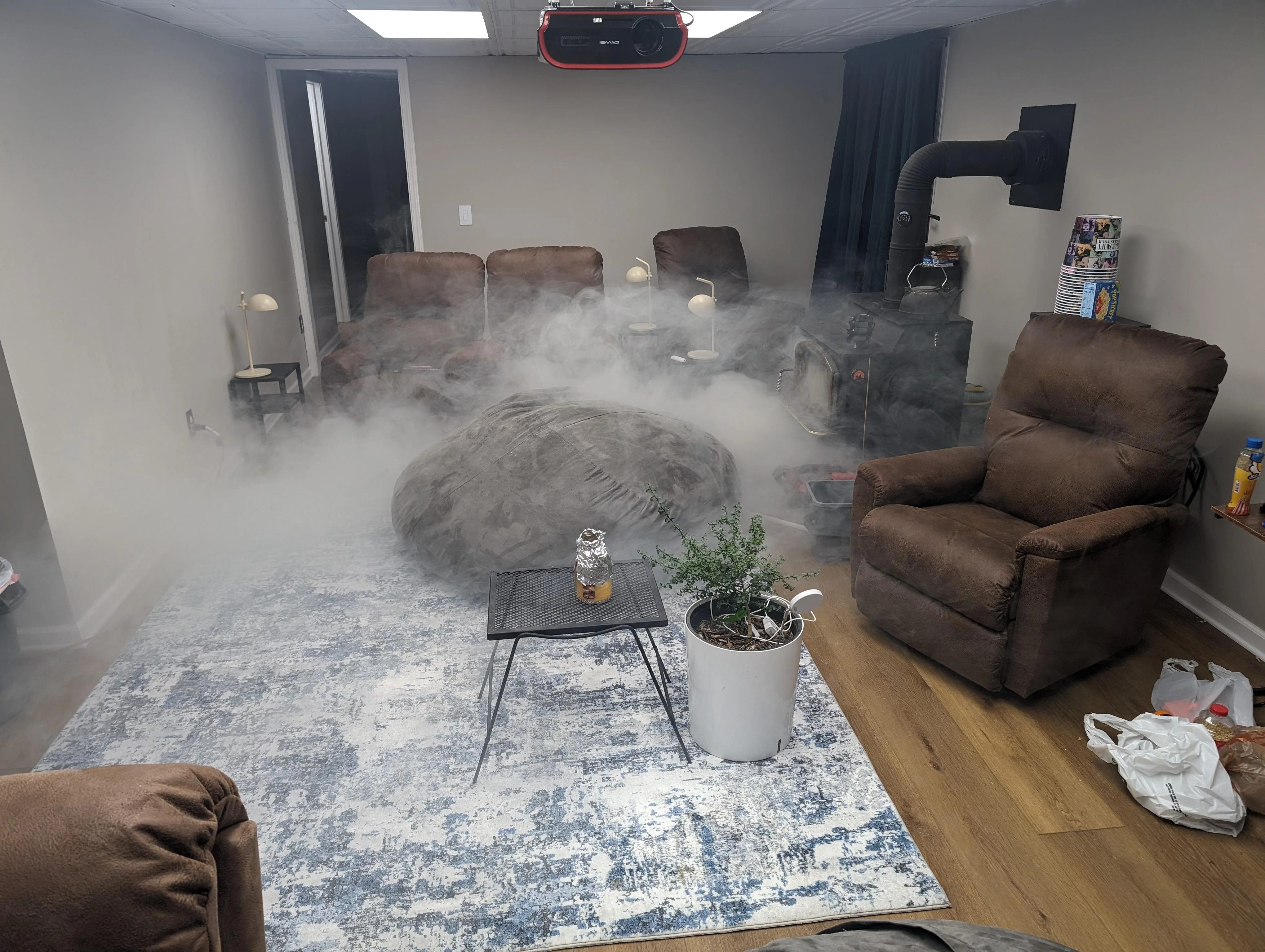
If smoke is coming into the room from a wood-burning fireplace, it most often points to poor draft. That is the umbrella problem, but the root cause can vary: a closed or stuck damper, a cold flue, negative pressure in the house, wet wood, wind-related downdraft, or a blockage that needs professional help.
I have dealt with this in my own 1970s ranch during cold snaps and after long stretches of not using the fireplace. In my experience, the key is to troubleshoot in a calm, safety-first order. Here is a structured way to do it.
Safety first: when to stop and call for help
Smoke in the room is not just annoying. It can also signal carbon monoxide risk and chimney fire risk. Do not keep experimenting if any of these are true.
- Your smoke alarms or CO alarms go off. Get everyone outside, call emergency services if you suspect CO exposure, and ventilate the home only if it is safe to do so.
- You feel dizzy, nauseated, unusually tired, or get a headache. Treat it as possible CO exposure (CO is odorless) or heavy smoke irritation. Get to fresh air and seek help if symptoms persist.
- You see soot falling, hear roaring, or see intense flames in the flue. That can indicate a chimney fire. Call 911.
- Your chimney has not been inspected or swept in over a year and you use wood regularly. A blocked or heavily creosoted flue can draft poorly.
If smoke persists after the troubleshooting checklist below, stop using the fireplace until it is inspected and cleaned by a qualified chimney professional.
Even if you fix the draft today, it is still smart to have a wood-burning system inspected periodically, especially if it is new to you or the house is older.
Quick checks that solve a lot of smoky fires
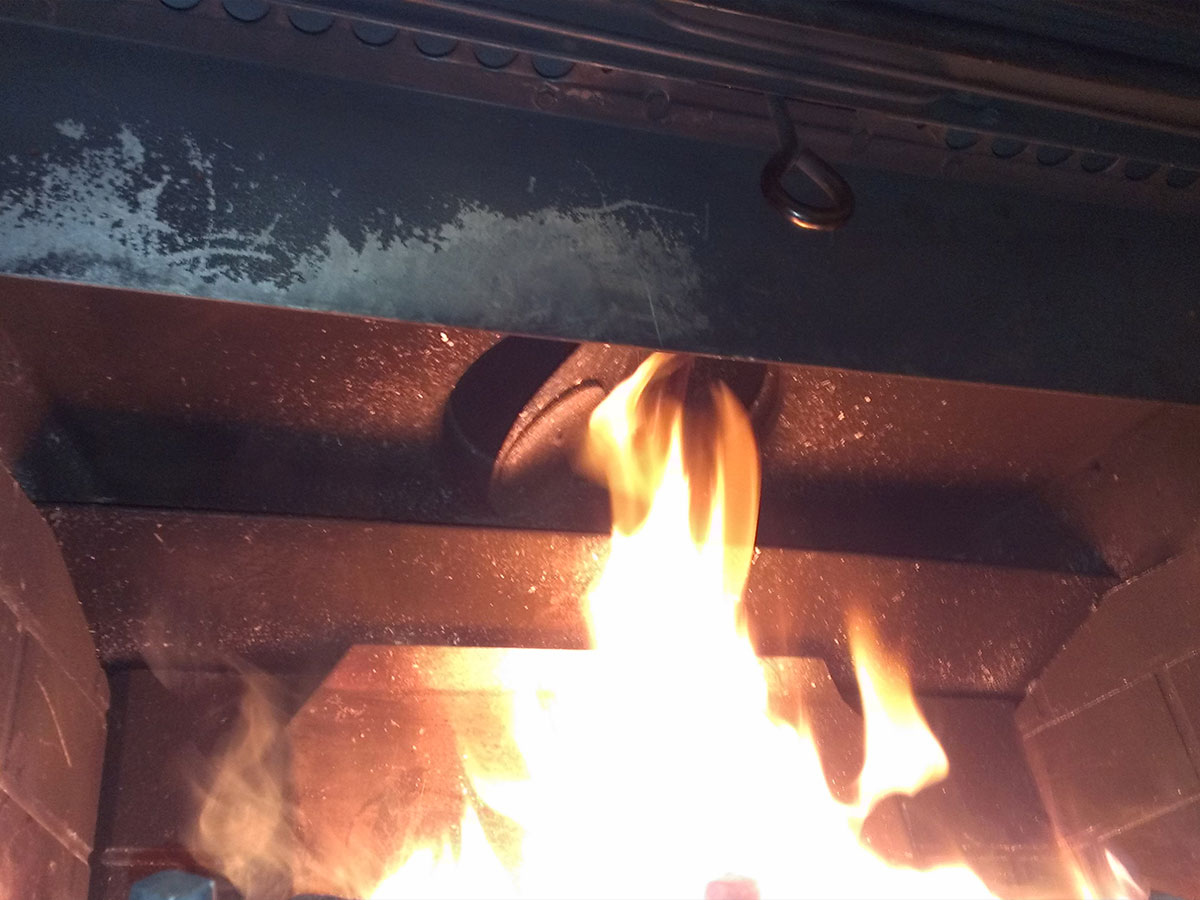
1) Confirm the damper is actually open
This sounds too basic, but it is a very common, easy-to-miss cause. On many fireplaces the handle position is not intuitive, and dampers can be partially stuck.
- Look up into the throat of the fireplace with a flashlight and verify the damper plate is fully open.
- If it moves but feels gritty or stops halfway, do not force it hard. A bent linkage or rusted damper can jam.
- If you have a top-sealing damper (often controlled by a cable), make sure the lid at the top of the flue is open.
2) Open the glass doors or screen correctly
If you have glass doors, most traditional open fireplaces draft best with the doors fully open while the fire is actively burning, unless the door manufacturer specifically allows closed-door burning.
Do not burn with the doors closed unless the fireplace setup is specifically rated and listed for it (for example, certain inserts and doors are designed for closed operation). Partly-open doors can also create weird airflow and spill smoke.
3) Start smaller and hotter
A big, smoldery log on a weak coal bed is a smoke machine. Build a small hot fire first.
- Use dry kindling and a couple of small splits.
- Give it plenty of airflow at the beginning.
- Add larger splits only after you have a stable flame and a strong upward pull.
The cold flue problem: how to prime the draft
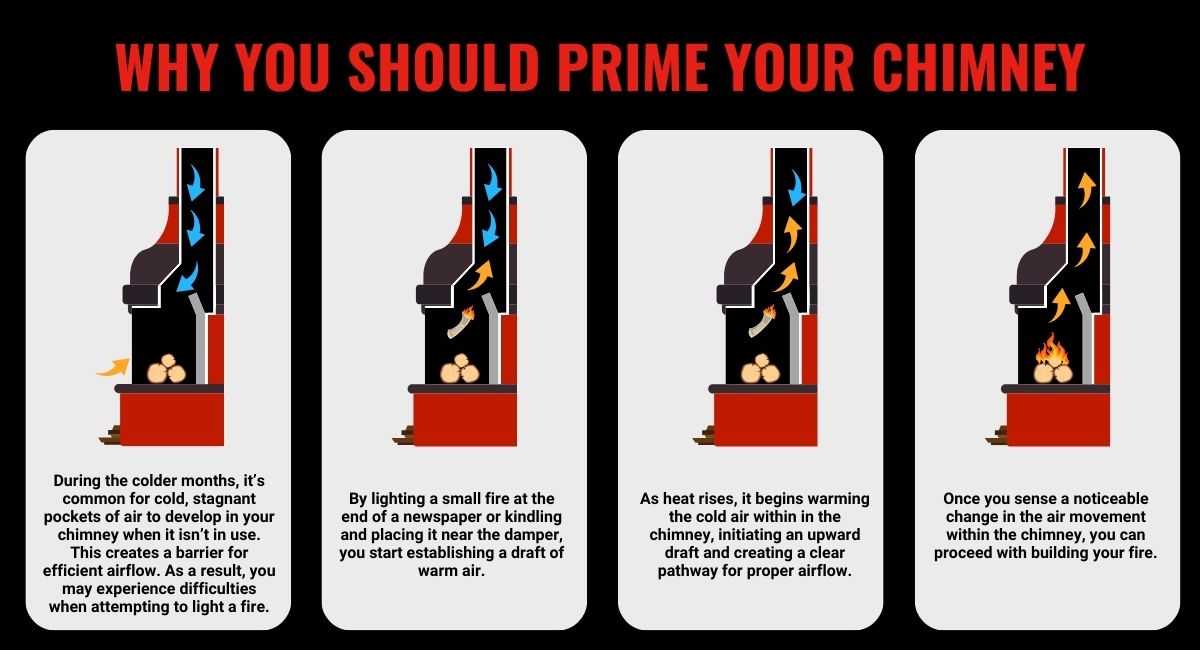
If it is cold outside and your chimney is on an exterior wall, you can get a column of cold, heavy air sitting in the flue. When you light a fire, smoke can roll out into the room because the chimney is acting like a downspout until it warms up.
Signs you have a cold flue
- Smoke spills right at the beginning, especially after the fireplace has not been used for days.
- It is worse on very cold mornings or during windy temperature swings.
- Once the fire is established, the draft improves.
How to prime it safely
- Open the damper fully.
- Warm the flue for 2 to 5 minutes before lighting the main fire. A common method is holding a tightly rolled newspaper or a fire starter near the flue opening inside the firebox so the heat goes upward first.
- Then light your kindling fire. You are trying to establish upward airflow before you make a lot of smoke.
If you consistently have to fight a cold flue, ask a chimney pro about draft improvements that fit your specific fireplace (for example, liner rehabilitation, insulating a liner where appropriate, or cap changes). Not every open masonry fireplace is a candidate for the same fix.
Negative pressure: when your house steals the chimney’s air
Modern homes and renovated homes can be tighter than you think. If your house is under negative pressure, the chimney may not be able to pull enough makeup air, so smoke takes the easiest path, which can be right into the room.
Common culprits
- Bathroom exhaust fans running during a fire
- Range hoods, especially high-CFM models
- Dryers (they exhaust a lot of air)
- Whole-house fans and some ventilation systems
- HVAC air handlers and returns that change pressure balance in the house (varies by layout)
- Stack effect in taller homes (warm air leaks out high, pulling replacement air from wherever it can, including down chimneys)
Easy test
With the damper open and before you light, crack a nearby window 1 to 2 inches. If the draft improves noticeably, you likely have a makeup air issue.
Fixes you can try
- Turn off bath fans, the range hood, the dryer, and whole-house fans while starting the fire.
- Crack a window near the fireplace during startup, then see if you can close it once the chimney is drafting strongly.
- If this is a constant issue, talk to a pro about a dedicated outside air kit or other makeup air solution appropriate for your fireplace.
Wet firewood: the sneaky smoke generator
Even with decent draft, wet or green wood makes more smoke and struggles to get hot enough to establish strong upward flow. For wood-burning fireplaces, moisture content matters a lot.
What “dry” means
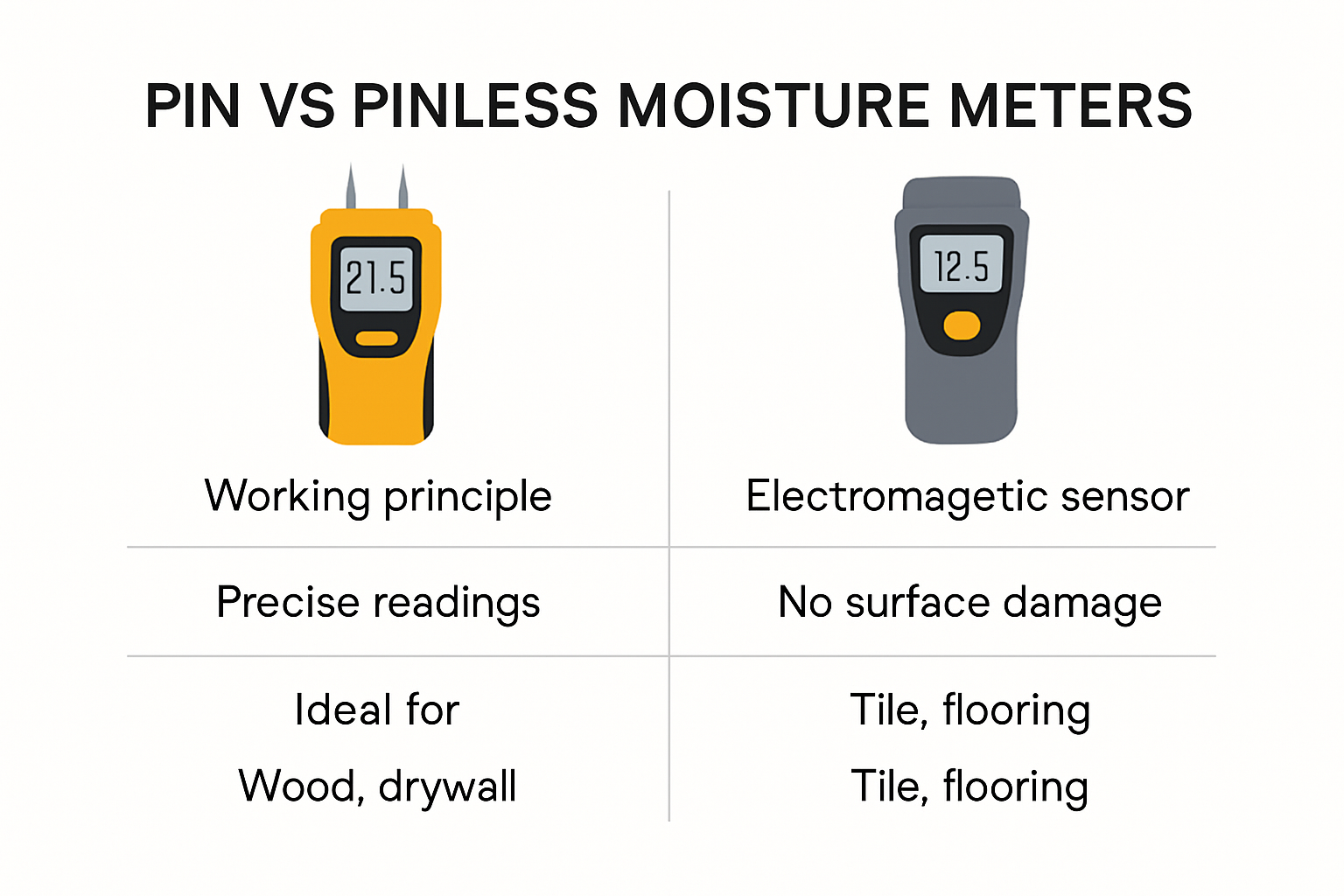
As a rule of thumb, firewood should be seasoned, typically split and dried long enough to reach around 20 percent moisture content or less (measured on a fresh split face with a moisture meter).
Clues your wood is too wet
- Hissing or sizzling sounds
- Lots of smoke with lazy flames
- Blackened glass doors quickly (if you have them)
- Logs feel heavy and look dull on the split face
Fixes
- Use smaller, drier splits for the beginning.
- Bring a day’s worth of wood indoors so surface moisture can evaporate (do not store large stacks indoors long-term due to pests).
- If you are buying wood, ask how long it has been split and stacked, and consider using a moisture meter.
Chimney cap and blockage basics
If your fireplace used to draft fine and now suddenly smokes, think obstruction. Animals, fallen debris, or creosote buildup can restrict the flue and push smoke back into the room.
What to check from the ground
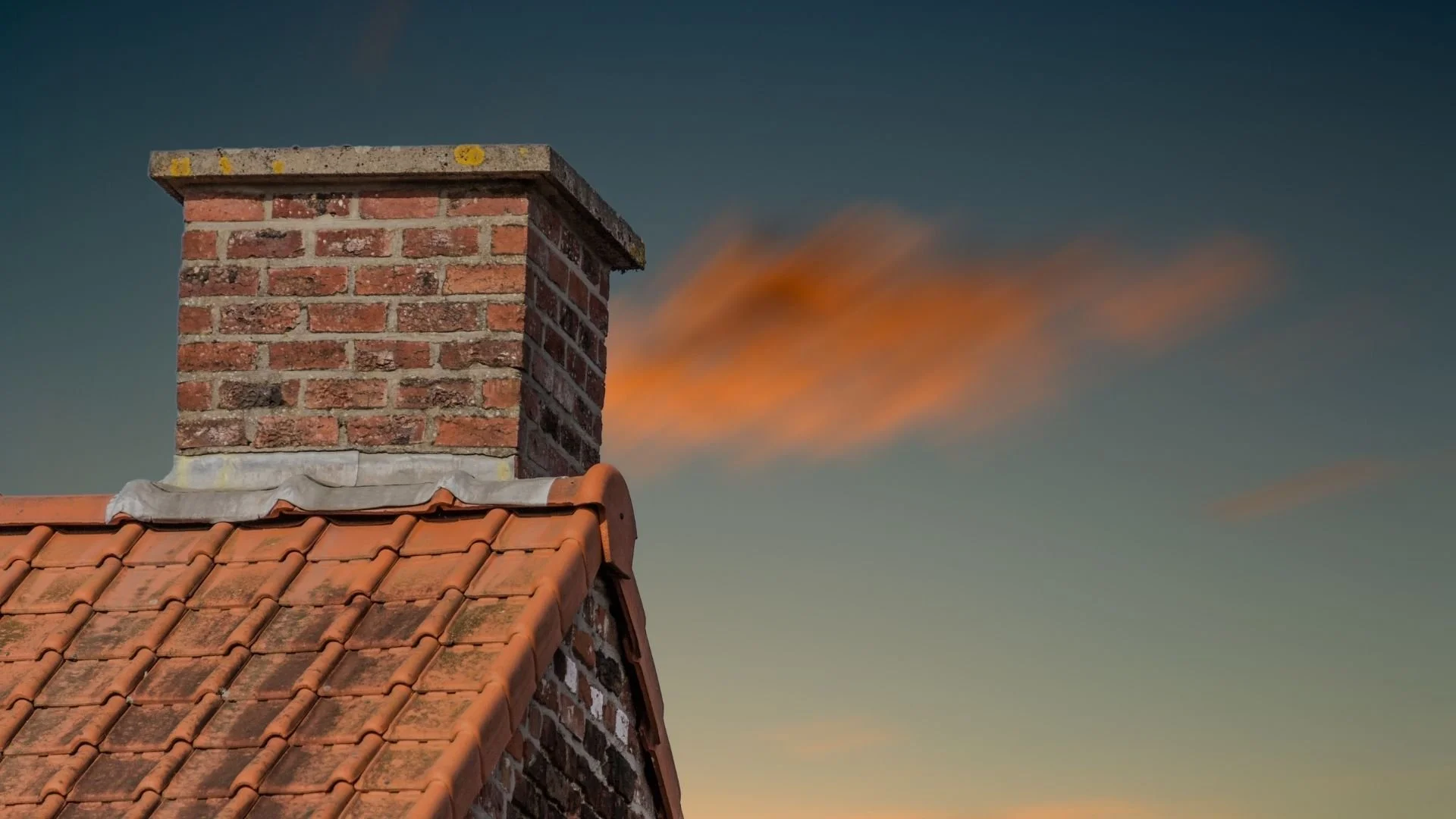
- Chimney cap condition: Is it missing, crushed, or visibly clogged?
- Signs of nesting: Twigs, leaves, or lots of bird activity around the top.
- Loose masonry or a damaged crown: Not a draft fix by itself, but it can lead to debris inside the flue.
Important: Avoid climbing on the roof if you are not experienced and properly equipped. Chimney inspections are one of those jobs where saving money is not worth a fall.
When to schedule a sweep
- If you cannot remember the last cleaning
- If you burn often, especially softwoods
- If you have had even one smoky episode that is not explained by a closed damper or a cold flue
Wind and house factors that mess with draft
Sometimes the fireplace is fine and the conditions are not. Wind can create pressure zones that push air down the flue, especially if the chimney is short relative to the roofline or surrounded by taller trees or structures.
What you can do today
- Prime the flue longer on windy days.
- Start with a smaller, hotter fire and avoid smoldering loads.
- Crack a window if you suspect negative pressure is combining with wind effects.
- Avoid repeatedly opening an exterior door near the fireplace during the first few minutes of the burn if you notice it triggers smoke rollout.
What to ask a pro about
- Chimney height relative to the roofline
- Correct cap type for windy locations
- Flue sizing and whether a liner or other correction would improve performance
Flue size and design mismatches
If you have done the basic fixes and the fireplace still smokes, the issue may be baked into the design. Common examples include a firebox to flue size mismatch, an oversized flue that stays too cool, a throat or smoke shelf issue, or a chimney that is effectively too short for the roofline and nearby structures.
These problems are real, but the right solution depends on the exact fireplace and chimney construction. This is where an experienced chimney pro earns their keep with measurements and an on-site assessment.
Troubleshooting checklist (in order)
If you want the simplest path, use this quick sequence next time smoke spills into the room:
- Step 1: Confirm the damper is fully open and not stuck.
- Step 2: Turn off bath fans, the range hood, the dryer, and whole-house fans (anything that exhausts air) to reduce negative pressure.
- Step 3: Crack a nearby window 1 to 2 inches to add makeup air.
- Step 4: Prime the flue for a few minutes if it is cold outside.
- Step 5: Build a small, hot kindling fire and add logs only after the draft is established.
- Step 6: If it still smokes, stop using the fireplace and schedule a chimney inspection and cleaning.
Carbon monoxide basics for wood fireplaces
Wood smoke contains carbon monoxide. You cannot smell CO, and it can build up if a fireplace backdrafts, if there is a blockage, or if the house is under strong negative pressure.
- Have a working CO alarm on every level of your home, and especially near sleeping areas.
- Test alarms regularly and replace batteries as recommended.
- If an alarm sounds, treat it seriously, get outside, and investigate with professionals.
My personal rule: if the room gets even mildly smoky, I stop, vent the space, and reset. A power-through-it mindset does not mix with combustion appliances.
If you tell me three details, I can point you to the most likely fix
If you are still troubleshooting, these details usually narrow it down fast:
- Is your chimney on an exterior wall or interior?
- Does it smoke only at the beginning or the entire burn?
- Are you running a bath fan, range hood, dryer, HVAC fan, or whole-house fan at the same time?

About Marcus Vance
Content Creator @ Grit & Home
Marcus Vance is a lifelong DIY enthusiast and self-taught home renovator who has spent the last decade transforming a dilapidated 1970s ranch into his family's dream home. He specializes in budget-friendly carpentry, room-by-room renovations, and demystifying power tools for beginners. Through his writing, Marcus shares practical tutorials and hard-learned lessons to help homeowners tackle their own projects with confidence.