
🚨 In a DIY emergency or rush?
Skip the details and jump straight to our 30-second cheat sheet for the most crucial info.
Small courier. Big home questions.
If you woke up itchy and are now squinting at a mysterious row of bumps like it is a clue in a crime novel, you are not alone. Flea bites and bed bug bites can look frustratingly similar on skin. The good news is that your home often leaves clearer evidence than skin does.
Below is a practical way to sort it out using four signals: where the bites show up, how they cluster, whether pets are part of the story, and what you can physically find around the house.
Fast read: the biggest difference
If I had to pack this into my little satchel as one rule of thumb, it would be this:
- Fleas often leave bites lower on the body (ankles, feet, lower legs), especially when you have pet exposure or spend time where pets rest. A common home clue is flea dirt in pet bedding or in favorite pet hangouts.
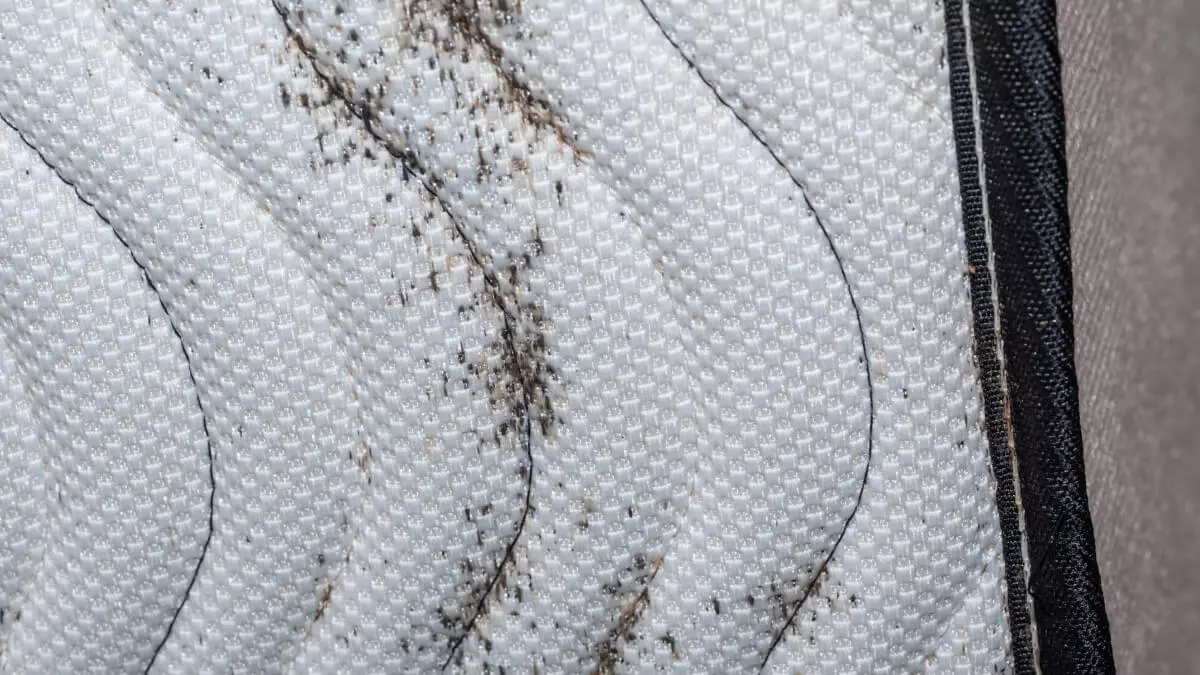
- Bed bugs often leave bites on areas exposed while sleeping (arms, shoulders, neck, face), and a common home clue is blood spots or dark specks in mattress seams, sheets, or along bed frame joints.
One important caveat before you pin this to the corkboard: neither bite location nor pattern is diagnostic. Bed bugs can bite legs and ankles too. Flea bites can show up above the waist, especially if fleas are in upholstered furniture, clothing, or you are dealing with a heavier infestation. Use skin clues as hints, then let the physical evidence make the call.
Bite location: ankles vs. exposed skin
Flea bite locations
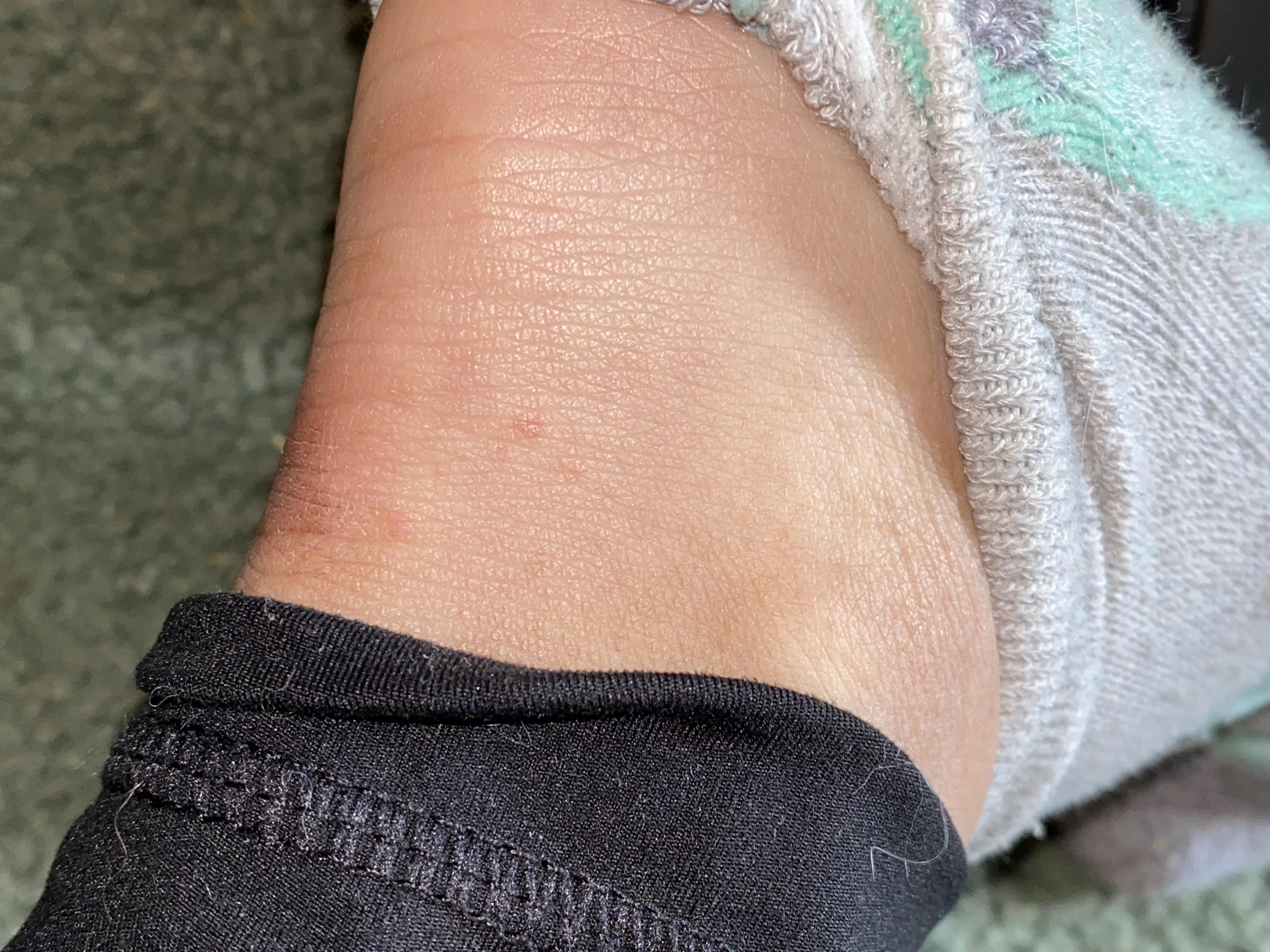
Fleas tend to bite where they can easily reach you from the floor or from a pet. Common patterns:
- Ankles and feet
- Lower legs, especially around sock lines
- Sometimes waistband or behind knees if fleas are in clothing or upholstery
Fleas do not need you to be asleep. They just need access.
Bed bug bite locations
Bed bugs often feed at night and frequently bite areas that are uncovered. Common spots:
- Arms and hands
- Shoulders, neck, and upper back
- Face (not always, but it happens)
They can bite under pajamas too, and yes, they can bite legs. Exposed skin is a classic clue, not a rule.
Clustering: scatter vs. lines
Both pests can cause clusters, which is why this gets confusing fast. Still, the patterns can lean one way or the other.
Flea bite clustering
- Often small clusters of red bumps
- More likely to be scattered around the lower legs
- You might notice new bites after walking around the house, especially near pet zones
Bed bug bite clustering
- Sometimes shows up as lines or tight groups (the well known “breakfast, lunch, dinner” pattern)
- Not exclusive to bed bugs, and not guaranteed. Plenty of bed bug bites do not form tidy lines.
- Clusters often appear on upper body areas that touched bedding
One more twist: bed bug reactions can be delayed. Many people notice bites on waking, but others will react hours or even a day or two later. So if you are trying to match bite timing to pest behavior, keep your detective hat slightly loose.
Pets: the question that shifts the odds
Let’s ask the nosy but useful questions.
- Do you have a dog or cat? Fleas become much more likely, even if your pet is on preventative. It only takes one missed dose or one hitchhiker flea from outside to start a cycle.
- Is your pet scratching a lot or biting at their hips and tail base? That can point toward fleas, but it can also be allergies, dry skin, mites, or other irritation. If you are not sure, a flea comb and a quick vet check are your fastest truth serum.
- Do bites show up after cuddling on the couch with your pet? Fleas can absolutely bite humans, especially when populations rise.
Bed bugs do not need pets, and pets are not the usual starting point. They are more commonly introduced by travel, used furniture, or visitors, then set up shop close to where humans sleep.
Physical evidence: what to look for
This is where the mystery usually breaks open. You are looking for what the insect leaves behind, not just what your skin is doing.
Fleas: flea dirt and jumpy adults
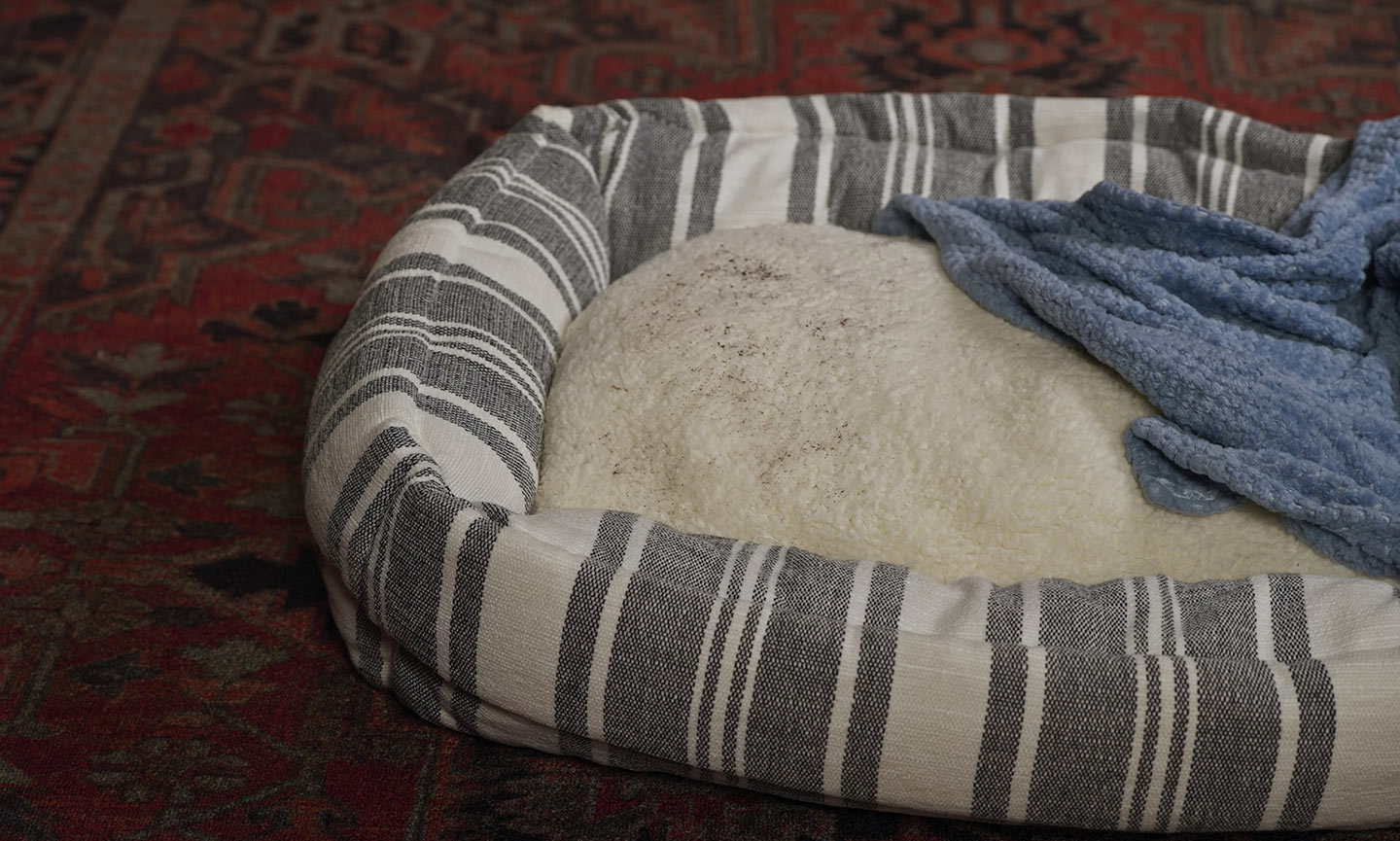
Flea dirt looks like tiny black pepper grains. It is basically digested blood.
Where to check:
- Pet bedding, especially seams and folds
- Favorite pet nap spots like rugs, couch cushions, and sunny floor patches
- Near baseboards in rooms where pets spend time
A quick at-home confirmation: place some of the specks on a damp white paper towel. If it smears reddish-brown, that supports “flea dirt,” not just regular dirt.
If you want one more simple tool: run a flea comb through your pet (especially around the neck and tail base) over a white towel or sink. Adult fleas are fast and dark, and they tend to jump.
Bed bugs: seams, spotting, shed skins
Bed bugs hide very close to where you sleep. They wedge into seams, joints, and cracks.
Where to check:
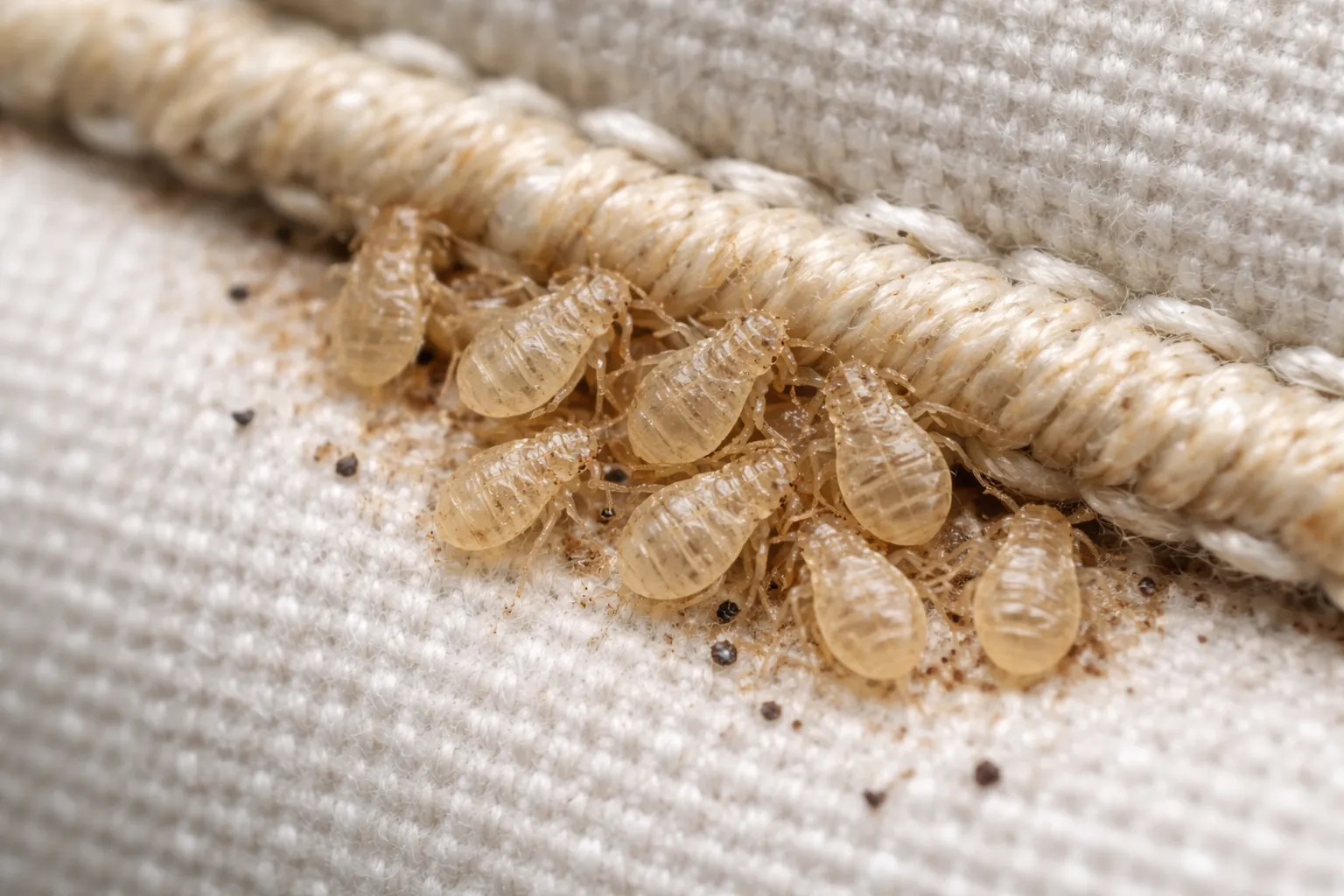
- Mattress piping and seams, especially near the head of the bed
- Box spring corners and the thin fabric underside
- Bed frame joints, screw holes, and headboard cracks
- Sheets and pillowcases for tiny rust-colored blood spots
You may also find dark specks (fecal spotting) or pale shed skins. If you spot the bug itself, bed bugs are flat, oval, and reddish-brown, and they do not jump or fly.
If you need a low-tech helper, consider interceptor traps under bed legs. They can help confirm activity, especially when the bugs are staying out of sight.
Quick inspection route
If you want a quick, low-drama inspection route, try this order:
- Check pet zones first (pet bed, couch spot, rug). If you find flea dirt, that is a strong directional arrow.
- Check your ankles and sock line. If irritation is mostly lower-body, keep thinking fleas, but do not stop there.
- Then check the bed (mattress seams, sheets, bed frame joints). Blood spots or clustered dark specks near seams lean bed bug.
If you find nothing anywhere but are still getting new bites, repeat inspections for a few days. Both pests can be hard to catch on the first pass, and bite reactions do not always show up on your preferred schedule.
How the bites feel (not a verdict)
I wish itch intensity came with a label that said “Made By Fleas.” It does not.
- Flea bites often become very itchy and can have a small red halo. Some people get a more pronounced reaction.
- Bed bug bites can also itch intensely and may swell. In some households, one person reacts strongly while another shows no marks at all.
Because reactions vary so much, treat “how it feels” as supporting evidence only.
If it is neither
If the clues are not lining up, consider a few common imposters:
- Mosquitoes, especially if bites are random and you have open windows or a backyard hangout habit
- No-see-ums or biting midges in some regions, often after outdoor time
- Contact irritation from detergents, new bedding, or skincare products
Also: if you have widespread hives, swelling around eyes or lips, trouble breathing, fever, or signs of infection at bite sites, that is a medical call, not a pest puzzle.
What to do next
Here is the clean pointer, no detours, with immediate steps you can take while you investigate.
If it looks like fleas
- Treat pets with a vet-recommended flea product, and treat all pets in the home together.
- Wash and heat-dry pet bedding, throw blankets, and any fabric your pet camps on.
- Vacuum daily for at least a week, focusing on edges, rugs, and under furniture. Empty the vacuum outdoors.
If it looks like bed bugs
- Reduce clutter near the bed so there are fewer hiding places.
- Heat-dry bedding and pajamas, then store clean items in sealed bags or bins.
- Isolate the bed from the wall, and consider interceptors under the legs. If you find spotting, shed skins, or live bugs, a professional inspection is often the fastest route to a real fix.
If you are still unsure after checking pet zones and mattress seams, treat this like a two-track investigation: keep bites logged by location and timing for a few nights, and re-check the same hotspots with a bright flashlight. Homes tend to confess when you look in the right creases.
The 30-Second Cheat Sheet
Essential takeaways for: Flea Bites or Bed Bug Bites? How to Tell
Most telling clues
- Fleas: bites often cluster around ankles, feet, lower legs, especially with pet exposure. Look for flea dirt (black pepper specks) in pet bedding, rugs, and favorite pet spots.
- Bed bugs: bites often show up on skin exposed during sleep (arms, shoulders, neck, face). Look for blood spots on sheets and dark specks in mattress seams, box spring corners, and bed frame joints.
Quick checks
- Check pet bedding first: black specks that smear reddish-brown on a damp paper towel suggests fleas.
- Comb the pet: a flea comb over a white towel can reveal adult fleas or flea dirt.
- Check the bed next: focus on seams, piping, and corners near the head of the bed for spotting or shed skins.
What to do next
- If it looks like fleas: treat pets and the home at the same time (vet-approved pet treatment, hot-wash bedding, vacuum daily).
- If it looks like bed bugs: reduce clutter, isolate the bed, heat-dry bedding, and consider a pro inspection if you find any spotting or bugs.
When to get help
If bites are severe, you see signs of infection, or you cannot find evidence but bites continue, consider professional pest help and seek medical advice for intense reactions.
💡 Tip: Scroll up to read the full article for detailed, step-by-step instructions.
⬆️ Back to top
About Grit
Content Creator @ Grit & Home
Grit is Grit & Home’s little blue clay courier, delivering big questions about the place you call home. Expect practical ideas, a raised eyebrow, and a satchel full of curiosity.