

First: where is the moisture actually sitting?
If your window looks cloudy, the fix depends on one simple detail: is the moisture on a surface you can wipe, or is it trapped between two panes of glass?
- Wipes off (inside or outside surface): that is regular condensation. It is a humidity and temperature issue.
- Will not wipe off and looks “inside” the glass: that is usually a failed insulated glass seal in a double-pane or triple-pane window.
I have made this call wrong before, chasing humidity fixes when the real problem was a blown seal. A 30-second check saves you a weekend of frustration.
What a failed insulated glass seal means
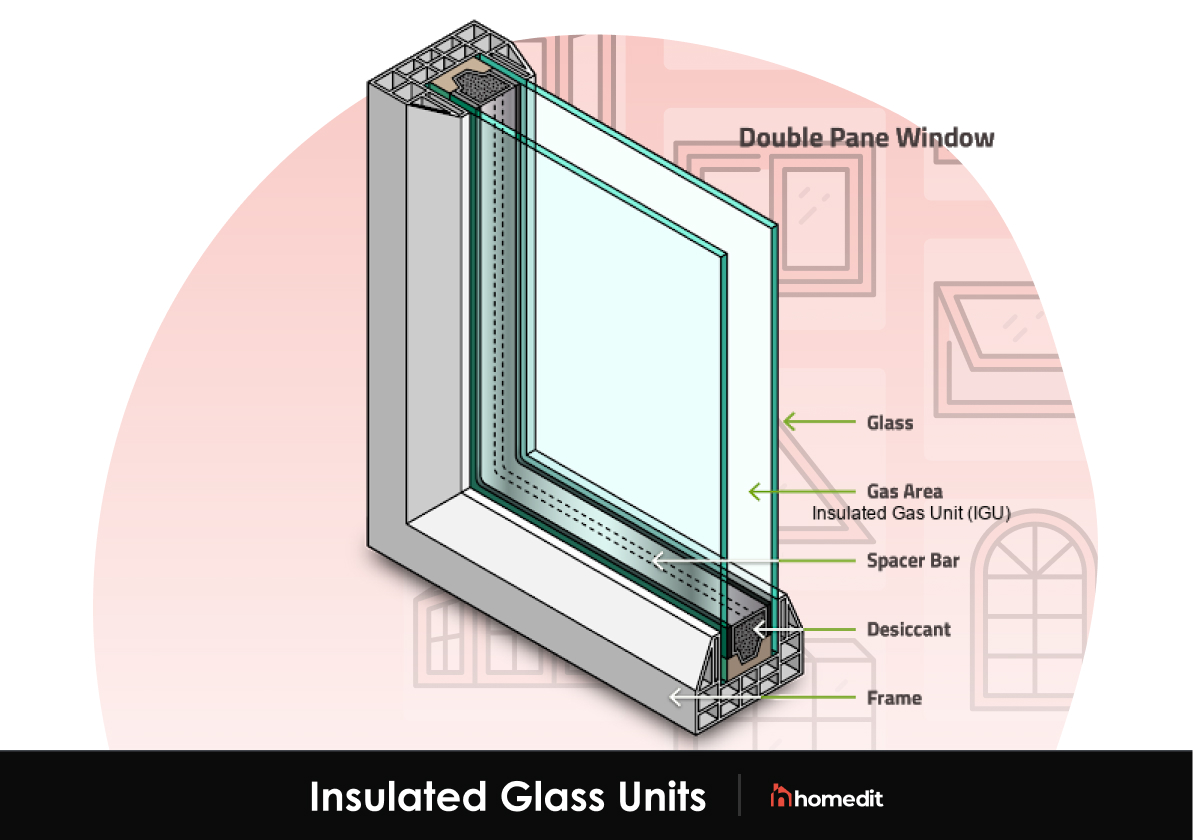
Most modern windows are insulated glass units (IGUs). Two (or three) panes are separated by a spacer and sealed around the edges. That sealed airspace is what helps the window insulate. Many units also contain argon or krypton gas for better performance.
When the perimeter seal fails, outside air and moisture can move into that space. That is when you see:
- Foggy haze that comes and goes with weather
- Mineral-looking film that slowly becomes permanent
- Water droplets or streaks between panes
Important: Once moisture gets in, you cannot “dry it out for good” without addressing the failed seal. The window may still function, but energy performance drops and the view often gets worse over time.
How to confirm it is between the panes (quick tests)
1) The wipe test
Clean both sides of the glass with a microfiber cloth. If the fog stays put, it is trapped inside the IGU.
2) The flashlight test at night
Shine a flashlight across the glass at a low angle. Fog trapped between panes often shows as a milky “depth” you cannot touch.
3) The weather pattern clue
If the haze changes with temperature swings and shows up most on cold mornings or humid days, that is consistent with a compromised seal.
4) Check the frame and surrounding area
If you have swelling wood, soft trim, peeling paint, or staining below the window, you might also have a separate water intrusion issue. A failed seal causes fog between panes, but it does not usually dump liquid water into your wall by itself.

Seal failure vs. indoor condensation: the difference that matters
If it is regular condensation (surface moisture)
Surface condensation happens when warm, moist indoor air hits a cold window surface. The “repair” is managing humidity and airflow, plus improving insulation and temperature balance.
If it is seal failure (between panes)
The glass assembly itself has failed. Dehumidifiers and vent fans can help overall comfort, but they cannot reseal the insulated unit.
One way I explain it to neighbors: surface condensation is a house air problem. Fog between panes is a window unit problem.
Why seals fail (even on good windows)
Window seals are tough, but they are not forever. Common causes include:
- Age and UV exposure: sun and temperature cycling slowly break down sealants
- Heat stress: big temperature differences across the glass, especially on dark-framed windows in direct sun
- Manufacturing defects: it happens, which is why checking warranty matters
- Frame movement: settling homes, slammed sashes, or slightly racked frames can stress the IGU edge
- High indoor humidity: not the root cause, but it can accelerate visible fogging once the seal is compromised
Your repair options (and what to expect)
Option 1: Leave it alone for now
If the fog is mild and you are prioritizing other projects, you can wait. The downsides are reduced efficiency, possible permanent mineral deposits, and a view that tends to get worse.
Option 2: “Defogging” service (drill and vent approach)
Some companies offer to drill tiny holes in the glass, clean the cavity, and add vents or a desiccant to reduce fogging.
- Pros: often cheaper upfront, can improve clarity quickly
- Cons: it does not restore the original sealed, insulated performance; results vary; not always a permanent fix
- Best for: homeowners who mainly care about appearance and are not ready for replacement
My honest take: defogging can be a decent “make it livable” move, but I treat it like a cosmetic repair, not a true reset.
Option 3: Replace the insulated glass unit (IGU replacement)
This is the most common real fix. The window frame and sash stay, but the glass package is replaced.
- Pros: restores insulation value and clarity; usually faster than full window replacement
- Cons: still costs real money; only works if the frame and sash are in good shape
- Best for: foggy glass with otherwise solid window operation and frames
Option 4: Replace the sash (common on many newer window systems)
On many brands, the IGU is part of a sash assembly. Replacing the sash can be straightforward and keeps the existing frame intact.
- Pros: clean, factory-built fix; can be DIY-friendly on certain models
- Cons: brand-specific availability; costs can approach full replacement in some cases
Option 5: Full window replacement
If the frame is rotted, out of square, hard to operate, or you want a major efficiency upgrade, full replacement might make sense.
- Pros: best performance upgrade potential; addresses frame issues and water management details
- Cons: highest cost; more disruption; trim and siding work may be needed
Cost framing: what homeowners typically pay
Prices vary a lot by window size, glass type, and local labor rates, but these ranges help you plan. Think of them as “ballpark targets,” not quotes.
- Defogging service: often about $100 to $300 per window depending on size and severity
- IGU (glass only) replacement: commonly $200 to $600 per window installed, sometimes more for large panes, tempered glass, grids-between-glass, or specialty coatings
- Sash replacement: often $300 to $800+ depending on brand and configuration
- Full window replacement: frequently $700 to $2,000+ per window installed, with wide swings based on quality, size, and trim work
Budget tip from my own renovation spreadsheet: if you have multiple failed units, ask for a per-window discount and get the glass specs in writing (tempered vs. annealed, Low-E coating, gas fill, grid type). Small details move the price.
Warranty check: do this before you pay anyone
Many window manufacturers offer warranties that specifically cover seal failure for a set number of years, sometimes longer than the rest of the window coverage.
Before you schedule repairs:
- Find the manufacturer label, etching, or paperwork from closing
- Look for the window series name and approximate install year
- Call the manufacturer and ask about insulated glass seal failure coverage
- Ask what is covered: glass only, sash, labor, shipping, or none of the above
Even if labor is not covered, getting the glass or sash under warranty can take a big bite out of the bill.
DIY or pro? A realistic recommendation
When DIY can make sense
- You can identify the window brand and order an exact replacement sash or IGU
- The window is on the first floor and easy to access
- You are comfortable removing interior stops or sash components without damaging trim
If you go DIY, measure carefully and double-check glass thickness. Ordering the wrong IGU is an expensive lesson. Ask me how I know.
When to hire a pro
- The pane is large, overhead, or on an upper story
- You need tempered glass and are unsure what code requires
- The frame is wood and shows rot, swelling, or water staining
- You want the job warrantied and done in one visit
Prevention tips (and what actually helps)
Reduce stress on the IGU
- Keep weep holes clear on certain window styles so water can drain
- Do not slam sashes; repeated impact can stress seals over time
- Address frame movement if a window is hard to latch or looks racked
Manage indoor humidity for overall window health
- Run bathroom fans during showers and for 15 to 20 minutes after
- Use the kitchen hood when boiling water
- Keep winter indoor humidity in a reasonable range (often 30% to 50%, depending on climate and comfort)
- Improve airflow with ceiling fans or cracked doors in closed-off rooms
Humidity control will not fix a blown seal, but it can reduce how dramatic the fogging looks and helps prevent surface condensation problems elsewhere in the house.
When fogged windows are a bigger red flag
Between-pane fog is usually just an IGU issue, but call a pro sooner if you notice:
- Soft drywall, bubbling paint, or staining around the window opening
- Drafts you can feel, especially around the frame
- Moldy smells near the window
- Cracked glass, missing glazing, or deteriorated exterior caulk
Those symptoms suggest water intrusion or air leakage at the frame, not just a failed seal in the glass unit.
My no-nonsense next step checklist
- Confirm location: wipe both sides, flashlight at night
- Check warranty: brand, series, install year
- Inspect the frame: look for rot, swelling, staining
- Pick the repair level: defog for cosmetic improvement or IGU/sash replacement for a true fix
- Get two quotes: and make sure they match the same glass specs
If you tell a contractor, “Fog is between the panes and I want pricing for IGU replacement,” you will usually get a clearer estimate faster.
FAQ
Can you reseal a double-pane window once it fogs?
In most cases, you do not practically “reseal” the original IGU back to factory condition. The long-term fix is replacing the IGU or sash. Defogging can reduce the appearance but does not fully restore the sealed insulating space.
Is a fogged window dangerous?
Usually no. It is mainly an efficiency and visibility issue. The exception is when fogging comes with frame rot or water intrusion, which can lead to structural damage and mold if ignored.
Will insurance cover a failed window seal?
Typically, no. Seal failure is usually considered wear and tear. If the fogging is tied to a covered event like storm damage, ask your insurer, but do not count on it.
Does replacing just the glass reduce drafts?
It can improve overall comfort by restoring insulation value, but drafts often come from air leaks around the frame or poor weatherstripping. If you feel air movement, inspect and address the air sealing too.

About Marcus Vance
Content Creator @ Grit & Home
Marcus Vance is a lifelong DIY enthusiast and self-taught home renovator who has spent the last decade transforming a dilapidated 1970s ranch into his family's dream home. He specializes in budget-friendly carpentry, room-by-room renovations, and demystifying power tools for beginners. Through his writing, Marcus shares practical tutorials and hard-learned lessons to help homeowners tackle their own projects with confidence.