
🚨 In a DIY emergency or rush?
Skip the details and jump straight to our 30-second cheat sheet for the most crucial info.
I have patched plenty of foundation cracks in my old 1970s ranch. Some were ugly but harmless. Bowing is different. A bowed foundation wall is not just a line in concrete. It is the wall moving inward, usually because soil and water pressure outside are winning a slow tug-of-war.
This page will help you recognize bowing, understand what it typically means, and talk through stabilization options at a high level so you know what questions to ask. I am going to stay in my lane here: you will not get prescriptive engineering numbers, because the safest next step with a moving wall is the right professional evaluation.
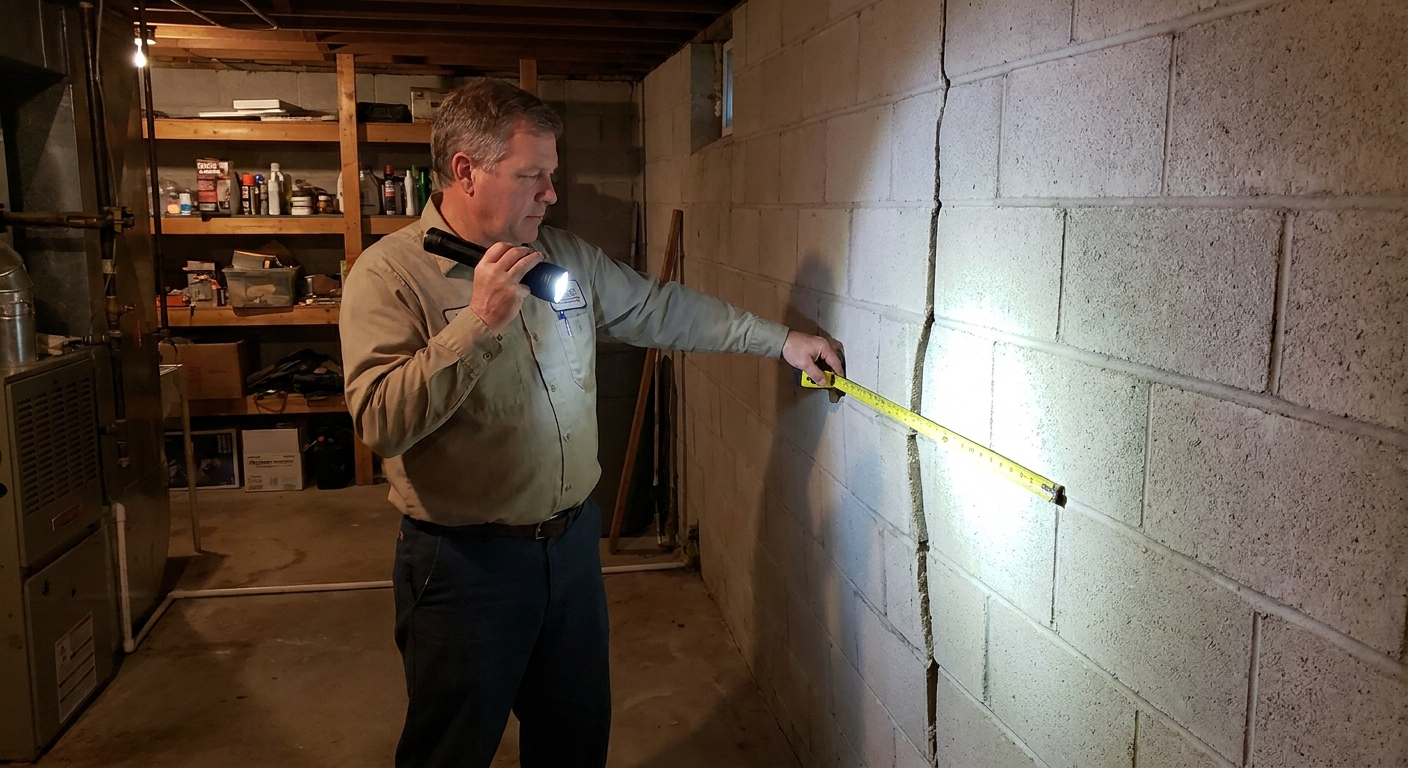
Bowing vs. a simple crack
Cracks get all the attention online, but the more important question is: is the wall staying put or is it shifting?
What a simple crack often looks like
- Hairline vertical cracks in poured concrete that are narrow and fairly straight.
- Minor stair-step cracking in concrete block mortar joints with little to no wall offset.
- Cracks that appear, then do not noticeably change season to season.
These can still need repair or waterproofing, but they do not automatically mean the wall is failing.
What bowing looks like
Bowing means the wall face is no longer flat. Homeowners also use terms like leaning and bulging, and they can overlap:
- Leaning (rotation): the top of the wall tips inward.
- Bulging: the wall bellies inward around mid-height.
- Bowing: a more general inward curve that can include both.
You might see:
- An inward lean at the top of the wall, sometimes obvious when you look down the length of it.
- A bulge at mid-height, where the wall seems to belly inward.
- Horizontal cracking, especially in concrete block walls. This is one of the most common bowing clues.
- Stair-step cracking with displacement, where one side looks pushed in compared to the other.
Think of it this way: a crack is a symptom. Bowing is movement. And movement is what usually changes the conversation from cosmetic repair to structural evaluation.
Warning signs to watch
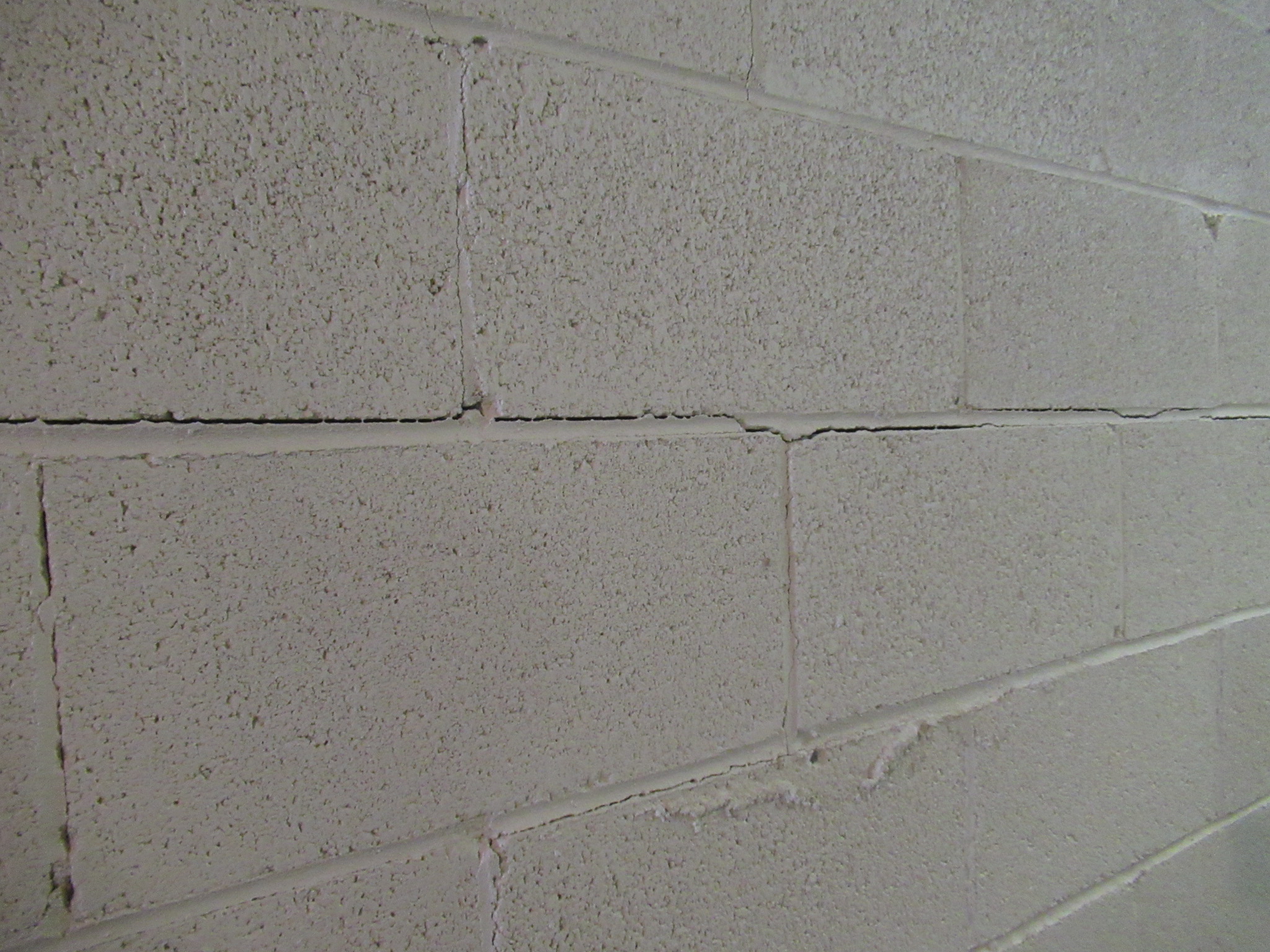
If you only remember one thing from this article, remember this: horizontal cracks plus inward movement is a serious combo.
Inside the basement or crawlspace
- Horizontal cracks in concrete block or poured walls. In poured concrete, horizontal cracks are less common and can have different causes (construction joints, reinforcement issues, localized loading), so they still deserve evaluation.
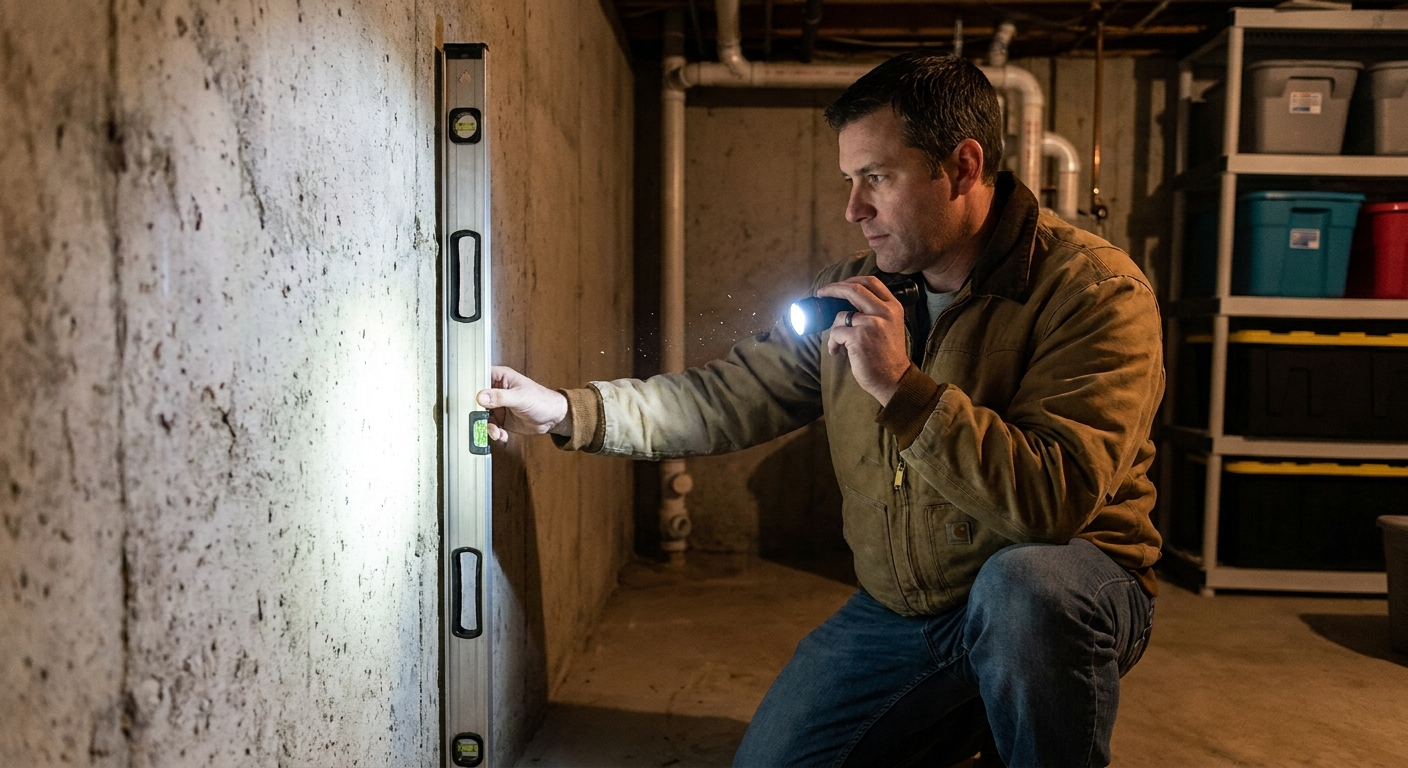
- Wall out of plumb, meaning a level held vertically shows the wall tilting inward.
- Bulging between floor and ceiling, often most noticeable at the center of the wall span.
- Popped fasteners or small gaps where framing meets the foundation, especially if they show up alongside new cracking or visible wall movement.
- Doors that suddenly stick or new drywall cracks upstairs that appear around the same time as new foundation movement.
- Water seepage that tracks through a horizontal crack after rain.
Outside clues around the foundation
- Poor grading where soil slopes toward the house.
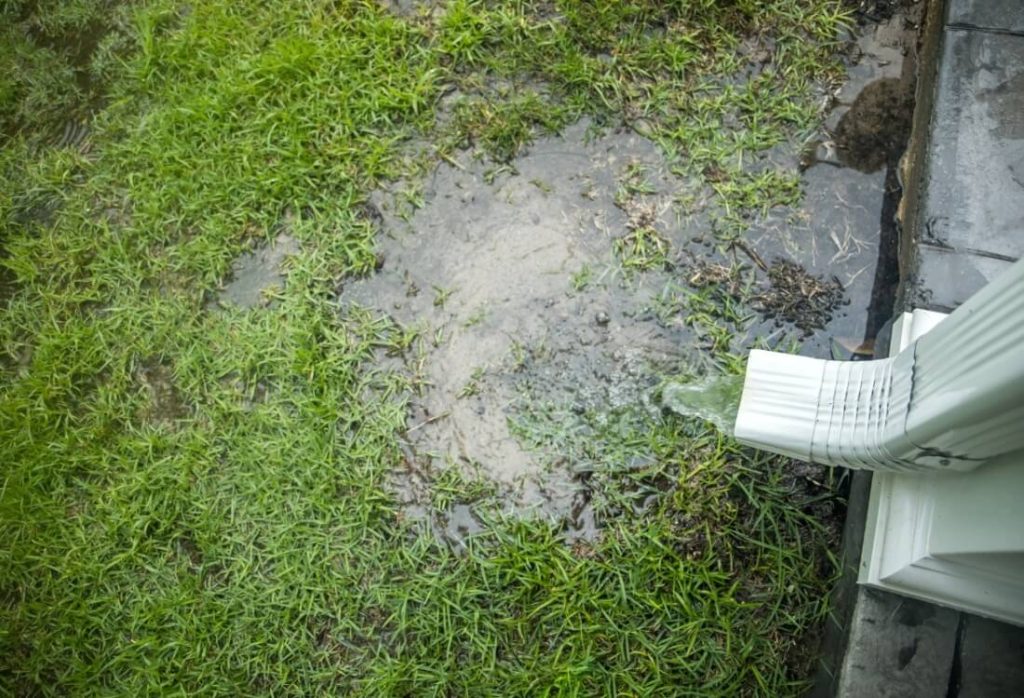
- Downspouts dumping next to the wall or missing extensions.
- Heavy clay soil that holds water and swells.
- Driveways, patios, or retaining features that push soil load toward the foundation wall.
- Constantly wet ground along one side of the home.
On my own place, the biggest "aha" moments have almost always been outside: clogged gutters, short downspouts, and soil that basically acted like a sponge right where I did not want one.
What causes walls to bow
Many bowing basement walls are pushed by some mix of lateral earth pressure and water pressure.
Hydrostatic pressure in plain English
When the soil outside the foundation gets saturated, water fills the spaces between soil particles. That water adds pressure against the wall. The pressure increases with depth, so the lower part of the wall takes a bigger shove.
Common "pressure boosters" include:
- Bad drainage at the roofline (gutters, downspouts, splash blocks).
- Soil that holds water (often clay-heavy backfill).
- Ground sloping toward the house.
- In cold climates, freeze-thaw effects and frost heave that can contribute extra push.
Why block walls often show it first
Concrete block foundation walls can be perfectly strong when built and reinforced correctly. But in the real world, older block walls are often more vulnerable to lateral pressure, especially if cores are not reinforced or if drainage outside is poor. That is why you will hear "horizontal crack in block wall" come up so often in bowing conversations.
Quick, safe checks
You do not need fancy equipment to gather useful info for a pro. You just need to be consistent and careful.
1) Look down the wall
Stand at one end and look along the face like you are sighting a crooked fence board. A bowed wall often shows a shadow line or a curve you cannot unsee once you notice it.
2) Use a 4-foot level or a straight board
Hold it vertically against the wall. Check near the top, middle, and bottom. If the middle rocks or there is a visible gap behind the level, that suggests bulging.
3) Measure the bulge the simple way
If you want a basic number to track, hold a straight board vertically across the wall and measure the maximum gap from the wall to the board at the worst spot. Take the measurement at the same height and location each time, and write down the date. Do not force anything and do not try to push the wall back.
4) Note crack direction and location
- Horizontal in block: a common red flag.
- Stair-step: note whether the blocks look shifted in or out.
- Vertical: still worth tracking, but less typical of bowing by itself.
5) Take photos you can repeat
Pick two or three spots and take photos from the same distance and angle every month or two. If cracks widen or the curve looks worse, that is valuable information.
Safety note: If the wall looks severely displaced, actively leaking soil, or you hear cracking, stop and call a pro. Do not keep poking around.
Stabilization options
There is no single best fix for every bowed wall. The right approach depends on how much the wall has moved, what it is made of (block vs. poured concrete), and what the outside conditions are (water, grading, nearby structures).
Here are the common categories you will hear contractors and engineers discuss.
1) Fix water and drainage
Even if you brace the wall, you still want to reduce the push that caused the problem. Also, waterproofing by itself may stop leaks, but it does not automatically solve structural movement if the wall is still being loaded.
- Extend downspouts well away from the foundation.
- Improve grading so water runs away from the house.
- Address clogged gutters and roof runoff.
- Consider perimeter drainage solutions when needed.
2) Carbon fiber straps
Carbon fiber straps are one of the most common, least intrusive modern reinforcements for certain bowed walls, especially block walls. They are typically used to stabilize a wall and help prevent additional inward movement. Contractors often pitch them for smaller bows and situations where you want a low-profile repair that does not take much basement space.
Tradeoffs homeowners should understand:
- Surface prep and proper adhesive installation matter a lot.
- They generally do not "pull" a wall back like some anchor systems can.
- They still pair best with water and drainage improvements outside.
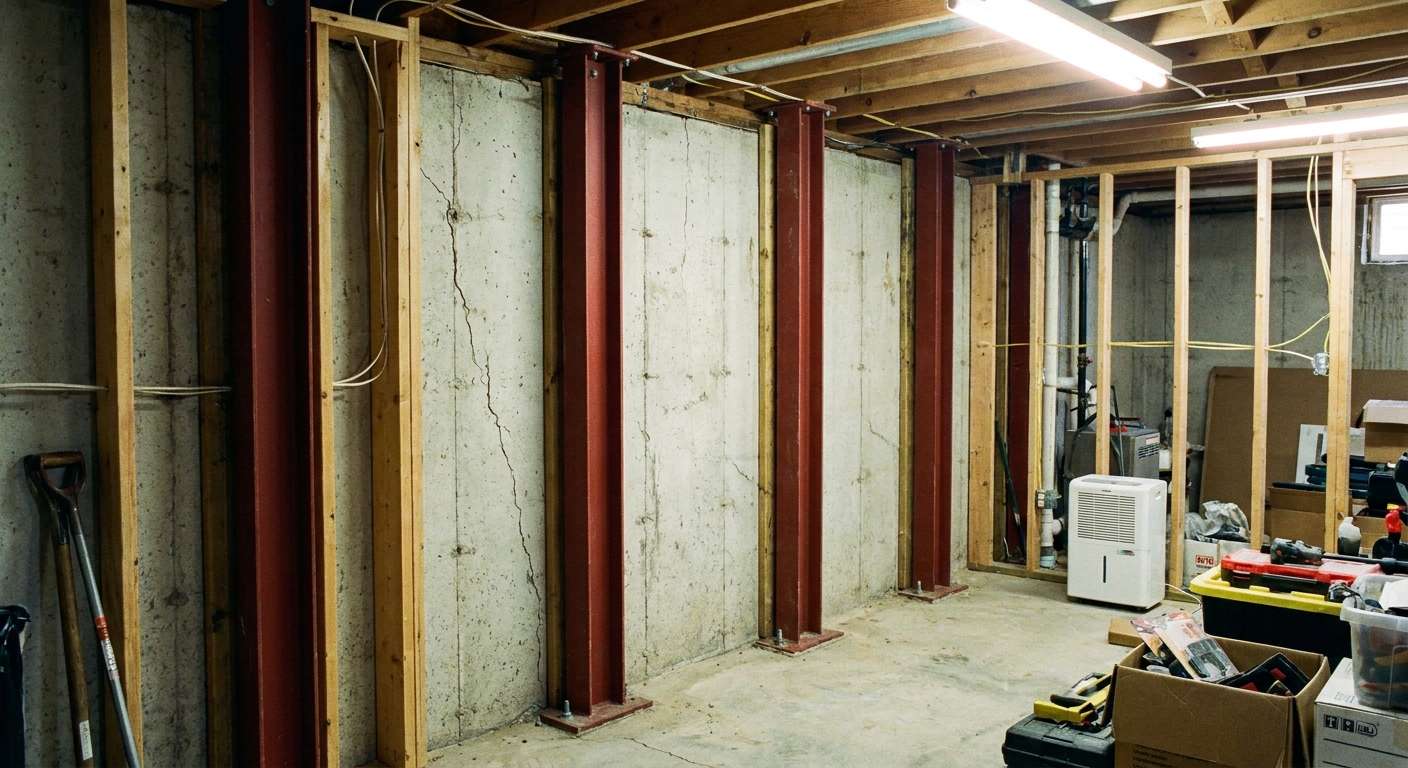
3) Interior wall bracing (steel beams or posts)
Often installed along the inside of the wall and anchored to the slab and floor framing. The goal is typically to prevent additional inward movement. In some cases, systems may be tightened over time to encourage gradual straightening, but that is design-specific.
Tradeoffs homeowners should understand:
- May reduce usable space along that wall.
- Requires solid anchoring points.
- Still needs water control outside to keep pressure down.
4) Wall anchors (plates with rods to stable soil)
These systems generally involve an interior plate on the wall connected by a rod through the wall to an exterior anchor plate buried in the yard. Tightening can help stabilize and sometimes pull the wall back, depending on conditions and wall type.
Tradeoffs:
- Needs access to the yard on that side.
- Exterior excavation and buried hardware.
- Landscaping and hardscaping may be impacted.
5) Tiebacks (including helical tiebacks)
You may hear the term tieback used broadly. In general, it means an anchoring method that transfers the force from the wall to more stable soil further out. One specific term you may hear is helical tiebacks, which use a screw-like anchor element installed into the soil. It is a common structural concept, but the details matter a lot, which is why engineer involvement is often important here.
6) Rebuild
If a wall is severely bowed, fractured, or compromised, sometimes the safe solution is to rebuild that section with proper reinforcement and drainage. It is disruptive and expensive, but it can be the right answer when the wall is beyond stabilization.
Important: Any stabilization method that involves structural loads should be sized and selected based on conditions at your home, not a one-size-fits-all rule from the internet.
When to call an engineer
I love DIY, but this is one of those places where confidence needs a guardrail. Call a licensed structural engineer, or at minimum get a pro evaluation, when you see any of the following:
- Horizontal cracks in a foundation wall, especially in block. In poured concrete, horizontal cracks are less common and can have multiple causes, so they also deserve a closer look.
- Visible inward bowing or leaning, even if the cracks look small.
- Rapid change over weeks or months, or cracks that widen season to season.
- Multiple signs together: bowing plus sticking doors, sloped floors, or widespread drywall cracking.
- Water plus movement, especially if soil seems to be washing in.
- Any concern about collapse, including loud new cracking sounds or sudden displacement.
An engineer’s value is not just "confirming it is bad." It is giving you an informed diagnosis of why it is happening and what category of fix actually matches the loads and the site conditions.
If you are collecting bids, an engineer’s letter or report can also help you compare contractor proposals apples to apples.
Questions for contractors
If you decide to bring in a foundation repair company, here are questions that cut through sales talk fast:
- What evidence suggests this is bowing versus normal shrinkage or settling?
- How will your solution address the cause, not just the symptom?
- Is this intended to stabilize only, or also to straighten the wall over time?
- What site conditions could make this approach a poor fit (soil type, access, water table, nearby driveway)?
- Why are you recommending carbon fiber straps versus steel bracing or anchors for my wall?
- What warranties are included and what do they exclude?
- Will this affect finishing the basement later (framing, insulation, egress, etc.)?
- Do you recommend an engineer review for my case? If not, why?
What you can do today
You cannot DIY a bowed wall back to health with a weekend project, but you can reduce risk and gather good info.
Immediate, homeowner-friendly actions
- Control roof runoff: clean gutters and add downspout extensions.
- Improve grading: slope soil away from the house where practical.
- Keep heavy water away: do not dump sump discharge next to the foundation.
- Document: photos, dates, and simple measurements with a level or straightedge.
- Keep storage off the wall: give yourself visibility and reduce any interior loads or obstructions.
If you are feeling anxious, that is normal. Foundation stuff hits a nerve because it feels like the whole house is at stake. The good news is that many bowing walls can be stabilized when you catch them early and pair the fix with better drainage.
Common misconceptions
It is just an old house
Old houses do have cracks, yes. But a moving wall is not a charming quirk. Movement deserves a closer look.
If I seal the crack, I fixed it
Sealing can help with water intrusion, but it does not remove the lateral pressure that caused the wall to bow.
If the basement is dry, the wall is fine
You can have significant lateral pressure without obvious water on the floor. Sometimes the wall moves first, then the water follows.
More concrete is always the answer
Adding material without addressing drainage and load paths can waste money or create new problems. Structural solutions need a system approach: water management plus stabilization that matches the forces.
Bottom line
If you see horizontal cracks, an inward lean, or a bulge, treat it as more than cosmetic. Start by controlling water around the home and documenting what you see. Then bring in the right pros, especially a structural engineer when there is visible movement, multiple symptoms, or anything progressing quickly.
The goal is not to panic. The goal is to get ahead of it while your options are better and your costs are lower.
The 30-Second Cheat Sheet
Essential takeaways for: Foundation Wall Bowing: Signs, Fix Options, and When to Call an Engineer
How to tell bowing from a normal crack
- Normal settling cracks: often hairline, usually vertical, wall stays flat.
- Bowing wall: wall face curves, bulges, or leans inward, often with horizontal cracks (especially in concrete block).
Big warning signs
- Horizontal crack running along the wall.
- Wall is out of plumb (leans inward at the top or bulges at mid-height).
- Stair-step cracks with visible displacement.
- Changes happening quickly, or worsening season to season.
- Water intrusion through a horizontal crack, or soil washing in.
Common causes (plain English)
- Hydrostatic pressure: saturated soil and water pushing laterally on the wall.
- Poor drainage: short downspouts, clogged gutters, negative grading.
- Expansive clay soils and, in cold climates, freeze-thaw effects that can add pressure.
Stabilization options you will hear about (high level)
- Water and drainage fixes to reduce pressure (downspouts, grading, drainage).
- Carbon fiber straps (low profile reinforcement for some bowed walls).
- Interior steel bracing to prevent further movement.
- Wall anchors that transfer force to stable soil in the yard.
- Tieback-style systems (including helical tiebacks) that resist lateral loads (often engineer-reviewed).
- Rebuild if the wall is severely compromised.
When to call a structural engineer
- Any visible bowing or leaning.
- Horizontal cracks, especially in block foundations. In poured concrete, horizontal cracks are less common and can have multiple causes, so they also deserve evaluation.
- Multiple house symptoms at once (sticking doors, sloped floors, widespread cracking).
- Fast progression, loud cracking sounds, or any collapse concern.
What you can do today
- Extend downspouts and clean gutters.
- Regrade so water runs away from the foundation.
- Take repeatable photos and basic level checks to track change.
- Clear storage so you can monitor the wall.
Safety rule: This article helps you recognize risk. Do not DIY structural design for a moving foundation wall. Get professional evaluation when movement is present.
💡 Tip: Scroll up to read the full article for detailed, step-by-step instructions.
⬆️ Back to top
About Marcus Vance
Content Creator @ Grit & Home
Marcus Vance is a lifelong DIY enthusiast and self-taught home renovator who has spent the last decade transforming a dilapidated 1970s ranch into his family's dream home. He specializes in budget-friendly carpentry, room-by-room renovations, and demystifying power tools for beginners. Through his writing, Marcus shares practical tutorials and hard-learned lessons to help homeowners tackle their own projects with confidence.