
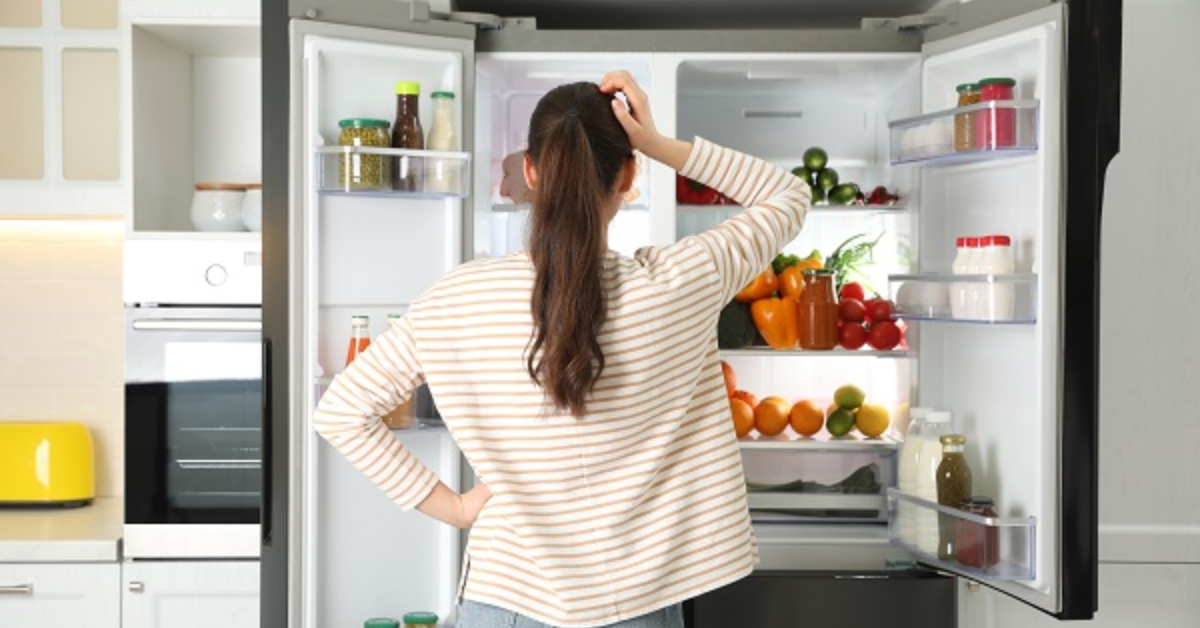
If your freezer is doing its job but the refrigerator side feels like a sad pantry, you are not alone. This is one of the most common fridge problems I see because it feels backwards. If one compartment is cold, why is the other warm?
Here is the simple truth: in most household refrigerators, the freezer makes the cold, and the fridge borrows it. Heat is absorbed at the evaporator coil (usually behind the back panel of the freezer), then a fan moves that cooled air, and a damper controls how much of it gets sent to the refrigerator section.
Quick caveat: some refrigerators (especially dual-evaporator designs and a few specialty or older models) cool the compartments more independently. The troubleshooting steps below still help, but the airflow path and parts may not be shared the same way.
Safety and what you need
- Unplug the refrigerator before removing panels or touching wiring.
- Wear work gloves if you are dealing with sharp sheet metal edges or ice.
- Tools that help: Phillips screwdriver, 1/4-inch nut driver, flashlight, a small mirror, and a basic thermometer.
- Optional but handy: hair dryer on low, towels, and a shallow pan for meltwater. (A hair dryer is safer than a heat gun for most plastic liners. Heat guns can warp things fast.)
If you smell electrical burning, see melted plastic, or hear loud arcing or popping, stop and call a pro.
Fast path checklist
- Clear vents in both compartments (leave a few inches of space).
- Check door seals and that doors close fully.
- Make sure you are not in Vacation or Demo mode.
- Clean condenser coils if they are exposed and accessible.
- Listen for the evaporator fan and feel for airflow at the fridge vent.
- If you suspect frost buildup, inspect the evaporator coil for an ice blanket.
Quick diagnosis in 30 minutes
1) Confirm the symptom
- Put a thermometer in the fridge and freezer for 15 to 30 minutes. (Air temps stabilize slowly. If you have an instant-read probe, you can also spot-check a bottle of water in the fridge after it has been sitting a while.)
- Targets: Freezer 0°F (minus 18°C) and Fridge 37°F (3°C).
- Typical safe range: fridge 34°F to 40°F (1°C to 4°C).
If the freezer is at 10°F to 20°F and the fridge is warm, you might have a bigger cooling problem, not just an airflow problem. We will cover that in the sealed-system section below.
2) Do the airflow test
- Open the fridge door and find the cold-air outlet vent, usually at the top left or top center.
- With the unit running, you should feel a gentle stream of cool air. Not a hurricane, but something.
No airflow at that vent usually points to a bad evaporator fan, a stuck or closed damper, or an evaporator coil buried in frost.
3) Check for obvious vent blockage
- Look for food boxes, deli drawers, or freezer bags pushed tight against vents.
- In the freezer, check the return-air vents too. Air has to come back, not just go out.
Most common cause: blocked vents
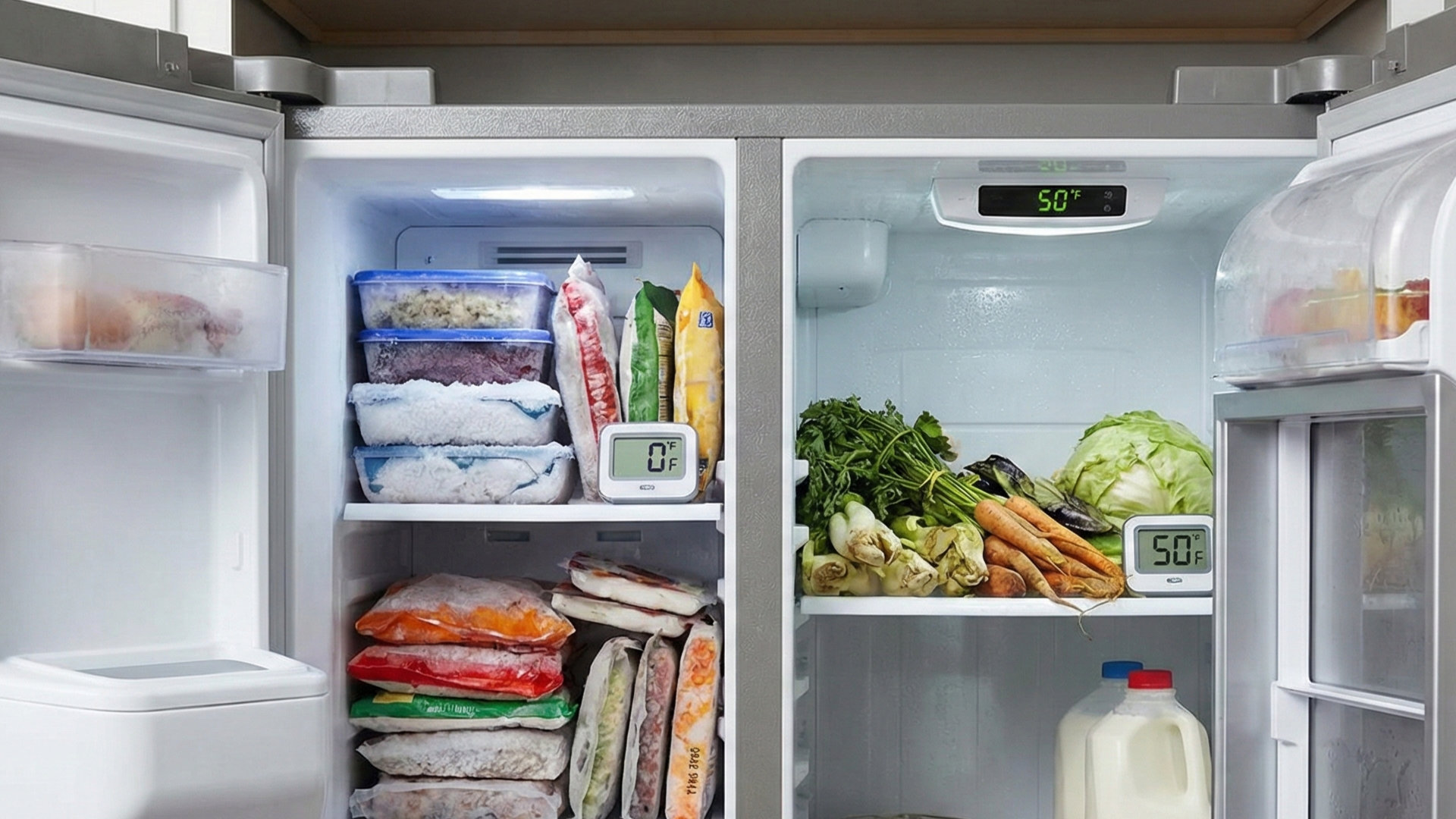
This is the cheapest fix and also the one I have personally caused by overstuffing after a warehouse-store trip. If you block either the supply vent (cold air going into the fridge) or the return vent (air coming back to the freezer), the fridge warms up fast.
What to do
- Clear a few inches of space around every vent you can find.
- Do not line shelves with solid shelf liners that cover vent slots.
- Make sure the freezer’s back wall is not buried in food bags.
Give it a few hours after clearing vents. If airflow returns and the fridge temperature starts dropping, you found it.
Door seals and air leaks
A leaky door gasket can sneak warm, humid air into the fridge. That extra moisture turns into frost and ice in the wrong places, and it can tip an airflow or defrost system over the edge.
Quick checks
- Dollar-bill test: close the door on a bill and pull. You want steady resistance around the whole perimeter.
- Look and feel: gaps, torn gasket corners, or a door that sits slightly open are all red flags.
- Level matters: if the fridge tilts forward, doors may not self-close well. A slight tilt back often helps.
Settings to check
This sounds too easy, but I have seen it more than once.
- Vacation mode: some models reduce or shut down fresh-food cooling.
- Demo mode: common on display units, lights work but cooling does not.
- Energy saver: usually fine, but on some designs it changes heater use and can contribute to moisture and frosting. If you are fighting frost, try toggling it and see if symptoms change.
Evaporator fan problems
The evaporator fan lives in the freezer compartment behind a panel. Its job is to move air across the coil and push that cold air through the ductwork to the refrigerator side. If it quits, the freezer can still get cold near the coil, but the fridge will warm because the cold air is not being delivered.
Quick checks
- Listen: with the freezer door closed (or the door switch held in), you should hear a steady fan sound when the compressor is running.
- Door switch test: many fans stop when the door opens. Press the door switch with your finger and listen for the fan to start.
- Feel for airflow: in the freezer, you should feel airflow at vents when the fan runs.
If the fan is not running
- First, look for ice buildup hitting the fan blades. If the fan tries to spin but ticks or chirps, the coil may be iced up from a defrost problem.
- If it is silent and free-spinning by hand, the fan motor could be failed, or it is not getting power due to a control issue.
DIY reality check: replacing an evaporator fan motor is often a reasonable DIY job if you are comfortable removing the freezer’s back panel and unplugging a connector. If you are not, this is a good call-a-tech point because misrouting wires or leaving insulation out of place can create future icing issues.
Damper stuck closed
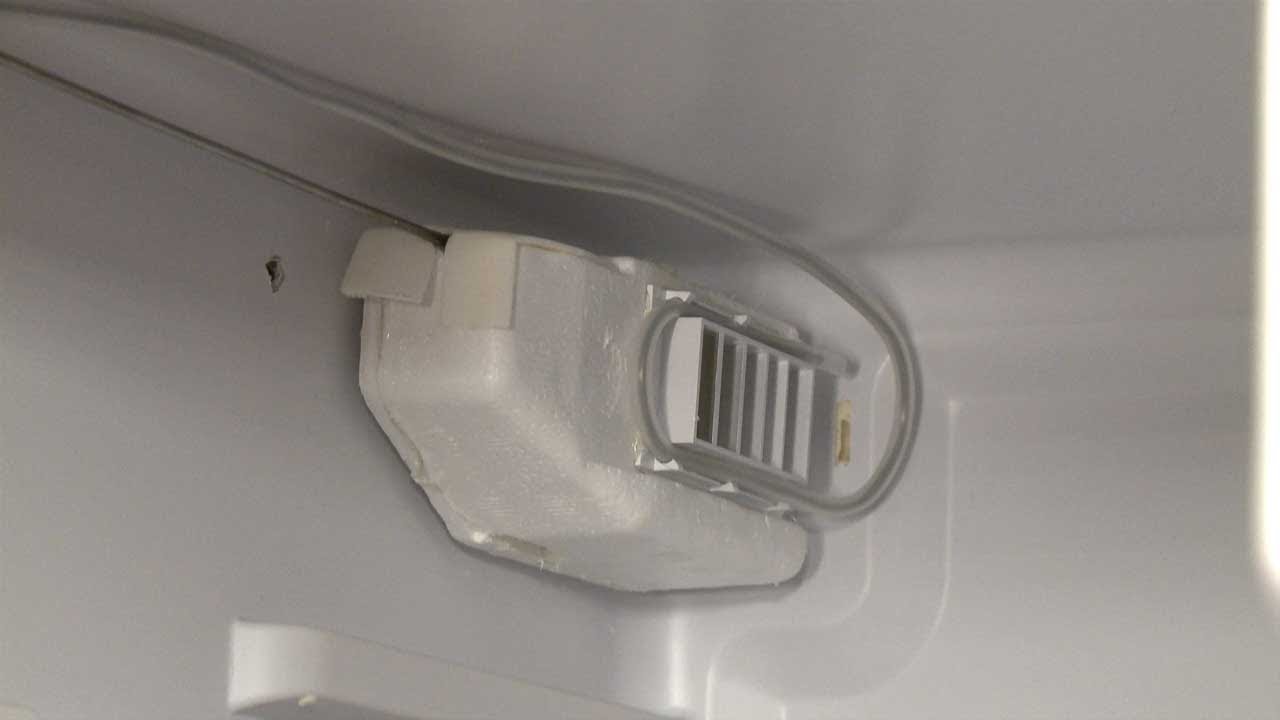
The damper is the air door that meters cold freezer air into the fridge. Some are manual sliders, many are motorized. If it is stuck closed, the freezer stays cold and the fridge warms up even if the evaporator fan is working perfectly.
How to check
- Find the damper location, usually at the top of the fridge compartment where cold air enters.
- Remove the vent cover if accessible. Look for frost, ice, or a damper flap that is not moving.
- If your unit has a manual damper, slide it open and see if airflow improves.
Common fixes
- Light icing: unplug the fridge and gently thaw with a hair dryer on low, keeping it moving so you do not warp plastic.
- Motorized damper not moving: the damper motor or control may have failed. Replacement is model-specific and often fixable.
Tip from my own mistakes: if you thaw ice with a hair dryer, protect shelves and electronics from dripping water. I learned that the hard way with a towel that was not nearly big enough.
Defrost system faults
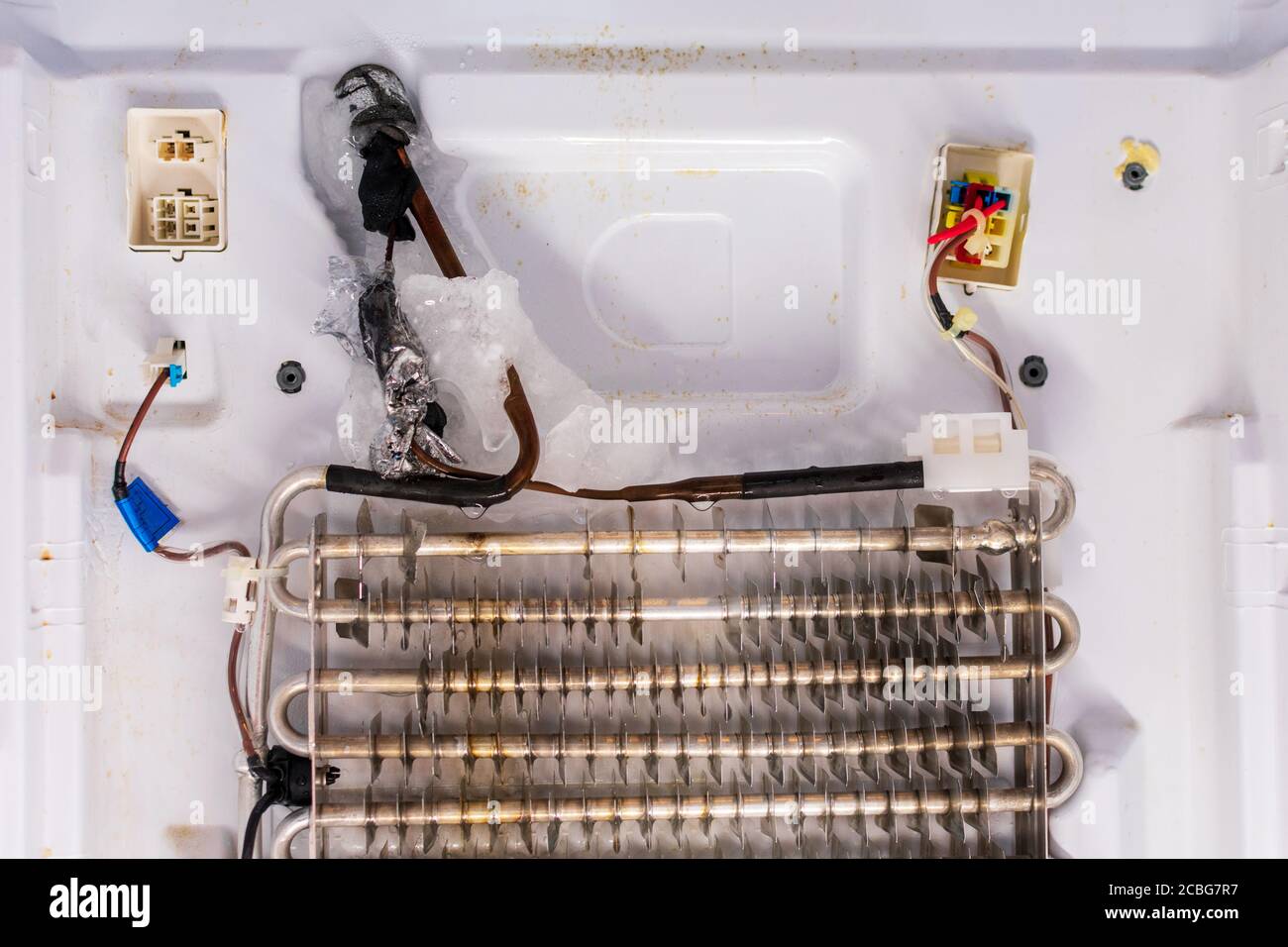
If the evaporator coil turns into a solid white block of frost, airflow drops to almost nothing. The freezer can still feel cold because ice is cold, but the fridge warms because no air is circulating.
Signs the evaporator is iced over
- Fridge warm, freezer kind of cold, and airflow weak.
- Frost or snow buildup on the freezer’s back wall.
- Evaporator fan noise changes, or the fan hits ice.
Confirm it
Unplug the unit, remove food and shelves from the freezer, then remove the back interior panel. If you see the evaporator coil buried in white frost, you have a defrost problem.
What can fail
- Defrost heater: heats the coil periodically to melt frost.
- Defrost thermostat or thermistor: tells the system when to defrost and when to stop heating.
- Defrost timer or control board: schedules defrost cycles.
- Drain clog: meltwater cannot drain, refreezes, and contributes to ice issues and airflow blockage.
Short-term fix vs real fix
Short-term: a full manual defrost can get you cold air again temporarily. Unplug for 24 hours with towels down and doors open.
Real fix: identify and replace the failed defrost part, clear the drain, and reassemble correctly. If you just thaw it and plug it back in, the ice blanket often comes back within days or weeks.
Dirty condenser coils
This one is sneaky because it can show up as freezer sort of works, fridge does not. If the condenser coils under or behind the fridge are packed with dust and pet hair, the system struggles to dump heat. Cooling performance drops across the board, and the fridge compartment often shows it first.
Fix
- Unplug the fridge.
- Vacuum the condenser coils and the condenser fan area (if your model has a fan near the compressor).
- Clean the floor under the fridge and ensure there is breathing room behind it.
On a dusty house or homes with pets, I like to do this every 6 months. Quick note: some modern units have concealed or "never-clean" style condensers. Check your manual and clean only if the coils are exposed or the manufacturer recommends it.
Controls and sensors
If vents are clear, fans run, and nothing is iced up, a control issue can still cause weird behavior. A bad thermistor (temperature sensor) or control board can misread temps and under-run the fan or keep the damper closed when the fridge is warming.
Clues
- Temperatures swing wildly or do not match the setpoint.
- The damper never seems to open even after you change settings.
- Everything looks mechanically fine, but the fridge just will not hold 34°F to 40°F.
This is where model-specific diagnostics (and sometimes a service mode) matter. If you are not comfortable with electrical testing, it is a good time to call a pro.
Sealed-system vs airflow
Most freezer cold, fridge warm calls are airflow or defrost. But sometimes the freezer is only appearing cold because the top shelf freezes while the overall cooling capacity is weak.
Clues it might be sealed-system
- Freezer temperature cannot reach 0°F and stalls around 10°F to 25°F.
- Compressor runs constantly with little improvement.
- Evaporator coil frost pattern is abnormal: only a small section frosts, or frost is thin and limited to one corner.
- You hear clicking from the compressor area (start device trying and failing).
What sealed system means
This is the refrigerant side: compressor, condenser, evaporator, and the refrigerant lines. Leaks, restrictions, or a weak compressor usually require specialized tools and often cost enough that replacement makes more sense.
Repair vs replace
I am thrifty by nature, but I am also honest about when money is better spent elsewhere. Here is a practical way to decide.
Repair is worth it when
- The fridge is under 8 to 10 years old and otherwise in good shape.
- The problem is a clear airflow or defrost part: evaporator fan motor, damper assembly, defrost heater, thermistor, or a clogged drain.
- Parts cost is reasonable and labor is not extreme.
Replacement often wins when
- The unit is 12 to 15+ years old and has other issues (noisy compressor, rust, cracked liners).
- A tech confirms a sealed-system repair, refrigerant leak, or compressor replacement with a high quote.
- You have already replaced multiple major components recently.
Rule of thumb: if the repair is 40% to 50% of the cost of a comparable new refrigerator, I start leaning toward replacing, especially if the unit is older.
Troubleshooting order
- Step 1: clear vents and confirm doors seal properly.
- Step 2: check settings like Vacation or Demo mode.
- Step 3: clean condenser coils and check condenser fan (if present and accessible).
- Step 4: check evaporator fan operation using the door switch.
- Step 5: inspect damper for movement and icing.
- Step 6: look for an iced evaporator coil and investigate defrost components.
- Step 7: if freezer cannot reach 0°F, consider sealed-system diagnosis.
When to call a pro
Call for service if:
- You find an iced evaporator but are not comfortable testing electrical parts.
- The compressor is hot and running constantly, yet temperatures barely improve.
- You suspect sealed-system trouble (weak cooling and bad frost pattern).
- You have a high-end integrated unit where parts access is complex and expensive to damage.
If you want to speed up a service call, take a quick photo of the model and serial sticker, plus a photo of the evaporator coil (frost pattern) if you opened the freezer panel.
FAQ
Can I keep using the fridge if the fridge side is warm but the freezer is cold?
I would not store perishable food in the refrigerator section if it is above 40°F for more than two hours total (cumulative time in the danger zone). Move essentials to a cooler or another fridge while you troubleshoot.
Will turning the temperature colder fix it?
Sometimes it masks the issue briefly, but it rarely solves it. If airflow is blocked or the damper is stuck closed, cranking the dial just makes the freezer work harder.
Why does my fridge work again after I unplug it for a day?
Because you accidentally performed a manual defrost. If it warms again later, the defrost system likely has a failed component or the drain is clogging and refreezing.

About Marcus Vance
Content Creator @ Grit & Home
Marcus Vance is a lifelong DIY enthusiast and self-taught home renovator who has spent the last decade transforming a dilapidated 1970s ranch into his family's dream home. He specializes in budget-friendly carpentry, room-by-room renovations, and demystifying power tools for beginners. Through his writing, Marcus shares practical tutorials and hard-learned lessons to help homeowners tackle their own projects with confidence.