
🚨 In a DIY emergency or rush?
Skip the details and jump straight to our 30-second cheat sheet for the most crucial info.
The first time this happened to me, I lost a whole shelf of frozen stuff before I believed it. The fridge side felt perfectly fine, milk stayed cold, the butter was firm, but the freezer had that sad half-thawed vibe. It feels backwards because most refrigerator problems warm the fresh-food section first.
When the fridge is cold but the freezer is not freezing, you are usually looking at one of three paths:
- Airflow is not moving through the freezer (fan issue, blocked vents, door sealing, overpacking).
- The freezer evaporator is packed in frost (defrost system issue).
- The sealed system is weak (low refrigerant, restriction, compressor issue).
I’ll walk you through the checks in the same order I do them at home: easiest, cheapest, and least invasive first.
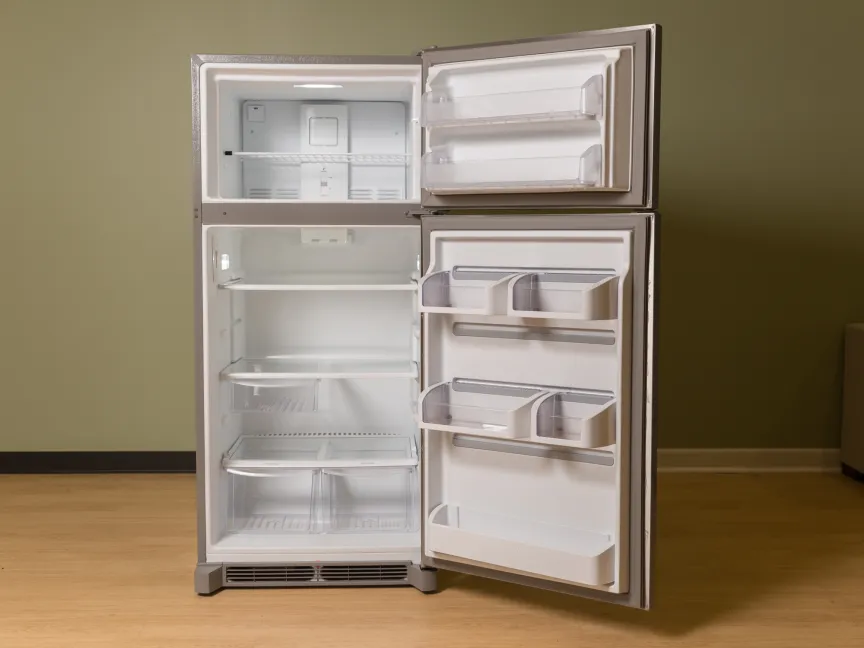
Before you start: quick safety and food triage
1) Protect your food first
- If the freezer is above 40 F, move meat and dairy to a cooler with ice or a neighbor’s freezer.
- If items are still rock-solid and you just caught it, keep the door closed as much as possible while you diagnose.
2) Unplug before removing panels
Any time you are removing an interior freezer panel, reaching near a fan, or using a hair dryer for a thaw, unplug the fridge. A refrigerator has sharp sheet metal edges and wiring in tight spaces. No hero moves needed.
How this differs from a damper problem
A lot of refrigerator advice online revolves around a damper (the little door that controls how much cold air moves from freezer to fridge in many designs).
- Damper problems usually make the fridge warm while the freezer stays cold, because the freezer is the cold source and the fridge is waiting for air.
- Your symptom is the opposite: the fridge is still cold while the freezer is warming up.
That usually means the freezer is not producing or distributing cold air properly, but the fridge compartment is hanging on due to its own airflow path, retained cold mass, or a separate cooling circuit in some models.
Step 1: Confirm settings and basic airflow
Check temperatures the right way
Do not trust the dial position. Put an inexpensive fridge thermometer in both compartments for a couple hours.
- Target freezer: 0 F
- Target fridge: 37 to 40 F
Look for the easy airflow killers
- Overpacked freezer: If boxes are pressed against the back wall, they can block the return air path and create warm pockets.
- Door left ajar: A slightly open freezer door can frost up the evaporator fast and choke airflow.
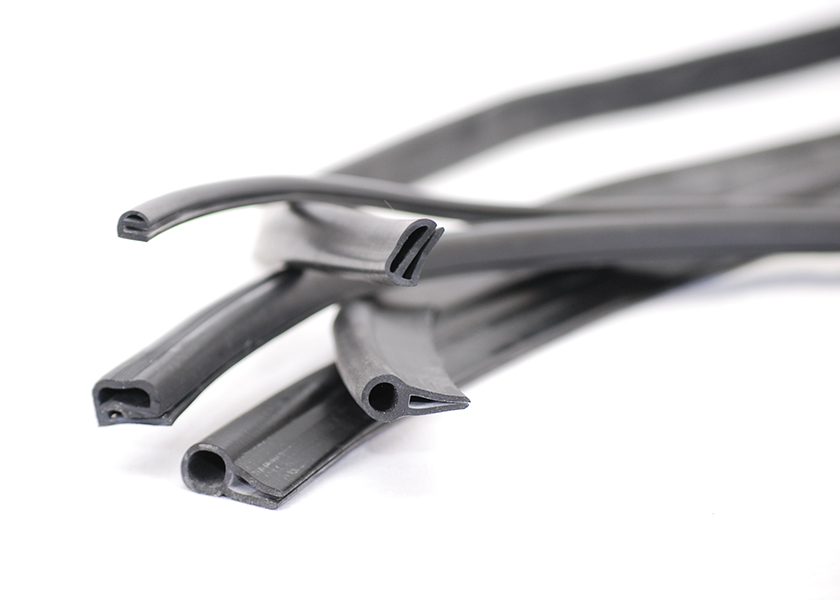
- Gasket leak: Close the door on a strip of paper. If it slides out easily, that area is not sealing well.
Step 2: Listen for the freezer evaporator fan
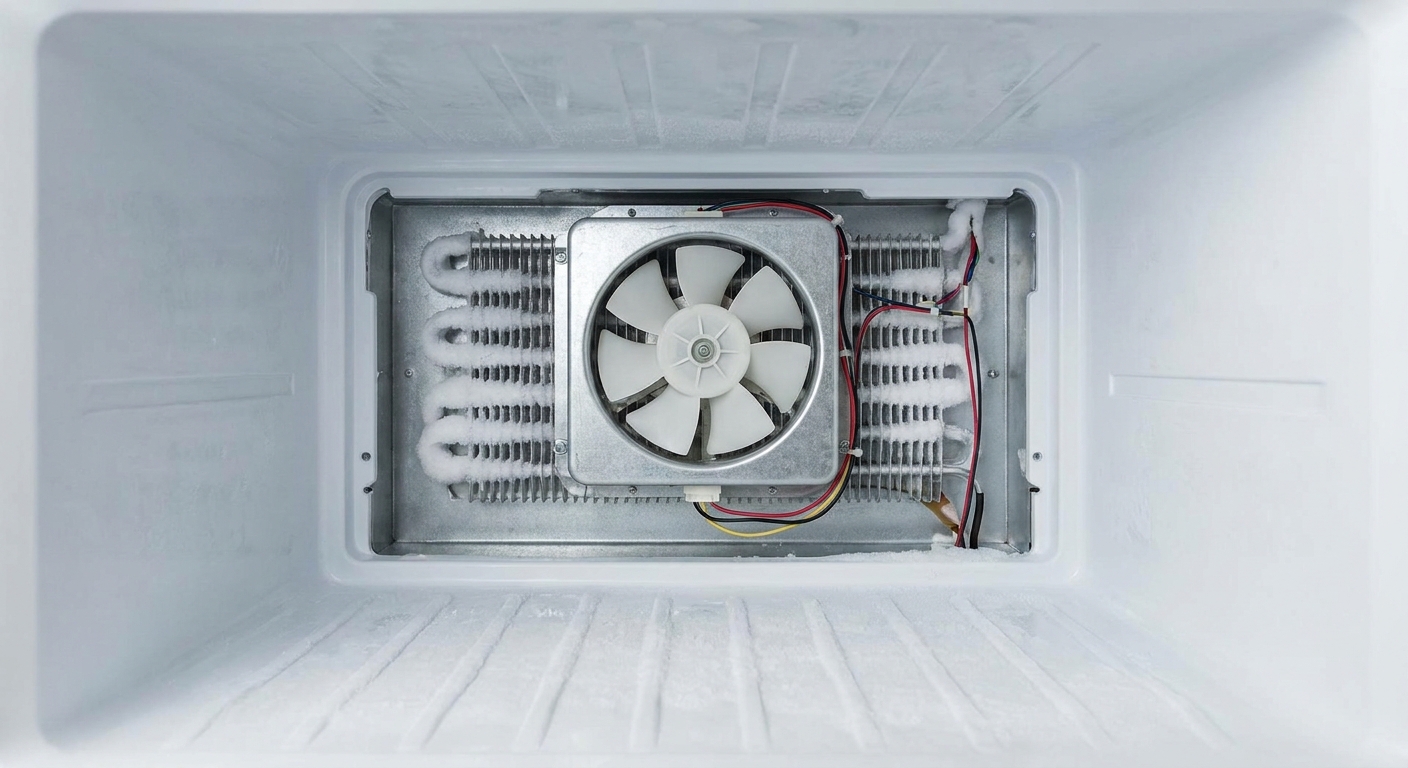
If I had to pick the most common DIY-fixable cause, it is the freezer evaporator fan. This fan pulls air across the evaporator coil (the cold radiator behind the back panel) and circulates it through the freezer and, in many designs, into the fridge.
How to tell if the fan is running
- Open the freezer door and listen. Many models stop the fan when the door is open.
- Locate the door switch (a little plunger or lever). Press and hold it while the door is open. You should hear the fan kick on within a few seconds if the compressor is running.
If the fan is not running
Common reasons:
- Ice buildup hitting the fan blade (you may hear ticking or scraping).
- Bad fan motor.
- Wiring or control board issue (less common, more diagnosis required).
DIY move: If you suspect ice is physically blocking the fan, unplug the fridge and do a controlled thaw with towels and a gentle heat source. Do not chip ice with a screwdriver. That is how people puncture the evaporator and turn a repair into a replacement.
Step 3: Check for a defrost failure (the big clue is heavy frost)
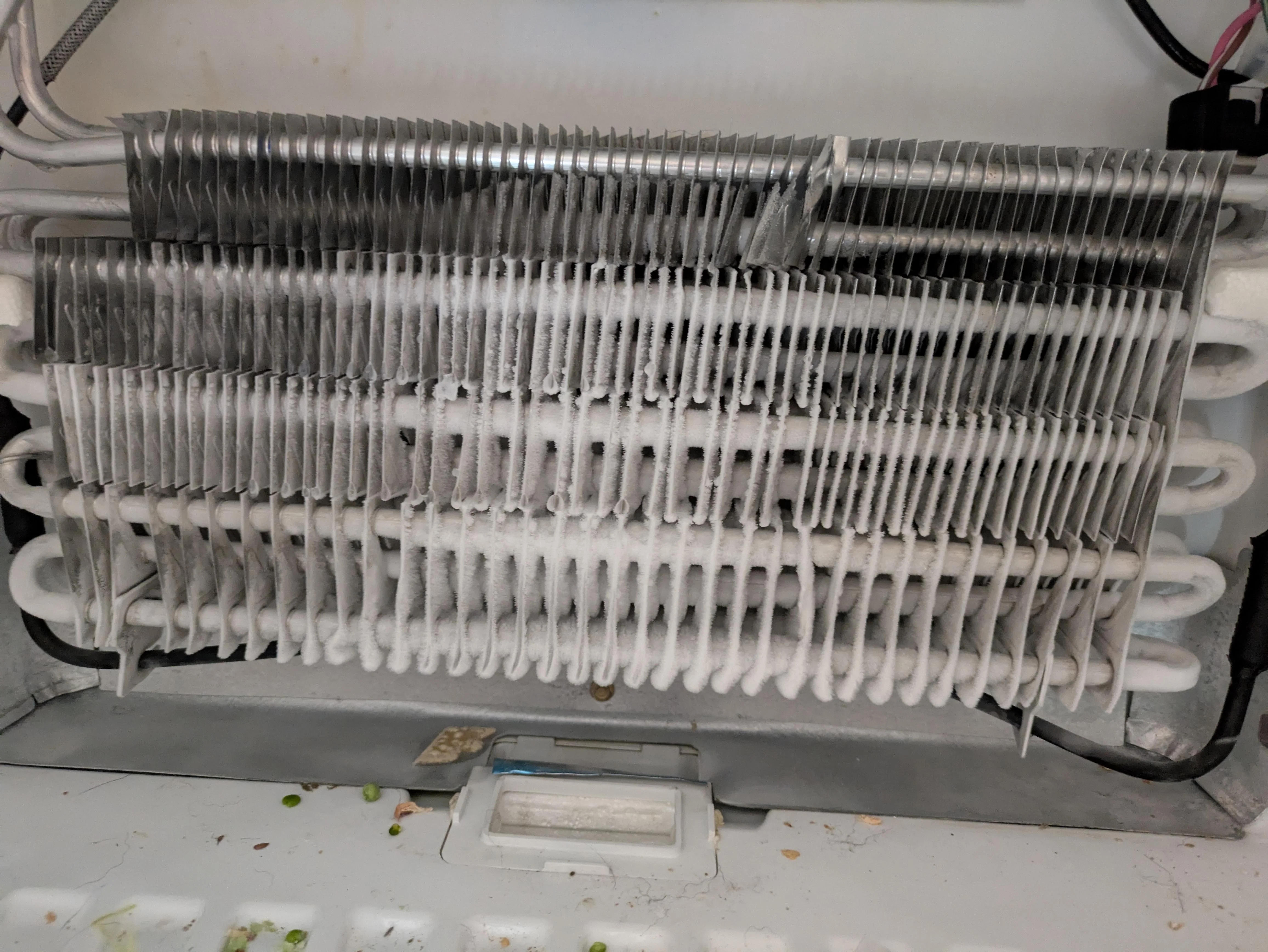
When the defrost system fails, the evaporator coil turns into a white ice brick. Air cannot move through it. The fridge side can sometimes stay cool for a while, especially if you have not been opening doors much, but the freezer temp drifts up because airflow is strangled.
Signs you have a defrost problem
- Freezer back wall has a thick, snowy frost layer.
- Freezer seems warmer at the top or front than the bottom or back.
- You hear the fan, but airflow feels weak.
Quick diagnostic: remove the inside rear freezer panel
If you are comfortable with basic disassembly:
- Unplug the refrigerator.
- Remove shelves and bins.
- Remove the screws holding the rear interior panel.
- Look at the evaporator area.
What you might see:
- Even frost on most of the coil: normal during a run cycle.
- Coil buried in solid frost: classic defrost failure.
- Only a small patch of frost on one corner, rest of coil warm: possible sealed system issue. More on that below.
What causes defrost failure
Most modern units use a mix of these parts:
- Defrost heater: warms the evaporator to melt frost.
- Defrost thermostat or thermistor: tells the system when the coil is cold enough to need defrost and when to stop heating.
- Defrost timer or control board: initiates defrost cycles.
DIY reality check: Testing these properly takes a multimeter, and getting exact access varies by model. If you are comfortable using a multimeter and you can find your model’s tech sheet (often tucked behind the toe kick or taped to the back), you can test components. If not, this is a reasonable point to call a technician because repeated thawing is a band-aid, not a fix.
The temporary reset that buys time
If the coil is completely iced over, a full manual defrost can restore cooling for a few days:
- Unplug the fridge.
- Empty the freezer.
- Leave doors open 12 to 24 hours with towels.
- Speed it up with a fan blowing room air into the freezer.
Do not use a heat gun on high or pour hot water into hidden areas. Water finds wiring and insulation fast.
Dual-evaporator vs single-evaporator: why it matters here
Some higher-end refrigerators are dual-evaporator or dual-circuit. That means the fridge and freezer may have their own evaporators, their own fans, or their own control strategy. In that setup, it is more plausible for the fridge to stay cold while the freezer struggles.
Clues you might have dual evaporators
- Your fridge advertises “twin cooling,” “dual cooling,” or similar wording.
- The fridge compartment has its own noticeable air return and a very stable temperature even when the freezer is acting up.
What fails on dual-evap systems
- Freezer evaporator fan (freezer warms, fridge stays normal).
- Freezer defrost system (freezer frosts up and warms, fridge stays normal).
- Freezer evaporator itself or refrigerant flow to that circuit (sealed system territory).
The troubleshooting steps are similar, but dual-evap machines tend to have more sensors and a control board that decides what runs. If you confirm the fan is not running and there is no ice jam, this is often where I stop and bring in a pro, especially if parts access is buried.
Step 4: Check the condenser side (dirty coils and a stalled condenser fan)
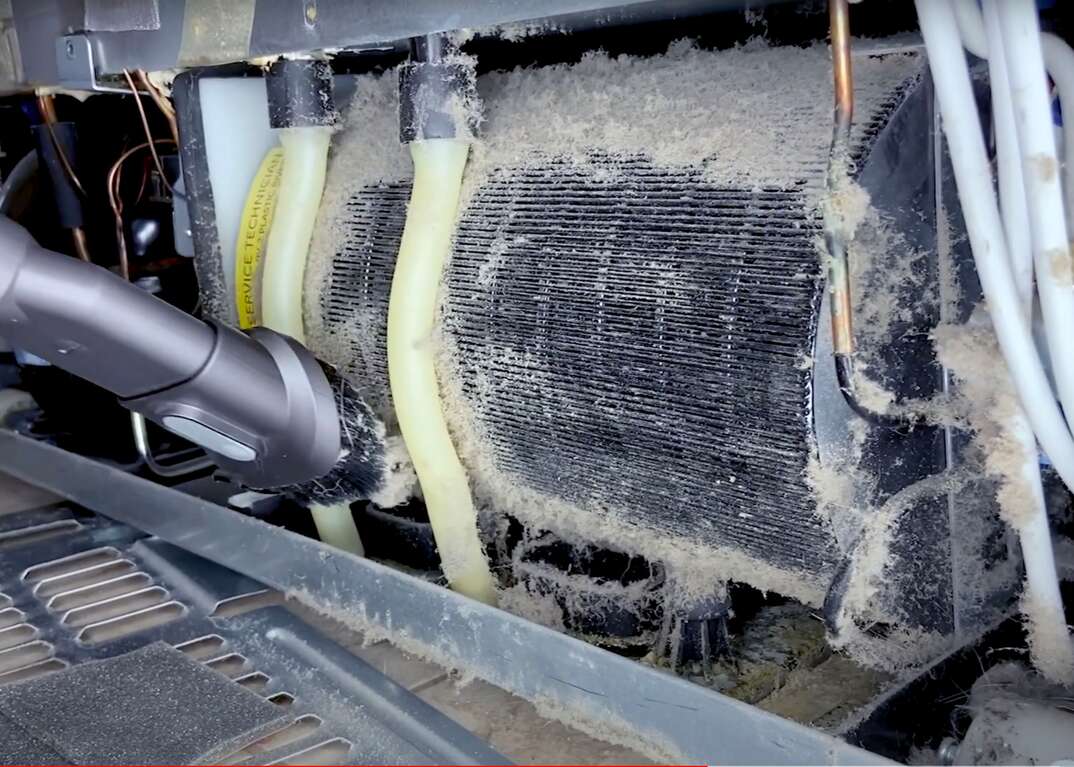
This one surprises people. A refrigerator sheds heat through the condenser coil, usually underneath or behind the unit. If it cannot dump heat, cooling performance drops.
What to do
- Pull the fridge out carefully.
- Vacuum dust from the condenser coil and grille.
- If your model has a condenser fan by the compressor, confirm it runs when the compressor is running.
A dirty condenser typically affects both compartments, but I have seen cases where the freezer is the first place you notice because it has the tougher job.
Step 5: Know the sealed system red flags (when DIY stops)
If you pull the freezer panel and see only a small frost patch on the evaporator, or the freezer never gets close to 0 F even after a full defrost and clean condenser, you may be dealing with a sealed system problem.
Common sealed system issues
- Low refrigerant charge from a leak
- Restriction in the capillary tube or filter drier
- Weak compressor
Symptoms that point that direction
- Compressor runs almost constantly but freezer will not recover.
- Evaporator has an uneven frost pattern, like one corner frosts and the rest stays mostly warm.
- You hear clicking at the compressor area (start device overload cycling).
Call a technician for sealed system work. It requires refrigerant handling, brazing, vacuum pumping, and leak testing. That is not a normal homeowner toolkit situation, and the cost sometimes pushes the decision toward replacement depending on unit age.
A practical diagnostic order (the way I’d do it on a weekend)
- Thermometer check in both compartments to confirm the symptom.
- Freezer door seal and overpacking inspection.
- Listen for evaporator fan, use the door switch test.
- Look for heavy frost on the freezer back wall.
- Pull rear freezer panel if you are comfortable, check frost pattern and fan obstruction.
- Clean condenser coil and check condenser fan operation.
- If still not freezing and frost pattern looks wrong, call a pro for sealed system diagnosis.
FAQ
Can a freezer be warm while the fridge is cold?
Yes. It usually points to a freezer-side airflow failure (evaporator fan, blocked vents, iced-over coil) or a freezer-specific problem on dual-evaporator designs.
Should I unplug my fridge to reset it?
You can, and sometimes a control board glitch clears, but if the freezer warms again within a day or two, you still have an underlying problem like frost buildup or a failing fan motor.
Is it ever just a setting issue?
Occasionally, especially after a power outage or accidental bump of the controls. But if the freezer is above 10 to 15 F for long, it is usually mechanical or defrost-related.
My freezer has frost on the back wall. Is that bad?
A light, even frost film can be normal. A thick snowy layer, especially if it keeps returning quickly after a thaw, usually means the defrost system is failing or you have a door seal issue letting humid air in.
The 30-Second Cheat Sheet
Essential takeaways for: Fridge Cold but Freezer Not Freezing?
Fast diagnosis
- Cold fridge + warm freezer usually means a freezer airflow problem, a defrost failure, or a sealed system issue.
- This is not the typical damper problem. Damper issues usually make the fridge warm while the freezer stays cold.
What to check first (in order)
- Thermometer check: Freezer should be 0 F, fridge 37 to 40 F.
- Door seal and overpacking: Make sure nothing blocks the back wall vents and the gasket grips paper firmly.
- Evaporator fan: Press the freezer door switch and listen for the fan. No fan often means bad fan motor or ice jam.
- Frost on freezer back wall: Heavy frost points to a defrost system failure.
- Condenser coils: Vacuum dust from coils under or behind the fridge and confirm the condenser fan runs if your model has one.
When to call a technician
- You see an uneven frost pattern on the evaporator (only one corner frosts).
- The compressor runs constantly but temps never recover.
- You suspect sealed system trouble (refrigerant leak, restriction, weak compressor).
What not to do
- Do not chip ice with sharp tools. Puncturing the evaporator can total the fridge.
- Do not use high heat or pour hot water into hidden areas.
💡 Tip: Scroll up to read the full article for detailed, step-by-step instructions.
⬆️ Back to top
About Marcus Vance
Content Creator @ Grit & Home
Marcus Vance is a lifelong DIY enthusiast and self-taught home renovator who has spent the last decade transforming a dilapidated 1970s ranch into his family's dream home. He specializes in budget-friendly carpentry, room-by-room renovations, and demystifying power tools for beginners. Through his writing, Marcus shares practical tutorials and hard-learned lessons to help homeowners tackle their own projects with confidence.