
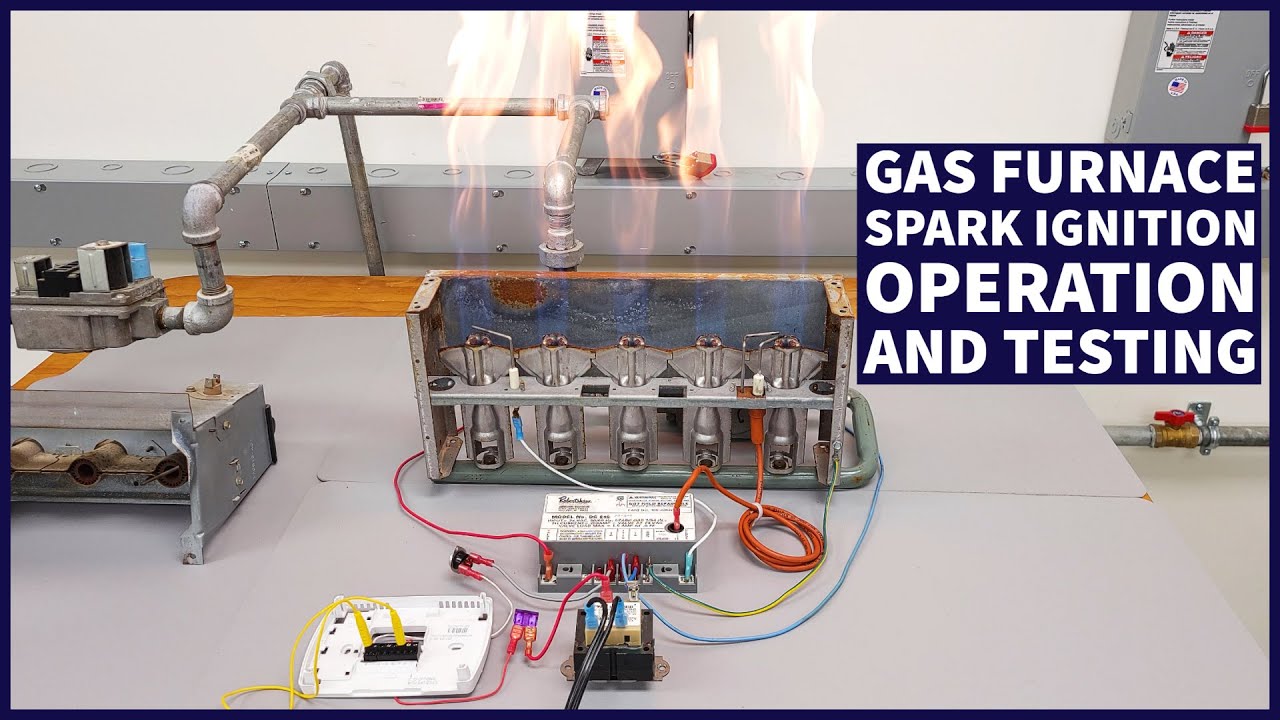
If your furnace clicks but never actually fires up, that clicking sound is usually the control board trying to complete the startup sequence and getting stuck at one step. The good news is you can troubleshoot this without guessing, because many modern induced-draft gas furnaces follow a similar order of operations (with brand and model variations).
In this guide, we are going to focus tightly on ignition and proving flame, because that is where the classic “click click… nothing” complaint lives. I will keep it homeowner-friendly, but also structured enough that you can pinpoint what is failing.
Safety first (two minutes that can save your furnace and your house)
- If you smell gas, do not keep cycling the thermostat. Turn the furnace switch off, leave the area, and call your gas utility or a pro.
- Turn off power at the furnace switch (or breaker) before removing panels or touching wiring.
- Most furnaces have a blower door safety switch. The furnace will not run (or will run unsafely) with panels removed unless that switch is properly engaged. Follow your manual and do not bypass safety interlocks.
- Let the furnace cool for a few minutes. Hot surface ignitors get extremely hot and can crack if bumped.
- If you are not comfortable working around gas appliances, stop at “observe and document” and call a technician with your notes.
The startup sequence (so the clicking makes sense)
Here is a simplified ignition sequence for a typical modern induced draft gas furnace. Exact timing and steps can vary by model (especially with spark systems and communicating controls), but the checkpoints are usually the same. Your clicking often happens when the furnace is transitioning between these steps.
- Thermostat calls for heat.
- Inducer motor starts (small fan that purges the combustion chamber and heat exchanger passages, and establishes draft).
- Pressure switch closes (proves the inducer is moving air and the vent path is clear).
- Ignition source energizes (hot surface ignitor glows, or spark ignition begins).
- Gas valve opens (often you will hear a click right here).
- Burners light.
- Flame is proven by the flame sensor (within a few seconds).
- Blower motor starts and warm air hits the vents.
If the furnace fails any safety check, it will shut down, retry, and eventually go into lockout. That can sound like repeated clicking followed by a long pause.
Important: “Clicking” is not one single thing. It can be a relay on the control board, the gas valve opening, or a spark igniter rapid-ticking depending on your system.
Hot surface ignitor vs standing pilot (quick basics)
Standing pilot (older furnaces)
A standing pilot is a small flame that burns all the time. When heat is called, the main gas valve opens and the pilot lights the burners.
- If your furnace has a standing pilot and it is out, you will not get ignition.
- You may have a pilot thermocouple issue if the pilot lights but will not stay lit.
Hot surface ignitor (HSI) or spark ignition (most modern furnaces)
Most furnaces from the last few decades use either a glowing ignitor or a spark to light gas only when needed.
- HSI: looks like a small flat or U-shaped ceramic and silicon carbide or silicon nitride element. It should glow when energized (often bright orange, though some types look whiter and less dramatic).
- Spark: you will hear rapid ticking and see a spark at the burner area. Some spark systems light a pilot first, then the main burners.
For this article, we are mainly talking about HSI and spark systems, because those are the ones that commonly “click but won’t start” during the ignition attempt and flame-proving steps.
Step 1: Watch one full ignition attempt (no tools yet)
This is my favorite “cheap diagnostic tool”: your eyes and ears. With the furnace panels installed (or the door switch properly engaged if your model allows safe observation), call for heat and observe.
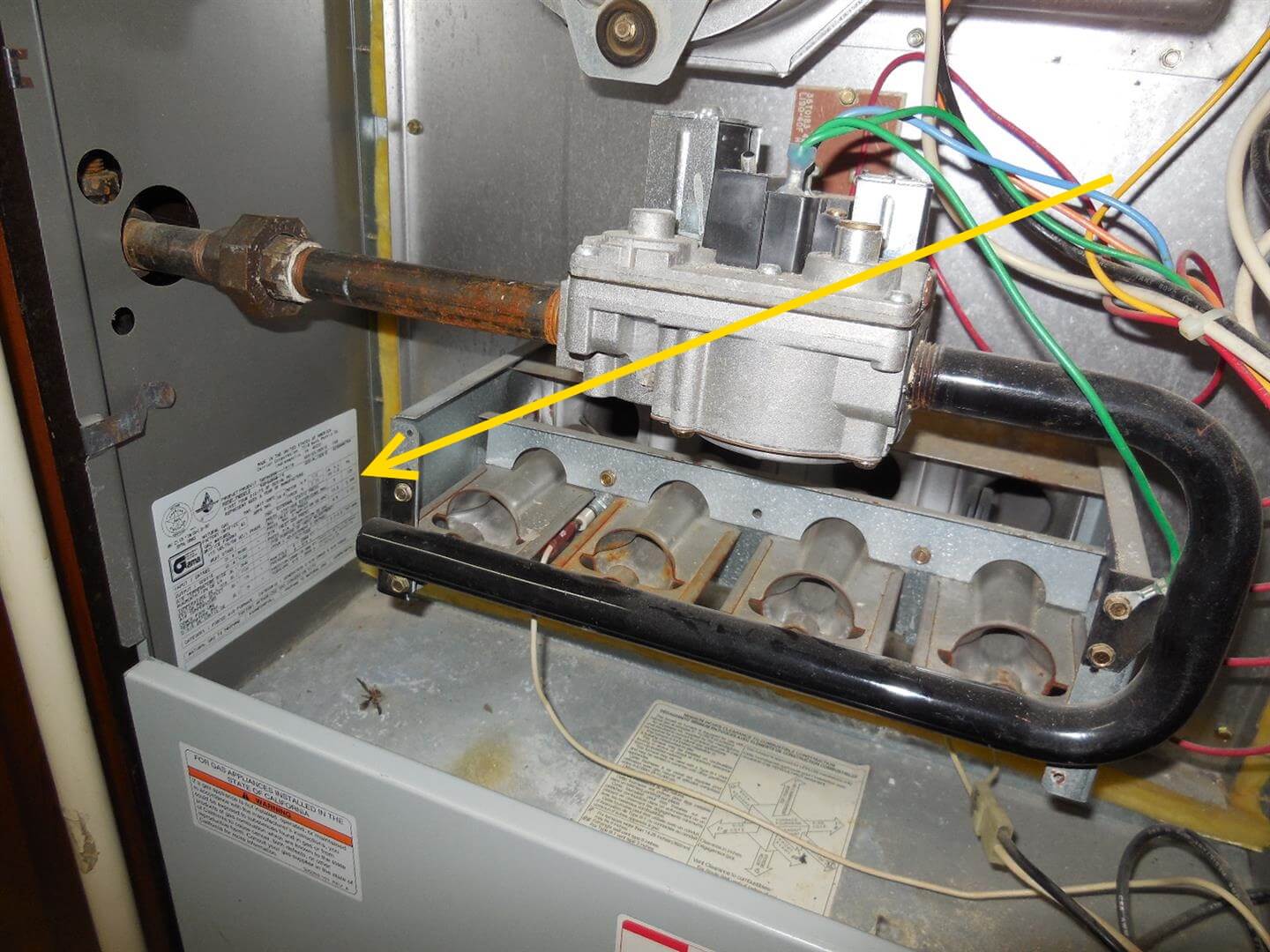
- Do you hear the inducer start? It sounds like a small jet or vacuum.
- Do you see the ignitor glow? On many HSI systems, you will see it glow after the inducer starts and the pressure switch proves (often 15 to 45 seconds, but model dependent).
- Do you hear a solid click and then whoosh? The click is often the gas valve. The whoosh is ignition.
- Do burners light briefly then shut off? That pattern often points to flame sensing, but not always (more on that below).
Write down what happens in order. Better yet, take a quick video with sound. This makes the rest of the troubleshooting almost plug-and-play.
When the ignitor never glows: ignitor and proving checks
If the inducer runs but you never see the hot surface ignitor glow, the furnace is failing before it even gets to “open gas valve.” Common causes are a cracked ignitor, a loose connector, a blown fuse on the control board, or a safety proving switch not closing.
Check the ignitor for obvious damage
Turn off power. Remove the burner compartment panel. Locate the ignitor near the burners.
- Look for white spots, cracks, or a broken element.
- Avoid touching the ignitor element. Handle it by the base to reduce contamination risk and, more importantly, breakage risk.
Check the ignitor connector (the boring fix that works a lot)
Vibration and heat cycles loosen things over time.
- Unplug and re-seat the ignitor connector firmly.
- Look for burned spade terminals, brittle insulation, or corrosion.
- Trace the wire back to the control board and re-seat that plug too.
Know what “clicking” can mean here
If you hear a click but never see ignition, that click might be:
- a relay on the control board trying to energize the ignitor
- the board attempting a trial, failing a safety check, then resetting
If the board is not satisfied the inducer and pressure switch are good, it may never power the ignitor at all.
If nothing happens at all
If there is no inducer, no clicking, no LED activity, and no response when calling for heat, check the basics first: thermostat batteries (if applicable), furnace switch, breaker, and the small fuse on the control board. If you are not comfortable opening the blower compartment, this is a good place to stop and call a pro.
If the ignitor glows but the burners do not light
This is the classic moment where homeowners say, “It’s glowing, so why won’t it start?” If the ignitor glows and you hear a click (often the gas valve) but there is no flame, the issue is usually:
- gas is not actually flowing (supply problem, valve not opening)
- burners or crossover ports are dirty, causing delayed or failed ignition
- the ignitor is weak (it can glow but not draw the correct current to reliably light)
Quick checks you can safely do
- Confirm your gas shutoff valve near the furnace is parallel with the pipe (open).
- If you recently had gas work done, confirm other gas appliances work.
- Make sure the burner area is not packed with dust. A gentle vacuum around the compartment can help. Do not disturb burner alignment.
If you have a glowing ignitor and repeated failure to light, that can cross into “call a pro” territory because you are dealing with gas flow and combustion setup. Also, on many furnaces, confirming ignitor health requires an amperage test that is best left to a technician.
If the burners light then shut off after a few seconds: clean the flame sensor
This is one of the most common patterns behind the “clicks but won’t start” complaint, especially when the furnace tries multiple times. The furnace lights, then the control board does not see flame proof, so it shuts the gas off as a safety measure.
What the flame sensor does (in plain English)
The flame sensor is a thin metal rod that sits in the path of the flame. When the burner is lit, the sensor “proves” flame through flame rectification, which creates a very small DC signal (measured in microamps). If that signal is weak because the rod is dirty or grounding is poor, the furnace assumes there is no flame and shuts down.
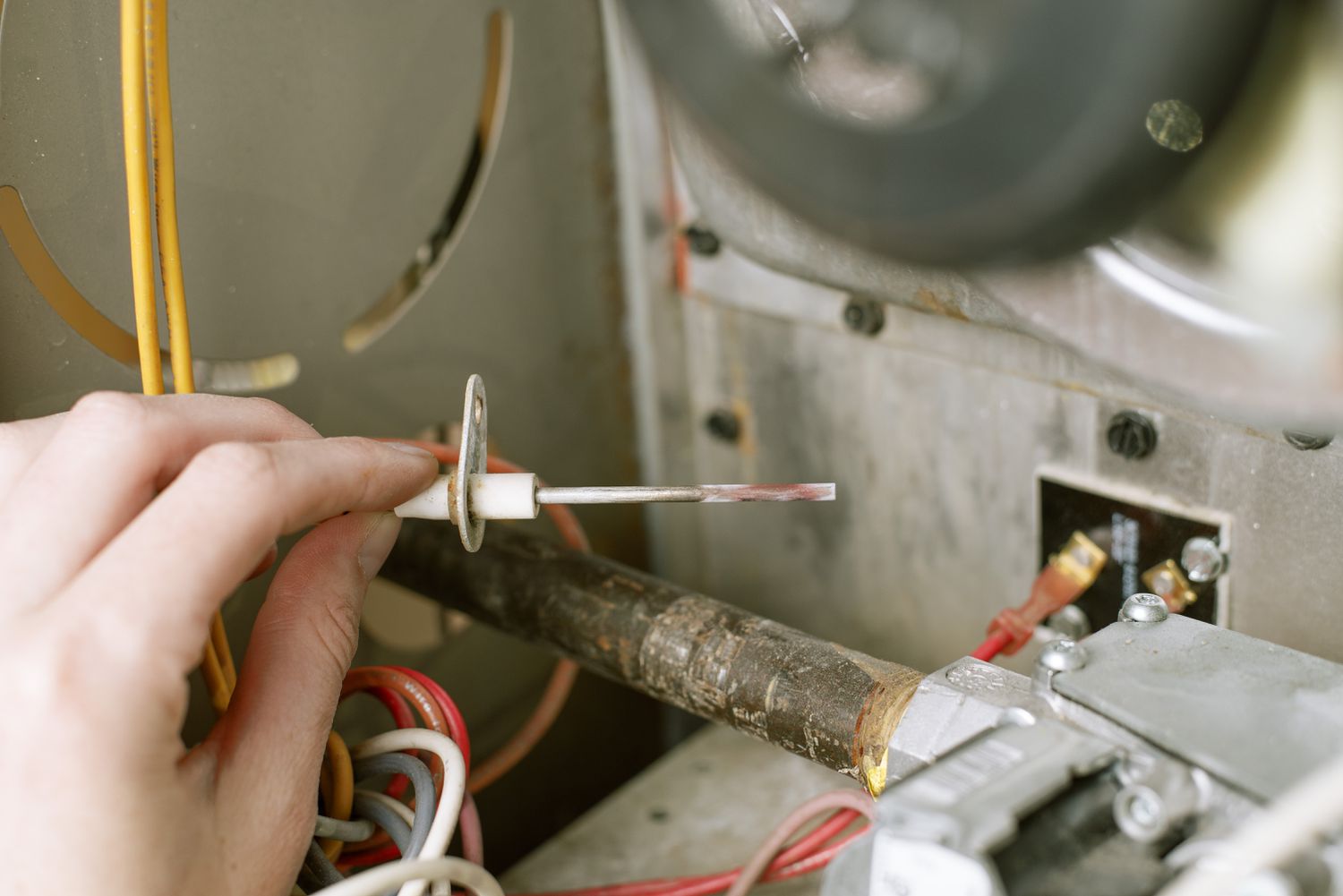
How to clean a flame sensor
- Turn off power to the furnace.
- Find the flame sensor. It is usually held in by one screw and has a single wire connected.
- Remove the screw and gently pull the sensor out.
- Lightly polish the rod with a non-metallic scouring pad (like Scotch-Brite), fine steel wool, or even a crisp paper bill. You are removing oxidation, not reshaping metal.
- Avoid sandpaper, even fine grit. Some abrasives can leave a residue that bakes into an insulating coating in the flame, and the problem comes right back.
- Wipe it clean with a dry paper towel.
- Reinstall, reconnect the wire, restore power, and test.
Flame sensor connector and ground checks
If cleaning does not work, do the simple connection stuff before you assume a bad control board:
- Re-seat the spade connector on the flame sensor wire.
- Check the wire for brittle insulation or a pinched spot.
- Make sure the furnace has a good ground. A loose ground can weaken flame sensing.
Personal lesson: I once replaced an ignitor I did not need because I saw “clicking and retries” and assumed ignition. The real issue was a flame sensor that looked clean but had a dull, chalky film. Two minutes of polishing fixed it immediately.
If it runs for 30 to 90 seconds then shuts down
If the burners stay on longer than a few seconds and then shut off, you may be looking at something other than the flame sensor. Common causes include overheating (dirty filter, blocked return, weak blower), a limit switch opening, venting issues, or flame rollout safety trips.
- Overheat or limit trip: burners shut off, and the blower often keeps running to cool the furnace.
- Flame rollout: a serious safety condition. If you suspect flame is spilling out of the burner area or you see scorch marks, turn the furnace off and call a pro.
This is where the LED code becomes especially helpful, because it will often point directly to a limit, rollout, or venting fault.
Inducer and pressure switch issues that look like ignition failure
If the furnace never even attempts to light, or it starts to then stops and retries, your furnace might be stuck earlier in the sequence at the inducer and pressure switch step. Homeowners often hear a click and assume ignition, but the control board may be clicking relays while it is failing a safety check.
Signs the inducer step is the problem
- Inducer does not run at all, or it runs then stops quickly.
- You never see the ignitor glow and never hear the gas valve click.
- The furnace tries several times, then locks out and runs the blower (some models do).
Simple homeowner checks
- Intake and exhaust pipes: Check outside terminations for snow, leaves, nests, or ice.
- Condensate drain (high-efficiency furnaces): A clogged trap or drain can cause pressure switch issues. If you see water backing up, that is a clue.
- Pressure switch hose: With power off, check the small rubber tube for cracks, water, or disconnection.
Read the LED error code like a cheat sheet
Most furnaces have a small viewing window, or you can see the control board LED after removing the front panel. The blinking pattern is the furnace telling you which step failed.
- Look for a sticker on the inside of the blower door that lists codes.
- Count the blinks carefully. Some are fast, some are grouped.
- Take a photo or short video of the blink pattern so you can replay it without guessing.
While brands vary, inducer-related codes often reference:
- Pressure switch open (did not close when inducer started)
- Pressure switch stuck closed (unsafe condition detected)
- Draft inducer fault (motor not proving or not reaching speed)
If you can grab the exact blink code, you can avoid replacing parts on a hunch.
Quick decision tree (match your symptom to the likely fix)
- Nothing happens at all: check thermostat power, furnace switch, breaker, and control board fuse. If unsure, call a pro.
- Inducer runs, ignitor never glows: check door switch and panels, ignitor connector, pressure switch and venting, then consider ignitor or control issue.
- Ignitor glows, no flame at all: confirm gas valve is on, verify other gas appliances, check for obvious burner dust. If still no ignition, call a pro.
- Flame lights then shuts off in 2 to 5 seconds: clean the flame sensor (no sandpaper), re-seat the connector, check furnace grounding.
- Flame stays on 30 to 90 seconds then shuts down: think limit, rollout, venting, or airflow problems. Check filter and LED codes, then call a pro if it persists.
- Multiple retries then long pause: likely lockout. Reset once, then diagnose the step it fails on.
When to stop DIY and call a pro
I am all for sweat equity, but combustion appliances are not the place for stubbornness. Call a licensed HVAC tech if:
- You smell gas or suspect a gas leak.
- The furnace is tripping breakers, showing scorched wiring, or making loud metal-on-metal noises.
- You have a confirmed gas supply, a glowing ignitor, and repeated failure to light.
- Error codes point to a control board, gas valve, rollout switch, or repeated pressure switch faults you cannot resolve by clearing venting and drains.
What to tell the technician (so you do not pay for guesswork)
If you do end up calling someone, hand them clean, helpful information. It can save time and sometimes money.
- Brand and model number (photo of the data plate helps).
- What you observed in the ignition sequence (inducer, ignitor glow, clicking source if you can tell, brief flame then shutoff timing).
- The LED error code blink pattern (photo or video).
- Anything you already did (cleaned flame sensor, checked vent termination, checked filter, reset power).

About Marcus Vance
Content Creator @ Grit & Home
Marcus Vance is a lifelong DIY enthusiast and self-taught home renovator who has spent the last decade transforming a dilapidated 1970s ranch into his family's dream home. He specializes in budget-friendly carpentry, room-by-room renovations, and demystifying power tools for beginners. Through his writing, Marcus shares practical tutorials and hard-learned lessons to help homeowners tackle their own projects with confidence.