
🚨 In a DIY emergency or rush?
Skip the details and jump straight to our 30-second cheat sheet for the most crucial info.
I remember the first time I swapped a furnace filter in our 1970s ranch and felt pretty proud of myself. Fresh filter, arrow pointing the right way, slid in nice and straight. Then I checked it a week later and it looked like I’d vacuumed a fireplace with it.
If your filter gets dirty within a week, you are not crazy and you probably did not “install it wrong.” When a filter loads up that fast, it is most often your HVAC system telling you one of a few things: you have an unusual amount of dust in the air, air is sneaking around the filter and dragging extra debris into the return duct or blower compartment, the filter area is simply too small for the amount of airflow, or your return is sitting in a high-dust zone (laundry room, litter box area, workshop corner).
Let’s walk through the most common causes in the order I would check them in my own house, with the cheapest fixes first.
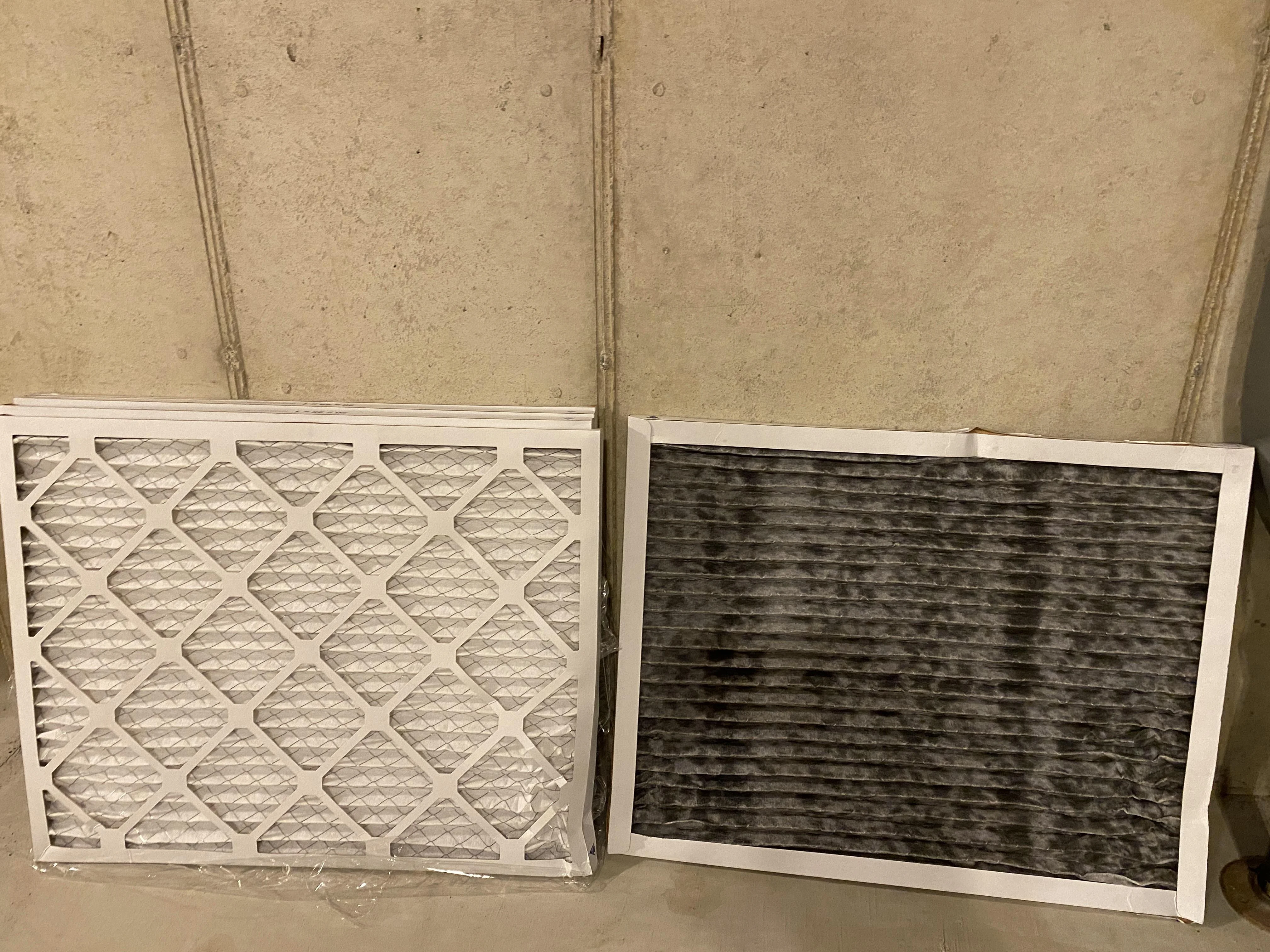
First: Normal loading or a real clog?
A brand new filter can darken quickly in the first few days, especially if the old one was overdue or you just changed something in the house. That does not always mean the filter is “bad.”
- Gray fuzz and lint is usually normal household dust and fabric fibers.
- Light tan dust often points to drywall, sanding, or general remodeling debris.
- Black sooty staining can be candles, a fireplace, cooking smoke, a poorly drafting gas appliance, or heavy outdoor pollution. If the filter is turning black fast and you also notice soot on walls or supply registers, take that seriously. Make sure you have working CO alarms, and schedule a professional inspection if you suspect backdrafting or combustion issues.
If it is visibly caked or matted within a week, keep going. Something is feeding it.
Check for bypass (most common)
In a perfect world, all return air has to pass through the filter before it hits the blower. In the real world, gaps are everywhere. Any gap means unfiltered air can enter the blower compartment, and that air tends to carry heavier dust that would have been caught at the filter face.
What to look for
- Filter slot too wide, so air whistles around the edges.
- Filter cabinet door not sealing or not fully latched.
- Flimsy filter frame that bows, leaving corner gaps.
- Missing end caps on some older filter racks.
Quick clues
With the system running, you can hold a strip of toilet paper near the edges of the filter access door and the filter slot. If it pulls strongly toward a seam, that is a clue you have suction at that seam. It is not a perfect bypass test, but it is fast.
Two more direct checks that I like better:
- Look for dust tracks downstream: If you see dust streaks on the metal just past the filter, or dust buildup in the blower compartment, air is getting around the filter somewhere.
- Use incense or a smoke pencil: Move it slowly along seams and door edges. If smoke is pulled into a crack, that is a leak path.
What to do
- Fix the fit first. Use the exact filter thickness your rack is designed for (1 inch, 2 inch, 4 inch, 5 inch). A 1-inch filter in a 4-inch cabinet is basically an open window.
- Seal the cabinet seams. HVAC foil tape or mastic is appropriate on metal duct and filter cabinets. Avoid regular duct tape.
- Add foam weatherstripping to the access door if it is loose and the manufacturer design allows it.
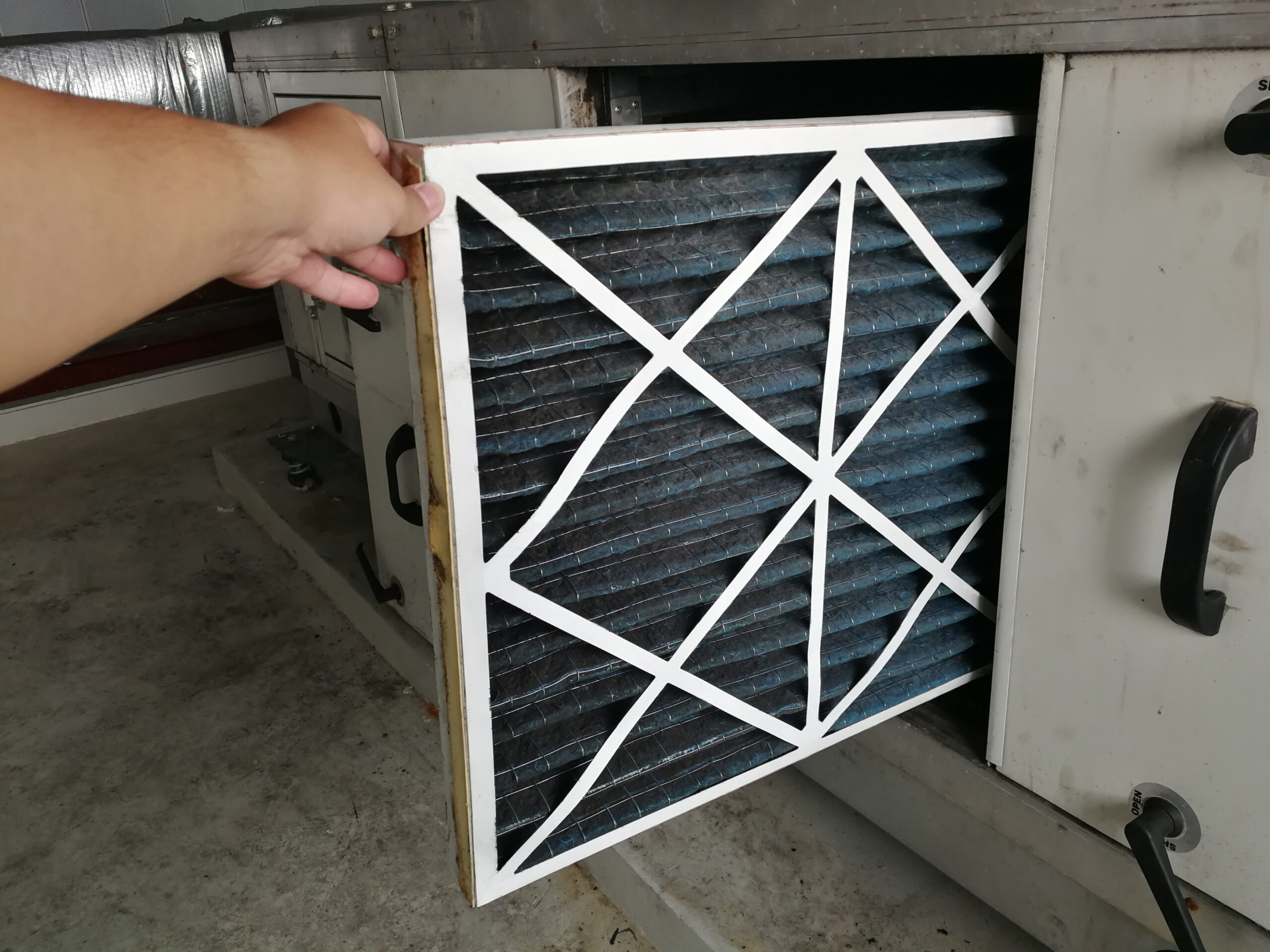
Check restriction (MERV can be too much)
I’m all for cleaner air, but there is a point where a high-MERV filter becomes a choke point for the system. When airflow drops, a few things can happen: the blower works harder, the filter can bow inward, and the system can start acting like it is “plugging up” quickly because resistance rises and comfort problems show up sooner.
Signs the filter is too restrictive
- Whistling at the return grille
- Filter visibly bows or sucks inward when the blower runs
- Rooms feel stuffy, weak airflow at supply vents
- Furnace overheats and short cycles (heat shuts off, fan keeps running)
- AC coil freezes in summer
What to change before you “upgrade” the filter
- Drop MERV one step. Many homes do well with MERV 8 to 11, but it depends on blower capability, duct sizing, and filter thickness. If you are not sure, check your equipment manual or ask a tech to measure static pressure (total system airflow resistance).
- Use a deeper filter if your system accepts it. A 4 to 5 inch media filter has more surface area than a 1-inch filter and can filter well with less pressure drop.
- Do not stack filters or add a second filter at a return grille unless an HVAC pro specifically designed it that way.
If someone in your home has severe allergies or asthma, talk with a qualified HVAC contractor about filtration and airflow together. The goal is clean air and proper airflow, not just the highest number on the filter box.
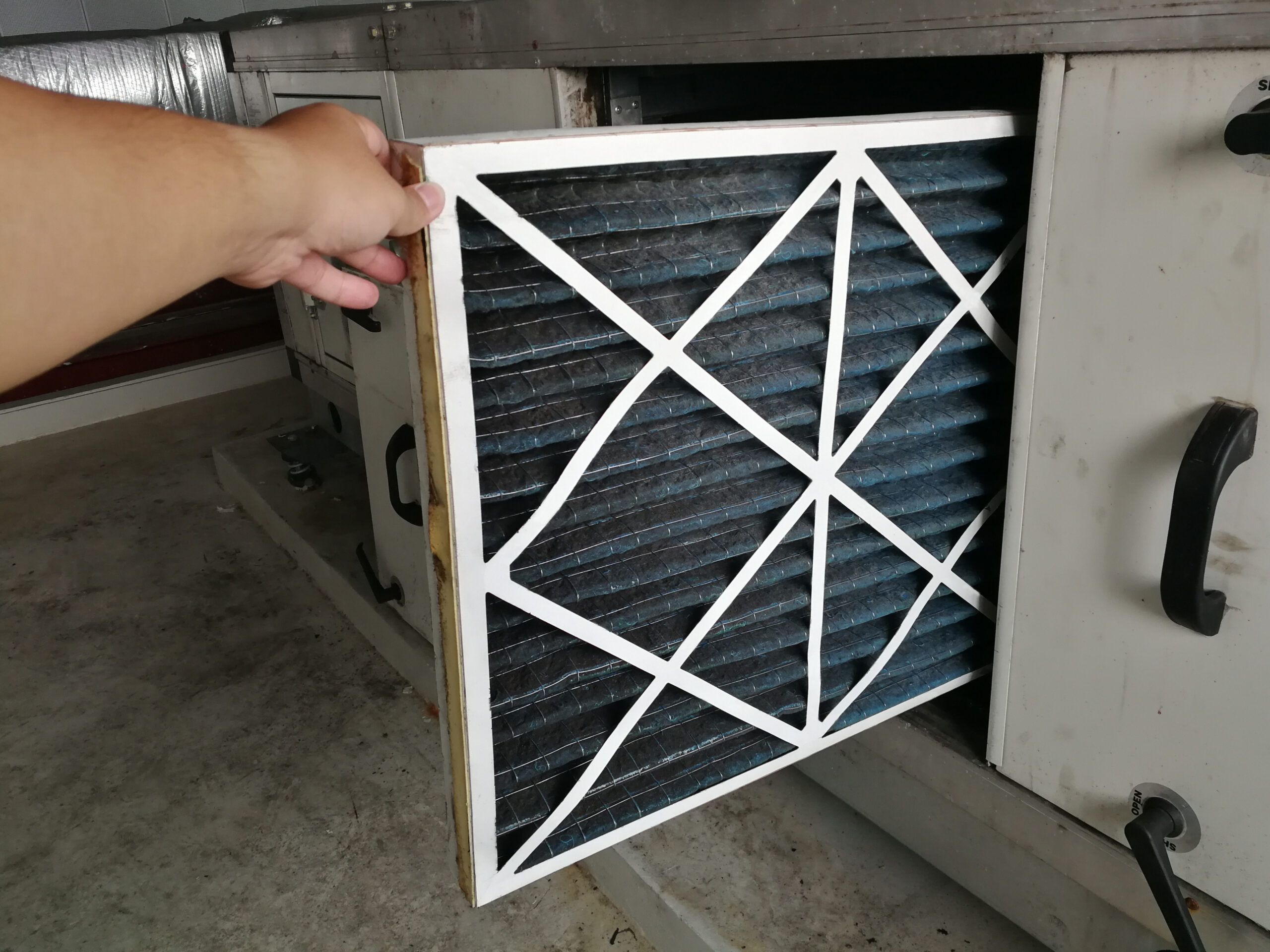
Check fan setting (Auto vs On)
This one gets overlooked constantly. If your fan is set to On (or you run a circulation schedule that keeps the blower running most of the day), your filter is doing its job many more hours per week.
That is not automatically bad. Continuous fan can even help even out temperatures. It just means:
- The filter will load faster.
- You may need to change it more often.
- Any dust source in the house gets circulated through the system sooner.
What I’d do: Switch the fan to Auto for two weeks as a test. If the filter stays noticeably cleaner, the fast dirtiness is mostly runtime, not a mystery problem.
Returns in dusty spots
Sometimes the issue is not the HVAC equipment at all. It is where the return air is coming from. If your main return is near a high-dust zone, the filter is going to look rough fast.
Common offenders
- Litter boxes
- Laundry areas (lint, dryer dust, towels)
- Workbenches, hobbies, or woodworking corners
- Entryways that collect tracked-in dirt
- Bedrooms during heavy shedding season (pet bed near a return)
What helps
- Move the source: If you can relocate the litter box or laundry sorting area away from the return, do that first.
- Vacuum the return zone weekly: Grille face, the wall around it, and the floor in front of it.
- Use a standalone purifier near the source: This is often more effective than cranking up furnace filter MERV.
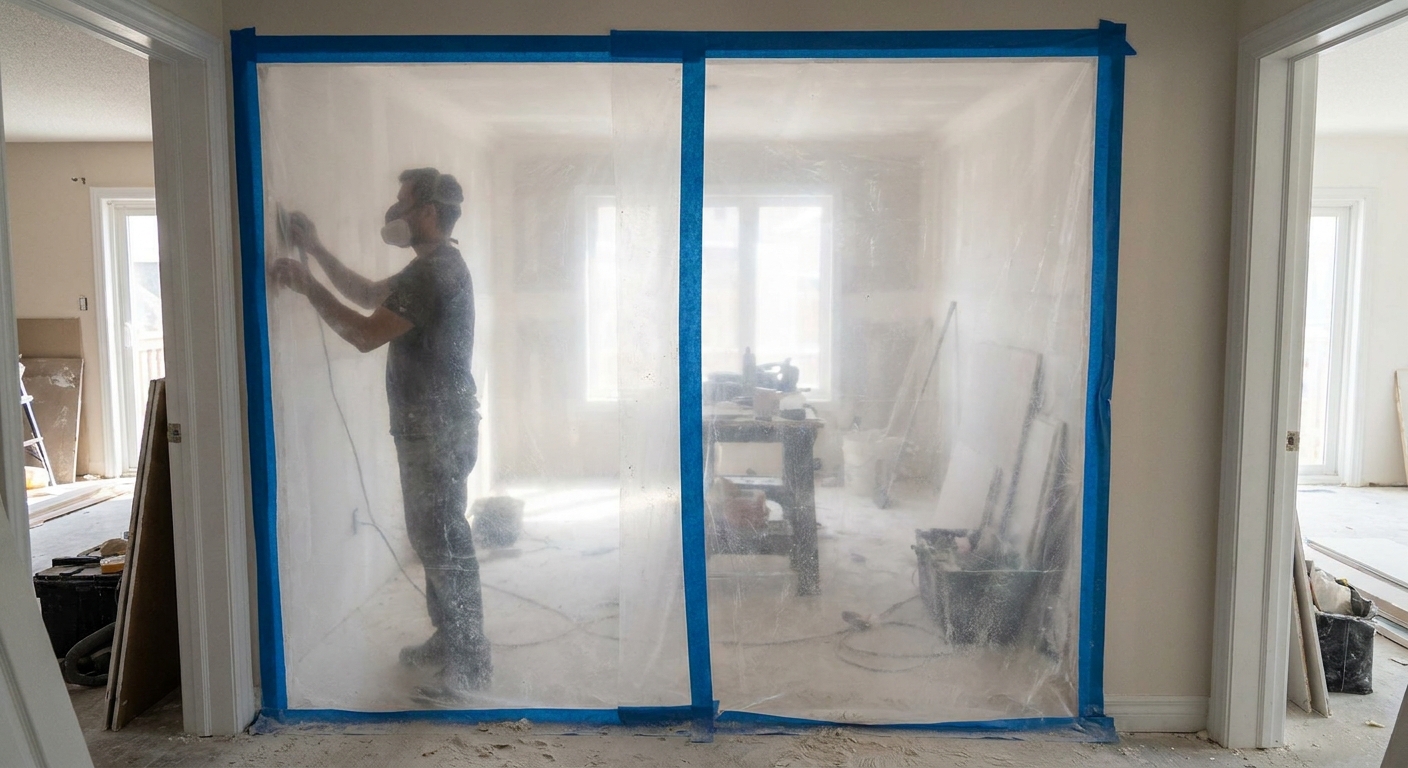
Construction dust (filter killer)
If you have done any of the following recently, your filter may be taking a beating:
- Drywall work, sanding, cutting trim indoors
- Refinishing floors
- Demo work, even in one room
- Running a shop vac without a fine dust bag or HEPA filter
Drywall dust is extremely fine and it loads filters fast. In my house, one weekend of sanding joint compound can make a “month-old” filter look like it lived through a dust storm.
What helps
- Do dusty work with the HVAC off when possible.
- Seal the work area with plastic at doorways and returns.
- Cover or temporarily block nearby return grilles during sanding, then remove the cover when you are done.
- Run a portable air purifier in the work zone, not the furnace fan.
Pets and shedding
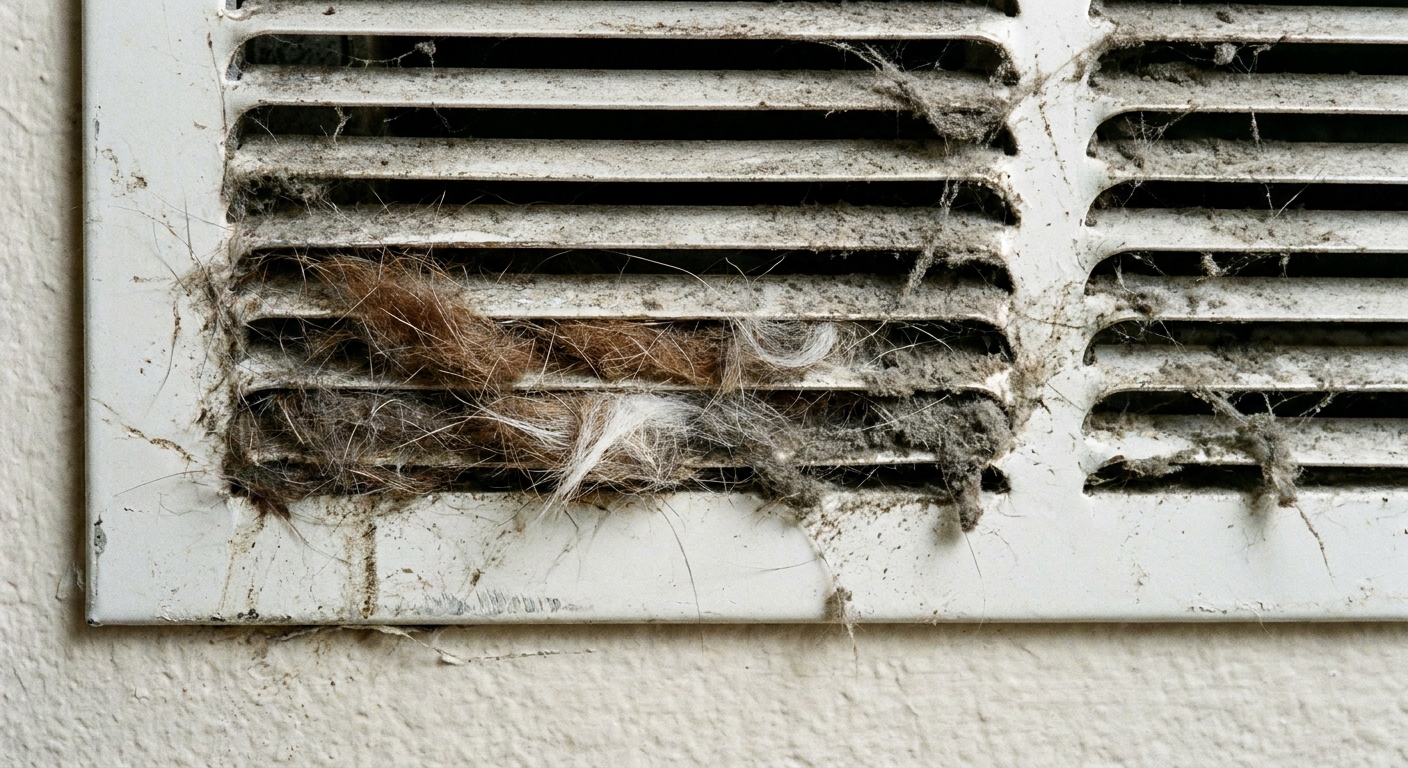
Pets do not just add hair. They add dander, tracked-in dirt, and the kind of fuzzy clumps that stick to a filter and block airflow.
If you have multiple pets, a new puppy, or it is peak shedding season, a filter that lasts 30 to 90 days in another household might last 1 to 3 weeks in yours.
Quick wins
- Vacuum return grilles and the floor around them weekly (especially if a return is near a favorite pet nap spot).
- Brush pets outside and wash bedding more often.
- Use a better pre-filter strategy in the room where the mess starts, like a standalone air purifier near litter boxes, not a denser furnace filter that may strain the system.
Fit and direction
Even when the arrow is correct, a poor fit can cause two problems: bypass and filter collapse.
What to check
- Size: The printed size is often nominal. For example, a filter sold as 16x25x1 often measures closer to about 15.5x24.5 and less than 1 inch thick. Measure the opening and buy the closest actual size that fits without forcing.
- Orientation: The arrow should point toward the blower, meaning in the direction of airflow into the furnace or air handler.
- Support rails: In some racks, the filter can ride crooked and leave a gap at the bottom.
If your filter is getting pulled inward hard, that is a red flag for airflow restriction, a too-flimsy filter, or a rack that is not supporting the filter properly.
If the filter is getting sucked in
A filter that bows is one thing. A filter that collapses, gets chewed up, or disappears into the blower compartment is a different level of problem and you should shut the system off to avoid damage.
If your filter has slipped into the unit, follow our step-by-step guide here: Furnace Filter Got Sucked Into the Blower.
Other causes people miss
Return duct leaks
Leaky return ducts can pull dusty air from places you do not want, like an attic, crawlspace, or unfinished basement. That dust goes straight to the filter.
Clues: Musty smell when the fan starts, visible dust streaking around return boots, or a return trunk line with loose joints.
Fix: Seal accessible return duct seams with HVAC foil tape or mastic. If ducts are damaged or inaccessible, an HVAC pro can pressure test and locate leaks.
Dirty blower wheel or evaporator coil
If a blower wheel is caked with dust, it can reduce airflow, which can make filter issues show up faster. Same story with a dirty AC coil.
Clues: Weak airflow even with a new filter, louder blower noise, higher utility bills.
Fix: This is often a professional cleaning job, especially for the coil.
Candles, fireplace, or smoke
Soot particles are tiny and they stain filters fast. If your filter is going black quickly and you burn candles nightly, try cutting back for two weeks and see if the filter color changes. If you think a gas appliance is backdrafting, do not guess. Get it inspected.
Duct cleaning (do you need it?)
I get asked about duct cleaning a lot because it sounds like the obvious fix when a filter looks nasty. Sometimes it is helpful, especially after major remodeling or if a duct run was damaged and full of debris.
But in many homes, a “dirty fast” filter problem is solved with source control (stop the dust event), sealing (stop bypass and return leaks), and the right filter for the system. If someone is pushing duct cleaning as the first and only answer, I would want them to explain what problem they found and how cleaning alone prevents it from coming right back.
What I’d do next
If you want a simple, no-drama plan, here’s the order I recommend:
- Confirm fit and sealing. Make sure the filter thickness matches the cabinet, and close up bypass gaps.
- Check fan runtime. Switch from On to Auto temporarily.
- Look at return placement. If the return is in a dusty zone, move the source and clean that area more often.
- Rule out dust events. Renovation, sanding, cleaning out closets, replacing carpet, and so on.
- Step down to a less restrictive filter if you see bowing, whistling, or airflow issues.
- Inspect return ducts in unfinished spaces for obvious leaks or disconnected runs.
- If problems persist, call for service and ask them to check static pressure (total system airflow resistance), blower condition, and coil cleanliness.
The big takeaway: do not assume a “denser” filter is the solution. If the system is already struggling for airflow or pulling dust from the wrong place, a higher-MERV filter can make it worse.
Call a pro now
- You smell burning, see smoke, or see soot accumulating on walls or ceilings
- You suspect backdrafting or combustion problems, or CO alarms are going off
- Your furnace is shutting off mid-cycle (possible overheating)
- Your AC coil freezes
- The filter repeatedly collapses or gets pulled into the unit
- You suspect return duct leaks in inaccessible areas
FAQ
Is it bad if my furnace filter gets dirty fast?
Not automatically. It can mean your home air is dusty, your fan runs a lot, the return is in a dusty location, or the filter is doing its job. It becomes a problem when fast loading comes with airflow issues, filter collapse, or system performance problems.
Should I use a higher MERV filter if it gets dirty quickly?
Usually no, at least not as your first move. Fix bypass gaps, check fan settings, and confirm the filter is not restricting airflow. A higher MERV can increase pressure drop and create new problems.
Why does my filter look black after a few days?
Common causes include candle soot, fireplace use, cooking smoke, and outdoor pollution. If you see soot on surfaces or have combustion appliance concerns, make sure CO alarms are working and schedule a professional inspection.
How often should I replace my filter if it loads up quickly?
Replace it when it is visibly loaded and you notice airflow dropping. For many homes that might be every 30 to 90 days, but dusty conditions, pets, return placement, or continuous fan use can shorten that to 1 to 4 weeks.
The 30-Second Cheat Sheet
Essential takeaways for: Furnace Filter Dirty in a Week? What to Check
What it usually means
- A filter that looks “done” in a week is most often a dust source or air bypass problem, but it can also be caused by high runtime, an undersized filter area for the airflow, or a return placed in a dusty zone (laundry, litter box, workshop, entryway).
Check these first (fast wins)
- Bypass gaps: Make sure the filter fits the cabinet thickness and the door seals tight. Use HVAC foil tape or foam weatherstripping where appropriate.
- Fan setting: If the thermostat fan is set to On, the filter will load much faster. Test Auto for two weeks.
- Return in a dusty spot: If your main return is near a litter box, laundry, or a workshop area, move the dust source or add a standalone purifier nearby.
- MERV too high: If you hear whistling, see the filter bow inward, or airflow feels weak, try a lower MERV or a deeper media filter (if your system accepts it).
- Dust events: Drywall sanding, floor refinishing, and remodeling can clog a filter in days.
- Pets: Hair and dander can shorten filter life dramatically.
Red flags
- Filter collapsing or getting pulled toward the blower
- Furnace short cycling (overheating protection)
- AC coil freezing
- Black soot on the filter plus soot on walls or vents
If the filter slipped into the unit
Turn the system off and follow our guide: Furnace Filter Got Sucked Into the Blower.
Rule of thumb
Do not buy a denser filter until you confirm airflow and sealing. The goal is clean air and proper airflow, not just a higher MERV number.
💡 Tip: Scroll up to read the full article for detailed, step-by-step instructions.
⬆️ Back to top
About Grit
Content Creator @ Grit & Home
Grit is Grit & Home’s little blue clay courier, delivering big questions about the place you call home. Expect practical ideas, a raised eyebrow, and a satchel full of curiosity.