
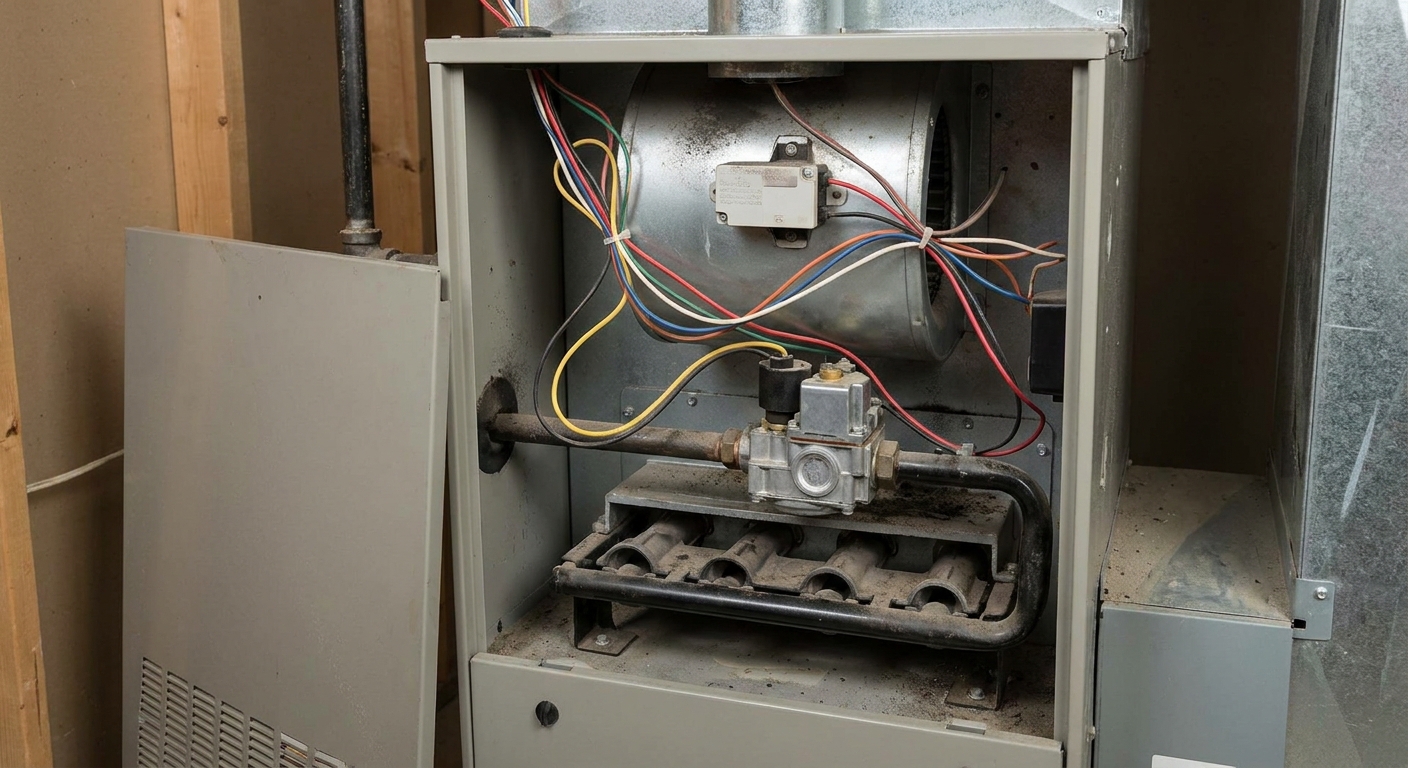
If your furnace starts up, runs for a short time, then shuts down and tries again, there is a good chance it is not “being finicky.” It is often protecting itself. One of the most common safety stops is the high limit switch. When it trips repeatedly, many modern furnaces will eventually stop trying for a while (a soft lockout) or until power is cycled (a hard lockout). Some models will keep recycling instead. It depends on the control board and manufacturer.
I have a rule from years of fixing my own house: if a safety switch is complaining, listen. The goal is not to get the furnace to run no matter what. The goal is to figure out why it is overheating and fix the underlying problem.
Quick note: This is general homeowner guidance. Your manual and the error-code chart on the furnace panel win if they disagree.
What the limit switch does
The limit switch is a temperature-sensitive safety control mounted on or near the heat-exchanger area. When the furnace gets hotter than it should, the switch opens and tells the control board to shut off the burners. Most furnaces will keep the blower running to cool things down.
Trip vs. lockout
- Limit switch trip: The burner shuts off mid-cycle, but the furnace may try again after it cools.
- Lockout: After repeated safety trips, many control boards will pause ignition attempts (timed lockout) or require a reset (power cycle). Many units show a blinking LED fault code.
Important: A high limit trip is usually a symptom of overheating, and overheating is usually caused by poor airflow or a setup/mechanical problem. The switch is doing its job.
Common causes of limit trips
1) Dirty or overly restrictive air filter
This is the number one homeowner-fixable cause. A clogged filter reduces airflow across the heat exchanger. Less airflow means the heat cannot move into the house fast enough, so the furnace gets hotter until the limit opens.
- Replace the filter with the correct size.
- If you use very high MERV filters, consider a less restrictive option unless your system is designed for it.
- Install it in the correct direction (follow the airflow arrow).
2) Closed registers or blocked return air
Closing vents to “push heat” to another room usually backfires. Your furnace needs a certain amount of air moving through it to stay within a safe temperature rise.
- Open supply registers throughout the home.
- Make sure return grilles are not blocked by rugs, furniture, or pet beds.
- Check that interior doors are not creating a sealed room with no return path.
3) Blower problems
If the blower wheel is dirty, the motor is failing, or a capacitor is weak, airflow can drop enough to trigger the limit switch. You might notice weak air at vents, longer heat times, or unusual noises.
4) Dirty evaporator coil (A-coil)
On many forced-air systems, the air passes through the air conditioning evaporator coil even in heating season. If that coil is clogged with dust or pet hair, it acts like a hidden blockage and can drive up furnace temperature.
5) Duct restrictions or zoning issues
Crushed flex duct, a closed balancing damper, undersized duct runs, or a clogged return can starve the furnace for air. If you have a zoning system, dampers that close too much without a proper bypass can also create high static pressure and low airflow.
6) Oversized furnace or incorrect blower setup
An oversized furnace can short cycle, but the more common link to limit trips is oversized output combined with duct limitations or blower settings that are too low. If the airflow is not matched to the heat output, temperature rise can climb fast and the limit will open. This is usually a technician-level setup issue, but it explains why a brand new filter does not always solve it.
7) Venting or combustion problems
Blocked flues, dirty burners, incorrect gas pressure, or other combustion issues can create abnormal heat patterns and trigger safety shutdowns. These are not “keep fiddling with it” situations.
Rollout and other red flags
Not every shutdown is “just airflow.” Some situations are serious and should be treated like a stop sign.
Key detail: Many furnaces have a dedicated flame rollout switch that is separate from the high limit switch. A rollout trip and a high limit trip often show different fault codes on the control board or thermostat display, so the code matters.
Watch for these warning signs
- Burning smell that persists past the first few minutes of the season.
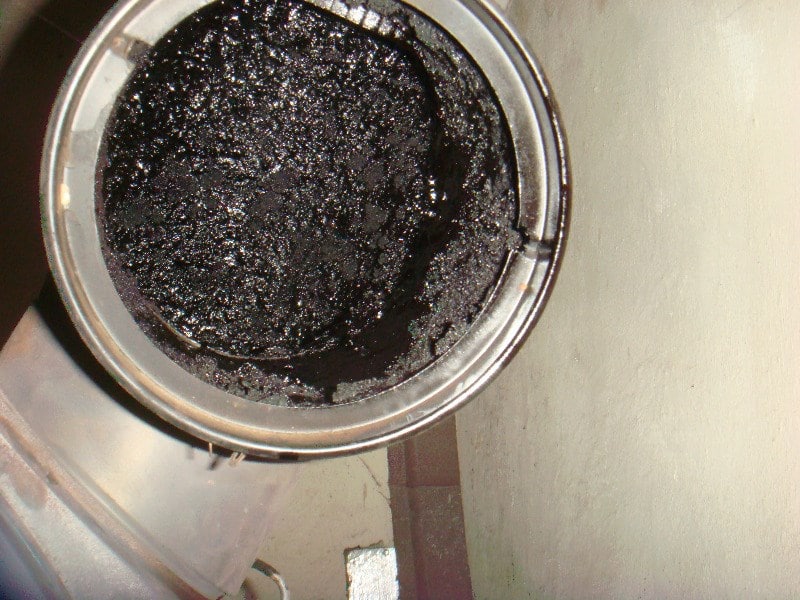
- Soot around the burner area or inside panels.
- Scorched wires or melted plastic near the burner compartment.
- Flames rolling out of the burner area instead of staying contained.
- Carbon monoxide alarm going off, even briefly.
If you see signs of flame rollout or suspect combustion issues, turn the furnace off. If your CO alarm sounds, treat it like an emergency: get people (and pets) outside into fresh air and follow the alarm instructions, then contact emergency services or your gas utility as appropriate. For rollout concerns, shut off the gas if you know how, ventilate the area, and call a licensed HVAC technician. Rollout can be caused by blocked flues, cracked heat exchangers, or burner problems. This is not a “keep resetting it” situation.
What you can safely check
Here is my homeowner-safe checklist. This keeps you on the right side of safety without turning you into an accidental HVAC test pilot.
Step 1: Confirm the symptom
- Set thermostat to heat and raise the setpoint.
- Listen for: burners light, then shut off after a short run, while the blower keeps running.
- Check for an LED fault code. Some furnaces show it through a sight window on the blower door, some have it more openly visible, and some communicating systems show codes on the thermostat. Note the pattern and check the inside panel sticker for what it means.
Step 2: Fix airflow basics
- Install a clean filter.
- Open supply registers.
- Make sure returns are not blocked.
- If you recently adjusted duct dampers, make sure you did not accidentally close one that feeds a big section of the house.
Step 3: Check vent terminations
If your furnace has PVC intake and exhaust pipes (common on high efficiency units), make sure the outside terminations are not blocked by snow, leaves, or nests. Do not disassemble venting, just confirm it is clear and intact.
Step 4: Look for obvious blower access issues
- Make sure the blower door is fully seated. Many furnaces have a safety switch that must be pressed by the door.
- If you are comfortable, you can visually inspect for heavy dust buildup near the blower compartment without touching wiring.
Step 5: Reset once, then stop
Some lockouts clear by turning the furnace power switch off for 30 to 60 seconds and back on. If it trips again quickly, stop resetting. The main reason is safety: repeated resets can mask a dangerous condition. Repeated cycling can also increase wear on igniters, motors, and control components.
Safety note: Do not bypass the limit switch. Do not tape it down. Do not jumper wires. That safety device is there to prevent dangerous overheating and potential fire.
What usually needs a technician
These items often involve electrical testing, combustion safety, gas pressure, or internal cleaning. They are normal service calls, but not great DIY territory.
- Measuring temperature rise across the furnace to confirm airflow and blower settings match the nameplate range.
- Checking static pressure to catch hidden restrictions, zoning issues, or duct problems.
- Checking blower capacitor and motor amperage for a weak motor or failing capacitor.
- Inspecting and cleaning the evaporator coil if it is impacted.
- Inspecting heat exchangers (primary and secondary on condensing furnaces) for restriction, plugging, or deterioration that can affect heat transfer and combustion and trigger safety shutdowns.
- Verifying gas pressure and manifold pressure and confirming proper combustion.
- Testing the limit switch itself. It can fail, but it is less common than airflow issues.
- Inspecting for a cracked heat exchanger or venting issues if rollout or CO concerns exist.
Quick symptom guide
- Runs 2 to 5 minutes then burner shuts off, blower keeps running: classic high limit trip from overheating or airflow restriction.
- Weak airflow at vents plus limit trips: dirty filter, blocked return, blower issue, dirty coil, duct restriction, or zoning/static pressure problem.
- Limit trip after a filter upgrade to a “better” filter: the filter may be too restrictive for the system.
- Repeated shutdown shortly after ignition: could be limit, but also could be pressure switch, flame sensing, or rollout. The fault code is your best clue.
- Any soot, scorch marks, or odd flames: stop and call a pro due to combustion safety risk.
When to call for service
Call an HVAC technician sooner rather than later if any of the following apply:
- The furnace trips again after you replaced the filter and confirmed vents and returns are open.
- You smell gas, see soot, or suspect flame rollout.
- Your carbon monoxide alarm sounds.
- The blower does not come on reliably, makes grinding noises, or squeals.
- The furnace cabinet or supply plenum is excessively hot to the touch (warm is normal, “ouch” hot is not).
If you want to save time and money on the service call, take a photo of the fault code and write down what the furnace was doing right before it shut down. Those notes help a technician go straight to the likely causes.
Simple prevention routine
Most limit switch problems I see in real life come down to airflow maintenance. The boring stuff pays off.
- Change filters on a schedule that matches your home. Many households land in the 1 to 3 month range.
- Vacuum return grilles and keep them unobstructed.
- Keep supply vents open and avoid closing off large parts of the house.
- Annual tune-up if your furnace is older, runs hard, or you have pets. Blower inspection, coil checks, and combustion testing are where pros earn their keep.
Limit switches do not trip for fun. Treat a trip as a message: “I am running too hot.” Fix the airflow first, respect the safety warnings, and your furnace will usually reward you with quieter, steadier heat.

About Marcus Vance
Content Creator @ Grit & Home
Marcus Vance is a lifelong DIY enthusiast and self-taught home renovator who has spent the last decade transforming a dilapidated 1970s ranch into his family's dream home. He specializes in budget-friendly carpentry, room-by-room renovations, and demystifying power tools for beginners. Through his writing, Marcus shares practical tutorials and hard-learned lessons to help homeowners tackle their own projects with confidence.