
🚨 In a DIY emergency or rush?
Skip the details and jump straight to our 30-second cheat sheet for the most crucial info.
Small courier. Big home questions.
If your furnace has started sounding like it is auditioning for a percussion section, you are not alone. Furnace life is a little like banana ripeness. There is a long middle stretch where everything seems fine, then suddenly you are staring at a problem with excellent timing on the coldest night of the year.
Let’s talk about how long furnaces typically last, what actually wears out, and when “repair” quietly becomes “plan for replacement.”
Average furnace lifespan (quick ranges)
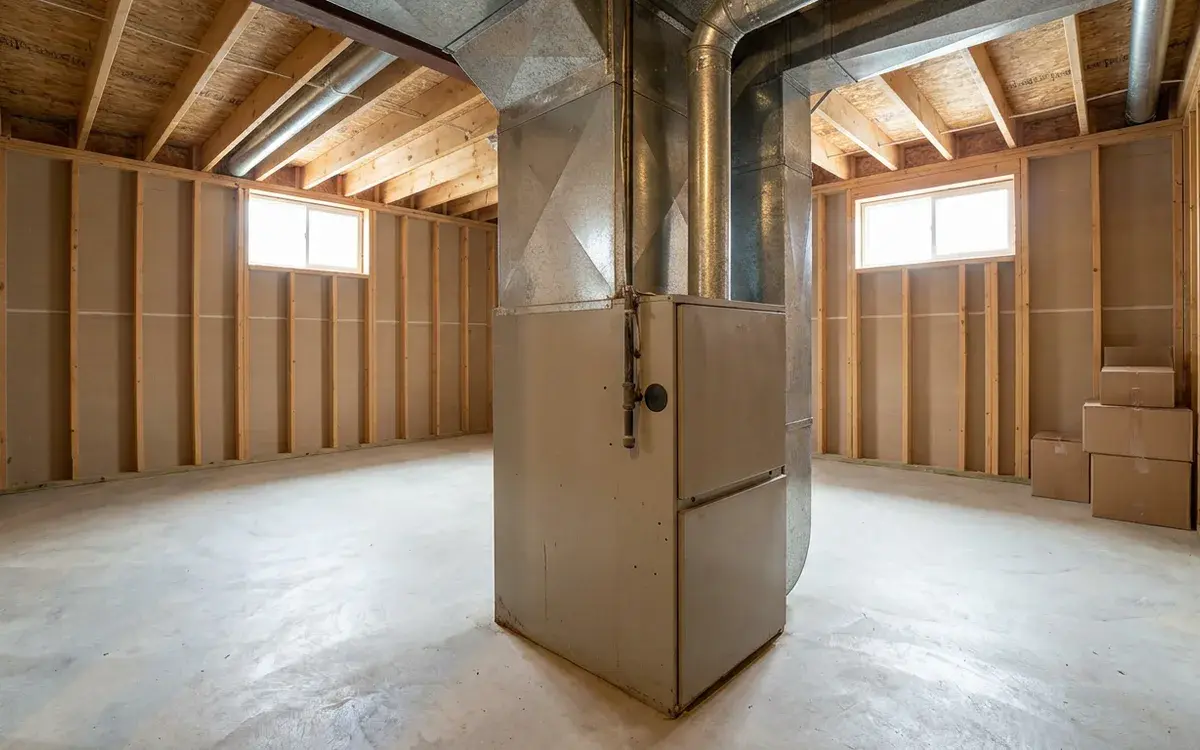
Most central forced-air furnaces land in a 15 to 25 year window. Where yours falls depends on fuel type, how hard it runs, and whether it has been kept clean and correctly adjusted.
- Gas furnace: about 15 to 25 years
- Oil furnace: about 15 to 25 years (often strong longevity, but maintenance matters)
- Electric furnace: about 20 to 30 years (fewer combustion parts, but components still fail)
Two important clarifiers:
- Age is not the same as condition. A 20-year-old furnace that was sized correctly and serviced can be safer and more reliable than a neglected 12-year-old unit.
- “Lasts” means “can run,” not “runs efficiently.” Many furnaces keep limping along well past the point where comfort and operating cost make sense.
Does furnace efficiency change lifespan?
Efficiency ratings (like AFUE) tell you how well the furnace converts fuel into heat. They do not guarantee a longer life. In practice, lifespan depends more on build quality, correct installation, airflow, and maintenance than whether the unit is 80% or 95% AFUE.
That said, higher-efficiency condensing gas furnaces have extra parts that need to stay in good shape, including:
- Condensate drain and trap
- Pressure switches
- Secondary heat exchanger surfaces that can clog if maintenance is skipped
- Intake and exhaust venting that must remain clear
Those are not reasons to avoid a high-efficiency model. They are reasons to treat annual service and filter changes like the low-cost insurance they are.
What shortens a furnace’s life (the usual suspects)
Your furnace is basically a box that handles three things over and over: combustion or heating, moving air, and managing safety. Anything that forces it to work harder or run hotter will shorten its lifespan.
Skipped maintenance (airflow issues)
A dirty filter, blocked return, or matted blower wheel makes the furnace run hotter. Heat stress is rough on electronics, motors, and most importantly the heat exchanger.
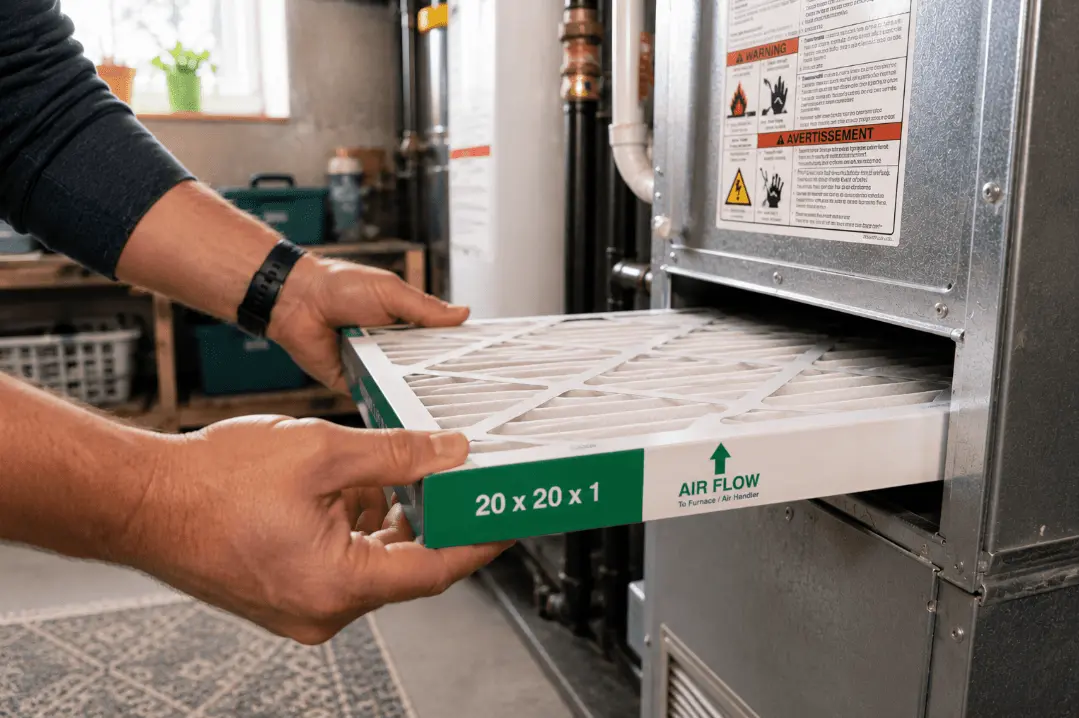
- Change filters on a schedule that matches your home. Many homes land between every 1 to 3 months.
- Keep supply vents open and returns unobstructed.
- Have the burner flame, ignition, and safety controls checked periodically, especially on gas and oil.
Improper sizing (too big is not a flex)
An oversized furnace tends to short-cycle, meaning it turns on, blasts heat, shuts off, then repeats. Short-cycling causes extra wear on ignitors, control boards, blower motors, and gas valves. It can also create comfort issues like hot and cold rooms.
Ductwork problems
Restricted ducts, undersized returns, crushed flex duct, or closed dampers reduce airflow. Low airflow raises temperature inside the heat exchanger and can trigger high-limit shutdowns. That cycle of overheating and safety shutdown is hard on the equipment.
Heat exchanger wear and overheating
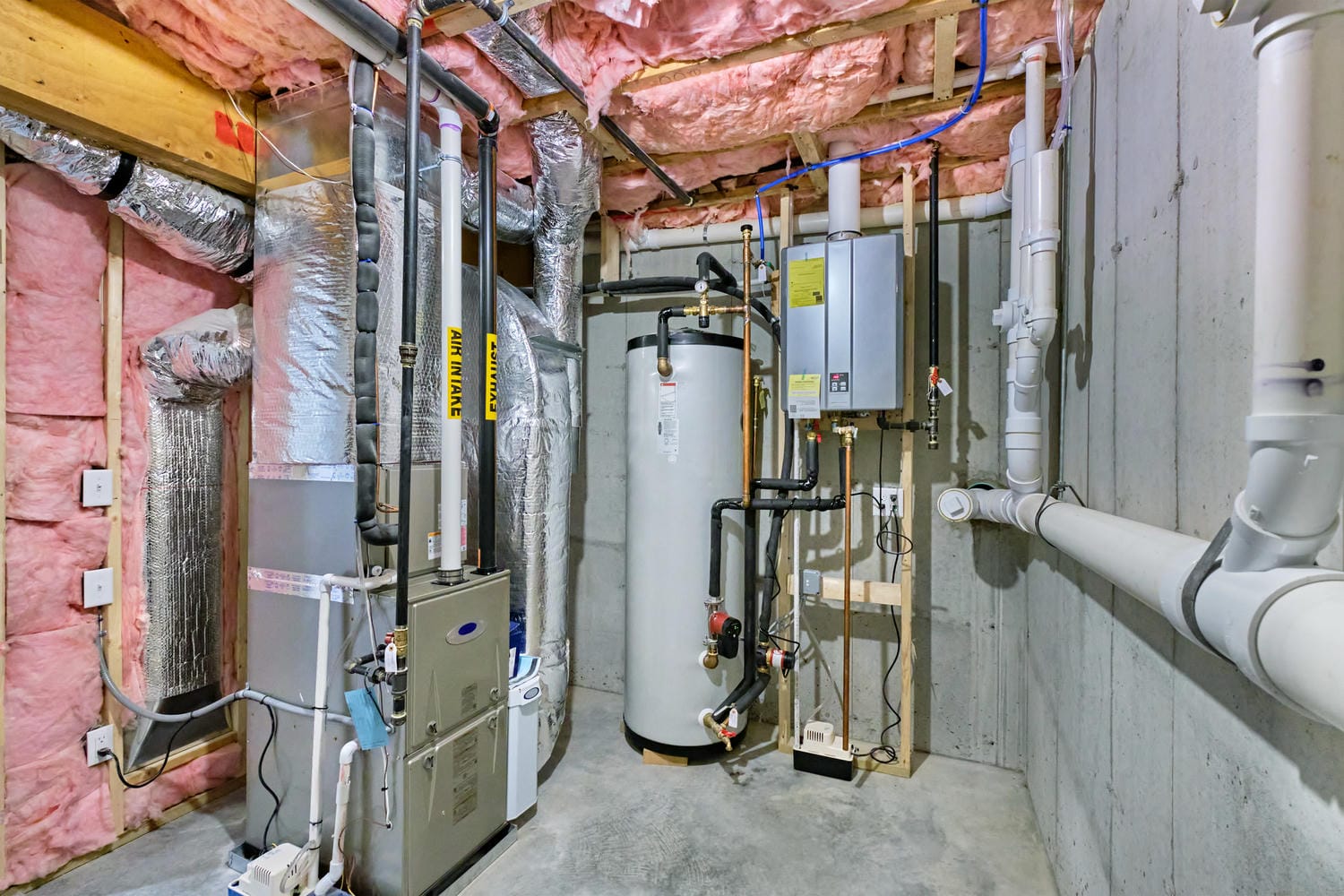
The heat exchanger is the big-deal part in a gas or oil furnace. It keeps combustion gases separate from your indoor air. Over time, it experiences expansion and contraction, plus heat stress. If it cracks or fails, replacement decisions get serious quickly.
Moisture, corrosion, and condensate issues
Basements, crawl spaces, and high humidity can speed corrosion. High-efficiency furnaces also produce condensate, and a clogged drain can lead to shutdowns and water damage.
Dirty burners or incorrect combustion
In gas and oil systems, combustion that is out of adjustment can produce soot or improper flame patterns. That hurts efficiency and can increase heat exchanger stress.
Warning signs your furnace is aging out
Some signs are just “it needs service.” Others are “start shopping, quietly.” Here’s how to tell what your furnace is trying to say.
Comfort and performance changes
- Some rooms never get warm, even after long run times
- The furnace runs constantly or short-cycles frequently
- Air feels lukewarm from vents when it used to be hot
Noise changes
- New rattling, banging, squealing, or booming at startup
- Blower sounds strained or “whooshing” changes suddenly
Visible or smell-based clues
- Rust streaks or water around the furnace or flue connections
- Frequent burning-dust smell beyond the first few heat cycles of the season
- Soot around registers (more common with oil issues or severe combustion problems)
Repair pattern red flags
- Multiple service calls in a season
- Replacing one major part after another (ignitor, inducer motor, blower motor, control board)
- Parts becoming hard to source
Safety signs (do not wait)
- Gas smell: leave the home and contact your gas utility or emergency services
- Carbon monoxide alarm: treat as an emergency, get outside, and call for help
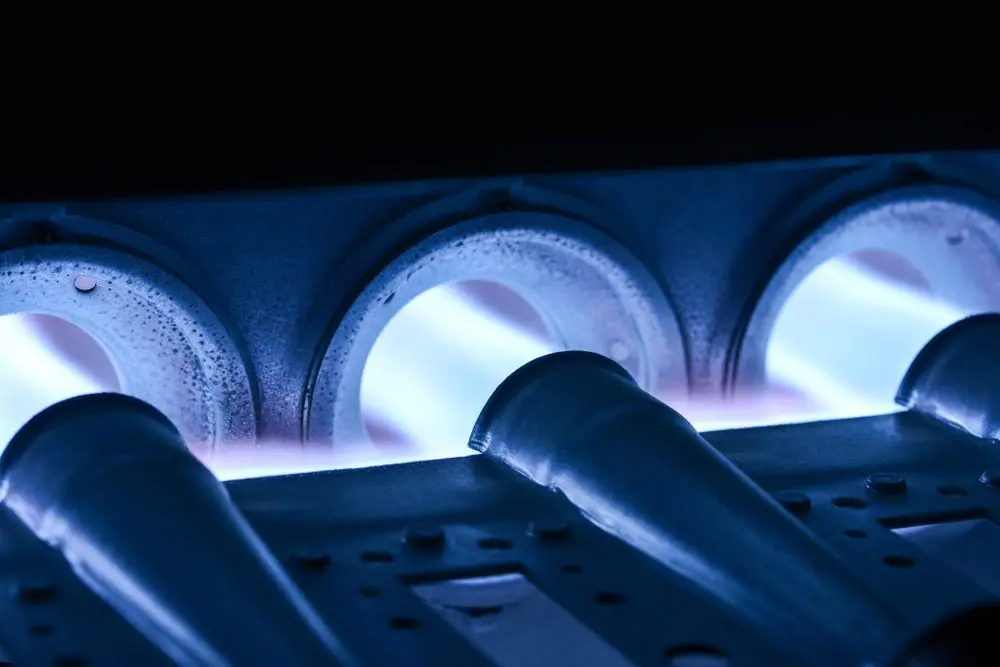
- Yellow, wavering burner flame (gas furnaces typically run with a steady blue flame)
- Backdrafting at the draft hood or vent connector, or moisture staining near the flue
When to plan for replacement
Here is the planning timeline that usually keeps homeowners out of panic mode:
- 0 to 10 years: repair is usually the default unless there is a major installation flaw or severe damage.
- 10 to 15 years: start paying attention to repair frequency and comfort. Budgeting for a future replacement is smart, especially if the unit is mid-tier or has had issues.
- 15 to 20 years: begin getting replacement quotes if repairs are recurring, efficiency is poor, or comfort is slipping.
- 20+ years: replacement often makes sense even if the furnace still runs, because failure risk and repair costs rise, and safety evaluations become more important.
One raised eyebrow detail: the most expensive time to shop for a furnace is often when you need it today. If your unit is approaching 15 to 20 years old, getting a quote in the off-season can save stress and sometimes money.
Repair or replace? A practical call
You do not need a complicated spreadsheet to make a good decision. Use this quick set of questions:
- Is the heat exchanger compromised? If a qualified tech finds a cracked heat exchanger, replacement is commonly recommended due to safety risk.
- Are you stacking repairs? If you have had multiple significant repairs recently, it might be time to stop feeding the furnace parts one-by-one.
- Is your comfort worse than it should be? A furnace that “works” but cannot keep up, short-cycles, or heats unevenly can point to sizing, duct, or equipment issues.
- Are energy bills creeping up? Rising bills can come from many causes, but an aging furnace plus airflow problems is a frequent combo.
- Is your home planning to change? If you are finishing a basement, adding insulation, or replacing windows, ask about resizing. A new load calculation can prevent buying the wrong furnace again.
If you are on the fence, ask for two numbers: the cost to repair and the expected value of the repair. Not just “this will fix it,” but “this likely buys you X years.”
How to find furnace age
If you are trying to figure out whether your furnace is 12 or 22, you are asking the right question. Look for:
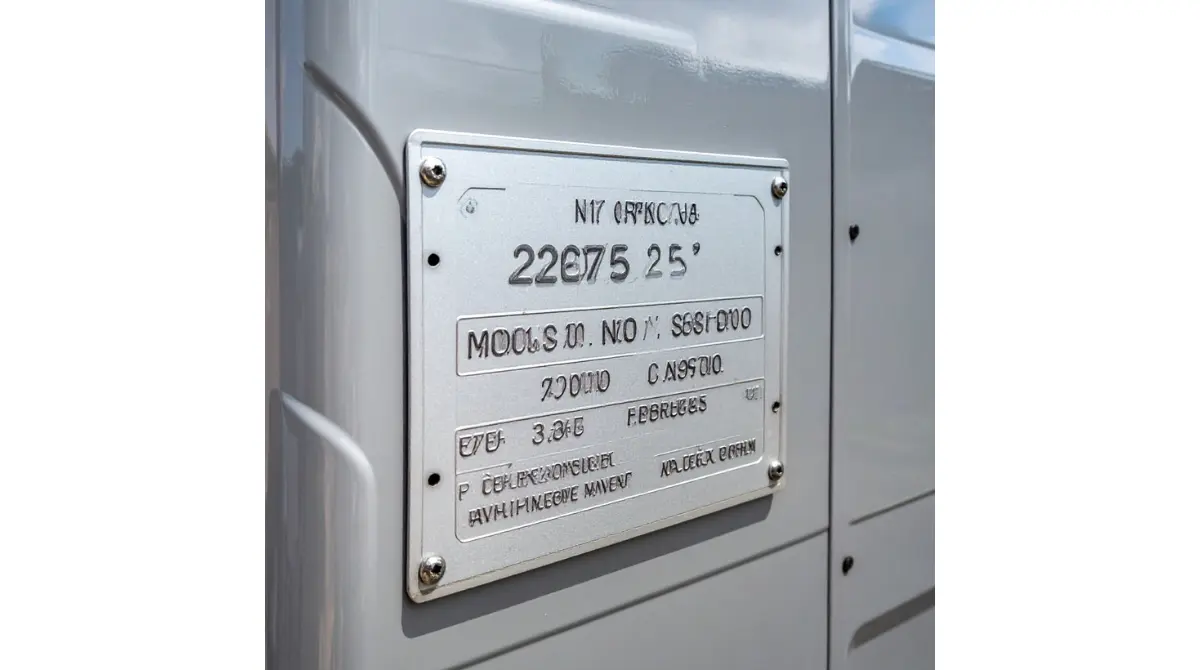
- Data plate: usually inside the front panel or on the side of the cabinet
- Manufacture date: sometimes listed plainly
- Serial number: often encodes the date (format varies by manufacturer)
If the date is not obvious, search your furnace brand plus “serial number age decoder,” or call an HVAC company and ask them to interpret the serial number. It is a two-minute question that can save you from planning with the wrong decade.
Stretch furnace life
I carry many important documents in my satchel. A surprisingly large percentage of them say the same thing: keep air moving and keep the system clean.
- Change the filter regularly and use the correct size and airflow rating for your system.
- Keep returns clear of furniture, rugs, and dust buildup.
- Do not close lots of supply vents to “push air elsewhere.” That often increases static pressure and strains the blower.
- Schedule periodic service for combustion safety checks, flame inspection, and cleaning where appropriate.
- Watch humidity and drainage if you have a high-efficiency condensing furnace. A clogged condensate line can cause nuisance shutdowns and water problems.
FAQ
Can a furnace last 30 years?
Yes, especially some electric furnaces and some well-maintained gas or oil units in mild climates. But by that age, the risk of sudden failure is higher and parts availability can become a problem. If your system is near 30 years old, it is wise to plan a replacement rather than wait for a no-heat emergency.
Do high-efficiency furnaces wear out faster?
Not automatically, but they do have more components that need to stay clean and properly drained. A neglected high-efficiency furnace can develop problems sooner than a simpler unit. A maintained one can last a long time.
What is the most common expensive furnace repair?
Costs vary by model, but big-ticket items often include the control board, inducer motor, blower motor, and on gas furnaces, issues tied to the heat exchanger or venting system. If your furnace is older and needs a major component plus additional fixes, replacement starts to look more attractive.
Is it worth replacing a furnace before it fails?
Often, yes, once you are in the 15 to 20+ year range and repairs are becoming frequent. Planned replacement lets you compare options, schedule installation at a convenient time, and reduce the odds of an emergency replacement during extreme weather.
The 30-Second Cheat Sheet
Essential takeaways for: How Long Does a Furnace Last?
Typical lifespan
- Gas: 15 to 25 years
- Oil: 15 to 25 years
- Electric: 20 to 30 years
What shortens furnace life fastest
- Dirty filters and poor airflow (overheating)
- Oversized furnace (short-cycling)
- Duct restrictions or closed vents raising static pressure
- Moisture and corrosion, especially around venting and condensate drains
- Combustion issues (gas or oil) that stress the heat exchanger
Warning signs you are in the “plan to replace” zone
- Repeated repairs or multiple service calls in one season
- Short-cycling, constant running, or uneven heat
- New loud noises (banging, rattling, squealing)
- Rust or water around the furnace or flue
- Rising heating bills with no clear explanation
Replacement starts making sense around
- 15 to 20 years: get quotes if repairs are recurring or comfort is slipping
- 20+ years: replacement is often the smarter, lower-stress plan
Drop-everything safety moments
- Gas smell, carbon monoxide alarm, or signs of backdrafting
- Suspected cracked heat exchanger (requires professional evaluation)
Best next step
Find the manufacture date on the furnace data plate or decode the serial number. If it is nearing 15 to 20 years old, start budgeting and consider off-season quotes so you are not forced into a rushed decision.
💡 Tip: Scroll up to read the full article for detailed, step-by-step instructions.
⬆️ Back to top
About Grit
Content Creator @ Grit & Home
Grit is Grit & Home’s little blue clay courier, delivering big questions about the place you call home. Expect practical ideas, a raised eyebrow, and a satchel full of curiosity.