
🚨 In a DIY emergency or rush?
Skip the details and jump straight to our 30-second cheat sheet for the most crucial info.
Small courier. Big home questions.
If you own a sump pump, you already know the deal: it does nothing for months, then suddenly it is the most important appliance in the house. So the question is less “How long should it last?” and more “How long do I get before it picks the wettest night of the year to retire?”
Let’s put a reasonable timeline on it, plus the everyday factors that shorten (or stretch) a sump pump’s service life.
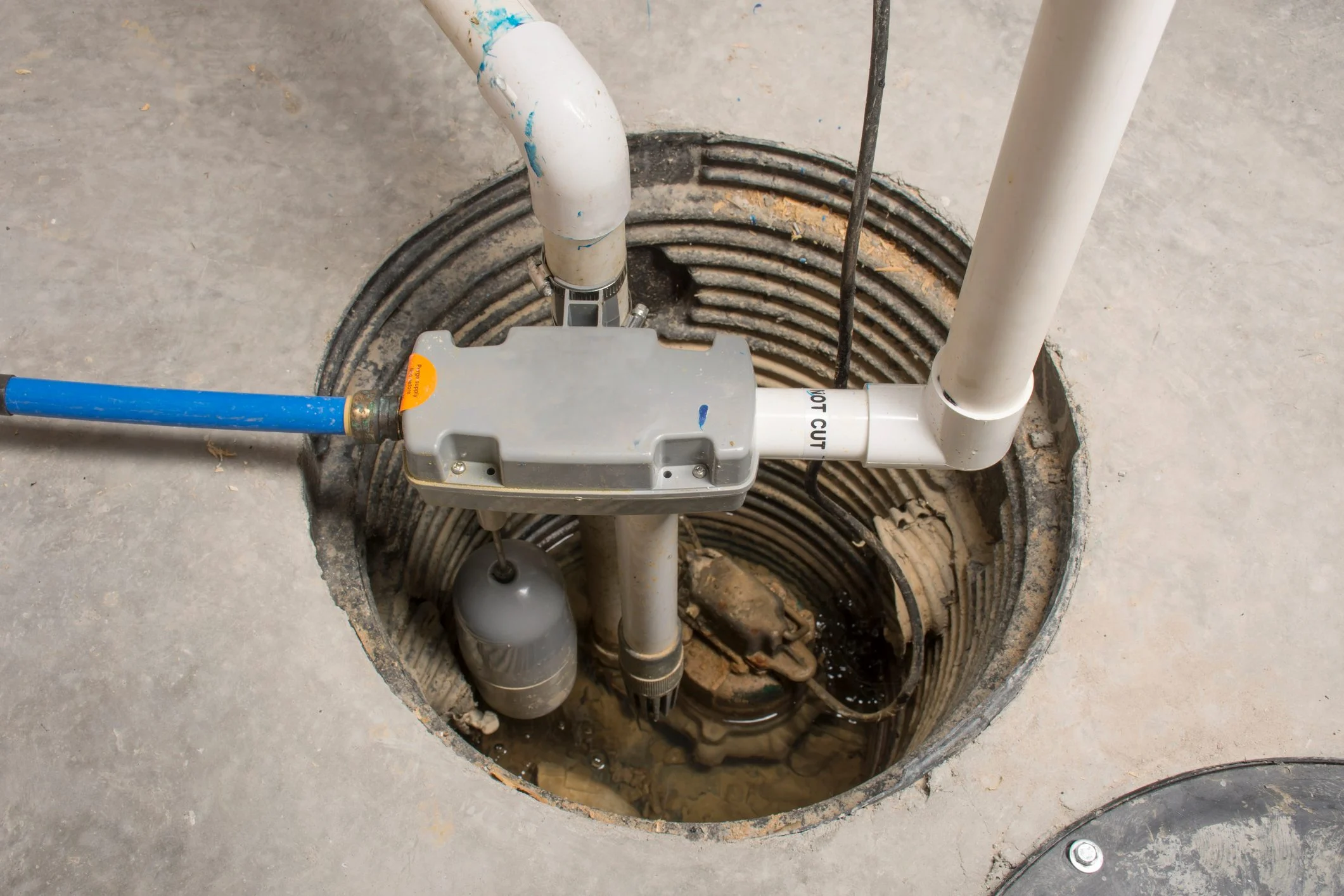
Typical sump pump lifespan
Most modern sump pumps land in the 7 to 10 years range under average conditions. That is general guidance, not a promise. Your actual lifespan depends on the type of pump, how often it runs, and how clean the pit and power supply are.
Submersible sump pumps
- Typical service life: about 5 to 10 years
- Why the range is wide: They live in a harsh place. They get submerged, handle gritty water, and rely on seals and bearings that wear out.
- When they last longer: clean pit, stable power, infrequent cycling, correct sizing
Pedestal sump pumps
- Typical service life: about 8 to 15 years (with the higher end usually being light-use homes)
- Why they often last longer: The motor sits above the pit, away from moisture and grit.
- Tradeoffs: Usually louder, more exposed in a tight area, and not as tidy in a finished space.
Bottom line: Submersibles tend to be quieter and more common in finished basements, but pedestal pumps often win the longevity contest.
What shortens a sump pump’s life
Sump pumps wear out from a mix of run time, cycling, and abuse. Here are the big levers that change lifespan in real homes.
1) How often it runs
A pump that runs only during spring thaws might last a decade or more. A pump that runs all year due to a high water table is basically doing cardio full-time.
- Frequent short cycles are especially hard on motors and switches. This can happen when the pump is oversized for the pit or the float settings are tight, so it turns on and off too often.
- Long run times add heat and wear, especially if the pump is undersized or fighting a restricted discharge line.
2) Debris in the pit
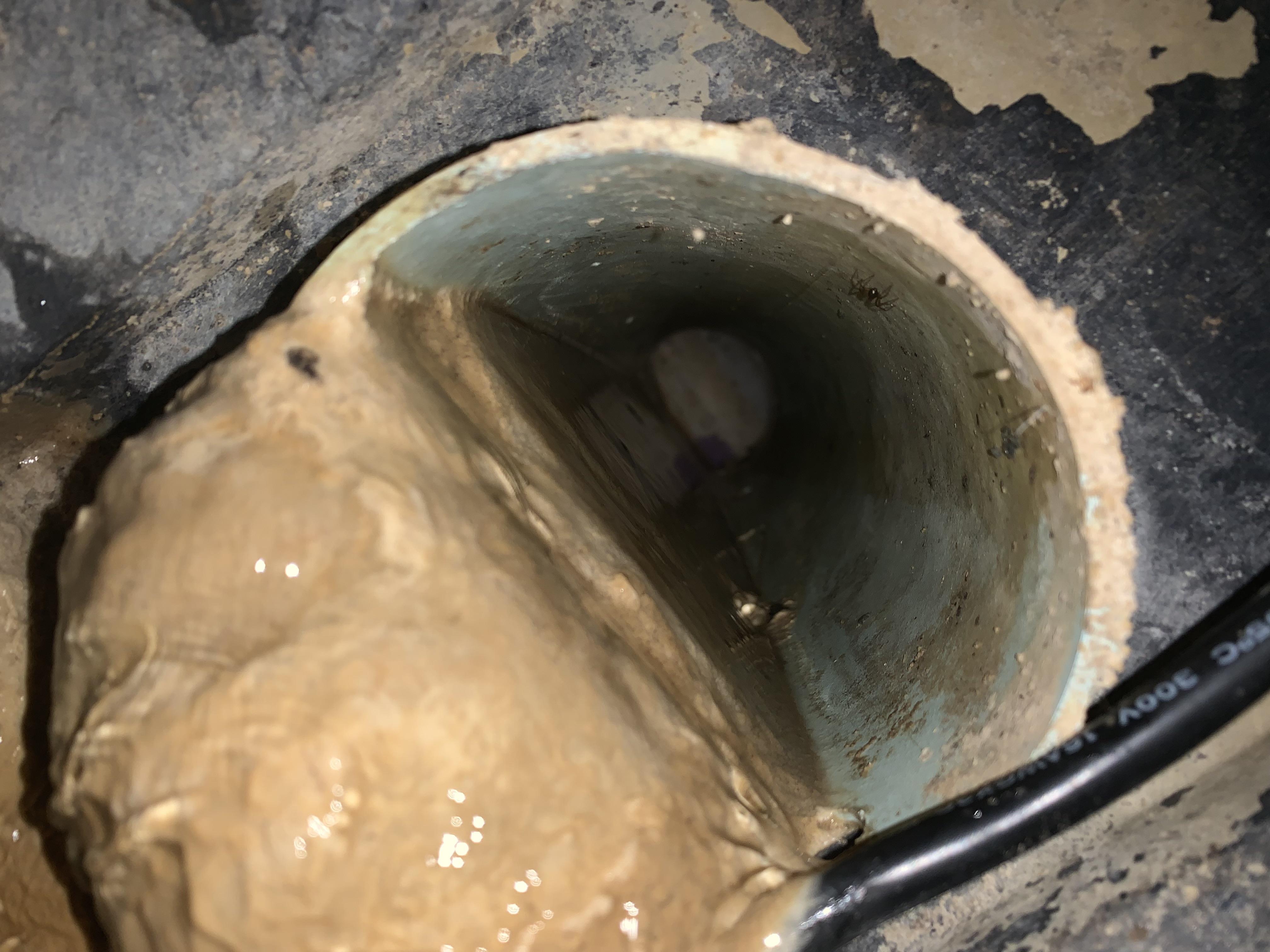
Silt, sand, and small stones act like sandpaper inside the pump. They also clog intake screens and jam impellers.
- Silt buildup makes the pump work harder and can shorten bearing and impeller life.
- Floating debris can interfere with the float switch, causing constant running or failure to turn on.
3) Power quality
A sump pump’s worst enemy is often not water. It is electricity.
- Outages: The pump cannot run, so water rises. After power returns, the pump may run continuously trying to catch up, which adds stress.
- Surges: Lightning and utility switching can damage motors and electronic controls.
- Low voltage: “Brownouts” can cause motors to overheat and shorten lifespan.
If your area has frequent power issues, a battery backup sump pump can help keep water moving during outages. For surge protection, skip cheap power strips. Use a properly rated, single-outlet surge protective device approved for motor loads and follow the pump manufacturer’s instructions.
4) Installation issues
- Stuck or poorly positioned float: rubs the pit wall, tangles with cords, or hits the discharge pipe
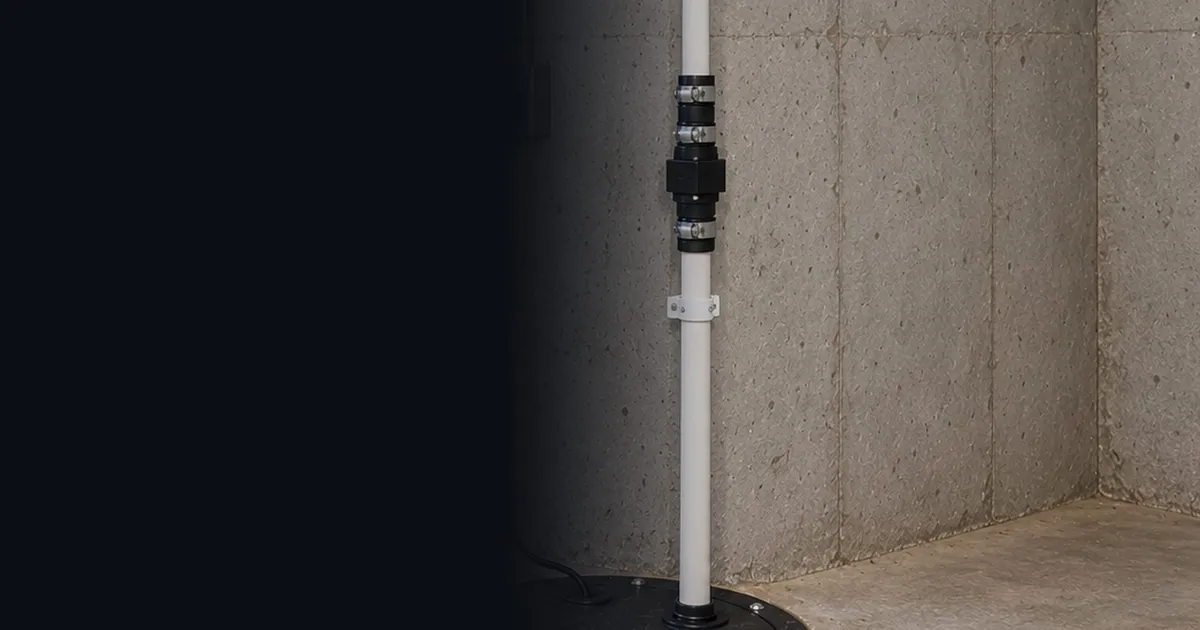
- Missing or failed check valve: water drains back into the pit after each cycle, increasing cycling frequency
- Undersized or partially blocked discharge line: forces longer run times
- Frozen discharge line: can dead-head the pump (no flow), overheating it fast
5) Wrong sizing
This is the sneaky one. Bigger is not always better.
- Oversized pumps can empty a small pit too fast and cause short-cycling.
- Undersized pumps can run too long during heavy water events and overheat.
When sizing a pump, you are really matching it to your lift height (how high the water has to go) and expected flow, not just horsepower on a box.
When to replace a sump pump
If you only replace a sump pump when it is dead, you are betting your basement on a device that works in the dark, under stress, when you are asleep.
Here is a practical, low-drama replacement schedule:
- Submersible pump: plan replacement around 7 to 10 years, sooner if it runs frequently
- Pedestal pump: plan replacement around 10 to 12 years, sooner if it runs frequently or the switch is acting up
- High duty homes (high water table, constant cycling, heavy storms): consider replacement closer to 5 to 7 years, regardless of type
If you just moved in and do not know the pump’s age: treat it like a mystery smoke detector. Check the date code or label on the pump body, and if it looks older than you are comfortable with, budget for replacement proactively.
Signs your sump pump is near failure
Some sump pumps fail dramatically. Many fail quietly, by getting weaker and less reliable. Watch for these red flags:
Performance changes
- Runs constantly or runs much longer than it used to
- Short cycles rapidly on and off
- Does not start every time, needs a tap or wiggle to run
- Water level rises higher than normal before the pump kicks on
- Pump runs but moves little water at the discharge outlet
Noises and smells
- Grinding, rattling, or loud humming (impeller issues, debris, bearings)
- Squealing (often bearings, especially on older units)
- Burning smell or hot motor housing
Switch and float issues
- Float looks waterlogged, cracked, or stuck
- Tethered float tangles with the pump cord or discharge pipe
- Vertical float binds against the pit liner or wall
Visible condition problems
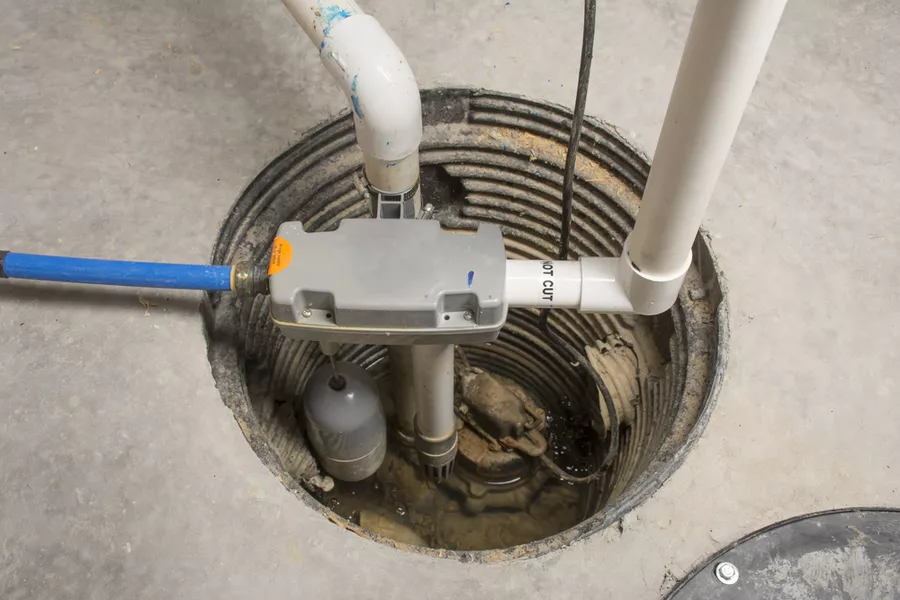
- Corrosion at the motor housing or fasteners
- Oil sheen in the pit water (possible seal failure on some oil-filled pumps)
- Cracked discharge fitting or leaking connections
One more raised eyebrow: If your pump is old and you have had a close call, that is your sign. Replace it when the pit is calm, not when the alarm is screaming.
How often to test your sump pump
Testing is the easiest way to catch problems while the stakes are low.
Quick schedule
- Every 3 months: basic operational test
- Before the wet season: test again, plus a pit check and cleanup
- After any power outage: confirm it still runs and the breaker did not trip
How to test
You have two common options. Pick the one that matches your setup.
- Add water to the pit: Slowly pour water until the float rises and the pump turns on. Watch one full cycle and confirm it shuts off cleanly.
- Lift the float only if it is designed for it: On some pumps the float is not easy to access, and some switch styles should not be forced. If you can reach it safely, lift gently to trigger the pump, then let it drop and confirm normal shutoff.
What you are looking for: reliable start, strong discharge, no struggling sounds, and a normal shutoff. If it hesitates, hums, trips the breaker, or fails to shut off, treat that as a fix-it-now item.
Safety note: Avoid putting hands into the pit with power connected. If you need to reposition cords or check the intake closely, unplug first.
Small maintenance that can add years
No sump pump lives forever, but a few habits can reduce wear.
- Clean the pit once or twice a year: remove stones, silt, and sludge so the pump is not chewing grit.
- Check the check valve: if water dumps back into the pit after each cycle, the pump will cycle more often than it should.
- Confirm the discharge line is clear and protected: keep the exterior outlet unobstructed and address freezing risk in cold climates.
- Keep the pump on a dedicated circuit if possible: fewer nuisance trips, cleaner power.
- Consider properly rated surge protection: only equipment approved for motor loads, installed and used per instructions.
Backup pumps
If you have a finished basement, a high water table, or power outages that always seem to show up with the storms, a backup system is worth thinking about.
- Battery backup sump pumps: use a battery and charger to run during outages. The backup pump should have its own float or switch so it can take over automatically.
- Water-powered backup pumps: available in some areas and setups. They typically rely on municipal water pressure, so they are not a fit for every home and may be restricted by local rules.
A backup does not make the primary pump immortal. It just gives you a second chance when the first one is overwhelmed or the power goes out.
If it stops working
If your sump pump fails during a storm, this quick triage can catch the common issues fast:
- Check power: confirm the plug is seated, the GFCI is not tripped, and the breaker is on.
- Check the float: make sure it is not stuck against the pit wall, tangled in cords, or hung up on the discharge pipe.
- Check for a clog: debris can block the intake screen or jam the impeller.
- Check the discharge: look for a blocked or frozen line outside. A dead-headed pump (running with no flow) can overheat quickly.
If the motor hums and does not pump, trips the breaker, smells hot, or runs without moving water, shut it down and move to a backup or call for service. That is how you avoid turning a pump problem into a basement problem.
FAQ
Can a sump pump last 20 years?
It is possible, especially with some pedestal pumps in low-demand homes. But it is not something to count on. If your pump is pushing past 10 to 15 years, plan a proactive replacement.
What usually fails first on a sump pump?
Common failure points include the float switch, the impeller (often from debris), and the motor (wear, overheating, or power events). Switch problems are especially common because the sump pit is cramped and messy.
Is it worth replacing just the switch?
Sometimes, yes. If the pump is relatively new and the problem is clearly the switch, replacing the switch can buy time. If the pump is older and already showing other issues, replacing the whole unit is usually the safer bet.
Should I replace my sump pump before finishing a basement?
If the pump is a mystery age or already near the replacement window, yes. Finished basements raise the cost of failure. This is one of those “do it while it is easy” decisions.
The 30-Second Cheat Sheet
Essential takeaways for: How Long Does a Sump Pump Last?
Typical lifespan
- Most sump pumps: 7 to 10 years (general guidance)
- Submersible: about 5 to 10 years
- Pedestal: about 8 to 15 years (often longer in light-use homes)
What shortens lifespan fastest
- Frequent cycling (turning on and off a lot)
- Silt and debris in the pit (wears impeller and clogs intake)
- Poor power quality (outages, surges, low voltage)
- Bad check valve or blocked discharge (forces extra run time and cycling)
- Wrong sizing (oversizing can short-cycle, undersizing can overheat)
Replace-by guideline
- Submersible: plan replacement at 7 to 10 years, or 5 to 7 years if it runs a lot
- Pedestal: plan replacement at 10 to 12 years, sooner with heavy use
Signs the pump is near failure
- Runs constantly or takes much longer to empty the pit
- Short-cycles rapidly on and off
- Grinding, rattling, loud humming, or burning smell
- Float switch sticks, binds, or does not trigger reliably
- Water rises higher than normal before it turns on
How often to test
- Every 3 months: add water and watch one full cycle
- Before wet season: test again and clean pit debris
- After outages: confirm it still runs and the breaker is not tripped
💡 Tip: Scroll up to read the full article for detailed, step-by-step instructions.
⬆️ Back to top
About Grit
Content Creator @ Grit & Home
Grit is Grit & Home’s little blue clay courier, delivering big questions about the place you call home. Expect practical ideas, a raised eyebrow, and a satchel full of curiosity.