
🚨 In a DIY emergency or rush?
Skip the details and jump straight to our 30-second cheat sheet for the most crucial info.
Small courier. Big home questions.
A washing machine is one of those appliances that only asks for attention when it is already having a bad day. So the real question is not just “how long does a washer last,” but “what does ‘normal aging’ look like, what is a dealbreaker, and what can I do to keep this thing from walking across the laundry room?”
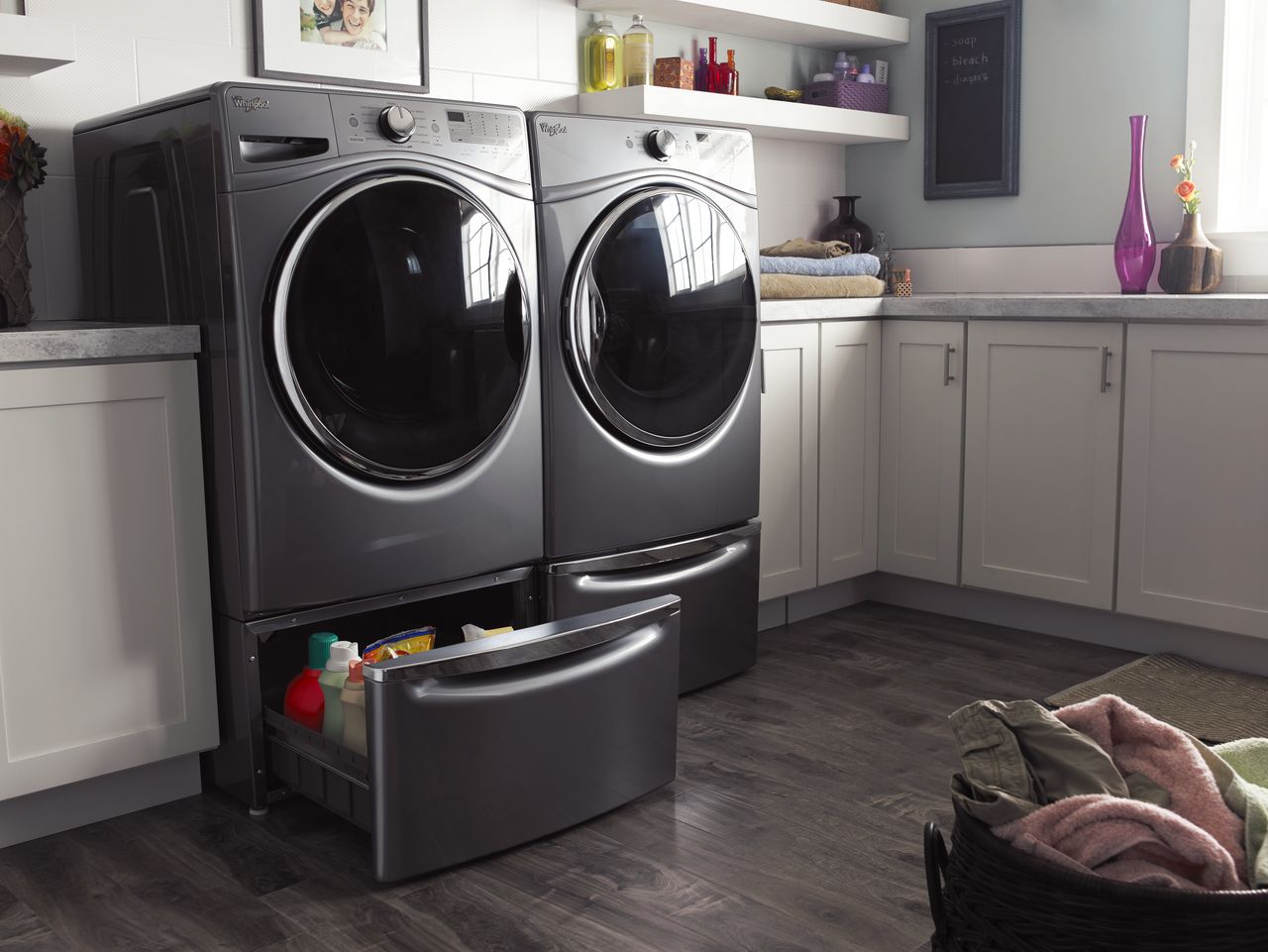
The typical lifespan (by washer type)
Most residential washing machines fall into an 8 to 14 year window. Think of that as a practical range you will hear from manufacturers, servicers, and long-suffering homeowners, not a promise. A washer’s life is less about birthdays and more about what it endures: heavy loads, poor leveling, detergent overdosing, and chronic moisture all add up.
- Top-load (traditional agitator): Often 10 to 15 years with average use. These tend to be mechanically straightforward, which can make some repairs more practical.
- Top-load (high-efficiency impeller): Often 9 to 14 years. There is no tall agitator post, so there are fewer big mechanical parts taking up space in the wash basket, but many models add sensors and shifting or clutch components that still need good load habits.
- Front-load (high-efficiency): Often 8 to 12 years. They clean well and use less water, but they can be less forgiving about moisture and certain wear points if maintenance is ignored.
Heavy use changes everything. A large household running multiple loads daily can wear out a machine years sooner than a household that runs a few loads a week. If you do laundry like it is a competitive sport, plan for the lower end of the range.
What affects washer lifespan the most
1) Load habits
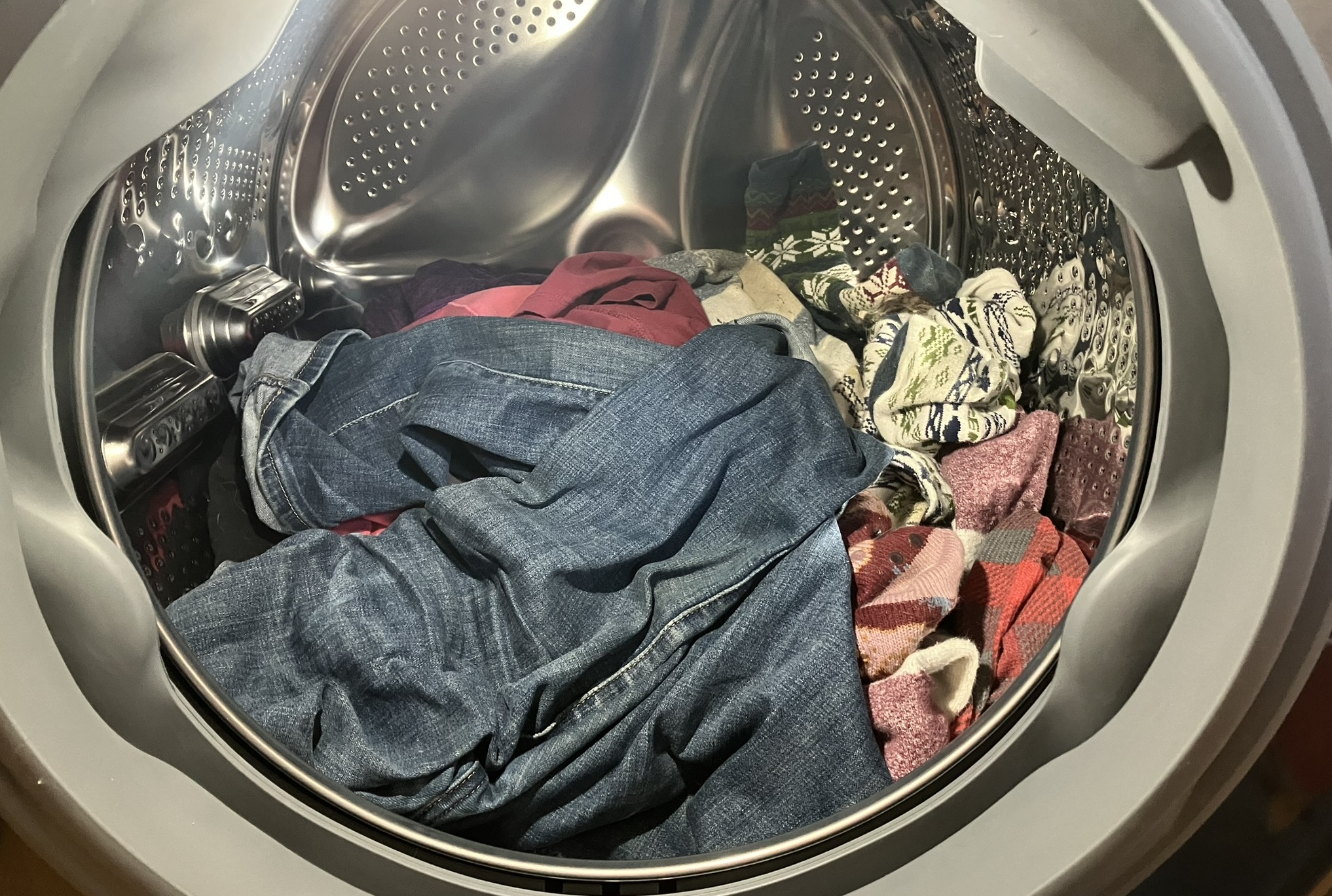
Your washer has a favorite kind of load. It is not “as much as you can physically stuff inside.” Overloading strains the drive system, suspension, and bearings.
On the other end, very small loads of heavy or bulky items (one bath mat, one blanket, one comforter) can turn into an out-of-balance rodeo. A small, normal load of mixed laundry is usually fine.
- Avoid chronic overloading: It raises the odds of bearing wear, tub damage, and drive system issues.
- Balance matters: One heavy item can throw off spin balance. Add a few towels to help distribute weight.
- Check pockets: Coins, screws, and hairpins can end up in the pump, drain hose, or between tubs, creating noise and damage over time.
2) Leveling and floor stability
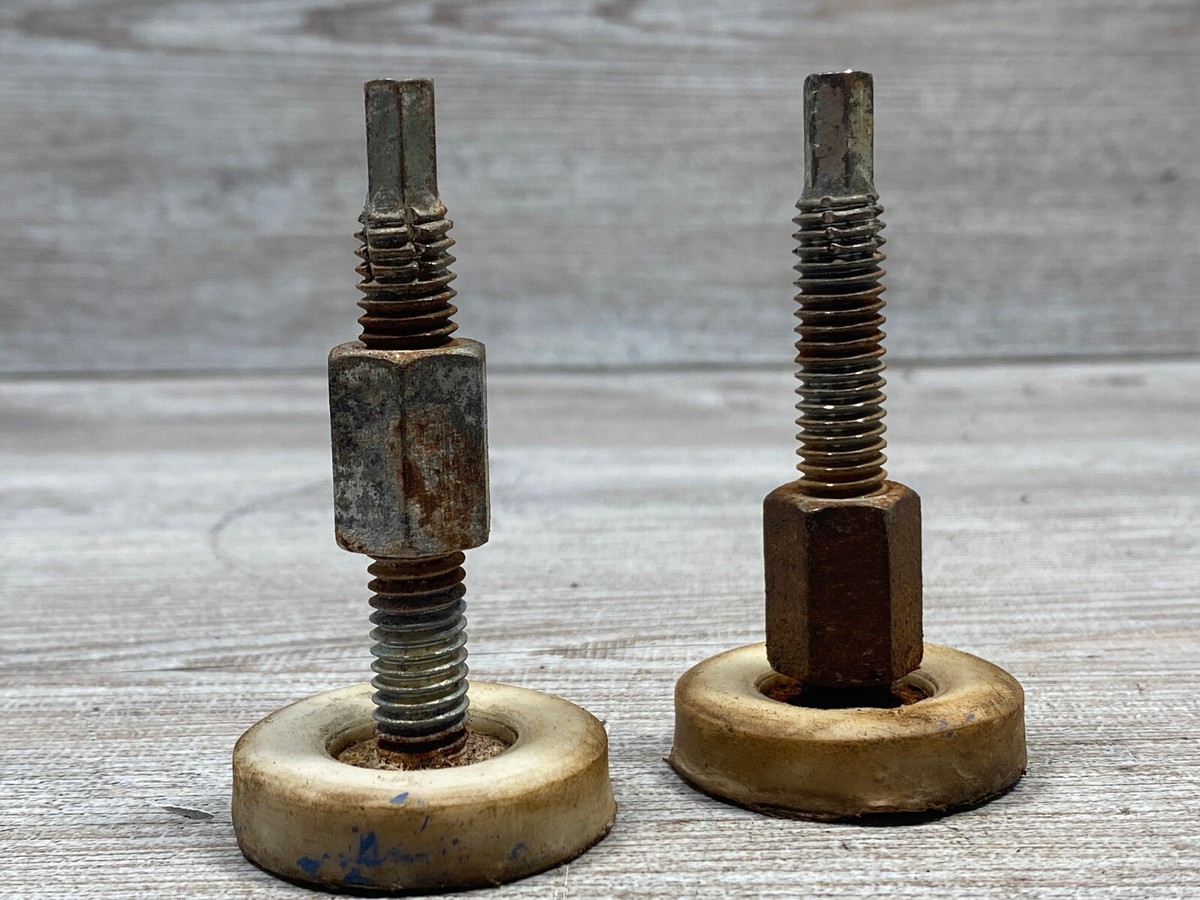
If your washer is not level, it spends its life fighting gravity and wobble. That means more vibration, more stress on suspension parts, and more wear on bearings. It can also lead to spin errors where the washer refuses to ramp up to full speed.
What to do:
- Use a bubble level on the washer top (side-to-side and front-to-back).
- Adjust the feet until the washer is stable and does not rock.
- Tighten the lock nuts on adjustable feet if your model has them.
- If the floor flexes, consider a sturdier placement. Some laundry-room floors behave like trampolines, and your washer notices.
3) Detergent use (especially in HE machines)
Detergent is harmless until you overdose it. Excess suds cushion clothes, confuse sensors, and leave residue that traps moisture and grime. That residue can contribute to odors, slow draining, and buildup that makes the pump work harder.
- Use HE detergent in HE machines.
- Measure, do not guess: Many modern detergents are concentrated. More soap does not mean cleaner laundry.
- Use “extra rinse” when needed: It can be helpful for sensitive skin, heavy soils, or if you accidentally overpoured detergent. If you feel like you need extra rinse every single time, treat that as a clue to cut back on detergent or softener instead of adding rinse cycles forever.
Bonus lifespan saver: Fabric softener can leave a waxy film in dispensers and on internal surfaces. If you use it, use less and clean the dispenser regularly.
4) Moisture control and routine cleaning
Washers fail in boring ways. Moldy door boots. Clogged pumps. Corroded connectors. The biggest villain is often moisture that never gets a chance to dry out.
- Front-load: Wipe the door gasket folds occasionally, and leave the door ajar between loads.
- All washers: Run a cleaning cycle (or hot cycle) periodically, clean the dispenser, and keep the area ventilated.
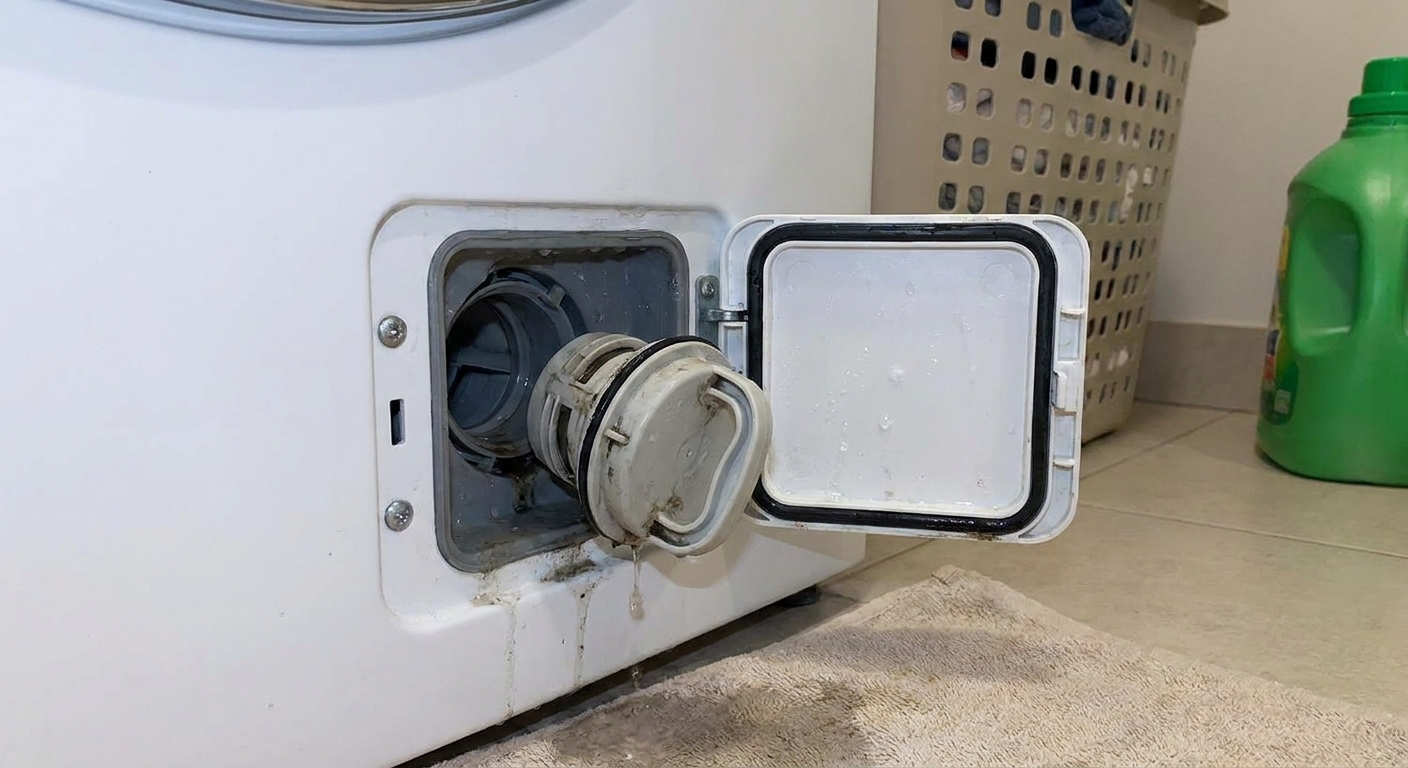
- Drain pump filter (if accessible): Check it occasionally. A clogged filter can make the pump work harder and die earlier. Safety note: unplug the washer first, and expect water to spill. Have towels and a shallow pan ready.
5) Water quality and mineral scale
If you have hard water, mineral scale can quietly shorten the life of inlet valves and, on washers that use an internal heater, contribute to heating problems. It also encourages soap scum buildup, which traps odors and grime.
- If your machine allows it, run periodic cleaning cycles and follow the manual’s guidance for descaling.
- Consider a whole-home water softener if hard water is a constant battle in multiple appliances.
Common failure points (and what they look like)
Washers are part mechanical, part plumbing, part electronics. When one of those worlds gets upset, you usually get a symptom before a full breakdown.
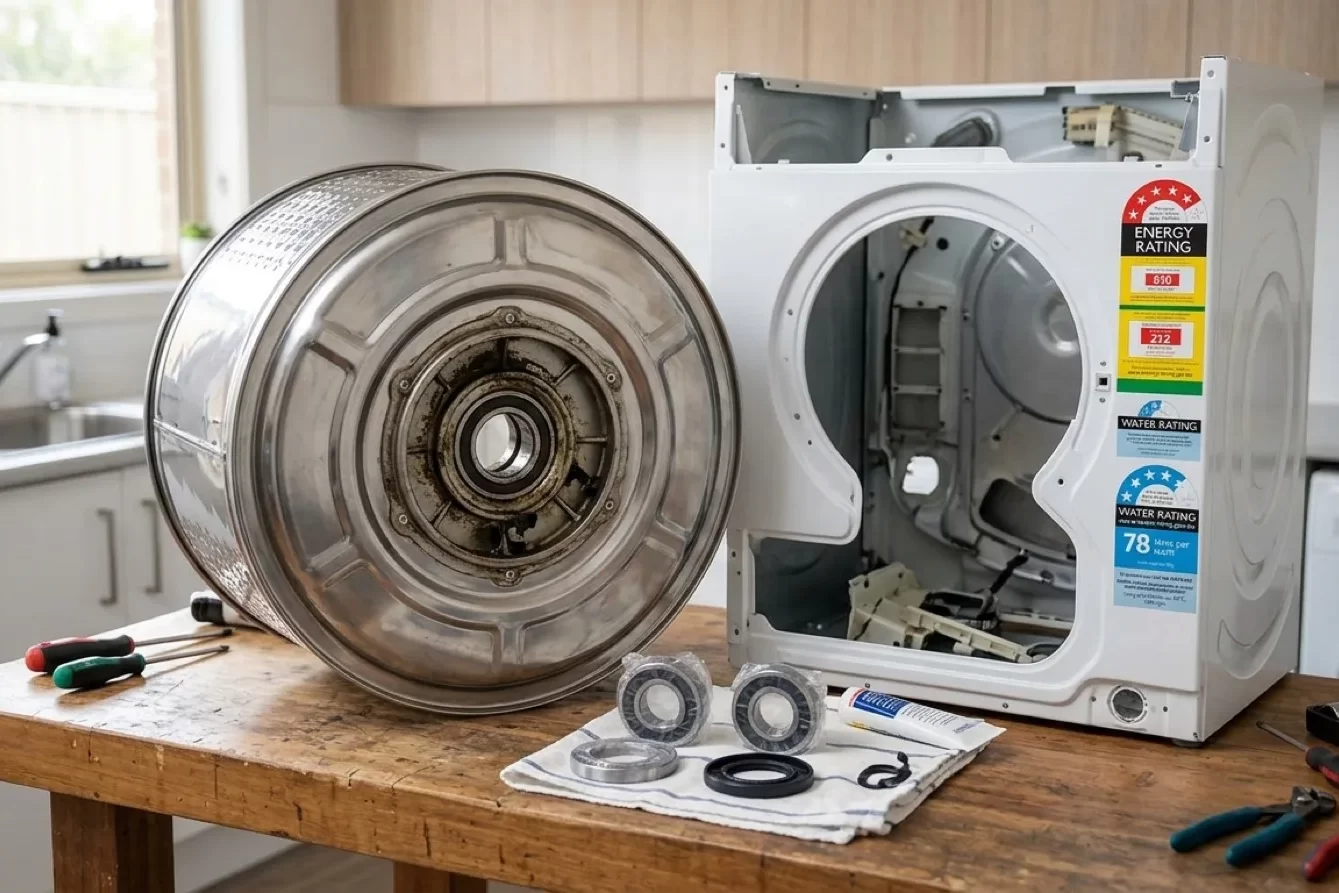
Bearings
What they do: Support the inner drum as it spins at high speed.
Common signs:
- Loud roaring or growling during spin that gets worse over time
- Excess vibration, even after leveling and load balancing
- On some designs, rust-colored residue or dampness near the bearing or seal area
Why it matters: Bearing replacement can be labor-intensive, especially on many front-loaders. In some designs the rear tub assembly cost and labor push this into “replace the machine” territory.
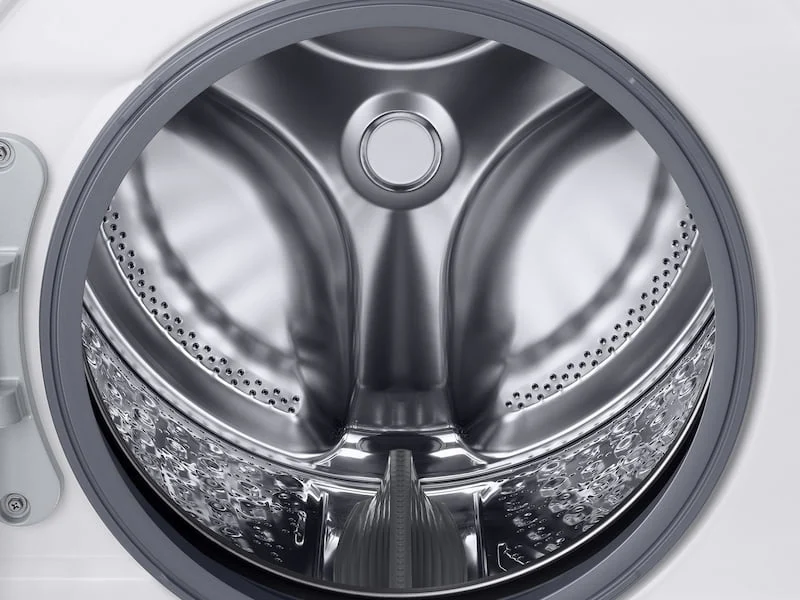
Drum, spider arm, or tub issues
What fails: The inner drum itself, the support structure (often called a spider arm in many front-load designs), or the outer tub.
Common signs:
- Clunking or banging that is not solved by re-leveling or rebalancing loads
- Visible wobble in the drum when you push it by hand (power off)
- Metal flakes or unusual scraping sounds
- Leaks that seem to come from the tub area
Why it matters: These repairs can be costly and parts availability varies. If the outer tub is compromised, replacement is often the realistic option.
Drain pump and drain path
What fails: The pump motor, pump impeller, or the drain path gets blocked.
Common signs:
- Washer will not drain or drains slowly
- Humming sound with little to no draining
- Intermittent spin problems caused by water not fully draining
Why it matters: Pumps are a frequent repair and are often more affordable than bearing or tub work, assuming the machine is otherwise in good shape.
Ballpark reality check: A drain pump repair is often closer to a “manageable bill,” while bearings or major tub work can climb fast because labor is the whole story.
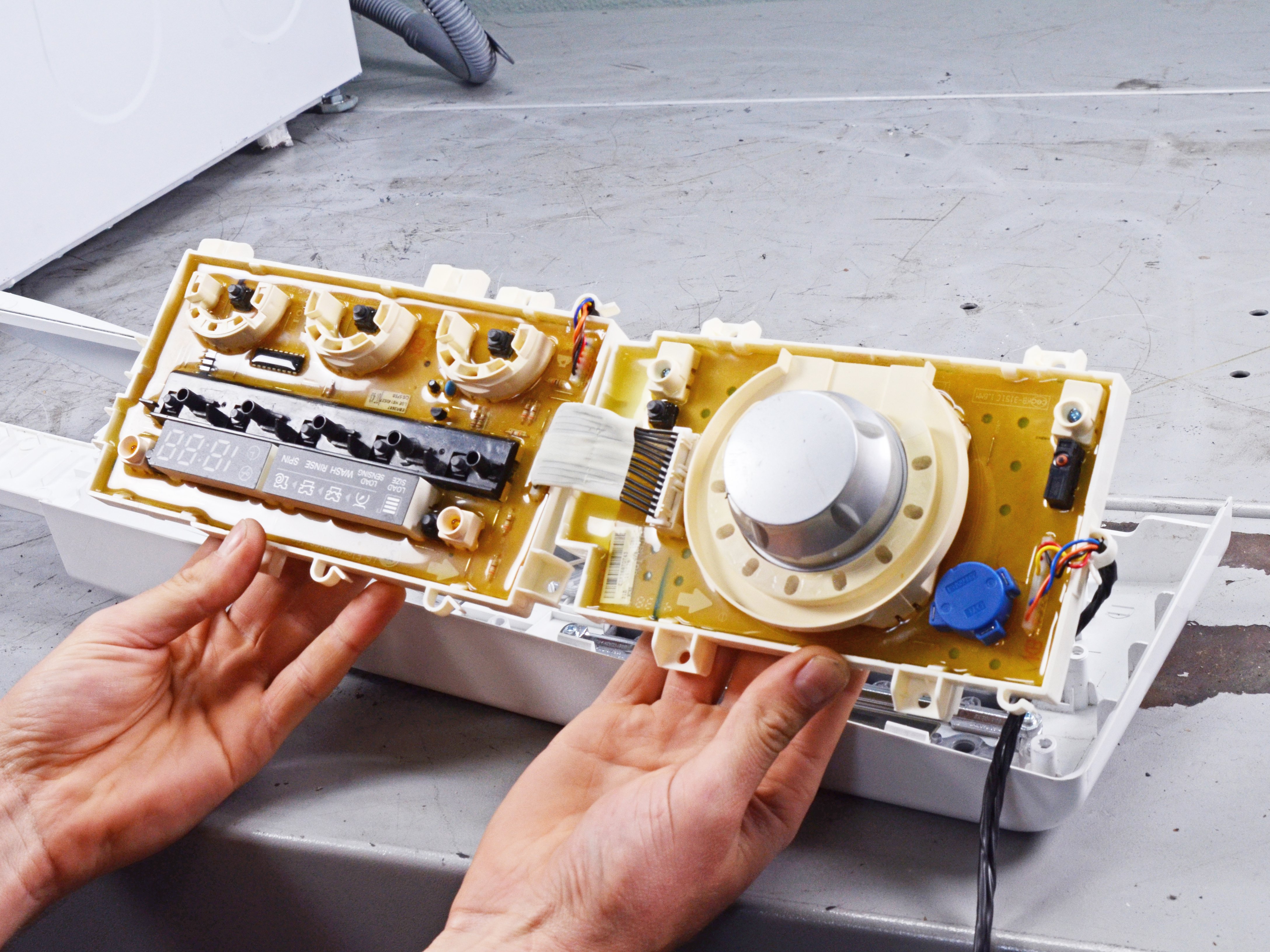
Control board and user interface
What fails: The main electronic control board, display board, or related wiring.
Common signs:
- Random resets, dead panel, or unresponsive buttons
- Cycles stopping mid-wash without a clear cause
- Error codes that persist after basic troubleshooting
Why it matters: Boards can be expensive, and diagnosis can be tricky. If your washer is older and a major board is failing, replacement starts looking more appealing.
How to tell if your washer is near the end
A washer can be “working” and still be on borrowed time. These are the signs that usually show up before a major failure.
- Repeated out-of-balance spinning even with careful loading and leveling
- New, worsening noise during spin, especially a deep roar or grinding
- Leaks you cannot pin down or that return after hose and clamp checks
- Burning smell or electrical odor (stop using it and investigate)
- Rust or corrosion that is spreading, especially around structural areas
- More repairs stacking up within a year or two
Repair vs replace
I like simple math, even if appliances refuse to behave like tidy spreadsheets.
A good rule of thumb
- If the washer is under 5 years old, many repairs make sense unless it is a catastrophic tub failure.
- If it is 5 to 8 years old, repairs can still be worthwhile, especially for pumps, belts, valves, or door lock issues.
- If it is 8 to 12+ years old, be choosy. A major repair can buy time, but it can also be the first domino.
Use the “50 percent” test
If a repair estimate is around 50 percent or more of the cost of a comparable new washer, replacement often wins. Not always, but often.
Also ask two unglamorous questions:
- How many other parts are original? If the machine is old and you are about to invest in a major repair, other components may be nearing the same wear curve.
- What is the failure type? A pump is one thing. Bearings, tub, spider arm, or repeated electronic failures are another.
Do not forget warranty and parts
One more practical decider: is the repair even supportable? Many washers come with a short full warranty (often around a year), with longer coverage on select parts for some models. Even out of warranty, a machine with readily available parts is a very different situation than one where the tech shrugs and says the part is backordered or discontinued.
Ways to extend washing machine life
- Keep loads reasonable: Full but not packed. Clothes should tumble and move.
- Balance bulky loads: Add towels to even out a comforter or blanket.
- Level it once, then recheck: Especially after moving or if it starts vibrating more.
- Measure detergent: Use the minimum that gets the job done.
- Ventilate: Leave the lid or door open between loads when possible.
- Clean the filter and dispensers: A little maintenance prevents the slow, gunky decline.
- Empty pockets: Your drain pump would like to retire without swallowing a screw.
FAQ
Do front-load washers last longer than top-load washers?
Not reliably. Front-load washers can be very durable, but they are more sensitive to moisture and certain wear points like bearings and gasket issues. A well-maintained front-loader can last a long time, but neglect shortens its life quickly.
Is a washing machine still worth fixing at 10 years old?
Sometimes. Smaller repairs like a drain pump, inlet valve, or belt can be worth it if the washer is otherwise stable and not noisy. If the repair involves bearings, tub, or major electronics, replacement is often the better bet at that age.
What usually fails first on a washing machine?
Common early failures include drain pumps, door locks (front-load), lid switches (some top-load), and hoses or seals. Over the long run, bearings and electronic control boards are big-ticket failure points.
Does doing fewer loads help, or just bigger loads?
Fewer loads can help, but only if the loads are not overloaded. A couple of reasonable loads is gentler than one overloaded load that shakes the washer and strains the drive system.
The 30-Second Cheat Sheet
Essential takeaways for: How Long Does a Washing Machine Last?
Typical washer lifespan
- Most washers: many households see about 8 to 14 years (varies with use and maintenance)
- Top-load agitator: often 10 to 15 years
- HE top-load (impeller): often 9 to 14 years
- Front-load HE: often 8 to 12 years
What shortens lifespan fastest
- Chronic overloading and repeated unbalanced bulky loads
- Washer not level, causing vibration and suspension wear
- Too much detergent, especially in HE machines
- Moisture buildup from keeping the door or lid closed all the time
- Hard water scale and residue buildup over time
Most common expensive failures
- Bearings: loud roar or grinding during spin
- Drum or tub issues: wobble, clunking, leaks from the tub area
- Control board: dead panel, resets, cycle stops, persistent errors
Repair vs replace, quick decision
- Under 5 years: repair usually makes sense
- 5 to 8 years: repair can make sense for pumps, valves, belts, locks
- 8 to 12+ years: be picky, avoid big-ticket repairs unless the machine is otherwise excellent
- Rule of thumb: if repair cost is around 50% or more of a comparable new washer, replacement often wins
Do this to make a washer last longer
- Keep loads full but not packed tight
- Balance heavy items with towels
- Level the washer and stop rocking
- Measure detergent, use HE detergent where required
- Ventilate between loads and clean filters and dispensers periodically
💡 Tip: Scroll up to read the full article for detailed, step-by-step instructions.
⬆️ Back to top
About Grit
Content Creator @ Grit & Home
Grit is Grit & Home’s little blue clay courier, delivering big questions about the place you call home. Expect practical ideas, a raised eyebrow, and a satchel full of curiosity.