
🚨 In a DIY emergency or rush?
Skip the details and jump straight to our 30-second cheat sheet for the most crucial info.
Small courier. Big home questions.
If your water heater is quietly doing its job, it is easy to forget it is even there. Until it is not. Then suddenly everyone in the house becomes a hot water historian.
Let’s answer the big one: how long a water heater usually lasts, what makes that timeline shorter or longer, and how to tell whether yours is just grumpy or truly nearing retirement.
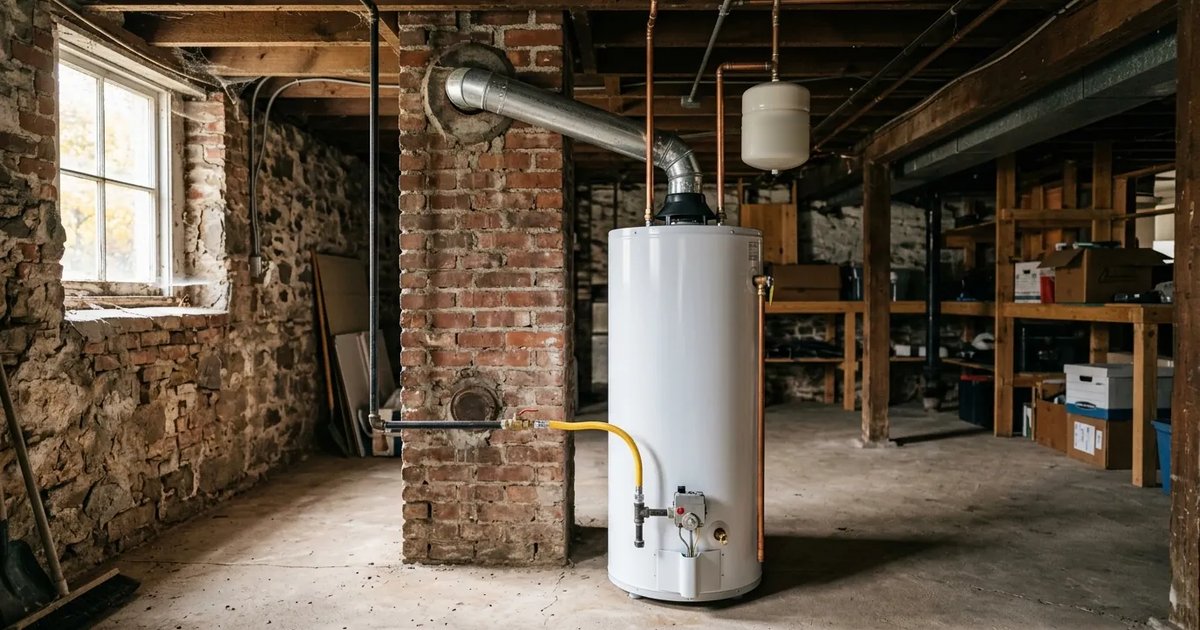
Quick answer: typical water heater lifespan
Water heater lifespan depends mostly on whether you have a storage tank or a tankless unit, plus your water conditions, maintenance, and the specific brand and model.
- Tank (storage) water heater: typically 8 to 12 years. It is common to see 6 to 12 year manufacturer warranties on standard tanks, and some households get 12 to 15+ years with good water quality and anode rod upkeep. Still, the risk of leaks and internal corrosion rises fast after the first decade.
- Tankless water heater: typically 15 to 20 years, sometimes longer with regular descaling and manageable water hardness.
Those are normal, real-world numbers. In hard water with zero maintenance, a heater can age fast. In softer water with routine care, it can outlast the average by a wide margin.
What changes that lifespan
A water heater is basically a metal vessel, a heat source, and a few sacrificial parts trying to keep corrosion and scale from winning. The details below are usually the difference between “made it 6 years” and “still running at 14.”
Tank vs tankless: different enemies
Tank heaters fail mainly from corrosion and leaks as the tank lining breaks down and the steel rusts through. Tankless heaters fail mainly from scale buildup and component wear in the heat exchanger, sensors, and valves.
Fuel type: gas vs electric
Fuel type does not automatically decide lifespan, but it influences what tends to wear out.
- Gas tank heaters can develop burner, venting, or combustion issues. And because the burner is typically at the bottom, sediment issues can show up as baked-on buildup, noise, and overheating at the base.
- Electric tank heaters avoid combustion and venting problems, but heating elements and thermostats can fail. The tank itself still corrodes over time.
In practice, maintenance and water quality are usually bigger factors than gas versus electric.
Water hardness: the silent life-shortener
Hard water leaves behind minerals that turn into scale and sediment.
- In tank heaters, sediment settles at the bottom, reducing efficiency and increasing rumbling and overheating risk.
- In tankless heaters, scale coats the heat exchanger, making the unit work harder and run hotter than it should.
If you have hard water, a softener (where appropriate) and routine flushing or descaling can materially extend equipment life.
Anode rod condition: the sacrificial bodyguard
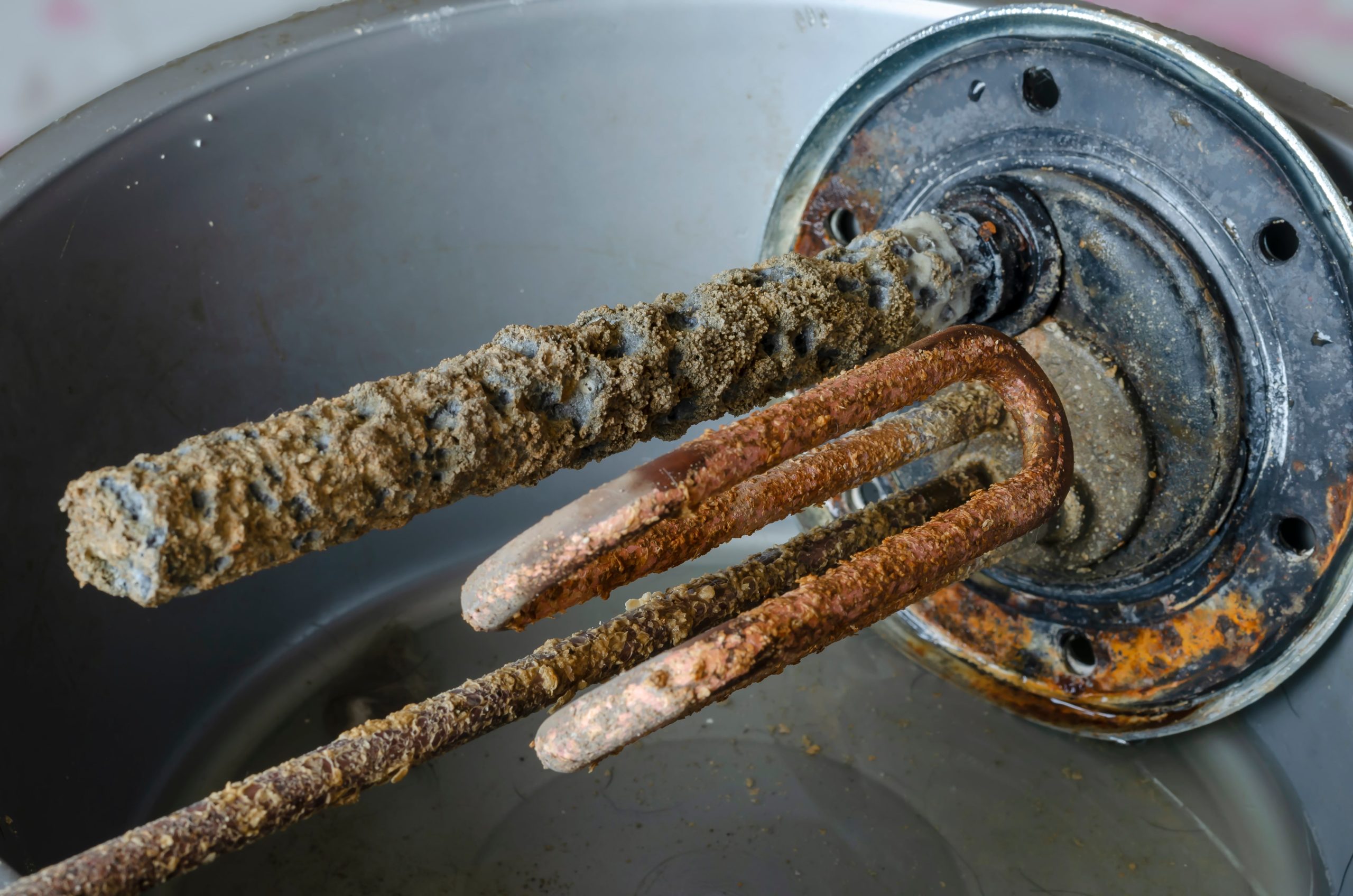
In most tank-style water heaters, the anode rod is designed to corrode instead of your tank. When it is used up, the tank starts paying the price.
- A healthy anode rod can add years to a tank heater’s life.
- A neglected anode rod can mean early tank failure, even if everything else seems fine.
If your tank heater is midlife and you want to keep it longer, the anode rod is one of the highest-impact checkups you can do.
Maintenance that helps a water heater last longer
You do not have to become a full-time water heater caretaker. A couple of small habits make a big difference.
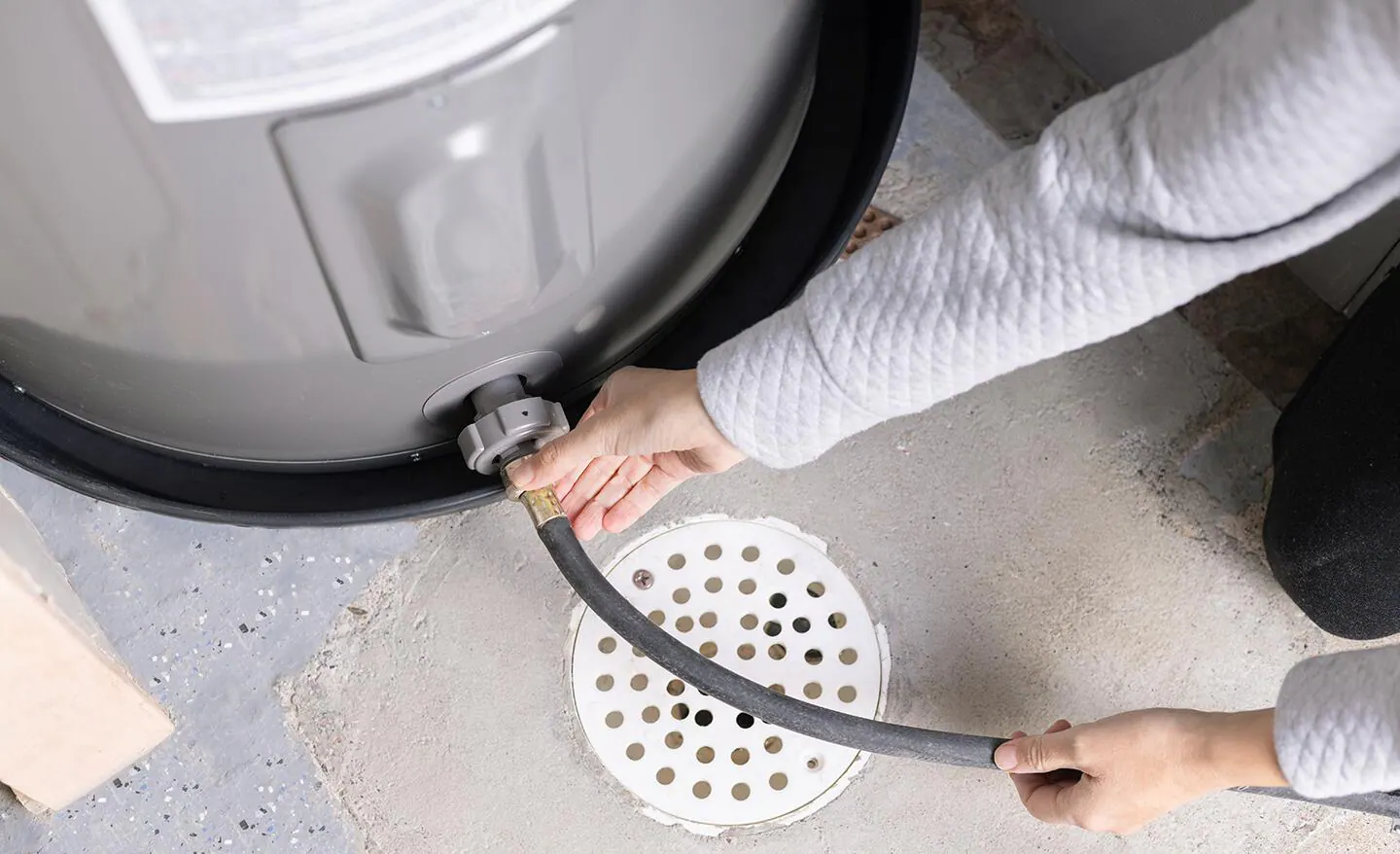
Flush a tank heater
Flushing helps remove mineral buildup that steals efficiency and can overheat the bottom of the tank.
- Typical cadence: about once a year in many homes.
- If you have hard water, you may benefit from more frequent flushing.
High-level, a basic flush usually means shutting off the heat source (electric at the breaker, or set a gas control to the appropriate shutdown setting), hooking a hose to the drain valve, and draining a few gallons until the water runs clearer. Hot water can scald, so let it cool and use care.
Even a partial drain and refill can help if a full flush is not practical.
Check the anode rod
If you are trying to stretch a tank heater’s lifespan, anode rod inspection matters more than most people realize.
- Typical cadence: check around every 2 to 3 years, and more often in hard water or if you notice hot-water odor or discoloration.
- If it is heavily depleted, replacing it can be a relatively inexpensive way to buy more time.
If that job feels like a wrestling match (some rods do), a plumber can usually handle it quickly.
Descale a tankless unit
Tankless heaters are less forgiving of mineral buildup. If your manual recommends periodic descaling, it is worth doing.
- Typical cadence: often every 1 to 2 years, depending on water hardness and usage.
- Also check and clean the inlet screen filter if your model has one, since reduced flow is a common “something feels off” complaint.
- On condensing tankless models, issues with venting or a condensate drain can cause headaches, so those are worth a look during service.
If you are seeing error codes, maintenance is often the first, cheapest swing before you assume the unit is dying.
Other types you might have
Most homes fall into tank or tankless, but there are a couple of common curveballs:
- Heat pump (hybrid) water heaters: these are still tank-style, but they have filters, fans, and often a condensate drain. Keeping the air filter clean and the condensate path clear helps performance and reliability.
- Point-of-use mini tanks: small tanks under a sink can have their own lifespans and failure patterns, especially in hard-water areas.
How to tell how old your water heater is
There are two common ways to estimate age: the installation date on a tag or sticker, and the manufacturer’s serial number.
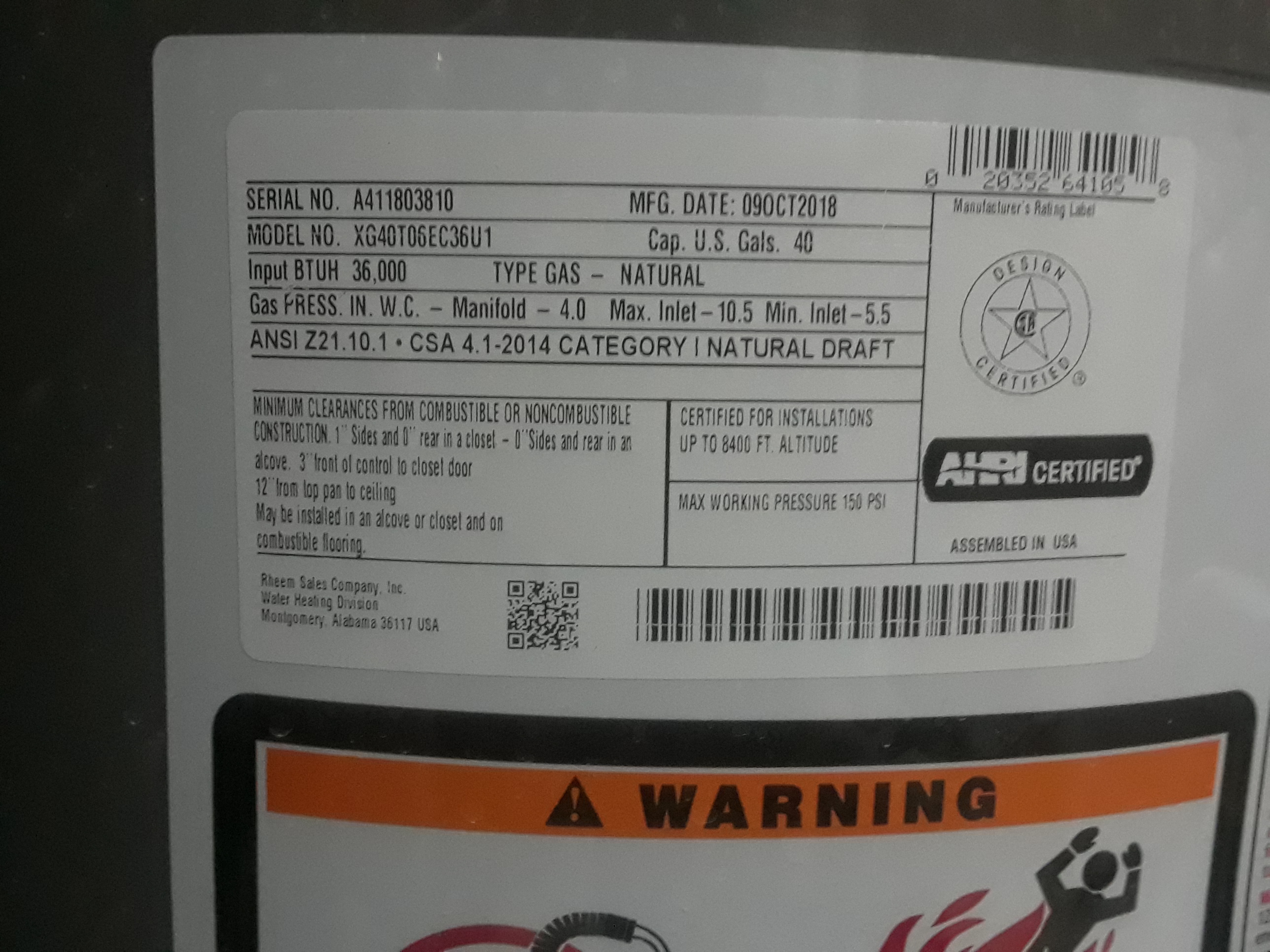
Step 1: Find the data plate
Look for a sticker or metal plate on the side of the tank or inside the cover panel (tankless units often have it on the casing). It usually lists:
- Brand and model
- Serial number
- Sometimes a “manufactured” date
Reading the serial number
Here is the tricky bit: serial number formats vary by brand. There is no single universal code, and “pattern guessing” is a great way to be confidently wrong.
You may encounter serial numbers where the date is embedded near the beginning, including formats like:
- MMYY or YYMM (month and year)
- YYWW (year and production week)
- A letter that represents a month plus numbers for the year (brand-specific)
Best move: once you have the brand and serial number, use the manufacturer’s official serial number guide or support line to confirm the manufacture date. It takes five minutes and saves you from guessing wrong by five years.
Signs a tank water heater is near the end
Some failures come with a polite warning. Others show up as an indoor rainstorm. These are the signals that a tank-style heater is running out of runway.
Rusty or discolored hot water
If only the hot water is rusty, the tank interior may be corroding or the anode rod may be depleted. If both hot and cold are rusty, the issue may be elsewhere in the plumbing.
Rumbling, popping, or banging
That “rocks in a coffee can” sound is often sediment at the bottom of the tank. Water trapped under sediment flashes to steam and makes noise. It is also a sign the heater is working harder than it should.
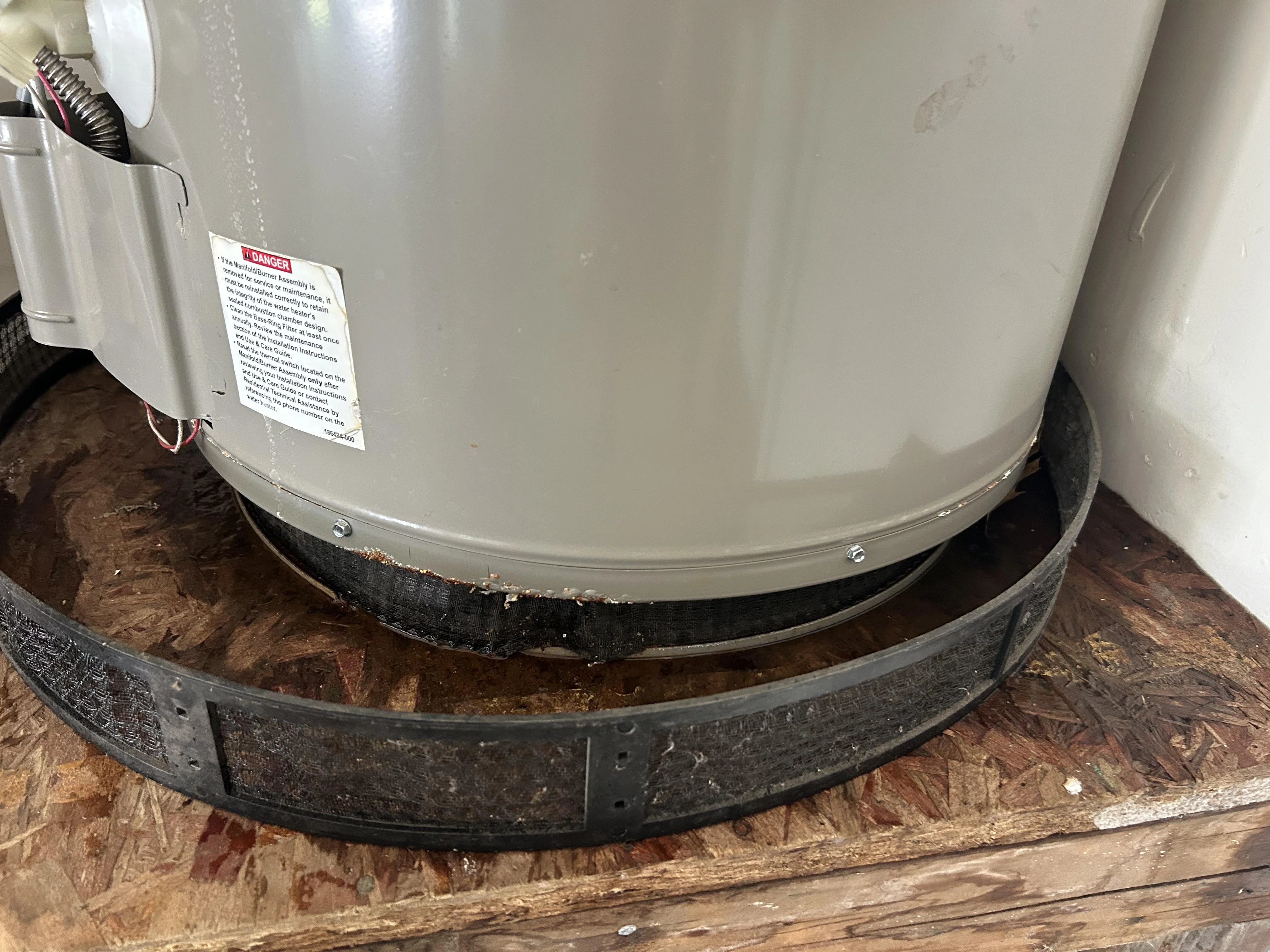
Water around the base or a leak at the bottom
A puddle at the base can come from fittings, the temperature and pressure relief valve discharge line, or condensation, but a leak from the tank itself often means the steel has rusted through. That is usually not repairable.
Signs a tankless water heater is nearing the end
Tankless units tend to fail more like an appliance and less like a rusty barrel.
- Frequent error codes that return after resets
- Water temperature swings, especially during long showers
- Reduced flow due to scale or a clogged inlet filter
- Unusual noises or a louder-than-normal fan or burner operation
- Recurring ignition issues in gas models
Many of these symptoms can also be maintenance-related, especially scale, so a professional service and descaling can sometimes restore performance if the unit is not too far gone.
Replace proactively?
I am not here to tell you to replace a working appliance out of anxiety. But water heaters have one special talent: when a tank fails, it can fail wet.
Consider proactive replacement if:
- Your tank water heater is 10 to 12+ years old and located where a leak would cause expensive damage.
- You are seeing rusty hot water, rumbling, or repeated repairs.
- You have a tankless unit at 15 to 20 years with persistent error codes or costly parts needed.
Upgrade reasons that actually make sense
Sometimes replacement is not about failure. It is about getting a better fit for your home.
- Right-sizing: if you are running out of hot water, it may be a capacity or recovery-rate issue, not a “your heater is broken” issue.
- Efficiency upgrades: switching to a heat pump water heater (where it works for your climate and space) can reduce energy use, and it still gives you a familiar tank setup.
- Leak risk control: if the heater lives over finished space, a planned replacement can be cheaper than gambling on a surprise tank failure.
If your heater is younger and just acting up, troubleshooting and maintenance often make more sense than replacement.
Safety notes
- If you smell gas, leave the area and contact your gas utility or emergency services.
- Do not cap or plug a temperature and pressure relief valve discharge line.
- Before inspecting anything closely, turn off power to electric units at the breaker, and follow shutdown instructions for gas units.
- Watch scald risk. Many homes target around 120°F (49°C), but follow local code and household needs (kids, seniors, and medical considerations can change the “right” setting).
FAQ
Can a water heater last 20 years?
Tankless: yes, 20 years is within the typical range with proper maintenance and manageable water hardness. Tank-style: it is possible, but less common. After 12 to 15 years, a tank heater is living on borrowed time, especially if it has not been maintained.
What is the most common cause of water heater failure?
For tank heaters, it is often internal corrosion leading to a tank leak, usually accelerated by a depleted anode rod and sediment buildup. For tankless units, it is often scale buildup and component wear.
Is rusty water always a sign the water heater is bad?
Not always. If the rust is only on the hot side, the water heater is a prime suspect. If both hot and cold water are rusty, the source may be upstream plumbing or the water supply. Either way, it is a good prompt to investigate soon.
The 30-Second Cheat Sheet
Essential takeaways for: How Long Does a Water Heater Last?
Typical lifespan
- Tank water heater: usually 8 to 12 years (some reach 12 to 15+ with good maintenance).
- Tankless water heater: usually 15 to 20 years with routine descaling and decent water quality.
What shortens lifespan
- Hard water causing sediment in tanks and scale in tankless heat exchangers.
- No maintenance, especially never flushing a tank or descaling a tankless unit.
- Worn-out anode rod in tank heaters, which speeds up tank corrosion.
How to find your heater’s age fast
- Locate the data plate and write down the brand and serial number.
- Serial number date codes vary by brand. You may see patterns like MMYY, YYMM, or YYWW, but do not rely on guessing.
- Use the manufacturer’s official serial number guide or support line to confirm the manufacture date.
End-of-life warning signs (tank style)
- Rusty hot water
- Rumbling or popping from sediment
- Leaks or water at the base (possible tank failure)
When to replace proactively
- Tank heater is 10 to 12+ years, especially if it sits where a leak would cause damage.
- Repeated repairs, rusty water, or ongoing rumbling.
- Tankless is 15 to 20 years with recurring error codes or expensive parts needed.
💡 Tip: Scroll up to read the full article for detailed, step-by-step instructions.
⬆️ Back to top
About Grit
Content Creator @ Grit & Home
Grit is Grit & Home’s little blue clay courier, delivering big questions about the place you call home. Expect practical ideas, a raised eyebrow, and a satchel full of curiosity.