
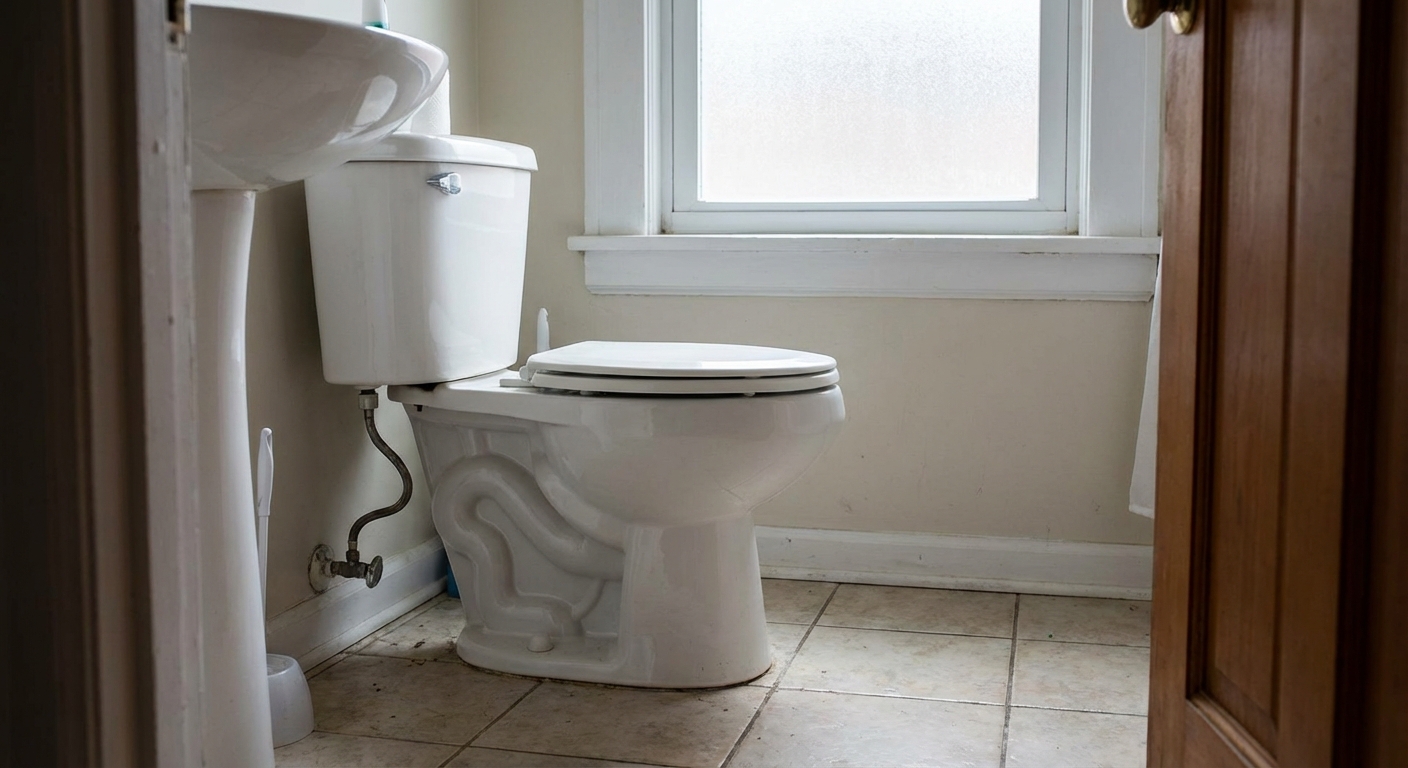
Sewer smell in a bathroom is one of those problems that makes your brain go straight to worst case scenarios. I have been there. The good news is that these odors often come from a short list of issues, and many of them are fixable in under an hour with basic tools.
This guide walks you through a calm, methodical diagnosis, then shows you how to fix each common cause: a dry trap, a failed wax ring, venting problems, a loose toilet base, an AAV that has gone bad, and nasty biofilm hiding in drains and overflows.
Safety first
Most bathroom sewer odors are related to sewer gas getting past a water seal. Still, take any strong odor seriously.
- If the smell is strong and sudden, open windows and run the exhaust fan.
- If anyone has headaches, nausea, or dizziness, leave the area and ventilate. Call a pro if you cannot quickly identify the source.
- If you suspect a gas leak (a rotten egg smell can also be natural gas in many areas), do not try to troubleshoot. Do not use flames or switches. Leave immediately and call your gas utility or local emergency number.
For the typical “sewer-y” odor that comes and goes, the steps below are the right starting point.
Fast diagnosis
I like to work from easiest to most likely.
- Sniff test by fixture. Get close to the sink drain, tub or shower drain, and the toilet base. Keep it brief and do not linger. You are just trying to localize the source.
- Run water in every drain. Turn on the sink for 30 seconds, run the shower for 30 seconds, and flush the toilet once. Wait 5 minutes. If the smell improves, you likely had a dry trap.
- Check for wobble at the toilet. Place your hands on the bowl near the tank and gently rock. Any movement can compromise the seal.
- Look for clues. Water stains at the toilet base, loose caulk, dark gunk in the sink overflow, an AAV under the sink, or a floor drain you forgot existed.
Cause #1: Dry trap
Most plumbing fixtures have a trap (often a P-trap) that holds a small amount of water to block sewer gas. In a rarely used bathroom, or with a guest shower or floor drain, that water can evaporate and let odors in.
How to tell
- The smell is strongest right at a drain opening.
- It’s worse after a long time away from home or in a rarely used bathroom.
- Running water improves the smell quickly.
Fix
- Run water for 30 to 60 seconds in the sink and tub or shower.
- If there is a floor drain, pour in about 2 cups of water.
- To slow evaporation in a rarely used drain, add 1 to 2 tablespoons of mineral oil after the water. Use it sparingly. Skip this if your setup has restrictions on oils (some specialty systems do), and never pour cooking grease into drains.
Difficulty: Very easy
Typical cost: $0 to $5
Marcus note: I once chased a “mystery sewer smell” for two weekends before realizing there was a floor drain under a laundry basket in the corner. Two cups of water fixed it.
If it keeps going dry
If a floor drain trap repeatedly dries out, you may have (or need) a trap primer that automatically adds water. A failed or missing primer is a common reason a floor drain smell keeps coming back.
Cause #2: Biofilm
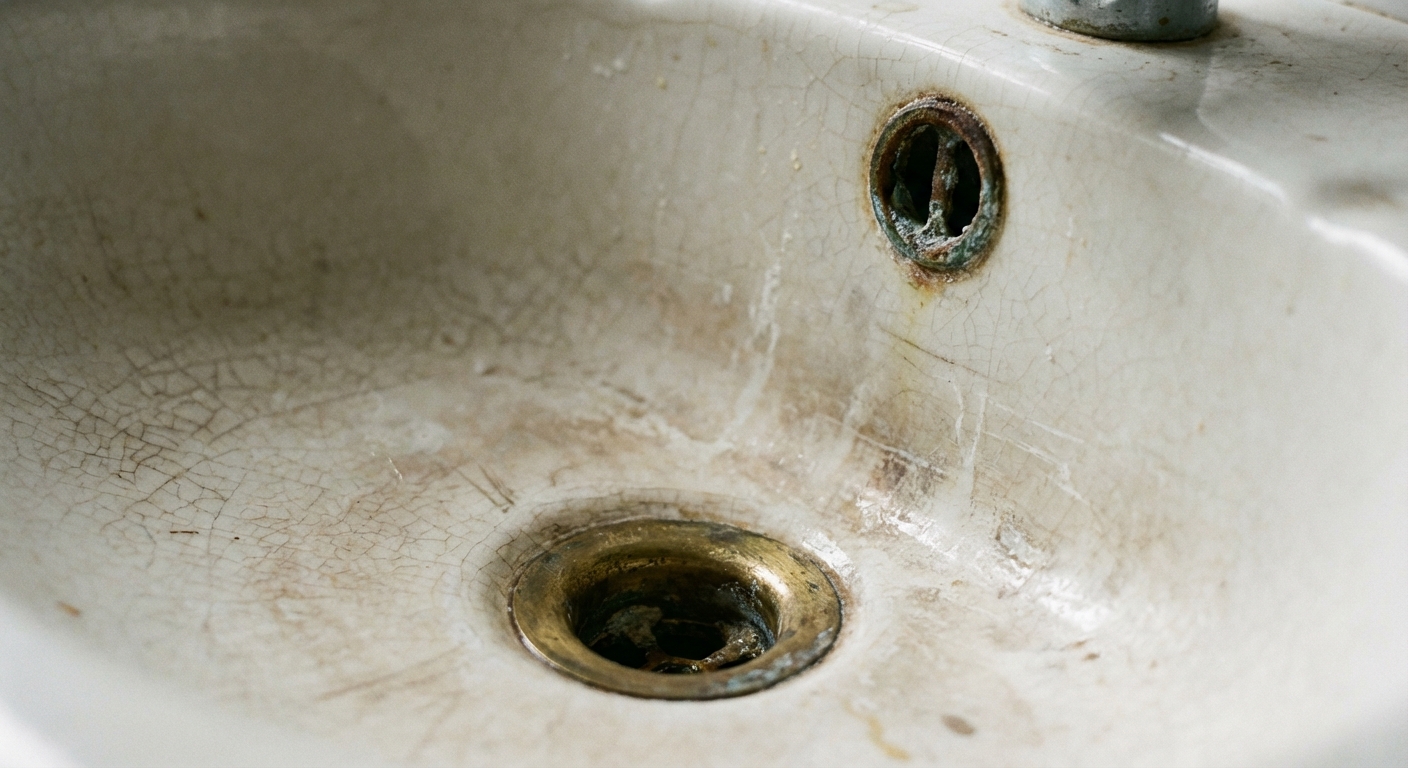
Sometimes what you smell is not straight sewer gas. It is bacteria and gunk, especially in sink overflows and shower drains. That slime layer is called biofilm, and it can smell like sewage even when the trap is full.
How to tell
- The smell is strongest at the sink drain or overflow slot.
- You see black or brown gunk around the drain or in the overflow.
- The odor returns soon after running water.
Fix: sink drain and overflow
- Run very hot tap water for a minute. Avoid boiling water, especially with PVC/ABS plumbing or delicate finishes.
- Remove the stopper if possible.
- Use a small bottle brush or old toothbrush with dish soap to scrub the drain throat and the overflow opening.
- Rinse with hot water.
- If you want a disinfecting step, use an enzyme drain cleaner at night and rinse in the morning. Avoid harsh chemicals if you have older plumbing or a septic system, unless you know they are safe for your setup.
Fix: shower or tub drain
- Pull the drain cover.
- Remove hair and debris with a plastic drain snake or gloved hand.
- Scrub the underside of the cover and the drain opening with soap and hot water.
- Finish with an enzyme cleaner if needed.
Difficulty: Easy
Typical cost: $5 to $20
Cause #3: Bad wax ring
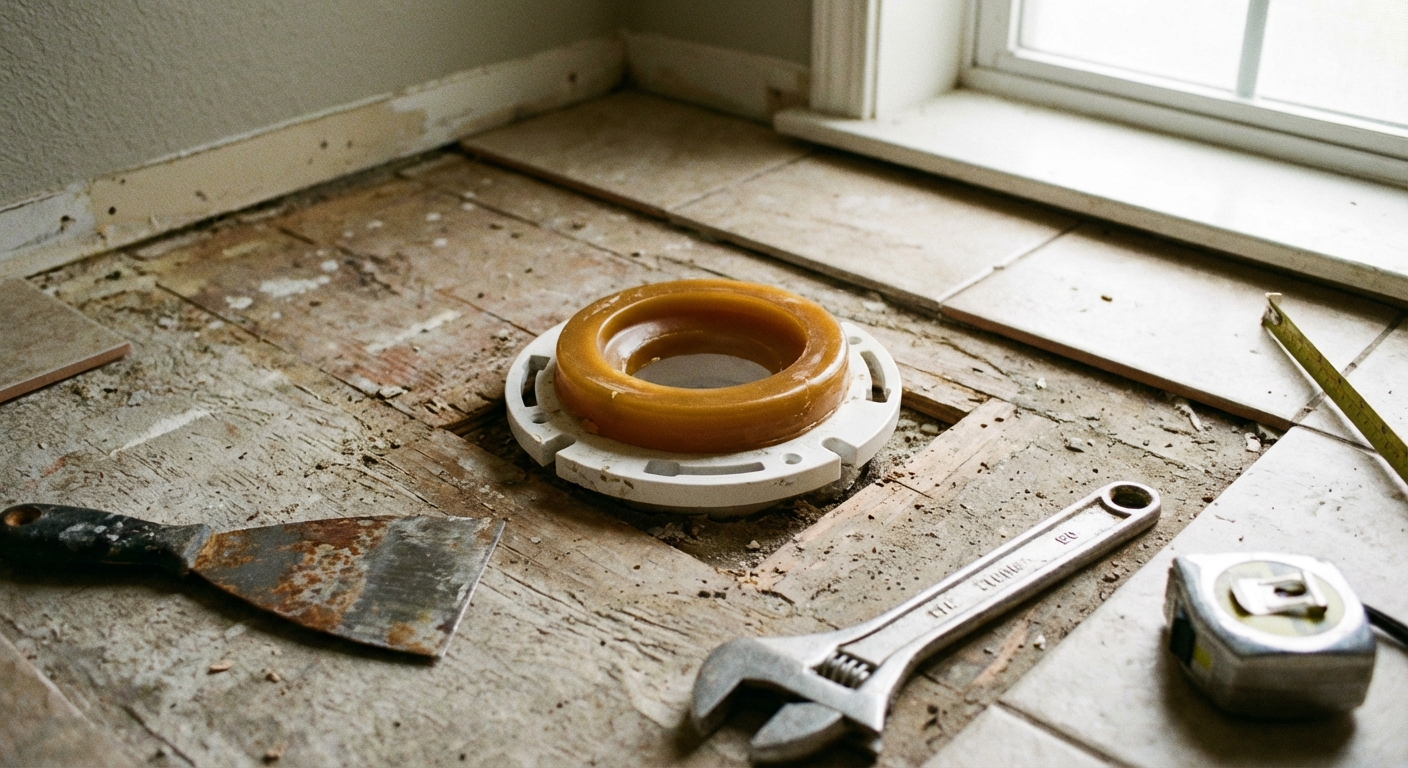
If the smell seems to come from the toilet base, the wax ring is high on the suspect list. The wax ring seals the toilet to the drain pipe. When it fails, sewer gas can leak out, and sometimes a small amount of water will leak too.
How to tell
- Odor is strongest at the toilet base, not the bowl.
- You see moisture, staining, or soft flooring around the toilet.
- The toilet rocks or shifts when you sit or gently push it.
- The smell gets worse after flushing.
Fix overview: replace the seal
This is very doable for a careful DIYer, but it is a commitment job because the toilet has to come off. If your bathroom has an older flange, you may discover extra repairs midstream.
- Shut off water at the stop valve and flush to empty the tank.
- Disconnect the supply line and sponge out remaining water in the tank and bowl.
- Remove caps and nuts on the closet bolts, then lift the toilet straight up.
- Scrape off old wax from the toilet horn and the flange.
- Inspect the flange. If it is cracked, loose, or below the finished floor, plan to repair it or use a flange extender.
- Install a new ring (wax or wax-free seal) and set the toilet straight down without twisting.
- Tighten nuts evenly. Snug is the goal. Over-tightening can crack the base.
- Reconnect water, turn on the valve, and test flushes for leaks.
- Caulk around the front and sides, but leave a small gap at the back so a future leak has a place to show itself.
Difficulty: Moderate
Typical cost: $10 to $40 for a ring, $10 to $30 for new bolts, $20 to $60 for a flange repair ring or extender if needed
When to call a pro: If the subfloor feels soft, the flange is broken below the floor, or you see signs of long-term leakage. Those repairs can snowball fast if you do not have the tools.
Cause #4: Loose toilet
A toilet can be “mostly sealed” but still leak odor if it is rocking. That movement slowly breaks the wax seal and creates tiny gaps for gas to escape. If you find wobble, fix it early. If it has been rocking for a while, jump to Cause #3 and plan on replacing the wax ring too.
How to tell
- The toilet wobbles when you press on the rim.
- The smell comes and goes, often after someone uses the toilet.
Fix
- Pop off the bolt caps and check the nuts.
- Tighten gently, alternating sides.
- If tightening does not stop the wobble, the toilet likely needs shims. Add plastic toilet shims where the base lifts, then trim flush.
Difficulty: Easy to moderate
Typical cost: $3 to $10 for shims, plus wax ring cost if replacement is needed
Cause #5: Venting issues
Your plumbing vents keep drain water flowing smoothly and move sewer gas up and out above the roofline. If a vent is blocked, damaged, or poorly designed, odors can show up in the bathroom. You might also notice slow draining or gurgling.
How to tell
- You hear gurgling from the sink or tub after flushing.
- Traps seem to lose their water seal repeatedly.
- The smell is worse when it is windy outside.
- You recently had roof work, attic work, or a remodel near plumbing walls.
Fix options
- First step: Confirm it is not just a dry trap. Refill traps first.
- Roof vent check: If you are comfortable on a roof, you can sometimes remove obvious debris near the opening. Use caution. For deeper clogs, a plumber’s snake is usually safer than blasting with a garden hose, since water can push blockages deeper or cause an interior overflow.
- Attic inspection: In cold climates, a vent can crack in an unconditioned attic. Look for dark staining, dampness, or obvious separation at fittings.
Difficulty: Moderate to hard (roof and attic access changes everything)
Typical cost: $0 to $30 for a simple DIY clear, $150 to $600+ for a plumber or roofer to diagnose and repair vent piping
Marcus note: If you only do one thing here, listen for gurgling. Gurgling plus sewer smell is a big neon sign pointing at venting.
Cause #6: Bad AAV
Some bathrooms, especially remodels, use an air admittance valve (AAV) under the sink vanity instead of a traditional vent connection. When an AAV fails, it can leak odor or cause poor draining.
How to tell
- You see a small valve on a vertical pipe under the sink (often a capped cylinder).
- The smell is strongest in the vanity cabinet area.
- Gurgling or slow draining shows up along with odors.
Fix
- Confirm the trap is full and there is no leak.
- If the AAV is accessible, replacement is often a simple unscrew and swap job. Match size and type, and keep it installed upright and above the trap arm as required by code.
- If you are not sure it is installed correctly, have a plumber take a look. Venting errors can be subtle.
Difficulty: Easy to moderate
Typical cost: $15 to $50 for the part, more if a plumber has to rework piping
Less common sources
Leak in the wall
A leak can rot wood and grow bacteria that smells awful, and it can get confused with sewer gas. If you notice staining, bubbling paint, or dampness in the vanity cabinet, investigate for leaks.
Difficulty: Varies
Typical cost: $0 to $30 for basic parts if it is a loose slip nut, more if pipes are damaged
Bad cleanout plug seal
Some bathrooms have an accessible cleanout. If the plug is loose or missing its gasket, it can leak odor.
Difficulty: Easy
Typical cost: $2 to $15
Sewer gas or mildew?
Sewer gas usually smells like rotten eggs or a dirty drain and tends to be strongest right at a drain opening or toilet base. Mildew tends to smell musty and spreads more evenly, especially around damp grout, shower curtains, and bath mats. If the smell improves quickly when you refill traps, that points back to plumbing.
Quick reference
- Dry trap: Run water, add a little mineral oil for rarely used drains. Very easy. $0 to $5.
- Biofilm: Scrub drain and overflow, use enzyme cleaner. Easy. $5 to $20.
- Loose toilet: Tighten bolts, add shims, likely replace wax ring if it has rocked. Easy to moderate. $3 to $50.
- Bad wax ring: Pull toilet and replace seal, inspect flange. Moderate. $10 to $130 typical DIY range depending on flange condition.
- Vent issue: Clear blockage or repair vent piping. Moderate to hard. $0 to $600+.
- Bad AAV: Replace valve if present. Easy to moderate. $15 to $50.
Keep it from coming back
- Run water weekly in guest sinks, tubs, and floor drains.
- Clean overflows quarterly. They are a hidden stink factory.
- Fix toilet wobble early. A $5 shim beats a rotten subfloor.
- Use the bath fan during and after showers to reduce moisture and funky buildup.
When to call a plumber
DIY is great, but sewer gas can signal deeper issues. Call a pro if:
- The smell persists after you refill traps and clean drains.
- You see water damage around the toilet or soft flooring.
- You suspect a broken flange, cracked drain line, or damaged vent in a wall.
- Multiple fixtures smell at once, especially with gurgling or slow drains.
A good plumber can do a smoke test or targeted inspection and save you from guessing.

About Marcus Vance
Content Creator @ Grit & Home
Marcus Vance is a lifelong DIY enthusiast and self-taught home renovator who has spent the last decade transforming a dilapidated 1970s ranch into his family's dream home. He specializes in budget-friendly carpentry, room-by-room renovations, and demystifying power tools for beginners. Through his writing, Marcus shares practical tutorials and hard-learned lessons to help homeowners tackle their own projects with confidence.