
🚨 In a DIY emergency or rush?
Skip the details and jump straight to our 30-second cheat sheet for the most crucial info.
Aphids on houseplants feel unfair. You are doing the responsible indoor-plant-parent thing, and suddenly you have tiny pear-shaped freeloaders clustered on fresh growth like they pay rent.
The good news: indoors, you can usually beat aphids with a simple IPM routine. That means you stack a few low-drama tactics together: isolate, physically remove as many as possible, treat with a gentle spray, then repeat on a schedule until the life cycle is broken.
This is different from outdoor aphids on roses , where rain, sun, beneficial insects, and larger infestations change the game. Indoors, your biggest advantages are control and consistency.
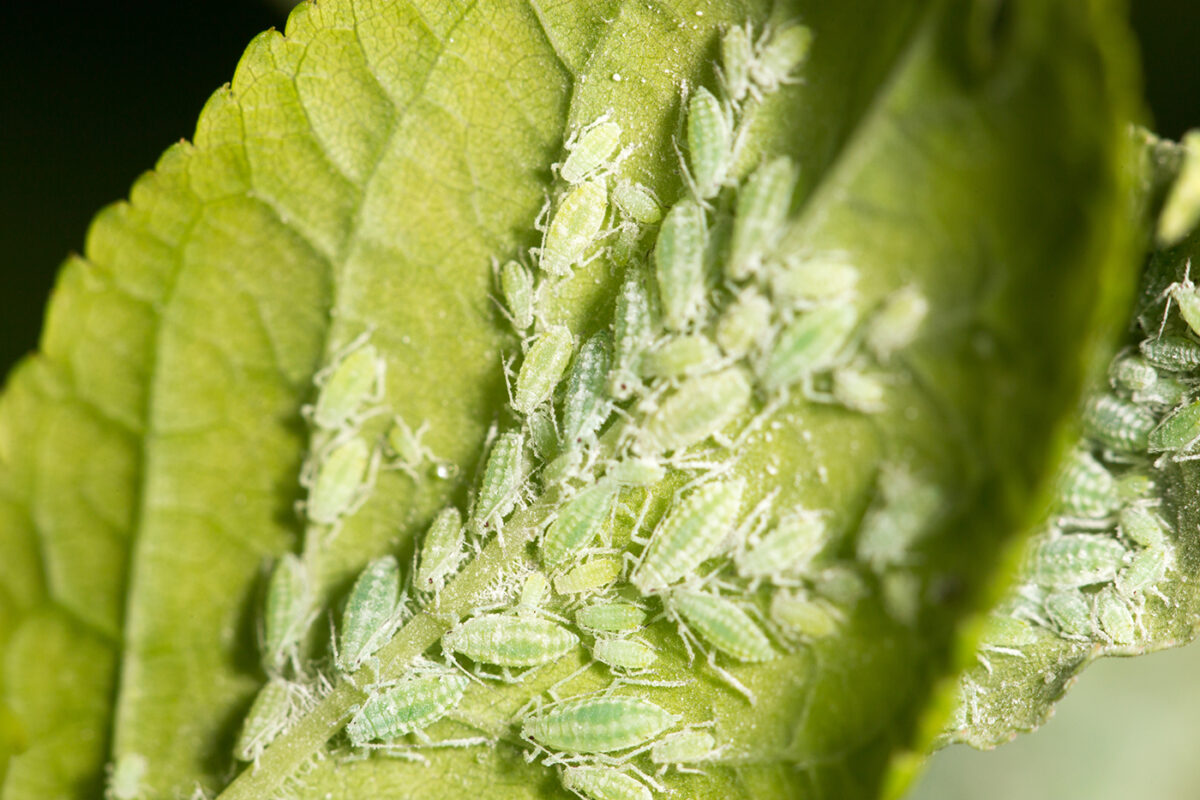
Quick ID: Is It Aphids?
Aphids are soft-bodied, slow-moving sap suckers. On houseplants they often show up on:
- New leaves and growing tips
- Flower buds
- Leaf undersides
- Soft stems
Common signs:
- Clusters of tiny insects that are green, black, tan, or pinkish
- Sticky residue (honeydew) on leaves or the table below the plant
- Curled or puckered new growth
- Ants indoors visiting the plant (they love honeydew)
Look-alikes:
- Mealybugs look cottony and fuzzy
- Scale looks like hard bumps that do not move much
- Spider mites are tiny with fine webbing and stippled leaves
If you can see little pear-shaped bodies and they are grouping up on new growth, you are almost certainly dealing with aphids.
Before You Treat: Patch Test
Some houseplants are drama queens about sprays (especially ferns, succulents, and fuzzy-leaved plants like African violets). Whatever you use, do a quick patch test first:
- Spray a small area (a couple leaves).
- Wait 24 hours.
- If you see spotting, burn, or droop, rinse with clean water and switch tactics.
And yes, always follow the product label. If your label says a different dilution or interval than a blog does, the label wins.
Step 1: Isolate the Plant
Aphids spread by crawling, and winged adults can move plant-to-plant. They can also be moved on hands or tools while you are handling plants. Before you spray anything, move the plant away from your other houseplants .
My isolation setup
- A bathtub or shower for rinsing
- A bright spot away from other plants for a week or two
- A tray or towel under the pot to catch drips
Pro tip: Inspect the two plants closest to the infested one. Even if you do not see aphids, treat them like suspects and keep an eye on new growth.
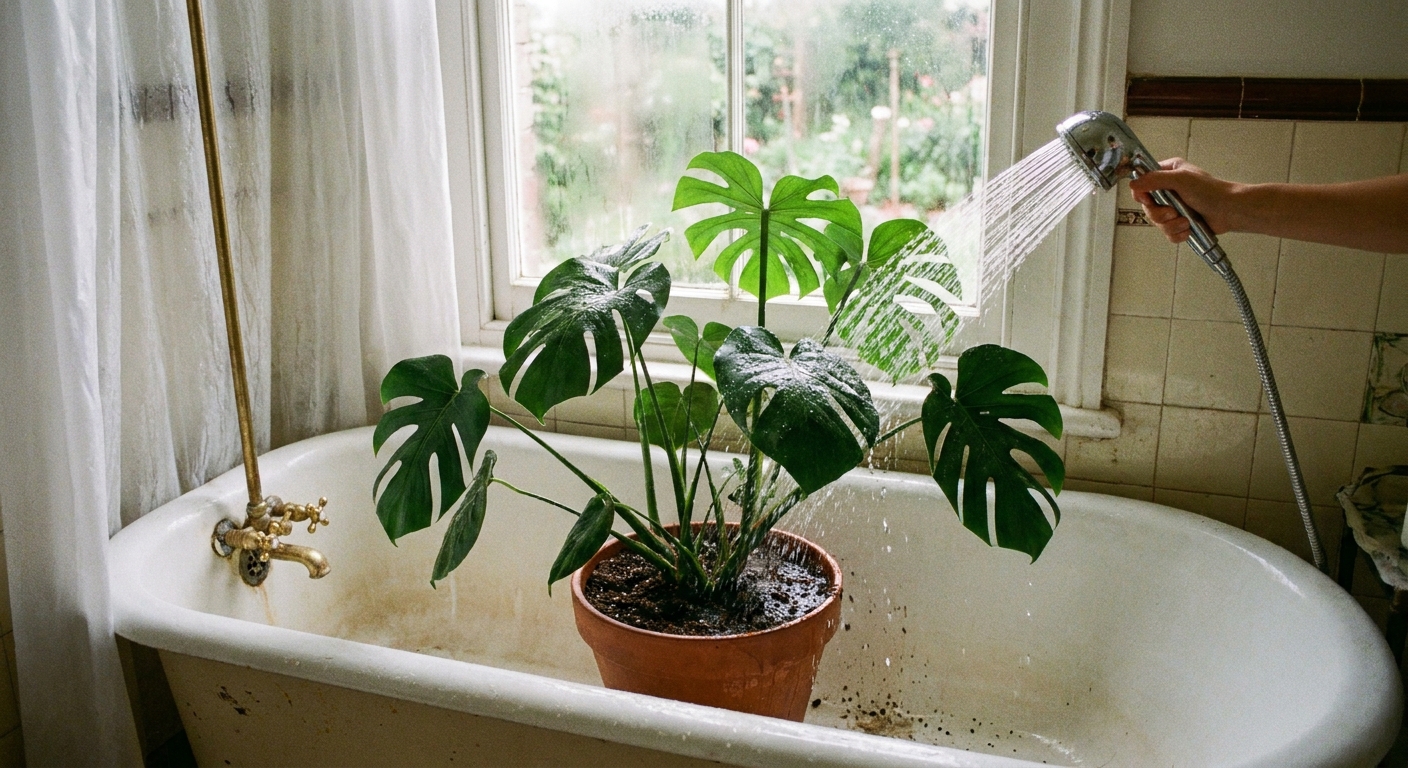
Step 2: Knock Them Off With Water
If aphids are the problem, water is the first tool I reach for because it is fast, safe, and weirdly effective.
How to rinse aphids off safely
- Cover the soil with plastic wrap or a grocery bag if you do not want the pot to get waterlogged.
- Use lukewarm water. Hot water can scorch, cold can stress tender leaves.
- Rinse from multiple angles, especially the undersides of leaves and the growing tips.
- Use gentle pressure. You want to dislodge aphids, not snap stems.
If your plant is too big for a sink, a handheld shower wand works great. If it is small, you can dunk the foliage in a bucket of water for 10 to 20 seconds and swish gently.
After rinsing: let it drip dry in the tub for a bit so you are not leaving sticky honeydew all over your floor.
Step 3: Wipe and Prune
Rinsing gets a lot, but not all. Next, go after the heavy clusters.
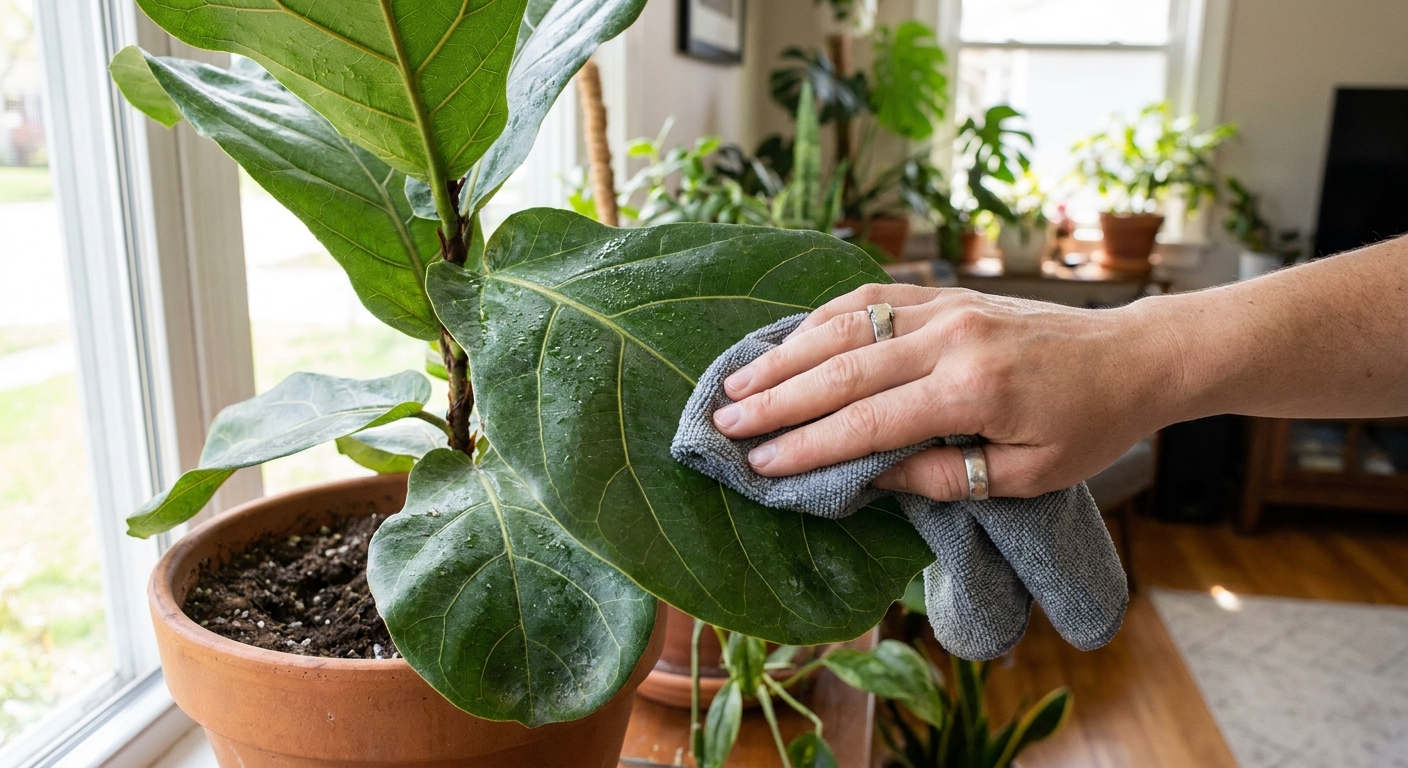
Wipe down leaves and stems
- Use a soft cloth or cotton pads.
- Wipe the undersides of leaves and along stems.
- If the leaves are delicate (think ferns), skip aggressive wiping and lean more on rinsing and spraying.
Prune heavily infested tips
If aphids are packed onto a growing tip or flower bud, sometimes the most budget-friendly move is also the most satisfying: snip it off.
- Use clean scissors or pruners.
- Drop clippings straight into a sealed bag.
- Do not compost those clippings indoors.
This feels harsh, but it removes hundreds of pests and their babies in one cut, and your plant will usually branch back with healthier growth.
Step 4: Pick a Safe Indoor Spray
After you physically remove as many aphids as possible, you are ready for the treatment that finishes the job. Indoors, I prefer products that are effective on soft-bodied insects and reasonably gentle on people, pets, and tender foliage when used correctly.
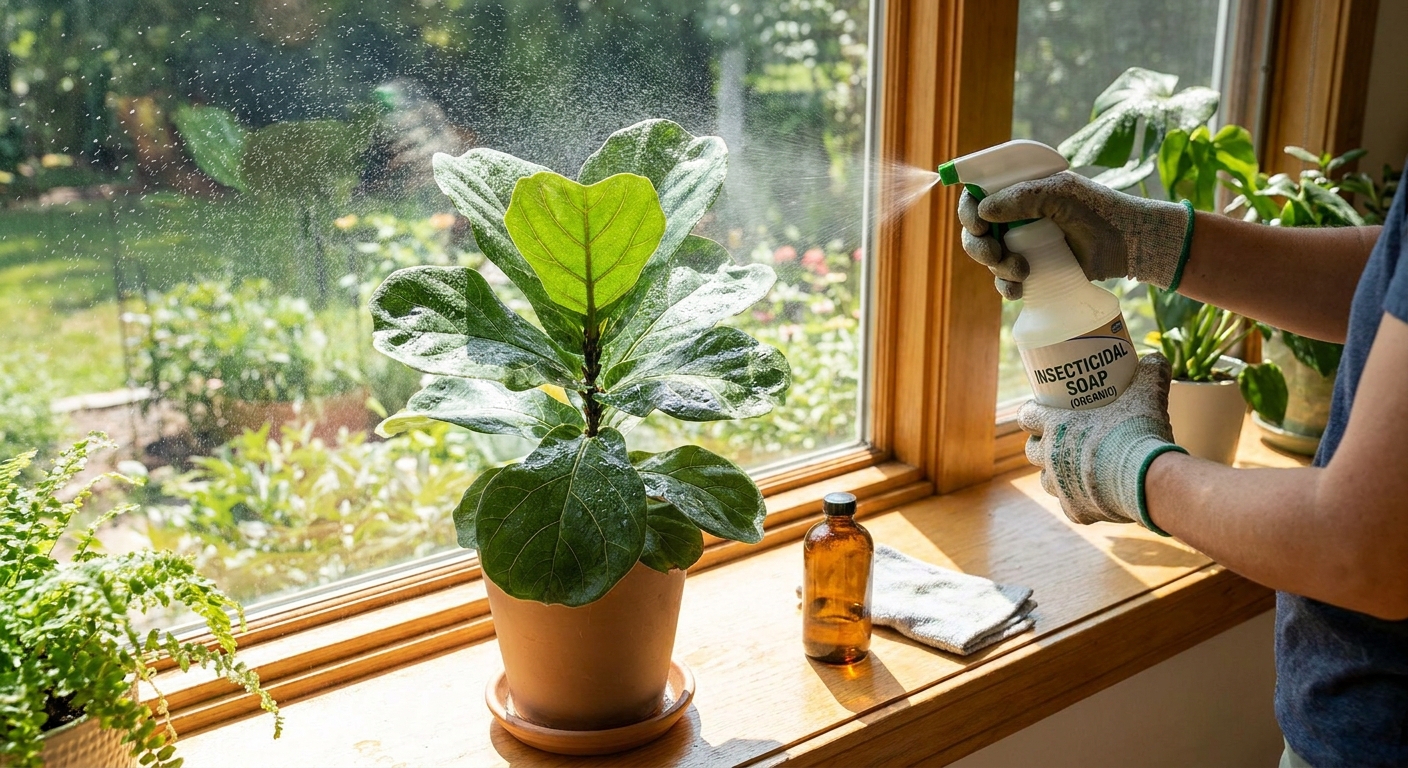
Option A: Insecticidal soap
Insecticidal soap works by breaking down the aphids’ outer coating. It must contact the pest to work.
- Buy a ready-to-use insecticidal soap, or mix according to the label of a concentrate.
- Spray until the plant is evenly wet, including leaf undersides and stems.
- Keep it out of direct sun until dry to reduce leaf spotting.
Important: Do not assume dish soap is the same thing. Some dish soaps are too harsh for plants.
Option B: Neem oil or horticultural oil
Oils can work well on aphids and can help with other soft-bodied pests. The tradeoff is that some plants react badly, especially thin-leaved or fuzzy-leaved varieties.
- Use a product labeled for houseplants and follow the label exactly (including how often to reapply).
- Apply in the evening or away from strong light.
- Do not mix soap and oil unless the label specifically allows it. Using them too close together can increase leaf burn on some plants.
Option C: 70% isopropyl alcohol (spot tool)
For small outbreaks, you can dab aphids with a cotton swab lightly moistened with 70% isopropyl alcohol. I use this as a detail tool, not the main strategy.
- Do not soak the plant or do repeated whole-plant alcohol treatments.
- Test a small spot first.
- Keep it off very tender new leaves if you are unsure.
Step 5: Repeat on a Schedule
Aphids reproduce fast. Many species can produce live young without mating for long stretches of the year, which is basically the pest version of cheating. If you spray once and call it done, you often get a comeback a week later.
A simple repeat plan
- Day 1: Isolate, rinse, wipe, spray.
- Day 4 to 5: Inspect and re-spray.
- Day 8 to 10: Inspect and re-spray again.
- Day 14: Final inspection and touch-up if needed.
Use this as a template, and always follow your product label if it specifies different intervals.
My rule: Do not move the plant back with the others until it has gone at least 7 days with no signs of aphids on new growth.
Clean Up and Tool Hygiene
Aphids leave honeydew behind, and honeydew is basically a sticky welcome mat for ants and sooty mold. A quick cleanup also helps prevent accidental spread while you are treating.
- Wipe down the pot, saucer, and nearby surfaces (windowsill, shelf).
- Rinse sticky leaves with clean water after treatments dry, if needed.
- Wash hands after handling the plant.
- Wipe pruners with alcohol or soap and water before you use them on other plants.
Indoor Safety and Plant Safety
Because you live with these plants, the “safest” plan is the one you will actually follow without filling your living room with chemical fog.
Ventilation matters
- Spray in a tub, shower, balcony, or garage when possible.
- Crack a window and run a fan if you are spraying indoors.
Avoid leaf burn
- Avoid spraying in direct sun or under a hot grow light.
- Stick to one product per treatment window, and respect label intervals.
- If you see spotting or droop after treatment, rinse the plant with clean water and switch tactics.
Do not overwater after a rinse
If you drenched the soil during rinsing, let the pot drain completely. Aphids are bad, but root rot is the kind of problem that lingers.
Beneficial Insects Indoors
Outside, ladybugs and lacewings can be great allies. Indoors, releasing beneficial insects is possible, but it is not my first recommendation for most homeowners because:
- They can fly around your home.
- They need the right conditions and steady prey.
- It is easy to under- or over-shoot the problem.
If you keep a dedicated indoor grow tent or greenhouse cabinet, beneficial insects can make more sense. For a windowsill pothos or a living room hibiscus, physical removal plus soap is usually simpler and cheaper.
Prevention
Aphids most commonly arrive through a few familiar doors: a new plant, a summer vacation outdoors, cut flowers, or a winged visitor through an open window. They also love stressed plants with lots of soft new growth.
Quarantine new plants
This is the biggest prevention move, and it costs nothing.
- Keep new plants separate for 10 to 14 days .
- Inspect leaf undersides and new growth every few days.
- Rinse and wipe once during quarantine even if you do not see pests.
Inspect weekly where aphids hide
- Growing tips
- Undersides of the newest leaves
- Flower buds
- Leaf joints where stems meet
Go easy on high-nitrogen fertilizer
Fast, soft growth is basically an aphid buffet. Fertilize according to the plant’s season and needs, not your enthusiasm.
Keep leaves clean
A quick monthly wipe down helps you spot pests early and keeps honeydew from turning into a sticky mess that attracts ants and sooty mold.
When to Escalate
I am a big fan of saving things, but I am also realistic. Consider escalation if:
- You have repeated outbreaks after two full treatment cycles
- The plant is severely stressed or dropping leaves fast
- Aphids are spreading to multiple plants despite isolation
Escalation options include a stronger ready-to-use houseplant insecticide labeled for aphids. In some cases, a systemic insecticide is suggested for recurring infestations, but it comes with real tradeoffs. It must be used exactly per label, and it matters a lot if the plant might go outdoors later (pollinator risk). If you go this route, read the label twice and use it only where it is legal and appropriate.
And in extreme cases, taking cuttings, discarding the infested parent plant, and starting fresh is not failure. Sometimes the most thrifty move is protecting the rest of your collection.
FAQ
Do aphids live in potting soil?
Most aphids hang out on stems and leaves. If you see tiny insects in soil, you may be dealing with fungus gnats or springtails . That said, aphids can drop off into the pot and crawl back up, which is why isolation and repeat sprays matter.
One exception: root aphids (a different pest problem) can live in potting mix. If your plant is declining and you see aphid-like insects in the drainage holes or in the media, look up root aphid specific treatment (often involving removing the plant from the pot and replacing the mix, plus targeted products).
Will soapy water kill aphids?
Soap solutions can kill aphids by contact, but plant sensitivity varies a lot. A labeled insecticidal soap is the safer bet for houseplants. If you use a DIY mix, keep it mild, patch test first, and avoid mixing it with oils.
How long does it take to get rid of aphids on houseplants?
Small infestations can turn around in a week, but most take 10 to 14 days because you need repeat treatments to catch stragglers and new hatchlings.
The 30-Second Cheat Sheet
Essential takeaways for: How to Get Rid of Aphids on Houseplants
What to do right now (fast, indoor-safe plan)
- Isolate the plant away from all other houseplants.
- Rinse it hard with lukewarm water, especially undersides of leaves and growing tips.
- Wipe clusters with a damp cloth or cotton pads, and prune badly infested tips into a sealed bag.
- Spray insecticidal soap (preferred) or a houseplant-labeled neem/horticultural oil. Soak the hiding spots.
- Repeat every 4 to 5 days for 2 weeks (Day 1, Day 4 to 5, Day 8 to 10, Day 14), or follow the label if it says otherwise.
Rules that prevent a comeback
- Contact is everything: soaps and oils must hit the aphids to work.
- No direct sun until dry after spraying to reduce leaf burn.
- Do not stop after one spray. Most failures come from skipping repeats.
- Do not stack products: avoid using soap and oils back-to-back unless the label says it is okay. Give your plant time between treatments.
- Quarantine new plants 10 to 14 days before they join your collection.
Best tools to keep on hand
- Insecticidal soap spray
- Soft cloth or cotton pads
- Small pruners or scissors
- Trash bag for infested clippings
- Paper towels and a mild cleaner for honeydew cleanup
💡 Tip: Scroll up to read the full article for detailed, step-by-step instructions.
⬆️ Back to top
About Marcus Vance
Content Creator @ Grit & Home
Marcus Vance is a lifelong DIY enthusiast and self-taught home renovator who has spent the last decade transforming a dilapidated 1970s ranch into his family's dream home. He specializes in budget-friendly carpentry, room-by-room renovations, and demystifying power tools for beginners. Through his writing, Marcus shares practical tutorials and hard-learned lessons to help homeowners tackle their own projects with confidence.