
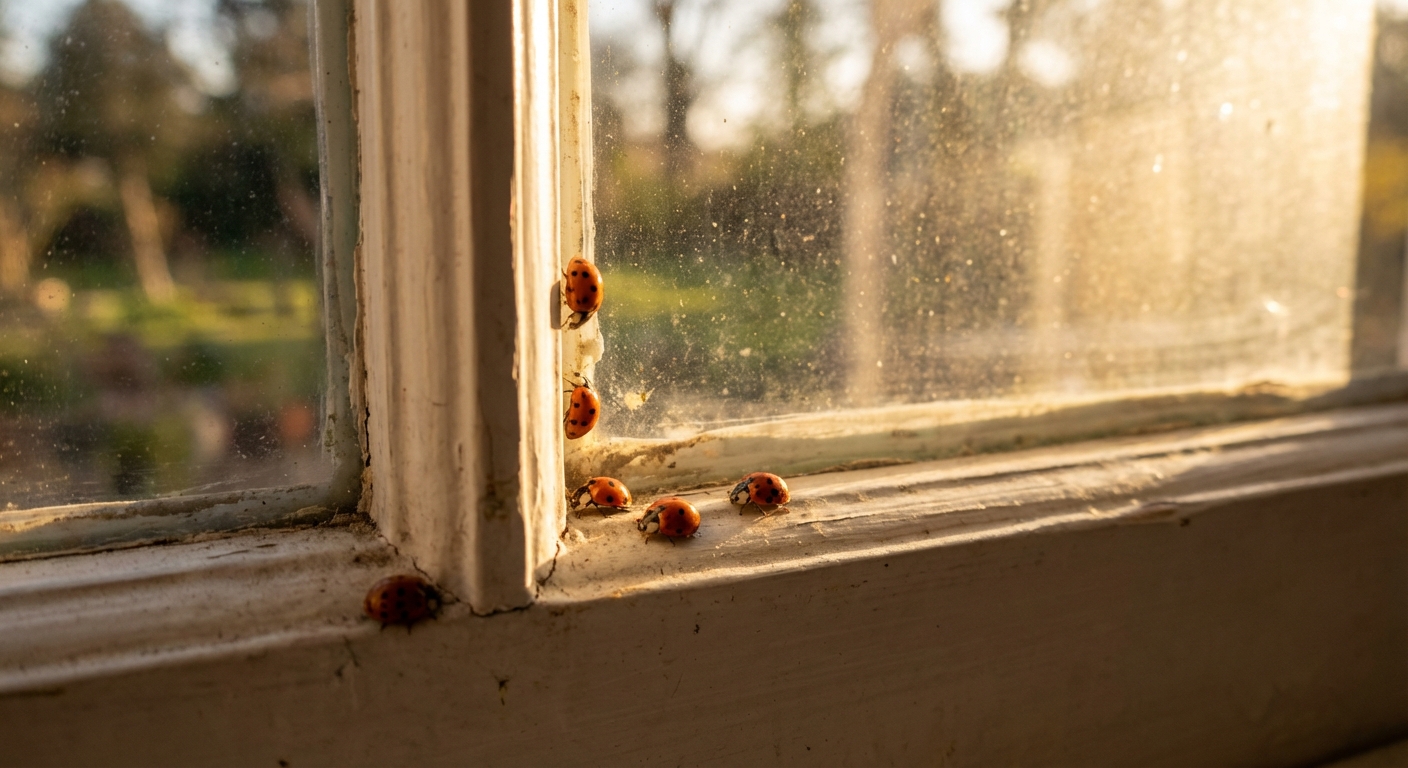
If you have a handful of orange "ladybugs" showing up on your sunny windows every fall, you are not alone. In my first year in our 1970s ranch, I thought they were cute and harmless. Then a warm afternoon hit in October and suddenly there were dozens on the living room windows, and a few left yellow stains where they got squished. That was my introduction to the Asian lady beetle.
The good news: you can get them under control without fogging your house with chemicals. The best approach is a simple one-two punch. First, remove the ones that made it inside. Second, seal and treat the outside so next season is a non-event.
Asian lady beetle vs. ladybug
Asian lady beetles (Harmonia axyridis) are ladybugs, also called ladybird beetles. Outdoors, they can be helpful because they eat aphids. Indoors, they are the ones famous for showing up in big clusters to overwinter, plus the occasional bite and those annoying yellow stains.
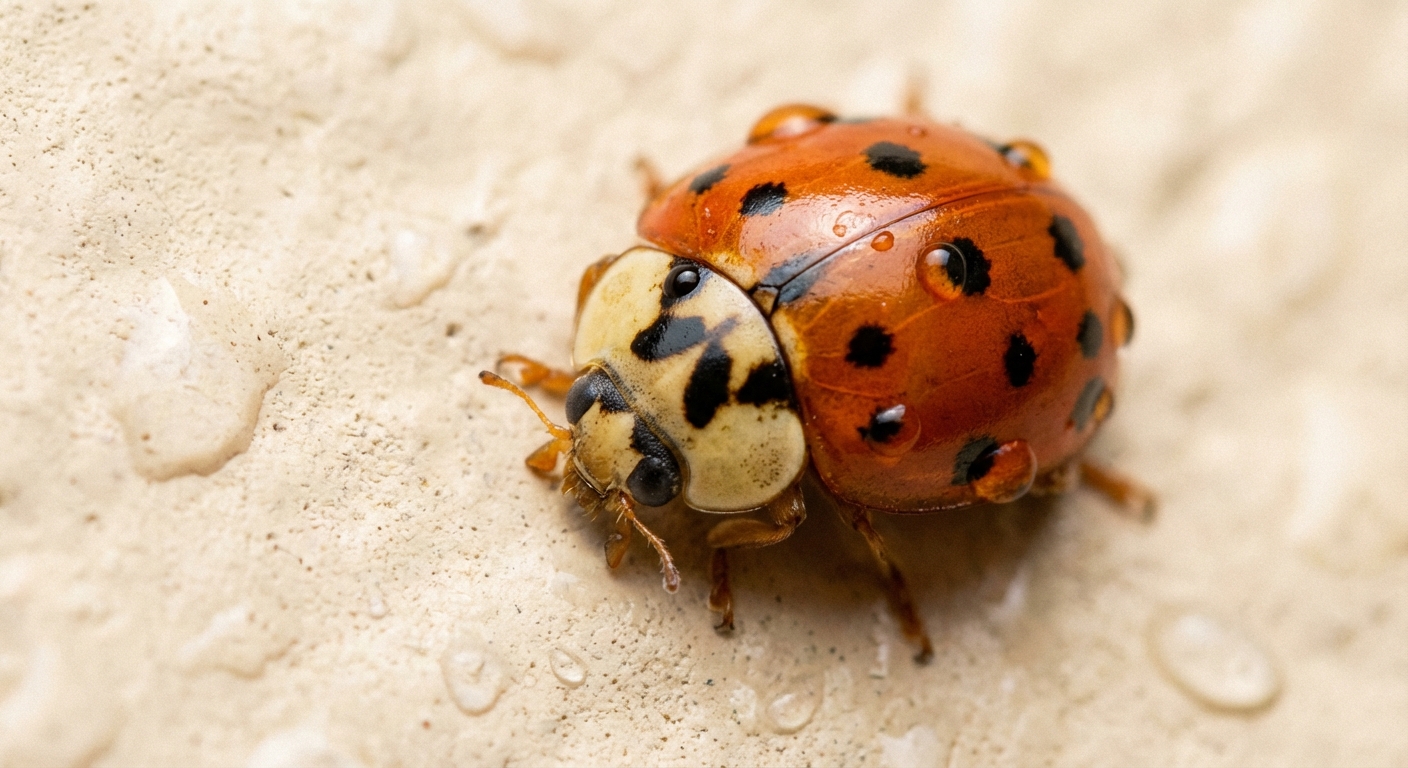
Quick ID checklist
- Color varies a lot: yellow-orange to deep red. Spots can be many, few, or even none.
- Look for the "M" (but do not rely on it alone): behind the head (on the pale area called the pronotum), many have a black M or W shaped marking, but some do not show it clearly.
- More domed, about 1/4 inch: often a bit larger and more rounded than many native ladybugs.
- They cluster indoors: especially around windows, sliding doors, and sunny walls in fall and on warm winter days.
- They can bite: not dangerous, but they may pinch skin when handled.
- They can stink and stain: when stressed or crushed, they release a smelly yellow fluid that can stain paint, fabric, and trim.
Most garden ladybugs tend to stay outdoors and are less likely to overwinter inside homes in large numbers, which is why this species gets all the bad press with homeowners.
Why they come in fall and show up again in spring
Asian lady beetles are looking for a protected place to spend the winter. In nature, they tuck into cracks in rock faces and tree bark. Your house, especially the sun-warmed sides, looks like a giant cliff full of cozy crevices.
What triggers the swarm
- Fall: As days shorten and temperatures drop, they fly to bright, sunlit exterior walls and squeeze into gaps around siding, soffits, windows, and utility penetrations.
- Winter thaws: On a sunny warm day, the ones inside wall voids wake up and wander into your living space, often ending up at windows.
- Spring: As the house warms, more emerge and try to get back outside, which can look like a second infestation.
This is why indoor sprays usually disappoint. The source is often inside the wall cavities and attic spaces, not just the handful you see on the glass.
Fast removal indoors
When you find them inside, the goal is quick removal without staining your trim or grinding beetle guts into your carpet.
1) Vacuum them up the right way
This is the fastest method, and it is what I do first.
- Use a hose attachment and vacuum windows, corners, and baseboards.
- Best option: a shop vac with a clean, dry canister. When you are done, dump it outside right away.
- Easy trick to prevent odor: stretch a piece of nylon stocking or pantyhose over the end of the vacuum wand and secure it with a rubber band. The beetles collect in the stocking, so they never make it into the vacuum bag or canister. Then you can pull it off, tie it closed, and take it straight outside.
- If using a regular vacuum: empty the bin outdoors immediately. For bagged vacuums, consider swapping the bag afterward if you picked up a lot, since they can smell.
- Do not crush them: that is when the yellow staining fluid shows up.
Disposal tip: take them outside in a sealed bag or container so you are not accidentally releasing them back into the house on the way to the door.
2) Set a simple trap
They often end up at bright windows and lamps when they are warmed up and trying to get out. A basic trap can collect stragglers, especially overnight near problem windows.
- Place a desk lamp aimed at a shallow dish with soapy water (a few drops of dish soap) on the floor or sill nearby.
- Run it at night for a couple of evenings during peak activity.
- Dispose of the soapy water outside.
If you prefer a ready-made option, hardware stores sell plug-in insect light traps. They are not magic, but they can help reduce the day-to-day trickle once you have vacuumed the big cluster.
3) Sweep and release (gently)
If there are just a few, you can sweep them into a container and release them outdoors away from the house. This is fine, but in my experience, vacuuming is cleaner and faster.
What to avoid
- Do not spray indoor pesticides on walls and windowsills as your main plan. It often does not reach the beetles in wall voids, and it adds unnecessary exposure indoors.
- Do not crush them on painted trim or fabric. Stains happen.
- Do not set off bug bombs. They are a poor fit for this problem and can create bigger headaches than the beetles.
Stop the next invasion: seal entry points
Sealing is the part that feels like home maintenance instead of pest control, and it is the step that pays you back every year. Think of it like air sealing a drafty house. You are closing the same tiny gaps.
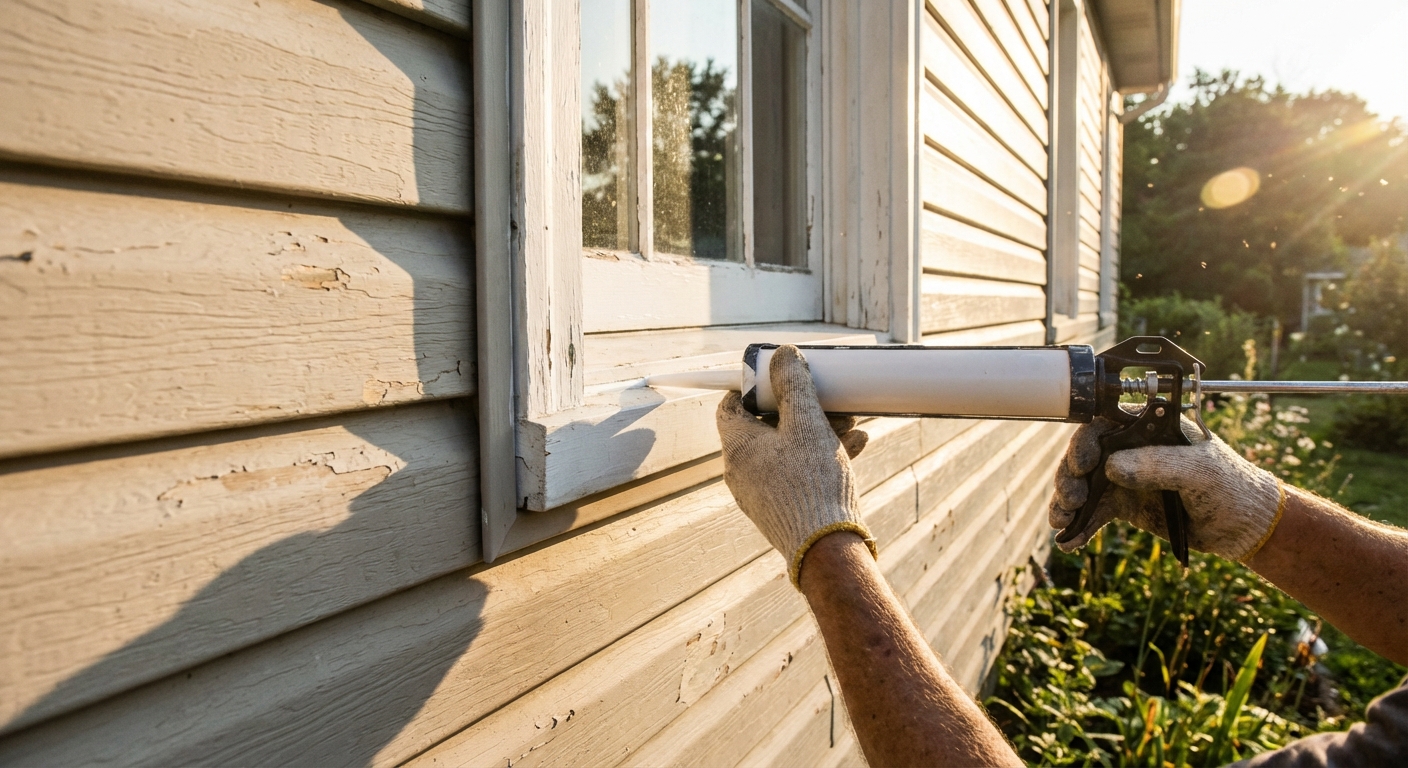
Where they get in most often
- Gaps around window and door trim
- Weatherstripping that is flattened or missing on doors
- Cracks at siding corners and around soffits and fascia
- Utility penetrations: hose bibs, AC lines, cable, gas lines
- Unscreened or damaged attic vents
- Gaps around chimney flashing
Materials that work
- Exterior caulk (silicone or siliconized acrylic labeled exterior)
- Expanding foam for larger gaps (use minimal-expanding around windows and doors)
- Door sweeps and weatherstripping
- Repair screens for vents and damaged window screens
My weekend sealing routine
- Start with the South and West sides. Those sun-baked walls are usually the top targets.
- Walk the perimeter slowly. Look for any gap you can fit a credit card into, and remember that smaller gaps can still let insects in.
- Caulk small cracks. Smooth the bead so it sheds water.
- Foam bigger voids. Trim after curing if needed.
- Replace door sweeps. If you see daylight under a door, beetles can find that gap.
Safety note: do not caulk or foam shut active vents (dryer vents, bath fan outlets, combustion air intakes). Use proper vent covers and screens made for those locations.
Thrifty tip: Caulk and weatherstripping also reduce drafts. You are not just buying comfort, you are buying fewer bugs.
Exterior treatment: when and how
If you only do one preventive step beyond sealing, make it this: treat the outside of the house before they try to come in. The timing matters more than blasting chemicals.
Best time to treat
- Late summer to early fall: before fall clustering begins in your area
- Optional spring touch-up: may help with beetles on the outside, but it will not stop beetles that are already waking up inside wall voids from wandering into your living space
Where to treat (exterior only)
- Around window and door frames
- Under soffits and along fascia where walls meet the roofline
- At siding corners and trim boards
- Around utility entry points
Product notes
Look for an exterior-labeled residual insecticide intended for perimeter pests. Follow the label exactly for application rate, protective gear, and where it can be used. If you have kids, pets, a vegetable garden near the foundation, or you simply prefer a lower-chemical approach, focus hard on sealing and skip spraying.
If the beetles are coming in through high soffits or complex rooflines, this is also the point where calling a pro can be worth it. The ladder work is often the real hazard, not the bug.
Will they damage my house?
Asian lady beetles do not chew wood, wiring, or drywall like some pests can. The main issues are nuisance and mess.
- Staining: their yellow defensive fluid can stain paint, trim, curtains, and upholstery.
- Odor: noticeable when many are present or when they are crushed.
- Allergies: some people report irritation or allergy-like symptoms when infestations are heavy.
Cleaning up stains and dead beetles
On painted trim and walls
- Start with warm water and a drop of dish soap on a soft cloth.
- If a yellow stain remains, test a small hidden spot first. Diluted vinegar may help, and some people have good luck with a small amount of isopropyl alcohol on a cloth. Go gently and wipe clean with water afterward.
- Avoid aggressive scrubbing, especially on flat paint.
On fabrics
- Vacuum first, do not rub.
- Spot treat with a small amount of laundry detergent and cool water, then blot.
- Wash according to the fabric label.
When to call a professional
If you are seeing hundreds inside, or they return year after year despite sealing and a fall exterior treatment, a professional can help identify the exact entry points and treat high, complex areas safely.
- Call sooner if you have a two-story home with heavy activity around soffits and upper windows.
- Call immediately if you are unsure whether you are dealing with another pest entirely (cluster flies, stink bugs, or wasps can look like "a bunch of bugs at the window" from across the room).
Quick checklist
- Right now: vacuum beetles (stocking trick if you want zero vacuum smell), set a lamp and soapy water trap for stragglers, avoid crushing them.
- This weekend: caulk and weatherstrip the South and West sides first, repair screens, seal utility penetrations (but do not block active vents).
- Late summer or early fall: do an exterior perimeter treatment if you choose to use one, focusing on entry areas before clustering starts in your area.
Handle it this way and the problem usually goes from "why are there bugs everywhere?" to "I saw two, vacuumed them, and that was that." That is the kind of DIY win I like.

About Marcus Vance
Content Creator @ Grit & Home
Marcus Vance is a lifelong DIY enthusiast and self-taught home renovator who has spent the last decade transforming a dilapidated 1970s ranch into his family's dream home. He specializes in budget-friendly carpentry, room-by-room renovations, and demystifying power tools for beginners. Through his writing, Marcus shares practical tutorials and hard-learned lessons to help homeowners tackle their own projects with confidence.