
If you have ever walked into a sunny room in October and noticed a handful of black-and-red bugs crawling along the windowsill, you have met the boxelder bug. The good news is they typically do not reproduce indoors, they do not damage structures, and they are more nuisance than danger. The bad news is they are persistent and they love finding every tiny gap you did not know you had.
I have dealt with them in my own 1970s ranch, and the winning strategy is always the same: remove the bugs you see, seal the routes they use, then treat the exterior so next week is not a repeat of this week.
What boxelder bugs are
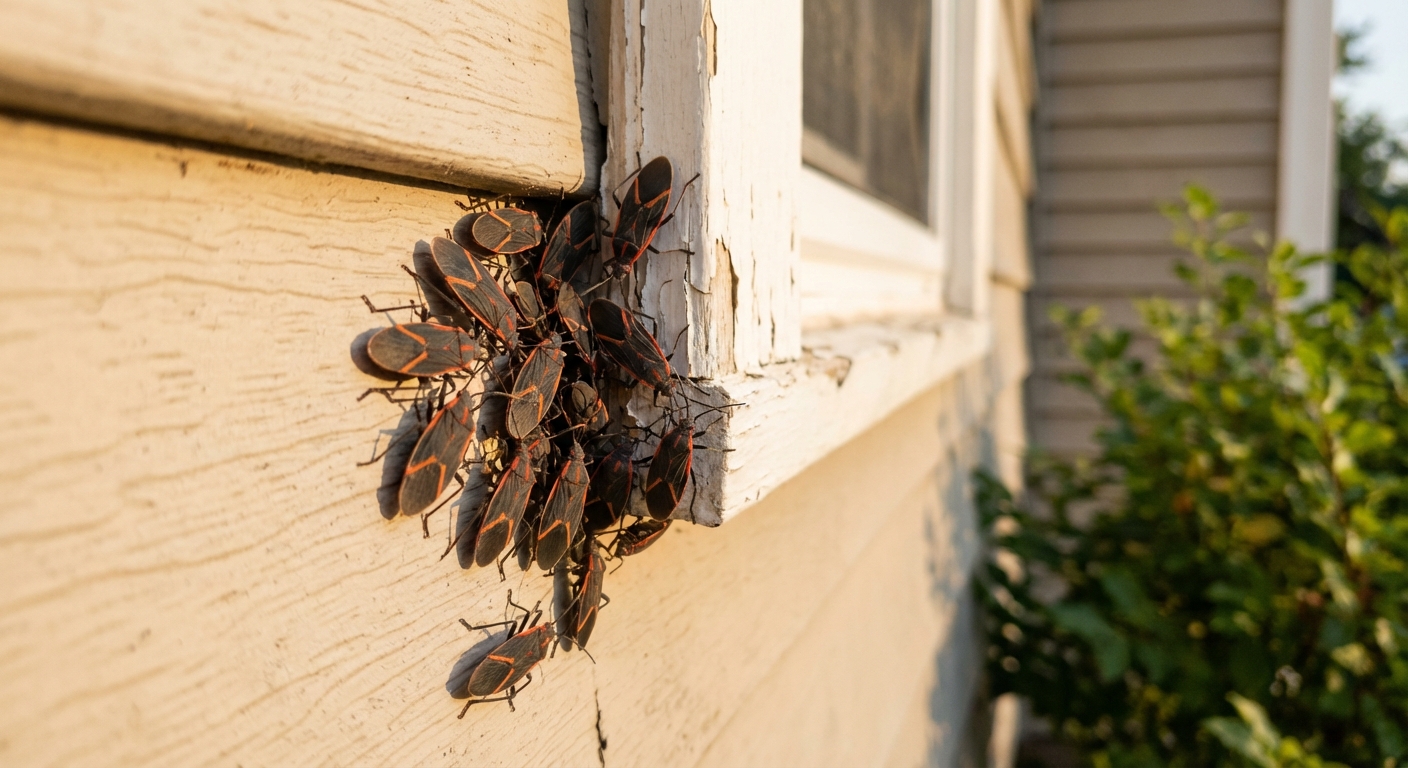
Boxelder bugs are true bugs (not beetles) that live outdoors most of the year. Adults are dark gray to black with red or orange lines, about the size of a sunflower seed. They feed mainly on seeds from boxelder (maple) trees, especially from female trees that produce lots of seed pods. They can also hang around other maples and ash.
Quick ID so you do not chase the wrong bug
Boxelder bugs often get confused with milkweed bugs or even stink bugs. A good clue is the black body with red lines that form a V shape on the wings, plus their habit of clustering on sunny siding in fall.
Why they show up in fall
- They are chasing warmth. In early fall, they gather on sunny exterior walls, especially south and west sides.
- They are looking for winter shelter. As temperatures drop, they squeeze into cracks around windows, doors, siding, soffits, and foundations.
- They follow tiny air leaks. If you can feel a draft, a boxelder bug can probably find it.
They are not like ants or roaches. If you see them inside, it usually means you have an entry point, not an indoor nest.
Are they harmful?
For most households, boxelder bugs are simply annoying.
- They rarely bite. They are not aggressive, but an occasional defensive bite can happen. If it does, it is typically mild.
- They can stain. If crushed, they may leave a reddish stain on walls, curtains, or carpet.
- They can smell. When stressed or squished, they can release an unpleasant odor.
If you have heavy numbers and allergies or asthma, it is still worth taking them seriously as an indoor irritant.
Quick removal
1) Vacuum them up the right way
This is the fastest, cleanest option, and it avoids staining from squishing.
- Use a hose attachment and vacuum bugs from window frames, baseboards, and light fixtures.
- If you have a bagless vacuum, empty the canister immediately into a sealed trash bag and take it outside.
- If you use a shop vac, consider dropping a small amount of soapy water into the bottom first. It helps prevent survivors from crawling back out.
My mistake to avoid: I once vacuumed a bunch and left the canister overnight in the laundry room. Next morning, I had round two. Empty it right away.
2) Use soapy water for stragglers
For a few bugs on a windowsill, a spray bottle with water plus a few drops of dish soap works well. The soap breaks the water’s surface tension and helps coat the bug, which can suffocate it. Lightly mist, wipe up with a paper towel, and toss it in an outdoor trash bin.
3) Avoid crushing them on paint or fabric
If you swat them on walls or curtains, you may trade a bug problem for a stain problem. Vacuuming beats smashing every time.
What not to do indoors
- Skip bug bombs and most indoor spraying. It is usually unnecessary for boxelder bugs and does not solve the entry issue.
- Do not caulk window weep systems shut. Those drainage paths matter.
- Do not chase them with a rag. That is how you end up with red smears on paint and trim.
Seal the entry points
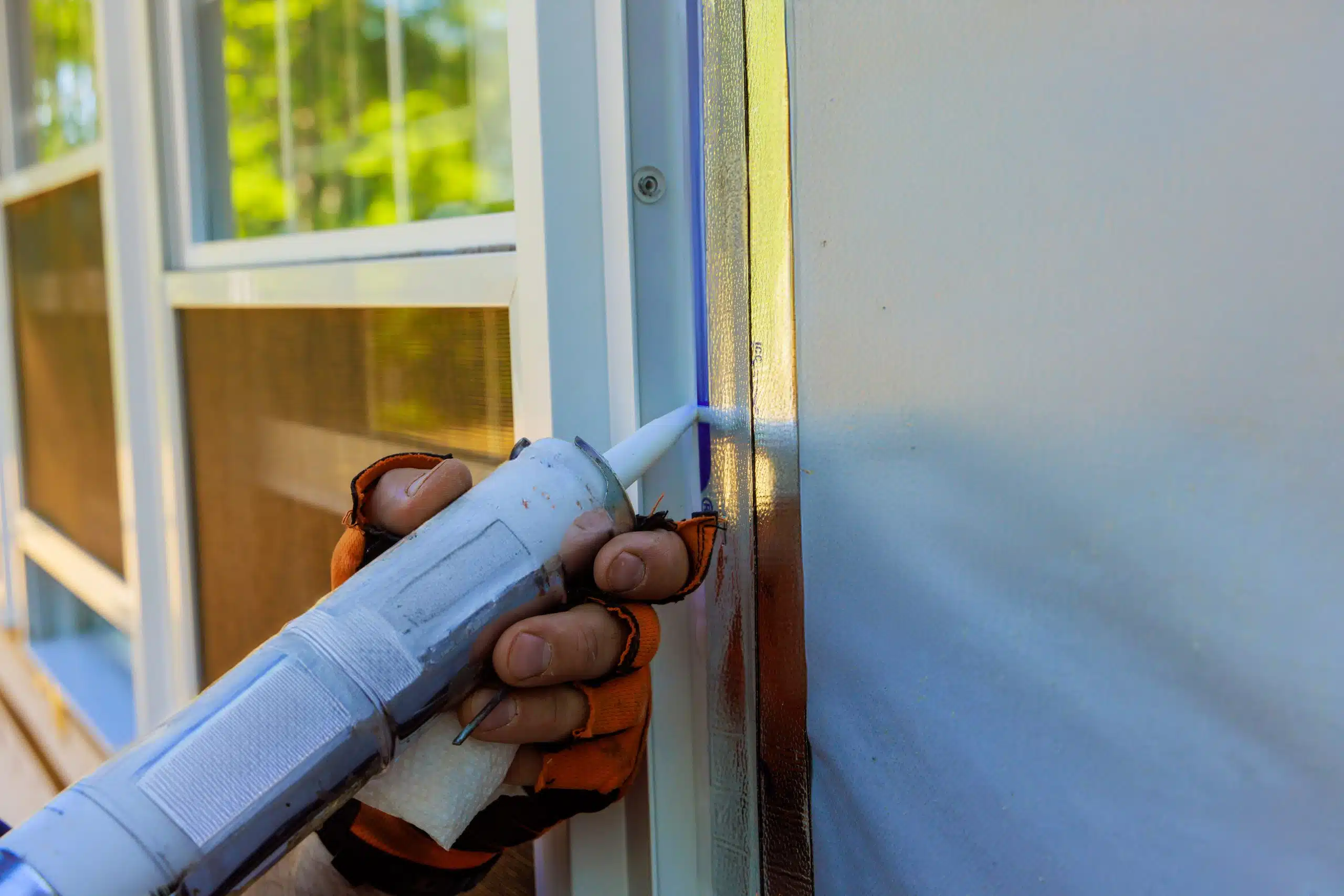
If boxelder bugs are showing up inside, they found a path in. Sealing is the highest return DIY step because it prevents every kind of fall invader, not just these bugs.
Tools and materials
- Exterior-rated silicone or siliconized acrylic caulk
- Backer rod (for wider gaps)
- Door sweeps and weatherstripping
- Fine mesh screen patch or new screens
- Expanding foam (for larger penetrations, used carefully)
Where to look
- Window and door trim: gaps where casing meets siding or brick
- Window weep holes: keep them functional, do not caulk them shut
- Door thresholds: worn sweeps and daylight under the door
- Soffits and fascia: loose panels and corners
- Foundation cracks: especially where siding meets foundation
- Utility penetrations: hose bibs, AC line sets, cable, gas, dryer vent, exhaust fans
- Garage: weatherstrip at the bottom and sides of the overhead door
Sealing tips
- Clean and dry first. Caulk does not stick to dusty chalky surfaces. Wipe and let it dry.
- Use backer rod for big gaps. Caulk is not meant to bridge a half-inch void.
- Do not block drainage paths. Around windows, avoid sealing weep systems.
Set expectations
Even after you seal, you may still see a few on warm winter days. That is usually from bugs that already made it into wall voids or attic spaces earlier in the season. Numbers should drop off as you cut off the routes for next year.
Exterior treatment
When you see boxelder bugs clustering on sunny siding, that is your cue to treat the outside. Indoor spraying is usually unnecessary and less effective because the main traffic is on exterior walls and entry cracks.
Option A: knock them down with water
If you have a heavy cluster on a wall, a strong stream from a garden hose can remove many of them quickly. It does not prevent return, but it buys you time while you seal and plan your perimeter treatment.
Option B: residual perimeter spray
A residual perimeter spray can help reduce the number that reach your walls and cracks. Look for products labeled for boxelder bugs or general perimeter control, commonly with active ingredients like pyrethroids (for example bifenthrin, cyfluthrin, deltamethrin, or lambda-cyhalothrin). Always follow the label, which is the law.
- Apply a band along the foundation and 1 to 2 feet up the wall, plus around door and window frames, soffit corners, and other known entry points if the label allows.
- Choose a calm, dry day. Rain soon after application can reduce effectiveness.
- Keep kids and pets away until the treated area is fully dry, and avoid spraying flowering plants where pollinators visit.
Lower-tox options
If you prefer a lower-tox route, you have a few DIY-friendly choices:
- Soaps or botanical sprays (contact kill). Useful for what you can see, but they typically have little residual effect, so you may be repeating applications.
- Diatomaceous earth (DE). This can help in dry, protected areas (like cracks, voids, and along sheltered foundation edges) by damaging the bug’s outer coating. Use food-grade DE, keep it dry, apply lightly, and avoid creating dust. It is not great on rainy exterior walls, and it still needs smart placement.
When to spray
- Late summer to early fall: before they start massing on the house is ideal.
- At first sight of clustering: still helpful, especially combined with sealing.
Should you remove boxelder trees?
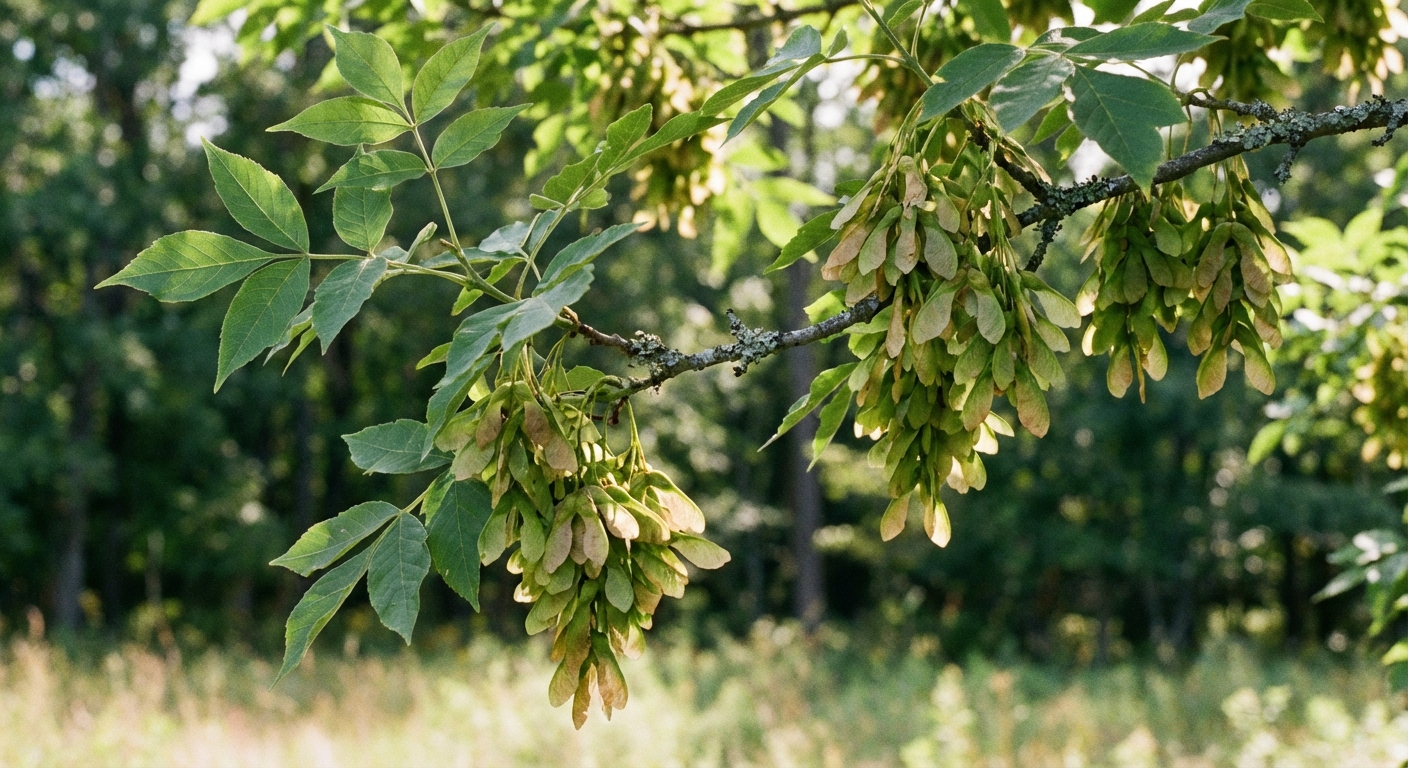
Boxelder bugs are strongly tied to boxelder trees, especially female trees that produce seeds. If you have a mature boxelder close to the house, it can act like a bug factory every fall.
Before you grab a chainsaw
- Confirm the tree. Boxelder is a type of maple with compound leaves. If you are unsure, ask a local arborist or extension office.
- Distance matters. Bugs can travel, but trees right next to the house make the problem worse.
- Removal is a long-term choice. It can reduce pressure, but it is not the only solution and it may not eliminate them completely.
If you decide to remove a tree, consider hiring it out if it is large or near structures. Tree work is one of those “one mistake is a very big mistake” DIY categories.
Prevention plan
Late summer checklist
- Inspect and re-caulk failed seams around windows, doors, and trim.
- Replace damaged screens and add fine mesh to vents if needed.
- Install a tight door sweep and weatherstrip garage side doors.
- Optional: apply a perimeter residual spray per label directions.
Fall habits that help
- On warm sunny afternoons, check south and west walls for clusters and remove them early.
- Keep window wells, leaf piles, and clutter near the foundation cleaned up so they have fewer hiding spots.
- Check firewood before bringing it inside. Boxelder bugs love overwintering in woodpiles and they will hitchhike indoors if you let them.
- Use indoor vacuuming as your maintenance move instead of spraying inside.
Common questions
Why do I keep finding them after I vacuum?
Most of the time, you are seeing new arrivals coming through the same gap, not bugs multiplying indoors. Focus on sealing and exterior perimeter control.
Will they lay eggs in my house?
Boxelder bugs lay eggs outdoors on host trees and nearby surfaces. Your home is mainly a shelter, not a breeding site, so indoor egg laying is uncommon.
Do bug bombs or foggers work?
Foggers tend to be a poor match for this problem. They do not address entry points, and boxelder bugs tucked in wall voids or behind trim often avoid contact. Save your money for sealing and exterior treatment.
When should I call a pro?
If you are getting large numbers daily, you cannot locate entry points, or you have a multi-story exterior where safe treatment and sealing are difficult, a pest control company can do a perimeter plan and help identify the trouble spots.
The simple game plan
- Today: Vacuum the ones you see and empty the canister outside.
- This weekend: Seal gaps around windows, doors, and utility penetrations.
- This season: Treat the exterior foundation and entry points with a residual product labeled for these pests, if you choose to use insecticide.
- Long term: Consider the nearby boxelder tree situation and repeat your late summer checklist each year.
Do those four things and boxelder season goes from “we are under attack” to “yeah, I saw two, and they did not stand a chance.”

About Marcus Vance
Content Creator @ Grit & Home
Marcus Vance is a lifelong DIY enthusiast and self-taught home renovator who has spent the last decade transforming a dilapidated 1970s ranch into his family's dream home. He specializes in budget-friendly carpentry, room-by-room renovations, and demystifying power tools for beginners. Through his writing, Marcus shares practical tutorials and hard-learned lessons to help homeowners tackle their own projects with confidence.