
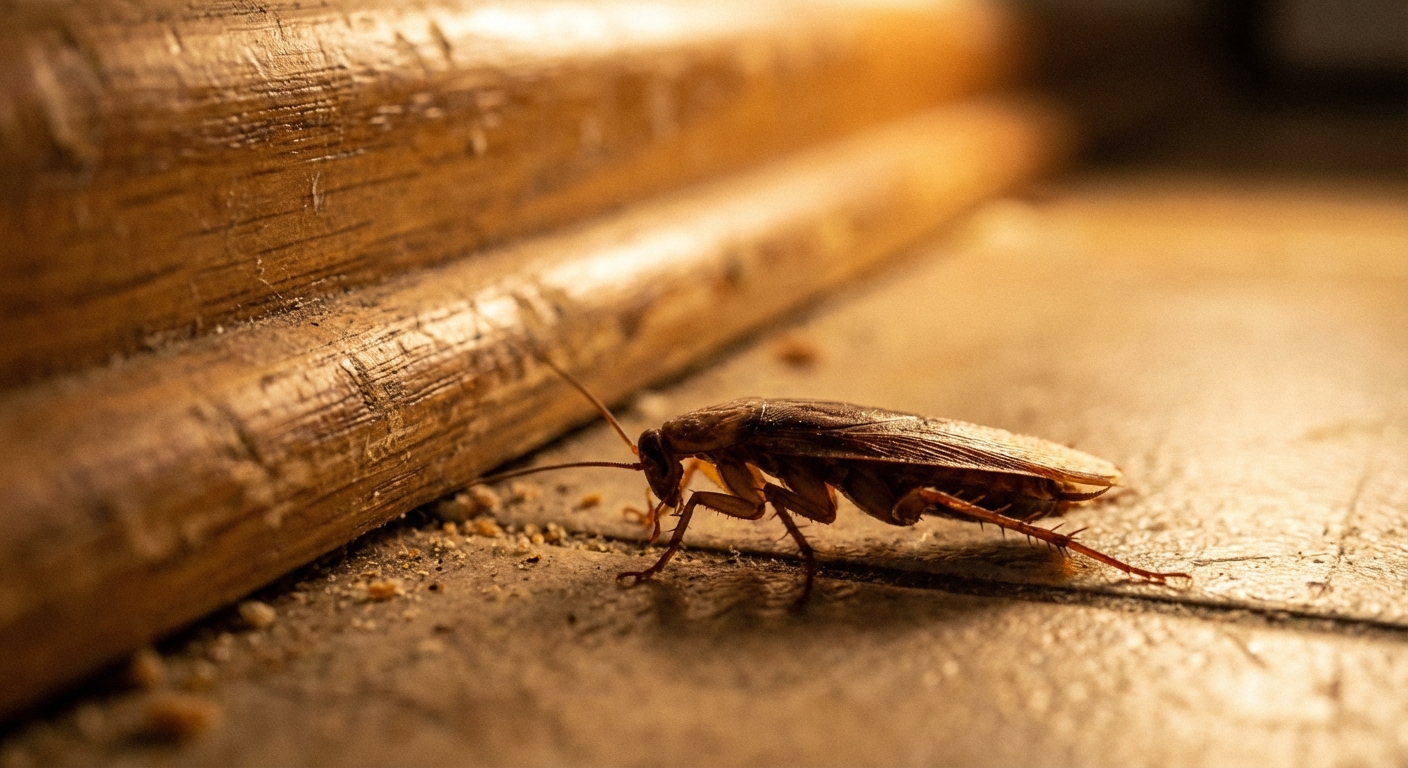
If you have cockroaches, you do not need a magic spray. You need a system. Roaches are survivors, but they are also predictable. They need three things: food, water, and shelter. Take those away and you dramatically reduce survival, plus you make the right slow-acting products work a whole lot better. That is how you eliminate an infestation instead of just chasing bugs around your kitchen at midnight.
This is the exact approach I use on my own fixer-upper: identify what you are dealing with, bait them where they travel, use powders strategically, add an insect growth regulator (IGR) to break the life cycle, then lock the house down so new ones cannot stroll in like they pay rent.
Quick safety note: Always follow the product label. Keep baits and dusts away from kids and pets, avoid food-contact surfaces, and wear basic PPE (gloves, mask) when applying dusts. Rules and product availability vary by location.
First, identify the roach (it changes the plan)
Not all roaches behave the same. If you treat a German roach problem like an American roach problem, you can waste weeks and money.
German cockroach
- Size: Small, about 1/2 to 5/8 inch as adults.
- Color: Light brown with two dark stripes behind the head.
- Where you find them: Kitchens and bathrooms, especially behind fridges, dishwashers, under sinks, inside cabinets.
- What it means: Usually an indoor infestation with a breeding population. This is the high urgency one.
American cockroach
- Size: Large, 1 1/4 to 2 inches or more.
- Color: Reddish brown.
- Where you find them: Basements, crawl spaces, garages, utility rooms, drains, around water heaters.
- What it means: Often coming from moist areas or outdoors, but can infest structures.
Oriental cockroach
- Size: Medium to large.
- Color: Dark brown to black.
- Where you find them: Damp basements, floor drains, under porches, around leaks.
- What it means: Moisture problem first, chemistry second.
Smokybrown cockroach
- Size: Large.
- Color: Uniform dark brown.
- Where you find them: Attics, soffits, leaf litter, wood piles, then wandering indoors.
- What it means: Outdoor harborage plus entry points.
Brown-banded cockroach
- Size: Small, similar to German roaches.
- Color: Light brown with faint banding across the wings/body.
- Where you find them: Drier areas and higher up, like bedrooms, living rooms, closets, inside furniture, behind picture frames, and inside electronics.
- What it means: If you only treat under sinks, you can miss them. You may need to bait and trap in non-kitchen rooms too.
Quick rule: If you are seeing small roaches in kitchens during the day, assume German roaches and move fast. Daytime sightings usually mean they are crowded and the population is high.
Other clues to look for: pepper-like droppings in corners and cabinet hinges, egg cases (ootheca), smear marks along edges, and a musty odor in heavier infestations.
Set up simple monitoring (so you stop guessing)
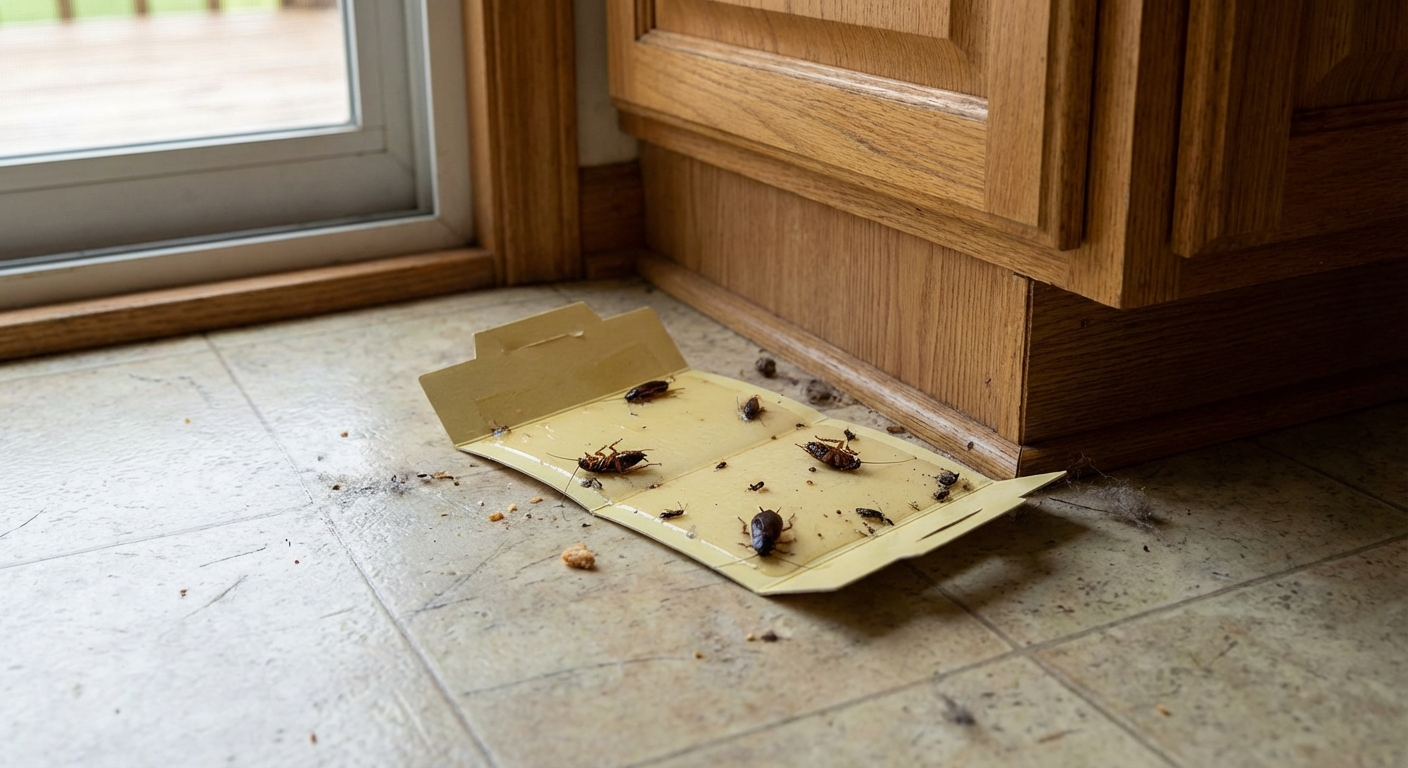
Before you unload a shopping cart of products, spend one night learning where they are traveling.
- Place glue traps under the sink, behind the fridge, next to the trash, and in the bathroom vanity.
- Label them with painter's tape and the date.
- Check in the morning and again after 48 hours.
You are looking for hot spots. Concentrate bait and IGR there.
The 4-part DIY treatment that actually works
Sprays can kill on contact, but they rarely eliminate a colony. The goal is to get roaches to feed on bait in the open and then die back in the hiding places you cannot reach, plus stop reproduction. Here is the core stack that homeowners can do safely and effectively.
1) Gel bait (your main weapon)
Gel bait is what I consider the "rent is due" notice for roaches. They eat it, share it, and die later in the walls and voids where you cannot reach.
- Where to place: Small pea-sized dots in cracks and crevices, cabinet hinges, along toe kicks, behind appliances, under sink lips, around plumbing penetrations.
- Do not bait: On open countertops, inside drawers where utensils touch, or where kids and pets can access.
- How much: More dots in more places beats one big glob.
- Reapply: If it dries out or gets eaten. Check every 3 to 7 days at first.
- Before reapplying: Scrape or wipe away old, dried-out bait first. Roaches often ignore stale bait, and piling fresh bait on top just wastes product.
Important: Rotate bait active ingredients if results stall after a couple weeks. Roaches can develop bait aversion (and some populations show resistance or tolerance). A simple rotation is one product for 2 to 3 weeks, then switch to a different active ingredient if performance is flat. Also, keep strong cleaners and insecticides away from bait placements so you do not contaminate it.
2) Boric acid (cheap, effective, but needs restraint)
Boric acid is old school for a reason. It works when roaches walk through it and groom themselves. The trick is using a barely visible dusting.
- Best tool: A simple bulb duster makes it much easier to apply a thin, even layer into cracks and voids (which is what you want).
- Apply: A light dust behind appliances, under the fridge, inside wall voids (like behind an outlet cover), under cabinets near plumbing.
- Avoid: Piles. Roaches walk around piles, and piles are a hazard for people and pets.
- Keep dry: Boric acid clumps in moisture and stops working well.
- Safety: Keep boric acid out of reach, off food-contact surfaces, and avoid breathing the dust during application.
3) Diatomaceous earth (DE) for dry, protected voids
Food-grade diatomaceous earth is another dust option. It damages roaches as they crawl through it. Like boric acid, less is more.
- Best tool: A bulb duster helps you lay down a whisper-thin coating instead of a chalky mess.
- Best spots: Dry cracks, behind baseboards, under appliances, inside cabinet toe kick voids.
- Do not use: In wet areas or where it will get blown into the air. Avoid creating dust clouds.
- Safety: Even food-grade DE is irritating if inhaled. Wear a mask during application and ventilate. Keep it off food-contact surfaces and away from kids and pets.
4) IGR (insect growth regulator) to break the life cycle
If you have German roaches, an IGR is how you stop the endless "new babies" problem. It does not kill like a poison. It prevents nymphs from becoming breeding adults and disrupts reproduction.
- Use: An IGR spray or point-source stations placed near hot spots.
- Timeline: You usually notice the big change after a couple weeks as the population ages out.
My honest DIY mistake: Years ago I sprayed a strong killer along baseboards and then wondered why the gel bait did nothing. Many sprays repel roaches and can contaminate bait. If you are baiting, keep harsh sprays away from baited zones. If you feel like you must spray, use it in targeted crack-and-crevice areas that are not baited, and follow the label.
Sanitation that makes bait work better
Sanitation is not about shame. It is about removing competing food and water so bait becomes the best buffet in the room.
Kitchen priorities
- Fix water first: Dripping traps, slow leaks, sweating pipes, condensation. Roaches can live a long time without food, but not without water.
- Nightly reset: Wipe counters, sweep crumbs, rinse sinks, and do not leave pet food out overnight.
- Trash: Use a lidded can. Take it out nightly during active treatment.
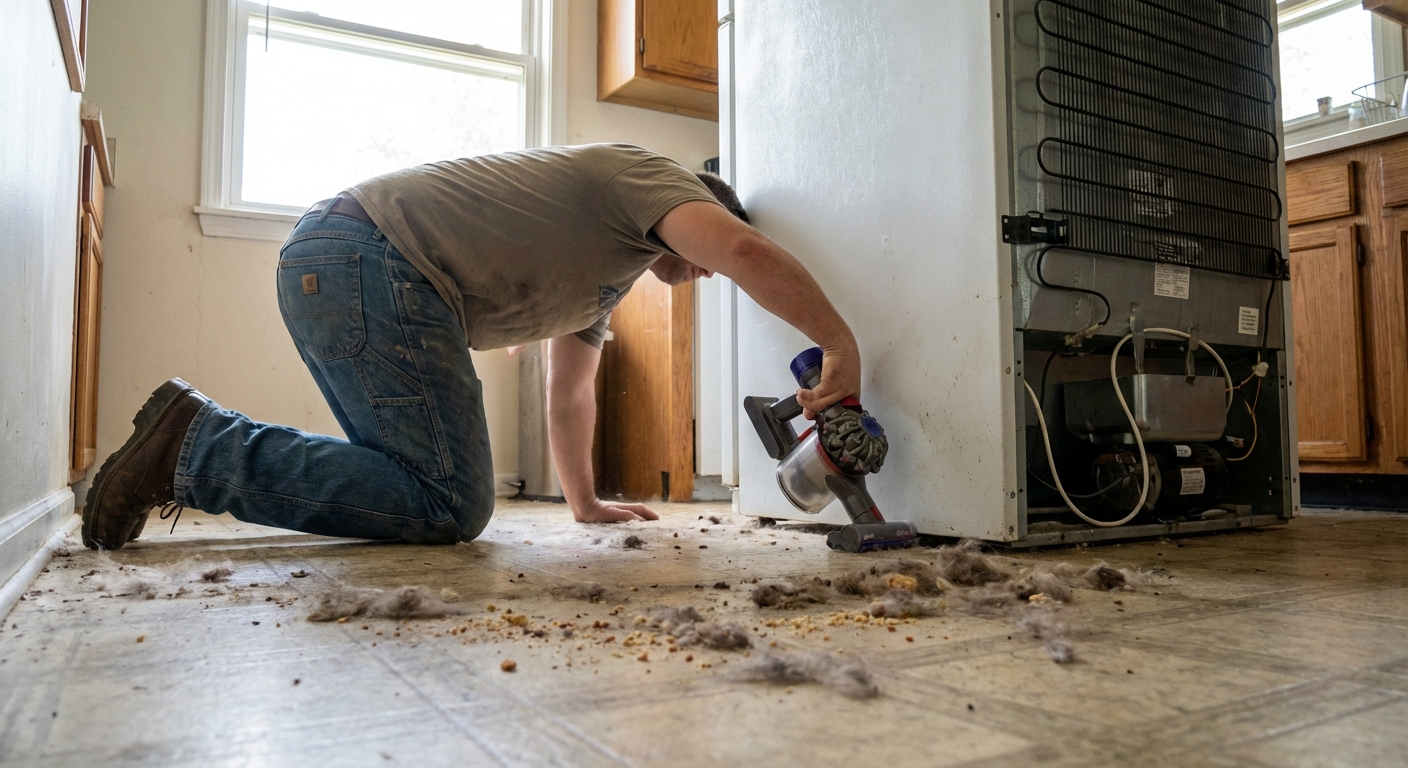
- Appliance zones: Pull the fridge and stove. Vacuum the gunk, then bait behind them. This single step is often the turning point.
- Pantry: Store cereals and snacks in sealed containers. Cardboard boxes are basically roach condos.
Bathroom priorities
- Dry the tub and sink at night.
- Seal gaps around plumbing under the vanity.
- Keep towels off the floor.
Seal entry points and hiding spots
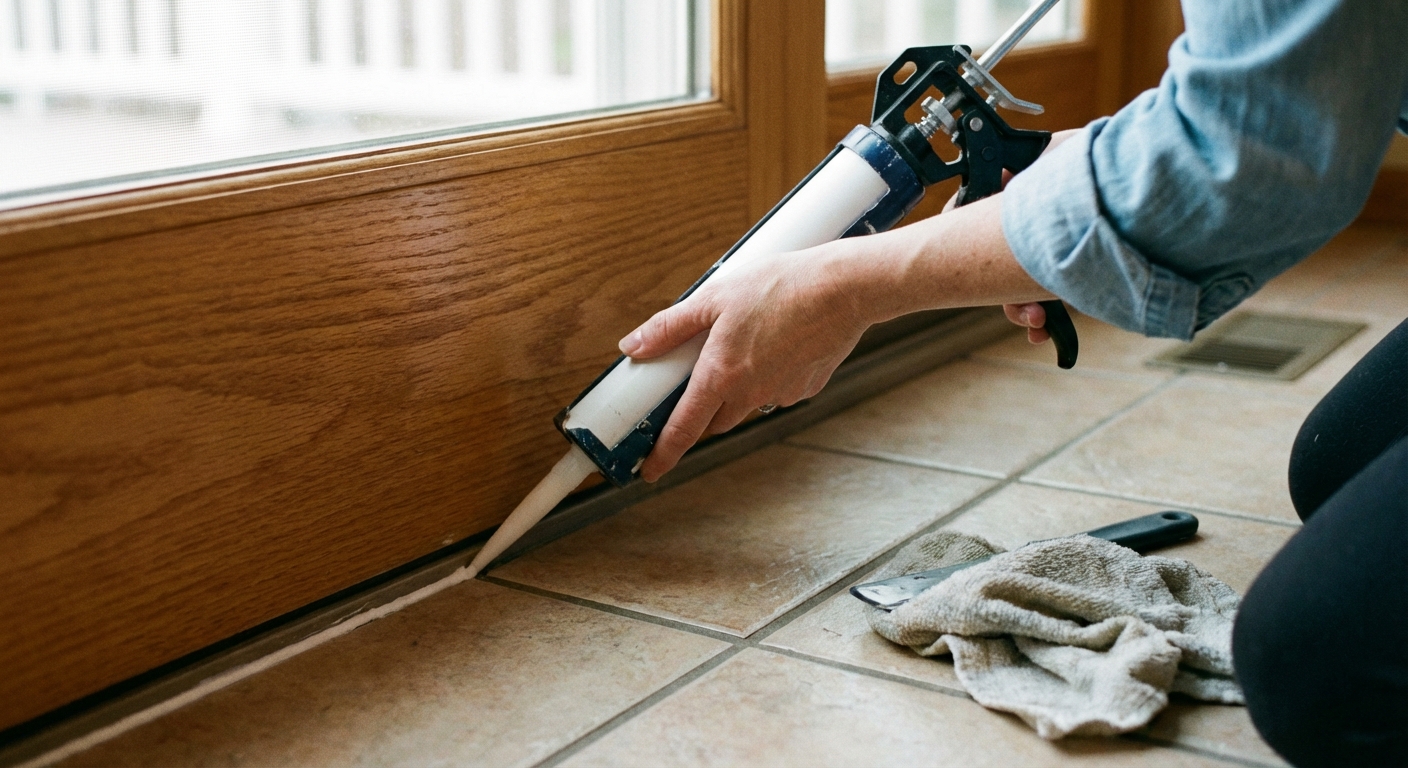
Roach control gets much easier when you treat your home like an air-sealing project. If there is a gap, they will use it.
What to seal
- Under sinks: Pipe penetrations through the cabinet floor and back wall.
- Baseboards and toe kicks: Gaps where flooring meets trim, especially in kitchens.
- Around doors: Door sweeps and weatherstripping.
- Utility penetrations: Around HVAC lines, water heater pipes, and electrical penetrations.
- Cracks in cabinets: Loose panels, unsealed corners, and gaps behind drawers.
What to use
- Caulk: For small gaps. Paintable acrylic latex caulk works for most interior trim gaps.
- 100% silicone: For wet areas like around sinks and tubs.
- Expanding foam: For larger voids, used carefully. Trim after cure.
- Steel wool plus caulk: For gaps that also need rodent resistance, like around pipes.
Tip: In kitchens, I like to seal after I have baited for a couple weeks. You want roaches moving through treated areas first, then you tighten up the house to prevent reinfestation.
Apartment vs. house: what changes
If you live in an apartment
Apartments are tough because you can do everything right and still get visitors from a neighbor unit. The strategy is to control your unit and reduce migration.
- Tell management early: You need building-wide coordination for lasting results.
- Seal shared penetrations: Under sinks, behind toilets, around radiator lines, and where cabinets meet walls.
- Focus on kitchens and bathrooms: Those are usually connected through plumbing chases.
- Hit the appliance hot spots: The refrigerator compressor area and dishwasher kick plate are frequent German roach headquarters.
- Use door sweeps: Hallway gaps matter.
- Keep a trap map: Glue traps near entry points show if the problem is inside your unit or coming from outside.
If you live in a house
Houses give you more control, but you also have more exterior exposure. Think like a carpenter and like a pest tech.
- Exterior moisture: Fix downspouts, keep gutters clean, and avoid standing water near the foundation.
- Yard cleanup: Leaf litter and wood piles near the house are harborage for larger roach species.
- Garage and crawl space: Treat these like part of the home, not a separate planet.
- Screening: Make sure vents, soffits, and window screens are intact.
What not to do (common setbacks)
- Do not rely on foggers: Roach bombs often fail to reach deep harborages, can disperse roaches into new areas, and add unnecessary pesticide exposure.
- Do not overuse repellent sprays: They can make roaches avoid bait and scatter.
- Do not mix powders everywhere: Dusts belong in protected voids, not across open floors.
- Do not leave bait out in one spot: Many small placements near harborages beat one "bait station" on the counter.
- Do not skip water control: A tiny leak can keep an infestation alive even with good baiting.
Timeline: what working looks like
Roach control is usually not instant, and that is a good sign. Slow-acting baits spread better through the population. That said, timelines vary by species, sanitation, and neighbor pressure (especially in apartments).
- Days 1 to 3: You may see more activity. That is normal as bait draws them out.
- Week 1: Trap counts often start dropping in the hot spots.
- Weeks 2 to 4: A strong decline is common if bait and IGR are placed well and sanitation is consistent. Heavy German infestations can take longer.
- Month 2: You should be closer to maintenance mode, not daily battle mode.
If you are not seeing improvement by week 2, the usual causes are poor placement, competing food, a hidden water source, bait contamination from cleaners or sprays, or ongoing immigration from another unit.
Prevention: keep them gone
- Monthly check: Keep 2 to 4 glue traps in key areas and replace monthly. It is cheap early warning.
- Seal as you go: Any time you do a plumbing repair or cabinet work, seal penetrations before you call it done.
- Food storage: Containers beat boxes. Pet food in sealed bins.
- Moisture habits: Do a quick nighttime sink wipe and keep under-sink areas dry.
- Bring-in inspection: Check grocery bags, used appliances, and cardboard deliveries if you have had German roaches before.
When to call a pro
DIY can absolutely handle many infestations, but call a licensed pro if:
- You are seeing German roaches across multiple rooms daily for more than two weeks of proper baiting and IGR use.
- You cannot access critical areas like shared walls, commercial kitchen equipment, or major voids.
- You have health concerns, severe asthma, or immunocompromised household members.
- Your building needs coordinated treatment across multiple units.
If you do bring someone in, you will get better results if you have already cleaned, fixed leaks, and sealed obvious gaps. Pest control works best when the home is set up for success.
Quick shopping list
- Glue traps
- Gel bait (buy enough to place lots of small dots)
- IGR (spray or stations)
- Boric acid or food-grade diatomaceous earth (pick one to start)
- Bulb duster (for applying dust correctly)
- Caulk and a caulk gun
- Door sweep (apartment hall doors especially)
If you only do two things, do gel bait + IGR. Then build the rest of the plan around sanitation and sealing.

About Marcus Vance
Content Creator @ Grit & Home
Marcus Vance is a lifelong DIY enthusiast and self-taught home renovator who has spent the last decade transforming a dilapidated 1970s ranch into his family's dream home. He specializes in budget-friendly carpentry, room-by-room renovations, and demystifying power tools for beginners. Through his writing, Marcus shares practical tutorials and hard-learned lessons to help homeowners tackle their own projects with confidence.