
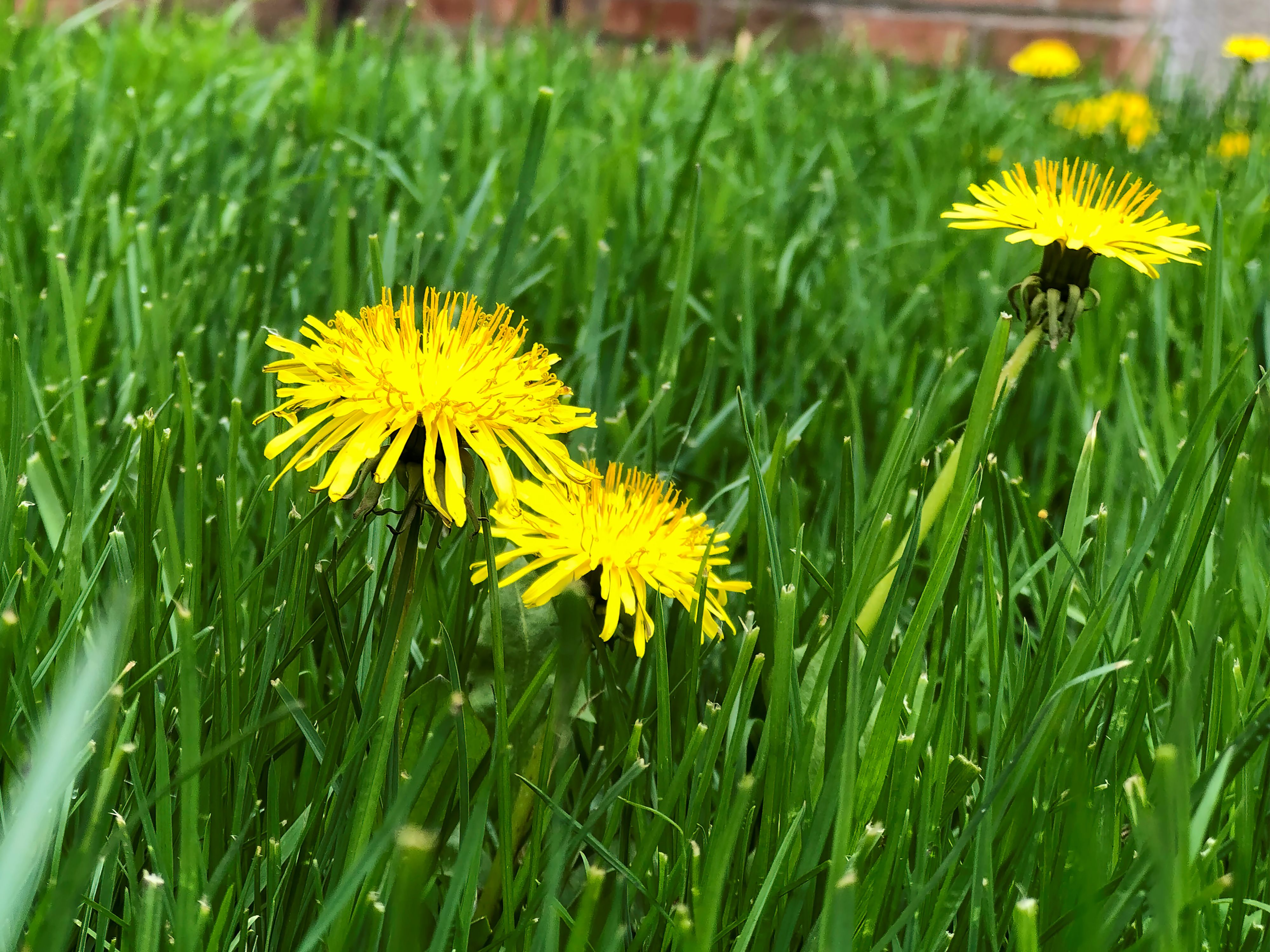
Dandelions are the kind of weed that makes you feel like your lawn is losing a slow, stubborn battle. One week you’ve got a few yellow blooms, the next week you’ve got fluffy seed heads ready to redecorate the whole neighborhood.
The good news is dandelions are very beatable if you use the right strategy. The bad news is they’re also very easy to “almost” fix, like pulling the top and leaving the crown, or spraying at the wrong time and wondering why they pop right back up.
In this guide, I’ll walk you through what works in the real world: selective herbicides (2,4-D and dicamba), manual removal, pre-emergent timing (with realistic expectations), overseeding to crowd them out, and organic options that are best used with clear expectations.
Know what you’re fighting
Dandelions are broadleaf perennial weeds. That “perennial” part is why they feel immortal. They store energy in a deep taproot and come back from it.
- Taproot: A single thick root that can run several inches down. If you leave the crown or a decent root chunk behind, it’ll often regrow.
- Rosette growth: The leaves grow in a low circle that hugs the ground, shading out grass under it.
- Seed heads: Those puffballs spread seeds easily. One neglected patch can turn into hundreds over time.
If you only remember one concept: you win by killing or removing the root, and you stay winning by thickening the grass so new seeds can’t establish.
Does pulling actually work?
Yes, pulling can work, but only if you remove the crown and enough of the taproot, and you do it at the right time.
When pulling works best
- After rain or irrigation: Moist soil lets you pull more root with less breakage.
- When plants are young: Smaller roots come out easier.
- When the lawn isn’t full of them: Pulling is great for spot problems, not for a yard-wide invasion.
When pulling disappoints people
- Dry, hard soil: Roots snap, and the plant returns.
- You only remove the leaves: The crown stays put, and it regrows quickly.
- You leave holes: Those holes become perfect seed beds if you don’t backfill and seed them.
My rule of thumb: if you’ve got fewer than a couple dozen in a small lawn area, pulling is absolutely worth it. If you’ve got hundreds, use pulling as a cleanup tool after you do a broader treatment plan.
Pull the root without wrecking the lawn
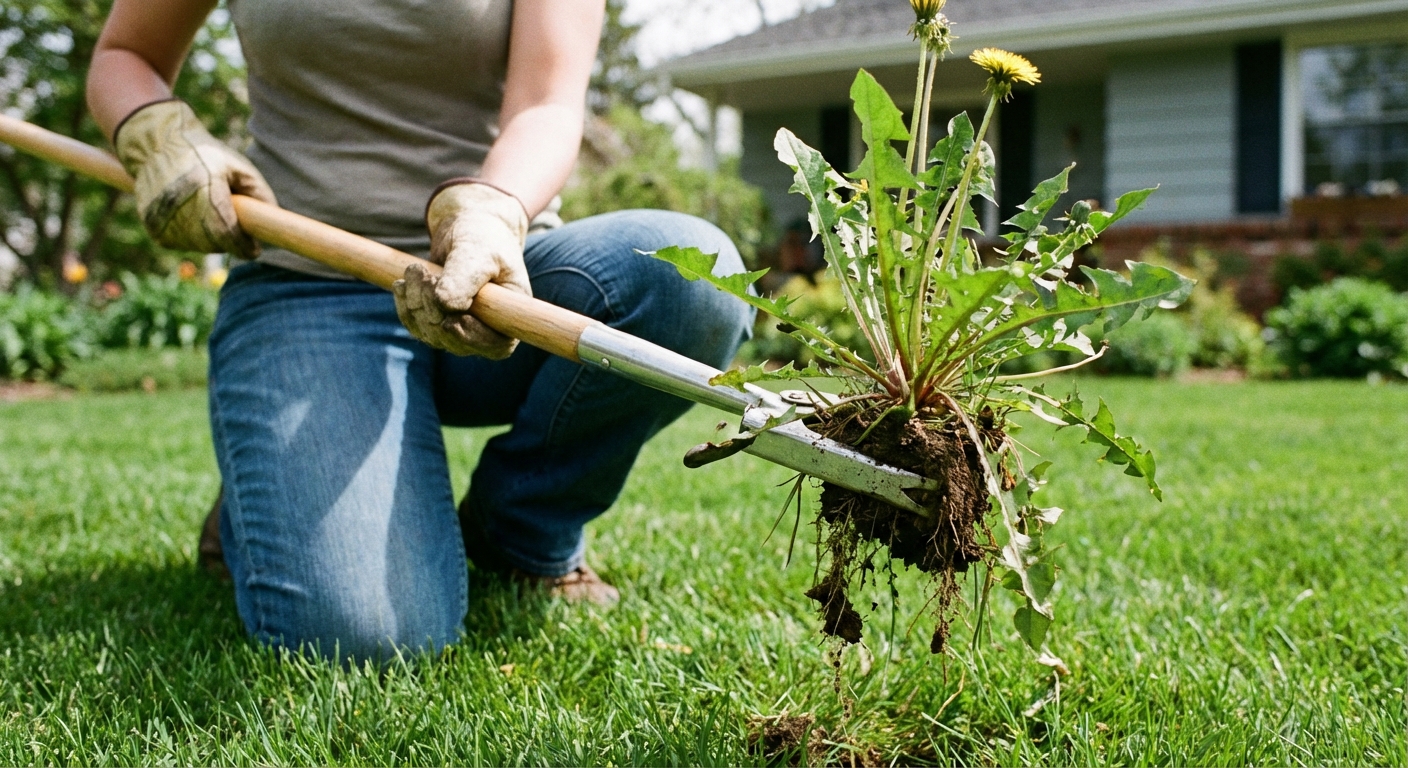
Tools that help
- Hand weeder (forked tip): Cheap and effective for small patches.
- Stand-up dandelion puller: Great if you’ve got a lot to remove and don’t want to kneel.
- Bucket with damp soil or compost: For filling holes right away.
Step-by-step method
- Water the area the day before, or pull right after a rain.
- Get tight to the crown where the leaves meet the soil.
- Drive the tool down alongside the root as deep as practical to get under the crown.
- Leverage gently and pull slowly. Fast yanks snap roots.
- Fill the hole with a pinch of topsoil or compost and tamp it lightly.
- Overseed the spot if you created a bare patch larger than a couple inches.
Disposal note: If the plant has seed heads, put it in a bag. Don’t toss it on a compost pile unless you’re confident your compost gets hot enough to kill seeds. Most home piles are inconsistent.
Selective herbicides (2,4-D and dicamba)
If you want the highest success rate with the least labor, selective broadleaf herbicides are the workhorse option. The key word is selective, meaning they target broadleaf weeds while leaving most turfgrasses alone when used as directed.
What to look for on the label
- 2,4-D: Very common for dandelions and many broadleaf weeds.
- Dicamba: Often paired with 2,4-D to broaden control and improve results on tougher weeds.
- MCPP (mecoprop) or MCPA: Also common in “3-way” herbicides for lawns.
You’ll frequently see a “3-way” mix that includes 2,4-D + dicamba + MCPP. For most homeowners, that’s a solid, proven choice for spot treating dandelions. Also make sure the product is labeled for your turf type.
Best time to spray
Timing matters more than brand.
- Early fall through mid-fall is king: While the plant is still actively growing, it’s moving energy down into the root, and it’ll also move herbicide down. After a hard frost, results usually drop.
- Spring works too: Spray when they’re actively growing and before they go to seed. Expect you might need a second pass.
- Avoid hot afternoons: Heat-stressed grass and drift issues can turn a simple job into a mess. Follow label temperature, wind, and rainfast restrictions, especially with dicamba products.
Spot spray vs blanket spray
- Spot spray: My favorite for most homeowners. Less chemical, less risk, less cost.
- Blanket spray: Consider it only when dandelions are widespread across the entire lawn. Follow label rates carefully.
Tips that prevent “why didn’t it work?”
- Don’t mow right before spraying. Give it 2 to 3 days so there’s enough leaf surface to absorb product.
- Don’t water or expect rain right after. Most products need several hours of dry time. Check the label for rainfast timing.
- Spray to wet, not to runoff. You want coated leaves, not dripping.
- Be patient. You’ll often see twisting and yellowing in a few days, but full die-off can take 1 to 3 weeks.
- Watch drift. Dicamba can ding ornamentals and gardens if it drifts. Spray on calm days and keep the nozzle low.
Safety reminder: Always read and follow the product label. Keep kids and pets off treated areas until the product has dried and the label says it’s safe.
Quick reality check: Some regions restrict cosmetic pesticide use and product availability varies. If you can’t buy or use a certain herbicide where you live, your best “legal everywhere” plan is smart pulling plus overseeding and better mowing.
Pre-emergent: what it can and can’t do
This one gets misunderstood. Pre-emergent herbicides don’t kill existing dandelions. They help stop new seedlings from establishing.
Does it prevent dandelions?
Sometimes. Dandelions can germinate in spring and fall, and a pre-emergent barrier can reduce new plants. But two big caveats:
- Not all pre-emergents are labeled for dandelion. Many are primarily used for annual grassy weeds like crabgrass. Check the label for listed weeds and claims in your area.
- It won’t touch mature plants. If your lawn is full of established dandelions with taproots, pre-emergent isn’t the tool for that job.
When to apply
- Early spring: Helps with many weeds germinating as soil warms.
- Late summer to early fall: Often the more helpful window for dandelions, since fall germination is common in many areas.
Important conflict: Pre-emergent also blocks grass seed. If you plan to overseed, you usually can’t apply a standard pre-emergent at the same time.
If your plan includes overseeding, prioritize seeding and establishment first, then use pre-emergent later when the new grass is mature enough for the product you choose. Always check the label for how long to wait after seeding.
Overseed to crowd them out

I learned this the hard way renovating my own yard: you can spray weeds all day long, but if you leave thin turf, weeds just move back in. Dandelions love lawns that are sparse, compacted, or mowed too short.
Why overseeding helps
- Denser grass shades soil, making it harder for dandelion seedlings to establish.
- Thicker turf competes for water and nutrients.
- Healthy grass recovers faster after spot spraying or pulling.
Best timing
- Cool-season lawns (fescue, bluegrass, rye): Early fall is usually best.
- Warm-season lawns (Bermuda, zoysia): Late spring into early summer when the lawn is actively growing.
Simple overseeding checklist
- Mow slightly lower than normal and bag clippings.
- Rake or dethatch thin areas so seed can touch soil.
- Broadcast seed at the label rate.
- Topdress lightly with compost or clean topsoil in bare spots.
- Water lightly and often until germination, then transition to deeper watering.
If you want fewer dandelions next year, overseeding is one of the highest return lawn tasks you can do.
Mow height and compaction
How high to mow
- Most cool-season lawns: Aim for about 3 to 4 inches. Taller grass shades soil and helps your turf outcompete broadleaf weeds.
- Most warm-season lawns: It varies a lot by species and cultivar, but many do best shorter than cool-season lawns. Use your grass type as your guide, and avoid scalping.
If your lawn is thin and dandelions keep winning, mowing higher is one of the easiest changes you can make without buying anything.
If the soil is compacted
Compaction is basically a welcome sign for dandelions. If your soil is hard, water runs off, and grass struggles to thicken, core aeration can help. For cool-season lawns, early fall is often a great window. For warm-season lawns, do it when the grass is actively growing. Follow up with overseeding (where appropriate) and light topdressing to help turf take advantage of the new openings.
Organic options (and where they fit)
Organic options can be useful, but I like to be straight with people: most organic sprays are contact killers. They burn what they touch. Dandelions are root-driven, so you’re often signing up for repeat applications unless you combine methods.
Chelated iron (FeHEDTA)
If you want an organic-ish option that actually belongs in a lawn, look at chelated iron (often listed as FeHEDTA) broadleaf weed killers. Unlike vinegar or boiling water, iron-based products are selective and generally won’t kill the surrounding turf when used as directed. They can work well on small to moderate dandelion pressure, though you may still need repeat treatments.
Note: Iron products can stain hard surfaces, so keep spray off concrete and pavers and rinse overspray.
Vinegar-based sprays
Vinegar sprays can desiccate leaves, especially on a hot, sunny day. The catch is they often don’t kill the taproot, and they can burn your grass if you spray indiscriminately.
- Best use: Spot treating dandelions in cracks, gravel edges, or areas where you don’t care about surrounding plants.
- Not ideal: Spraying across your lawn. You can turn a weed problem into a bare dirt problem.
Safety note: Strong horticultural vinegar can irritate skin and eyes. Treat it like a chemical. Gloves and eye protection are smart.
Boiling water
It works like vinegar. It scalds the plant. It also kills nearby grass. Great for sidewalk cracks, not great for turf.
Pull plus lawn thickening
If you want to stay more natural, the most reliable combo is:
- Pull with a proper weeder after rain
- Backfill holes and overseed
- Mow higher and improve soil over time
That approach takes longer, but it’s surprisingly effective when you stick with it.
A simple game plan
If you’ve got a few
- Pull after rain
- Fill holes and seed bare spots
- Mow higher (about 3 to 4 inches for most cool-season lawns)
If they’re scattered everywhere
- Spot spray with a selective broadleaf herbicide (a 3-way mix with 2,4-D and dicamba is common)
- Repeat in 10 to 21 days if the label allows and weeds persist
- Overseed in the right season to thicken turf
If it’s a full-on infestation
- Consider a blanket application with a selective broadleaf product (follow the label carefully)
- Plan a fall renovation window: weed control first, then overseeding when appropriate
- Address the underlying cause: thin turf, compacted soil, and mowing too low
Common mistakes
- Mowing too short: Short grass weakens turf and gives dandelions light. For many cool-season lawns, 3 to 4 inches is the sweet spot.
- Spraying at the wrong time: Mid-summer heat plus stressed grass leads to poor results and higher risk of turf damage.
- Ignoring bare spots: Every hole and thin patch is a welcome mat for the next seed. Backfill and seed right away.
- Expecting one treatment to last forever: Dandelion control is usually a season-long plan, especially the first year you get serious.
FAQ
Should I pull before I spray?
If you’re going to spray, don’t pull first. Herbicide needs leaves to absorb. If you prefer pulling, pull instead of spraying. Doing both at once usually wastes effort.
How long until I see results after spraying 2,4-D or dicamba?
You can see twisting and yellowing in a few days, but full kill can take 1 to 3 weeks depending on temperature and plant maturity.
Will dandelions die on their own?
Individual plants can weaken in summer heat, but most come back because the taproot survives. If you want fewer next year, you’ve got to remove or kill the root and then thicken the lawn.
Are dandelions always a sign of bad soil?
Not always, but they often show up where turf is thin, compacted, or stressed. Better mowing, watering, aeration when needed, and overseeding can change that.
What if I want a clover or bee-friendly lawn?
Totally fair. Dandelions are a pollinator resource, and some people choose tolerance over a “perfect” lawn. If you do spray, consider spot treating only, avoid spraying open blooms, and follow the label for any pollinator-related precautions.
My neighbor-fence takeaway
If you want the quickest win, spot spray with a selective broadleaf herbicide when dandelions are actively growing, and aim for a strong early fall through mid-fall treatment while the plant is still moving energy to the root. If you want the win to stick, overseed and thicken your turf so new dandelions have nowhere to land.
Pulling absolutely works when you do it in damp soil and actually get the crown. And if you’re trying to stay more natural, chelated iron products are the most realistic lawn-safe organic alternative to vinegar-style burn-down sprays.
Do those things and dandelions go from “everywhere” to “once in a while,” which is about where most real-life lawns end up.

About Marcus Vance
Content Creator @ Grit & Home
Marcus Vance is a lifelong DIY enthusiast and self-taught home renovator who has spent the last decade transforming a dilapidated 1970s ranch into his family's dream home. He specializes in budget-friendly carpentry, room-by-room renovations, and demystifying power tools for beginners. Through his writing, Marcus shares practical tutorials and hard-learned lessons to help homeowners tackle their own projects with confidence.