
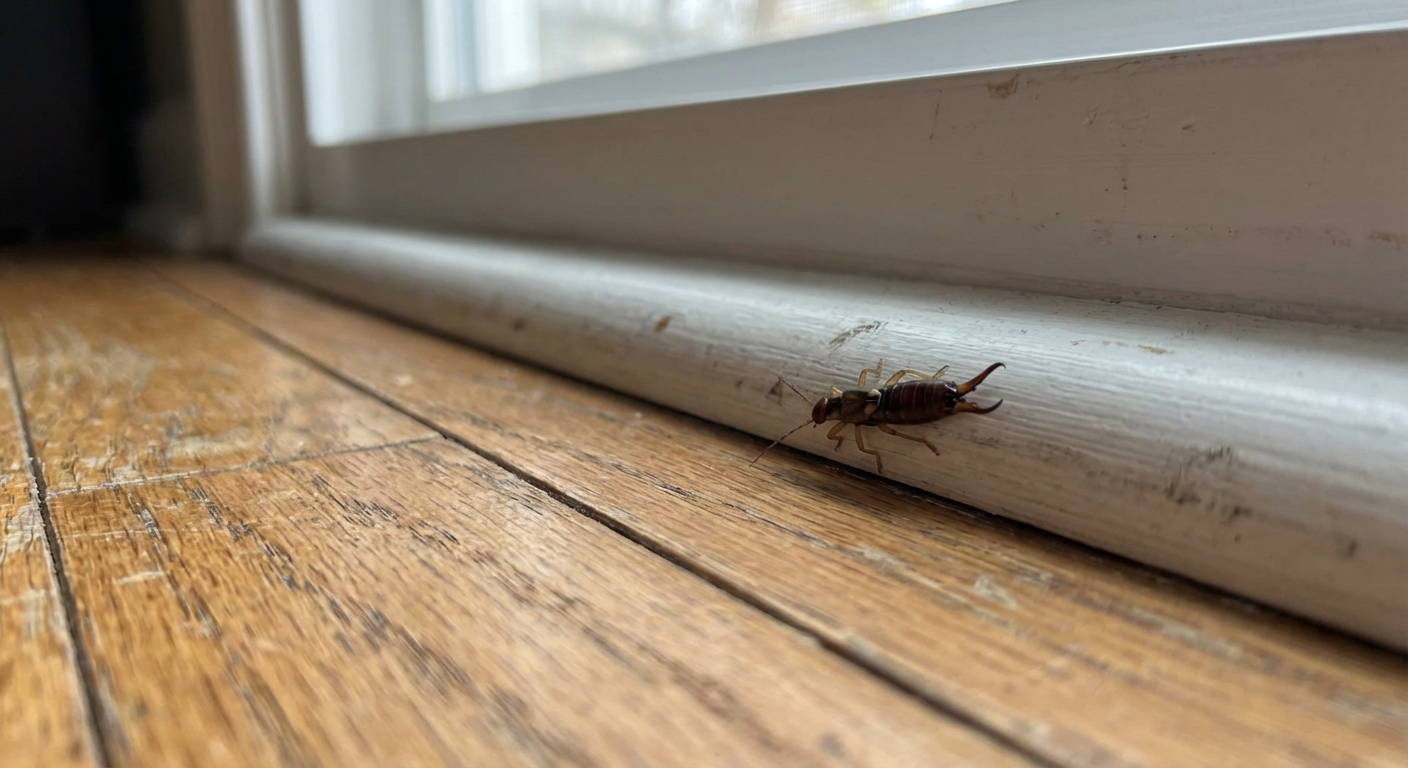
Earwigs look scary, show up when you least expect it, and always seem to appear in the places you least want them: bathrooms, basements, laundry rooms, and sometimes right in the kitchen sink. The good news is this is usually a moisture and access issue, not a sign your house is dirty. If you can dry out their favorite hangouts and close off how they get in, you can knock an earwig problem down fast.
Below is the exact approach I use on my own house: identify, reduce moisture, trap what is already inside, then fix the outdoor conditions that keep sending more in.
What earwigs are (and whether you should worry)
Earwigs are slender, brown insects about ½ to 1 inch long with a pair of pincers on the back end. Those pincers are mostly for defense and wrestling other earwigs. They can pinch, but they are not poisonous, they do not sting, and they are not considered a significant health threat in the home.
What they do love is moisture and tight, dark hiding places. That is why they pop up in damp areas indoors and in mulched, shady areas outdoors.
Common signs you have earwigs
- You spot them at night or early morning near sinks, tubs, floor drains, or damp basements.
- You find them hiding under doormats, cardboard, wet towels, or piles of laundry.
- You see them near exterior doors after rainy weather or heavy watering.
- You find a few dead ones near windows, vents, or light fixtures.
Earwig or something else?
People often confuse earwigs with roaches or silverfish. A quick check: earwigs have obvious rear pincers. Roaches do not. Silverfish look more like a shiny, tapered fish with three tail-like filaments.
Why earwigs come inside
If you remember one thing, make it this: earwigs are usually accidental indoor visitors hunting for moisture and shelter. When outdoor conditions are right, they multiply and start wandering. When indoor conditions are damp, they settle in.
The big triggers
- Moisture: leaky pipes, sweaty HVAC ducts, wet basements, damp crawl spaces, overwatered houseplants.
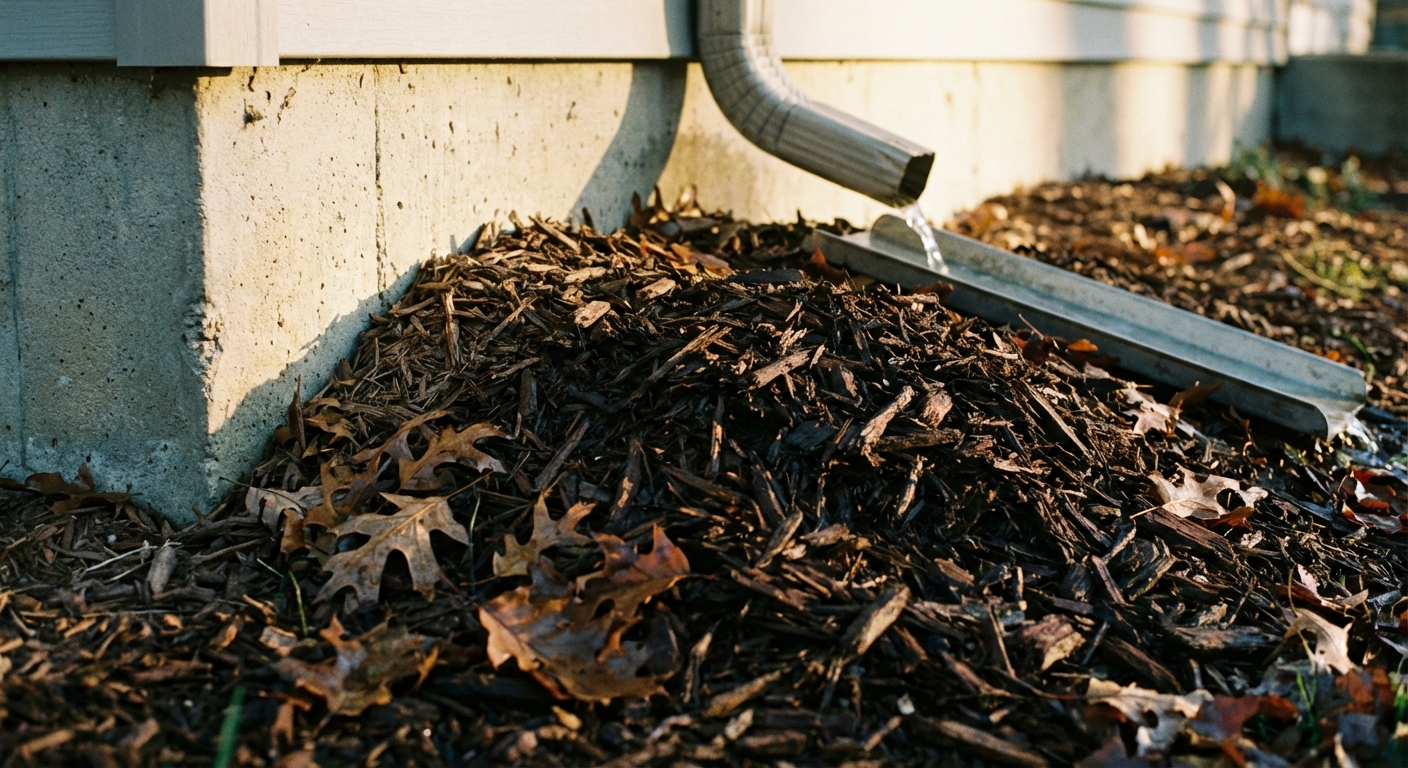
- Outdoor habitat near the foundation: thick mulch, leaf piles, groundcover, stacked firewood, wet landscaping timbers.
- Easy entry points: gaps under doors, torn screens, unsealed pipe penetrations, cracks in foundation or siding joints.
- More activity near doors at night: bright exterior lights can increase insect activity near entries, which can increase earwig sightings around thresholds and cracks.
Fast action plan: what to do today
When earwigs show up, it is tempting to spray first and ask questions later. I have done that. It works for the ones you hit, but it rarely fixes the reason they are there. This plan does.
- Reduce indoor moisture in the rooms where you see them.
- Trap and vacuum to remove the current batch.
- Seal the obvious entry points so you are not fighting reinforcements.
- Fix the outdoor perimeter where they hide and breed.
Step 1: Dry out their favorite rooms
Earwigs need moisture to thrive. If you make your house less damp, you make it less earwig-friendly.
Target these areas first
- Bathroom: run the fan for 20 to 30 minutes after showers, clear clogs, and check for slow leaks around the toilet base and vanity.
- Basement: use a dehumidifier and aim for under 50% relative humidity (40% to 50% is a solid target in most homes).
- Kitchen: fix sink and dishwasher leaks, dry out the cabinet floor, and do not leave wet sponges on the counter overnight.
- Laundry: confirm the dryer vent is exhausting outdoors and not leaking moisture indoors.
Quick checklist
- Wipe up standing water and condensation.
- Store cardboard off the floor in basements and garages.
- Pick up damp towels, bath mats, and piles of laundry.
- Check houseplants for constantly wet soil and saucers holding water.
Step 2: Trap earwigs with simple DIY setups
Traps are my favorite first move because they are cheap, low-tox, and they tell you where earwigs are most active. Place traps at night, then check them in the morning. Like any trap, results depend on placement and activity levels, so move them around until you find the hot spots.
Oil and soy sauce trap (my go-to)
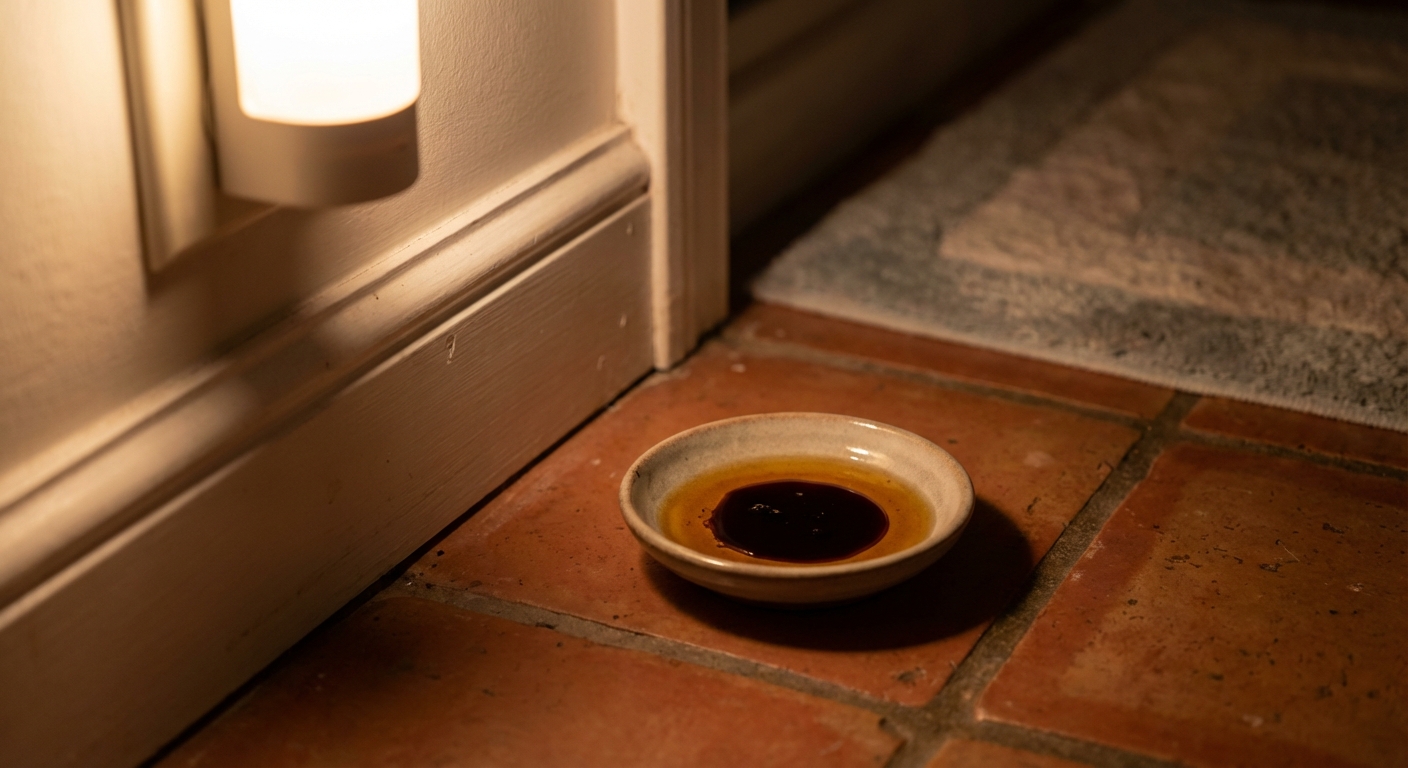
This one works because the soy sauce attracts them and the oil traps them.
- Use a shallow container like a tuna can, yogurt cup lid, or small plastic deli cup.
- Add 1 tablespoon soy sauce and 1 tablespoon vegetable oil.
- Place it along baseboards where you have seen earwigs, especially near bathrooms and laundry rooms.
- In the morning, dump the contents into a bag, tie it off, and toss it.
Tip: If you have pets, slide the trap under a cabinet toe-kick or behind the toilet where pets cannot reach.
Rolled newspaper trap (great for basements)
Earwigs love to hide in damp paper during the day.
- Lightly mist a few sheets of newspaper (do not soak them).
- Roll them into a loose tube and secure with a rubber band.
- Place near damp spots overnight.
- In the morning, take the roll outside and shake it into a bucket of soapy water.
Cardboard tube trap (cleaner version of newspaper)
- Use an empty paper towel or toilet paper tube.
- Stuff it with a little damp paper towel.
- Set it near baseboards overnight and empty in the morning.
Step 3: Remove earwigs already inside
Vacuum is the cleanest kill
If you see earwigs regularly, grab a vacuum with a hose and hit the edges of the room: baseboards, behind toilets, under sinks, around floor drains, and the crack under exterior doors. When you are done, immediately empty the canister or remove the bag and seal it in a trash bag.
Soapy water works in a pinch
For single earwigs, a spray bottle with water plus a small squirt of dish soap can immobilize them quickly. It is not glamorous, but it is effective for spot control.
Sticky traps for monitoring
Sticky insect traps placed along baseboards help you confirm activity and pinpoint hotspots. Put them where kids and pets will not mess with them.
Step 4: Seal entry points (this is where the wins stick)
Earwigs flatten their bodies and sneak through surprisingly small gaps. Sealing up common entry routes is the difference between “I killed a bunch” and “I solved it.”
Focus on these spots
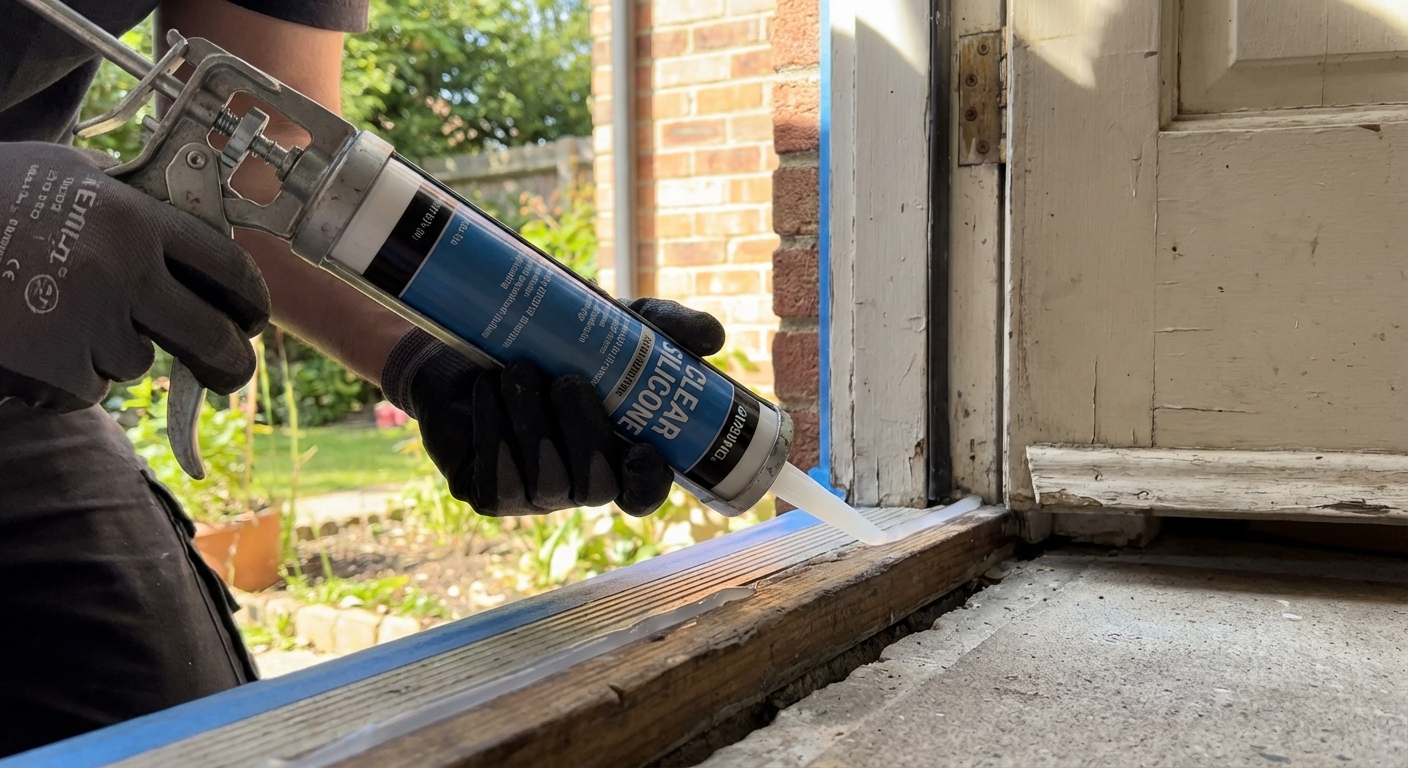
- Under exterior doors: replace worn door sweeps and adjust thresholds.
- Window and door trim: caulk cracks where trim meets siding or brick.
- Foundation cracks: seal with appropriate masonry caulk or patching compound.
- Pipe and wire penetrations: seal gaps where lines enter the house using silicone caulk. For larger gaps, use copper mesh first, then seal.
- Screens: repair torn screens and ensure window screens fit snugly.
My beginner-friendly rule: if you can slide a credit card into a gap at an exterior opening, it is worth sealing.
Step 5: Fix the outdoor conditions that keep sending them in
Most earwig problems start outside. If you only treat indoors, you are mopping while the faucet is still running.
Reduce habitat near the foundation
- Pull mulch back 6 to 12 inches from the foundation, and keep it to about 2 to 3 inches thick so it dries out faster.
- Clear leaves and debris from the foundation line and window wells.
- Move firewood at least 20 feet from the house and keep it off the ground.
- Trim dense groundcover and keep plants from touching siding.
Control water around the house
- Extend downspouts so they discharge away from the foundation.
- Fix leaky outdoor spigots.
- Avoid watering late in the evening, especially near the house.
- Ensure soil slopes away from the foundation when possible.
Dial back nighttime activity near doors
- Switch porch bulbs to warm/yellow or “bug light” LEDs.
- Turn off exterior lights when you do not need them.
- Move bright lights away from doors if you can.
Know when it is seasonal
Earwig activity often peaks during warm, wet periods and after rainy stretches. If you dry things out and clean up the perimeter, you will usually see numbers drop as conditions get less damp.
Perimeter treatments (when traps and drying are not enough)
If you are seeing lots of earwigs or they keep coming back after you reduce moisture and seal gaps, a perimeter treatment can help. The goal is to treat outside where they live, not to fog your living room.
Low-tox options
- Diatomaceous earth (food grade): Dust lightly in dry areas where earwigs travel, like along garage edges or behind planters. It does not work well when wet, so keep it dry and reapply after rain. Safety note: avoid breathing the dust and keep it away from kids and pets.
- Boric acid: Effective but needs careful placement away from kids and pets, and it is best used in cracks and voids rather than open areas. Safety note: it is toxic if ingested and may be restricted in some locations, so follow local rules and label directions.
Exterior residual insecticides
Many homeowners choose an outdoor perimeter spray labeled for earwigs around:
- Foundation perimeter
- Door thresholds
- Window frames
- Entry points like utility penetrations
Always follow the label instructions, including application rate, reapplication schedule, and where it is safe to apply. Use extra caution near drains, wells, and water features, and follow local regulations. If you are unsure, start with moisture control and traps first. Those solve most earwig issues without chemicals.
Room by room: where to look and what to do
Bathroom
- Check under the vanity for slow leaks and damp cabinet bottoms.
- Clean hair and gunk from the tub drain and overflow area.
- Run the fan longer or crack a window after showers.
Basement or crawl space
- Set a dehumidifier and confirm it is draining properly.
- Store items in plastic totes, not cardboard.
- Seal rim joist gaps and penetrations.
Kitchen
- Inspect the dishwasher supply line and drain connection.
- Dry out any dampness under the sink and add a leak alarm if you can.
- Use traps near toe-kicks where they hide.
Garage
- Replace the bottom seal on the garage door if you see daylight.
- Reduce clutter along the walls and keep wet items off the floor.
- Focus traps near the door to the house and any floor drains.
What not to do (common mistakes I have made)
- Do not overwater foundation plants and then wonder why earwigs move in.
- Do not stack mulch against the foundation like a cozy blanket. It holds moisture and gives them cover.
- Do not rely on indoor bug bombs for earwigs. They tend to hide in cracks and damp voids where fogging does not reach well, and you still have the outdoor source.
- Do not skip sealing just because traps are catching earwigs. Traps catch symptoms. Sealing reduces the cause.
When to call a pro
If you have done the moisture work, set traps for a week, sealed obvious entry points, and you are still seeing earwigs daily, it may be time to call a pest control pro. Also consider professional help if:
- You have a damp crawl space you cannot access safely.
- You suspect larger moisture issues like a hidden plumbing leak or poor drainage at the foundation.
- You are seeing multiple pests at once, which can point to a broader moisture or structural issue.
FAQ
Do earwigs crawl into your ears?
This is a common myth. Earwigs prefer damp, dark outdoor hiding places and tight cracks. Finding one in an ear is extremely rare and not something most homeowners need to worry about.
Why do I only see earwigs after it rains?
Heavy rain can flood their outdoor hiding spots, pushing them to higher, drier areas. That often means wandering toward foundations, garages, and ground-level rooms.
How long does it take to get rid of earwigs?
If you reduce moisture and set traps, you should see improvement in a few days. To really stop them from returning, give it 2 to 4 weeks of perimeter fixes and habitat cleanup, especially during warm, damp seasons.
Will earwigs damage my house?
They do not chew wood like termites. Indoors, they are mostly a nuisance. Outdoors, they can nibble tender plants and seedlings, especially if populations are high.
The simple takeaway
Earwigs are usually a moisture and shelter issue. Dry out the damp areas, trap what is inside, seal the easy entry points, and clean up the moist hiding spots around your foundation. Do that, and earwigs stop feeling like a mystery and start feeling like just another weekend project you can handle.

About Marcus Vance
Content Creator @ Grit & Home
Marcus Vance is a lifelong DIY enthusiast and self-taught home renovator who has spent the last decade transforming a dilapidated 1970s ranch into his family's dream home. He specializes in budget-friendly carpentry, room-by-room renovations, and demystifying power tools for beginners. Through his writing, Marcus shares practical tutorials and hard-learned lessons to help homeowners tackle their own projects with confidence.