
Fire ants are not just outdoor ants
If you have a mysterious dirt mound that seems to pop up overnight, plus the kind of sting that makes you say words you do not want your kids repeating, you are likely dealing with fire ants. They behave differently than the sugar ants that sneak into kitchens, and they need a different game plan.
In most yards, the most reliable DIY approach is a two-step method: broadcast bait across the whole yard (spread bait granules evenly so foraging workers carry them back to hidden colonies) and treat problem mounds directly (for quick relief where you need it).
Safety first
Before we talk products, a quick safety talk from someone who has learned this the itchy way.
- Wear closed-toe shoes and long socks when inspecting or treating.
- Keep kids and pets away during application and until products are dry or settled, per the label.
- Do not stomp or kick mounds. Fire ants swarm fast and climb up shoes and pant legs.
- Watch for allergic reactions. Seek medical help right away for trouble breathing, swelling of the face or throat, dizziness, or widespread hives.
- Expect pustules. Fire ant stings often form small white pustules in 24 hours. Do not pop them. Wash with soap and water and use an itch cream if needed.
How to spot fire ants
You do not need a microscope, just a few clues.
Mound clues
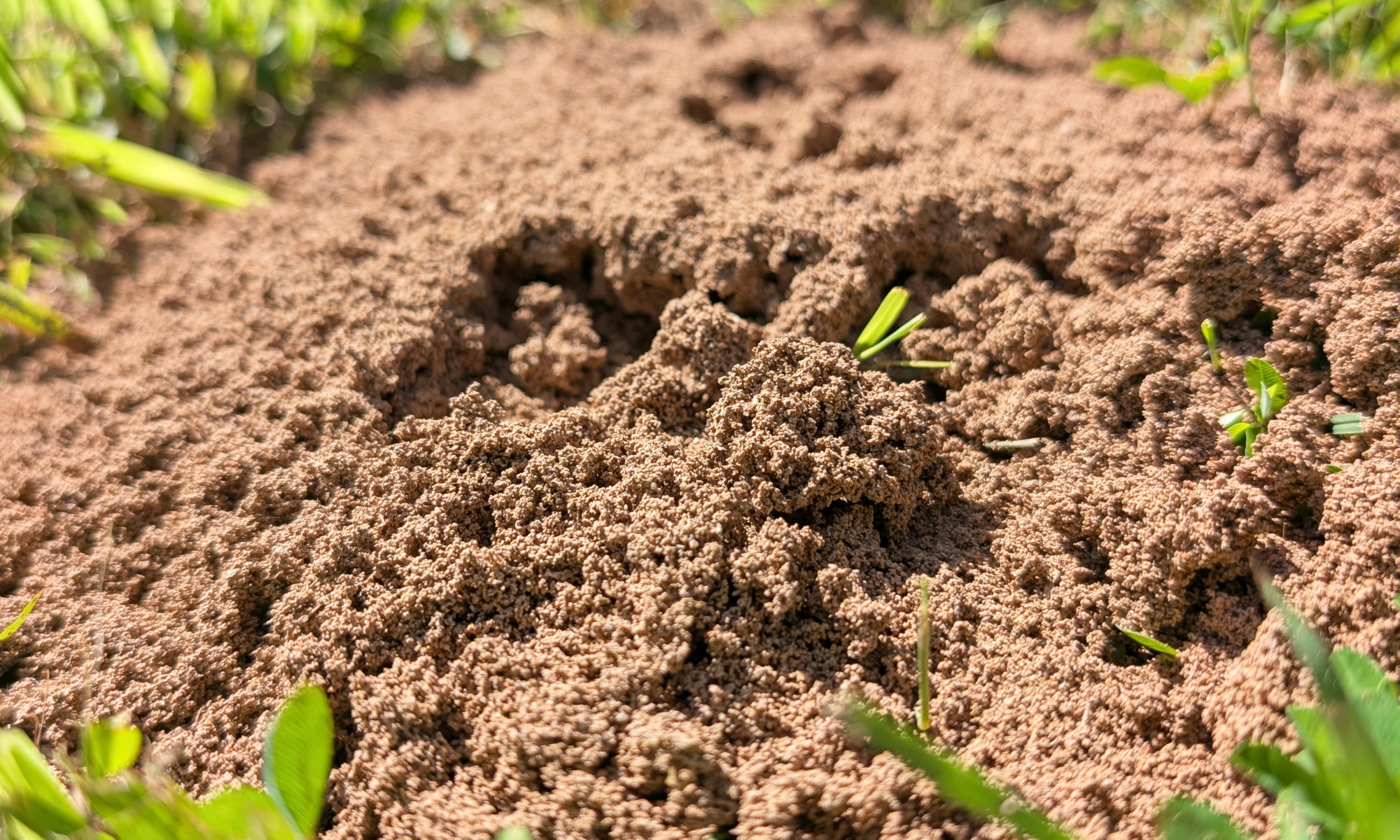
- Fluffy, loose soil mound that looks freshly piled. Size varies by soil and species, but many are roughly 6 to 18 inches across.
- No obvious entrance hole at the top like many other ant mounds. Openings are often on the sides or underground.
- Fast, aggressive response if disturbed. They rush out and climb.
Ant clues
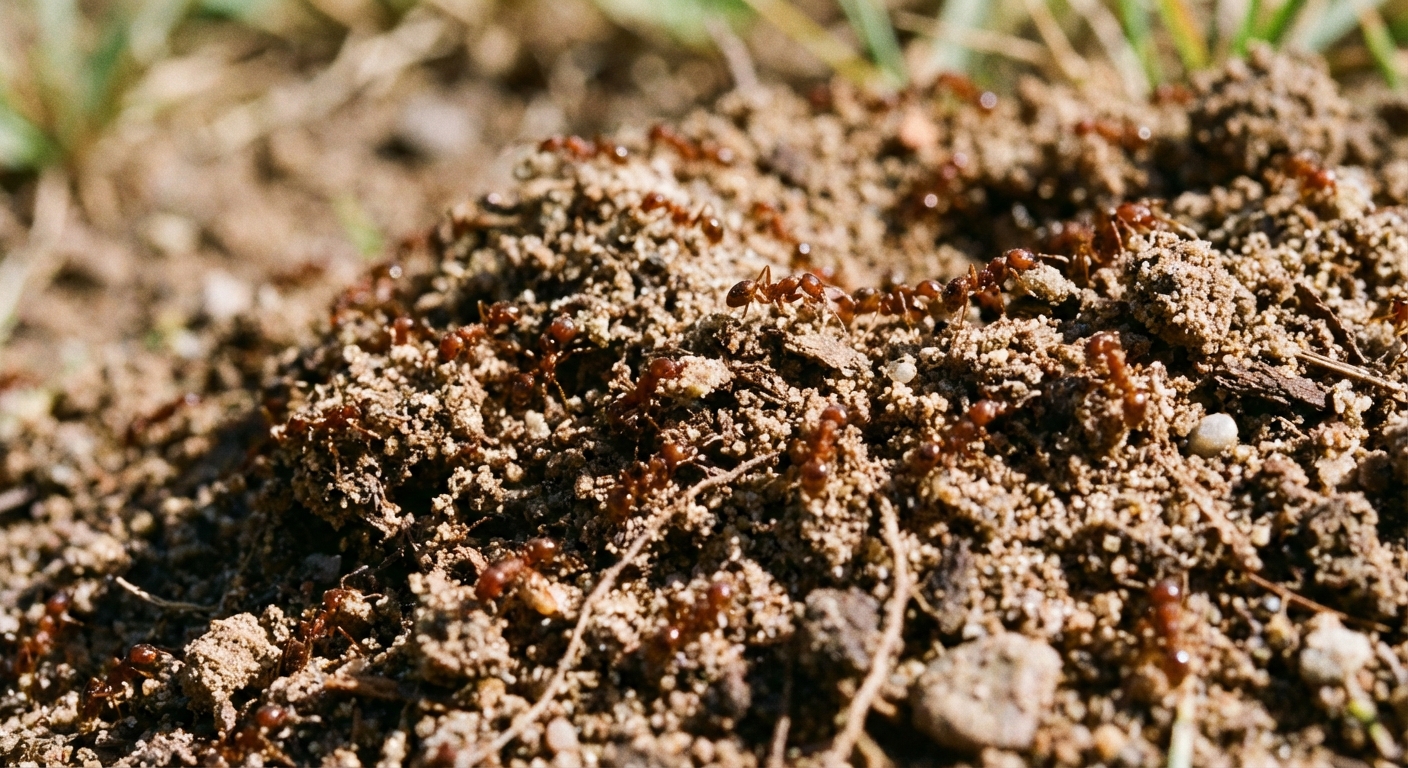
- Color varies by species and region, but many are reddish-brown with a darker abdomen.
- They sting, and often multiple times.
- They build multiple mounds in open sunny areas, along sidewalks, near driveways, and in lawns.
If you are unsure, treat cautiously anyway. The methods below are designed for fire ants, but they are generally appropriate for many yard ant situations when you follow the label and avoid over-application.
Pick your approach
Here is the trap most of us fall into at first: we kill the mound we can see, feel proud for 48 hours, then another mound pops up ten feet away. That is because fire ants can have multiple colonies in a yard, plus colonies migrating in from neighbors, greenbelts, and vacant lots.
When mound-only works
- You have one or two mounds and you catch them early.
- The yard is small and you do not see new mounds forming.
When to broadcast bait
- You have multiple mounds, or new ones keep appearing.
- You are in a high-pressure area where fire ants are common.
- You want long-term reduction, not whack-a-mole.
Mound treatment options
Mound treatments come in two main flavors. I keep both options in mind because they solve different problems.
Mound bait
Baits are small granules coated with an attractive food oil plus an insecticide or insect growth regulator. Workers carry the bait into the colony and share it, which can knock out the queen and the brood. It is not instant, but it is effective when conditions are right.
- Best for: long-term kill of the colony.
- Timing: typically takes several days to a couple of weeks.
- Skip it when: the ground is wet, rain is likely soon, or it is cool and ants are not actively foraging.
How to apply mound bait
- Check for foraging. Sprinkle a few potato chips or a dab of peanut butter near the mound. If ants find it within 15 to 30 minutes, they are actively foraging and bait can work.
- Apply bait around the mound. Follow the label. Many products are applied in a ring a couple of feet out from the mound, not directly on top.
- Leave it alone. Do not water it in unless the label says to. Do not disturb the mound for a few days.
Mound drench
Drenches are liquid treatments you pour over and around the mound to kill ants on contact and penetrate the colony. Done right, they can wipe out a mound quickly. Done wrong, they may scatter ants and encourage relocation or “budding” (where part of the colony moves and sets up nearby), especially in areas with multi-queen populations.
- Best for: urgent problem mounds near patios, play areas, or pet zones.
- Timing: often same day results, depending on product.
- Watch out for: runoff into storm drains, gardens, ponds, or other sensitive areas.
How to drench a mound
- Pick a calm, dry day. You want the mound intact and the solution to soak in, not wash away.
- Mix exactly per label. More is not better. It is usually just wasteful and can increase risk to plants and beneficial insects.
- Use enough volume. Many mound drenches require substantial liquid to saturate the mound (commonly around 1 to 2 gallons), but the label is the real number.
- Pour slowly. Start a foot or two away from the mound, then over the top. Slow pouring helps it soak down instead of running off.
My practical rule: If a mound is in a high-traffic spot, I drench for speed. If it is out in the back corner, I bait and let the colony carry the active ingredient where I cannot reach.

Broadcast bait for whole-yard control
Broadcast baiting is where you start winning the long game. Instead of only fighting visible mounds, you reduce the colonies across the entire property, including the ones that have not built obvious mounds yet.
What to buy
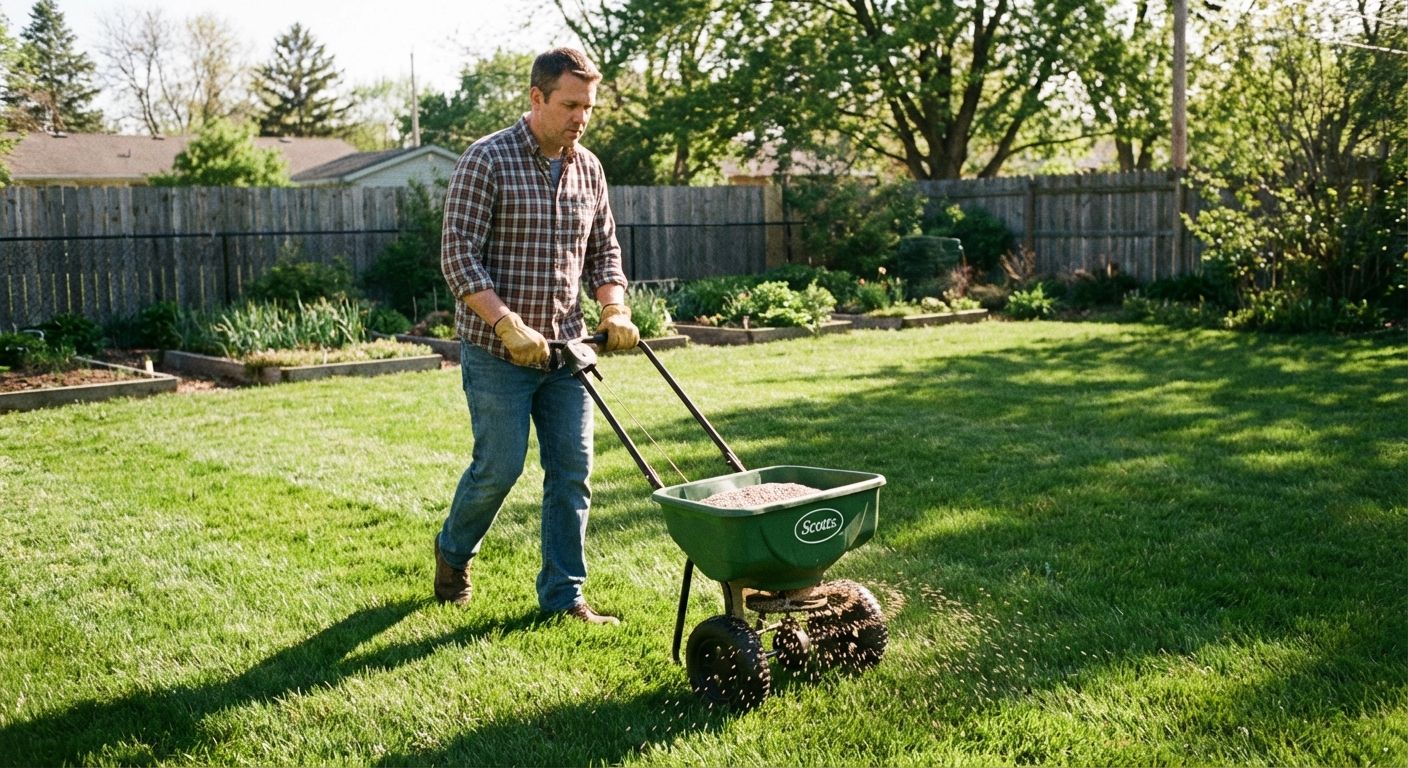
Look for a fire ant bait labeled for broadcast application. These typically come in a bag and can be applied with a hand spreader or lawn spreader.
If you want to get a little more technical (without getting brand-specific), common bait actives include insecticides like hydramethylnon, indoxacarb, or spinosad, and insect growth regulators (IGRs) like methoprene or pyriproxyfen. The best choice depends on your timeline and what is available in your area. Either way, follow the label.
When to apply
- When ants are actively foraging: usually warm, dry days. Many extension guides cite the best activity around roughly 70 to 90°F, but local conditions vary.
- Not right before rain or irrigation. Wet bait can spoil, lose attractiveness, or break down faster, so ants may ignore it. Follow the label for any rainfast guidance.
- Often spring and fall are prime windows in many regions, with spot treatments as needed in summer.
How to apply
- Mow first, then wait. Apply 1 to 2 days after mowing so bait granules land where ants can find them.
- Set your spreader. Apply at the label rate. Over-applying does not double effectiveness.
- Spread evenly. Walk a steady pace, overlapping slightly like you would with grass seed.
- Keep it dry for a bit. Give it time to be collected. Follow the label for how long to hold off on watering.
If you only do one thing for long-term control, make it broadcast baiting. It is the closest thing to “treat it and relax” that I have found in DIY pest control.
Lower-tox options
I am all for using the least aggressive solution that gets the job done. With fire ants, the trick is being honest about expectations. Many “natural” ideas work only on individual ants or only when applied perfectly.
Boiling water
Pouring boiling water into a mound can kill a lot of ants and sometimes the colony, especially on smaller mounds. It can also burn you, kill grass, and still miss the queen if the colony is deep or moved.
- Best for: small, isolated mounds away from foot traffic.
- Avoid: slopes, areas near plants you care about, and anywhere kids or pets might get curious.
Diatomaceous earth
Food-grade diatomaceous earth can help in dry conditions as a barrier, but it tends to clump and lose effectiveness when wet. It can reduce activity, but it is not my first pick for eliminating established fire ant colonies.
Beneficial nematodes
Some homeowners report good results with beneficial nematodes, especially in moist, shaded soils and when applied correctly. They are living organisms, so storage, timing, and soil conditions matter a lot. Think of them as a longer-term biological tool, not an emergency fix.
Vinegar and baking soda
These can kill a few surface ants but rarely eliminate a colony. If you want fewer mounds next month, put your effort into baiting and targeted mound treatments.
What not to do
- Do not use gasoline, kerosene, or other flammables. It is dangerous, illegal in many areas, and it can contaminate soil and groundwater.
- Do not light mounds on fire. This one should go without saying, but it shows up on the internet often enough.
- Do not over-apply pesticides. More product usually means more risk, not better results.
A simple 30-day plan
If you feel overwhelmed, use this straightforward schedule. It is what I would tell a neighbor who just found their first mound by the hose bib.
Day 1: Mark mounds
- Walk the yard and mark mounds with small flags or stakes.
- Keep pets indoors or leashed while you scout.
- Try not to disturb mounds while you are out there. Disturbing them increases stings and can reduce bait pickup later.
Day 2 or 3: Broadcast bait
- Choose a dry day when ants are foraging.
- Apply bait evenly at the label rate.
- Avoid applying directly onto blooming plants, and follow label directions near vegetable gardens and water.
Same week: Treat high-traffic mounds
- Drench or use a labeled mound product for mounds near patios, play sets, walkways, and garden paths.
- Leave low-traffic mounds alone for a bit so foragers can carry bait back to the colony.
Week 2 to 4: Recheck and spot treat
- Look for new mounds after warm days or after rain.
- Spot-treat only what is needed.
Prevention tips
You cannot fence your yard off from nature, but you can make it harder for colonies to thrive and easier to notice them early.
Yard habits
- Keep grass healthy and thick. Thin, stressed turf leaves more bare soil for mounding.
- Manage moisture. Fix leaky spigots and overwatering. Damp zones attract insects that ants feed on.
- Reduce easy food sources. Pick up fallen fruit, keep trash lids tight, and avoid leaving pet food outside.
- Edge and inspect. Fire ants love borders: driveway seams, sidewalk edges, and mulched beds.
Seasonal maintenance
In fire ant heavy areas, many homeowners get the best control by doing a broadcast bait application once or twice a year (often spring and fall), then spot treating mounds as needed.
Common mistakes
- Baiting right before rain. Wet granules can spoil and lose attractiveness, so ants may ignore them.
- Disturbing the mound first. Kicking or raking makes ants defensive and can encourage relocation in some cases.
- Using the wrong product type. Some ant baits are meant for indoor sugar ants and do almost nothing for a fire ant colony outdoors.
- Over-applying. It wastes money and can increase unintended impacts. The label is your guide.
When to call a pro
DIY can handle a lot, but call a licensed pest professional if:
- You have repeated infestations despite broadcast baiting and proper mound treatment.
- Mounds are appearing near electrical equipment, well heads, or sensitive drainage areas.
- Someone in the home has a history of severe allergic reactions to stings.
Quick FAQ
How long does it take?
Mound drenches can reduce a mound the same day, but whole-yard reduction usually takes 1 to 4 weeks with broadcast bait depending on product and weather.
Should I treat every mound?
If you are also broadcasting bait, focus on high-traffic mounds first. If you wipe out every mound immediately with fast contact killers, you can temporarily reduce the number of foragers available to carry bait back into the colony. Broadcast first, then reserve direct mound treatments for the mounds that matter most.
Will they come back?
They can, especially in regions where they are established. Consistent broadcast baiting and quick spot treatments usually keep them at a manageable level.
My bottom line
If you want the most reliable DIY results: broadcast bait for the whole yard, then use mound drenches or mound baits strategically where you need fast relief. Stay patient, follow the label, and do not give fire ants the satisfaction of seeing you panic dance in the lawn.

About Marcus Vance
Content Creator @ Grit & Home
Marcus Vance is a lifelong DIY enthusiast and self-taught home renovator who has spent the last decade transforming a dilapidated 1970s ranch into his family's dream home. He specializes in budget-friendly carpentry, room-by-room renovations, and demystifying power tools for beginners. Through his writing, Marcus shares practical tutorials and hard-learned lessons to help homeowners tackle their own projects with confidence.