
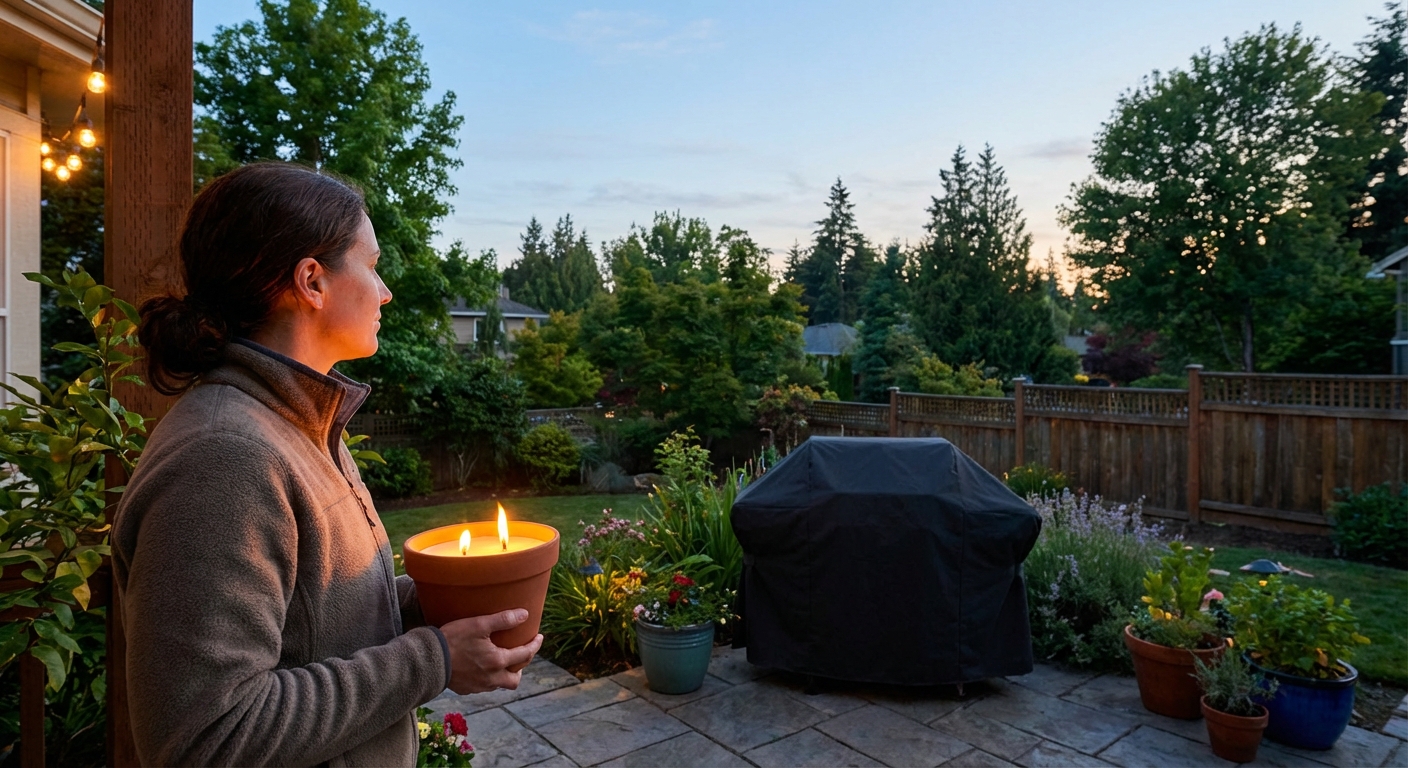
Mosquito control is one of those “small problem, big misery” situations. The good news is you don’t need to fog your whole property every weekend to make a dent. You need a plan that hits mosquitoes at every stage: eggs and larvae in water, adults resting in sheltered spots, and the areas where your family actually hangs out.
Below is the same approach I use at my own place: start with the free fixes, add a few targeted treatments, and only escalate if your yard keeps getting reinfested from nearby breeding sites.
Quick reality check: what actually works
Most backyard mosquito problems come down to two things: water (even tiny, hidden sources) to breed and shelter (often shady, protected vegetation) to rest during the day. If you remove the water and make your hangout zones less inviting, you can cut the population fast. Sprays and traps help, but they work best as part of a layered approach.
- Best ROI: dumping water, cleaning gutters, fixing drainage, and treating unavoidable water with larvicide
- Best for patios: fans, screening, targeted barrier spray on foliage away from dining areas
- Most overhyped: typical UV bug zappers and one lonely citronella candle in a big yard
Step 1: Eliminate standing water (the big win)
If you do only one thing this week, do this. In warm weather, some mosquitoes can go from egg to biting adult in as little as 7 to 10 days (sometimes longer depending on species and temperature). That’s why a quick weekly lap around your property is so powerful.
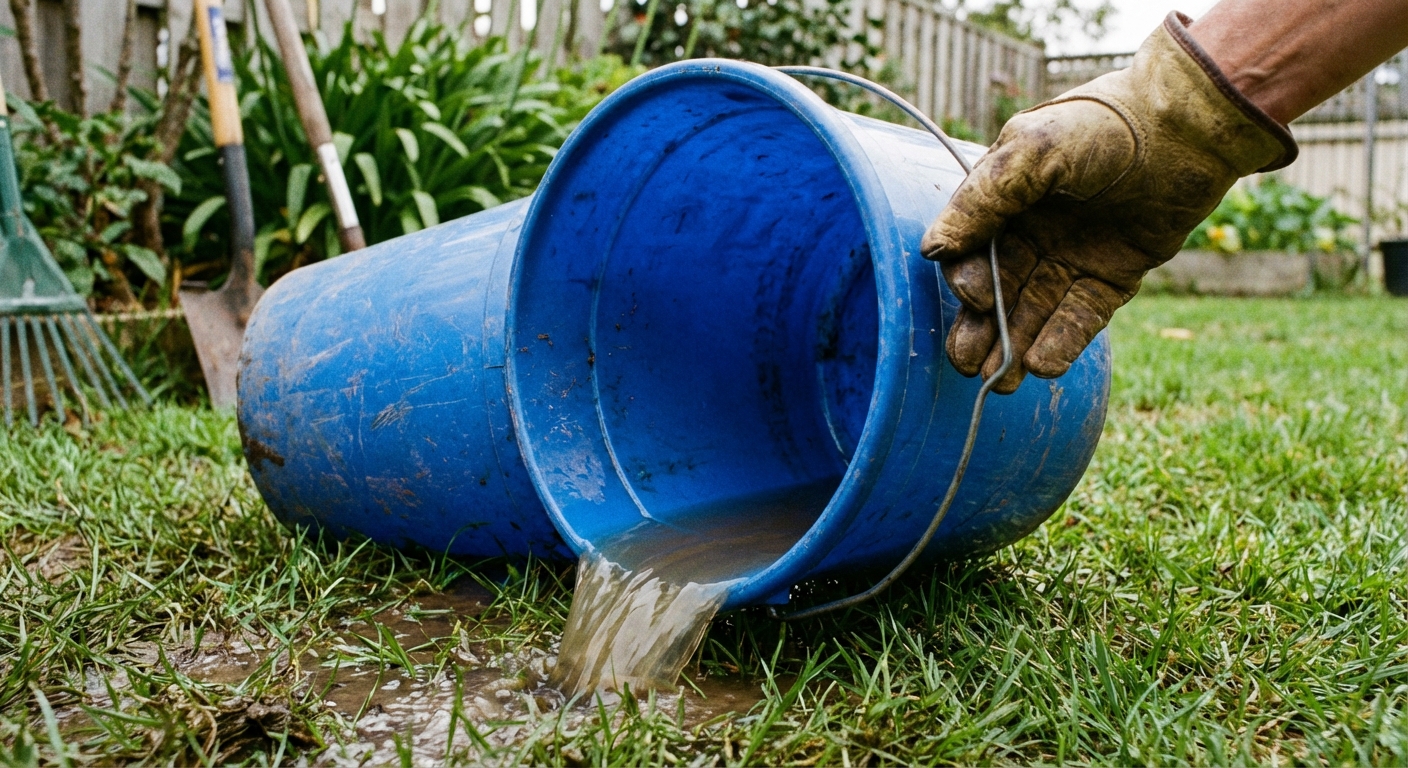
Do a 10-minute weekly “dump and scrub” lap
- Dump water from kids’ toys, buckets, wheelbarrows, tarps, and grill covers that sag and puddle.
- Empty and scrub birdbaths and pet bowls at least weekly. Mosquito eggs can stick to the sides, so a quick scrub matters.
- Check planter saucers. Either drain them, swap to self-watering planters, or fill saucers with sand so water doesn’t sit.
- Store items that collect water upside down, especially in spring and after storms.
Fix the sneaky water sources
- Gutters: Clean out leaves so water doesn’t sit. A clogged gutter can breed mosquitoes like a long, skinny birdbath.
- Downspouts: Extend them so they don’t create soggy low spots right off the foundation.
- Low areas: Regrade small dips with topsoil, or add a simple French drain if you’ve got recurring puddles.
- Leaky spigots and irrigation: Fix drips and adjust sprinklers so you aren’t creating daily wet pockets under shrubs.
What about ponds and rain barrels?
- Rain barrels: Use a tight lid and fine mesh screen over any opening, including overflow ports.
- Ornamental ponds: Keep water moving with a small pump and consider adding mosquito-eating fish where appropriate and legal in your area.
Step 2: Use larvicide where water can’t be removed
Some water is unavoidable: a pond, a drainage ditch, a rain barrel you actually use. In those cases, you go after the larvae before they become flying problems.
For most homeowners, the go-to is a Bti larvicide (often sold as “mosquito dunks” or “bits”). Bti is a naturally occurring soil bacterium that targets mosquito larvae when it’s used as directed.
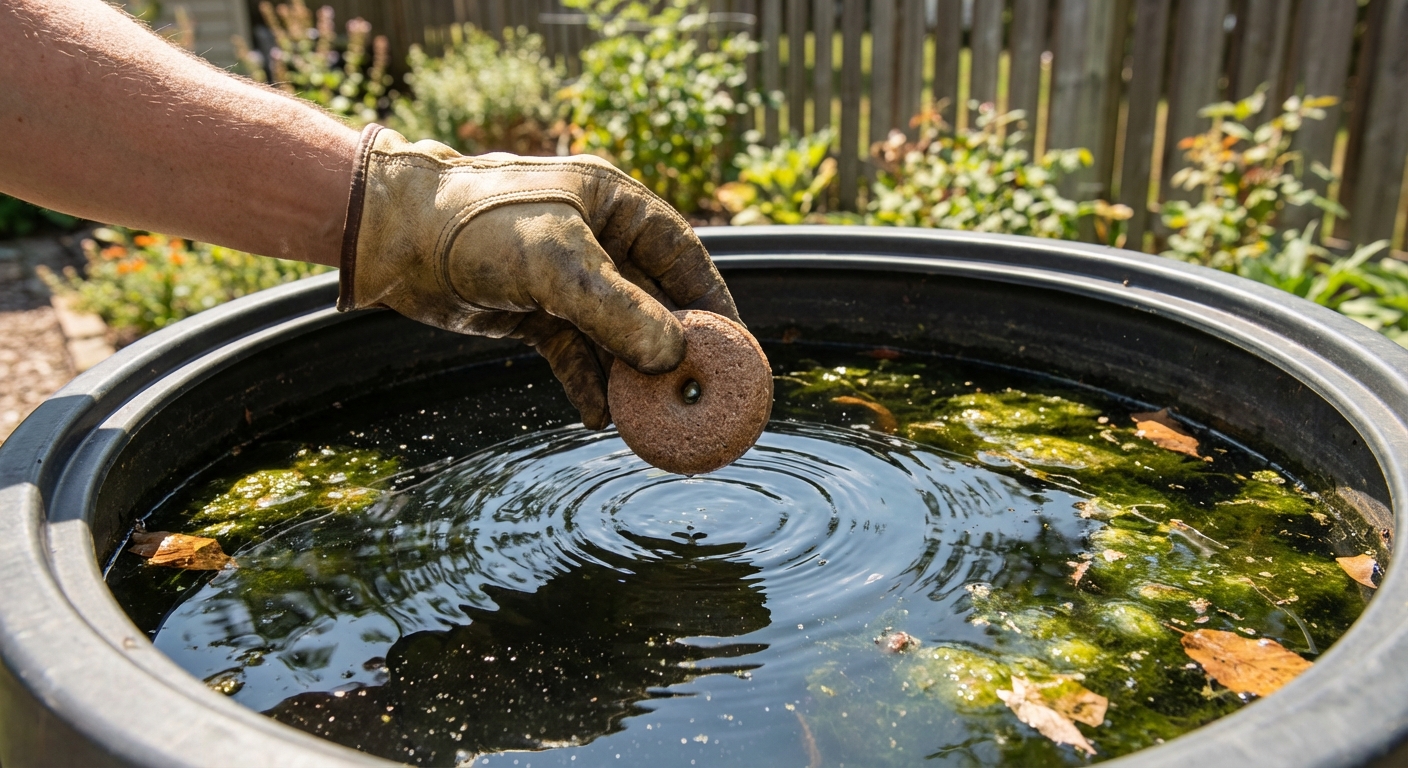
Where larvicide makes sense
- Rain barrels and cisterns (only if the product label allows it for that use)
- Low spots that stay wet for days
- French drain outlets that hold water
- Unused fountains or water features you can’t drain right now
- Stormwater areas on your property (where permitted)
Common mistakes
- Skipping the label: Follow the product directions for how much to use and how often to reapply.
- Treating moving water: Larvicides work best when water is relatively still and larvae are present.
- Thinking it replaces cleanup: It’s a backup for unavoidable water, not a substitute for dumping junk water sources.
Step 3: Add repellent plants (helpful, not magical)
I like repellent plants the same way I like weatherstripping: they’re not the whole solution, but they can tighten things up around the edges, especially on patios and near doors.
Just keep expectations realistic. Most of the real “repellent” effect comes when a plant’s oils are released (think crushed leaves or harvested oils), not from a pot quietly sitting in the corner.
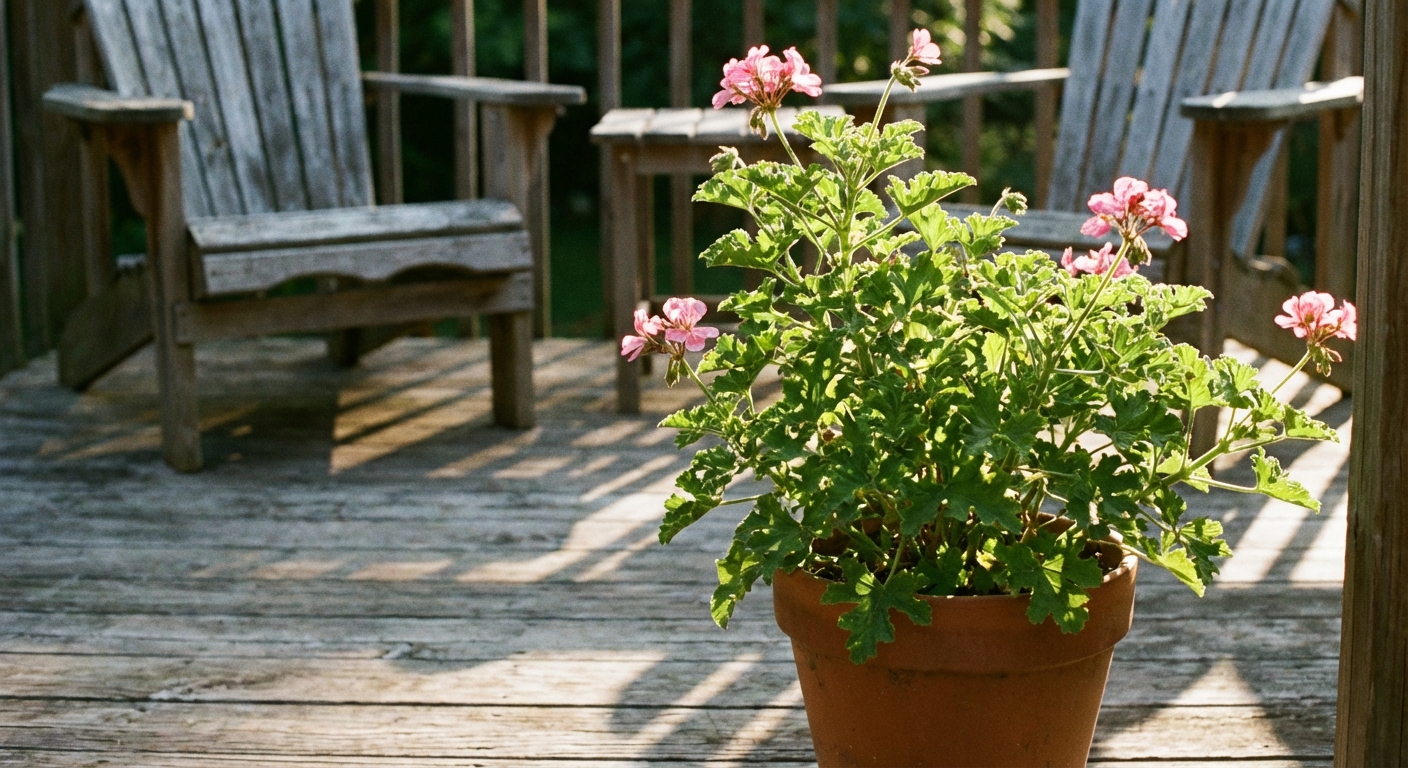
Plants that can help near seating areas
- Citronella geranium (often sold as “mosquito plant”)
- Lemongrass (source of citronella oil)
- Basil (bonus: great for cooking)
- Rosemary (tough and drought-tolerant)
- Lavender (sun-loving and fragrant)
- Mint (keep it in pots, unless you want it everywhere)
Placement tip: Put these in containers right where you sit, not out in the far corner of the yard. Mosquitoes are hunting around people, so that’s where you want any extra help.
Step 4: DIY mosquito traps (what to try, what to skip)
Traps can be useful, especially if you place them correctly. But they can also backfire if you put them right next to your patio and end up attracting more mosquitoes to where you’re sitting.
Good DIY option: fan trap near a boundary
A simple box fan setup may reduce mosquitoes in a small area, especially in still-air spots. The basic idea is airflow plus a capture surface (like fine mesh). Place it away from where people are, closer to where mosquitoes enter, and run it during peak mosquito hours.
- Place 15 to 30 feet away from seating if possible
- Aim for sheltered areas where mosquitoes travel and rest
- Combine with removing standing water for best results
Use caution with sugar and yeast bottle traps
Those CO2-producing bottle traps can catch some mosquitoes, but results are inconsistent outdoors, and they can draw insects toward your hangout area if they’re placed poorly. If you try one, put it far from doors, decks, and play spaces.
Skip: bug zappers for mosquito control
Most zappers kill lots of harmless insects and relatively few mosquitoes. If you like the look of the light, fine. Just don’t expect it to solve your mosquito problem.
Step 5: Targeted yard sprays (barrier treatments)
When mosquitoes are still bad after water cleanup, a barrier treatment can help knock down adults that rest in sheltered foliage. Think of this as treating the “daytime hiding spots,” not the whole lawn.
Also worth knowing: how long a spray helps depends on the product, your yard, and the weather. Sun, rainfall, irrigation, and dense foliage can all shorten residual effectiveness.
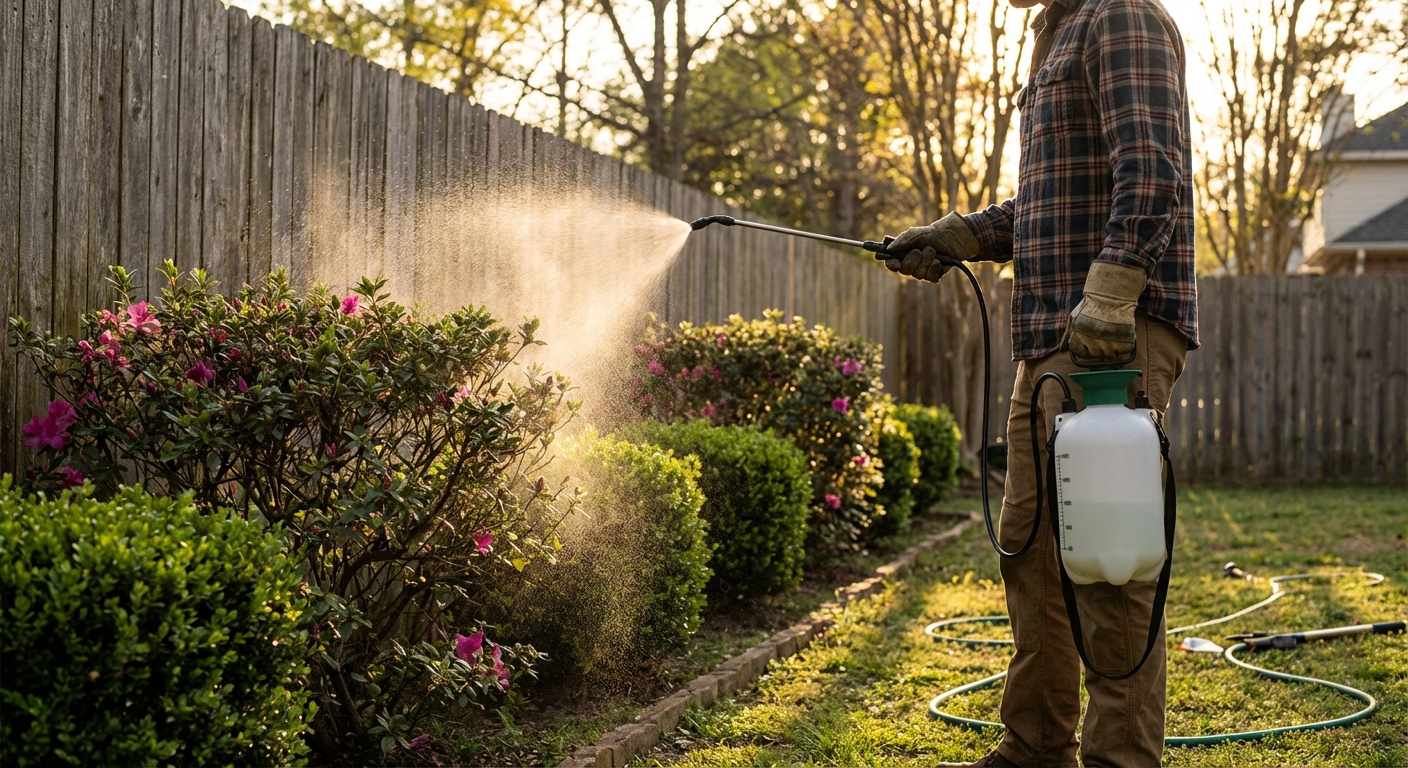
Where to spray for best results
- Under dense shrubs and hedges
- Along fences and shaded property edges
- Under decks where air is still and damp
- Vegetation around patios (not the patio surface itself)
Safety and common sense
- Follow the label exactly for dilution, application, and re-entry time.
- Avoid spraying open flowers when bees are active. Treat shaded foliage, not blooms.
- Cover or move kids’ toys, pet bowls, and patio dining items before spraying.
- Don’t spray on windy days, and avoid drift toward neighbors, gardens, or water features.
My thrifty takeaway: If you’re going to spray, spray less area with more intention. Hitting the right spots beats blanketing the lawn.
Protect patios, decks, and porches
You don’t need the whole yard mosquito-free to enjoy summer. You need a comfortable bubble where you eat, relax, and let the kids play.
1) Put a fan where people sit
Mosquitoes are weak flyers. A simple box fan or pedestal fan on low to medium can dramatically reduce bites on a patio or deck.
- Aim airflow across seating, not straight up into the air
- If you’ve got a covered porch, ceiling fans help a lot
2) Add screening where it makes sense
If you’ve got a porch or under-deck area you use often, screening can be one of the most cost-effective upgrades you make.
- Repair torn window and door screens first
- For porches: use quality screen material and a tight fit around posts and rails
- Seal gaps where mosquitoes slip in, especially at the bottom of doors
3) Manage light and clutter
- Reduce dark, damp hiding spots by keeping patio corners tidy
- Use warm outdoor bulbs if you’re attracting lots of night insects
4) Use personal protection for peak hours
Many mosquitoes are most active at dawn and dusk, but daytime biting can happen too (especially in shaded areas). Long sleeves, socks, and a proven repellent can save your evening.
Look for an EPA-registered repellent and apply as directed. Common actives include DEET, picaridin, IR3535, and oil of lemon eucalyptus (OLE or PMD). For kids, follow the label closely, and note that OLE or PMD products typically aren’t recommended for very young children.
Make your yard less inviting long-term
Once you get control, the goal is staying in control with small routines instead of big weekend battles.
- Mow and trim regularly: Mosquitoes love tall grass and dense shelter.
- Thin overgrown shrubs: Better airflow and more sun makes resting spots less attractive.
- Mulch wisely: Mulch holds moisture. Keep it tidy and don’t let it become a soggy mess near seating areas.
- Fix drainage: If you always have puddles after rain, it’s worth addressing with grading or drainage work.
When to hire a professional mosquito service
I’m all for DIY, but there are times when bringing in a pro is the right call, especially if you’re losing the whole season to bites.
Consider a pro if:
- You have heavy mosquito pressure even after eliminating standing water on your property
- Your yard borders woods, marshy areas, or unmanaged ditches
- You need help identifying breeding sites (gutters, drainage, hidden containers)
- Someone in the home has strong reactions to bites or you’re protecting gatherings
What to ask before you sign
- What products are used, and can you see labels and safety sheets?
- Do they offer larvicide programs or only adult sprays?
- How do they minimize impact on pollinators?
- What’s the re-entry guidance for kids and pets?
- Do they inspect and advise on water sources, or just spray and leave?
A simple weekend checklist
If you want a no-overwhelm plan, here’s the order I recommend:
- Friday evening: Walk the yard and mark standing water spots and sheltered “mosquito zones.”
- Saturday morning: Dump and scrub containers, clear gutters, fix obvious drips, and tidy under shrubs.
- Saturday afternoon: Add larvicide to unavoidable water sources as directed.
- Saturday evening: Set up a fan on the patio and test your seating layout.
- Sunday: If needed, apply a targeted barrier spray to sheltered foliage away from flowers, following the label.
Do that, then repeat the quick water lap weekly during peak season. Most yards improve dramatically once breeding gets under control.
FAQ
Why are mosquitoes so bad even when I don’t see standing water?
It’s often hidden: clogged gutters, low spots that stay wet, water inside tarps, or a neighbor’s neglected containers. Do a slow scan after a rain, and consider larvicide for any water you can’t remove.
Do I need to spray my whole lawn?
Usually no. Focus on sheltered foliage and resting areas. Lawns in full sun aren’t where mosquitoes spend most of their time.
What time of day should I treat or protect my patio?
Many species spike at dawn and dusk, but some bite during the day too, especially in shade. That’s the best time for fans and personal protection. If you’re applying any product, follow label guidance for timing and conditions.

About Marcus Vance
Content Creator @ Grit & Home
Marcus Vance is a lifelong DIY enthusiast and self-taught home renovator who has spent the last decade transforming a dilapidated 1970s ranch into his family's dream home. He specializes in budget-friendly carpentry, room-by-room renovations, and demystifying power tools for beginners. Through his writing, Marcus shares practical tutorials and hard-learned lessons to help homeowners tackle their own projects with confidence.