
🚨 In a DIY emergency or rush?
Skip the details and jump straight to our 30-second cheat sheet for the most crucial info.
Scorpions are one of those critters that turn a normal evening into a full-blown “I am not sleeping tonight” situation. The good news is you can often solve a scorpion problem with a simple, organized plan: reduce hiding spots, block entry points, and use targeted trapping and treatment instead of spraying your whole life with chemicals.
I have learned the hard way that scorpion control is less about one magic product and more about making your house and yard a terrible place for them to hunt. Let’s walk through it step by step.
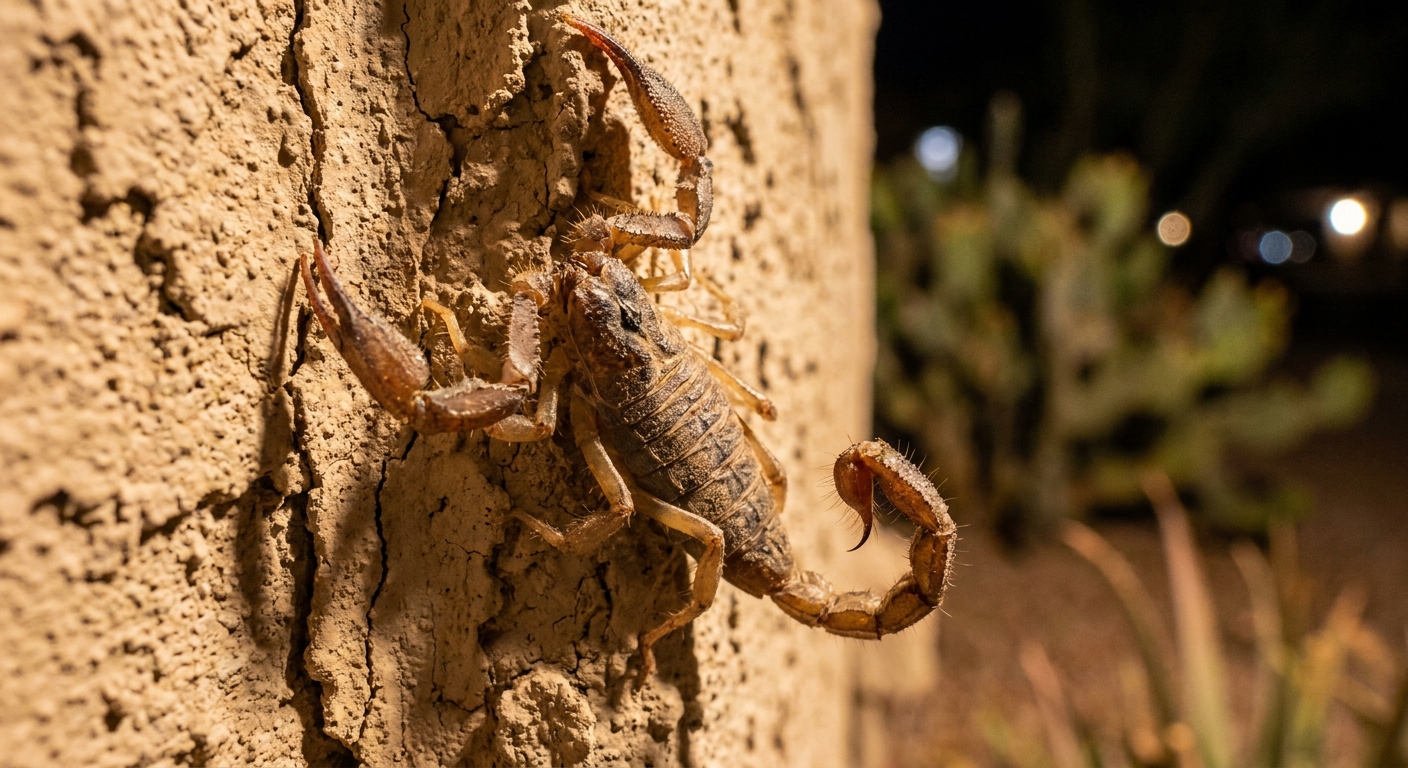
First: Identify What You Are Seeing
Before you treat, make sure it is actually a scorpion. People commonly confuse scorpions with earwigs, pseudoscorpions, or even small roaches at a glance. Identification matters because scorpion control is mostly about habitat and entry points, not just killing what you see.
Common U.S. scorpions you might find
- Arizona bark scorpion (Centruroides sculpturatus): The one most people worry about. Light tan, slender, and a good climber. Found in the Southwestern U.S. and into Mexico. Its sting can be medically significant, especially for kids, older adults, and sensitive individuals.
- Striped bark scorpion (Centruroides vittatus): Common in parts of the South and Midwest. Usually tan with darker stripes. Less dangerous than the Arizona bark scorpion, but still painful.
- Giant desert hairy scorpion (Hadrurus arizonensis): Larger and more intimidating, generally less medically serious than bark scorpions. Often found in desert regions.
Common lookalikes (and how they differ)
- Earwigs: Have pincers at the tail end but no stinger and no long tail arched over their back.
- Pseudoscorpions: Tiny, crab-like arachnids with pincers and no tail. They are generally beneficial and eat small pests.
- Small roaches or beetles: No pincers up front and no segmented tail with a stinger.
Quick scorpion check: Scorpions have two front pincers, a segmented tail, and a stinger at the tip. When they feel threatened, they often hold the tail curved up and forward.
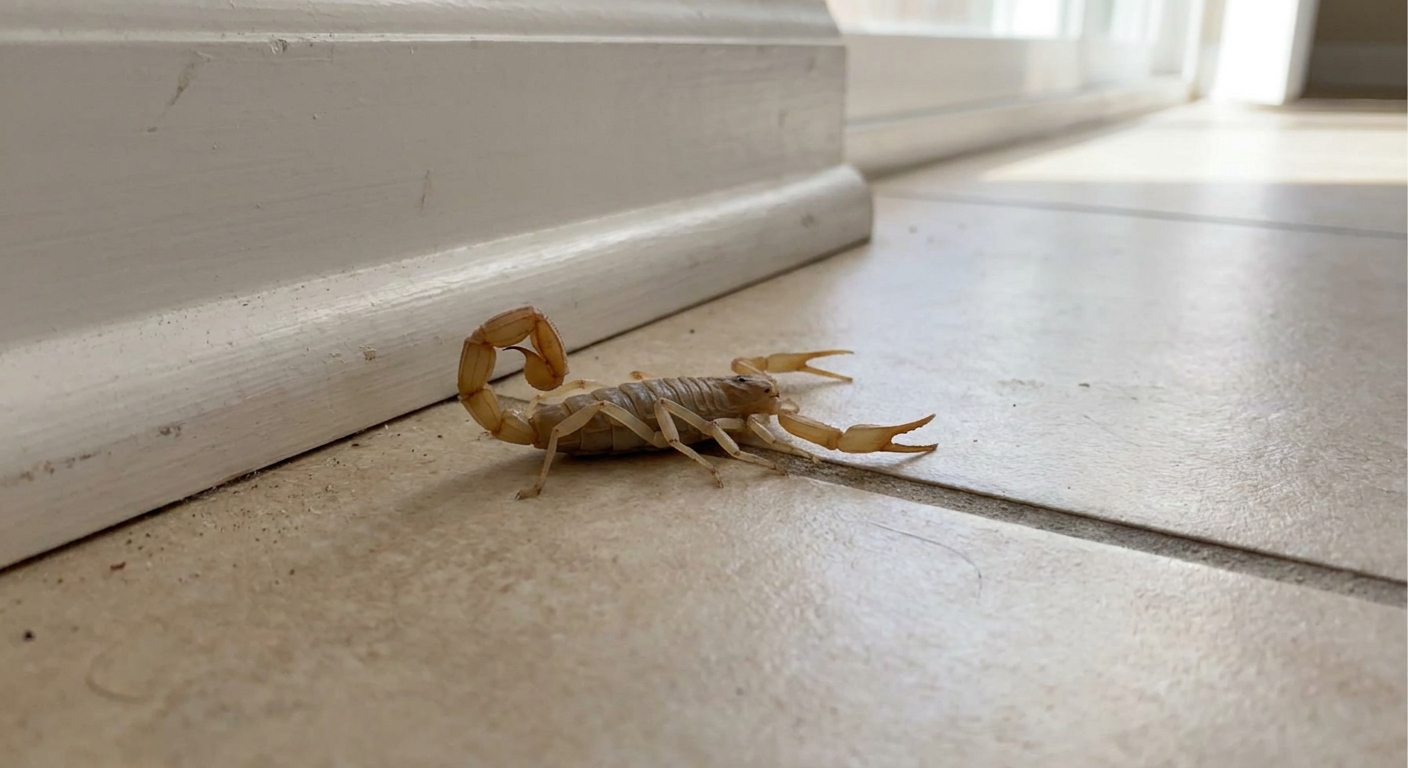
Where Scorpions Hide (Inside and Out)
Scorpions are shy, flat-bodied hunters. They love tight, dark spots where they can avoid dehydration and wait for food. If you remove their hiding places and food supply, you make your property a lot less appealing.
Common hiding spots around the yard
- Block walls: Especially hollow block walls and the gaps at the base where the wall meets soil.
- Rock landscaping and mulch: Rocks create cool shade pockets. Thick mulch holds moisture.
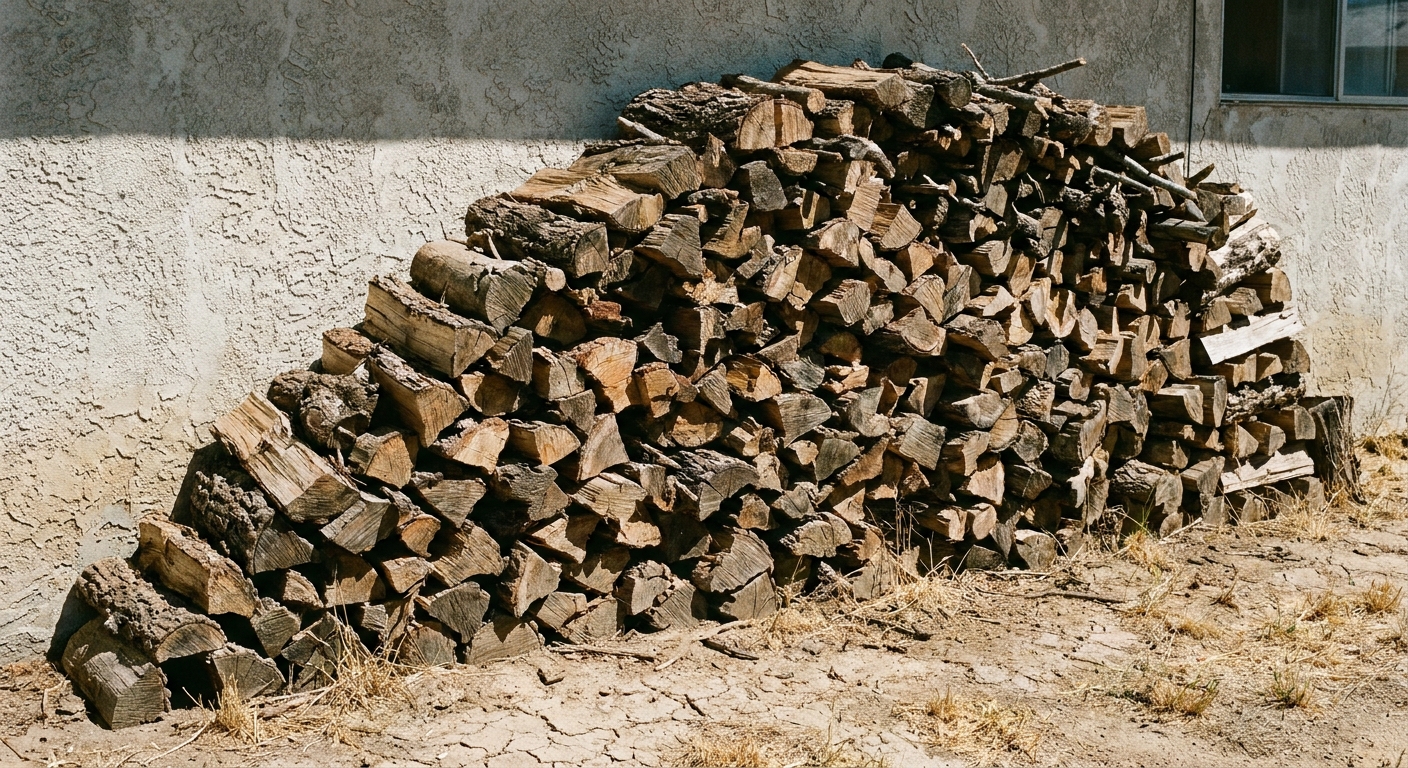
- Firewood piles: Perfect cover, plus lots of bugs to eat.
- Debris: Boards, bricks, old flower pots, scrap metal, kids’ toys left outside.
- Outdoor boxes: Irrigation valve boxes, electrical boxes, meter boxes.
Common hiding spots indoors
- Shoes: Especially pairs left on the floor or in the garage.
- Closets and storage rooms: Cluttered floors and cardboard boxes.
- Garages: Along base plates, behind stored items, around door thresholds.
- Bathrooms and laundry rooms: Moisture and access to plumbing penetrations.
- Attics: Particularly bark scorpions, which can climb and squeeze into framing voids.
My rule: If you can slide a credit card into the gap, a scorpion may be able to investigate it. They are unbelievably good at flattening out and squeezing into tiny cracks.
Immediate Safety Steps If You Found One Inside
If you spot a scorpion indoors, deal with the immediate risk first, then circle back for prevention.
- Keep kids and pets away from the area.
- Do not grab it with your bare hands. Recently killed, injured, or stunned scorpions may still sting by reflex.
- Capture it safely using a clear jar and a stiff piece of cardboard to slide underneath, or use long tongs.
- Vacuum carefully if you cannot trap it. If you vacuum a scorpion, empty the canister outdoors right away and rinse it. Bag vacuums should be removed and sealed.
- Check the immediate zone like nearby shoes, laundry piles, baseboards, and closet floors.
If you were stung, skip ahead to the sting section below. Treatment plans do not matter if someone is having a serious reaction.
The Core Plan: Exclusion, Cleanup, and Targeted Control
Here is the truth that pest companies know: scorpions follow food. They eat crickets, roaches, spiders, and other insects. If your yard and home support a big bug population, scorpions will show up to hunt.
Step 1: Seal entry points (your biggest long-term win)
This is the least exciting part, but it is the part that pays off for years.
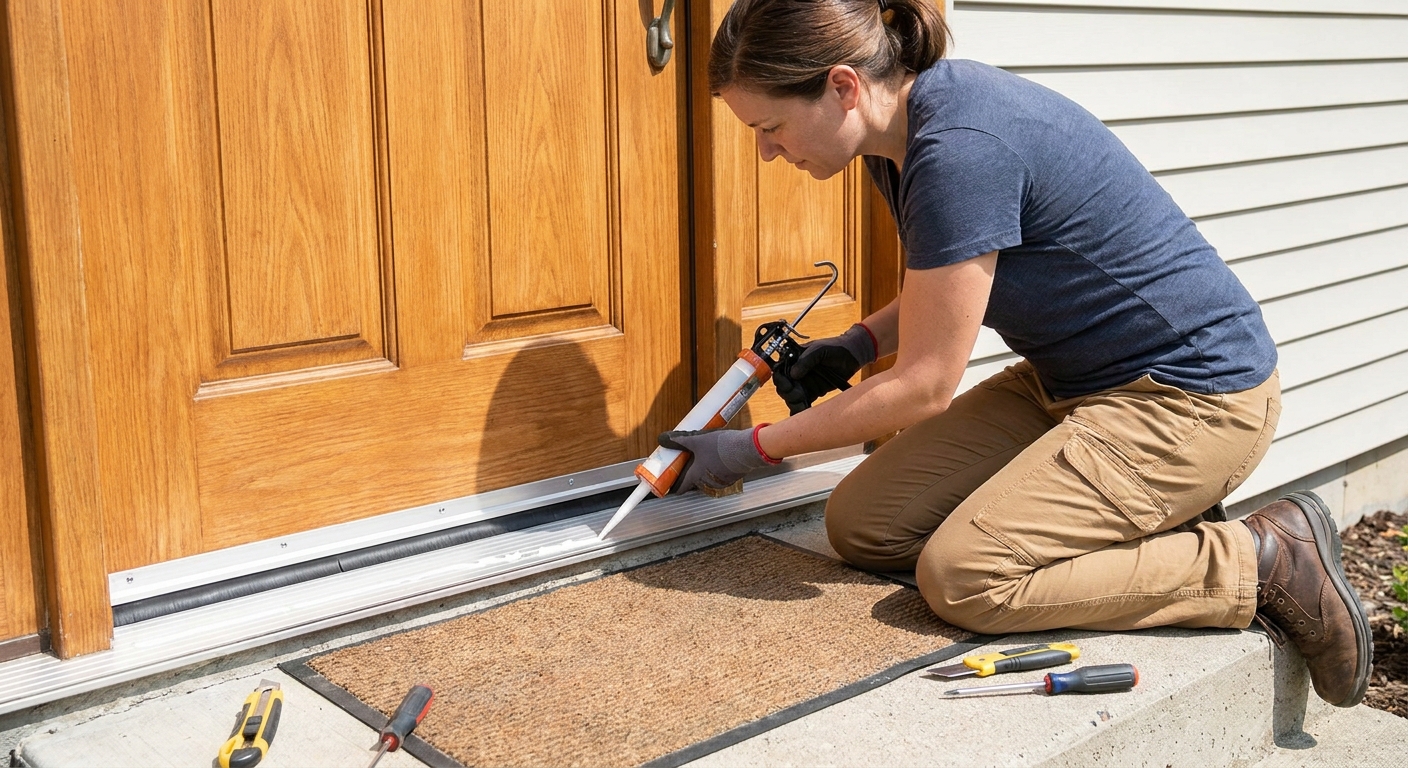
- Weatherstrip exterior doors and replace worn door sweeps. If you can see light under a door, fix it.
- Seal gaps at thresholds and where concrete meets framing using a quality exterior-rated sealant.
- Caulk cracks in stucco, siding joints, and around exterior penetrations.
- Seal around pipes and wires under sinks, behind toilets, in laundry rooms, and at the water heater closet.
- Screen vents with 1/8-inch metal mesh where appropriate, and repair damaged window screens.
- Check garage doors for side and bottom gaps and add new seals if needed.
Budget tip: A $10 tube of sealant and a $20 door sweep can do more than a $60 “bug bomb” ever will.
Step 2: Yard cleanup and habitat reduction
Think of this as taking away their “daytime apartments.”
- Move firewood away from the house, ideally 20 feet or more, and elevate it off the ground.
- Trim plants so branches do not touch the house. Scorpions and their prey use plant-to-wall bridges.
- Reduce ground cover right against the foundation. A clear strip of 12 to 18 inches helps.
- Remove clutter like stacked bricks, boards, and pots sitting on soil.
- Rethink rock landscaping if you are in heavy scorpion territory. Rocks are not “bad,” but they are prime hiding cover. If you keep them, keep them back from the foundation and keep the area dry and clean.
Traps: A Strong DIY Tool for Indoor Scorpions
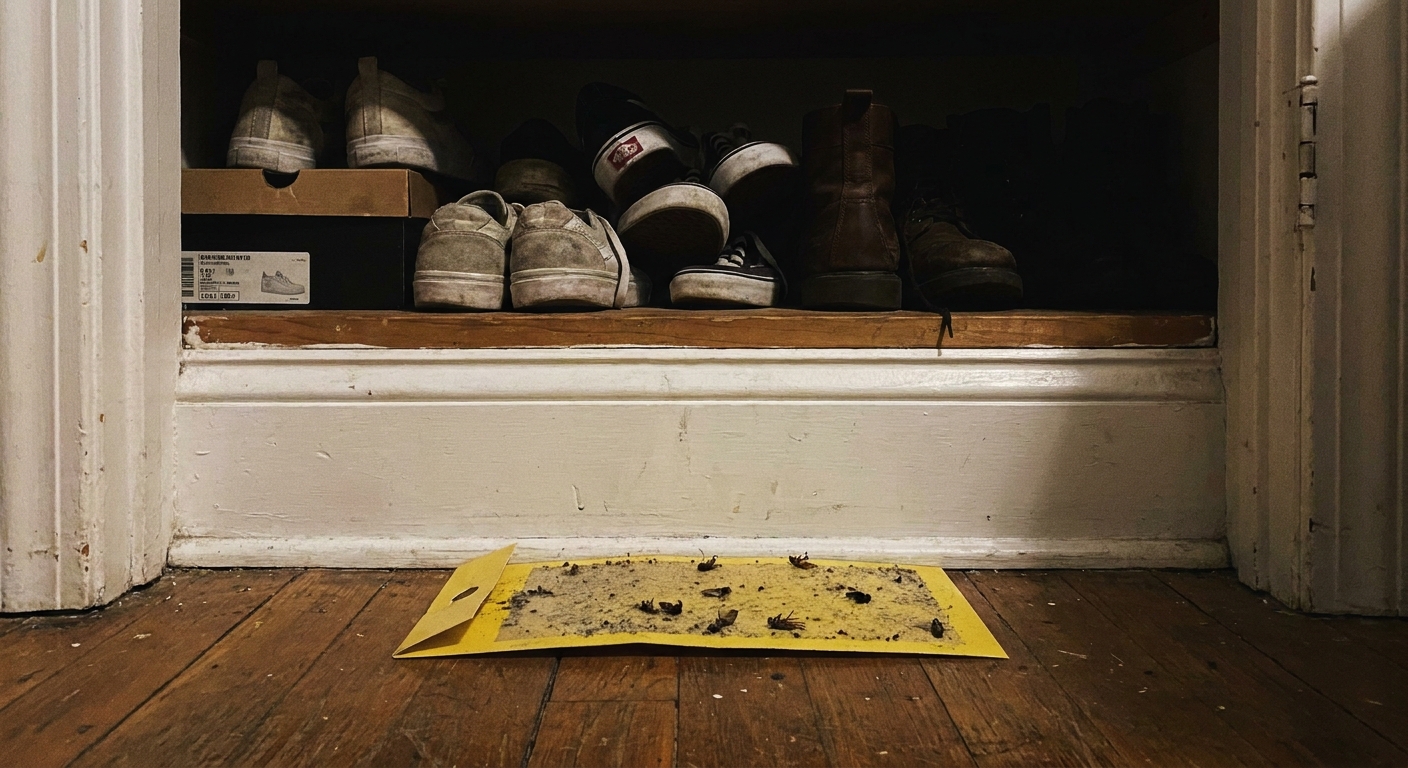
If you want a low-chemical, high-confidence way to catch scorpions, sticky traps are hard to beat. They work because scorpions roam at night and hug walls.
Where to place sticky traps
- Along baseboards, especially behind furniture
- In closets on the floor near the wall
- Behind toilets and near laundry machines
- Along garage walls and near the garage door
- Near sliding doors and exterior entry points
How many traps?
For an active problem, I would rather place more traps in the right places than a few random ones. Many homeowners start with about 8 to 20 depending on home size and activity, then adjust based on what you catch.
Safety note: Keep traps away from curious kids and pets. Sticky traps do not sting, but a trapped scorpion absolutely can if a hand goes exploring. For the same reason, use sticky traps indoors or in controlled areas, not out in the open where birds, lizards, or other helpful wildlife can get stuck.
Targeted Treatments: Perimeter First
I am not anti-chemical. I am anti-random-chemical. With scorpions, a thoughtful perimeter approach and treating their prey is usually more effective than fogging your home.
What actually helps
- Exterior perimeter treatments along the foundation, entry points, and likely pathways.
- Crack and crevice treatments in garages and utility areas where safe and label-approved.
- Prey control to reduce crickets and roaches, since scorpions follow the buffet.
A quick reality check about pesticides
Scorpions can be tougher than many insects. Some sprays do not knock them down quickly, and they may wander after exposure. That is why exclusion and trapping matter so much. Think of pesticides as support, not the entire plan.
DIY application tips (safely)
- Read and follow the label every time. The label is the law and the safety guide.
- Focus on entry points like door thresholds, weep screed gaps, plumbing penetrations, and garage edges.
- Do not spray where kids and pets play unless the product is specifically labeled for that use and it is fully dry before access.
- Use a hand duster for dry products if you are treating voids, again only where label-approved.
- Avoid foggers and bug bombs for scorpions. They tend to be the messiest option with the weakest results.
You will often see pros use residual insecticides (commonly in pyrethroid families) for perimeter work, but product choice and placement matter more than chasing a single “best” spray. If you have hollow block walls that are a known scorpion highway in your area, that is often a pro-level situation. Treating inside wall voids incorrectly can create a mess or unnecessary exposure.
Small Habits That Make a Big Difference
These are the boring routines that really do cut down surprise encounters.
- Shake out shoes before putting them on, especially if they live in the garage.
- Shake out towels and clothes if they sat on the floor (bathrooms and bedrooms are common trouble spots).
- Store shoes in bins or on shelves instead of the floor.
- Use gloves when grabbing firewood, yard debris, or stored items.
- Use warmer outdoor lighting and turn lights off when you do not need them. Amber or warm LEDs may attract fewer insects than bright white lights, which can mean fewer scorpions hunting nearby.
- Keep beds slightly from the wall and avoid bedding touching the floor in higher-risk areas. If you are in heavy scorpion territory, consider bed “interceptors” or climb-up monitors as another layer of peace of mind.
Blacklight Hunting: Helpful, With Limits
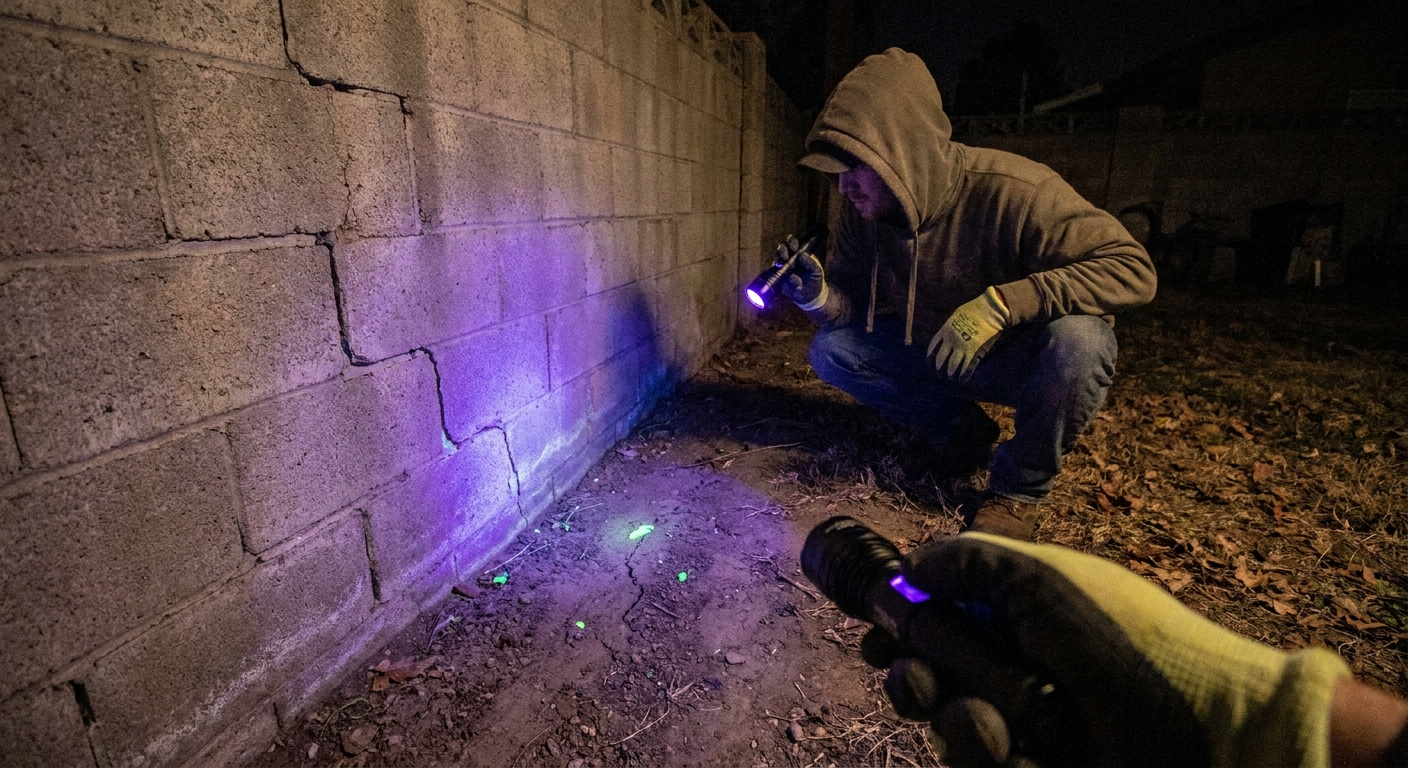
Scorpions glow under UV light, and yes, it is as creepy as it sounds. A UV flashlight can help you confirm activity and find hotspots around the yard at night.
- Use it to locate hiding zones near block walls, rock beds, and patio edges.
- Do not assume you found them all just because you scanned once. They move and hide.
- Wear closed-toe shoes and use long tools if you plan to remove one.
What to Do If You Get Stung
Most scorpion stings in the U.S. are intensely painful but not life-threatening. Still, regional risk matters, and bark scorpion stings can be serious, especially for kids. Also, like any sting, severe allergy (anaphylaxis) is possible even if it is uncommon.
Basic first aid
- Wash the area with soap and water.
- Apply a cool compress to help with pain and swelling.
- Remove rings or tight items near the sting site in case swelling increases.
- Use age-appropriate pain relief if you normally can take it and it is safe for you.
Call Poison Control or seek urgent care if:
- The sting is on a child, older adult, or someone with significant medical conditions.
- You see trouble breathing, swallowing, or speaking.
- There is severe muscle twitching, uncontrolled movement, or eye symptoms.
- Symptoms are rapidly worsening, you suspect a bark scorpion, or you are unsure of the species.
In the U.S.: Poison Control can be reached at 1-800-222-1222. If there are life-threatening symptoms, call emergency services immediately.
When to Call Pest Control (and What to Ask)
If you are seeing one scorpion here and there, you may be able to DIY it. If you are seeing them regularly, finding them in bedrooms, or dealing with a bark scorpion hotspot, a professional can be worth every penny.
Signs you should bring in a pro
- You see multiple scorpions indoors in a short time.
- You have young kids, elderly family, or medically vulnerable people at home.
- You have block walls and suspect activity inside them.
- You have already sealed and trapped but still have frequent sightings after a few weeks.
- You cannot identify where they are coming from.
Questions I would ask a pest company
- “Do you have experience treating scorpions specifically in this area?”
- “What is your plan for exclusion and not just spraying?”
- “Will you treat prey insects like crickets and roaches too?”
- “What products are you using, and what are the re-entry and drying times?”
- “Do you offer follow-up visits during peak season?”
A good pro will talk as much about sealing, habitat reduction, and monitoring as they do about chemicals.
Scorpion Prevention Checklist
- Seal doors, thresholds, and penetrations
- Fix window screens and vent covers
- Clear a 12 to 18 inch strip around the foundation
- Move firewood away and elevate it
- Reduce clutter in garages and closets
- Place sticky traps along walls indoors
- Reduce outdoor insects with smart lighting and basic pest control
- Use a UV flashlight to locate hotspots
Timing note: Traps can give you quick feedback, but the big wins from sealing and prey reduction often take a few weeks to show up. Stick with the plan and use what you catch (or stop catching) to measure progress.
If you do those things consistently, scorpions usually go from “constant stress” to “rare sighting” over time.
The 30-Second Cheat Sheet
Essential takeaways for: How to Get Rid of Scorpions
Do this first (tonight)
- Place sticky traps along baseboards, in closets, bathrooms, and the garage. Put them tight to the wall. (Indoor use is best to avoid catching non-target wildlife.)
- Shake out shoes and keep them off the floor.
- Catch safely with a jar and cardboard, or vacuum and empty outdoors immediately.
The 3-part fix that actually lasts
- Seal entry points: door sweeps, weatherstripping, caulk around pipes, patch exterior cracks, repair screens.
- Remove hiding spots: move firewood away, clear debris, trim plants off the house, reduce cover right against the foundation.
- Target the perimeter: treat around the foundation and entry points (follow label directions) and reduce prey insects like crickets and roaches.
Where they hide
- Outside: block walls, rock beds, mulch, firewood, irrigation boxes, clutter on soil.
- Inside: shoes, closets, garages, bathrooms, storage rooms, and sometimes attics (especially bark scorpions).
When to call a pro
- Multiple scorpions indoors, sightings in bedrooms, or a known bark scorpion area
- Block walls you suspect are harboring scorpions
- Kids, older adults, or medically vulnerable people at home
- You sealed and trapped but sightings continue
If someone gets stung
- Wash with soap and water, use a cool compress, remove tight jewelry.
- Call Poison Control (US): 1-800-222-1222 for guidance.
- Get urgent help for breathing trouble, severe twitching, trouble swallowing or speaking, or worsening symptoms, especially in children.
💡 Tip: Scroll up to read the full article for detailed, step-by-step instructions.
⬆️ Back to top
About Marcus Vance
Content Creator @ Grit & Home
Marcus Vance is a lifelong DIY enthusiast and self-taught home renovator who has spent the last decade transforming a dilapidated 1970s ranch into his family's dream home. He specializes in budget-friendly carpentry, room-by-room renovations, and demystifying power tools for beginners. Through his writing, Marcus shares practical tutorials and hard-learned lessons to help homeowners tackle their own projects with confidence.