
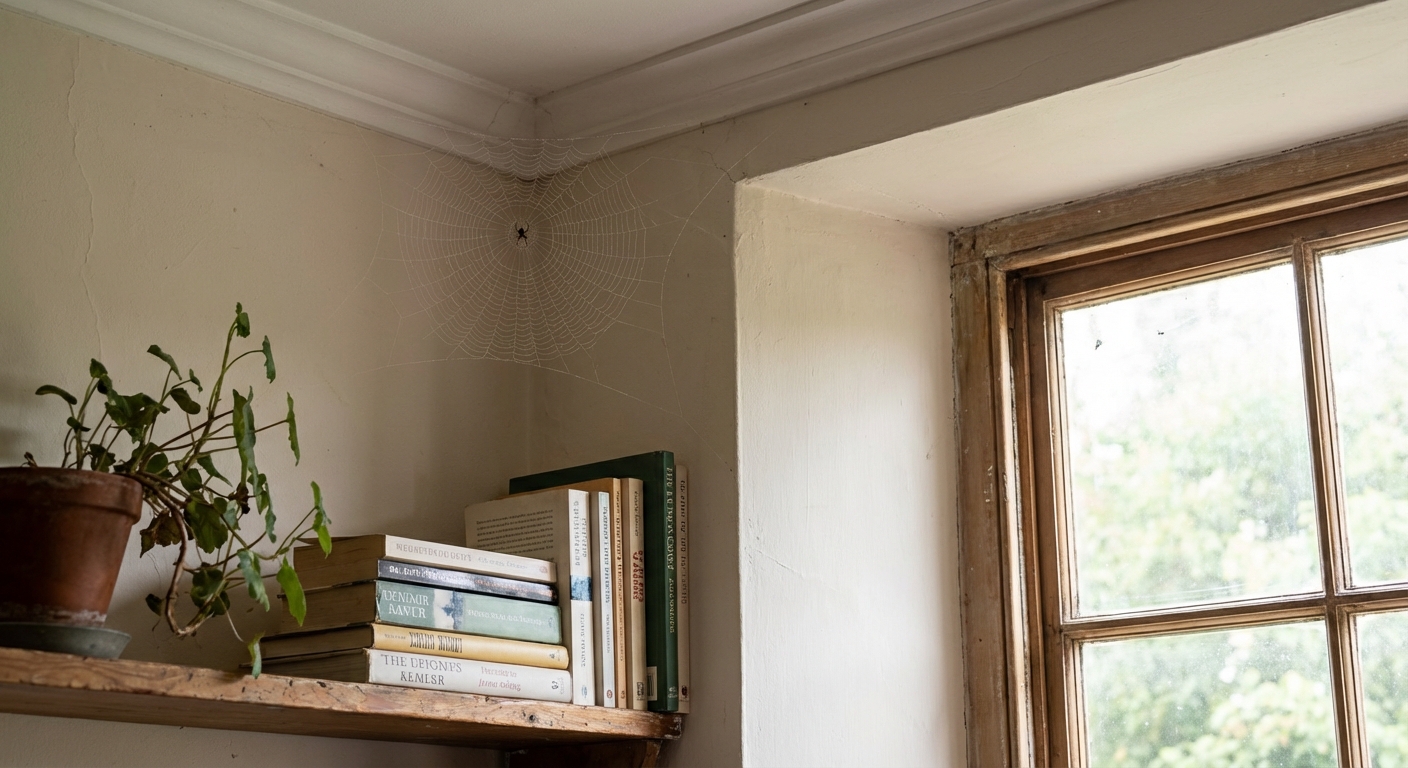
If you are seeing spiders inside, you are not failing at housekeeping. In most homes, spiders are doing two things: following food (other bugs) and finding quiet, undisturbed shelter. The good news is that you can fix both with a simple plan that is more about prevention than panic.
Below is the same approach I use in my own 1970s ranch: quick knockdown today, then a weekend of sealing and cleanup so the problem stays solved.
First, a quick reality check
- Most house spiders are harmless. They look creepy, but the vast majority cannot seriously hurt you.
- Spiders usually mean insects. If you have a steady spider population, you likely have a steady snack supply such as flies, moths, ants, or roaches.
- One spider does not equal an infestation. A few sightings during seasonal changes is common, especially in basements, garages, and crawl spaces.
Common house spider ID
I am not going to turn this into a biology class. You mainly need to know: is this a typical house spider, or is it one of the few species you should treat seriously?
Common, generally harmless spiders
- American house spider: Small to medium, tan to brown, often found in messy corner webs around windows, basements, and garages.
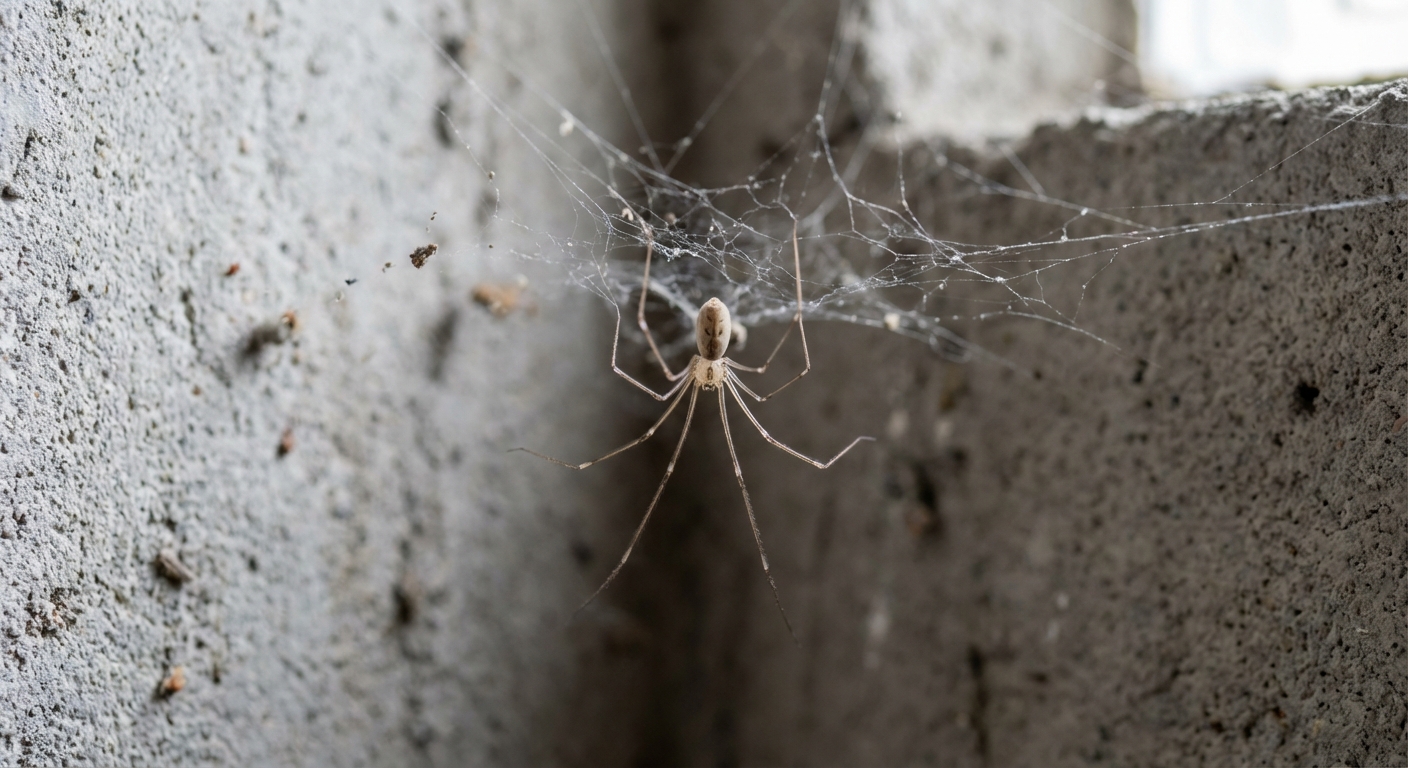
- Cellar spider ("daddy longlegs" indoors): Long, thin legs, hangs in loose webs in basements and corners. Great at eating other insects.
- Jumping spider: Small, compact body, often black with markings. They do not build big webs and tend to be curious, not aggressive.
- Wolf spider: Larger, fast runner, often found on floors (not web corners). They wander in while hunting. Scary looking, usually not dangerous.
When to worry: venomous species
In the U.S., the two names people ask about most are brown recluse and black widow. Their ranges are regional, so location matters. If you live outside their typical range, true sightings are less likely, but misidentification is very common.
- Brown recluse: Typically light to medium brown with a distinct violin-shaped marking on the back. Prefers dark, undisturbed areas like stored cardboard boxes, closets, and behind furniture. Bites are uncommon but can be medically significant.
- Black widow: Glossy black, round abdomen, and often a red hourglass marking on the underside. Likes protected outdoor areas and cluttered storage spots such as woodpiles, sheds, garages, and crawl spaces. Bite risk is higher when you put hands into hidden areas.
If you suspect either one, do not handle it with bare hands. Use a cup and stiff paper to contain it or take a clear photo from a safe distance for identification. If you have repeated sightings, consider calling a licensed pest professional for a targeted plan.
My no-drama spider plan
Step 1: Remove webs and egg sacs
This is the fastest way to make your house feel better immediately. It also reduces future spider activity.
- Use a vacuum with a hose and crevice tool to remove webs in corners, along baseboards, behind furniture, and around window trim.
- Pay extra attention to basements, laundry rooms, garages, and under sinks.
- Empty the vacuum canister outside right away or remove the bag and seal it in a trash bag.
Step 2: Use sticky traps
If you mostly see spiders on floors and along walls, this is your secret weapon. Many hunting spiders (including wolf spiders, and sometimes brown recluses in their range) do not sit in obvious webs, so vacuuming alone can miss them.
- Use simple sticky traps (glue boards) along baseboards, behind furniture, near garage doors, and in basement corners.
- Place traps where kids and pets cannot reach them, and check them weekly.
- If you are trying to confirm what you are dealing with, traps can also help with identification without you needing to handle anything.
Step 3: Cut off their food source
Spiders do not move in because your home is cozy. They move in because dinner is consistent.
- Fix moisture issues (drips under sinks, sweating pipes, damp basement corners). Moisture attracts insects.
- Store pantry food in sealed containers and clean crumbs along stove edges and cabinet toe-kicks.
- Reduce flying insects by keeping window screens intact and using yellow “bug” bulbs outdoors (more on lighting below).
Step 4: Try a natural repellent spray
Natural repellents can help discourage spiders in common entry and nesting areas. They work best as a supplement to sealing and cleanup, not a stand-alone miracle.
Peppermint oil spray
- Mix 10 to 20 drops peppermint essential oil with 2 cups water.
- Add a small squirt of dish soap to help the oil mix.
- Shake before each use.
- Lightly spray along window and door trim, baseboards, basement rim joists, and around utility penetrations.
Pet warning: Peppermint essential oil can be dangerous for pets, especially cats, and can also harm dogs. Exposure (licking it, breathing concentrated vapors, or getting it on fur and then grooming) can cause serious illness. If you have pets, my advice is simple: skip peppermint oil entirely and use the non-oil options below, or talk to your veterinarian before using any essential oils in the home.
Surface warning: Peppermint oil can damage some finishes. Test a small hidden spot first. Keep it off painted surfaces that are already peeling or fragile.
Vinegar spray
- Mix 1 part white vinegar with 1 part water in a spray bottle.
- Spray problem areas like baseboards, window sills, and corners.
Heads up: Vinegar can etch natural stone (granite, marble, quartzite) and can dull some finishes. Keep it off stone counters and tile that has sensitive grout sealers.

Step 5: Seal entry points
When I started renovating my ranch, I learned a humbling truth: older homes breathe through cracks you cannot see until you hunt for them. Spiders use the same paths.
- Doors: Replace worn door sweeps and add weatherstripping if you can see daylight.
- Windows: Caulk gaps at trim and repair torn screens.
- Foundation and siding gaps: Seal cracks where siding meets foundation, and around exterior penetrations.
- Pipes and wires: Under sinks and in basements, seal around plumbing penetrations using caulk for small gaps and pest-resistant foam for larger voids.
- Garage: Add a bottom seal on the garage door and check side seals. Garages are spider highways.
My thrifty tip: Do one room at a time. I keep a tube of paintable acrylic latex caulk and a small flashlight in my “house sealing” tote, and I tackle gaps whenever I notice them.
Outdoor lighting
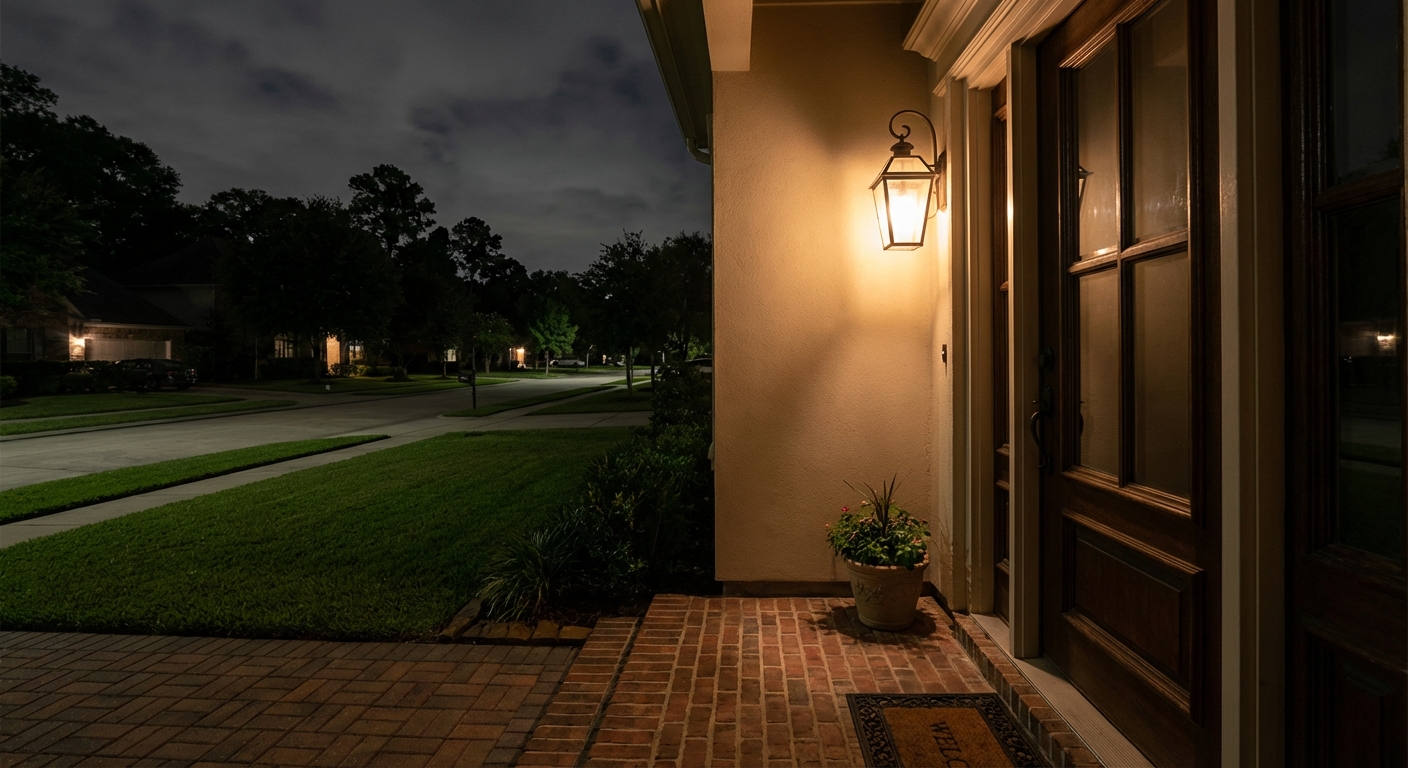
Spiders like your porch light for the same reason you do: it brings everything to you. Outdoor lights attract insects, and insects attract spiders. If you reduce the bug traffic, you reduce the spider traffic.
- Switch to warm, yellow-toned bulbs labeled for reduced insect attraction.
- Move bright lights away from doors if possible, or use downward-facing fixtures to reduce spill.
- Put exterior lights on a motion sensor so they are not glowing all night.
- Keep doorways tidy: fewer hiding places right near the entry.
Declutter their favorite spots
Spiders prefer calm, dark, undisturbed areas. If you give them fewer “apartments,” they usually relocate.
- Store items in plastic totes with lids instead of cardboard boxes.
- Keep beds a few inches off the wall and avoid letting bedding touch the floor.
- Reduce floor clutter in closets, basements, and garages.
- Outside, keep firewood and debris away from the house. If you can, store firewood at least 20 feet from exterior walls and elevate it off the ground.
When to call a pro
I am all for DIY, but there are times when a trained eye and the right products are worth it.
- You are seeing spiders daily in multiple rooms despite sealing and cleanup.
- You suspect brown recluse or black widow and you have kids, pets, or high-risk family members in the home.
- You have a crawl space, attic, or wall void activity you cannot access safely.
- You are finding repeated egg sacs or large numbers of spiderlings.
What to do for a bite
Most suspected “spider bites” are actually something else (like a skin infection or another insect). Still, it is smart to take bites seriously when symptoms escalate.
- Wash the area with soap and water.
- Use a cold pack for swelling (wrapped in a towel).
- Seek medical care promptly if there is severe pain, spreading redness, blistering, fever, muscle cramps, nausea, or if you suspect a black widow or brown recluse bite.
- If it is safe, take a photo of the spider for identification. Do not risk another bite trying to catch it.
Important: This is general information, not medical advice. When in doubt, call your local poison control center (in the U.S., 1-800-222-1222) or seek urgent care.
Weekly routine
- Vacuum baseboards and corners in the most spider-prone room (often basement or laundry).
- Knock down any new webs around windows and door frames.
- Do a fast scan for gaps at one entry door and one window, then caulk when needed.
- Check the porch light area for insect build-up and clean the fixture if it is attracting bugs.
If you do those four things consistently, most homes see spider sightings drop dramatically within a few weeks.

About Marcus Vance
Content Creator @ Grit & Home
Marcus Vance is a lifelong DIY enthusiast and self-taught home renovator who has spent the last decade transforming a dilapidated 1970s ranch into his family's dream home. He specializes in budget-friendly carpentry, room-by-room renovations, and demystifying power tools for beginners. Through his writing, Marcus shares practical tutorials and hard-learned lessons to help homeowners tackle their own projects with confidence.