
🚨 In a DIY emergency or rush?
Skip the details and jump straight to our 30-second cheat sheet for the most crucial info.
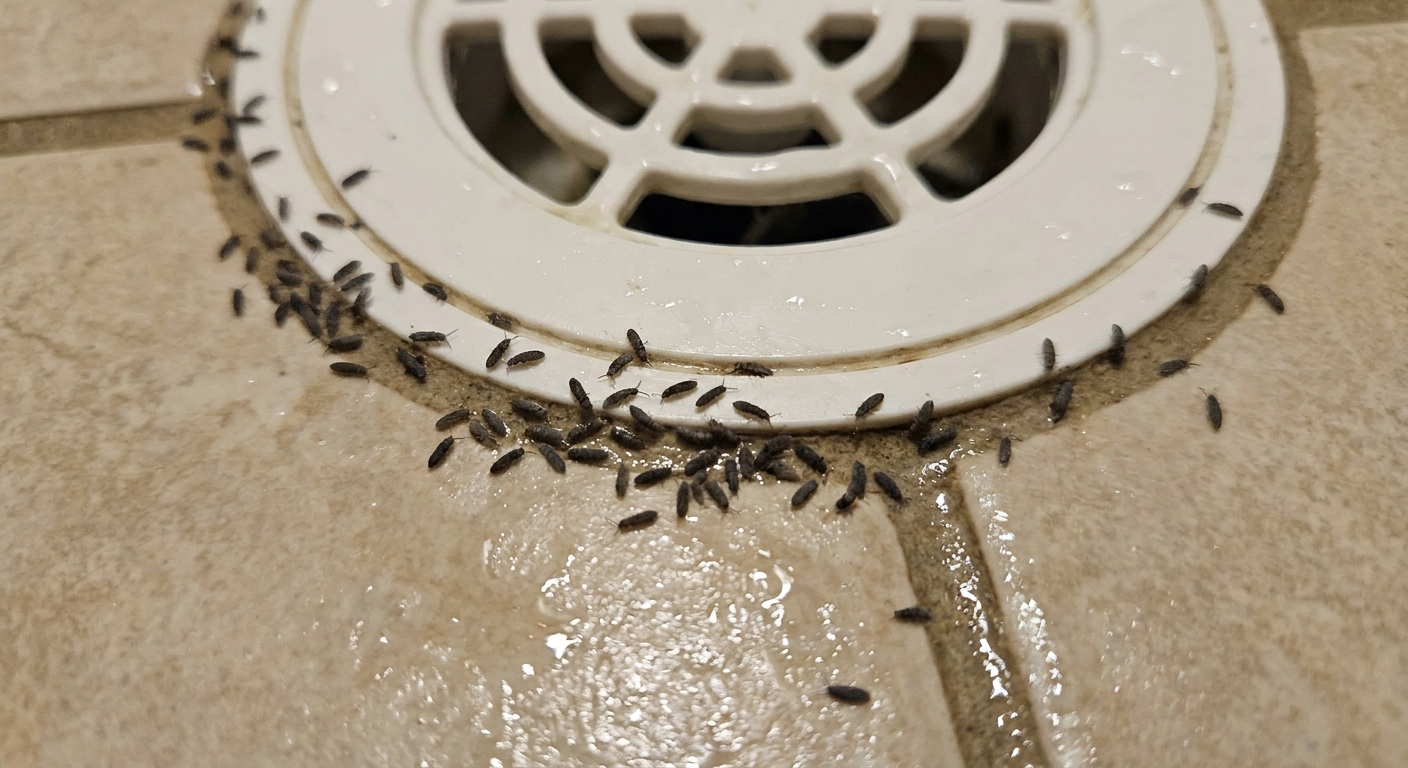
First, take a breath: springtails are a moisture clue
If you are seeing tiny specks that hop when you wipe them, you are probably dealing with springtails. They are easy to mistake for fleas because of the jumping, but here is the big difference: springtails are not known to bite people, they do not live on pets, and they are not trying to move into your pantry the way ants do.
Springtails feed on mold, algae, and decaying organic material. So when they show up in a bathroom, basement, kitchen, or even around houseplants, they are basically a little indicator light that says: something is staying damp and there is “gunk” to snack on.
The good news is that you can usually solve a springtail problem with boring home maintenance, not a war chest of chemicals. The bad news is the same thing: you have to solve the moisture.
Quick ID: springtails or something else?
Before you start ripping out caulk, make sure you are chasing the right bug.
- Size: usually 1 to 2 mm, like moving pepper grains.
- Movement: they crawl, then “pop” or jump when disturbed.
- Where you find them: damp tub edges, sink cabinets, basement floor cracks, window sills with condensation, around floor drains, near leaking supply lines, and sometimes in potted plant soil.
- Color: white, gray, or dark depending on species and lighting.
Common lookalikes: Booklice (psocids) also love humidity, but they do not jump. They tend to crawl slowly and show up on damp cardboard, pantry items, or windowsills. If the insects are larger and fuzzy-winged, you may have drain flies. If they bite and you find them on ankles in carpeted areas, that is more flea-like behavior. If you can, take a clear close-up photo and compare.
What actually gets rid of springtails
Any spray that kills springtails on contact is only handling the symptom. Here is the sequence that actually ends the cycle.
Step 1: Dry the area aggressively
- Fix leaks: supply valves, P-traps, toilet seals, dishwasher lines, fridge water lines, basement seepage.
- Ventilation: run bath fans during showers and for 20 to 30 minutes after. In basements, move air with a box fan and open doors where possible.
- Dehumidify: aim to keep indoor humidity under 50% RH. For many homes, 40% to 50% is a realistic target. Going down near 30% can feel uncomfortably dry in winter for some people.
- Stop hidden wetness: wet bath mats, soaked subfloor at the tub edge, sweaty pipes, damp cardboard boxes.
Step 2: Remove their food source
Springtails are not eating your wood framing like termites. They are eating the damp gunk that comes with moisture problems.
- Scrub mildew and soap scum in showers and around caulk lines.
- Clean under sink cabinet floors, especially where cleaners leaked and got gummy.
- Remove wet cardboard, paper bags, and rotting leaves stored near entry doors or basement bulkheads.
- Vacuum up dead bugs and debris (a HEPA vacuum is ideal) so you can tell if the issue is improving.
Step 3: Block access points (after drying)
- Re-caulk tub and shower edges if there are gaps where water is getting behind.
- Seal cracks in basement slabs with an appropriate concrete crack sealer.
- Weatherstrip doors and seal obvious gaps where damp exterior air is pouring in.
Step 4: Houseplants (the sneaky indoor source)
Springtails love damp potting mix. If you have houseplants, especially near where you are seeing the bugs, add this to your checklist.
- Let soil dry between waterings: many plant problems start with “just one more splash.”
- Empty drip trays: do not let water sit in saucers for days.
- Fix the setup: improve drainage, remove rotting leaves on the soil surface, and consider repotting if the mix stays soggy.
- Move pots off problem areas: do not keep them on damp windowsills or in constantly humid corners.
Step 5: Optional perimeter treatment (only if moisture is handled)
If you dry things out and still see activity, a targeted treatment can help as a finishing move. But if you spray first and ignore dampness, springtails will keep coming back.
- Outdoors: remove wet leaf litter and mulch piled against the foundation, and consider a perimeter insecticide labeled for springtails.
- Indoors: avoid foggers. If using a labeled product, apply to cracks and crevices where they emerge, not across every surface.
Safety note: always follow label directions and keep kids and pets away until dry. If you have a chronic moisture issue, spend your money on sealing and dehumidification before chemicals.
Bathroom springtails: where they hide
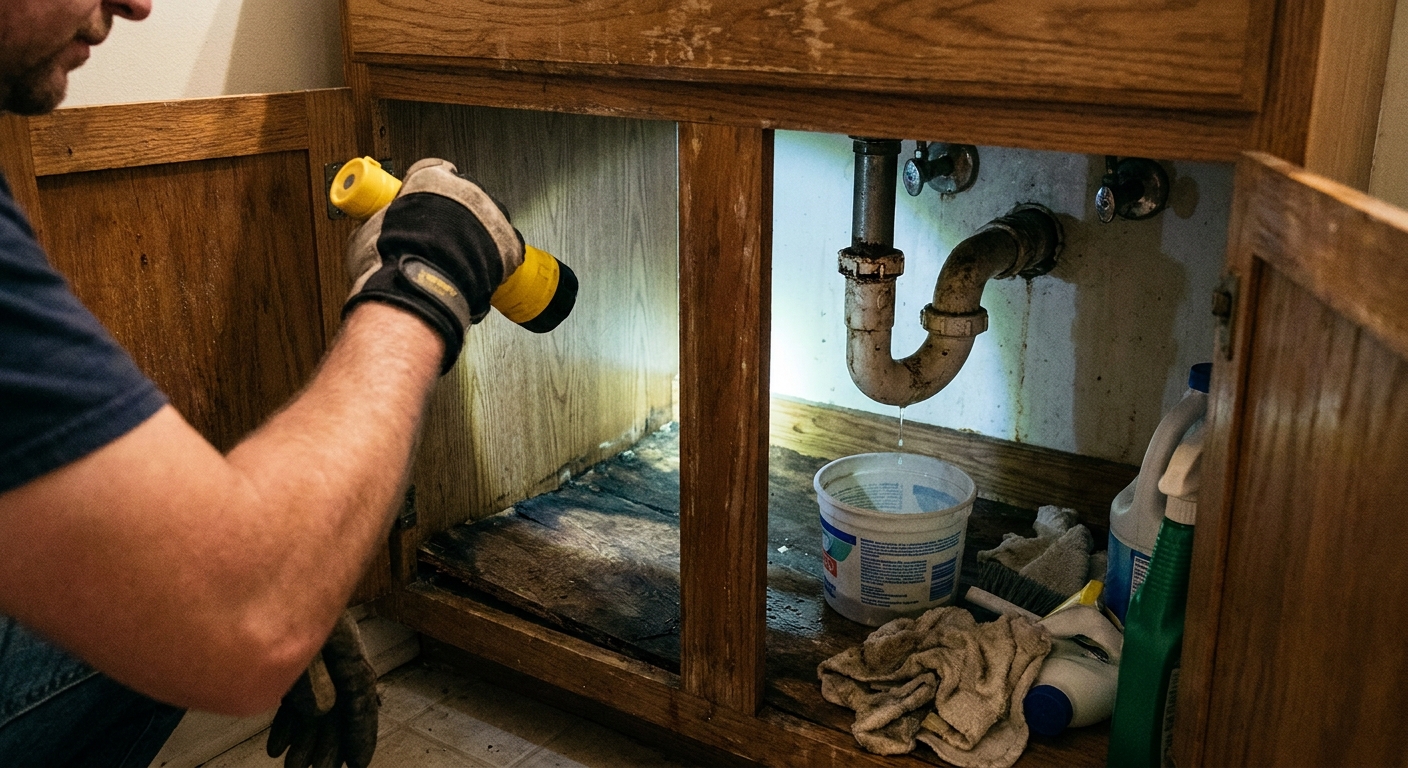
Bathrooms are springtail heaven because we add moisture on purpose. Your goal is to stop lingering dampness.
Common bathroom moisture sources
- Loose P-trap slip nuts or a slow drip at the drain tailpiece
- Failed grout or caulk letting water behind tile
- Toilet base leak that only shows up as a “musty” smell and soft flooring
- Bath fan that is weak, clogged, or venting into an attic
- Wet bath mats and towels piled in a corner
Bathroom fix list (my practical order)
- Verify the fan actually works and is vented outdoors. Clean the grille and run it longer.
- Check under the sink with a dry paper towel around every joint. Tighten slip nuts gently, replace a worn washer if needed.
- Deep clean around the tub edge and the toilet base. Remove the grime line that stays damp.
- Re-caulk any failed tub or shower seams. Let it cure fully before getting it wet.
- Dry the floor daily for a week like you mean it. That short burst often breaks the cycle.
Marcus confession: I once chased “mystery bugs” in a hall bath for two weeks, only to find the bath fan duct had slipped off in the attic. The fan was basically humidifying my insulation. Fixing the duct did more than any spray ever could.
Basement springtails: humidity is the culprit
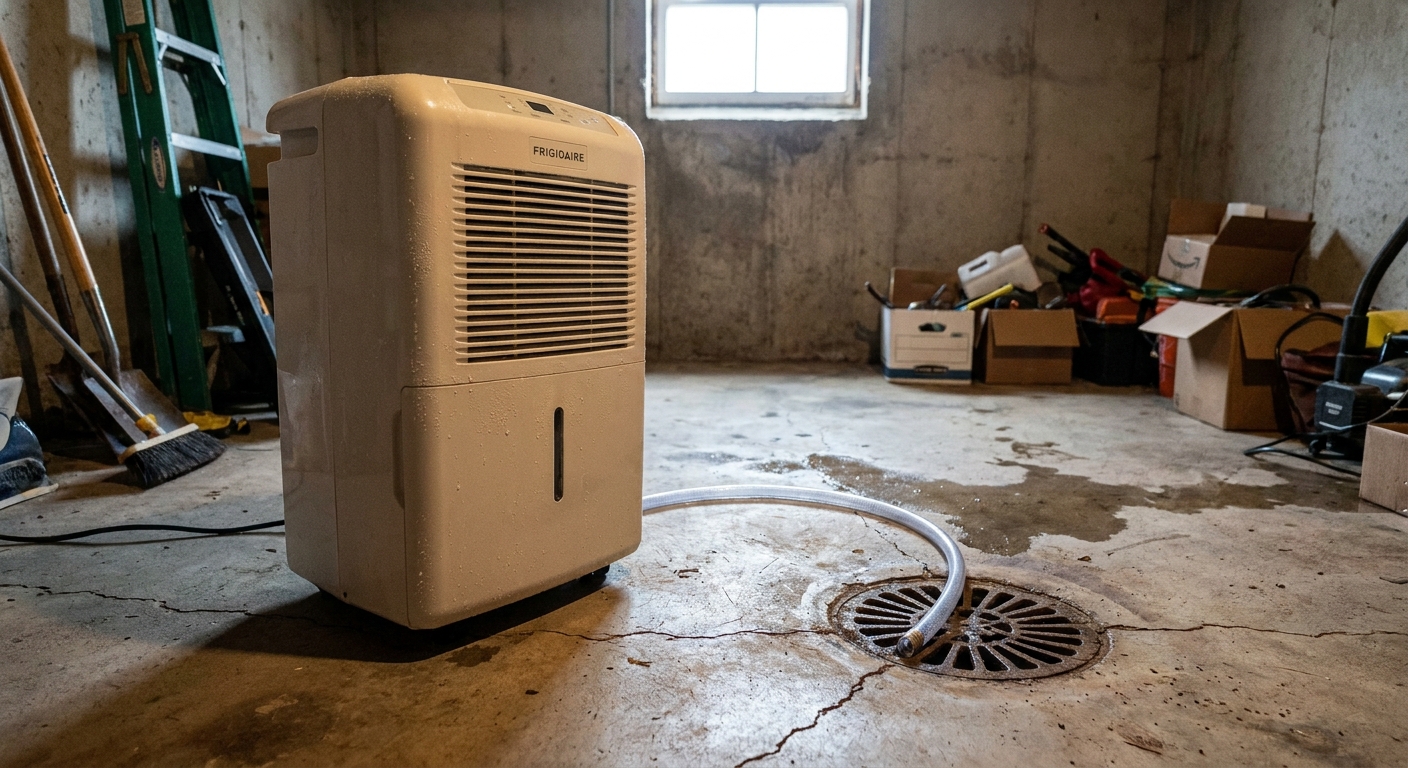
If springtails are in your basement, think bigger than a single leak. Basements commonly have a whole-house moisture balance problem.
Basement hotspots to inspect
- Floor cracks and wall joints: tiny seepage can keep edges damp even without puddles.
- Sump pit area: open pits add humidity, can let in moisture and soil gases, and attract insects.
- Floor drains: organic buildup plus moisture is a buffet.
- Stored items: cardboard, lumber scraps, old rugs, and anything sitting directly on concrete.
- Downspouts and grading outside: if water is dumped at the foundation, the basement will feel it.
Basement fix list
- Run a dehumidifier sized for the space, and confirm it is actually collecting water.
- Get water away from the foundation with clean gutters, extended downspouts, and improved grading.
- Seal obvious entry points like cracks and gaps at pipe penetrations.
- Raise storage off the slab using shelves or plastic bins. Cardboard is basically springtail housing.
- Clean the floor drain and keep the area dry. If the trap dries out, refill with water to block sewer gases, but do not let the surrounding area stay wet.
Kitchen springtails: sneaky drips
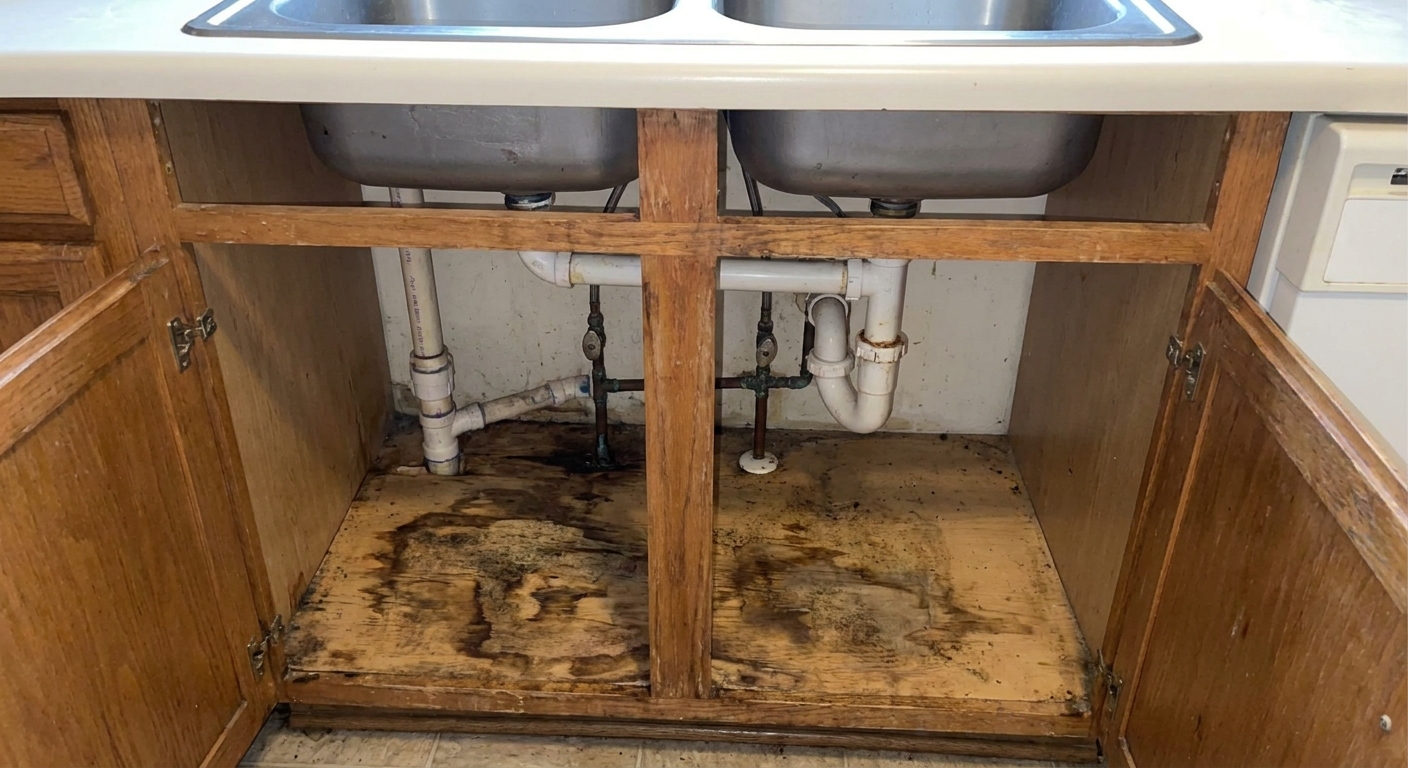
In kitchens, springtails usually point to one of two things: a slow leak you have been ignoring, or damp organic debris you did not realize was there.
Where to look in the kitchen
- Garbage disposal and sink flange: leaks can run down the outside of the drain.
- Dishwasher: loose supply line, bad door seal, or a slow drain leak under the unit.
- Fridge water line: tiny pinhole leaks are common and hard to notice.
- Toe-kick area: water can wick and stay damp behind cabinets.
- Trash pull-out and recycling: sticky spills plus humidity create the “decay” springtails like.
Kitchen fix list
- Empty the under-sink cabinet and dry it completely.
- Find the leak by running water, then checking each connection with a dry tissue.
- Clean the cabinet floor with a household cleaner and let it dry with the doors open.
- Pull the dishwasher if you suspect it. A slow leak can soak subfloor for months.
- Improve airflow by leaving cabinet doors open overnight for a few days and running a dehumidifier if the kitchen is humid.
Other moisture sources to watch
If the usual suspects are coming up empty, look for moisture that is new, hidden, or easy to miss.
- New construction or renovation moisture: fresh concrete, damp drywall mud, and wet lumber can raise indoor humidity for weeks.
- Condensation zones: sweaty pipes, uninsulated ducts, and windows that pool water on the sill.
- Behind-wall leaks: paint bubbles, soft baseboards, or a musty smell that persists even after cleaning.
How long does it take?
If you truly dry out the area, you often see a noticeable drop within a few days. Full resolution commonly takes 1 to 3 weeks, depending on how wet things were and whether there is hidden moisture (like soaked subfloor, damp drywall, or a basement wall that is wicking water).
If you are still seeing lots of springtails after a couple of weeks of active drying, that is a clue you missed a moisture source. At that point, I stop guessing and start measuring with a cheap hygrometer and, if needed, a moisture meter.
What not to do
- Do not rely on bug bombs or foggers. They do not fix moisture and they spread pesticide where you do not need it.
- Do not keep spraying the same spot daily while the area stays damp. You are treating a thermostat by repainting the wall.
- Do not ignore mildew and organic buildup in drains, cabinet corners, and floor edges.
- Do not store cardboard on concrete in basements or near exterior doors.
- Do not keep houseplant saucers wet and assume the bugs are “coming from nowhere.”
When to call a pro
Springtails are usually a DIY fix, but you should consider help if:
- You have recurring water intrusion through basement walls or the slab.
- You suspect a plumbing leak inside a wall or under tile.
- You see widespread mold growth or smell strong mustiness that will not go away.
- You have health concerns and need a careful assessment of moisture and air quality.
A good pest company can help, but for springtails, a waterproofing contractor or plumber is often the real hero of the story.
Bottom line
Springtails are not a scary “infestation” in the traditional sense. They are a sign that your home has a damp pocket that needs attention. If you fix leaks, keep humidity under 50%, improve ventilation, dial back wet houseplant soil, and remove organic debris, you will usually solve the problem without turning your home into a chemical experiment.
The 30-Second Cheat Sheet
Essential takeaways for: How to Get Rid of Springtails in Your Bathroom, Basement, and Kitchen
What springtails mean
- They are moisture and decay indicators, not the kind of pest that wants to bite you.
- If you see them, assume there is a leak, condensation, high humidity, overwatered plant soil, or damp organic gunk nearby.
Do this first (works most of the time)
- Dry it out: fix leaks, run the bath fan longer, use a dehumidifier (aim to keep indoor humidity under 50% RH, often 40% to 50% is a good target for comfort).
- Clean their food: scrub mildew and grime, clean under sinks, remove wet cardboard and debris.
- Check houseplants: let potting mix dry between waterings and empty drip trays so water is not sitting there.
- Seal gaps: re-caulk wet seams, seal basement cracks, close obvious openings.
Fast wins by room
- Bathroom: confirm fan vents outdoors, fix sink or toilet leaks, re-caulk tub edges, keep floors dry for a week.
- Basement: run a dehumidifier, extend downspouts, keep storage off concrete, clean around floor drains.
- Kitchen: inspect under-sink plumbing, dishwasher, and fridge water line; dry and clean the cabinet base.
- Houseplants: reduce watering, swap soggy soil, and move pots off wet saucers.
When to use chemicals
- Optional: only after moisture is controlled.
- Consider a labeled perimeter treatment outdoors and targeted crack-and-crevice treatment indoors.
- Avoid foggers and repeated spraying without fixing dampness.
Timeline
- You may see improvement within a few days once real drying starts.
- Full control often takes 1 to 3 weeks, and longer if there is hidden moisture (subfloor, drywall, or a wet basement wall).
💡 Tip: Scroll up to read the full article for detailed, step-by-step instructions.
⬆️ Back to top
About Marcus Vance
Content Creator @ Grit & Home
Marcus Vance is a lifelong DIY enthusiast and self-taught home renovator who has spent the last decade transforming a dilapidated 1970s ranch into his family's dream home. He specializes in budget-friendly carpentry, room-by-room renovations, and demystifying power tools for beginners. Through his writing, Marcus shares practical tutorials and hard-learned lessons to help homeowners tackle their own projects with confidence.